
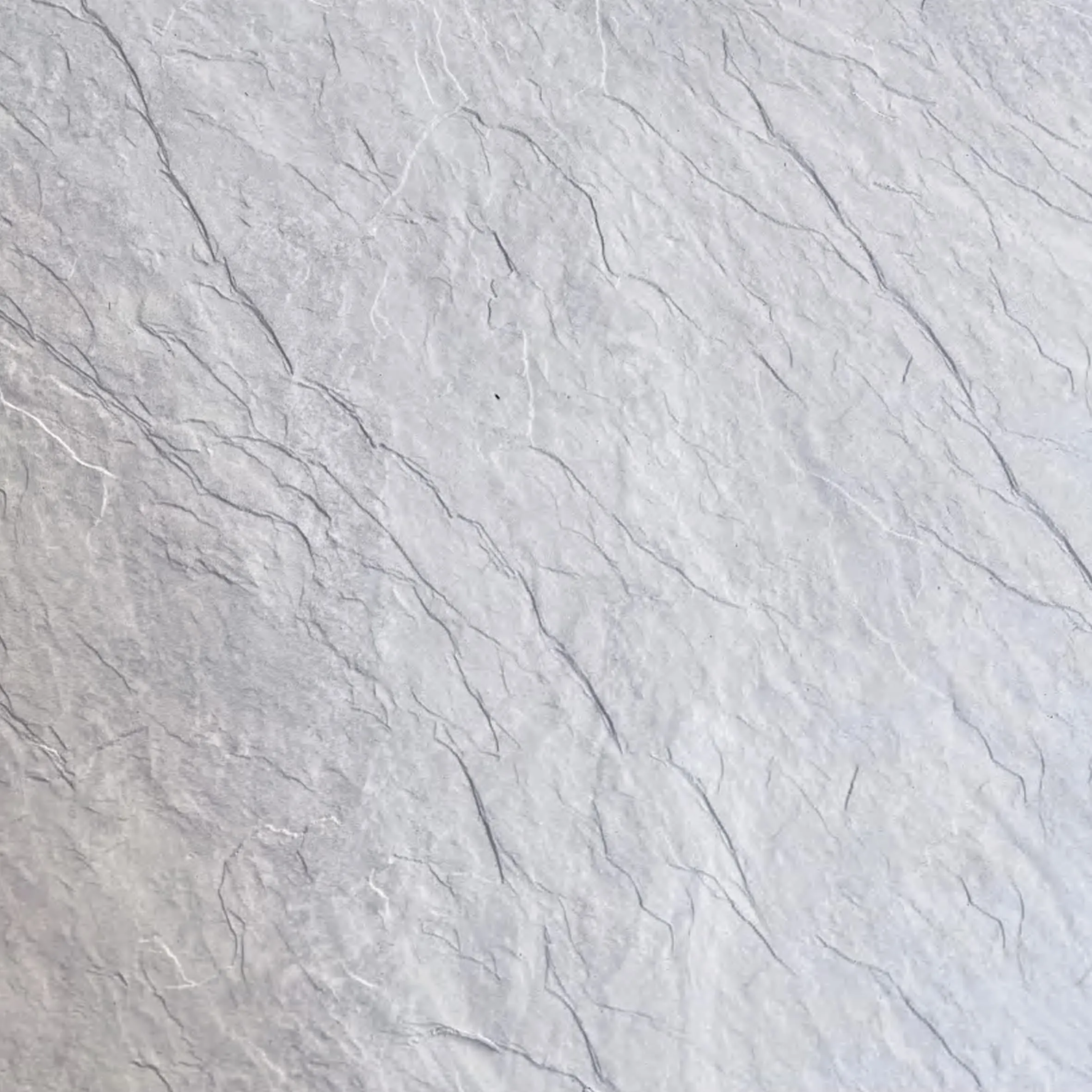
If you've ever stood in front of a finished project featuring Slate Veil White MCM Big Slabs, you know that moment of quiet satisfaction—those soft, veined whites and subtle gray undertones turning a plain wall into a statement piece. But here's the thing: that beauty doesn't just happen by accident. As contractors, we spend hours planning layouts, coordinating teams, and perfecting installations. Yet one step that often gets overlooked? The care we put into transporting and handling these slabs before they even hit the wall. Slate Veil White, like many premium MCM materials—think Lunar Peak Silvery's metallic sheen or Travertine (Starry Blue)'s delicate star patterns—is tough, but it's not indestructible. A small chip during loading, a crack from uneven storage, or a scratch during transport can turn a showstopper into a costly do-over. Let's dive into the nitty-gritty of how to treat these slabs right, from the moment they leave the warehouse to the second they're secured in place.
First, let's talk about what makes Slate Veil White unique. Part of MCM's Big Slab Board Series, these panels are designed to make a bold visual impact—large, seamless surfaces that mimic natural stone but with the durability of modified composite materials. They're resistant to moisture, fire, and fading, which is why architects love specifying them for both indoor accent walls and outdoor facades. But here's the catch: their size (often 4x8 feet or larger) and their surface finish. That smooth, almost velvety texture that catches the light? It's prone to scratches if dragged across rough surfaces. The thin, veined layers that give it depth? They can chip if edges are bumped against hard objects. And while MCM is lighter than natural stone, a single Slate Veil White slab still weighs in at 50-70 pounds—heavy enough that a misstep during lifting can lead to injury and damage. So, treating these slabs like just another construction material? That's where things go wrong.
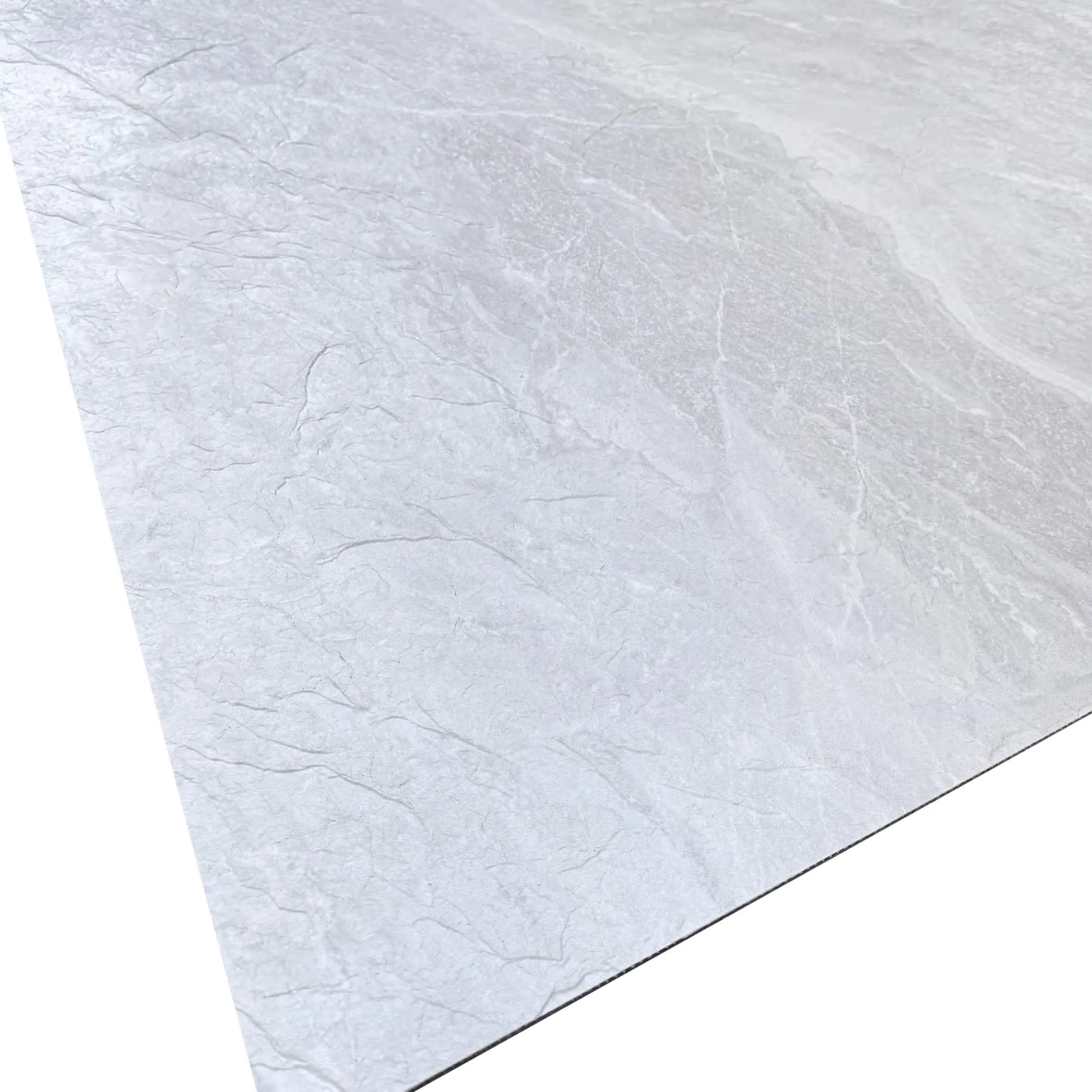
You wouldn't start an installation without checking your tools, right? The same logic applies before loading a single slab onto a truck. Let's break down the prep work that saves you headaches later.
I once worked with a crew that skipped inspecting slabs before transport. They loaded 12 Slate Veil White panels onto a trailer, only to find three had hairline cracks (from factory handling, not their fault) once they arrived on-site. By then, the delivery truck was long gone, and we had to wait a week for replacements. Lesson learned: Always inspect each slab before it leaves the supplier. Check edges for chips, surfaces for scratches, and corners for cracks. Take photos—close-ups of any imperfections—so you're not stuck arguing with the supplier later. Slate Veil White's light color makes flaws easy to spot, so use that to your advantage. A 5-minute check per slab can save you days of delays.
MCM slabs are tough, but they're not immune to the bumps and jostles of the road. The goal with packaging? Create a buffer between the slab and the outside world. For Slate Veil White, start with rigid, moisture-resistant crates—wooden frames lined with foam board work best. Then, wrap each slab individually in a soft, non-abrasive material (avoid plastic sheeting directly on the surface; it can trap moisture and cause discoloration). Add edge protectors—those hard plastic or rubber guards that snap onto the corners and sides. Trust me, a stray pallet during transport will go for the sharpest edge every time. And don't skimp on padding between stacked slabs. Use foam spacers or cardboard sheets to prevent them from rubbing against each other. For extra peace of mind, seal the crate with heavy-duty tape and label it clearly: "FRAGILE—SLATE VEIL WHITE MCM SLABS—HANDLE WITH CARE." You'd be surprised how many truckers slow down when they see that.
Slate Veil White slabs aren't lightweight, but they're also not as heavy as, say, natural marble. A standard 4x8 slab weighs about 60 pounds, which means a pallet of 10 slabs is 600 pounds. That's manageable with a small flatbed truck, but you need to know the exact specs to avoid overloading. Check the supplier's data sheet for weight per slab and dimensions—some custom sizes can be wider or thicker, adding extra heft. Once you have the numbers, choose a vehicle with a flat, stable bed (no rickety trailers with uneven floors). And don't forget securing equipment: ratchet straps with soft loops (to avoid digging into the crate), wheel chocks to prevent rolling, and braces along the sides to keep the load from shifting. On a windy day, even a properly secured pallet can tip if the truck swerves—braces are your insurance policy here.

I've seen it all: the solo contractor trying to heft a slab onto a truck, the crew using a forklift with a metal fork that's way too narrow, the "just grab it by the edges" shortcut that ends with a slab crashing to the ground. Loading and unloading are where most slab damage happens, and it's almost always avoidable with a little coordination.
Pro Tip: If you're using a forklift, swap out the standard metal forks for padded ones or slide foam sleeves over them. Metal-on-MCM contact is a scratch waiting to happen—especially on Slate Veil White's smooth finish.
Here's a hard truth: You can't safely load or unload a Slate Veil White slab alone. Even if you're a gym rat, that 60-pound slab becomes unwieldy once it's off the ground. Always have at least two people per slab—one on each side, communicating clearly. "Lift on three," "tilt forward slightly," "slowly lower to the pallet"—no guessing, no assuming the other person knows what to do. I once watched a crew of three try to load a 5x10 Lunar Peak Golden slab (heavier than Slate Veil White) without talking. One person lifted too early, the slab tilted, and it scraped against the truck bed, leaving a permanent gash in the metallic finish. A quick "wait for my signal" would've fixed that.
For smaller slabs (3x5 feet or under), a good set of manual suction cups (the kind with a pump to create a vacuum seal) works wonders. They let you grip the slab securely without touching the edges, reducing the risk of chipping. Just make sure the cups are clean—dust or debris on the suction pad can break the seal, and suddenly you're holding a slab that's slipping. For larger Slate Veil White slabs (4x8 and up), a forklift with a wide, padded fork or a crane with a spreader bar is better. The spreader bar distributes the weight evenly, so you're not putting pressure on one spot. And if you're unloading at a tight job site with no room for a crane? Invest in a portable gantry lift—they're not cheap, but they're cheaper than replacing a cracked slab.
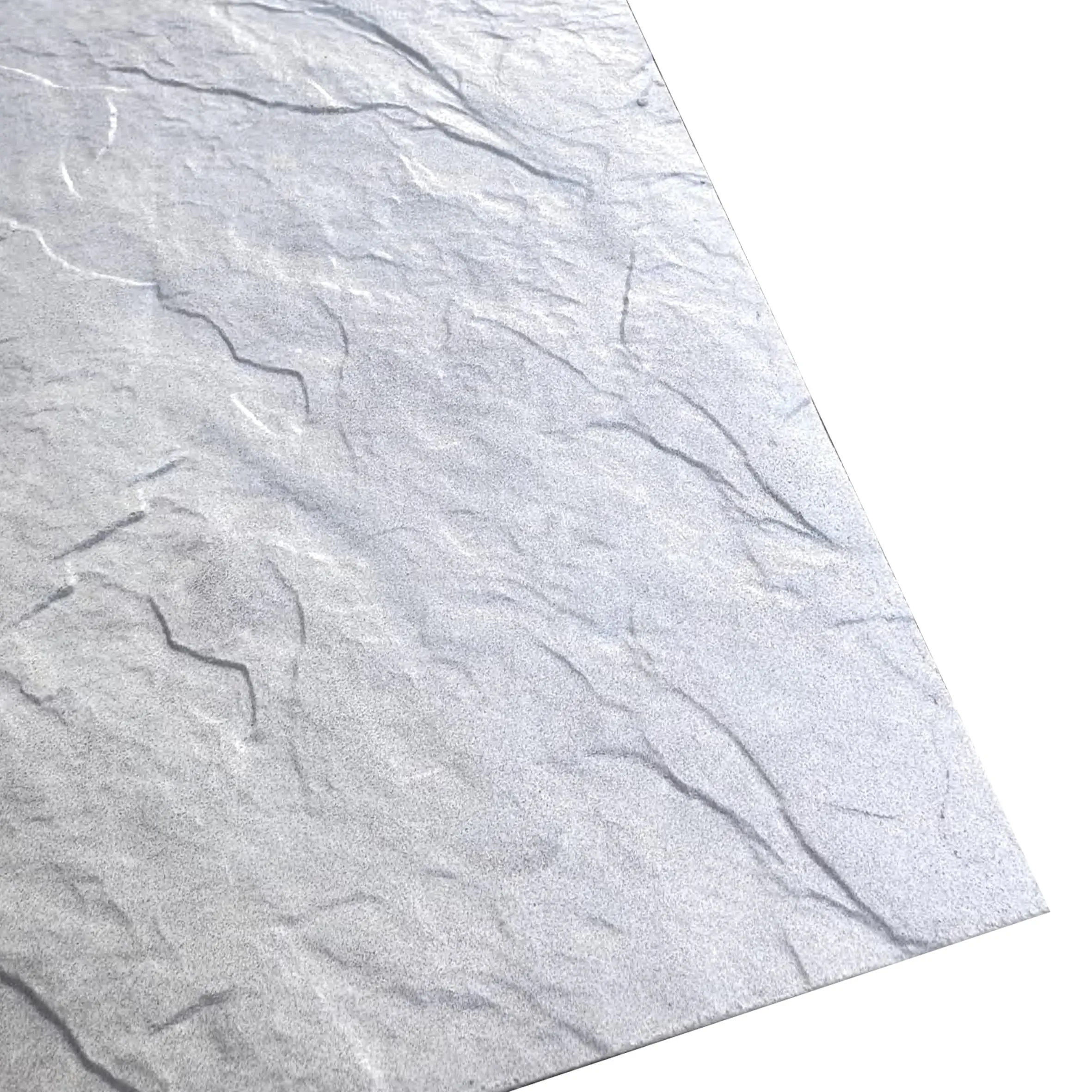
You've safely transported the slabs to the job site—congrats! Now the real work begins. On-site handling is where slabs are most at risk of damage, thanks to uneven ground, cluttered workspaces, and the rush to "get it done."
Ever tried carrying a 4x8 slab through a maze of ladders, toolboxes, and half-finished drywall? Not fun. Before unloading, walk the path from the truck to the installation area. Move debris, secure loose cables, and fill in any potholes or uneven spots with plywood. If you're working indoors, measure doorways and hallways to make sure the slab can fit—Slate Veil White's big slabs might require removing a temporary wall panel or using a different entrance. It's tedious, but I've seen crews waste an hour trying to maneuver a slab through a doorway that was 2 inches too narrow—only to end up chipping the corner when they forced it.
If you're not installing the slabs right away, storage is key. Slate Veil White hates moisture, so avoid leaving them on the ground (even in a garage). Use wooden pallets or metal racks to elevate them at least 6 inches off the floor—this prevents water damage if the site floods (hey, it happens). Stack them flat, not leaning against a wall—leaning puts stress on the bottom slabs, leading to cracks. And if you're stacking multiple slabs, place a sheet of foam board or cardboard between each one to prevent scratches. Oh, and keep them out of direct sunlight! Prolonged UV exposure can fade some MCM finishes (looking at you, Foamed Aluminium Alloy Board (Vintage Gold)), and while Slate Veil White is fade-resistant, why risk it?
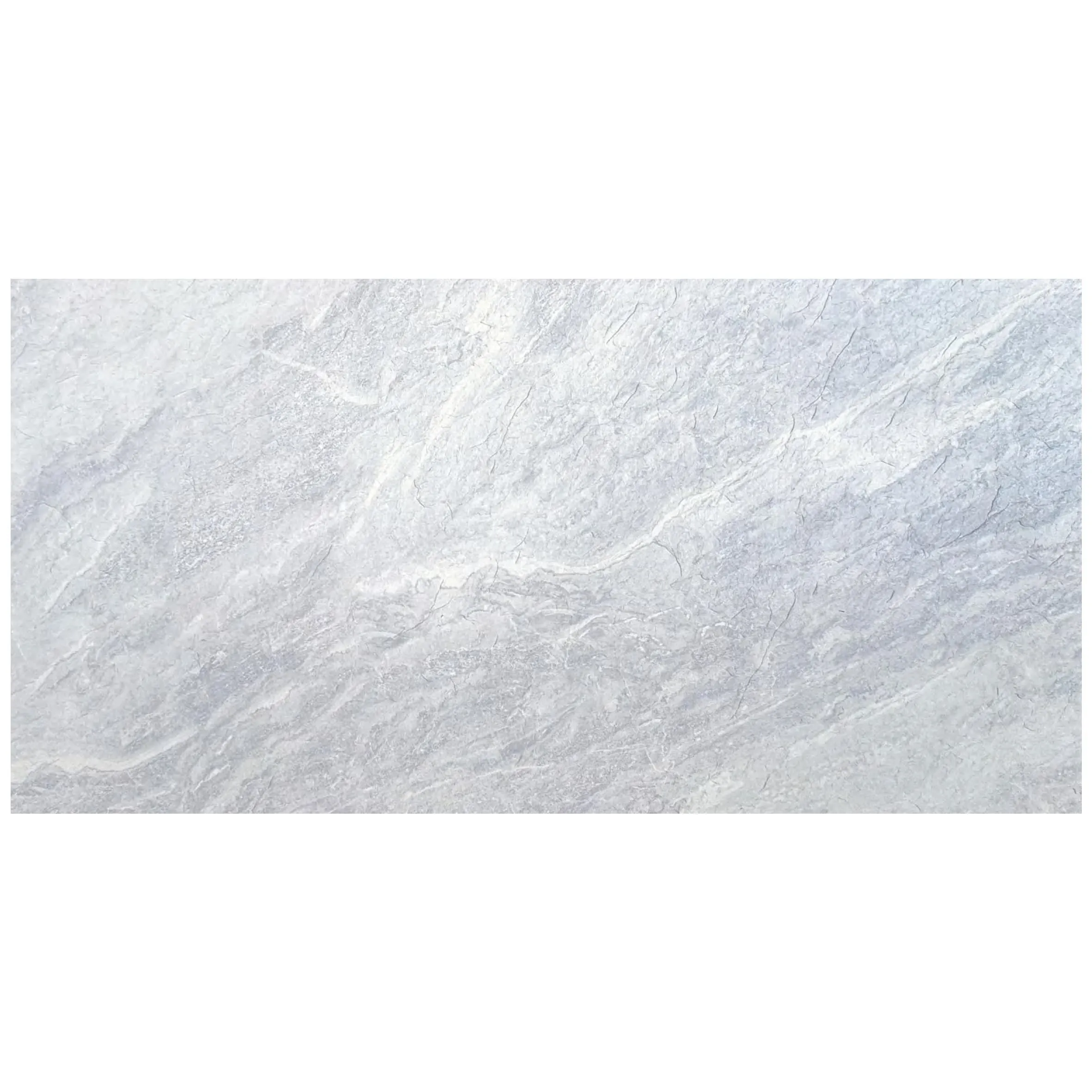
Slate Veil White isn't the only MCM material you'll handle. To help you tailor your approach, here's a quick guide to handling some popular options—because what works for Slate Veil White might not work for, say, Rust Mosaic Stone or Fair-Faced Concrete.
| Material | Weight (per 4x8 slab) | Fragility Level | Special Handling Tip |
|---|---|---|---|
| Slate Veil White | 50-70 lbs | Medium (prone to surface scratches, edge chips) | Use suction cups for lifting; avoid dragging across rough surfaces. |
| Fair-Faced Concrete | 70-90 lbs | Low (dense, but heavy—risk of dropping due to weight) | Use forklifts with wide forks; secure tightly during transport to prevent shifting. |
| Lunar Peak Silvery | 45-60 lbs | High (metallic finish scratches easily) | Wrap in microfiber cloth before stacking; avoid contact with metal tools. |
| Travertine (Starry Red) | 55-75 lbs | Medium-High (porous surface; absorbs moisture) | Seal edges before transport; use moisture barriers in storage. |
| Foamed Aluminium Alloy Board (Vintage Silver) | 30-40 lbs | Low (lightweight, dent-resistant) | Stack vertically to save space; avoid heavy objects on top (can bend). |
At the end of the day, handling Slate Veil White MCM Big Slabs isn't just about avoiding damage—it's about respecting the craft. When you take the time to inspect, package, load, and store these slabs with care, you're not just protecting your bottom line. You're ensuring that the homeowner, the architect, and every person who walks past that wall sees the vision you had from the start: a space transformed by beauty, durability, and the quiet pride of a job well done. So next time you're about to lift a slab, remember: that small extra effort? It's what turns a good project into a great one.
Recommend Products












