
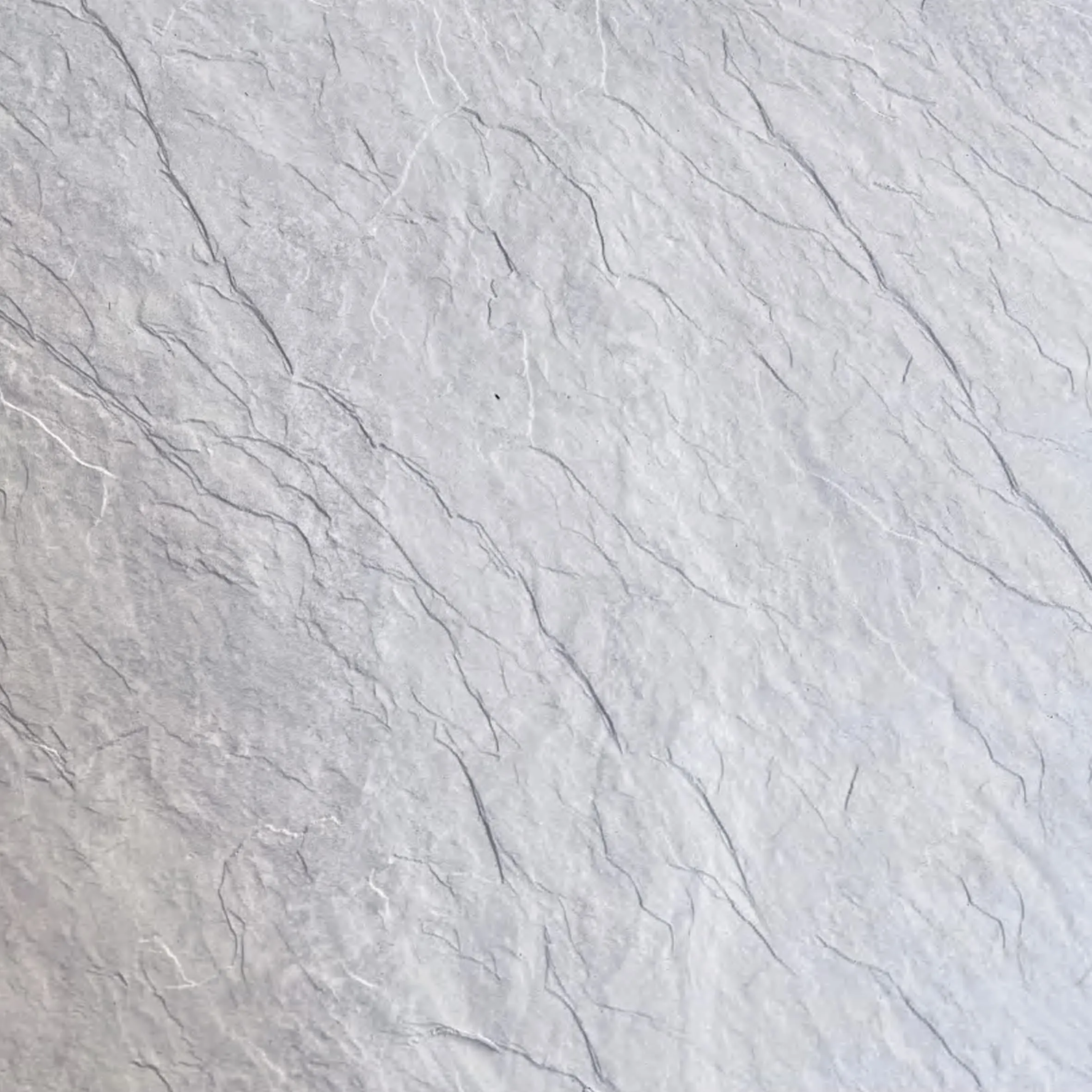
Modern architecture is in a constant dance with innovation. As cities grow taller, spaces become more intimate, and design aspirations reach new heights, the materials that shape our buildings need to keep pace—blending durability with beauty, functionality with flair, and sustainability with style. Enter Slate Veil White MCM, a material that's quietly revolutionizing how architects and designers approach both interior and exterior spaces. In a world saturated with generic concrete and overused marble, this modified cementitious material stands out not just for its striking aesthetic but for the way it solves real-world challenges in construction. Let's dive into what makes Slate Veil White MCM a game-changer, and why it's quickly becoming a staple in projects that aim to leave a lasting impression.
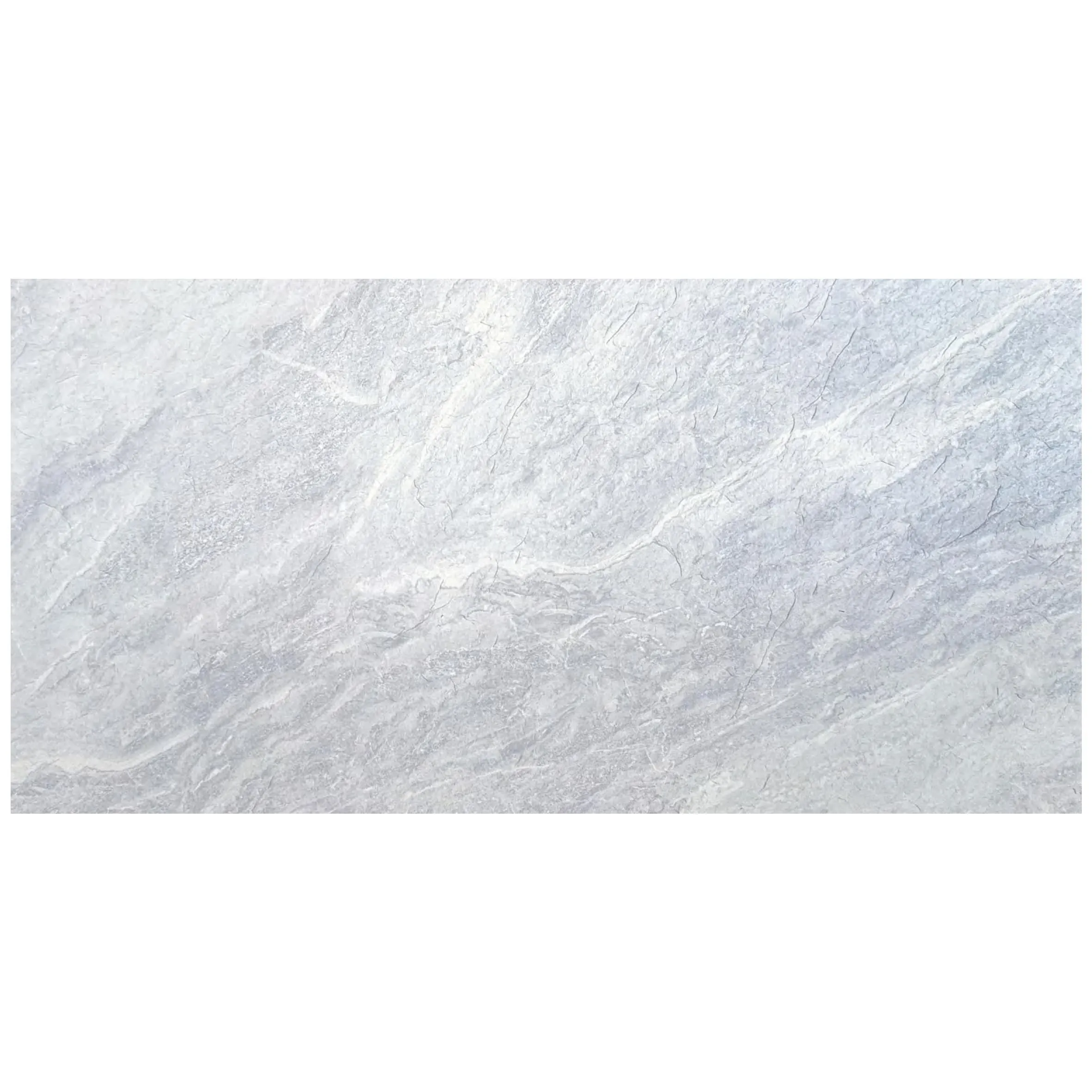
First things first: let's break down the jargon. MCM stands for Modified Cementitious Material, a category of building products that takes traditional cement and elevates it with a blend of polymers, natural aggregates, and reinforcing fibers. The result? A material that's lighter, more flexible, and more versatile than standard concrete or stone, without sacrificing strength. Slate Veil White MCM, in particular, is a standout variant designed to mimic the soft, ethereal look of natural slate—think veiny, cloud-like patterns in a crisp, clean white—while packing in performance features that natural stone can only dream of.
Imagine running your hand over a surface that looks like it was quarried from a mountain, yet feels surprisingly smooth and warm. That's Slate Veil White MCM. It's crafted through a meticulous process that combines Portland cement with recycled mineral powders, glass fibers for tensile strength, and a polymer matrix that enhances flexibility. This cocktail of ingredients gives it a unique set of properties: it's resistant to cracks, impervious to moisture, and can withstand extreme temperatures, making it equally at home on a skyscraper's facade in Dubai or a cozy café interior in Stockholm. And unlike natural slate, which often comes with inconsistencies in color and texture, Slate Veil White MCM offers uniformity—so designers can trust that the vision they sketch will translate exactly to the finished project.
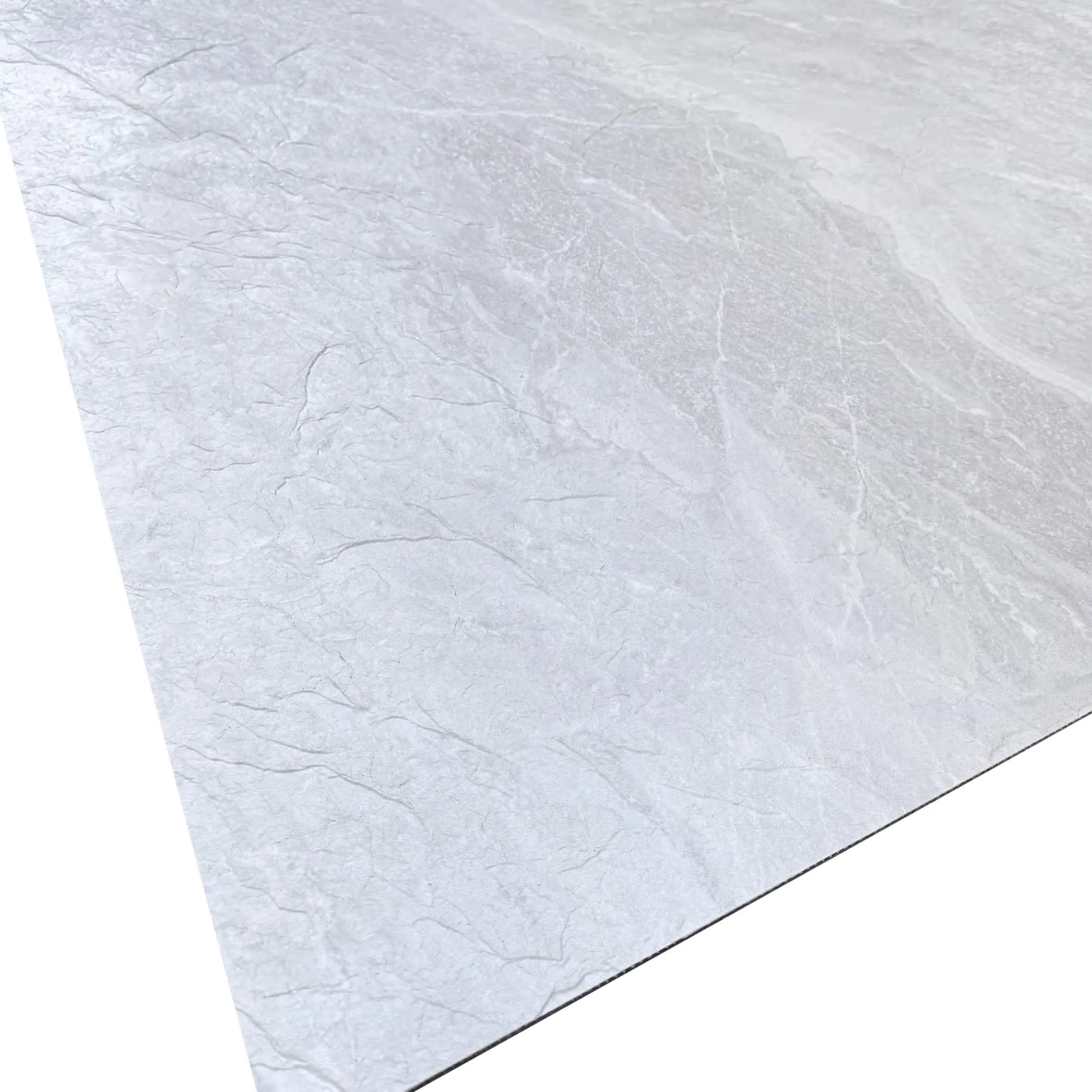
Let's be honest: the building materials market isn't short on options. From fair-faced concrete to marble veil white, architects have no shortage of choices when it comes to cladding and surfacing. So what makes Slate Veil White MCM rise above the rest? Let's break it down into three key areas: aesthetics, performance, and practicality.
In design, first impressions matter. Slate Veil White MCM doesn't just "look good"—it tells a story. Its white base is soft, not stark, with subtle gray veining that mimics the organic patterns found in natural stone. It's versatile enough to complement minimalist, Scandinavian interiors with its clean lines, or add depth to industrial-chic spaces when paired with raw metals and warm woods. Unlike some synthetic materials that can feel flat or plastic-like, Slate Veil White has a depth to its finish that catches light in different ways throughout the day. Morning sunlight might make its veins glow softly, while evening shadows could emphasize its texture, creating a dynamic surface that evolves with the space around it.
And let's not overlook the "veil" in its name. The veining isn't bold or overpowering; it's delicate, like brushstrokes on a canvas. This makes it a favorite for designers who want to add visual interest without overwhelming a room. Whether used as a feature wall in a hotel lobby or as cladding on a residential exterior, it adds a touch of elegance that feels both timeless and modern—think of it as the "little black dress" of building materials: always appropriate, never boring.
Beauty is nothing without substance, and Slate Veil White MCM delivers on both fronts. Let's start with weight: traditional natural stone, like marble or granite, can be incredibly heavy—often requiring reinforced structures and specialized installation teams. Slate Veil White MCM, by contrast, weighs in at a fraction of the weight (typically 3-5 kg per square meter, compared to 20-30 kg for natural stone). This lightness isn't just about ease of installation; it opens up possibilities for projects where weight is a constraint, like high-rise buildings or retrofits of older structures that can't handle heavy loads.
Then there's durability. Anyone who's owned a natural stone countertop knows the struggle: stains from coffee, scratches from pots and pans, or cracks from temperature changes. Slate Veil White MCM, thanks to its polymer reinforcement, is resistant to all of the above. It's water-resistant, so it won't absorb moisture and develop mold or mildew—a huge plus for bathrooms, kitchens, or exterior cladding in rainy climates. It's also fire-resistant, meeting strict safety standards for commercial and residential buildings. And unlike painted surfaces, its color runs through the entire material, not just the top layer—so minor scratches or chips are barely noticeable, keeping spaces looking fresh for years.
Flexibility is another underrated benefit. Traditional cement is brittle; if a building shifts slightly (which all buildings do over time), it can crack. Slate Veil White MCM has a degree of flexibility that allows it to bend without breaking, making it ideal for areas prone to movement, like floors above garages or exterior walls exposed to wind and seismic activity. It's a material that doesn't just look good on day one—it stays looking good, even when life happens.
To truly appreciate Slate Veil White MCM, it helps to see how it stacks up against other popular building materials. Let's put it head-to-head with two common alternatives: fair-faced concrete and Historical Pathfinders Stone (another MCM variant with a more rustic, aged look).
| Feature | Slate Veil White MCM | Fair-Faced Concrete | Historical Pathfinders Stone |
|---|---|---|---|
| Aesthetic | Soft white with subtle gray veining; clean, modern look | Raw, industrial gray; minimalist but can feel cold | Rustic, weathered appearance; warm, earthy tones |
| Weight (per sqm) | 3-5 kg | 22-25 kg | 4-6 kg |
| Installation Ease | Lightweight; can be cut on-site; no special tools needed | Heavy; requires formwork; difficult to adjust once set | Lightweight; similar to Slate Veil White |
| Durability | Scratch, stain, and moisture-resistant; color-through | Prone to staining; surface cracks over time | Durable but more porous than Slate Veil White |
| Sustainability | Recycled aggregates; low carbon footprint | High cement content; high carbon emissions | Recycled materials; similar to Slate Veil White |
| Best For | Modern interiors/exteriors, high-end residential, commercial lobbies | Industrial spaces, warehouses, brutalist architecture | Heritage projects, rustic homes, outdoor pathways |
As the table shows, Slate Veil White MCM offers a sweet spot between the raw industrial look of fair-faced concrete and the rustic charm of Historical Pathfinders Stone. It's modern without being cold, durable without being heavy, and sustainable without compromising on style. For designers torn between aesthetics and practicality, it's the ultimate compromise—no, better: it's the material that says, "Why compromise at all?"
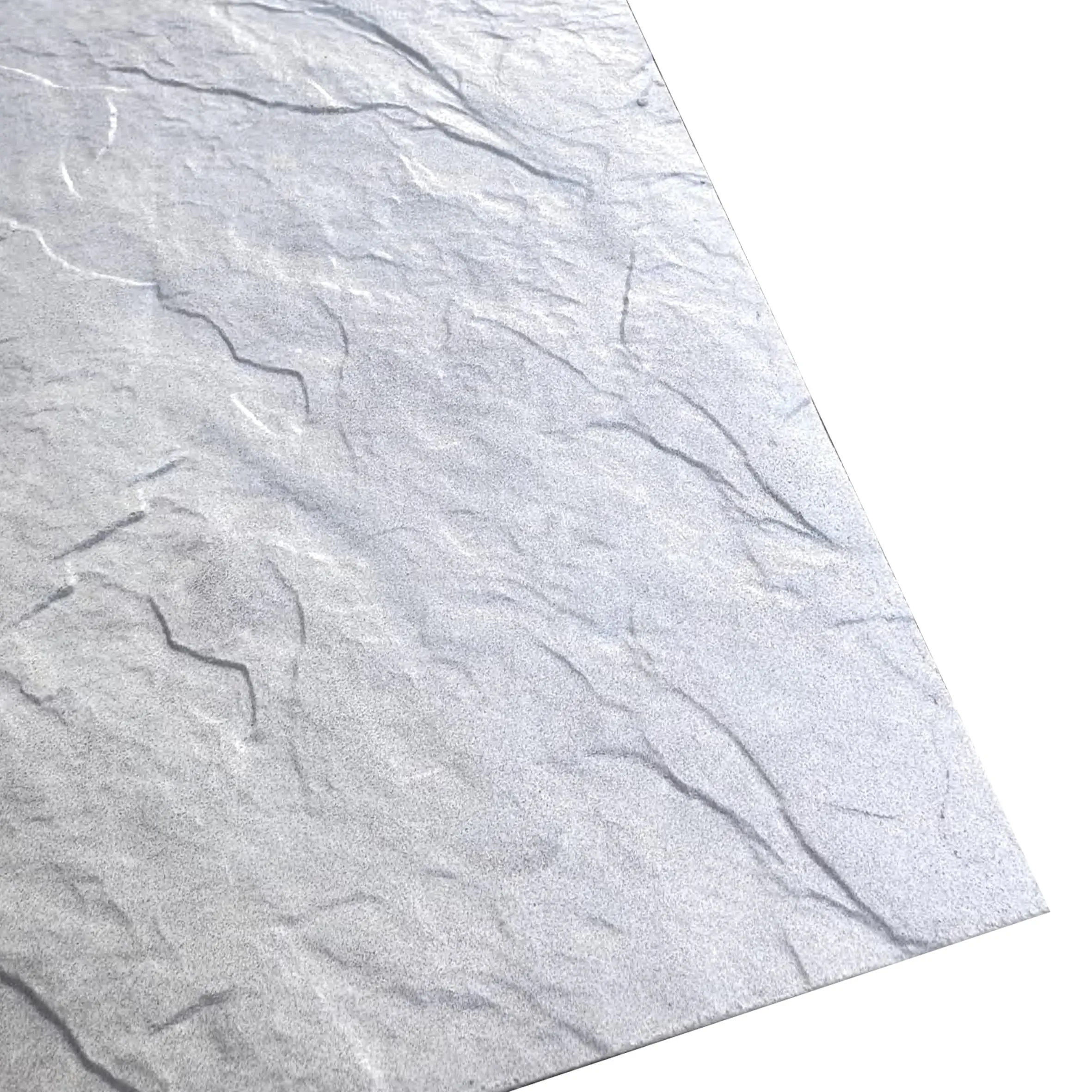
One of the most exciting things about Slate Veil White MCM is its versatility. It's not limited to one type of project or space; it adapts to whatever vision a designer has. Let's explore some of the most common (and creative) ways it's being used today.
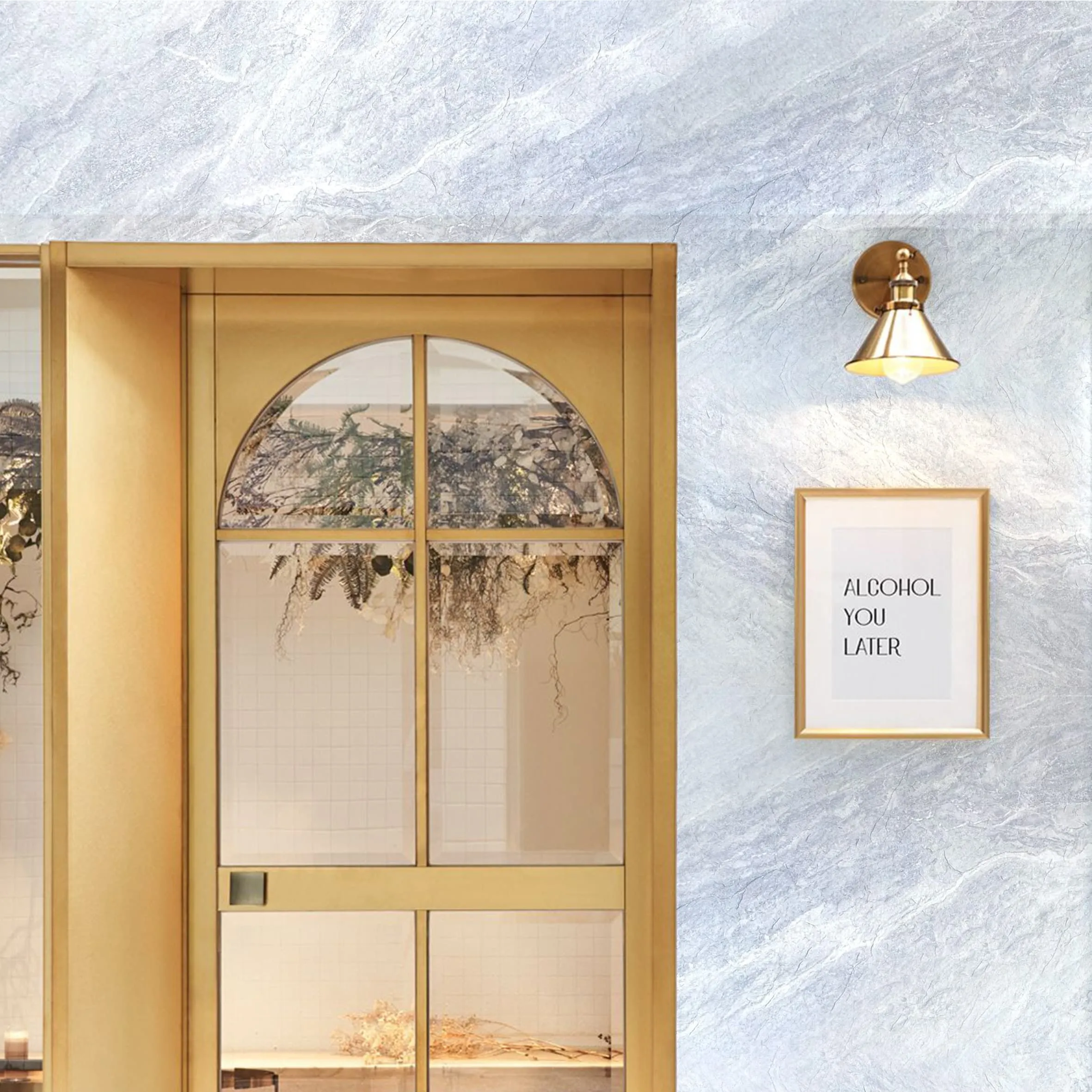
The exterior of a building is its first impression, and Slate Veil White MCM is helping architects make bold statements. Imagine a commercial office building with a facade that shimmers in the sunlight, its white veining catching the light and creating a dynamic, ever-changing appearance. Or a boutique hotel where the exterior walls look like they're draped in a layer of soft, white stone, blending seamlessly with the surrounding landscape. Slate Veil White MCM's light weight makes it ideal for large-scale cladding projects—no need for massive steel supports—and its weather resistance ensures it can handle rain, snow, and UV rays without fading or deteriorating.
It's also a favorite for accent walls on exteriors. Pair it with warm woods or rusted metals for a modern-industrial vibe, or use it to frame large windows, creating a contrast between the crisp white and the greenery outside. The possibilities are endless, and the result is always eye-catching.
Inside the home or office, Slate Veil White MCM truly comes into its own. Kitchen countertops are a natural fit—imagine a sleek, white countertop with subtle gray veins that complement both light and dark cabinetry. It's heat-resistant, so you can set a hot pan directly on it without worrying about burns, and its non-porous surface means spills wipe away with a cloth, no harsh chemicals needed.
Feature walls are another popular application. In a living room, a Slate Veil White MCM wall behind the sofa adds texture and depth without overwhelming the space. In a bathroom, it can be used as shower walls or backsplashes, bringing a spa-like serenity to the room. Even floors—thanks to its durability and slip resistance—Slate Veil White MCM makes for stunning, low-maintenance flooring that can handle heavy foot traffic in entryways or commercial spaces like restaurants and retail stores.
One of the most creative uses we've seen? Ceilings. Yes, ceilings! Its light weight means it can be installed overhead without fear of sagging, and its reflective surface can make small rooms feel larger and brighter. Imagine a bedroom with a Slate Veil White MCM ceiling, paired with recessed lighting that highlights its veiny patterns—it's like sleeping under a starry sky, but softer, more serene.
Not all projects are brand-new; many involve restoring or adding to historic buildings, where preserving the original character is key. Slate Veil White MCM shines here, too. Its ability to mimic natural stone means it can blend in with older structures, while its modern performance features ensure the addition is built to last. For example, a 19th-century townhouse being converted into luxury apartments might use Slate Veil White MCM for a new extension, matching the color and texture of the original stone facade but with the added benefits of lightweight installation and low maintenance. It's a way to honor the past while embracing the future—a balance that's tricky to achieve with traditional materials.
In today's world, sustainability isn't just a buzzword—it's a necessity. Architects and builders are under increasing pressure to choose materials that minimize environmental impact, and Slate Veil White MCM delivers here as well. Let's start with its composition: many MCM products, including Slate Veil White, use recycled materials in their aggregates, reducing the need for virgin resources. The manufacturing process also requires less energy than quarrying and processing natural stone, which often involves heavy machinery and long transportation routes.
Then there's longevity. A material that lasts longer means less frequent replacement, which translates to less waste over time. Slate Veil White MCM's durability ensures it can go decades without needing to be replaced, unlike painted surfaces or low-quality laminates that chip and fade after just a few years. It's also recyclable at the end of its life, closing the loop and reducing landfill waste.
For projects aiming to achieve green building certifications (like LEED or BREEAM), Slate Veil White MCM is a strong asset. Its low VOC emissions (volatile organic compounds) improve indoor air quality, and its thermal efficiency can help reduce heating and cooling costs by insulating spaces better than traditional concrete. It's a material that doesn't just make buildings look good—it makes them do good, too.
One of the biggest frustrations with building materials is the lack of customization. You're often limited to the colors and textures that come off the production line, forcing you to compromise on your vision. Slate Veil White MCM, however, is part of the MCM Big Slab Board Series, which offers a range of sizes and customization options to fit any project. Need a massive slab for a statement wall? The Big Slab Series can produce panels up to 3 meters in length, minimizing seams and creating a seamless, luxurious look. Want to tweak the veining pattern to match a specific design? Manufacturers can adjust the aggregate mix to create custom patterns, ensuring your project is truly one-of-a-kind.
Finish options are another plus. While the standard finish is a soft matte that mimics natural slate, you can also opt for a polished finish for a more glamorous, reflective look, or a textured finish for added grip (great for outdoor floors). And while we're focusing on Slate Veil White, the MCM family includes a range of colors and styles—like Lunar Peak Silvery or Marble Veil White—that can complement or contrast with Slate Veil White, giving designers a whole palette to work with.
To bring this all to life, let's take a look at a real-world example: the Azure Tower, a 30-story mixed-use building in downtown Chicago. The architects wanted the lobby to feel both grand and welcoming, with a material that would make a statement without overshadowing the building's art installations and natural light. After considering marble, granite, and even fair-faced concrete, they settled on Slate Veil White MCM for the main feature wall and reception desk.
The result? A lobby that's been described as "serene yet striking." The 20-foot-tall Slate Veil White MCM wall, with its soft veining, serves as a backdrop for a commissioned sculpture, its white surface making the sculpture's colors pop. The reception desk, crafted from a single piece of Slate Veil White MCM (thanks to the Big Slab Board Series), has become a focal point, with visitors often commenting on how "luxurious yet approachable" it feels. Best of all, the lightweight material meant the installation took just three days, minimizing disruption to the construction timeline, and the building's engineers were thrilled with the reduced load on the structure.
A year later, the lobby still looks as good as new. Daily foot traffic, coffee spills, and the occasional bump from luggage have left no marks, and the material has held up perfectly against Chicago's harsh winters and humid summers. It's a testament to Slate Veil White MCM's ability to deliver on both aesthetics and performance, even in high-pressure, high-traffic environments.
So, what does the future hold for Slate Veil White MCM? If current trends are any indication, it's only going to grow in popularity. As architects and designers continue to prioritize materials that offer both beauty and functionality, Slate Veil White MCM checks all the boxes. Its versatility means it can adapt to any design style, from minimalist to maximalist, modern to rustic. Its sustainability credentials align with the global push for greener building practices. And its performance features solve real, everyday problems in construction—from weight constraints to maintenance headaches.
But perhaps the biggest reason it will endure is the emotional connection it creates. In a world where so much of our built environment feels cold and impersonal, Slate Veil White MCM brings warmth and texture. It's a material that invites touch, that changes with the light, that makes spaces feel alive. It's not just about building walls or countertops; it's about creating experiences—spaces that people remember, that make them feel comfortable, inspired, and at home.
At the end of the day, Slate Veil White MCM is more than just a building material. It's a tool that empowers designers to push boundaries, to create spaces that are both beautiful and practical, and to build for a future that demands more from our materials. Whether you're designing a skyscraper, a cozy home, or a historic restoration, Slate Veil White MCM offers a combination of aesthetics, performance, and sustainability that's hard to beat. It's a reminder that innovation in architecture isn't just about new shapes or technologies—it's about reimagining the very materials we build with, and in doing so, reimagining the way we live, work, and connect with our surroundings.
So the next time you walk into a building and find yourself pausing to admire a wall or countertop—its texture, its color, the way it makes the space feel—take a closer look. Chances are, it might just be Slate Veil White MCM, quietly proving that the best materials don't just build structures; they build experiences. And in a world that's always rushing, those experiences are what make life feel rich, meaningful, and full of possibility.
Recommend Products












