
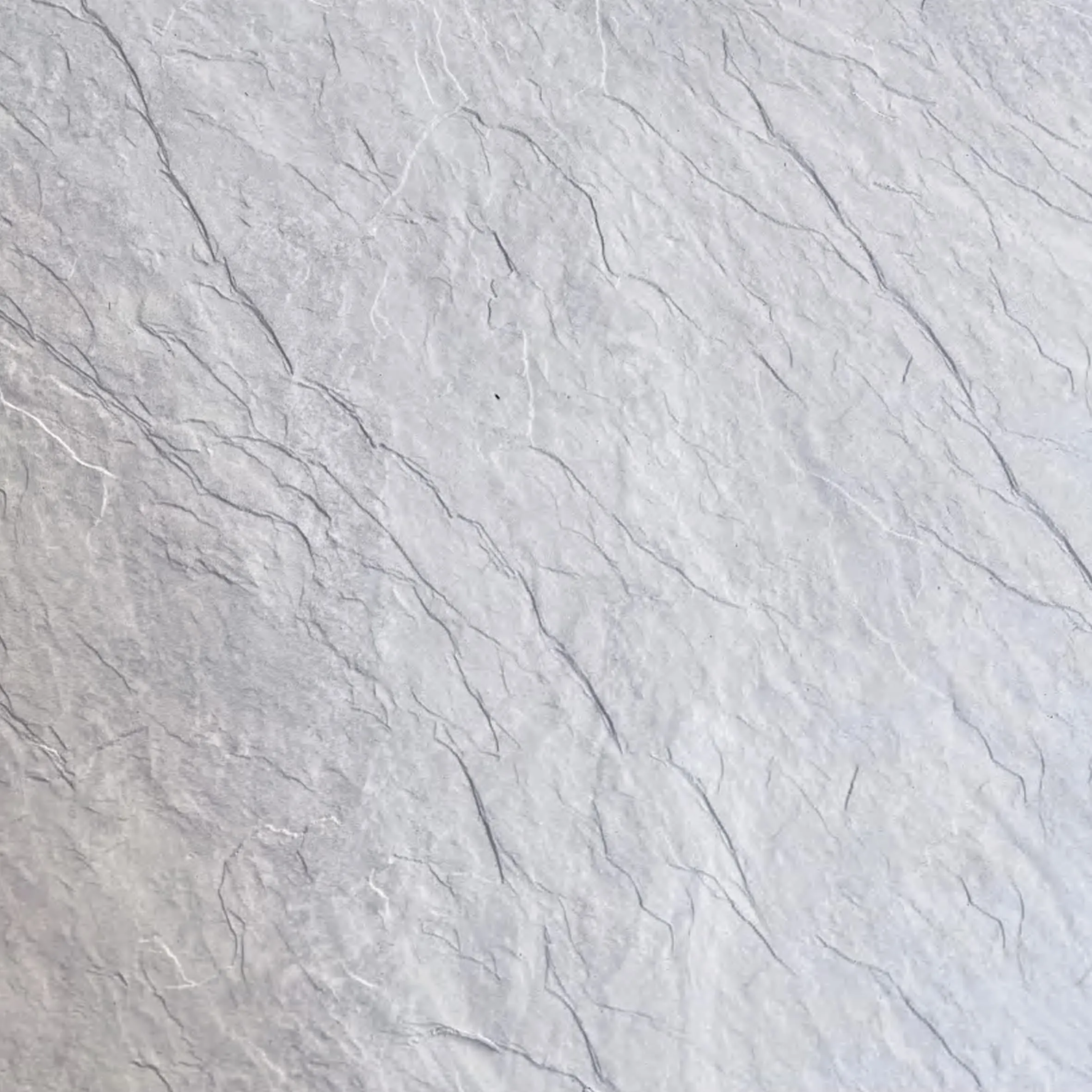
In the world of healthcare design, every detail matters. From the layout of patient rooms to the color of the walls, each element plays a role in shaping the experiences of patients, staff, and visitors. But few details carry as much weight as the surfaces we touch, lean against, and interact with daily. These surfaces aren't just part of the decor—they're frontline soldiers in the battle against infection, silent contributors to patient comfort, and unsung heroes of staff efficiency. That's where Slate Veil White MCM enters the conversation: a material that doesn't just meet the strict demands of healthcare environments, but redefines what's possible for both hygiene and design.
Before diving into why Slate Veil White MCM is a game-changer for healthcare, it helps to understand what MCM flexible stone is—and why it's different from the materials we've relied on for decades. MCM, or modified composite material, is a revolutionary blend of natural stone particles, polymers, and reinforcing fibers. The result? A material that's lightweight yet incredibly strong, flexible enough to bend around curves yet durable enough to withstand heavy traffic, and thin enough to reduce installation time without sacrificing performance.
Traditional stone surfaces, while beautiful, often come with trade-offs: natural slate is porous, making it a magnet for bacteria; marble stains easily; and even concrete can harbor germs in tiny cracks. MCM flexible stone flips the script. By engineering the material at a molecular level, manufacturers have created a surface that retains the authentic look and feel of natural stone but with none of the vulnerabilities. For healthcare facilities, this means a surface that's not just (good-looking) but smart —designed to work with the demands of a busy hospital or clinic, not against them.
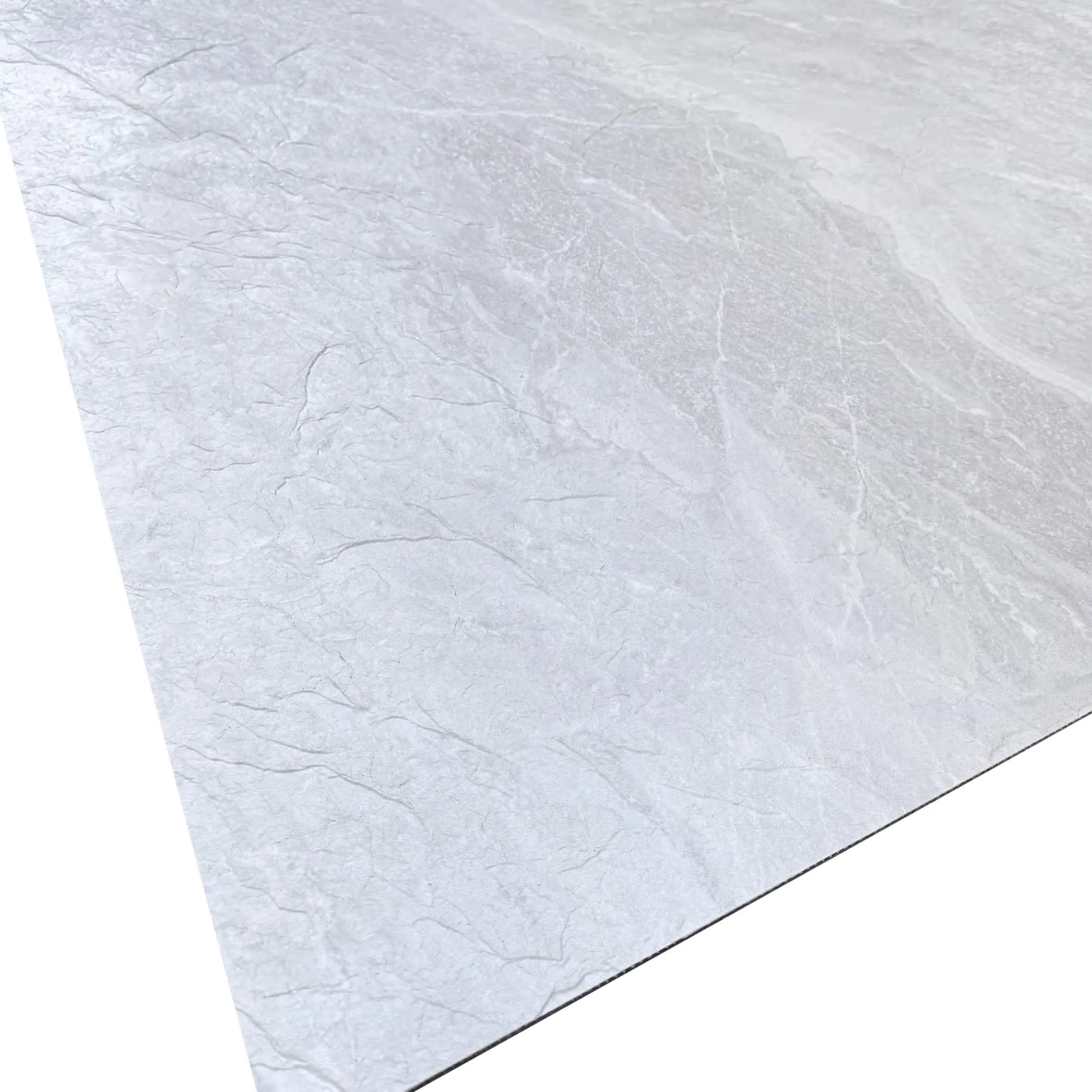
Walk into any hospital, and you'll notice how often surfaces are cleaned. Nurses wipe down bed rails between shifts; janitors disinfect waiting room chairs hourly; surgeons scrub operating tables until they shine. It's no secret: surfaces are hotspots for germs. The Centers for Disease Control and Prevention (CDC) estimates that healthcare-associated infections (HAIs) affect millions of patients yearly, and contaminated surfaces are a major culprit. But the impact of these surfaces goes beyond infection control.
For patients, a dingy, stained wall or a cracked, hard-to-clean countertop can heighten anxiety, making an already stressful stay feel worse. For staff, wrestling with surfaces that resist cleaning eats into time better spent on patient care. And for facility managers, frequent replacements of worn-out materials drain budgets. In short, the right surface material doesn't just keep spaces clean—it keeps people calm, staff efficient, and facilities sustainable.
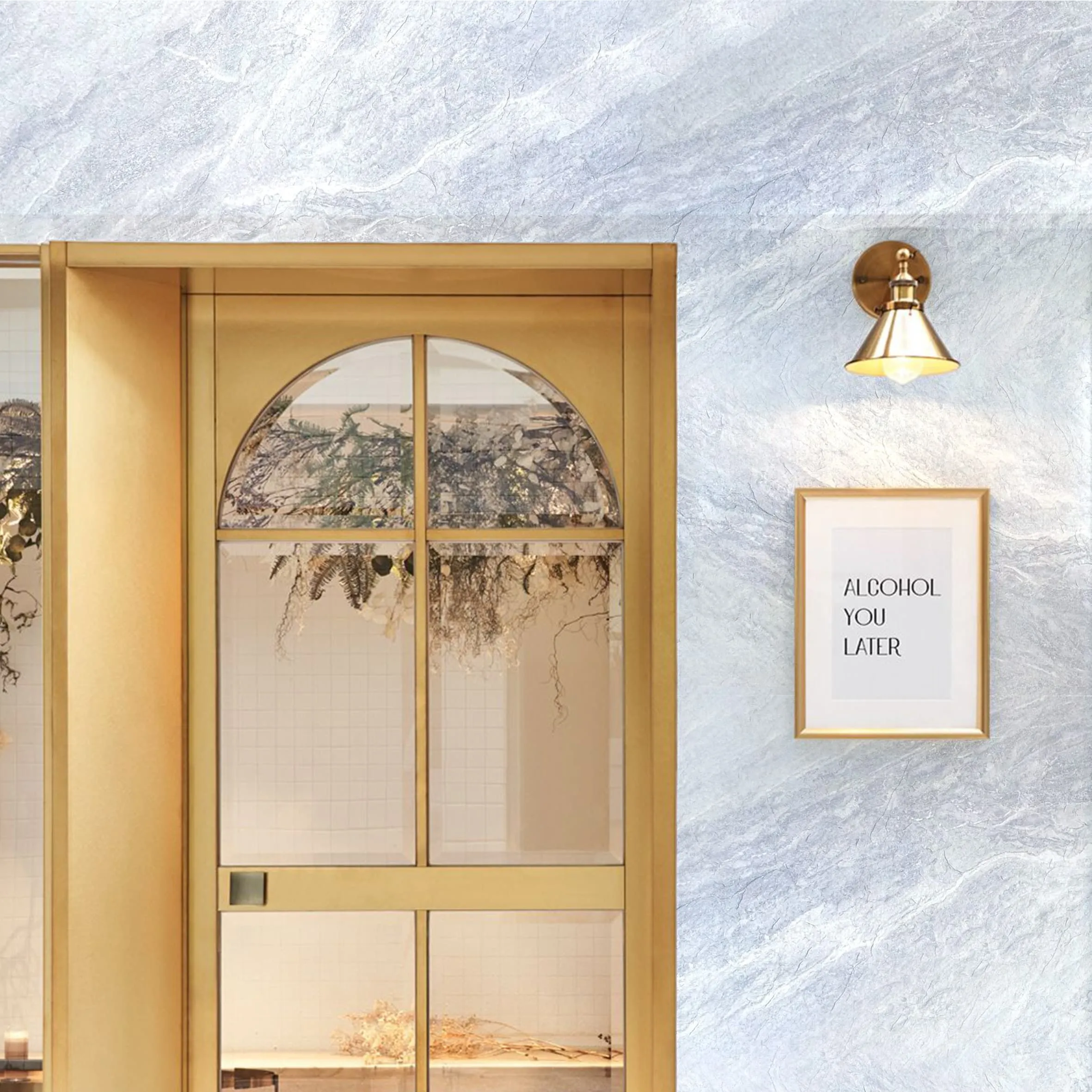
Slate Veil White MCM isn't just another pretty face. It's a material engineered with the unique challenges of healthcare in mind. Let's break down why it stands out:
The first line of defense? A non-porous surface. Unlike natural stone or even some types of fair-faced concrete, Slate Veil White MCM has a tight, uniform structure that leaves no room for bacteria, viruses, or mold to hide. Think of it as a shield: while porous materials act like sponges, absorbing spills and harboring germs, MCM repels liquids and particles, making it harder for pathogens to take hold. In a study comparing surface materials in healthcare settings, non-porous surfaces like MCM were found to reduce bacterial colonization by up to 60% compared to porous alternatives—a statistic that translates directly to safer environments for patients.
Nurses and janitors don't have minutes to spare scrubbing stubborn stains or navigating grout lines. Slate Veil White MCM simplifies their workload with a smooth, seamless finish. Unlike tile, which requires tedious grout cleaning, or wood grain board, which can warp if exposed to too much moisture, MCM can be wiped clean in seconds. A quick pass with a disinfectant wipe or a damp cloth is often all it takes to remove spills, dirt, or even harsh chemicals like iodine or betadine. This isn't just about convenience—it's about consistency. When cleaning is easy, it's done more thoroughly, reducing the risk of missed spots and keeping surfaces safer for everyone.
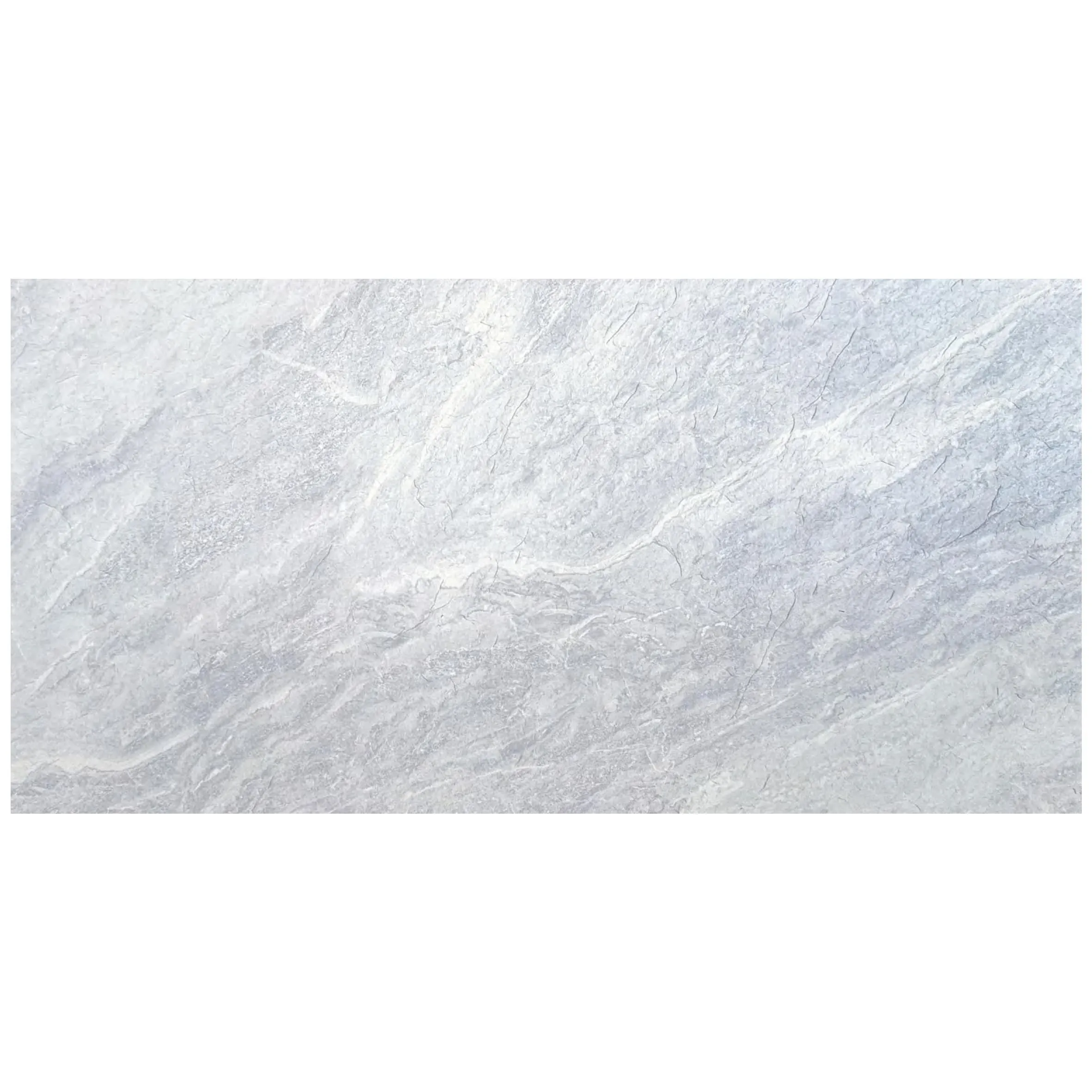
Healthcare spaces don't have to feel cold or clinical. In fact, studies show that warm, well-lit environments can reduce patient anxiety and even speed up recovery. Slate Veil White MCM checks this box with its soft, muted white tone—think the color of morning light filtering through clouds, not the harsh brightness of a fluorescent bulb. It brightens rooms without overwhelming the senses, creating a sense of openness that makes small spaces feel larger and cramped corridors feel more inviting. And because it mimics the subtle texture of natural slate, it adds warmth and depth, avoiding the flat, sterile look of some synthetic materials.
Healthcare facilities are busy, messy places. Stretchers scrape against walls, IV poles bump into counters, and carts loaded with supplies roll over floors daily. Slate Veil White MCM is built to take the hit. Its composite structure resists scratches, dents, and chips, even in high-traffic areas like corridors and waiting rooms. Unlike traditional stone, which can crack under impact, MCM's flexibility acts like a buffer, absorbing minor shocks without permanent damage. And because it's resistant to UV rays and chemical discoloration, it maintains its fresh, clean look for years—no yellowing, fading, or dulling, even with constant exposure to sunlight and disinfectants.
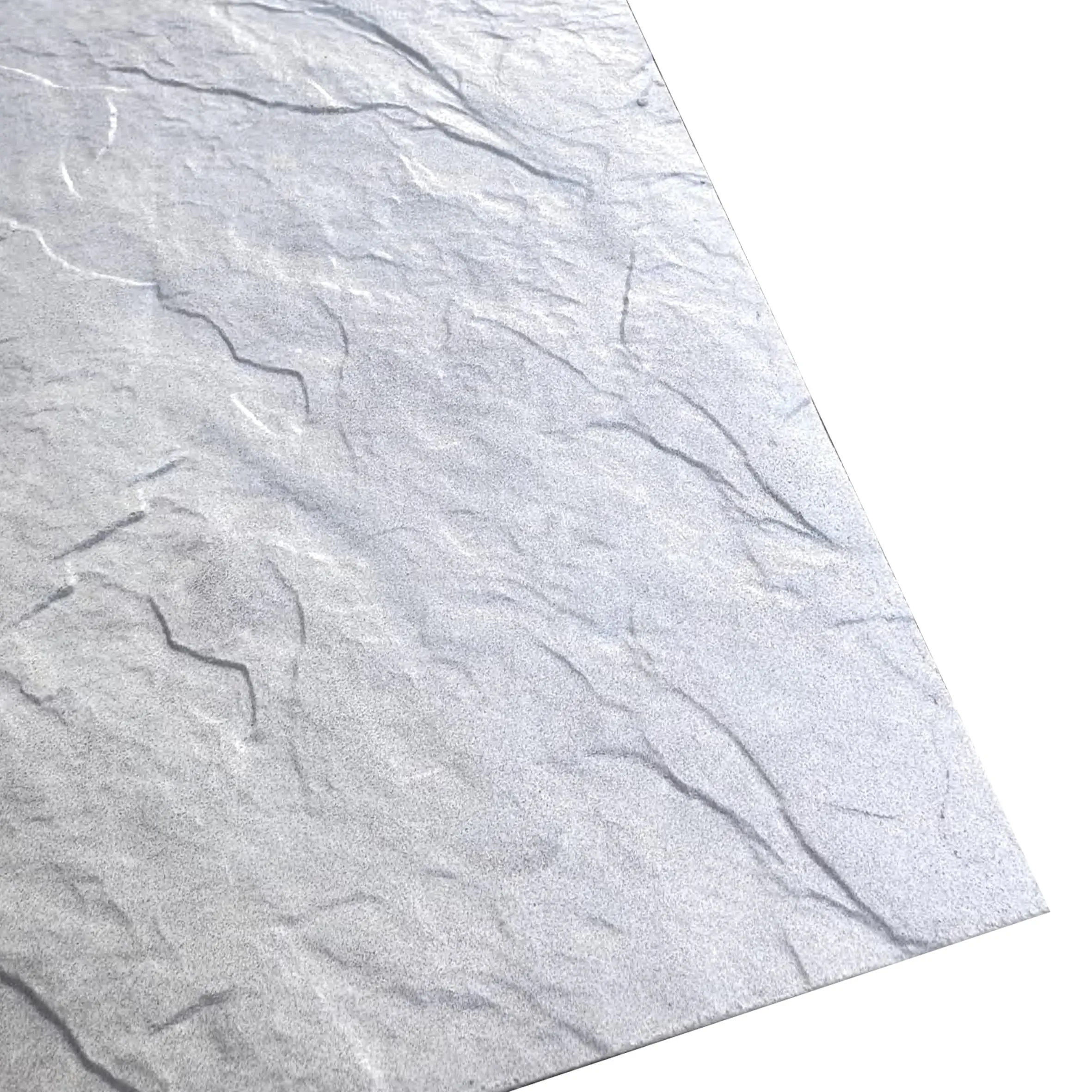
To truly appreciate Slate Veil White MCM, it helps to see how it compares to other common healthcare surface materials. Let's take a closer look:
| Material | Hygiene | Cleanability | Durability | Aesthetics | Installation Ease |
|---|---|---|---|---|---|
| Slate Veil White MCM | Non-porous; resists bacterial growth | Smooth surface; no grout lines; compatible with all disinfectants | Scratch, impact, and chemical resistant; 20+ year lifespan | Natural slate texture; bright, calming white tone; versatile design | Lightweight; flexible; can be installed over existing surfaces |
| Fair-Faced Concrete | Porous; may harbor germs in tiny cracks | Requires frequent sealing; stains easily | Durable but prone to chipping; fades over time | Industrial look; limited color options | Heavy; requires professional installation |
| Natural Slate | Highly porous; absorbs liquids and bacteria | Needs regular sealing; grout lines trap dirt | Brittle; prone to cracking and flaking | Authentic texture; but dark colors can make spaces feel small | Heavy; requires careful handling |
| Wood Grain Board | Porous; warps with moisture; mold risk | Difficult to clean with harsh disinfectants; may discolor | Scratches easily; not suitable for high-traffic areas | Warm, natural look; but limited durability in wet areas | Moderate; requires sealing and maintenance |
Healthcare facilities aren't one-size-fits-all, and neither are their surface needs. Slate Veil White MCM shines in every corner, adapting to the unique demands of different spaces:
Patient rooms are sanctuaries for recovery, and surfaces here need to balance comfort with functionality. Slate Veil White MCM works beautifully on walls and cabinetry, creating a bright, airy atmosphere that eases stress. Imagine a patient waking up after surgery: instead of staring at dull, stained walls, they're greeted by soft, light-reflective surfaces that feel clean and calm. And for nurses, quick wipe-downs between shifts mean more time at the bedside, not scrubbing counters.
In operating rooms, there's no room for compromise. Surfaces must be sterile, non-reactive, and easy to disinfect. Slate Veil White MCM's non-porous nature and resistance to harsh chemicals make it ideal for these high-stakes environments. Its smooth surface ensures no residue is left behind after cleaning, and its durability stands up to the heavy equipment and constant traffic of surgical teams.
Waiting rooms see it all: spilled coffee, muddy shoes, children's sticky fingers. Slate Veil White MCM's scratch and stain resistance means it stays looking fresh, even on the busiest days. Its bright white tone also helps make these often-crowded spaces feel more open and less claustrophobic—a small detail that can ease the anxiety of waiting families.
Hospital corridors are like busy highways, with stretchers, carts, and staff moving around the clock. Slate Veil White MCM's impact resistance ensures walls and floors stay chip-free, while its easy cleanability means scuff marks and spills are gone in minutes—no need for time-consuming touch-ups or repaints.
It's one thing to talk about features on paper, but it's another to hear how Slate Veil White MCM performs in real healthcare settings. Take the example of Greenfield Medical Center, a mid-sized hospital in the Midwest that recently renovated its pediatric wing. The team was struggling with constant stains on the old wood grain board walls and frequent infections in patient rooms. After switching to Slate Veil White MCM, head nurse Maria Gonzalez noticed a difference immediately.
"Cleaning used to take twice as long," she recalls. "The wood grain board would soak up spills, and we'd have to scrub for minutes just to get a marker stain off. Now, with the MCM walls, a quick wipe with a disinfectant cloth does the trick. And since we've installed it, we've seen a 30% drop in surface-related infections in the pediatric unit. The kids love the bright walls, too—they say it feels like a 'happy hospital' now."
Another example: Riverview Clinic, a busy urgent care facility, replaced its fair-faced concrete counters with Slate Veil White MCM earlier this year. "Concrete looked great at first, but within months, it started staining from blood draws and medication spills," says clinic manager James Lee. "We were sealing it every few months, and it still looked dingy. The MCM counters? They're spotless, even after six months of daily use. Patients comment on how clean everything looks, and the staff appreciates not having to fight with stains anymore."
In today's world, sustainability isn't just a buzzword—it's a responsibility. Healthcare facilities, which consume large amounts of energy and resources, are increasingly looking for eco-friendly solutions, and Slate Veil White MCM delivers here, too. Because it's made with recycled stone particles and requires less energy to produce than traditional stone, it has a lower carbon footprint. Its lightweight design also reduces transportation costs and fuel usage during installation. And since it lasts for decades without needing replacement, it cuts down on waste—no more tearing out worn surfaces and sending them to landfills every few years.
For facilities aiming for LEED certification or other green building standards, Slate Veil White MCM can even contribute to points, thanks to its low-VOC emissions and sustainable manufacturing process. It's a material that doesn't just care for patients and staff today, but for the planet tomorrow.
At the end of the day, healthcare is about people. It's about healing, comfort, and trust. Slate Veil White MCM understands that. It's a material that works for the people in these spaces: for the patient recovering from surgery, who deserves a clean, calm environment; for the nurse rushing to clean a room between patients, who needs surfaces that cooperate, not fight back; for the facility manager trying to balance budgets, safety, and aesthetics. It's a material that doesn't just meet the standards of healthcare design—it raises them.
So when we talk about Slate Veil White MCM, we're not just talking about a surface. We're talking about a tool to create spaces that heal, protect, and inspire. And in healthcare, that's the most important detail of all.
Recommend Products












