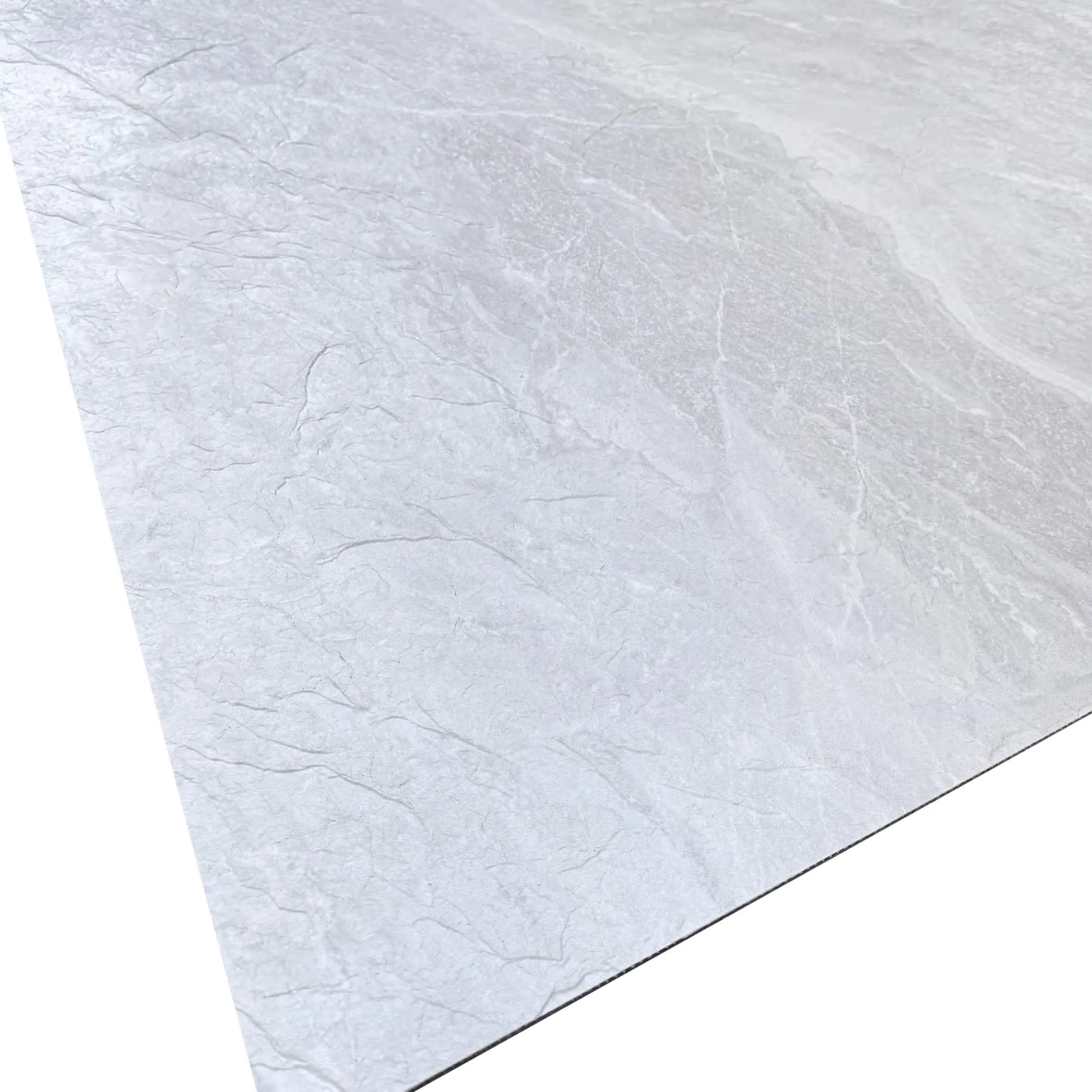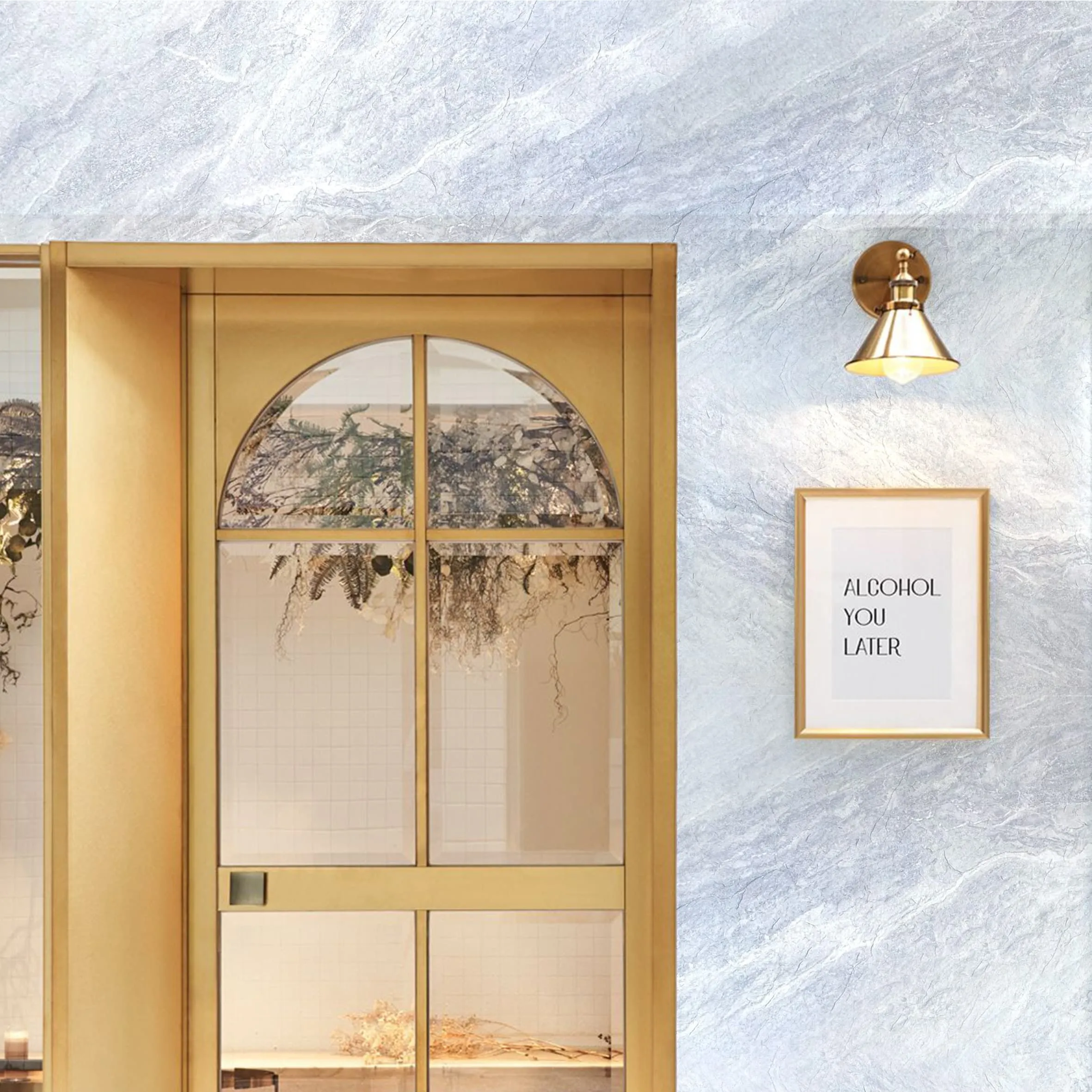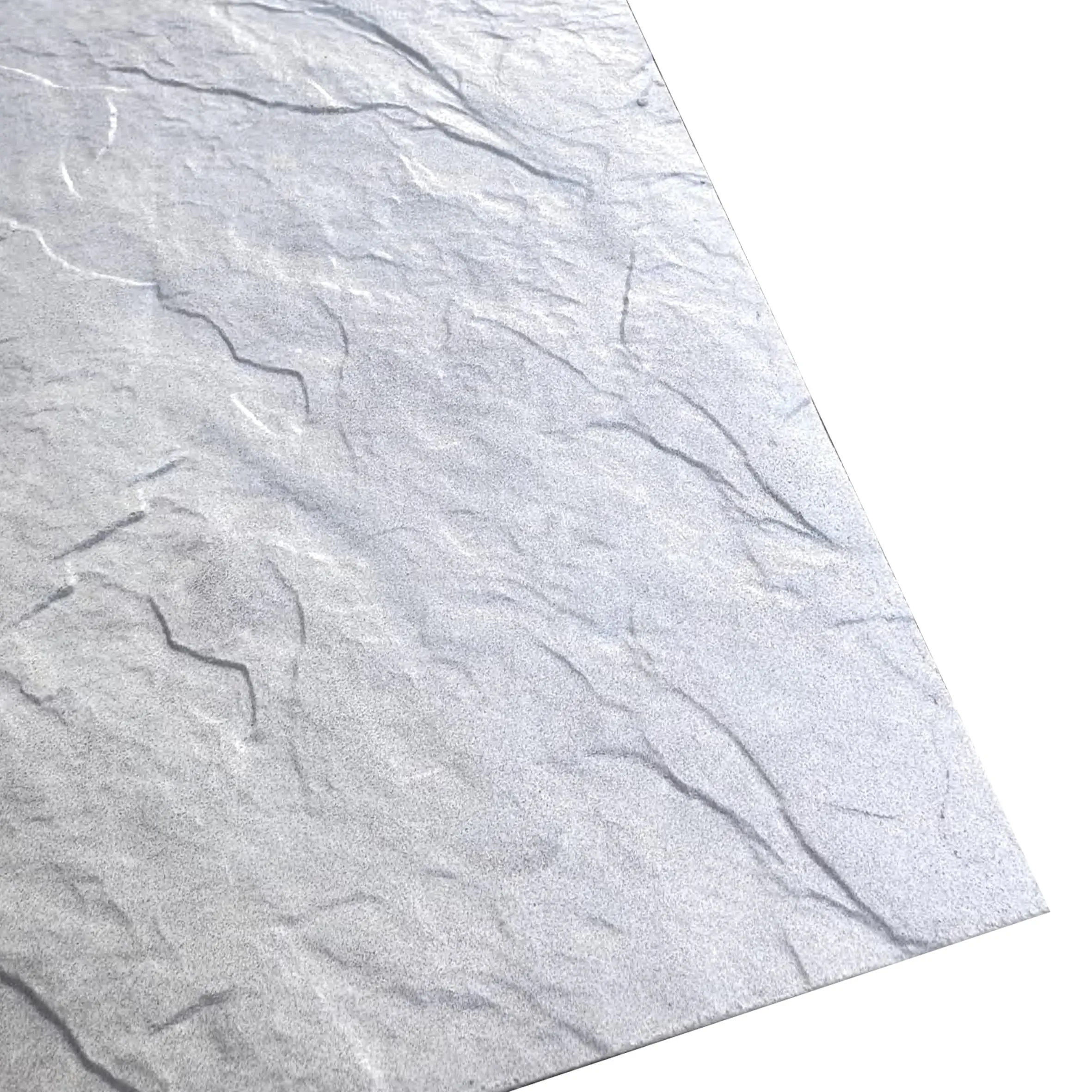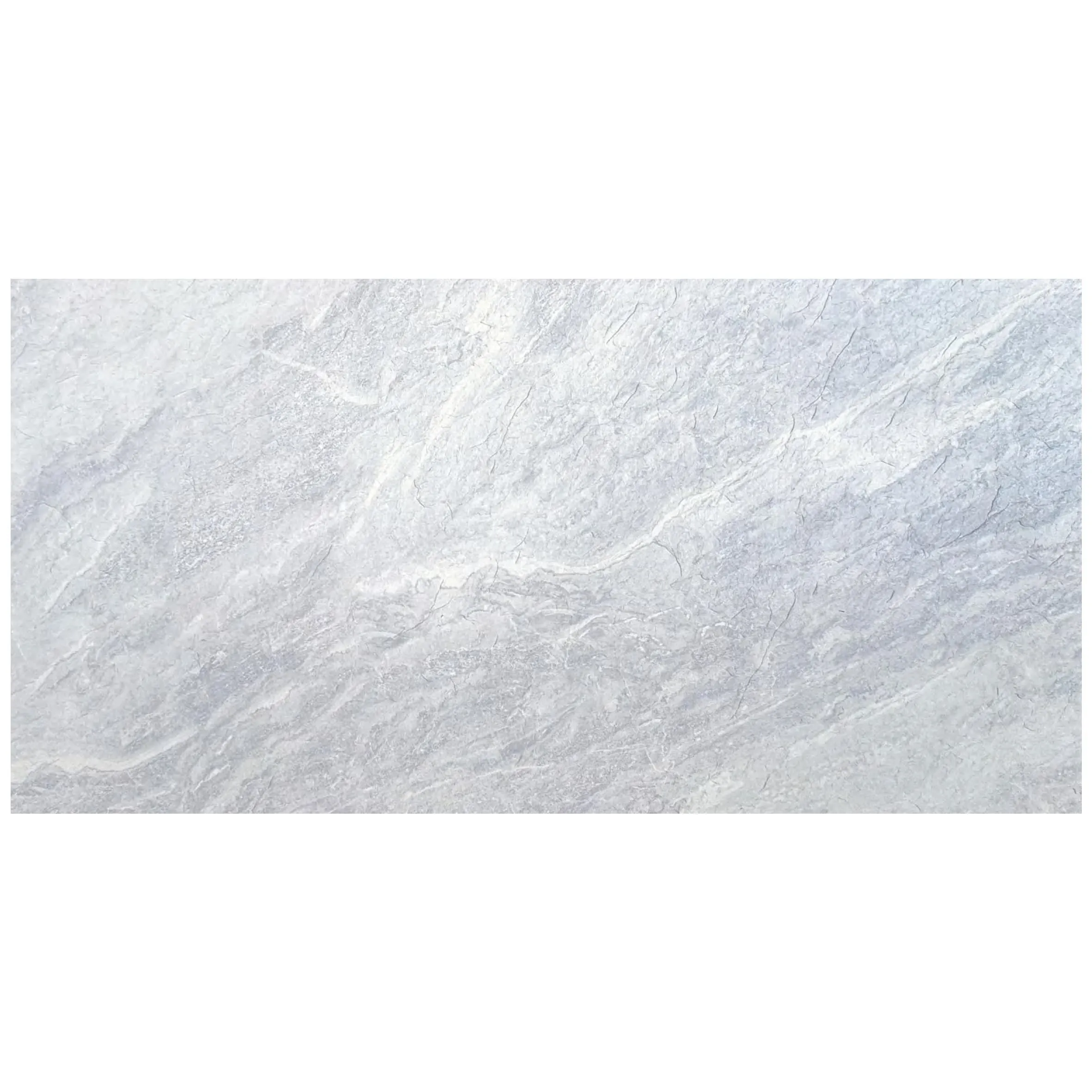
High-rise buildings face unique challenges that low-rise structures rarely encounter. At 30 stories or more, wind speeds can double what's felt at ground level, creating powerful forces that test the integrity of exterior cladding. Hail, flying debris, and even routine maintenance can subject surfaces to unexpected impacts. Meanwhile, the weight of traditional materials—like solid stone or thick concrete—adds significant load to a building's frame, limiting design flexibility and increasing construction costs.
Take fair-faced concrete , for example. Long prized for its raw, industrial aesthetic, it's dense, heavy, and prone to cracking under sustained wind stress. Traditional natural stone, while beautiful, is even heavier; a single slab can weigh 50-80 kg/m², requiring reinforced support structures that eat into a building's usable space. And when it comes to installation on curved or irregular surfaces? Rigid materials often mean compromise—either in design vision or long-term durability.
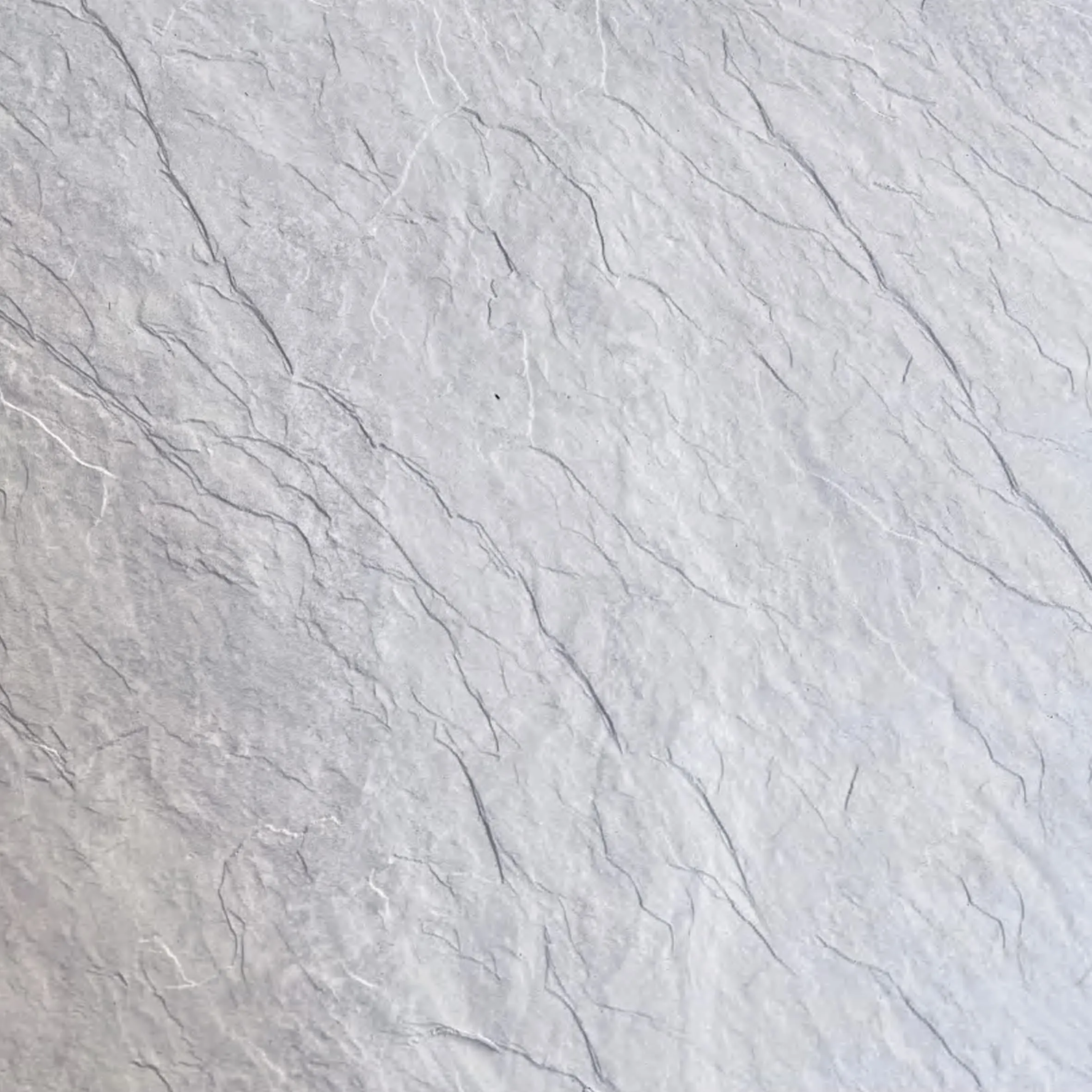
This is where MCM (Modified Composite Material) technology steps in. Born from the need to merge strength with flexibility, MCM products like Slate Veil White are engineered to address these pain points head-on.