

Ever stepped into an office that felt more like a cold, lifeless box than a space where ideas could bounce around and creativity could spark? We've all been there—fluorescent lights buzzing, gray cubicles stretching to the horizon, and a general vibe that screams "clock in, clock out." But what if your office didn't have to feel that way? What if the walls, the surfaces, even the little design details could actually make you look forward to walking in each morning? Turns out, the secret might lie in something surprisingly simple: bringing a little bit of the outdoors in. And that's where materials like slate veil white MCM come into play.
Let's start with the obvious: we spend a lot of time at work. The average person clocks in 40+ hours a week in their office, which adds up to roughly 2,000 hours a year. That's a lot of time to be stuck in a space that doesn't inspire. But here's the thing: the design of that space isn't just about looking "nice"—it directly impacts how we feel, how we focus, and yes, how productive we are.
Studies have shown that offices with natural elements—think plants, natural light, and organic materials—can reduce stress levels by up to 15%, boost focus by 20%, and even increase creativity by a whopping 30%. It makes sense, right? As humans, we're hardwired to connect with nature. When we're surrounded by sterile, artificial environments, our brains go into "survival mode," conserving energy and dimming our ability to think outside the box. But when we're in spaces that feel alive, that mirror the textures and colors of the world outside, something shifts. We relax. We breathe deeper. And suddenly, that tricky project or that tough deadline doesn't feel quite so overwhelming.
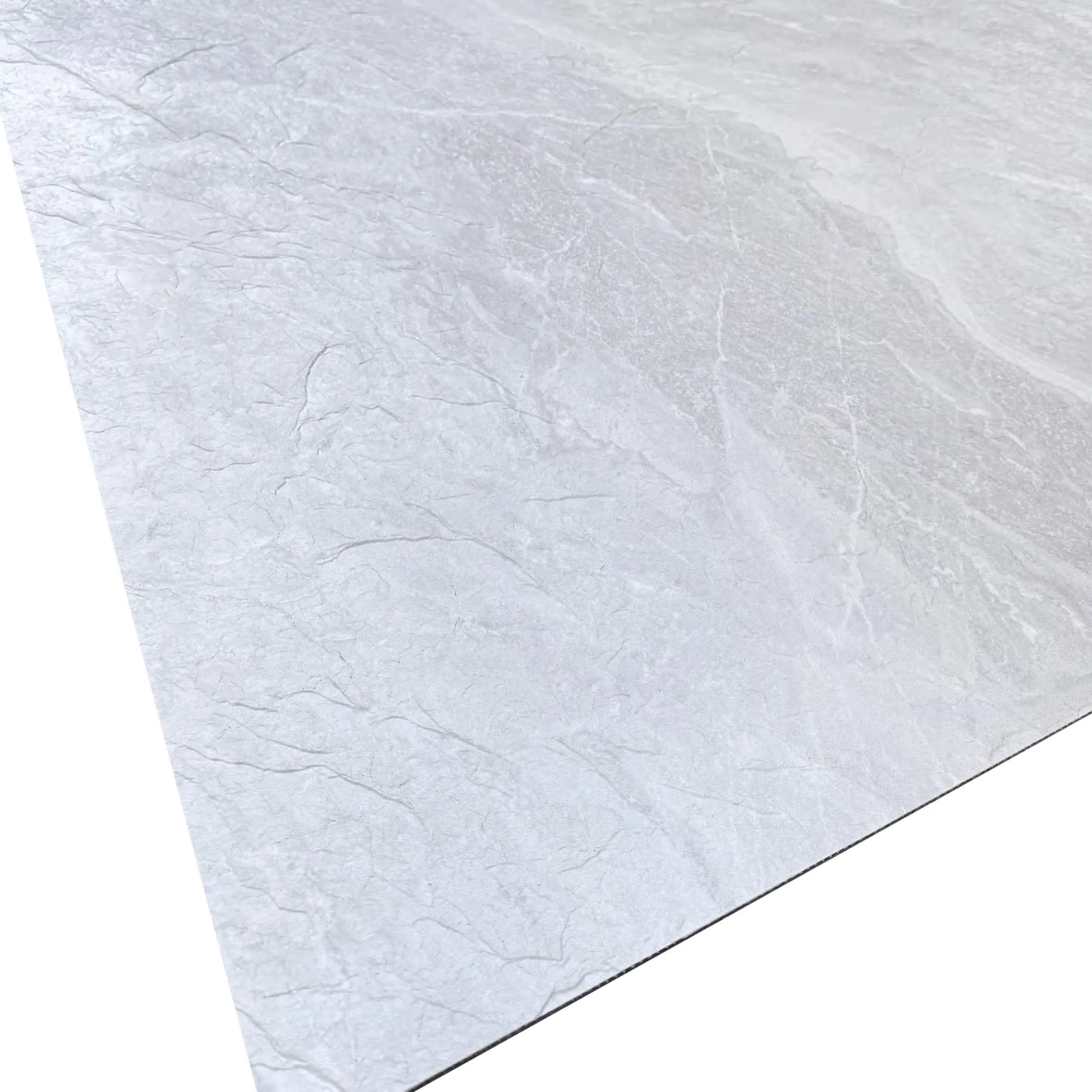
This shift toward nature-inspired offices has a name: biophilic design. It's all about creating spaces that nurture our innate connection to the natural world. And while plants and big windows are great, the materials we use to build these spaces matter just as much. Traditional office materials—think plain drywall, industrial carpeting, and generic plastic surfaces—do the opposite of biophilic design. They feel cold, synthetic, and disconnected from the world outside.
Enter natural materials: stone, wood, concrete with character, and innovative options like MCM flexible stone . These materials don't just "look" natural—they feel natural. They have texture you want to reach out and touch, colors that shift in the light, and a warmth that synthetic materials can never replicate. But here's the catch: traditional natural materials (like solid marble or hardwood) can be heavy, expensive, and a nightmare to install. A slab of real stone might look stunning, but try hanging it on a wall in a high-rise office without reinforcing the structure first. Not exactly practical.
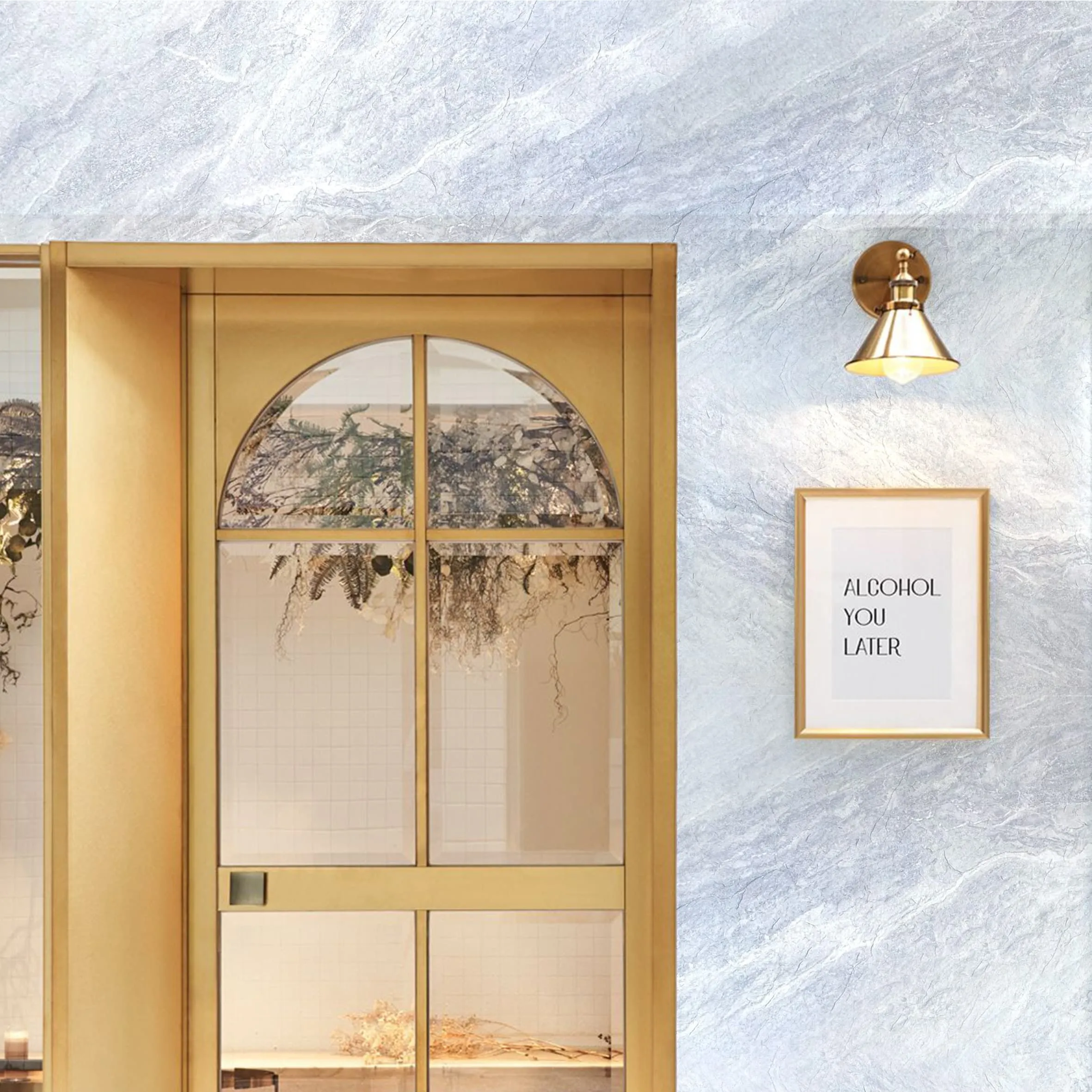
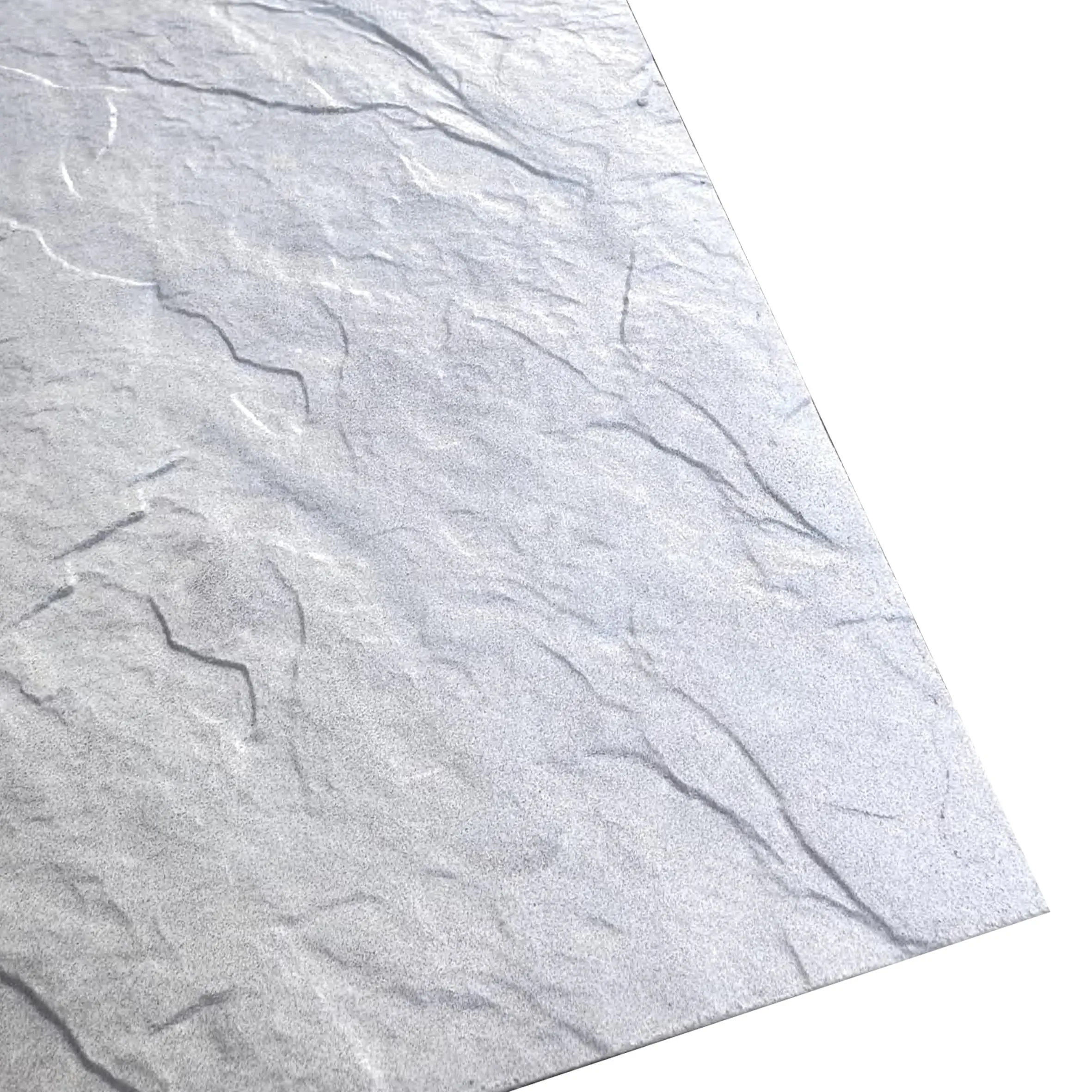
That's where MCM (Modified Composite Material) comes in. MCM is like the design world's secret weapon—a lightweight, flexible material that mimics the look and feel of natural stone, wood, or concrete, but without the hassle. And slate veil white is one of its most striking iterations. Picture this: a soft, creamy white base with delicate, wispy gray veins running through it—like a snow-dusted mountain range or a cloud floating across a winter sky. It's subtle, it's sophisticated, and it brings that calm, grounding energy of natural stone into any space.
But what makes slate veil white MCM different from, say, a sheet of white laminate or even real slate? Let's break it down:
Of course, slate veil white isn't the only natural-inspired material out there. Let's see how it compares to some other popular options for office design:
| Material | Aesthetic Appeal | Durability | Maintenance | Installation Ease | Sustainability |
|---|---|---|---|---|---|
| Slate Veil White MCM | Soft white with natural gray veins; calm, sophisticated, and versatile | High (scratch, water, and fire-resistant) | Low (wipe clean with soap and water) | Very easy (lightweight, can be cut to size on-site) | High (recycled materials, low carbon footprint) |
| Fair-Faced Concrete | Raw, industrial look with gray tones; modern but can feel cold | High (durable but prone to staining if unsealed) | Medium (needs sealing every 1-2 years) | Heavy (requires formwork and curing time) | Medium (uses cement, which has a high carbon footprint) |
| Wood Grain Board | Warm, inviting, with natural wood patterns; adds coziness | Medium (prone to scratches and water damage) | Medium (needs polishing/oiling to prevent fading) | Moderate (heavier than MCM, may warp in humidity) | Variable (depends on sourcing; look for FSC-certified options) |
| Traditional Marble | Luxurious, with bold veining; high-end but can feel formal | Low (soft, stains easily, scratches) | High (needs regular sealing and professional cleaning) | Hard (extremely heavy, requires expert installers) | Low (quarrying is energy-intensive; limited supply) |
As you can see, slate veil white MCM hits that sweet spot: it has the natural beauty of marble or stone, the durability of concrete, and the ease of installation of wood paneling—all while being gentler on the planet. But how does this translate to actual productivity in the office?
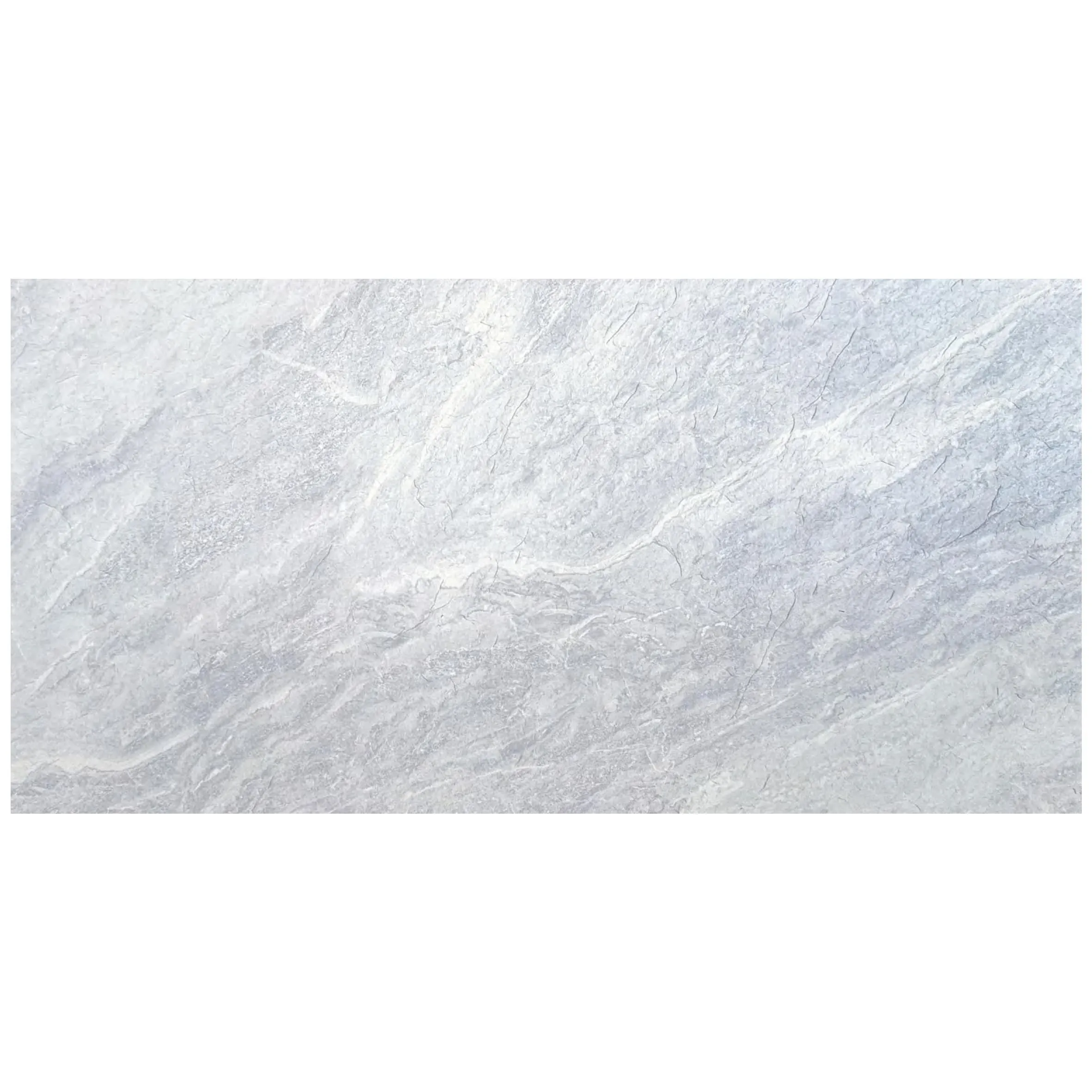
Let's get scientific for a second. Research shows that exposure to natural elements (or even the illusion of natural elements, like natural materials) can lower cortisol levels (the stress hormone), reduce mental fatigue, and improve cognitive function. So, a wall clad in slate veil white MCM isn't just "pretty"—it's actively working to help your team stay calm, focused, and creative.
Here's how it plays out in real life:
Ever notice how being in nature—like walking through a forest or sitting by a lake—makes you feel more centered? That's because natural environments have a "restorative" effect on our brains. They reduce overstimulation and help us recharge. Slate veil white MCM brings that same vibe indoors. Its soft, neutral color palette and organic veining don't demand attention; instead, they create a backdrop that feels peaceful and uncluttered. When your brain isn't bombarded by harsh colors or busy patterns, it's easier to stay calm under pressure—whether you're prepping for a big presentation or troubleshooting a last-minute crisis.
Dark, dim offices are a productivity killer. They make you feel tired, they strain your eyes, and they can even mess with your circadian rhythm (thanks, fluorescent lights). Slate veil white MCM, with its light color, reflects both natural and artificial light, brightening up the space without feeling harsh. Imagine walking into a meeting room where the walls bounce sunlight around, making everyone look more awake and engaged. Or a desk area where you don't have to squint at your screen because the light is soft and diffused. It's a small change, but it adds up to big differences in energy levels.
Offices aren't static spaces. Teams expand, workflows change, and what worked for 10 people might not work for 20. slate veil white MCM is flexible enough to keep up. Need to reconfigure your open floor plan? The panels can be easily removed and reinstalled. Want to add a pop of color later? Slate veil white pairs beautifully with just about everything—from warm woods to bold accent walls. It's like a blank canvas that grows with your company's needs.
Let's talk about perception. Clients, partners, and even new hires form opinions about your company the second they walk through the door. A space that looks cheap or outdated can send the message that you don't value quality—and by extension, that you might not value your team or your work. slate veil white MCM looks and feels high-end, with that luxe, natural stone aesthetic, but it costs a fraction of the price of real marble or slate. It's a way to elevate your office's vibe without breaking the bank—proving that you care about the details, even when budgets are tight.
Okay, so we've talked about the "why"—now let's get into the "how." Where exactly can you use slate veil white MCM in your office to maximize its impact?
Your reception area is the first thing visitors see, so it's your chance to set the tone. Imagine a reception desk wrapped in slate veil white MCM, with a matching accent wall behind it. Add a few potted plants and a warm wood bench, and suddenly, that sterile "waiting room" feel is gone. Instead, it feels like a welcoming, upscale space that says, "We pay attention to the details."
Open offices are great for collaboration, but they can also feel chaotic. Using slate veil white MCM for partial walls or dividers helps define "zones" without closing off the space entirely. The light color keeps the area feeling open, while the texture adds visual interest. Pair it with wood grain board desks for a warm, balanced look—natural wood and stone, working together to create a space that feels both professional and inviting.
Meetings can be draining, but the right environment can make them more productive. A meeting room with slate veil white walls feels calm and focused, which helps everyone stay on track. Add a large whiteboard (or even a writable MCM surface!) and suddenly, brainstorming sessions feel less like a chore and more like a creative exercise. Plus, the light-reflective surface makes video calls look better—no more dark, shadowy faces on screen.
Productivity isn't about working nonstop—it's about taking breaks that actually recharge you. Breakout spaces should feel like a mini escape from the desk, and slate veil white MCM can help with that. Imagine a cozy corner with a slate veil white accent wall, a plush sofa, and a coffee table made from (you guessed it) fair-faced concrete for an industrial-chic vibe. It's a space that feels like a café or a friend's living room—somewhere you'd actually want to spend your 15-minute break, instead of scrolling through your phone in the bathroom.
We get it: not every office has the same style. Maybe your brand is bold and colorful, and you're worried that "soft white" might feel too muted. Or perhaps you work in a field (like tech or design) where you want your space to feel edgy and modern. The good news? slate veil white is surprisingly adaptable. Pair it with bright yellow chairs or a neon accent wall, and it becomes playful. Mix it with fair-faced concrete and metal fixtures, and it leans industrial. It's not about being "all white, all the time"—it's about using that white as a foundation to build the rest of your design around.
And if white really isn't your thing? MCM comes in a rainbow of natural-inspired colors and textures—from rich, earthy browns to deep, moody grays. But there's something about slate veil white that feels timeless. It's not a trend that will look dated in five years. It's a classic choice that grows with your company, no matter where the future takes you.
At the end of the day, your office isn't just a place to work—it's a tool. It should support your team, inspire your clients, and make every hour you spend there feel worthwhile. slate veil white MCM isn't a magic solution, but it's a simple, effective way to bring a little bit of nature's calm, beauty, and resilience into that space. It's about creating an environment where people don't just work —they thrive .
So the next time you walk into your office, take a look around. What do the walls say about your company? What do they make you feel? If the answer is "nothing" or "stressed," maybe it's time for a change. And maybe, just maybe, that change starts with a little bit of white—veined, wispy, and wonderfully natural.
Recommend Products












