
There's something almost magnetic about a restaurant that catches your eye before you've even smelled the food. Maybe it's the way sunlight hits its walls, or the texture that makes you want to reach out and touch it. In a world where first impressions happen in seconds, your restaurant's exterior isn't just a building—it's the opening line of your brand's story. And these days, more than ever, restaurant owners are turning to materials that don't just look good, but feel intentional. They want exteriors that tell customers, "This is who we are," before a single menu is opened. Enter Slate Veil White MCM—a material that's redefining what it means to build a memorable exterior.
Think about your favorite local spot. Chances are, its exterior plays a big role in why you chose it. Maybe it's a cozy cabin-style bistro with warm wooden siding that feels like a hug, or a sleek downtown eatery with sharp lines and bold colors that scream "trendy." Whatever the vibe, the materials used are the unsung heroes here. They set the mood, communicate your brand's personality, and even influence whether customers walk through the door. But here's the catch: restaurant exteriors have to work hard. They face rain, snow, harsh sunlight, and the constant foot traffic of curious passersby. So how do you balance beauty with brawn? How do you create something that looks timeless but stands up to the elements? That's where Modified Composite Material (MCM) comes in—and specifically, Slate Veil White MCM, a game-changer in the world of flexible stone cladding.
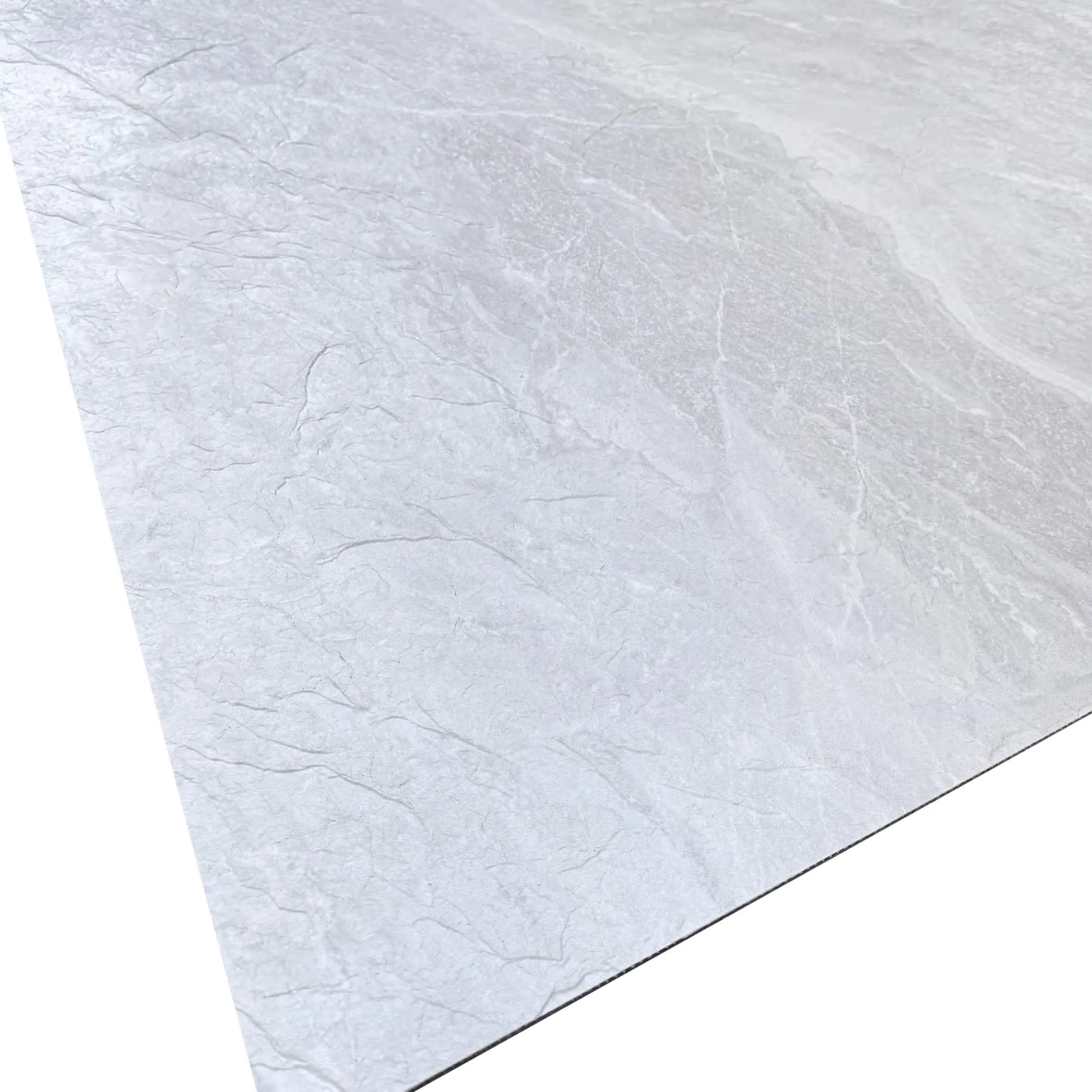
If you're not familiar with MCM, let's break it down. Short for Modified Composite Material, MCM is a lightweight, durable cladding option that mimics the look and feel of natural stone, wood, or concrete—without the heavy weight or high maintenance. It's made by bonding natural mineral aggregates (think crushed stone, sand) with a polymer core, resulting in panels that are flexible enough to bend around curves, yet tough enough to withstand everything from hailstorms to salty coastal air. And within the MCM family, there's a star that's been turning heads in the restaurant industry: Slate Veil White.
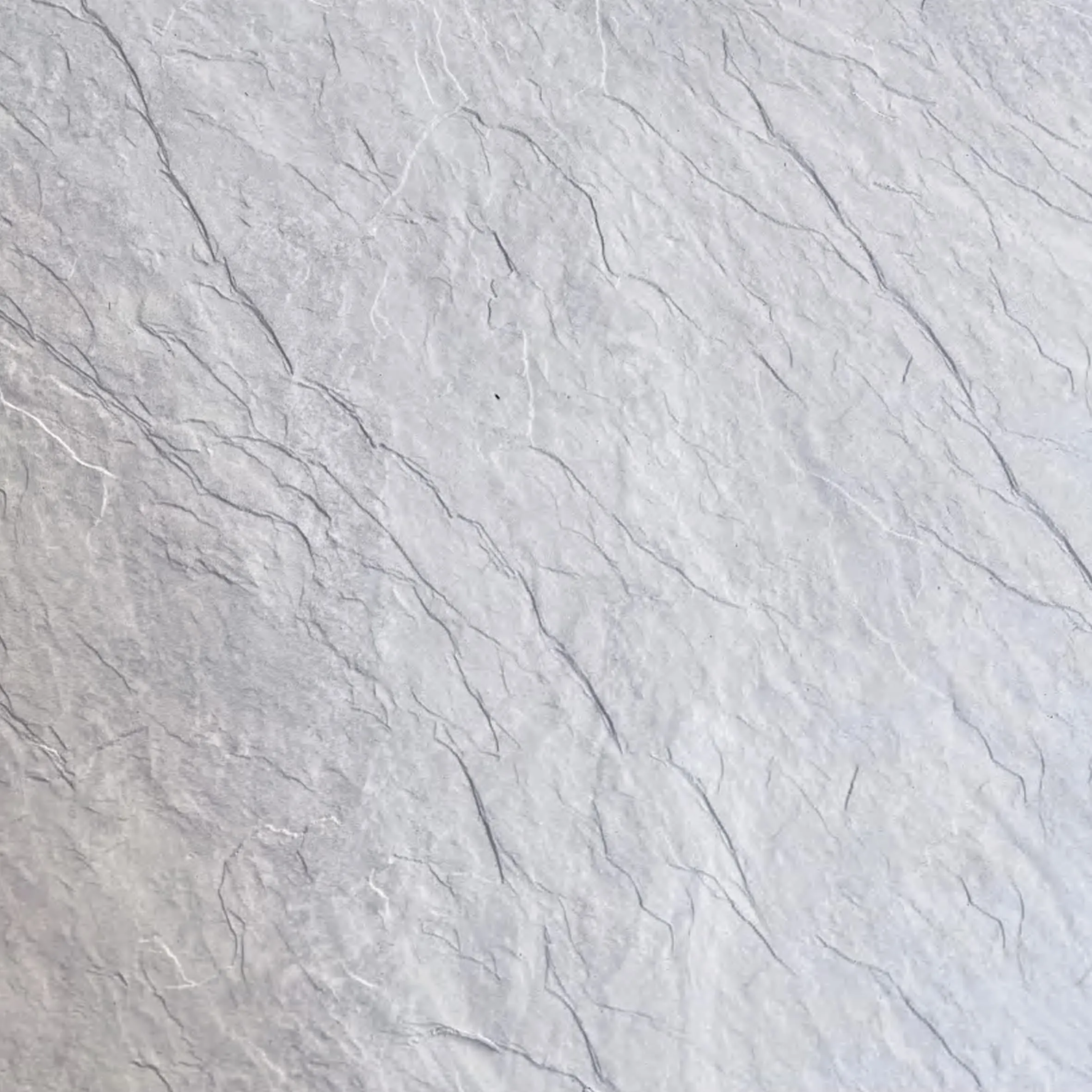
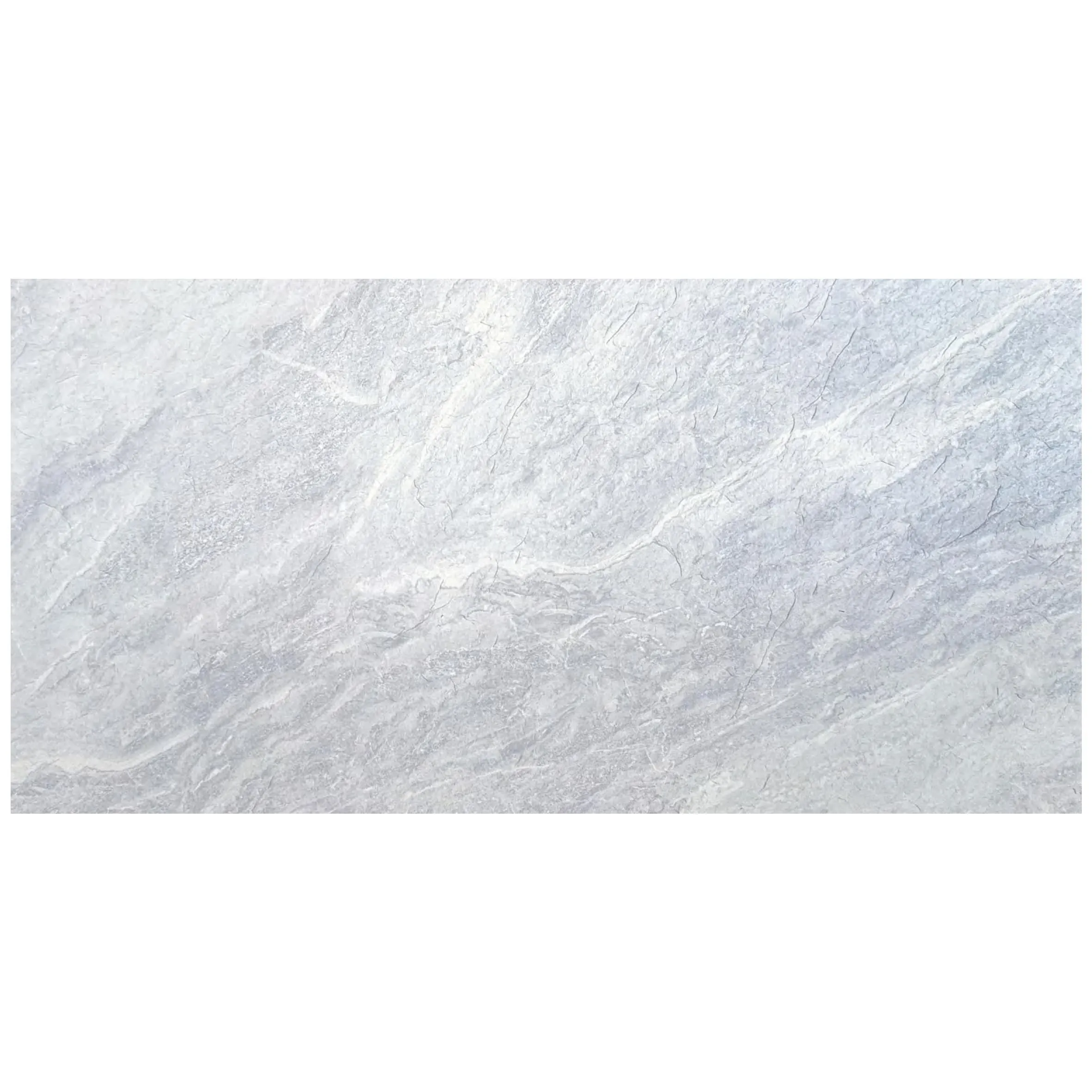
Slate Veil White isn't just a color—it's a texture, a mood, a story. Picture a slab of stone that looks like it was carved from a mountain, then softened by time. Its base is a clean, crisp white, but what makes it sing is the delicate veining that runs through it—subtle gray streaks that look like brushstrokes, or maybe the faint of water flowing over rock. Unlike stark, clinical whites that can feel cold (we're looking at you, generic stucco), Slate Veil White has warmth. Its matte finish softens harsh sunlight, so even on the brightest days, the exterior feels inviting, not glaring. Run your hand over it, and you'll notice a gentle roughness—enough to feel organic, like you're touching real stone, but smooth enough that it won't catch dirt or grime. It's the kind of material that makes you want to pause and look closer, to trace those veins and wonder about the "story" of the stone.
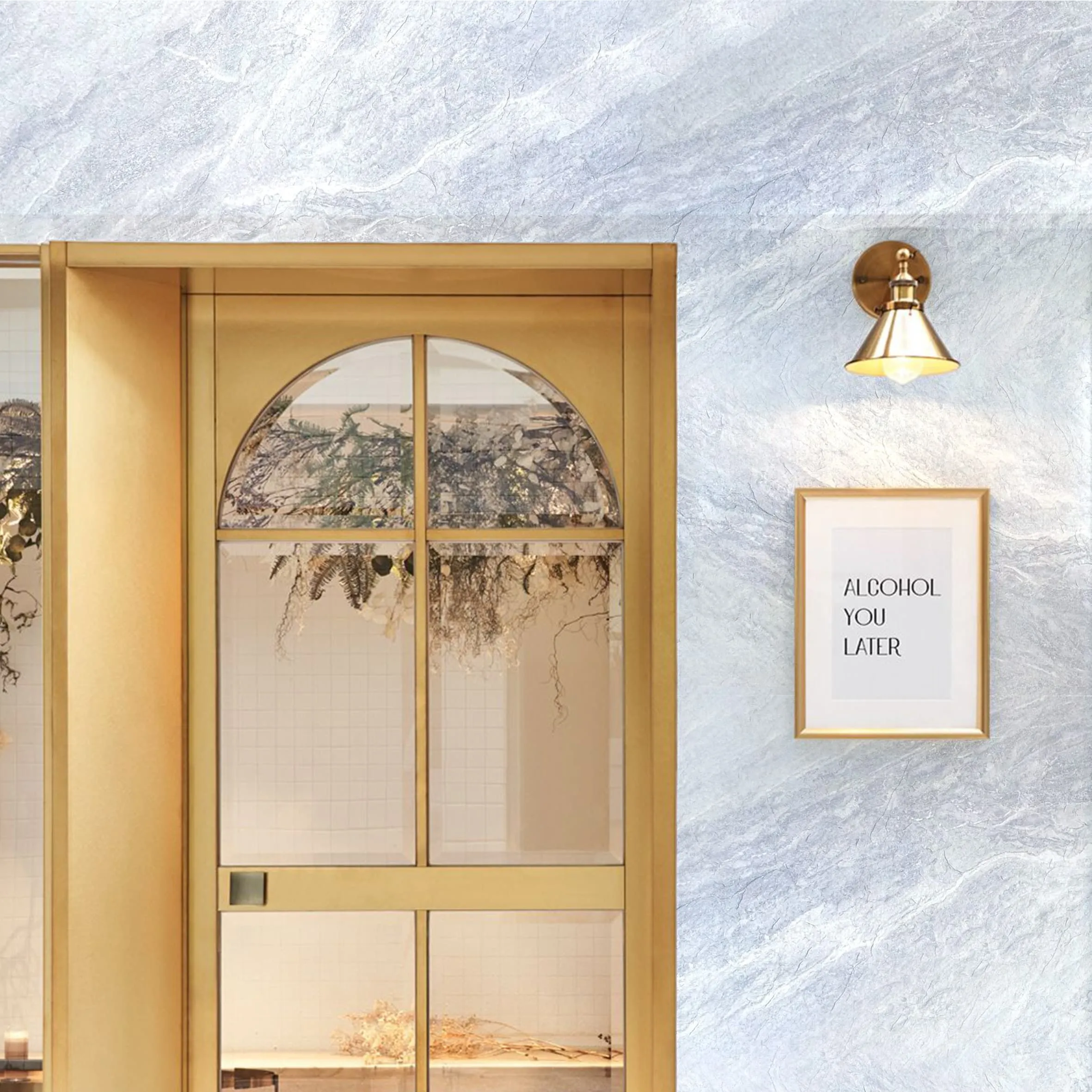
But why does this matter for a restaurant? Because in an industry where "vibe" is everything, Slate Veil White speaks a language customers understand: thoughtfulness . It says, "We care about the details, even the ones you might not notice at first." It's "quiet luxury" in building form—elegant without being flashy, timeless without feeling outdated. And when paired with the right accents—say, black metal fixtures or warm wooden planters—it becomes a canvas for your brand's personality.
You might be thinking, "Why not just use natural slate? Or fair-faced concrete? They're classic." And you're not wrong—natural materials have their charm. But here's the thing: natural slate is heavy (we're talking hundreds of pounds per square foot), which limits where it can be used (good luck putting it on a second-story exterior of an old building). It's also prone to cracking if the building shifts, and each slab is unique, which can lead to a patchy, inconsistent look. Fair-faced concrete, while trendy for its raw, industrial vibe, can feel cold and unwelcoming in warmer climates, and it stains easily (ever seen a concrete wall with oil spots? Not exactly appetizing).
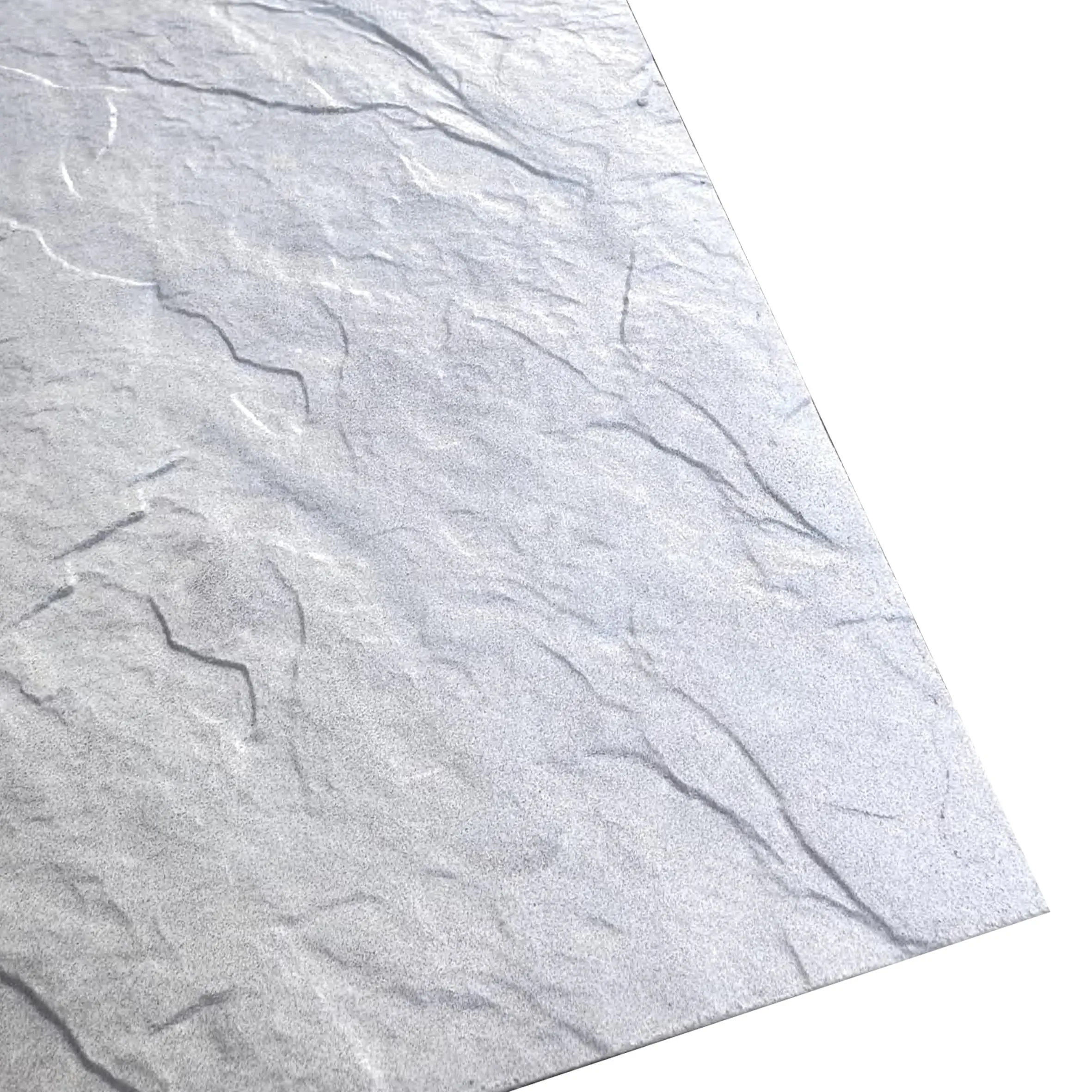
Slate Veil White MCM, part of the MCM flexible stone and big slab board series, solves these problems. Let's start with "flexible." These panels can bend around arches, wrap around columns, or even be used on sloped roofs—something rigid natural stone can't do. Want a curved entryway that feels like a hug? Slate Veil White can do that. Then there's the "big slab" part: panels come in sizes up to 1200x2400mm, which means fewer seams. Fewer seams mean a cleaner, more modern look, and less chance for water to seep in over time (hello, lower maintenance costs). And because it's MCM, it weighs a fraction of natural stone—about 3-5 pounds per square foot—making installation faster, cheaper, and possible on almost any structure.
But the real win? It looks real . Walk past a restaurant clad in Slate Veil White, and you'd swear it's natural stone. The mineral aggregates in the MCM give it that authentic texture, while the polymer core adds strength. It's the best of both worlds: the beauty of nature, with the practicality of modern engineering.
| Material | Aesthetic Vibe | Best For | Key Advantage |
|---|---|---|---|
| Slate Veil White MCM | Soft white with gray veining; matte, organic texture | Modern bistros, coastal cafés, minimalist eateries | Lightweight + flexible + consistent color |
| Travertine (Starry Blue) MCM | Deep blue with "starry" flecks; glossy finish | Upscale seafood restaurants, rooftop bars | Eye-catching color for statement exteriors |
| Fair-Faced Concrete MCM | Raw, industrial gray; smooth or lightly textured | Urban gastropubs, modern pizza joints | Edgy, on-trend look with lower weight than real concrete |
| Wood Grain Board MCM | Warm wood tones with realistic grain patterns | Farm-to-table spots, rustic BBQ joints | Authentic wood look without rot or termites |
One of the best things about Slate Veil White is its versatility. It doesn't box you into a single aesthetic—instead, it adapts to your brand. Let's walk through a few scenarios:
Imagine a beachside spot in Charleston, South Carolina, called "Tide & Table." They serve fresh oysters and iced tea, and their brand is all about "calm luxury." For their exterior, they use Slate Veil White MCM panels on the main walls, paired with large, floor-to-ceiling windows (to show off ocean views) and a cedar wood awning (for warmth). The white stone mirrors the color of the sand and waves, while the gray veining echoes the mist rolling in from the bay. At night, soft string lights are strung above the patio, and the Slate Veil White glows gently, like moonlight on water. Customers say it feels "peaceful, like a retreat from the city"—exactly the vibe Tide & Table wants to convey.
In downtown Chicago, "White Veil Bistro" specializes in minimalist French cuisine. Their exterior needs to feel sophisticated but approachable. They opt for Slate Veil White MCM on the entire facade, with black metal trim around the windows and a black metal sign with gold lettering. The contrast between the soft white stone and sharp black metal is striking but not harsh. They add a few potted olive trees near the door, and suddenly, the space feels both modern and welcoming. Passersby stop to take photos—not just of the food, but of the building. It's become Instagram-worthy, which (let's be real) is free marketing.
Out in the countryside, "Harvest & Hearth" serves comfort food made with local ingredients. They want their exterior to feel like a cozy barn, but with a modern twist. So they use Slate Veil White MCM on the upper half of the walls and wood grain board MCM on the lower half (to mimic barn siding). A wooden porch with rocking chairs and a stone fireplace (real stone, for the smell) complete the look. The Slate Veil White adds brightness, while the wood grain adds warmth. It's "rustic without being kitschy," as one regular puts it—and it makes customers feel like they're dining at a friend's (very stylish) farm.
These days, customers care about more than just food—they care about the planet, too. And Slate Veil White MCM delivers here, too. Many MCM manufacturers use recycled materials in their panels (think crushed stone from construction sites, or recycled polymers), which reduces waste. Plus, because MCM is lightweight, transporting it generates fewer emissions than hauling heavy natural stone. And since it's durable (resistant to UV rays, rain, and even salt spray), it lasts for decades, so you won't be replacing it every 10 years (less waste, more savings). For restaurants marketing themselves as "eco-friendly" or "sustainable," Slate Veil White isn't just a design choice—it's a values statement.
At the end of the day, a restaurant's exterior is more than just walls and a roof. It's a promise to your customers—a hint at the experience waiting inside. Will it be cozy? Sophisticated? Rustic? Slate Veil White MCM doesn't just build that promise; it elevates it. With its timeless beauty, practical durability, and chameleon-like ability to fit any brand's personality, it's no wonder more restaurant owners are choosing it to write their opening line.
So the next time you're dreaming up your restaurant's exterior, remember: the right material isn't just about looking good. It's about telling your story—one that customers will remember long after they've finished their meal. And with Slate Veil White MCM, that story is sure to be a memorable one.
Recommend Products












