

Let's start with a scenario we've all heard (or lived) before: A building project wraps up, and everyone oohs and aahs over the stunning facade. The materials look perfect—rich textures, warm tones, that "just right" blend of modern and timeless. But six months later, the maintenance bills start rolling in. Stains that won't budge, cracks from weather exposure, panels that fade under the sun… suddenly, that "stunning facade" feels like a money pit. Sound familiar? If you're in architecture, construction, or property management, it probably does. The truth is, beauty without practicality is a short-lived romance. And that's where Slate Veil White MCM enters the chat—not just as a pretty face, but as a long-term partner in keeping your building's budget (and your sanity) intact.
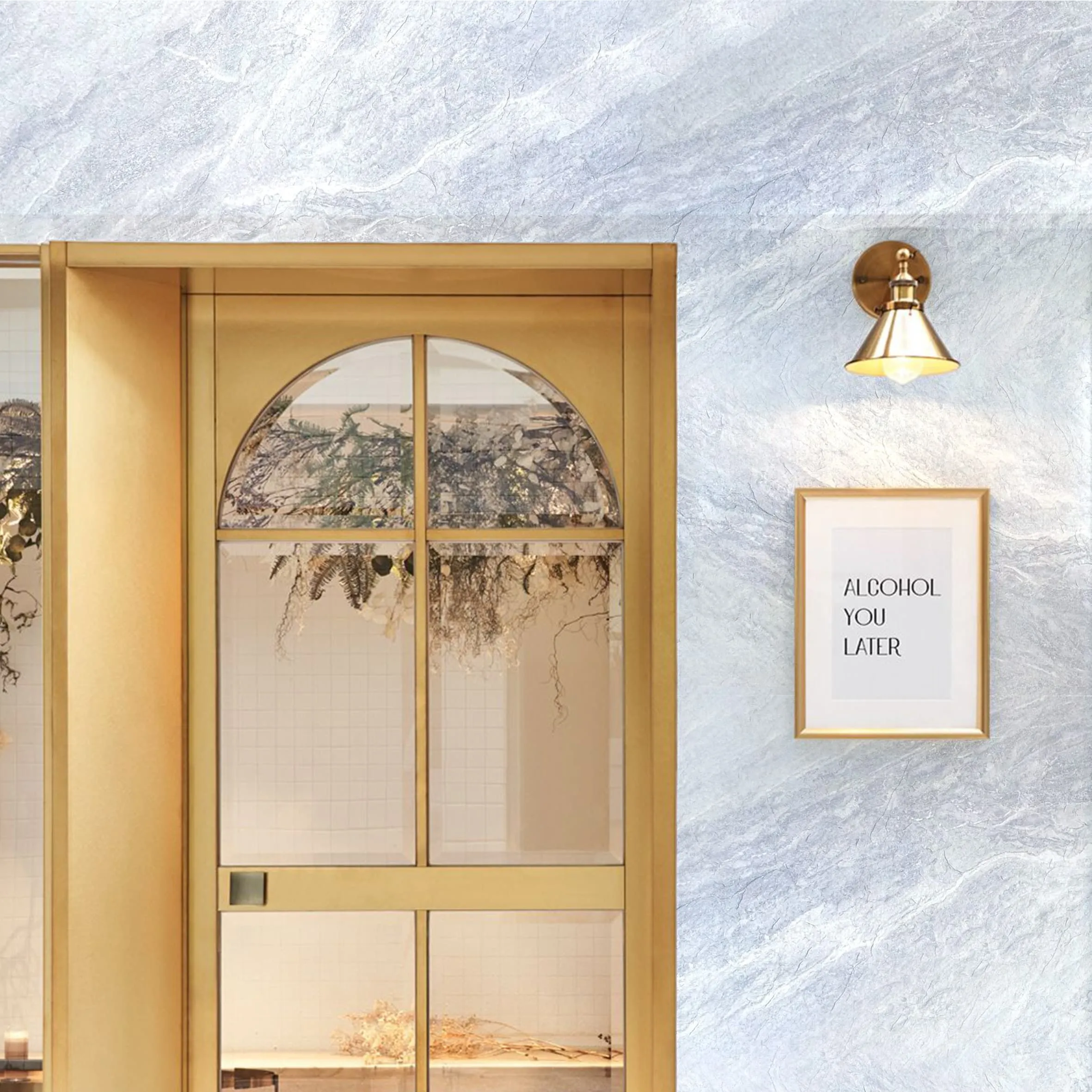
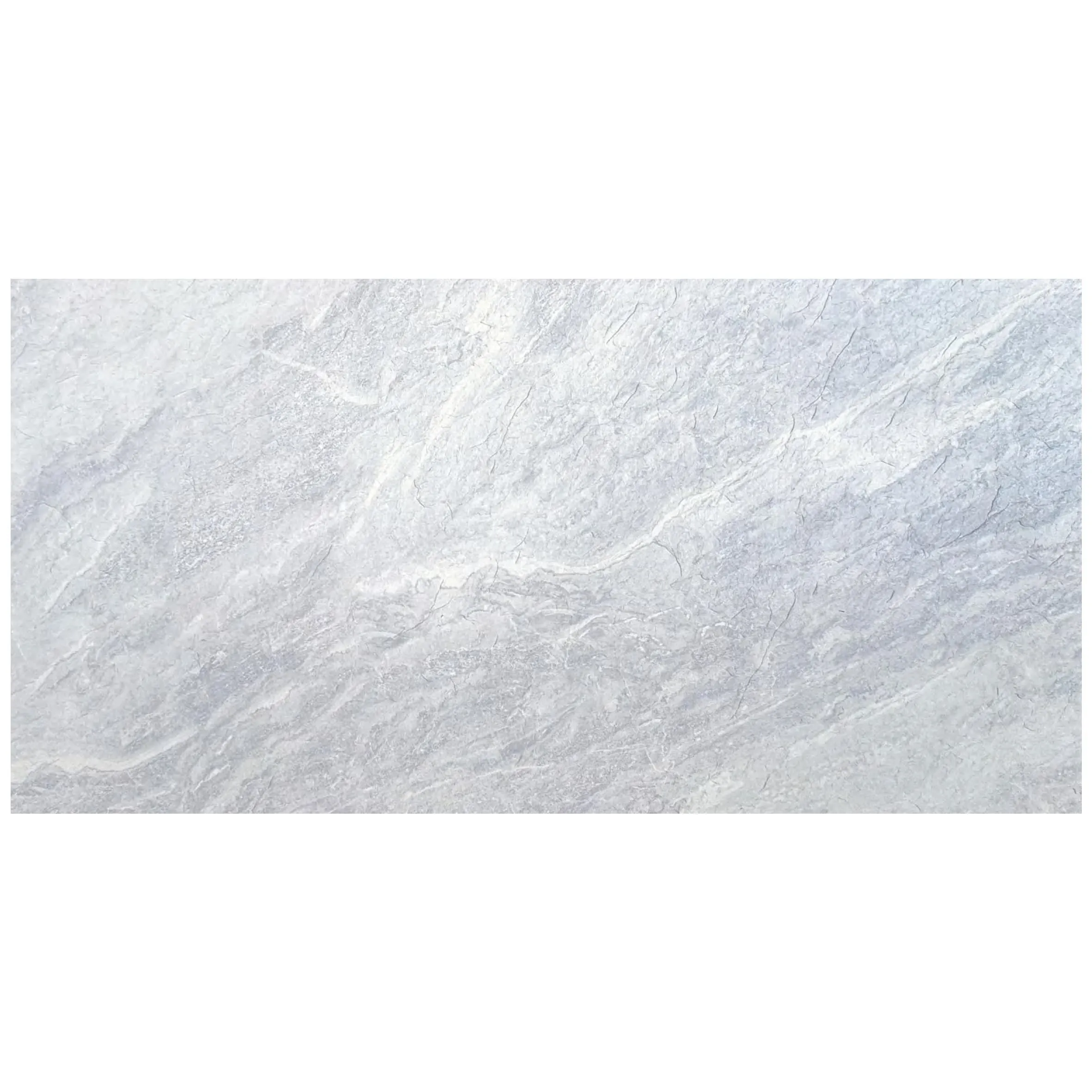
First things first: Let's demystify the name. Slate Veil White is part of the MCM (Modified Composite Material) family—a line of cladding solutions designed to mimic the look of natural stone, wood, and other high-end materials, but with a twist: they're engineered for durability and low maintenance. Think of it as nature's beauty, minus nature's drama (we're looking at you, porous limestone and high-maintenance marble). Slate Veil White, in particular, is a showstopper. It borrows the soft, veined elegance of natural slate—those delicate white and gray patterns that look like they were painted by a watercolor artist—but wraps it in a tough, lightweight composite shell. It's the kind of material that makes passersby stop and say, "Is that real stone?" Spoiler: It looks real, but behaves like a dream when it comes to upkeep.
But why does this matter for your budget? Let's break it down. When you choose a building material, you're not just paying for the upfront cost of purchase and installation. You're signing up for years (decades, ideally) of cleaning, repairs, replacements, and touch-ups. A material that costs 10% less upfront but requires 50% more in annual maintenance? That's not a deal—it's a trap. Slate Veil White MCM flips that script. It's designed to be both visually striking and easy on the wallet over time. And a big part of that magic comes from its base: MCM Flexible Stone.
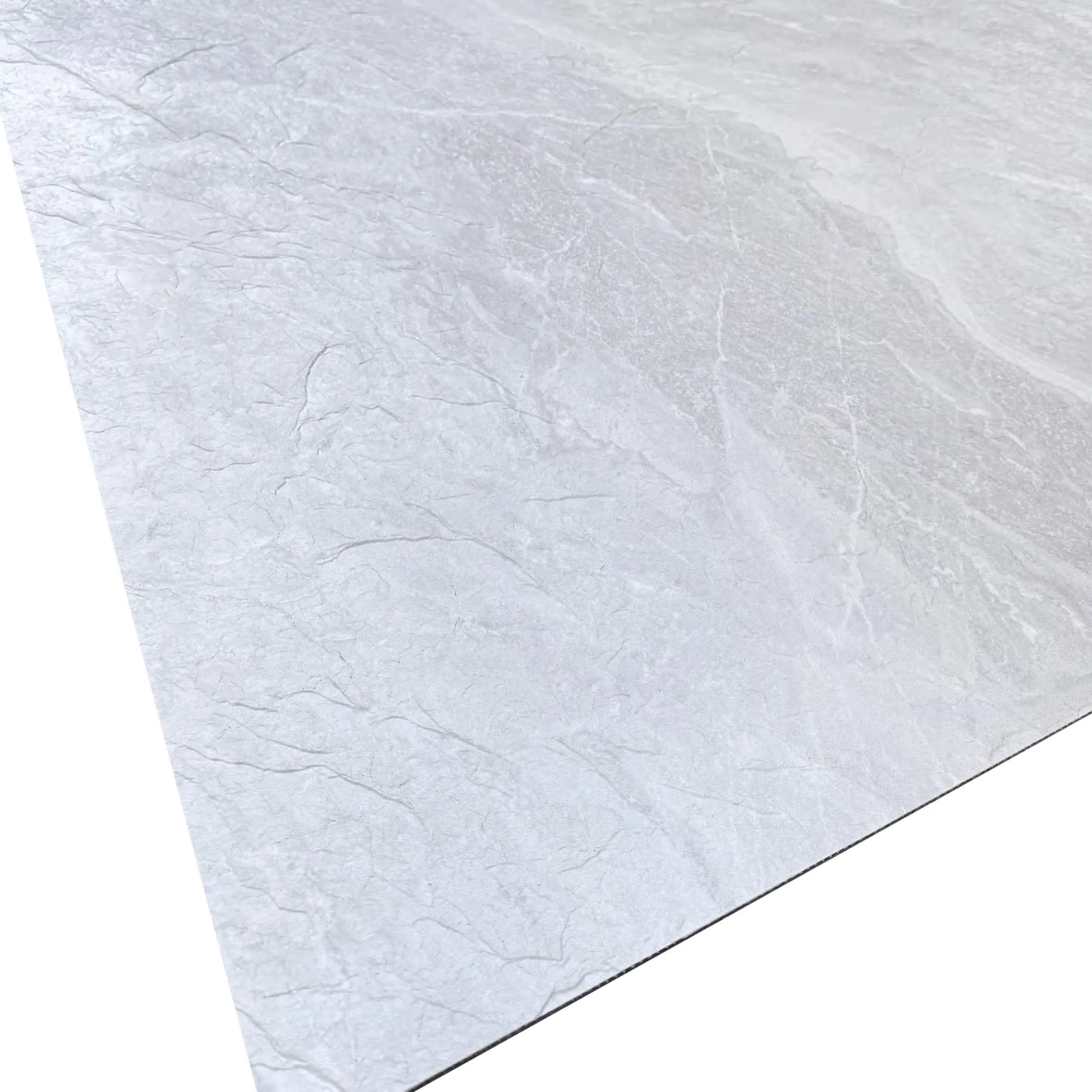
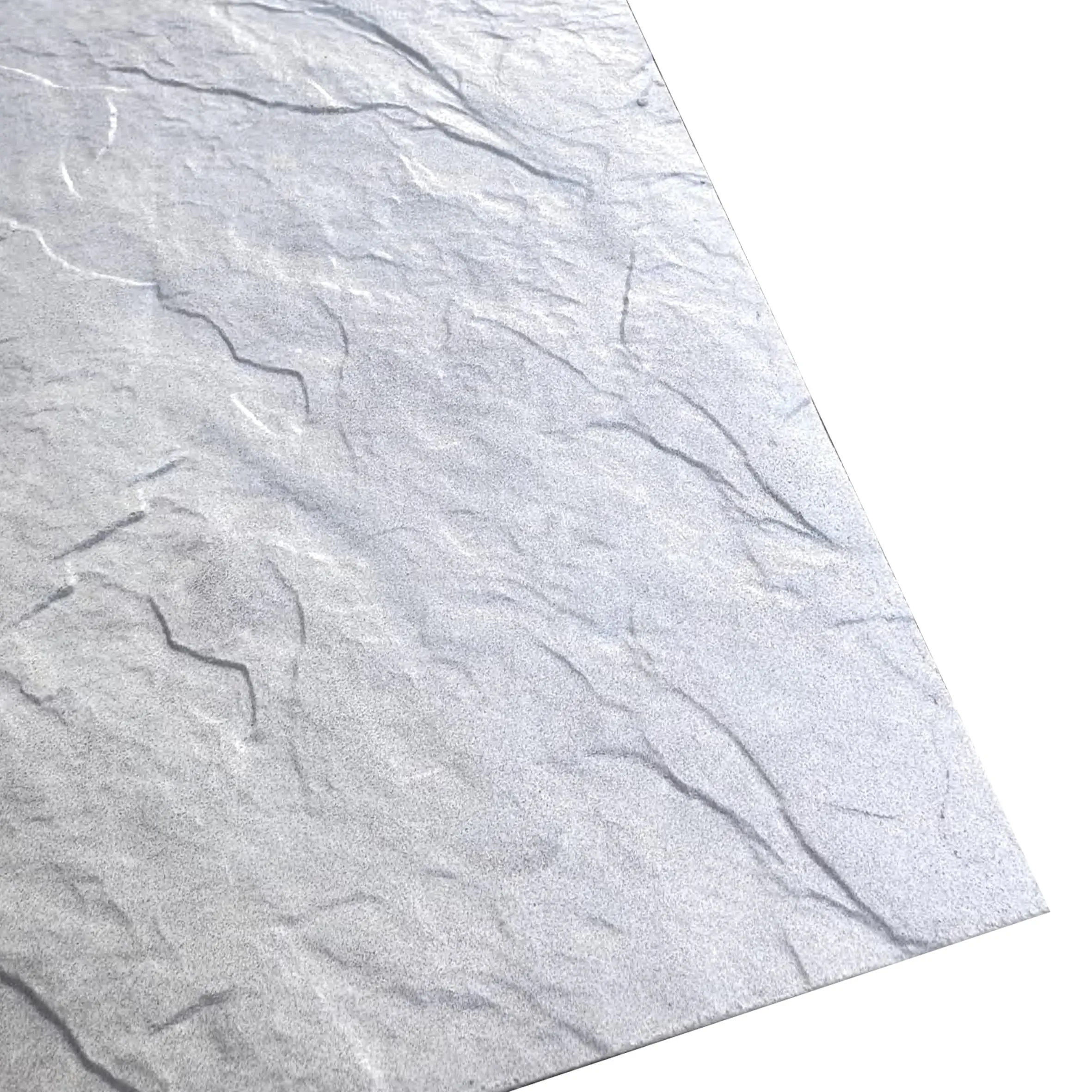
Let's talk about the star of the show here: MCM Flexible Stone. Unlike rigid natural stone slabs or even some concrete panels, MCM is made from a blend of natural minerals, polymers, and fiberglass. This combo gives it two superpowers: flexibility and resilience. Imagine a material that can bend slightly without cracking (hello, earthquake zones or buildings with minor structural movement), resist moisture (goodbye, mold and mildew), and stand up to UV rays (so that "veil white" stays bright, not yellowed). That's MCM Flexible Stone in a nutshell. And Slate Veil White leans into all those benefits.
Compare that to, say, natural slate. Don't get me wrong—natural slate is beautiful. But it's porous. If you live in a rainy climate, water seeps in, freezes in winter, and expands, leading to cracks. Then you've got to replace entire panels, not just patch a small area. Or take fair-faced concrete, another popular choice for modern buildings. It's durable, but it stains easily. A spilled soda, bird droppings, or even hard water can leave permanent marks that require heavy-duty cleaning (think pressure washing with harsh chemicals) or repainting. And repainting? That's a recurring cost every 3-5 years, plus the labor to mask off windows and trim. Ouch.
Slate Veil White MCM, on the other hand, is non-porous. Spills bead up on the surface, so you can wipe them away with a damp cloth and mild soap. No special sealants required (unlike natural stone, which needs sealing every 1-2 years). No pressure washing needed (high-pressure hoses can damage natural materials, but MCM holds up, but honestly? You probably won't need it). Even in coastal areas, where saltwater can corrode metal and eat away at stone, Slate Veil White stays strong. It's like having a material that's both high-maintenance in looks and low-maintenance in reality. Talk about a win-win.
Let's get granular. You're probably thinking, "Okay, it sounds great, but how much does it actually save me?" Let's compare Slate Veil White MCM to two common alternatives: Fair-Faced Concrete and Wood Grain Board (another popular MCM variant, but with a wood-like finish that requires more care). We'll look at a 10-year maintenance timeline for a 1,000 sq ft facade—numbers based on industry averages and real-world data from property managers.
| Material | Annual Cleaning Cost | Repair/Replacement Cost (Avg. per 5 years) | Sealing/Coating Cost (Frequency) | Total 10-Year Maintenance Cost |
|---|---|---|---|---|
| Slate Veil White MCM | $150-$200 (mild soap, soft cloth) | $300-$500 (minor patches, no full panel replacement) | $0 (no sealing required) | $1,800-$2,500 |
| Fair-Faced Concrete | $300-$400 (pressure washing, specialized cleaners for stains) | $800-$1,200 (crack repairs, resurfacing) | $500-$700 (every 3-5 years) | $5,800-$8,100 |
| Wood Grain Board (MCM) | $250-$350 (gentle cleaning, avoiding harsh chemicals) | $400-$600 (touching up wood-look finish, replacing faded panels) | $300-$400 (UV protectant coating every 2-3 years) | $3,900-$5,700 |
Let that sink in. Over 10 years, Slate Veil White could save you anywhere from $3,300 to $6,300 compared to fair-faced concrete. Even against other MCMs like Wood Grain Board, it still comes out ahead by $2,100 to $3,200. Why? Because Slate Veil White's color and texture are integral to the material, not a surface coating. There's no "finish" to wear off, no need for UV protectants, and no risk of the white veining fading into a dull gray. It's colorfast, stain-resistant, and basically asks for nothing more than a quick wipe-down a few times a year. That's not just cost savings—that's peace of mind.
Okay, so we've established it's low-maintenance—but "low" doesn't mean "no." Even the toughest materials need a little TLC. Here's how to keep your Slate Veil White MCM panels looking brand-new for decades, without breaking the bank:
You don't need fancy tools here. A soft-bristle brush (like a car wash brush) or a microfiber cloth, warm water, and a mild detergent (think dish soap, not industrial cleaner) is all it takes. Gently scrub away dirt or grime, then rinse with a hose on low pressure. Do this 2-4 times a year, depending on your location: more if you're in a dusty city or near the coast (salt spray), less if you're in a quiet suburban area. Avoid pressure washers above 1,500 PSI—they're overkill and could damage the panel's surface over time.
Got a stubborn stain? Maybe a bird dropping, a coffee spill, or even graffiti? Don't panic. For organic stains (like bird poop), mix equal parts water and white vinegar, apply with a cloth, let sit for 10 minutes, then wipe. For oil-based stains (grease, tar), use a degreaser like Dawn dish soap—let it soak for 5 minutes, then scrub lightly. Graffiti? A non-abrasive graffiti remover (test on a small, hidden area first) should do the trick. The key is to avoid harsh chemicals like bleach or ammonia, which can discolor the panels. And always rinse thoroughly after cleaning to prevent residue buildup.
Winter: If you live in an area with freezing temperatures, make sure to clear snow or ice from the panels gently (no metal shovels!). Ice melt products? Avoid anything with ammonium nitrate or ammonium sulfate—they can etch the surface. Instead, use calcium chloride in moderation, and rinse the panels once the ice melts. Summer: UV rays are intense, but MCM is UV-resistant, so no special coating needed. Just keep an eye out for dust buildup, which can make the white panels look dull. A quick rinse with the hose every few weeks will keep them sparkling.
Even with all this care, accidents happen. A falling branch might chip a corner, or a delivery truck might scrape a panel. The good news? MCM panels are easy to repair. Most manufacturers sell touch-up kits with matching paint (since Slate Veil White's color is consistent, the paint blends seamlessly). For small chips, clean the area, apply a thin layer of touch-up paint, and let dry. For larger damage (a cracked panel), you can replace just the affected panel—no need to redo the entire section. MCM panels are lightweight (about 3-5 lbs per sq ft) and interlock, so a contractor can swap one out in under an hour. Compare that to natural stone, where replacing a slab requires heavy machinery and hours of labor.
Still skeptical? Let's hear from people who've walked the walk. Take the Riverfront Office Complex in Portland, Oregon—a 12-story building with a Slate Veil White MCM facade installed in 2018. Property manager Sarah Chen shared, "We were nervous at first—Portland gets so much rain, we thought we'd be dealing with mold or water damage. But five years later, the panels look the same as day one. We clean them twice a year with a hose and dish soap, and that's it. Last winter, we had a severe ice storm, and not a single panel cracked. Our maintenance budget for the facade is less than $200 a year. I wish all our building systems were this easy!"
Or consider the Lunar Peak Residences in Denver, Colorado—a mixed-use development that pairs Slate Veil White with Lunar Peak Silvery MCM panels for a modern, mountain-inspired look. Architect Mark Torres explained, "We chose Slate Veil White for the south-facing facade because we needed something that could handle Colorado's intense sun and sudden hailstorms. Three years in, there's zero fading, and after that hailstorm last spring? A few small dents, but no cracks. We touched them up with the manufacturer's kit, and you can't even tell. The homeowners association loves it—their maintenance fees are lower than similar buildings with natural stone facades."
And it's not just commercial buildings. Take the Miller family's home in Austin, Texas. They used Slate Veil White MCM for their outdoor patio walls. "We wanted that modern, minimalist look, but with kids and a dog, we needed something durable," said homeowner Lisa Miller. "We've had mud, juice spills, even a soccer ball kicked into the wall—and it all wipes right off. No stains, no scratches. We spend maybe $50 a year on cleaning supplies. Best home improvement decision we ever made."
Slate Veil White is a standout, but the MCM family has other low-maintenance stars worth mentioning—especially if you're drawn to different aesthetics. For example, the Lunar Peak series (Lunar Peak Silvery, Lunar Peak Golden, Lunar Peak Black) offers a metallic, almost iridescent finish that's just as durable as Slate Veil White. They're perfect for accent walls or buildings aiming for a futuristic vibe, with the same zero-sealing, easy-clean benefits.
Or take Fair-Faced Concrete MCM—not to be confused with traditional fair-faced concrete. This variant mimics the raw, industrial look of concrete but with the MCM advantage: no cracking, no staining, and minimal upkeep. It's a favorite for urban lofts or commercial spaces going for that "warehouse chic" aesthetic. And then there's Wood Grain Board MCM, which we touched on earlier. While it requires a bit more care than Slate Veil White (hello, UV protectant coating every few years), it's still far cheaper to maintain than real wood siding, which needs painting or staining every 1-2 years.
The point is: MCM as a category is a game-changer for budget-conscious building owners. Whether you prefer the soft veining of Slate Veil White, the boldness of Lunar Peak Black, or the warmth of Wood Grain Board, you're getting a material that prioritizes long-term savings without sacrificing style.
At the end of the day, building design is about balance. You want a space that inspires, that makes people feel something—that "wow" factor. But you also need a space that doesn't drain your budget year after year. Slate Veil White MCM isn't just a material—it's a solution to that balance. It's the answer to the question, "Can I have both beauty and practicality?" Spoiler: Yes, you can.
Think about it: Over 10 years, choosing Slate Veil White could save you tens of thousands of dollars compared to natural stone or traditional concrete. That's money you can reinvest in other parts of your building—better lighting, energy-efficient windows, or upgrading common areas. It's not just about cutting costs; it's about investing in a material that works with you, not against you.
So the next time you're planning a project—whether it's a commercial high-rise, a residential complex, or even a backyard patio—don't just look at the upfront price tag. Ask: "What will this cost me in 5 years? 10 years?" Slate Veil White MCM isn't just a smart choice for today's budget. It's a commitment to a building that stays beautiful, functional, and affordable for decades to come. And in the world of construction, that's the real definition of value.
Recommend Products












