
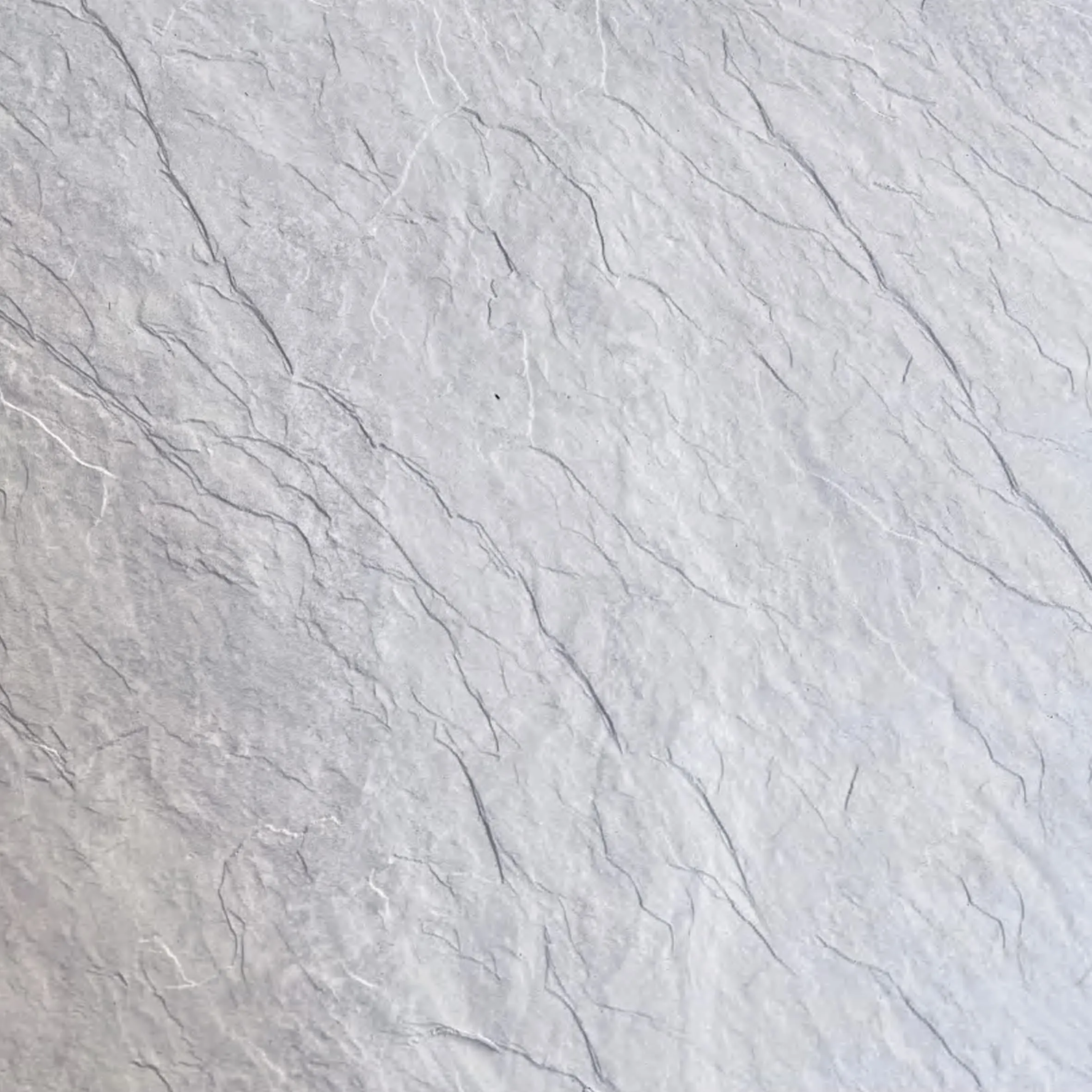
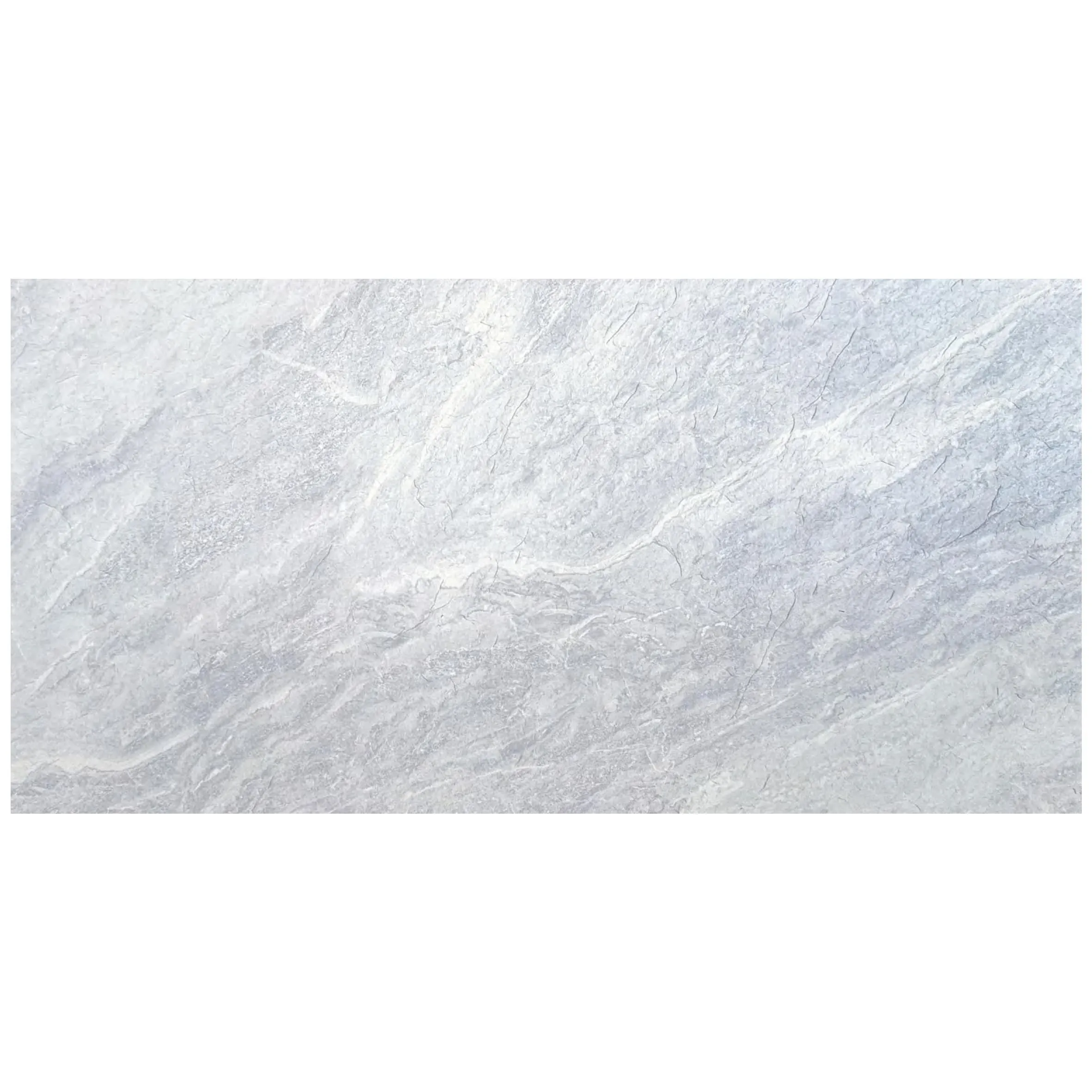
So, you've chosen Slate Veil White MCM for your space—congratulations. That soft, veined elegance, the way it catches light like a whisper of marble but with the durability to handle daily life? It's no wonder this material has become a favorite for everything from restaurant facades to home interiors. But here's the thing about beauty: it needs a little care to stick around. Whether you're a building manager, a designer, or a homeowner who fell in love with that crisp, clean look, this guide is your go-to for keeping your Slate Veil White MCM looking as stunning as the day it was installed. We're talking daily habits, smart cleaning, tackling stains, and even weathering the seasons—all with that down-to-earth advice you actually need, no jargon included.
Before we dive into mops and cleaners, let's get to know the material itself. Slate Veil White is part of the MCM (Modified Composite Material) family, which means it's engineered to be both tough and versatile. Think of it as the practical sibling of natural stone—less porous, more resistant to chipping, and yes, flexible (hello, MCM Flexible Stone properties!). That flexibility is a game-changer for installations where natural stone might crack, but it also means the surface has its own set of needs. Unlike, say, fair-faced concrete (which has its own maintenance rhythm), Slate Veil White's smooth, slightly textured finish demands a gentler touch to keep those veins sharp and that white base bright.
You might have paired it with other materials—maybe Wood Grain Board for warmth or even Lunar Peak Silvery for contrast. But today, we're focusing on the star: that slate veil white surface. Its beauty lies in its simplicity, which means even small blemishes (a water spot, a scuff) can stand out. But don't stress—with the right care, this material will age like fine wine, not like a forgotten countertop.
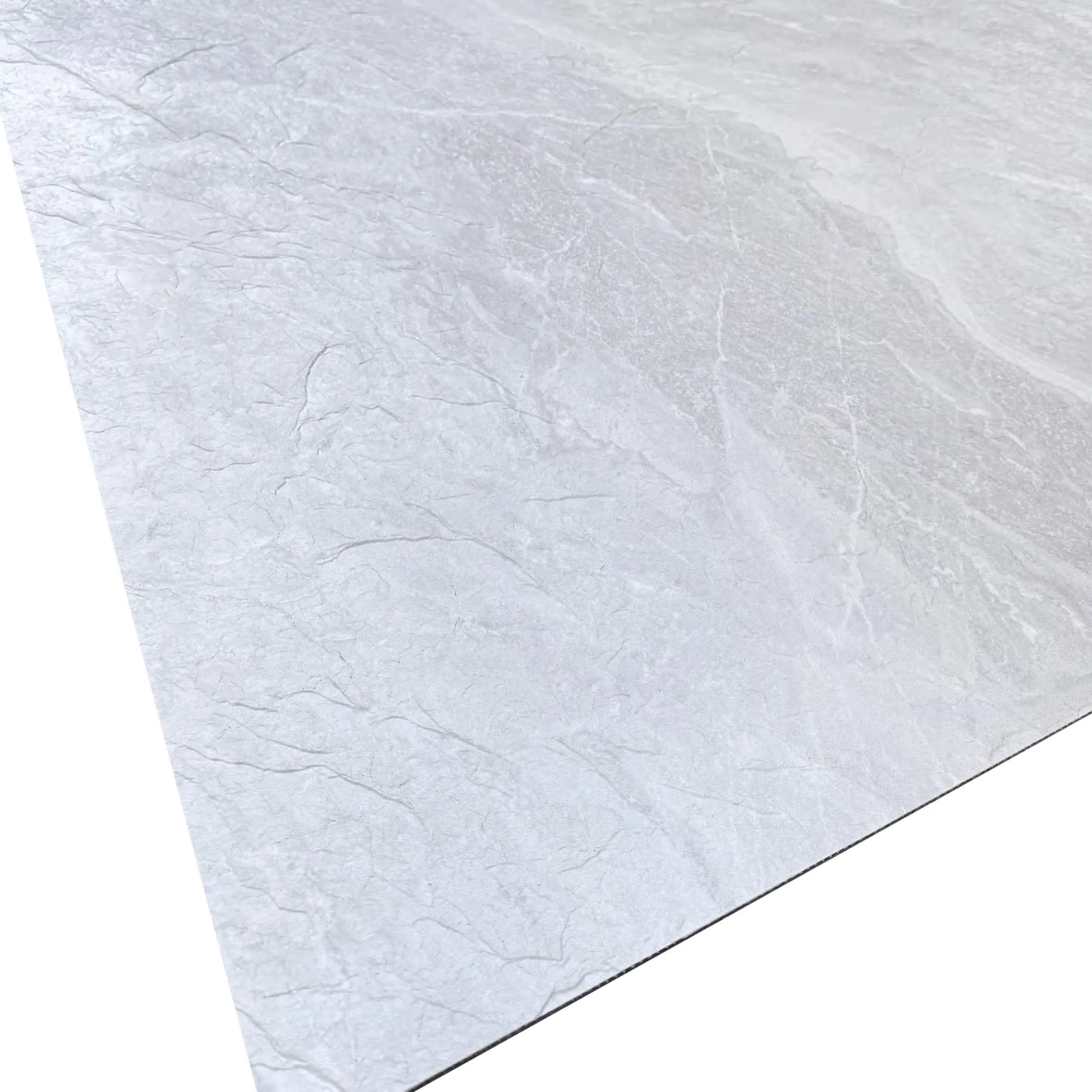
Let's start with the basics: daily maintenance. You don't need to deep-clean every day, but a few quick habits will save you from headaches later. Think of it like brushing your teeth—small, consistent actions keep things healthy.
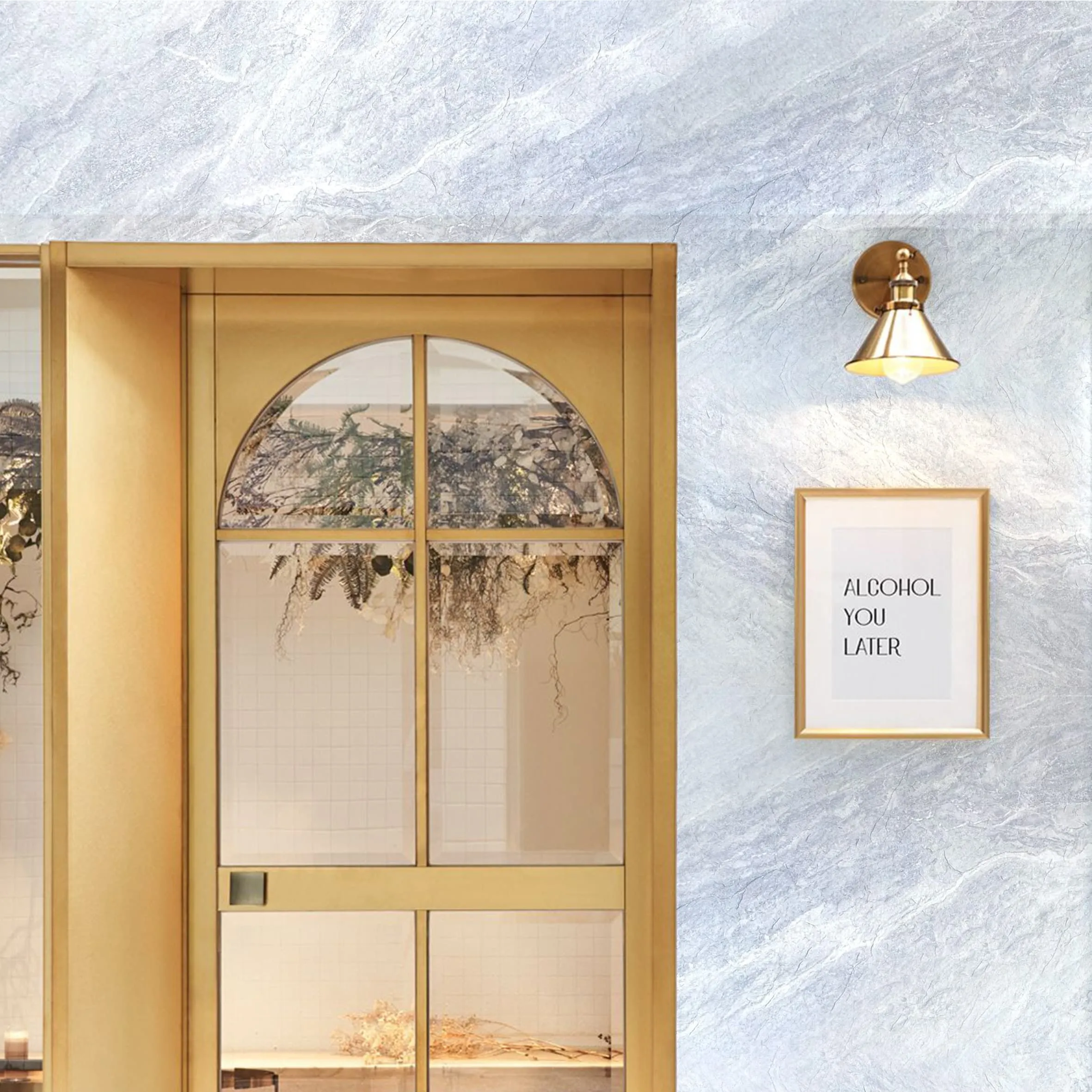
Daily habits prevent buildup, but weekly cleaning is where you keep that "just installed" shine. The key here is to be gentle—harsh chemicals or rough tools will dull the finish faster than you can say "oops."
What you'll need: A bucket of lukewarm water, a mild pH-neutral soap (think dish soap like Dawn, but no citrus or bleach additives), a soft sponge or microfiber mop, and a clean, dry towel for drying.
The process: Mix a few drops of soap into the water—you don't need bubbles, just enough to cut grime. Dip your sponge or mop, wring it out until it's barely damp (sopping wet tools leave water spots), and wipe the surface in gentle, circular motions. Work in small sections (3x3 feet is good) and dry immediately with the towel. This prevents water from seeping into any tiny pores and leaving mineral deposits. For vertical surfaces like walls, start at the bottom and work up—this way, drips don't run down already cleaned areas.
Why pH-neutral? Harsh cleaners (acidic ones like vinegar, alkaline ones like ammonia) can etch the surface over time. Slate Veil White's finish is tough, but repeated exposure to chemicals will dull those veins and make the white look yellowed. Stick to mild soap, and you're golden.
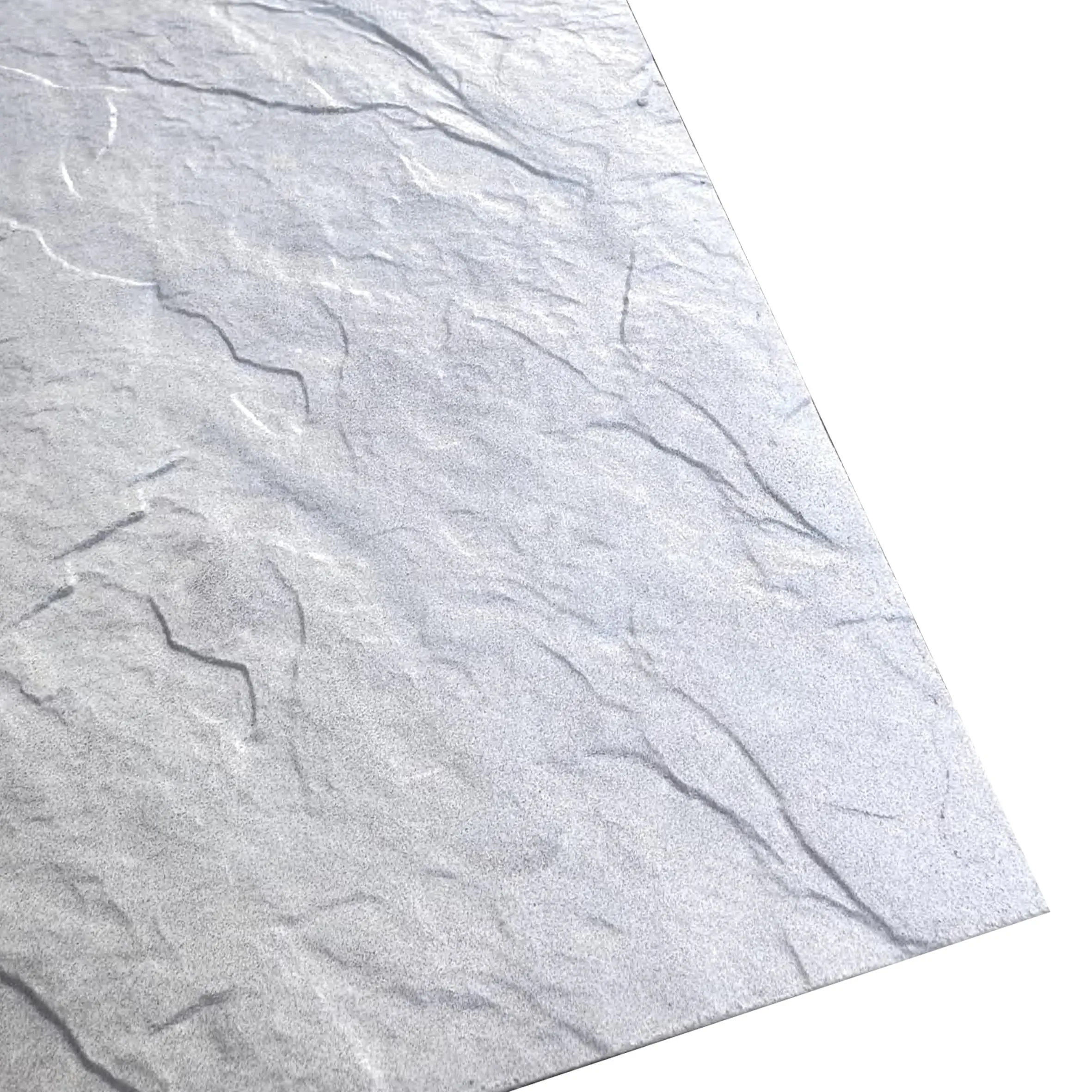
Let's be real: life is messy. A glass of red wine tips over at a dinner party. A construction crew drips oil on the facade. A kid smears chocolate on the wall (we've all been there). The good news? Most stains on Slate Veil White MCM are reversible—if you act fast and use the right method. Below is a handy guide to common stains and how to beat them.
| Stain Type | Recommended Solution | Tools You'll Need | Step-by-Step |
|---|---|---|---|
| Oil/Grease (cooking oil, makeup, motor oil) | Baking soda + water paste or dish soap (extra mild) | Soft cloth, plastic scraper (for thick grease) | 1. Blot excess oil with a dry cloth. 2. Mix baking soda and water to make a thick paste. 3. Apply to stain, let sit 10-15 minutes (don't let it dry). 4. Gently wipe with a damp cloth. 5. Rinse with clean water and dry. |
| Organic Stains (wine, coffee, juice, chocolate) | Hydrogen peroxide (3%) or mild dish soap | Spray bottle, microfiber cloth | 1. Blot (don't rub!) with a dry cloth. 2. Spray peroxide (test on a hidden corner first!) or soap solution. 3. Let sit 5 minutes. 4. Wipe with damp cloth, then dry. |
| Ink (pen, marker) | Rubbing alcohol (isopropyl) or nail polish remover (acetone-free) | Cotton ball, clean cloth | 1. Dab alcohol on the stain (don't soak). 2. Let sit 30 seconds. 3. Blot with a clean cloth, repeating until ink lifts. 4. Rinse with water and dry. |
| Mold/Mildew (bathrooms, exterior walls in humid areas) | Vinegar (white) or baking soda + water | Spray bottle, soft brush (for tough spots) | 1. Spray vinegar directly on mold. 2. Let sit 15 minutes. 3. Scrub gently with a soft brush. 4. Rinse thoroughly and dry—mold loves moisture, so ensure the area stays dry afterward. |
| Hard Water Spots (from rain, sprinklers, cleaning with hard water) | Lemon juice (diluted) or white vinegar (diluted 1:1 with water) | Soft cloth, toothbrush (for crevices) | 1. Mix lemon juice/water or vinegar/water. 2. Dip cloth in solution, rub spots gently. 3. For tight areas, use a toothbrush. 4. Rinse immediately with clean water—acidic solutions left too long can etch! |
If your Slate Veil White MCM is outdoors (facades, patio floors, pool surrounds), the seasons will throw different challenges your way. Here's how to adapt:
Summer sun can fade surfaces over time, but Slate Veil White is fade-resistant— if you keep it clean. Pollen and dust stick to rainwater, creating a grimy film that, left too long, can discolor the surface. Solution? Hose down exterior panels every 2-3 weeks (use a low-pressure setting—high pressure can damage the finish) and follow up with a mild soap wipe-down monthly. For pool areas, chlorinated water is a culprit—rinse off any splashes immediately, as chlorine can bleach the surface if it sits.
Fallen leaves decay and leave tannin stains—sweep them up promptly. Snow is mostly water, but the salt and de-icers used on walkways? Big trouble. Salt can eat into the finish, leaving pitted spots. If you must use de-icer near Slate Veil White, opt for calcium magnesium acetate (CMA) instead of rock salt. After snow melts, rinse the area thoroughly with water to wash away residue. For icy surfaces, gently chip ice with a plastic shovel (metal shovels scratch!) and avoid dragging heavy snowblowers over the material.
We've heard it all—well-meaning advice that actually does more harm than good. Let's set the record straight:
Even with perfect care, every material needs a little professional love now and then. Here's when to pick up the phone:
Think of it like a dentist visit—regular check-ups (professional cleanings every 1-2 years) prevent major work later. Most MCM suppliers or installers can recommend trusted professionals, so keep their contact info handy.
Slate Veil White MCM isn't just a material—it's a design choice that says "I value elegance and durability." By following these tips—dusting daily, cleaning gently, tackling stains fast, and respecting the material's needs—you're not just maintaining a surface; you're preserving the look and feel of your space for years to come. Whether it's a home, a hotel, or a storefront, that crisp, veined white will continue to turn heads and make you proud. And hey, if you ever hit a snag (a stubborn stain, a mystery mark), remember: this guide is here, and you've got this. Your Slate Veil White MCM will thank you—and so will anyone who lays eyes on it.
Recommend Products












