

Embarking on a construction or renovation project often feels like piecing together a puzzle—every detail matters, and one of the most overlooked yet critical pieces is the material you choose for your surfaces. If you've landed here, you're probably considering Slate Veil White MCM panels for your next project, and for good reason. These panels blend the timeless elegance of natural stone with the practicality of modern engineering, making them a favorite among architects, designers, and DIY enthusiasts alike. But here's the thing: not all Slate Veil White panels are created equal, and one of the biggest decisions you'll face is choosing the right thickness. Let's dive into why thickness matters, explore the options available, and help you pick the perfect size for your unique project.
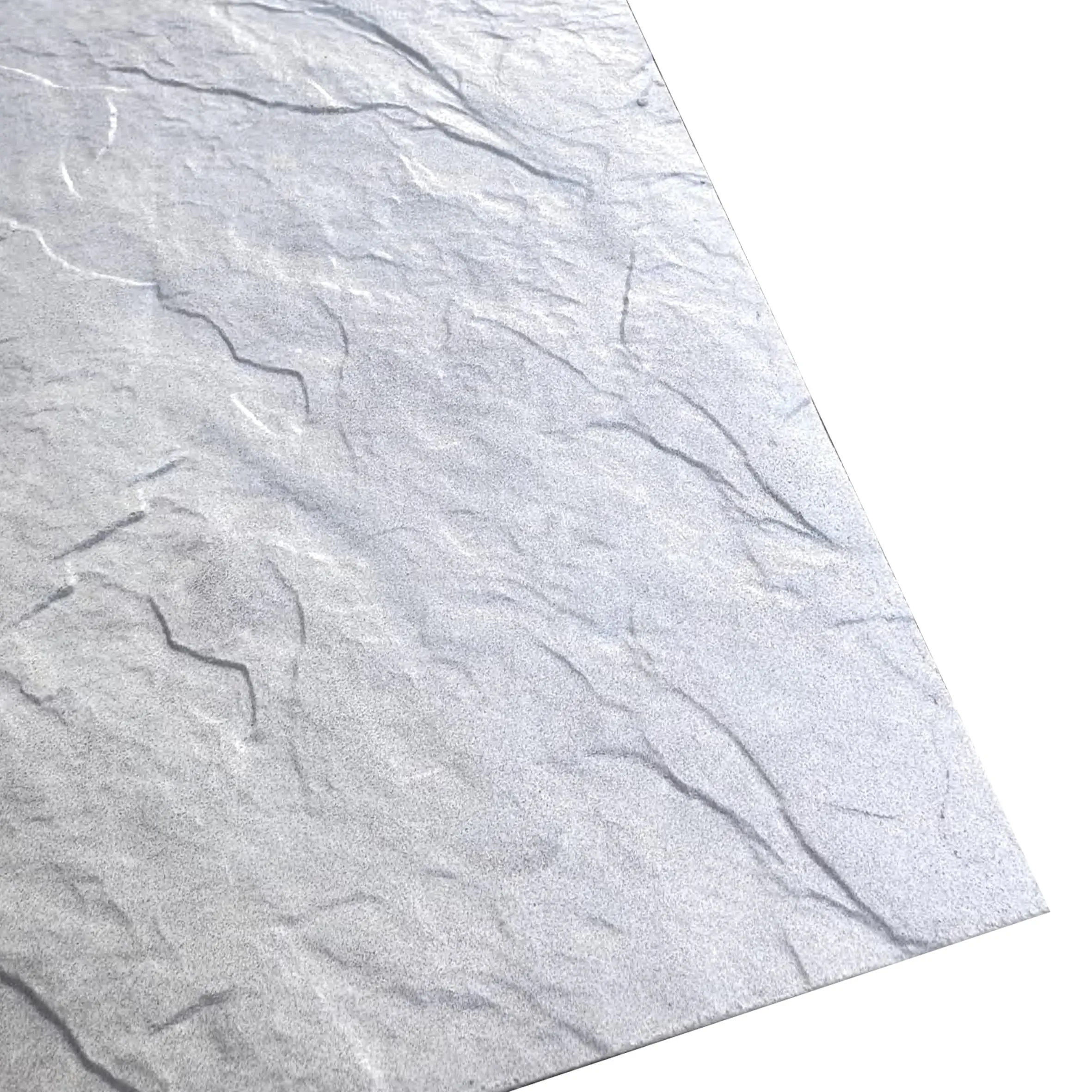
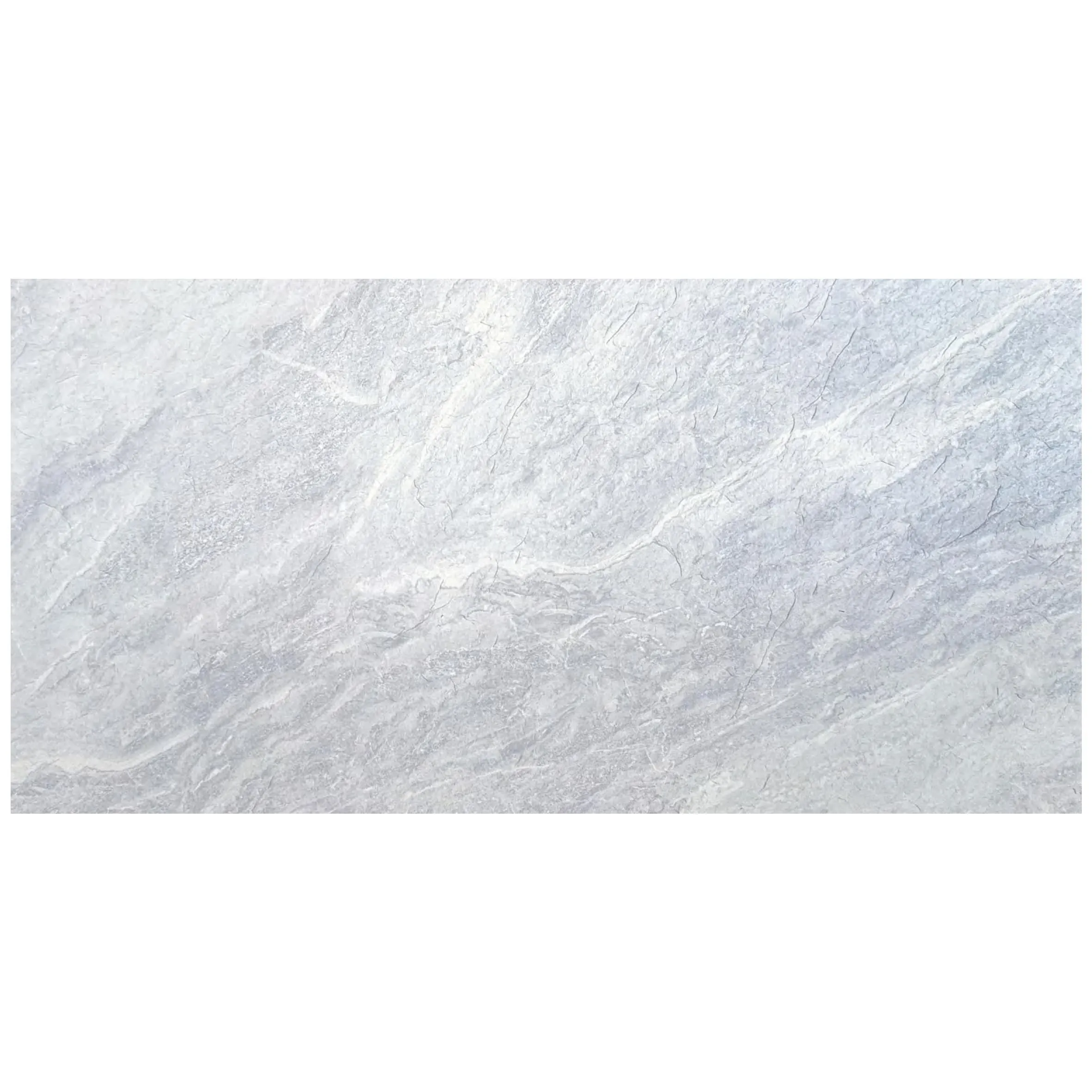
Before we get into thickness, let's make sure we're all on the same page. MCM stands for Modified Composite Material—a innovative blend of natural minerals, polymers, and reinforcing fibers that mimics the look and feel of natural stone, wood, or concrete, but with a fraction of the weight and far more flexibility. Think of it as nature's beauty meets human ingenuity. And Slate Veil White is one of the most sought-after finishes in the MCM world. Its soft, off-white base is streaked with delicate gray veining, evoking the look of rare white slate quarried from mountain tops, but without the heavy lifting (literally) of real stone.
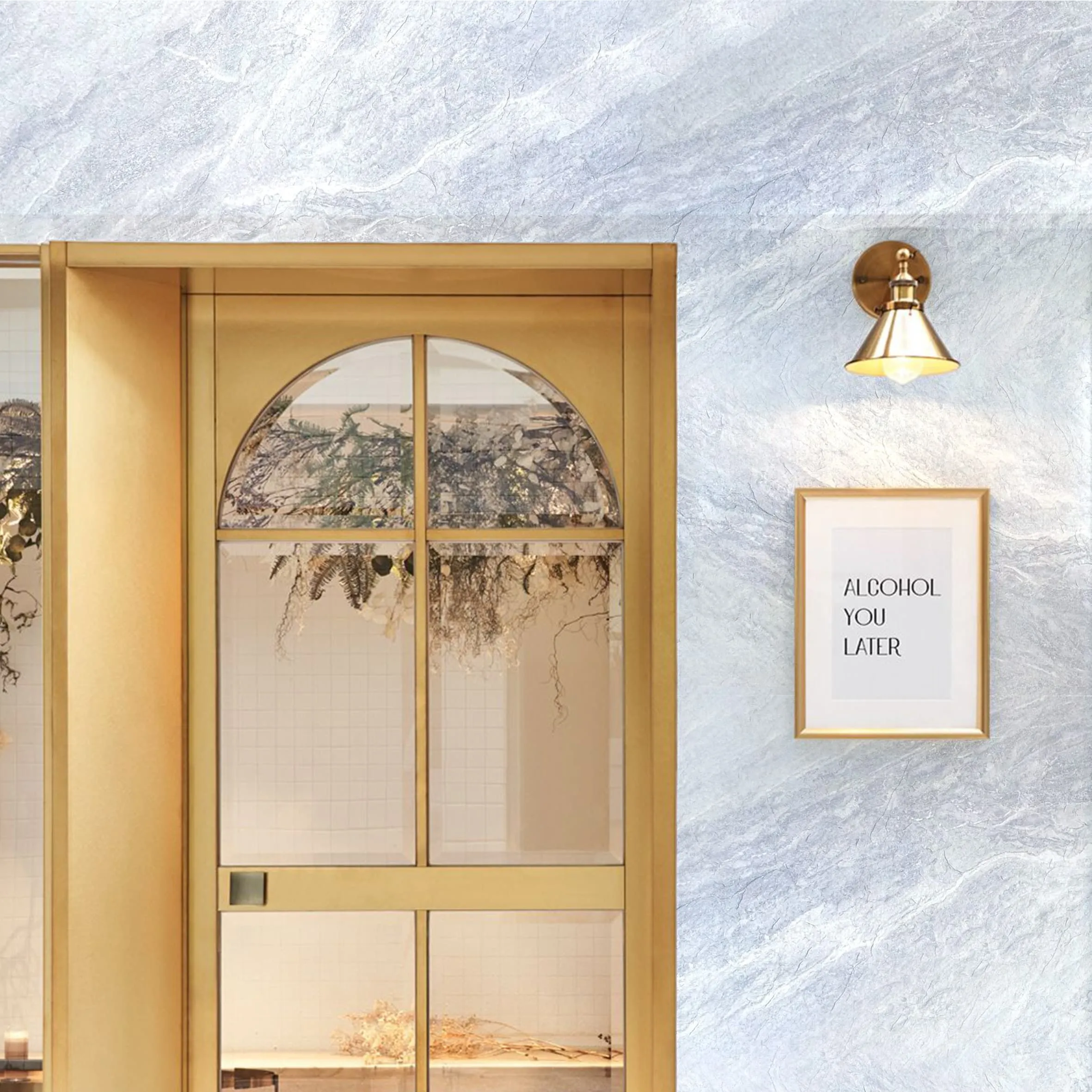
What makes Slate Veil White stand out? It's versatile, for starters. Whether you're aiming for a minimalist modern kitchen backsplash, a rustic bathroom accent wall, or a bold commercial facade, this finish adapts. It's also durable, resistant to scratches, moisture, and UV rays—so it holds up indoors and out. But to unlock its full potential, you need to pair it with the right thickness. Thickness affects everything from how the panel hangs on your wall to how long it lasts, and even how it interacts with light to show off those stunning veins.
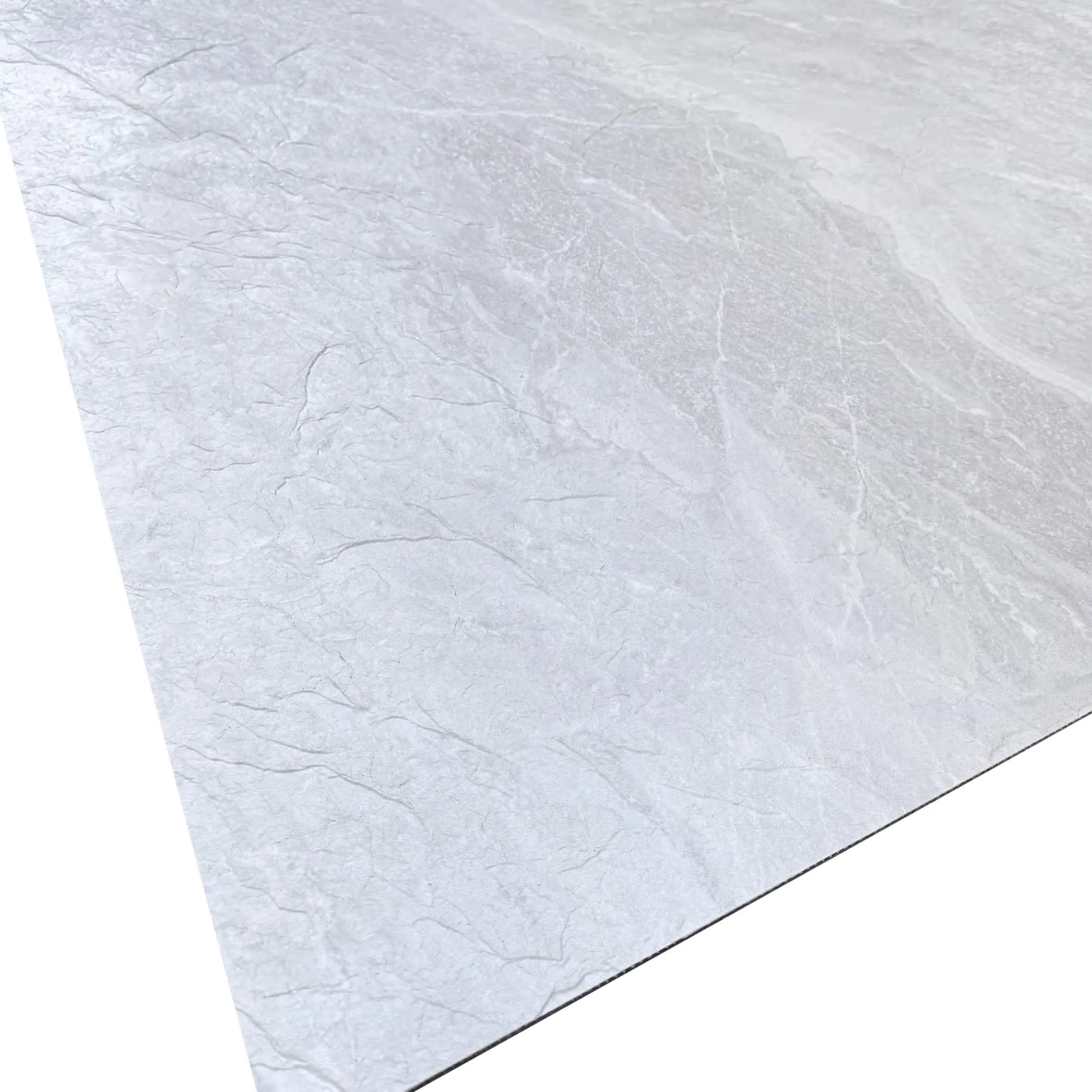
Slate Veil White MCM panels come in a range of thicknesses, each tailored to specific needs. While exact options can vary by manufacturer, the most common thicknesses you'll encounter are 4mm, 6mm, 8mm, 10mm, and 12mm. Let's break down what each one brings to the table, and when you might reach for it.
At just 4mm thick, this is the thinnest option in the Slate Veil White lineup. Think of it as the "skinny jeans" of panels—sleek, lightweight, and perfect for situations where weight and flexibility are top priorities. Weighing in at around 6-8 kg per square meter, it's easy to handle, transport, and install, even on upper floors or over existing surfaces where structural load is a concern.
Best for: Indoor accent walls, backsplashes, ceiling panels, or furniture surfaces. If you're working on a home renovation and want to add a touch of elegance to a small space—a powder room wall or a kitchen island end—4mm Slate Veil White is ideal. Its thin profile means it can be curved slightly, making it great for rounded edges or custom-shaped designs (hello, statement archways!).
But there's a trade-off: while it's tough enough for low-traffic indoor areas, it's not the best choice for high-impact zones like commercial lobbies or outdoor facades. It also has less structural rigidity, so it needs a flat, stable substrate to avoid warping over time.
Move up to 6mm, and you've hit the sweet spot for many projects. This thickness balances weight, durability, and versatility, which is why it's the most popular choice among homeowners and contractors alike. Weighing about 8-10 kg per square meter, it's still lightweight enough for easy installation but has more heft than 4mm, offering better resistance to dents and everyday wear.
Best for: Both indoor and protected outdoor spaces. Think residential exterior walls (under a porch or awning), kitchen countertops (yes, really—paired with a proper sealer), bathroom shower walls, or commercial interiors like boutique storefronts or office reception areas. The 6mm thickness holds up well to moderate foot traffic (if used as flooring in low-traffic zones) and can handle occasional bumps from furniture or tools without chipping.
What we love about 6mm Slate Veil White is how it showcases the material's veining. The slight added thickness gives the veins more depth, making them pop under natural or artificial light. It's also compatible with most standard installation systems, from adhesive bonding to mechanical fastening, so you're not locked into one method.
When durability takes center stage, 8mm Slate Veil White steps up. Weighing 10-12 kg per square meter, it's sturdier than 6mm, with enhanced impact resistance and structural stability. This is the thickness you'll want for spaces that see a lot of action—or exposure to the elements.
Best for: Commercial exteriors (think restaurant facades, hotel exteriors, or retail storefronts), high-traffic indoor areas like airport lobbies or school corridors, and outdoor patios or pool surrounds. It's also a solid choice for flooring in busy homes with kids or pets, as it can withstand dropped toys, sliding chairs, and the occasional spilled juice box (though we still recommend cleaning up quickly!).
Installation-wise, 8mm panels may require a bit more support than thinner options, especially for exterior use. You'll want to ensure the substrate is level and secure, and mechanical fastening (like screws or clips) might be necessary in windy or high-moisture environments to prevent lifting. But the peace of mind? Totally worth it. This thickness is built to last, even in climates with extreme temperature swings or high humidity.
At 10mm (12-14 kg/m²) and 12mm (14-16 kg/m²), we're entering heavy-duty territory. These thicknesses are all about maximum durability and structural performance, designed for projects that demand uncompromising strength—think industrial spaces, public plazas, or coastal buildings where salt spray and high winds are a concern.
Best for: Industrial facilities, outdoor amphitheaters, coastal home exteriors, or commercial projects with strict safety codes (like hospitals or government buildings). 12mm Slate Veil White can even be used as a cladding for retaining walls or water features, thanks to its resistance to water absorption and freeze-thaw cycles. In high-rise buildings, the added thickness helps with sound insulation, making it a smart choice for exterior walls in noisy urban areas.
That said, these thicker panels aren't for every project. Their weight requires careful planning—you'll need to check the structural capacity of your building before installation, and they may require specialized lifting equipment. They're also less flexible, so curved designs are out of the question. But if your priority is longevity and performance in harsh conditions, 10mm or 12mm is the way to go.
Now that you know the thickness options, how do you decide which one is right for your project? It's not just about picking a number—you'll need to weigh several factors to make an informed choice. Let's break them down:
Indoor projects generally have more flexibility with thinner panels (4mm-6mm), since they're protected from the elements and often see lighter use. Outdoor projects, on the other hand, need to stand up to rain, snow, UV rays, and temperature extremes, so you'll likely want 8mm or thicker. Exceptions? A covered porch or a shaded balcony might work with 6mm, but a fully exposed facade should go 8mm+.
If you live in a humid area (like Florida or Southeast Asia), thicker panels (8mm+) are better at resisting moisture absorption, which can lead to mold or warping. In cold climates with freeze-thaw cycles, thicker panels are also more durable, as they're less likely to crack when water seeps in and expands. For dry, mild climates (think Southern California), 6mm might be sufficient even outdoors.
High-traffic areas—like a commercial kitchen, a busy hallway, or a kids' playroom—need thicker panels to handle bumps, scratches, and spills. A 4mm panel in a mudroom would look great at first, but after a few months of kids tracking in dirt and slamming doors, it might start showing wear. Opt for 8mm+ in these zones.
Older buildings or upper floors often have weight limits for wall cladding. Thinner panels (4mm-6mm) are lighter, making them safer for these situations. If you're unsure about your building's capacity, consult a structural engineer—better safe than sorry!
Do you want a sleek, minimalist look? Thinner panels (4mm-6mm) have a more "flush" appearance, blending seamlessly with walls. If you want depth and texture, thicker panels (8mm+) cast more shadows, making the veining in Slate Veil White stand out. Curved or custom shapes? Stick to 4mm-6mm for flexibility.
To make your decision even easier, here's a quick reference table comparing the most common Slate Veil White MCM panel thicknesses. Use it to match your project needs with the right size:
| Thickness (mm) | Weight (kg/m²) | Best For | Installation Notes | Durability Rating (1-10) |
|---|---|---|---|---|
| 4mm | 6-8 | Indoor accents, backsplashes, ceilings, curved designs | Lightweight; adhesive bonding recommended; needs flat substrate | 6/10 (good for low-traffic indoor) |
| 6mm | 8-10 | Indoor/outdoor (protected), countertops, shower walls, storefronts | Versatile; adhesive or mechanical fastening; moderate weight | 8/10 (excellent for most residential/commercial use) |
| 8mm | 10-12 | Exterior facades, high-traffic indoor, patios, pool surrounds | Requires secure substrate; mechanical fastening for outdoors | 9/10 (great for harsh climates and heavy use) |
| 10mm | 12-14 | Industrial spaces, coastal exteriors, retaining walls | Heavy; structural engineer consultation advised | 9.5/10 (near-indestructible for most applications) |
| 12mm | 14-16 | Extreme conditions, public plazas, high-rise facades | Specialized lifting equipment needed; heavy-duty fasteners | 10/10 (the toughest option for maximum longevity) |
Sometimes, seeing how thickness plays out in real projects helps. Let's look at two scenarios to illustrate:
Emma is renovating her 1960s home in Portland, Oregon, aiming for a blend of mid-century modern and contemporary style. She wants to use Slate Veil White MCM panels in three areas: the kitchen backsplash, the master bathroom shower walls, and the exterior front porch (which is covered and faces north, so minimal direct rain/sun).
For the kitchen backsplash: She goes with 4mm panels. They're lightweight, easy to cut around outlets, and the thin profile keeps the focus on her new quartz countertops. The veining adds subtle texture without overwhelming the space.
For the shower walls: 6mm is her choice. It's durable enough to handle daily moisture and cleaning, and the slightly thicker profile makes the veining pop against the shower's matte black fixtures. She pairs it with a mildew-resistant sealer for extra protection.
For the front porch: 8mm panels. The covered area means less exposure, but Oregon's rainy winters demand something sturdier than 6mm. The 8mm thickness resists moisture absorption and holds up to the occasional rain splash from the steps.
Mario is designing a 5-story boutique hotel in Miami, Florida, with a sleek, modern exterior. He wants the facade to make a statement, using Slate Veil White MCM panels to contrast with black metal accents. The hotel is blocks from the ocean, so salt air and high humidity are concerns.
For the facade: Mario chooses 10mm panels. The extra thickness stands up to salt corrosion and hurricane-force winds, and the weight is manageable with the building's steel frame. The panels are mechanically fastened to ensure they don't peel off in storms, and the thickness adds depth, making the veining visible even from the street.
For the lobby interior walls: 6mm panels. Inside, weight isn't an issue, but he wants a lighter, more airy feel. The 6mm thickness keeps installation costs down and pairs beautifully with the lobby's marble flooring.
You might be wondering: "Why not just use fair-faced concrete or wood grain board instead?" It's a fair question—there are plenty of materials out there. But Slate Veil White MCM panels offer unique advantages, especially when it comes to thickness flexibility.
Take fair-faced concrete , for example. It's a popular choice for industrial-chic designs, but it's heavy—typically 20-30 kg per square meter for a 50mm slab. That limits where you can use it (no upper floors without major structural work!) and makes installation a nightmare. Slate Veil White, even at 12mm, is half the weight, offering a similar minimalist look without the hassle.
Or wood grain board , which adds warmth to spaces. But wood is prone to warping, rotting, or fading, especially in humid or outdoor environments. Slate Veil White MCM panels, at 8mm+, give you the option to mimic natural textures (like veining) without the maintenance headaches. Plus, you can choose thinner panels for wood-like flexibility in indoor designs, but with stone-like durability.
And let's not forget MCM flexible stone —the category that Slate Veil White falls into. What makes MCM so special is that even at thicker sizes (8mm-12mm), it retains some flexibility, allowing it to adapt to minor substrate movements (like a building settling) without cracking. Traditional stone or concrete would crack under the same stress, making MCM a smarter long-term investment.
Your choice of thickness also affects how you'll maintain your Slate Veil White panels. Here's what to keep in mind:
Choosing the right thickness for your Slate Veil White MCM panels isn't about picking the "best" option—it's about picking the right option for your project. Whether you're sprucing up a powder room with 4mm panels or cladding a skyscraper with 12mm ones, remember: thickness affects everything from installation to longevity to how the final design makes you feel.
Slate Veil White is more than just a material—it's a canvas for your vision. And with the right thickness, that canvas will stand the test of time, weather, and whatever life throws at it. So take your time, weigh the factors, and don't hesitate to consult a professional if you're unsure. After all, the best projects are built on smart choices—and the right thickness is one of them.
Here's to creating something beautiful, durable, and perfectly tailored to your space. Happy building!
Recommend Products












