
Think about the last time you wandered through a city. Chances are, your gaze lingered on a building—not just its height or shape, but its skin . That facade isn't just a barrier between inside and out; it's a storyteller. It whispers about the building's purpose, its character, and even the values of the people who designed it. Today, we're putting two facade heavyweights head-to-head: Slate Veil White MCM and the ever-popular glass facade. Both have loyal fans, but which one deserves a spot on your next project? Let's dive in—no jargon, just real talk about beauty, brains, and finding the perfect fit.
First up: Slate Veil White MCM. Let's start with the basics. MCM stands for Modified Composite Material—a clever marriage of natural stone aggregates, polymers, and fibers. The result? A material that borrows the best from nature (think the texture and depth of real stone) and pairs it with modern engineering (flexibility, durability, and lightness). It's part of the broader MCM flexible stone family, which has been turning heads in architecture for its ability to mimic natural stone without the hassle of weight or fragility.
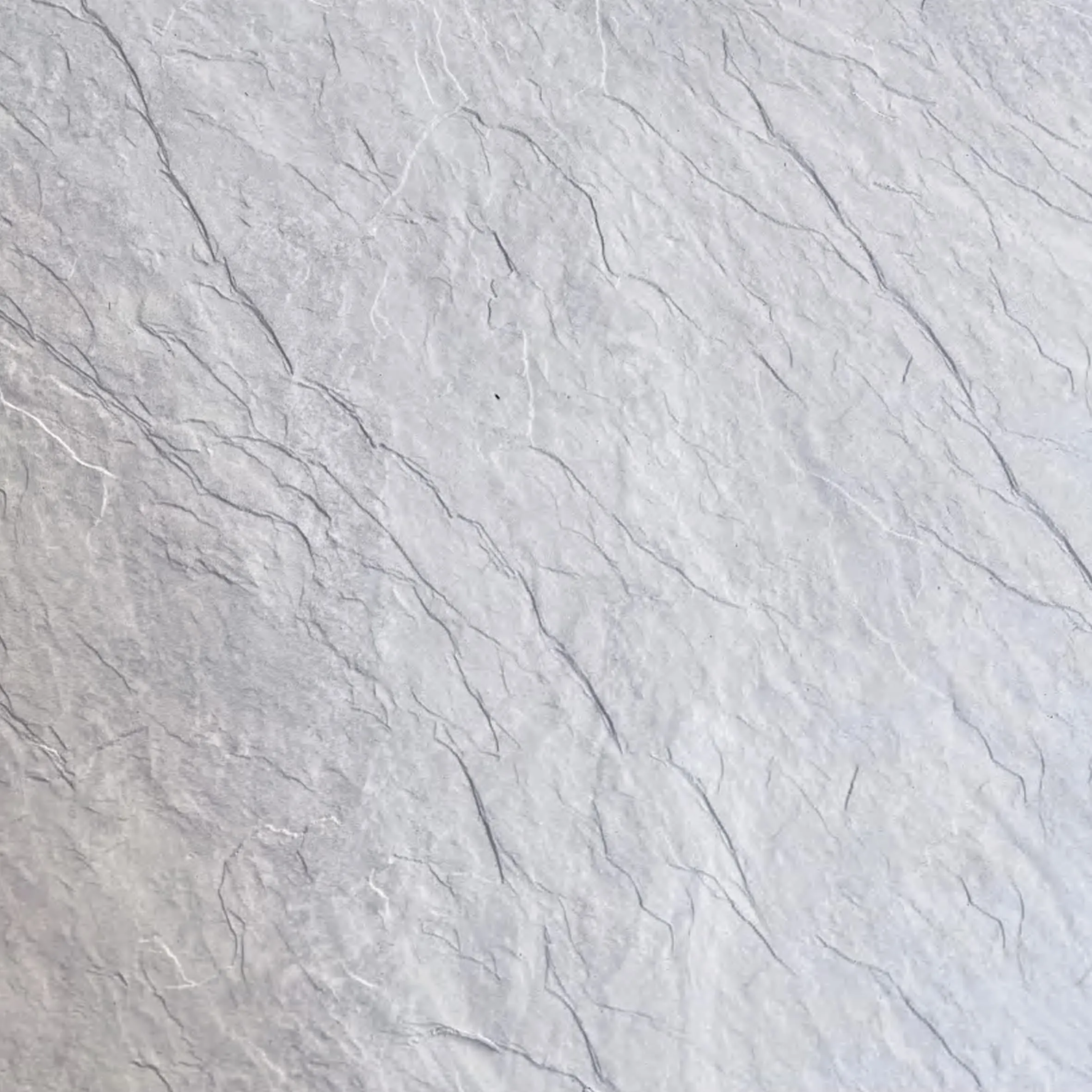
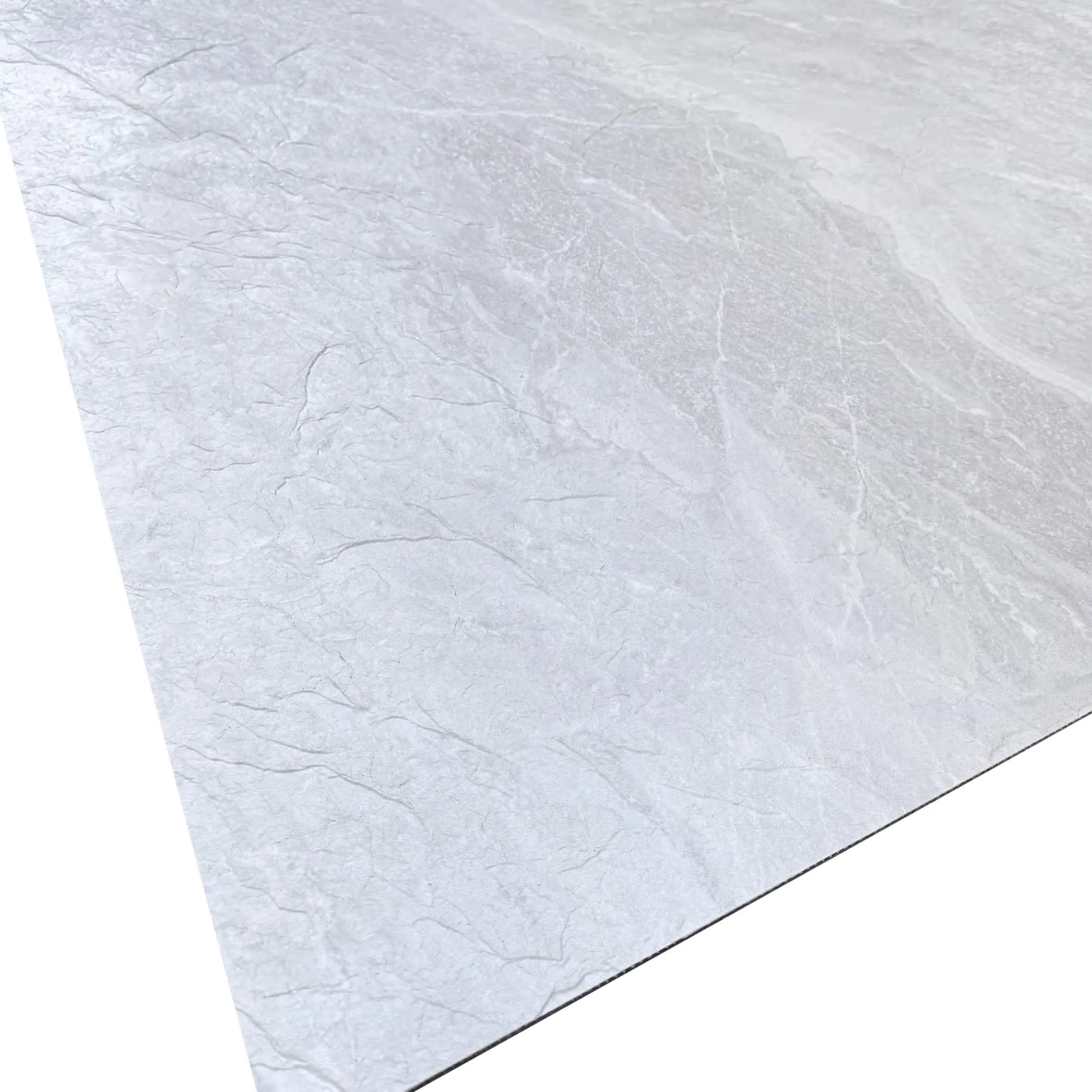
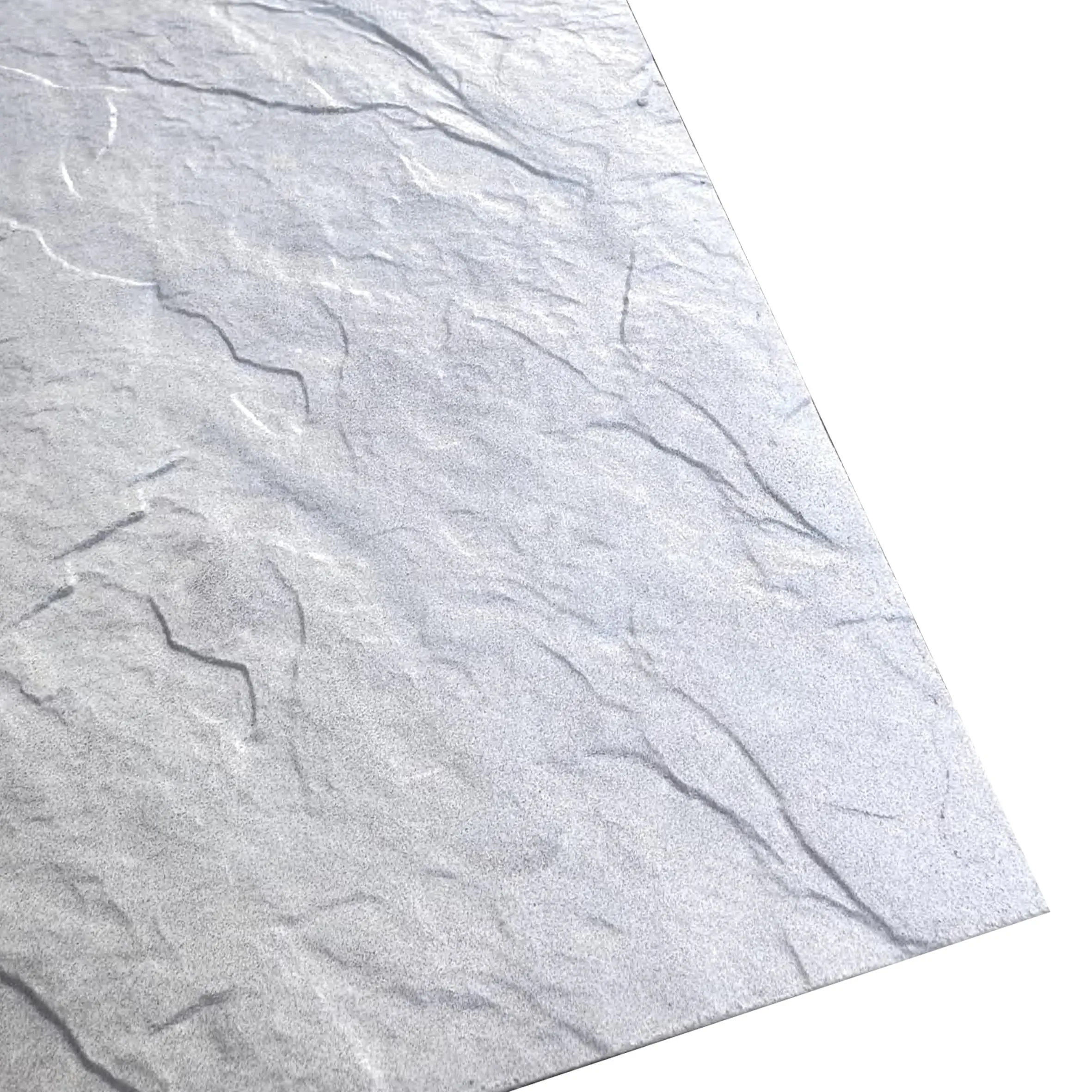
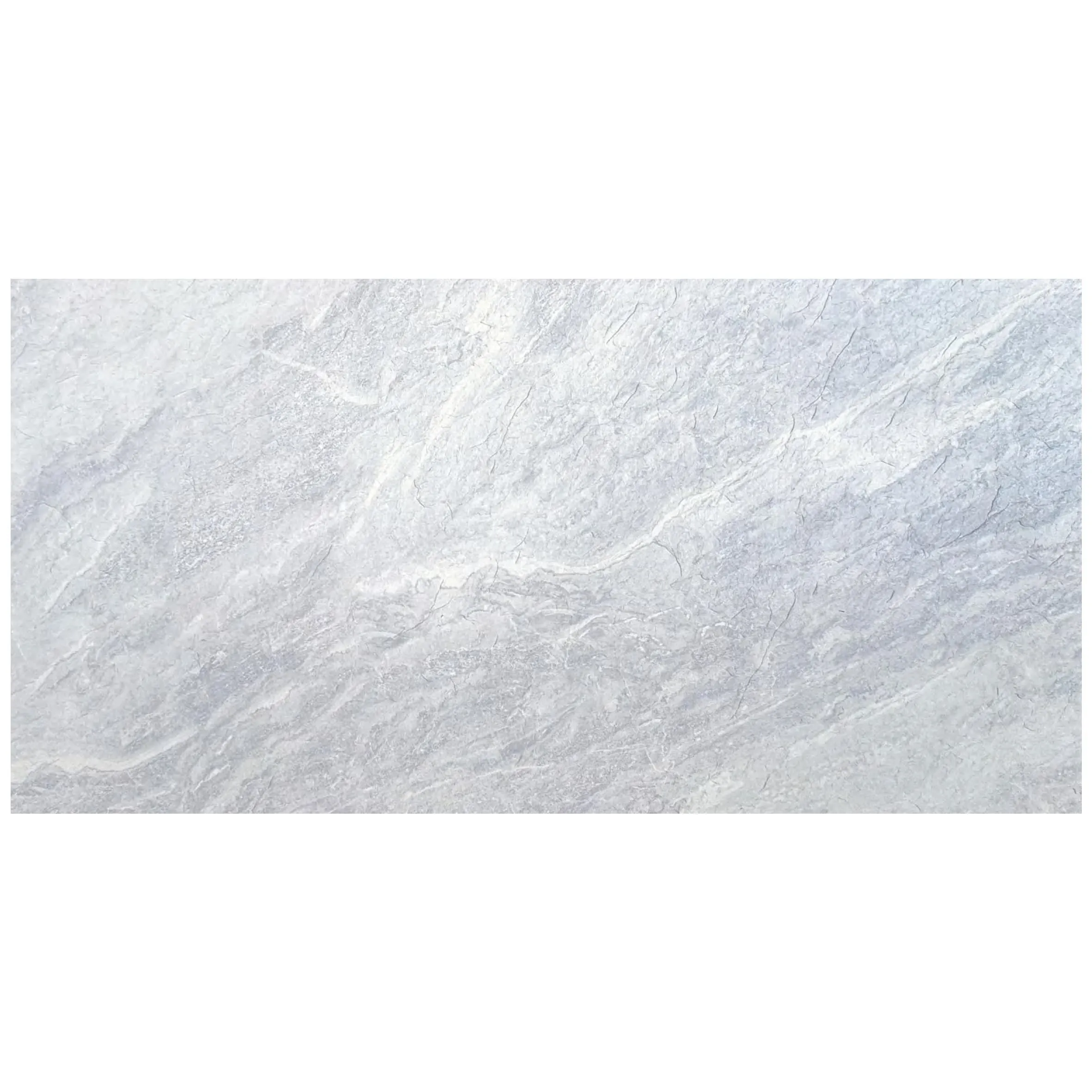
Now, Slate Veil White isn't just any MCM panel. Imagine a canvas of soft, creamy white, brushed with delicate gray veins that look like they were painted by a gentle hand. It's not stark or clinical—there's warmth here, a subtle complexity that makes it feel alive. Run your palm over it, and you'll notice a texture that's just rough enough to feel authentic (like a piece of hewn stone) but smooth enough to not catch on a sweater. It's the kind of material that makes you want to slow down and appreciate the details, not just glance and move on.
Then there's the glass facade—the poster child of contemporary design. Sleek, shiny, and unapologetically bold, glass facades are all about transparency and light. Picture floor-to-ceiling windows that turn offices into sunlit sanctuaries, or a hotel lobby where guests feel like they're standing in the middle of a city skyline. Glass doesn't just have a view—it is the view.
But glass isn't just pretty; it's practical, too. Modern versions use double or triple glazing, low-emissivity (low-e) coatings, and even fritted patterns (those tiny dot matrices) to cut down on heat gain and boost energy efficiency. Still, let's be real: its main superpower is aesthetics. Glass makes buildings feel open, innovative, and connected to their surroundings. On a cloudy day, it softens the sky into a watercolor backdrop; on a sunny one, it reflects clouds like a giant mirror. Love it or hate it, glass knows how to make an entrance.
Let's talk looks—because let's be honest, that's often the first thing we notice. Both Slate Veil White MCM and glass facades are stunners, but they speak very different design languages.
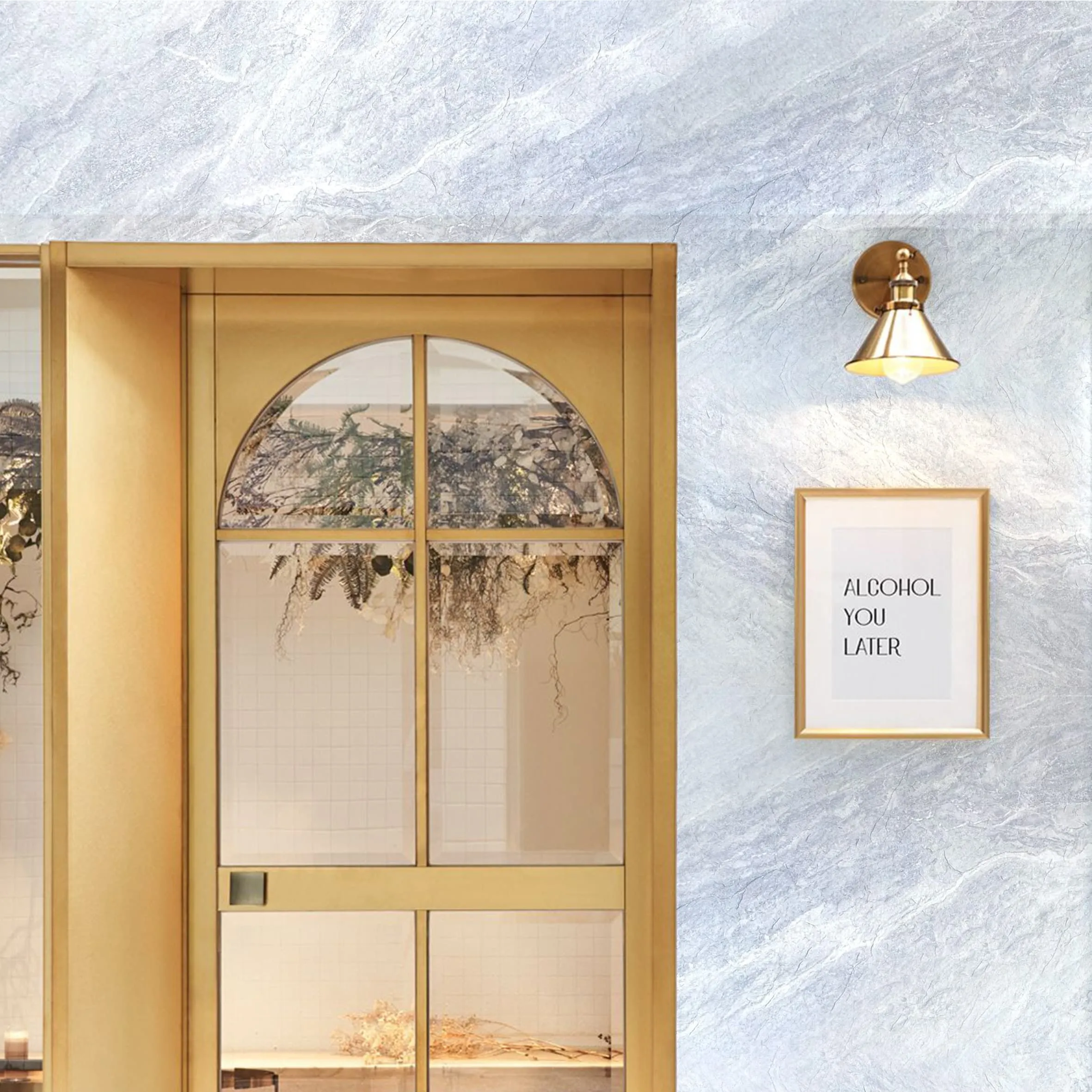
Slate Veil White thrives on subtlety. Its beauty is in the details: the way light plays with its veining, turning soft gray lines into silver under the sun, or how it warms up a space on a rainy day, like a cozy blanket for the building. Unlike flat, uniform materials, it has depth—you can almost get lost in the swirls of its veining, like staring at a cloud formation. It's versatile, too: pair it with wood accents for a rustic-modern vibe, or with black metal for something edgier. In historic districts, it blends in, nodding to traditional stone facades; in new developments, it adds a touch of organic warmth to sleek lines.
And let's not forget color. Slate Veil White isn't a stark, clinical white—it's more like the color of a seashell, with hints of cream and ivory that keep it from feeling cold. Compare that to, say, lunar peak silvery (another MCM stunner with a metallic, moon-dust finish), and you'll see why Slate Veil White is the "comfort food" of facades—it feels familiar, even if you've never seen it before.
Glass facades, on the other hand, are all about drama. They're the extroverts of the design world—unafraid to be the center of attention. Their superpower? Transparency. A glass facade doesn't just frame the view; it erases the line between inside and out. Imagine a tech startup office where employees work under a ceiling of windows, or a museum where art is lit by natural light streaming in from all sides. Glass turns buildings into light boxes, and that's a powerful thing.
But transparency isn't the only trick up its sleeve. Glass can be tinted (think deep blues or smoky grays), fritted (those dotted patterns that add privacy and reduce glare), or even curved for a softer silhouette. And let's talk reflections: on a sunny day, a glass building becomes a mirror, turning the sky, trees, and neighboring buildings into part of its design. It's dynamic—never the same twice. That said, all that shine can feel cold if not balanced. A glass facade without warm materials (like wood or stone) nearby can read as sterile, more machine than human.
Looks matter, but a facade has a job to do: keep the rain out, the heat in (or out), stand up to time, and not cost a fortune to maintain. Let's break down how our two contenders stack up where it counts.
Slate Veil White MCM is a quiet workhorse. Thanks to its composite makeup, it's resistant to the usual suspects: UV rays (so it won't fade into a dull gray), moisture (no mold or mildew here), and even harsh chemicals (goodbye, stubborn city pollution stains). It's also surprisingly tough against impacts—think hailstorms or wayward basketballs (yes, that happens). I've seen MCM panels installed on coastal buildings that have weathered salt spray for years, and they still look fresh. The secret? That flexible core means it can bend a little without cracking, unlike rigid materials that snap under stress.
Glass facades, while strong, have Achilles' heels. Standard glass is prone to scratching (ever seen a window with a rogue wiper mark? Yikes), and extreme temperature swings can cause stress cracks. Even tempered glass, which is stronger, can shatter if hit just right. And let's talk about cleaning: in cities with heavy pollution or rain, glass facades turn streaky fast. You'll need regular washes (think monthly, not yearly) to keep that "sparkle"—and those washes aren't cheap.
Here's where MCM flexible stone really shines: it's lightweight. We're talking 3–5 kg per square meter, compared to natural stone's 20+ kg. That means less stress on the building's structure (goodbye, expensive reinforcement) and easier installation. MCM panels are also flexible, so they can wrap around curves, archways, or even domes without breaking a sweat. I worked on a project once where we clad a circular lobby in Slate Veil White MCM—no custom cutting, no headaches. Just panels that bent to the shape like a glove.
Glass? It's a diva when it comes to installation. It's heavy (especially double-glazed units), so you need beefy structural support. And forget curves unless you're ready to pay up: curved glass is custom-made, expensive, and tricky to install without cracks. Even flat glass requires precise measurements—one millimeter off, and the whole panel might not fit. It's doable, but it adds time and cost to the build.
Glass facades have come a long way with low-e coatings and insulated glazing units (IGUs), which help keep heat in during winter and out during summer. But let's be real: all that transparency means heat still finds a way in. On a hot day, a west-facing glass facade can turn an office into a sauna, even with blinds. You'll need AC cranked to 11, and that's not great for the planet—or your utility bill.
Slate Veil White MCM, on the other hand, has built-in thermal mass. Its thickness and density help regulate temperature: it absorbs heat during the day and releases it slowly at night, keeping interiors more stable. Pair it with insulation behind the panels, and you've got a facade that works with your HVAC system, not against it. It's not as "high-tech" as glass with fancy coatings, but it's reliable—and often cheaper to run long-term.
Let's keep it real: no one wants to spend weekends cleaning their building's facade. Slate Veil White MCM is a dream here. A quick hose-down with water (and maybe a mild soap if it's extra dirty) once or twice a year is usually enough. No special tools, no professional cleaners—just a garden hose and 15 minutes. And because it's resistant to stains, you won't be scrubbing away at bird droppings or smog marks. It's low-maintenance in the best way: set it and forget it.
Glass facades? Not so much. Unless you're okay with streaks and fingerprints, you'll need regular cleanings—monthly in busy cities, more if you're near the coast (salt spray is brutal). And those cleanings? They're not DIY. You'll need a professional crew with scaffolding or a cherry picker, which adds up fast. Oh, and don't forget about sealants: the gaskets around glass panels degrade over time, so you'll be replacing those every 10–15 years to prevent leaks. It's manageable, but it's a ongoing cost you can't ignore.
| Criteria | Slate Veil White MCM | Glass Facades |
|---|---|---|
| Aesthetic Vibe | Warm, textured, timeless; soft white with gray veining | Sleek, modern, transparent; reflective or tinted options |
| Weight | Light (3–5 kg/sqm); easy on building structure | Heavy (20–30 kg/sqm); needs strong support |
| Durability | Resistant to UV, moisture, impacts, and stains | Prone to scratching; can crack under stress; needs sealant upkeep |
| Installation | Flexible; works on curves/odd shapes; quick to install | Rigid; custom cuts needed for curves; precise measurements required |
| Maintenance | Low: Hose down 1–2x/year; no special tools | High: Monthly cleanings; professional crew needed; sealant replacements |
| Energy Efficiency | Good thermal mass; regulates temperature naturally | Depends on coatings; can struggle with heat gain/loss without IGUs |
| Best For | Historic renovations, boutique hotels, residential buildings, coastal areas | Modern offices, museums, high-rises, projects with killer views |
So, which one should you pick? The answer isn't "Slate Veil White MCM is better" or "Glass is the future." It's about what your project needs—its purpose, location, and the story you want to tell.
Slate Veil White MCM shines when you want warmth, texture, and low drama. Think: a boutique hotel in a historic district, where you need to honor the area's stone heritage but don't want the weight or cost of real slate. Or a coastal home that needs to stand up to salt spray without fading. It's also a star in residential projects, where that soft white veining adds character without overwhelming small spaces. And if you're on a budget? MCM often costs less upfront than high-end glass, and those low maintenance costs keep money in your pocket long after move-in.
Pro tip: Pair Slate Veil White with fair-faced concrete (that raw, unpolished concrete look) for a modern-rustic vibe. The contrast of creamy stone and gray concrete is chef's kiss—warm but edgy, natural but industrial.
Glass is your go-to when views, light, or modernity are non-negotiable. A tech company HQ that wants to show off its innovative culture? Glass says "forward-thinking." A museum with art that needs natural light? Glass delivers. Or a penthouse with a skyline view so good, you want to live in it. Just be prepared to invest: glass facades cost more upfront, and those maintenance bills add up. Oh, and if you're in a super sunny area? Splurge on low-e coatings and external shades—your AC bill will thank you.
Here's a secret: some of the most memorable facades blend materials. Imagine a building with a base of Slate Veil White MCM (warm, grounded) and upper floors of glass (light, airy). Or a glass facade accented with Slate Veil White panels around windows, softening the shine with texture. It's the best of both worlds—modernity with heart, transparency with warmth.
Take the Lunar Peak Tower in downtown Portland, for example. Its lower levels are clad in lunar peak silvery MCM (a sleek, metallic cousin to Slate Veil White), while the upper floors feature fritted glass. The result? A building that feels rooted in the city's industrial past but reaches for the future. It's proof that facades don't have to choose—they can collaborate.
At the end of the day, Slate Veil White MCM and glass facades aren't rivals—they're tools. One is the cozy sweater that feels like home; the other is the sharp blazer that makes a statement. The right choice depends on your project's personality: Is it a quiet retreat or a bold icon? A historic renovation or a cutting-edge innovation hub?
Slate Veil White MCM brings warmth, texture, and low-maintenance reliability. It's for the projects that want to feel human, not just handsome. Glass facades bring light, transparency, and modern flair. They're for the dreamers who want to blur the line between inside and out. And if you're lucky enough to have the budget and vision? Mix them. Because the best buildings aren't just built—they're dressed for the story they want to tell.
So, what's your story? Whatever it is, your facade should be its loudest, proudest narrator.
Recommend Products












