
Let's start with a scenario we've all lived through, or at least heard horror stories about: You step into your bathroom after a long day, ready to unwind, and your eyes drift to the wall above the sink. There, peeking out from behind the mirror, is a faint black spot. A week later, it's grown into a fuzzy patch of mold. By month's end, the paint is peeling, the grout between your tiles is discolored, and what was once a fresh, clean space now feels like a battle zone against moisture. Sound familiar? If you've ever owned a home or even rented an apartment, chances are you've grappled with the never-ending struggle of keeping bathroom and kitchen walls looking—and staying—pristine.
These spaces are the workhorses of our homes. Bathrooms endure daily steam from showers, splashes of water, and humidity that lingers long after we've toweled off. Kitchens face their own set of challenges: grease splatters from frying pans, water spills from washing dishes, and the constant ebb and flow of heat and cold. Traditional wall materials—think paint, wallpaper, even standard ceramic tiles—just aren't built to keep up. They scratch, stain, absorb water, and become breeding grounds for mold. And let's not forget aesthetics: Many "practical" materials feel cold, sterile, or plain boring, leaving us to choose between durability and design. What if there was a material that didn't force us to compromise?
Enter Slate Veil White MCM —a game-changer in the world of interior design, and a silent hero for anyone tired of fighting losing battles with moisture. Part of the innovative MCM Flexible Stone family, Slate Veil White isn't just another wall covering. It's a marriage of functionality and beauty, designed to thrive in the toughest environments while elevating the look of your space. In this article, we'll dive deep into why this material is revolutionizing bathroom and kitchen design, how it stacks up against other popular options like fair-faced concrete and even eye-catching alternatives like travertine (starry green) , and why it might just be the last wall material you ever need to install.
To understand why Slate Veil White MCM is such a breakthrough, we first need to unpack the unique challenges that bathroom and kitchen walls face. It's not just about water—though that's a big part of it. It's about the perfect storm of moisture, temperature fluctuations, and daily wear and tear that turns even the most carefully chosen materials into casualties.
Let's start with moisture. In the bathroom, a 10-minute hot shower can fill the air with enough steam to make the mirror fog up for hours. That steam doesn't just disappear; it condenses on every surface, including your walls. Over time, that condensation seeps into porous materials like drywall or even grout, creating the ideal environment for mold and mildew. And mold isn't just unsightly—it can trigger allergies, asthma, and other respiratory issues, turning your sanctuary into a health hazard.
Kitchens, meanwhile, deal with a different kind of moisture: splashes. A single overflowing pot or a misplaced glass of water can leave a puddle that soaks into wall materials, especially if they're not sealed properly. Add in grease from cooking, which clings to surfaces and traps dirt, and you've got walls that start looking dingy within months, no matter how often you clean them. Even high-gloss paint, which many homeowners turn to for its "easy-to-wipe" reputation, eventually succumbs—its sheen fades, and tiny scratches from scrubbing become visible, making the wall look worn long before its time.
Then there's the issue of rigidity. Traditional materials like ceramic or porcelain tiles are durable, but they're also rigid. If your wall has even the slightest imperfection—a hairline crack, a bump from a stud—tiles can crack or loosen over time. And let's not forget the hassle of installation: heavy tiles require strong adhesive, precise cutting, and hours of grouting, which means higher labor costs and longer renovation timelines. Once installed, replacing a cracked tile means chiseling out the old one, which can damage surrounding tiles and leave you with mismatched colors if the batch has been discontinued.
And what about aesthetics? Many moisture-resistant materials feel industrial or cold. Fair-faced concrete , for example, has gained popularity in modern design for its raw, minimalist look—but in a bathroom, it can make the space feel more like a warehouse than a retreat. Natural stone, like marble or travertine, is stunning, but it's porous and requires constant sealing to prevent staining. Even travertine (starry green) , with its striking emerald flecks that mimic a starry sky, needs regular maintenance to keep its beauty intact. For busy homeowners, that means sacrificing time and money to preserve a look that should feel effortless.
Maria's frustration is universal. We want our homes to reflect our style, but we also want them to work for us—not against us. We want walls that can handle the chaos of daily life without losing their charm. That's where Slate Veil White MCM comes in. It's not just a material; it's a solution to this very problem.
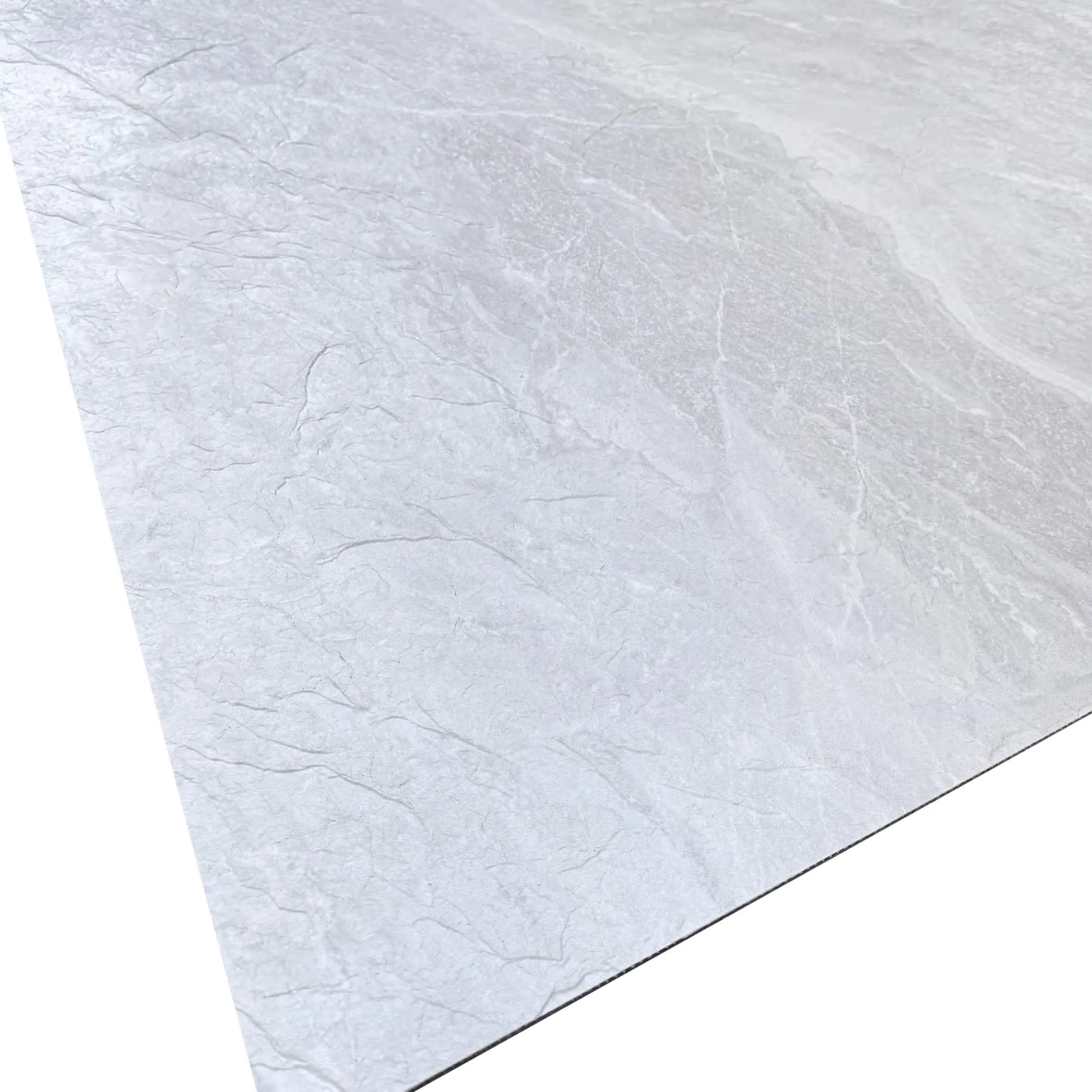
Let's cut through the jargon: MCM stands for Modified Composite Material, a cutting-edge technology that combines the best of natural stone with modern engineering. Think of it as nature's beauty, reimagined for the demands of 21st-century living. And Slate Veil White is one of the crown jewels of this lineup—a material that looks like it was quarried from a mountain but behaves like it was designed in a lab (in the best way possible).
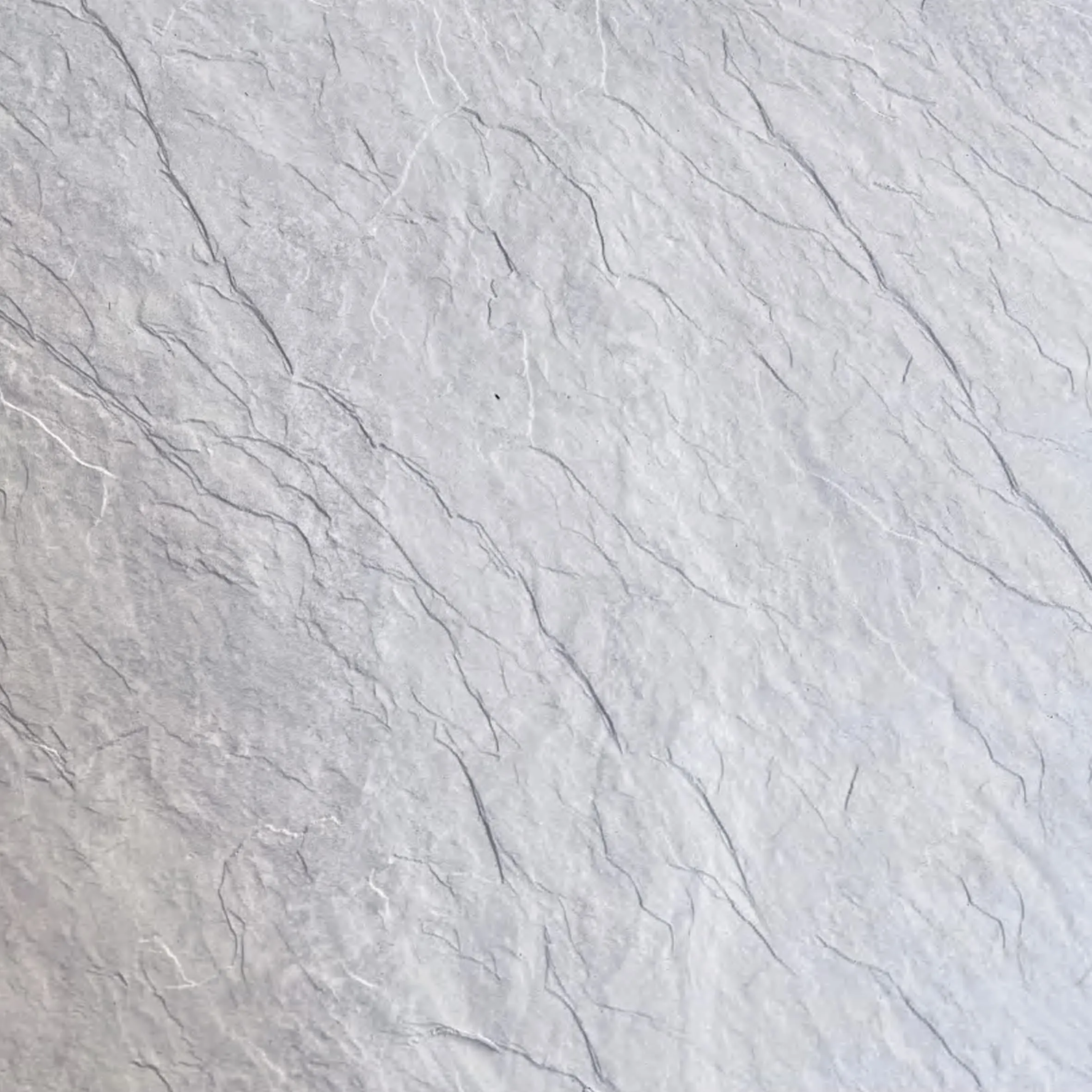
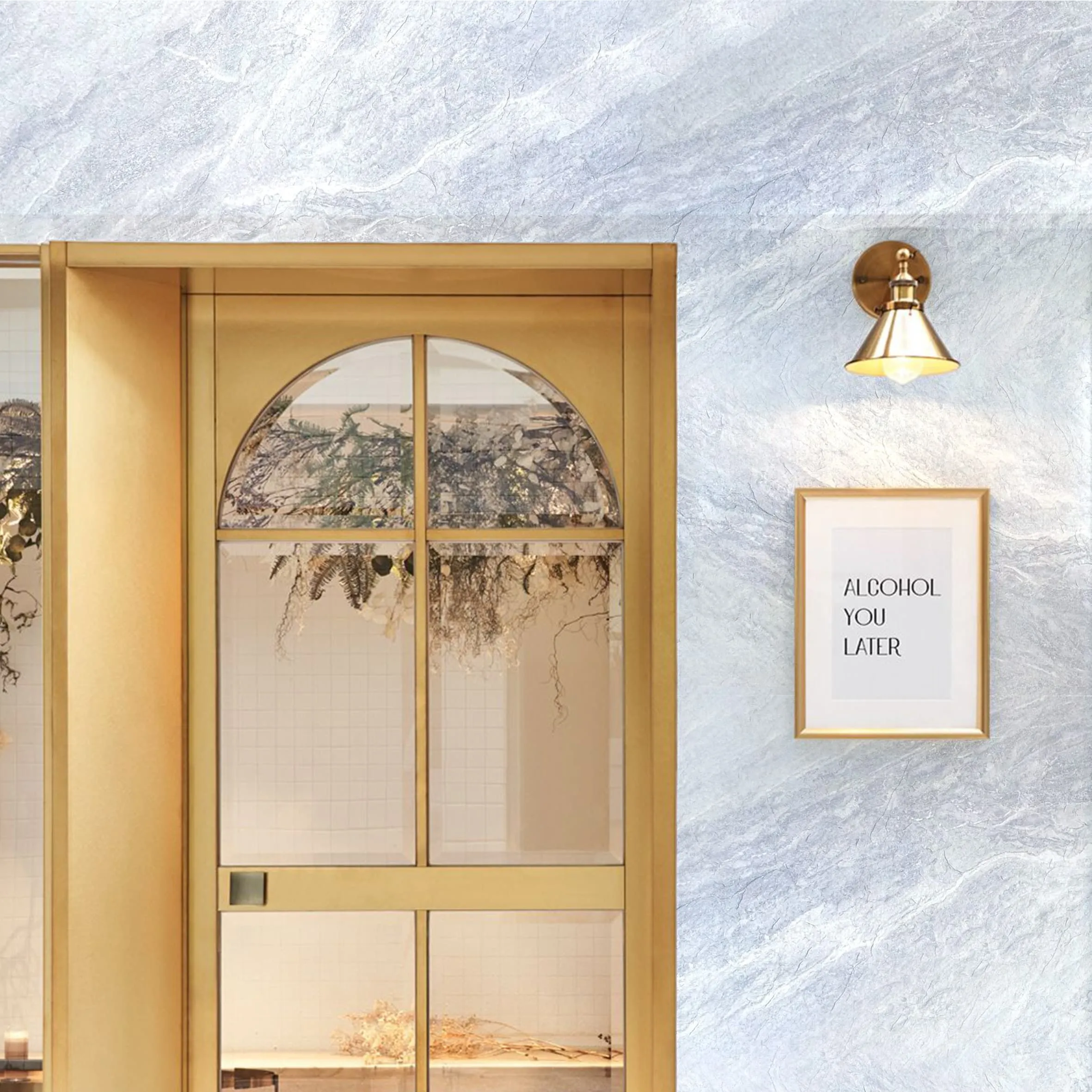
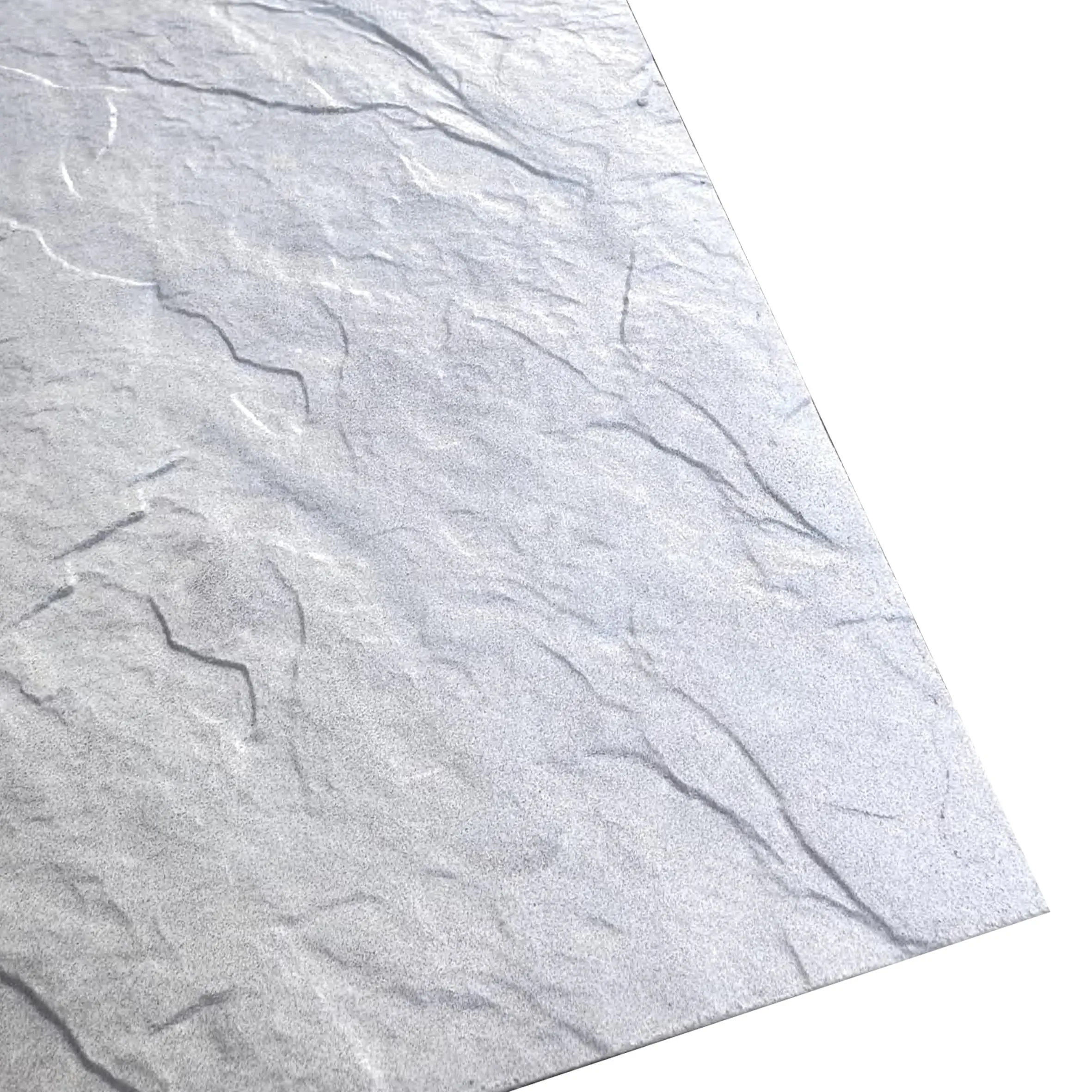
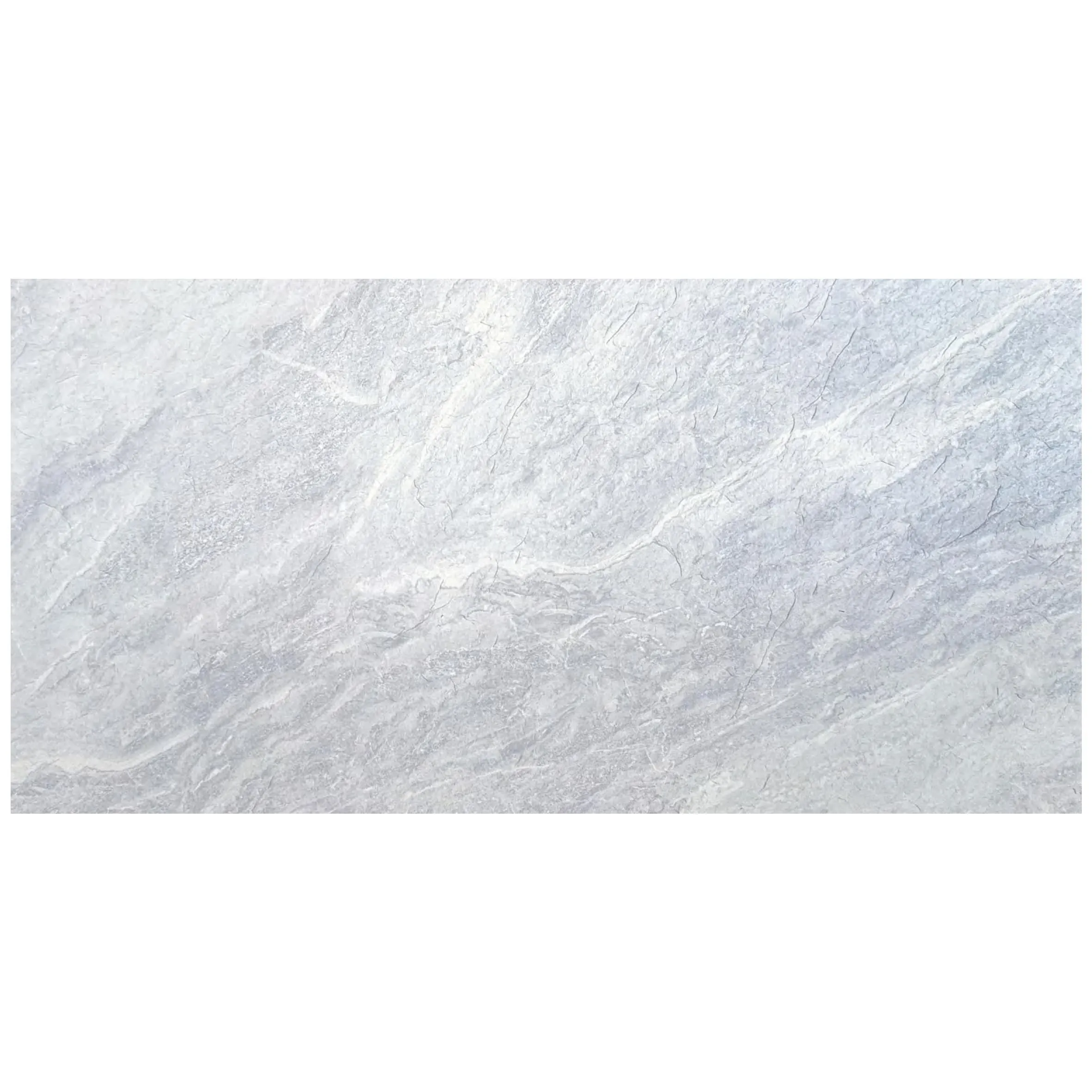
At first glance, Slate Veil White could easily be mistaken for high-end natural slate. Its surface is smooth yet subtly textured, with delicate, wispy veining that ranges from soft gray to almost silver, reminiscent of fog rolling over a snow-capped peak. The base color is a clean, bright white—not a stark, clinical white, but a warm, creamy shade that feels inviting. It's the kind of material that catches the light in different ways throughout the day: soft and diffused in the morning, crisp and striking in the afternoon sun, and cozy under warm evening lighting.
But what really sets Slate Veil White apart is what's beneath the surface. Unlike natural slate, which is heavy, brittle, and porous, MCM Flexible Stone is lightweight (we're talking 5-8 kilograms per square meter—about a third the weight of traditional stone), flexible, and completely non-porous. That flexibility is a game-changer: it means the material can bend slightly without cracking, making it ideal for walls with minor imperfections or even curved surfaces. Imagine installing stone-like walls around a rounded shower niche or a curved kitchen island—something that would be nearly impossible with rigid materials.
So, how is this magic made? The process starts with natural stone particles—crushed slate, in the case of Slate Veil White—mixed with a polymer resin binder that's engineered for durability and flexibility. The mixture is then pressed into thin sheets (usually 3-5 millimeters thick) and treated with a protective top layer that repels water, stains, and UV rays. The result? A material that has the look and texture of natural stone but with none of the drawbacks. It's like having your cake and eating it too—beauty without the hassle.
But Slate Veil White isn't just a one-trick pony. It's part of a larger family of MCM Flexible Stone products, each designed to mimic different natural materials. There's travertine (starry green) , with its deep green base and flecks of gold that look like stars in a forest; wood grain board , which replicates the warmth of oak or walnut without the risk of warping; and even fair-faced concrete MCM, for those who love the industrial look but want something lighter and easier to install. What ties them all together is that same commitment to durability, flexibility, and beauty.
For bathroom and kitchen walls, though, Slate Veil White is in a league of its own. Its bright, neutral color makes small spaces feel larger and brighter—a common goal in bathrooms, which are often on the smaller side. Its subtle veining adds visual interest without overwhelming the eye, making it easy to pair with other materials, whether you prefer wood, metal, or glass. And, most importantly, its non-porous, water-resistant surface means you can say goodbye to mold, mildew, and water damage for good.
Let's get technical for a minute—not the boring kind of technical, but the "this is why it actually works" kind. The secret to Slate Veil White MCM's success lies in its composition and engineering. Traditional materials fail in wet environments because they're porous: their tiny microscopic holes absorb water, which leads to swelling, warping, or mold growth. MCM Flexible Stone, on the other hand, is engineered to be completely non-porous. That means no water, no grease, no dirt can seep into its surface. It's like having a force field around your walls—and who wouldn't want that?
To understand how impressive this is, let's compare it to natural slate, which Slate Veil White mimics. Natural slate is a metamorphic rock formed from clay or volcanic ash, and while it's relatively dense, it still has tiny pores that can absorb water. In a humid bathroom, those pores fill up, and over time, the stone can weaken or even develop cracks. MCM Flexible Stone, by contrast, has a closed-cell structure—no pores, no absorption. Water beads up on its surface like it does on a freshly waxed car, making it easy to wipe away before it has a chance to cause damage.
Then there's flexibility. Traditional stone slabs are rigid, which means they're prone to cracking if the wall shifts even slightly (and walls always shift—foundations settle, temperatures change, and houses "breathe"). MCM Flexible Stone, as the name suggests, can flex up to 30 degrees without breaking. That flexibility acts as a buffer against those minor shifts, preventing cracks and ensuring your walls stay looking smooth and seamless for years. It's the difference between a rigid plastic ruler that snaps when bent and a rubber ruler that bends and bounces back—guess which one lasts longer in a dynamic environment?
Lightweight is another key factor. Traditional stone slabs can weigh 20-30 kilograms per square meter, which means installing them requires heavy lifting equipment and reinforced walls. MCM Flexible Stone, at 5-8 kilograms per square meter, is light enough for one person to carry and install, which cuts down on labor costs and makes it suitable for a wider range of spaces, including apartments or older homes where wall strength might be a concern. Imagine renovating a bathroom in a 100-year-old house—you don't want to risk damaging the structure with heavy materials. Slate Veil White MCM lets you have the stone look without the structural stress.
Durability isn't just about water resistance, either. Slate Veil White MCM is also scratch-resistant, stain-resistant, and UV-resistant. That means it can handle the daily bumps and scrapes of life—a rogue hairbrush in the bathroom, a pot lid accidentally hitting the kitchen backsplash—without showing signs of wear. It resists stains from coffee, wine, cooking oil, and even harsh cleaning chemicals, so you don't have to panic if something spills. And because it's UV-resistant, it won't fade or yellow over time, even if your bathroom or kitchen gets a lot of natural light. Traditional materials like wallpaper or paint would start to fade within a year or two; Slate Veil White stays vibrant for decades.
James' experience isn't an anomaly. MCM Flexible Stone is built to last, which makes it an investment in your home's value as much as its beauty. When you choose Slate Veil White for your bathroom or kitchen walls, you're not just choosing a material—you're choosing peace of mind.
We've talked a lot about why Slate Veil White MCM is great, but let's put it to the test against other materials you might be considering for your bathroom or kitchen walls. After all, knowledge is power—and the more you know about your options, the easier it is to see why Slate Veil White stands out.
| Material | Water Resistance | Durability | Installation Ease | Maintenance | Aesthetic Appeal |
|---|---|---|---|---|---|
| Slate Veil White MCM | Excellent (non-porous, water beads on surface) | High (scratch, stain, UV-resistant; flexible to prevent cracking) | Easy (lightweight, no special tools needed) | Low (wipe with damp cloth; no sealing required) | High (natural slate look with bright, clean veining; versatile) |
| Fair-Faced Concrete | Good (dense, but porous if not sealed) | High (durable, but prone to cracking if not reinforced) | Challenging (heavy, requires formwork and curing time) | Medium (needs periodic sealing; stains can be hard to remove) | Medium (industrial, minimalist look; limited color options) |
| Travertine (Starry Green) | Poor (highly porous; absorbs water easily) | Medium (prone to scratching and etching; requires sealing) | Moderate (heavy; requires professional installation) | High (seal every 6-12 months; avoid acidic cleaners) | Very High (unique starry pattern; rich, earthy color) |
| Ceramic Tiles | Good (non-porous glaze, but grout is porous) | Medium (prone to chipping; grout can crack or discolor) | Moderate (requires cutting, grouting, and sealing grout) | Medium (clean grout regularly; replace cracked tiles) | Variable (wide range of styles, but grout lines can be distracting) |
| High-Gloss Paint | Poor (water can seep into walls; peels over time) | Low (scratches easily; fades; prone to mold) | Easy (DIY-friendly, but requires multiple coats) | High (repaint every 2-3 years; scrubbing causes sheen loss) | Low (flat, one-dimensional look; limited texture) |
Let's break this down further. Take fair-faced concrete , for example—a popular choice for modern, industrial-style homes. It's durable, sure, but it's also heavy and porous. Without regular sealing, water can seep in, leading to discoloration or even cracks. It also has a cold, utilitarian look that works in some spaces but feels out of place in bathrooms or kitchens that aim for warmth. Slate Veil White MCM, by contrast, offers the same durability with a lighter, brighter aesthetic and none of the maintenance headaches.
Then there's travertine (starry green) , a natural stone that's beloved for its unique, eye-catching pattern. It's stunning, no doubt—but it's also highly porous. Without frequent sealing (every 6-12 months), it absorbs water, stains, and even bacteria, making it a poor choice for wet environments like bathrooms. It's also heavy and brittle, which means installation is expensive and risky. Slate Veil White MCM gives you the beauty of natural stone without the upkeep or the weight.
Ceramic tiles are a classic choice, but they come with their own set of issues. While the tiles themselves are water-resistant, the grout between them is porous and prone to mold and staining. Keeping grout clean is a never-ending battle, and replacing a cracked tile can be a hassle, as the new tile rarely matches the old one perfectly. Slate Veil White MCM, with its seamless sheets, eliminates grout lines entirely, giving you a smooth, uniform surface that's easy to clean and maintain.
High-gloss paint is the cheapest option, but it's also the least durable. It scratches easily, fades in sunlight, and can't handle moisture without peeling or growing mold. You'll be repainting every few years, and even then, it never looks as fresh as it did on day one. Slate Veil White MCM, while initially more expensive, saves you money in the long run by lasting decades with minimal maintenance.
The bottom line? When you compare Slate Veil White MCM to other materials, it's clear that it offers the best of all worlds: water resistance, durability, ease of installation, low maintenance, and stunning aesthetics. It's not just a better option—it's a smarter one.
So, you're sold on Slate Veil White MCM—now what? Let's talk about the practical side of things: installing it and keeping it looking great for years to come. Spoiler alert: it's easier than you might think.
One of the biggest advantages of Slate Veil White MCM is how easy it is to install. Unlike natural stone or concrete, which require heavy machinery and professional installers, MCM Flexible Stone is designed to be user-friendly. Here's a step-by-step breakdown of what the process looks like:
1. Prepare the wall surface: Like any wall covering, Slate Veil White MCM works best on a clean, smooth, dry surface. Start by removing any existing wallpaper, paint, or tiles, and repair any cracks or holes with spackle. Sand the surface to ensure it's smooth, then wipe it down with a damp cloth to remove dust. If the wall is particularly porous (like drywall), you might want to apply a primer to help the adhesive stick better—but for most walls, this step isn't necessary.
2. Measure and cut the sheets: Slate Veil White MCM comes in large sheets (usually 1220mm x 2440mm, though sizes can vary), which means fewer seams and a more seamless look. Measure your wall and mark the sheets accordingly, then use a utility knife or a circular saw with a fine-tooth blade to cut them to size. Because the material is flexible, it's easy to make precise cuts, even around outlets or fixtures.
3. Apply the adhesive: Use a high-quality, water-resistant adhesive designed for MCM or stone veneers. Apply the adhesive to the back of the Slate Veil White sheet with a notched trowel, making sure to cover the entire surface evenly. Avoid applying too much adhesive, as it can squeeze out the sides when you press the sheet onto the wall.
4. Install the sheets: Carefully align the first sheet with your marked guidelines and press it firmly onto the wall, starting from the bottom and working your way up. Use a roller or a clean cloth to smooth out any air bubbles and ensure the sheet is fully adhered. Repeat with the remaining sheets, making sure to stagger the seams (like you would with brick) for a more natural look. If you're installing around corners, the flexibility of the material makes it easy to bend and shape to fit.
5. Finish the edges (optional): For a polished look, you can install trim or edge strips around the perimeter of the wall. MCM Flexible Stone companies often sell matching trim pieces, or you can use wood, metal, or plastic trim that complements the Slate Veil White color.
The best part? The entire process can be done in a day or two, even by someone with basic DIY skills. No need to hire a team of professionals—though if you're not comfortable doing it yourself, a handyman or contractor can install it quickly and affordably, thanks to the material's lightweight and flexibility.
If installation is easy, maintenance is even easier. Slate Veil White MCM is designed to be low-maintenance, so you can spend less time cleaning and more time enjoying your space. Here's what you need to know:
Daily cleaning: For everyday dirt and grime, simply wipe the surface with a soft, damp cloth. A mild dish soap and water solution works for tougher stains, like grease or toothpaste. Avoid abrasive cleaners or scrub brushes, as they can scratch the surface (though the material is scratch-resistant, it's not scratch-proof).
Deep cleaning: Every few months, you can give your Slate Veil White walls a deeper clean with a non-abrasive, pH-neutral cleaner. Spray the cleaner onto the wall, let it sit for a minute, then wipe it away with a damp cloth. Rinse the cloth and wipe again to remove any residue. That's it—no heavy scrubbing, no harsh chemicals.
Sealing: Unlike natural stone, Slate Veil White MCM does not require sealing. Its protective top layer is designed to repel water and stains, so you can skip the annual sealing ritual that natural stone demands. This alone saves hours of time and hundreds of dollars over the years.
Repairs: In the unlikely event that your Slate Veil White wall gets damaged—say, a deep scratch or a chip—repairs are simple. For small scratches, you can use a color-matched touch-up pen (available from MCM manufacturers). For larger damage, you can cut out the affected area and replace it with a new piece of Slate Veil White MCM. Because the sheets are easy to cut and install, the repair will blend in seamlessly, making it hard to tell anything was ever wrong.
In short, maintaining Slate Veil White MCM is about as low-effort as it gets. No special tools, no expensive cleaners, no time-consuming rituals—just a quick wipe-down now and then, and your walls will stay looking beautiful for decades.
Now that we've covered the practical side of things, let's get creative. Slate Veil White MCM isn't just durable—it's also incredibly versatile, making it easy to incorporate into any design style, from modern minimalist to rustic chic. Here are a few ideas to spark your imagination:
Modern Bathroom Oasis: Imagine a bathroom with floor-to-ceiling Slate Veil White MCM walls, paired with a freestanding soaker tub and a floating vanity made of wood grain board . The bright white walls reflect light, making the space feel larger, while the subtle gray veining adds texture. Add black metal fixtures and a large mirror with a thin black frame for a sleek, contemporary look. Finish the space with a few potted plants and soft, fluffy towels for warmth—suddenly, your bathroom feels like a spa retreat.
Scandinavian Kitchen: Scandinavian design is all about light, simplicity, and functionality—perfect for Slate Veil White MCM. Use it as a backsplash behind your stove and countertops, then extend it up to the ceiling for a cohesive look. Pair it with white cabinetry, light wood floors, and brass hardware for a warm, inviting feel. Open shelving with white ceramic dishes and green herbs adds a touch of personality, while the Slate Veil White walls keep the space feeling clean and uncluttered.
Industrial-Chic Powder Room: For a bold, edgy look, combine Slate Veil White MCM with fair-faced concrete MCM on opposite walls. The contrast between the bright white slate and the raw concrete creates visual interest, while black metal light fixtures and a concrete sink reinforce the industrial vibe. Add a vintage rug and a few leather accessories to soften the look and make the space feel less like a factory and more like a stylish retreat.
Rustic Farmhouse Kitchen: Who says rustic can't be modern? Use Slate Veil White MCM as a backsplash, then pair it with shiplap walls, a wooden farm table, and vintage-inspired appliances. The white walls keep the space bright, while the veining in the Slate Veil White adds a touch of natural texture that complements the wood. Hang a wrought-iron chandelier above the table and add a few mason jar vases with wildflowers for that classic farmhouse charm.
Minimalist Wet Room: Wet rooms are a popular trend, and Slate Veil White MCM is the perfect material for them. Because it's completely water-resistant, you can use it on all walls, including the shower area, eliminating the need for a shower curtain or door. Keep the space simple with a wall-mounted faucet, a linear drain, and a floating bench. Add a few recessed lights and a skylight to flood the space with natural light, and you've got a minimalist wet room that feels both luxurious and functional.
The beauty of Slate Veil White MCM is that it doesn't dictate your design style—it enhances it. Whether you prefer modern, traditional, industrial, or something in between, it adapts to your vision, adding beauty and durability without getting in the way.
We've covered a lot of ground in this article—from the frustrations of traditional wall materials to the science behind MCM Flexible Stone, from installation tips to design inspirations. But let's circle back to where we started: the desire for bathroom and kitchen walls that are both beautiful and functional. For too long, homeowners and designers have been forced to choose between the two. Slate Veil White MCM changes that.
It's a material that understands the way we live. It knows that bathrooms aren't just places to get clean—they're sanctuaries where we start and end our days. It knows that kitchens aren't just for cooking—they're gathering spaces where memories are made. It's built to handle the chaos of daily life—steam, splashes, grease, scratches—without losing its beauty. It's built to make our lives easier, not harder.
Slate Veil White MCM isn't just a wall covering; it's a solution. It's a solution to moldy bathrooms, stained kitchens, and the endless cycle of repainting and retiling. It's a solution to the compromise between durability and design. It's a solution to the stress of home maintenance, freeing up time to do the things we love instead of scrubbing walls or worrying about mold.
And let's not forget about the future. As homeowners become more conscious of sustainability, MCM Flexible Stone stands out as an eco-friendly option. Its lightweight design reduces transportation emissions, and its durability means less waste over time (no need to replace it every few years). Many MCM manufacturers also use recycled materials in their production process, making Slate Veil White a choice you can feel good about for both your home and the planet.
So, if you're tired of fighting with your bathroom and kitchen walls, if you're ready to invest in a material that works as hard as you do, if you want beauty without the hassle—Slate Veil White MCM is the answer. It's time to stop settling for less and start enjoying walls that are as resilient as they are stunning. Your home deserves it, and so do you.
The next time you step into your bathroom or kitchen, imagine walls that are bright, clean, and full of texture. Walls that make you smile every time you see them. Walls that last. That's the promise of Slate Veil White MCM—and it's a promise worth keeping.
Recommend Products












