
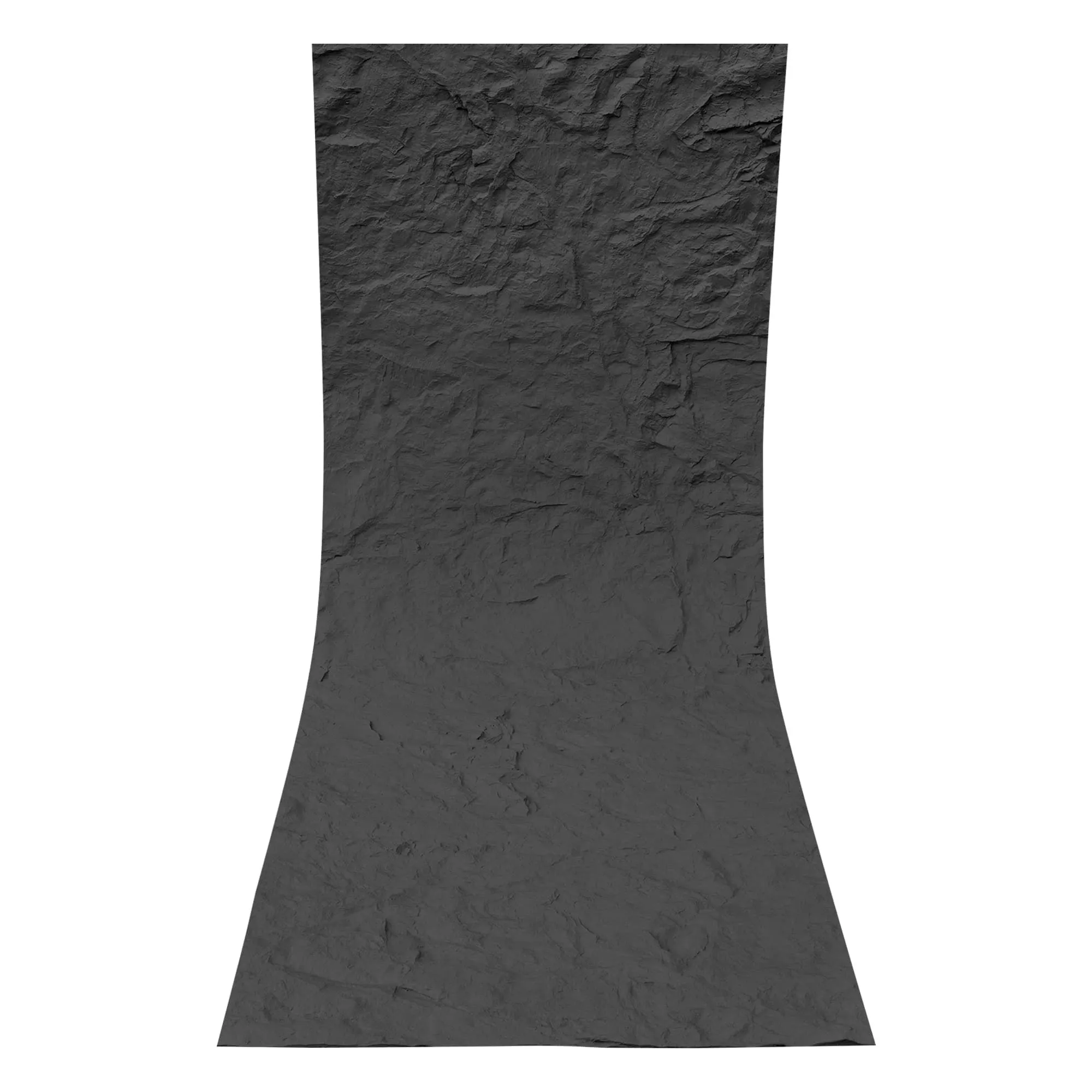
Walk into any thoughtfully designed space—whether it's a sunlit kitchen, a sleek office lobby, or a cozy mountain cabin—and you'll likely notice it: the quiet star of the show, often underfoot or gracing the walls, is the material itself. Boulder slabs, with their raw texture, earthy hues, and versatile character, have become a favorite among designers and homeowners alike. But here's the thing: choosing between small and large boulder slabs isn't just a matter of measuring tape and square footage. It's about crafting a story. A small slab might whisper intimacy, while a large one roars grandeur. It's about how the material interacts with light, how it feels when you run a hand over it, and how it makes a space breathe .
In this guide, we're diving deep into the world of boulder slabs—specifically, the age-old debate of small versus large. We'll explore where each size shines, the emotions they evoke, and the practicalities that should guide your choice. By the end, you'll not just know which slab size to pick, but why it matters for the story you want your space to tell.
Let's start small—literally. Small boulder slabs typically range from 12x12 inches up to 24x24 inches, though some designers stretch "small" to include 18x36 inch pieces for added flexibility. Think of them as the "cozy sweater" of the material world: they're approachable, full of character, and perfect for spaces where you want to invite people in, not overwhelm them.
Small slabs thrive in intimate settings. Picture a bathroom, for example. A shower wall clad in small travertine (beige) slabs, their soft, creamy tones and subtle pitting catching the steam and natural light, feels like stepping into a spa retreat. The smaller size allows for tight, precise cuts around fixtures—no awkward gaps or bulky seams—and the grout lines, when matched to the slab color, add a gentle rhythm that feels organic, not cluttered.
Kitchens, too, are a small slab playground. A backsplash made of small rust board granite slabs, with their rich, iron-red undertones and flecks of black, turns a functional space into a focal point. Lay them in a herringbone pattern, and suddenly your kitchen feels like it has a secret: a touch of old-world craftsmanship that modern minimalism often skips. Even better, small slabs are forgiving. If you're a DIY enthusiast, handling a 12x12 inch slab is far less intimidating than wrestling with a 3x5 foot behemoth—no need for a team of installers or specialized equipment.
Vintage or rustic designs? Small slabs are your best friend. Imagine a cottage-style mudroom with a floor of small, chiseled-edge boulder slabs in warm, earthy tones. Each slab is slightly different, like a collection of stones plucked from a riverbed, and together they tell a story of time and tradition. They're also ideal for adding texture without overwhelming a small space. A laundry room with small lunar peak silvery slabs (their silvery-gray surface shimmering like moonlight on water) feels elevated but not precious—practical enough for daily use, but lovely enough to make folding laundry feel less like a chore.
Of course, small slabs aren't without their quirks. More grout lines mean more maintenance. In high-traffic areas like a family kitchen floor, those grout lines can trap dirt and stains, requiring regular sealing to keep them looking fresh. And while the patchwork effect is charming in a cottage, it might clash with a hyper-modern aesthetic where "less is more" is the mantra. If you're chasing that seamless, monolithic look, small slabs will fight you every step of the way—those grout lines are like punctuation marks in a sentence that's supposed to flow without pauses.
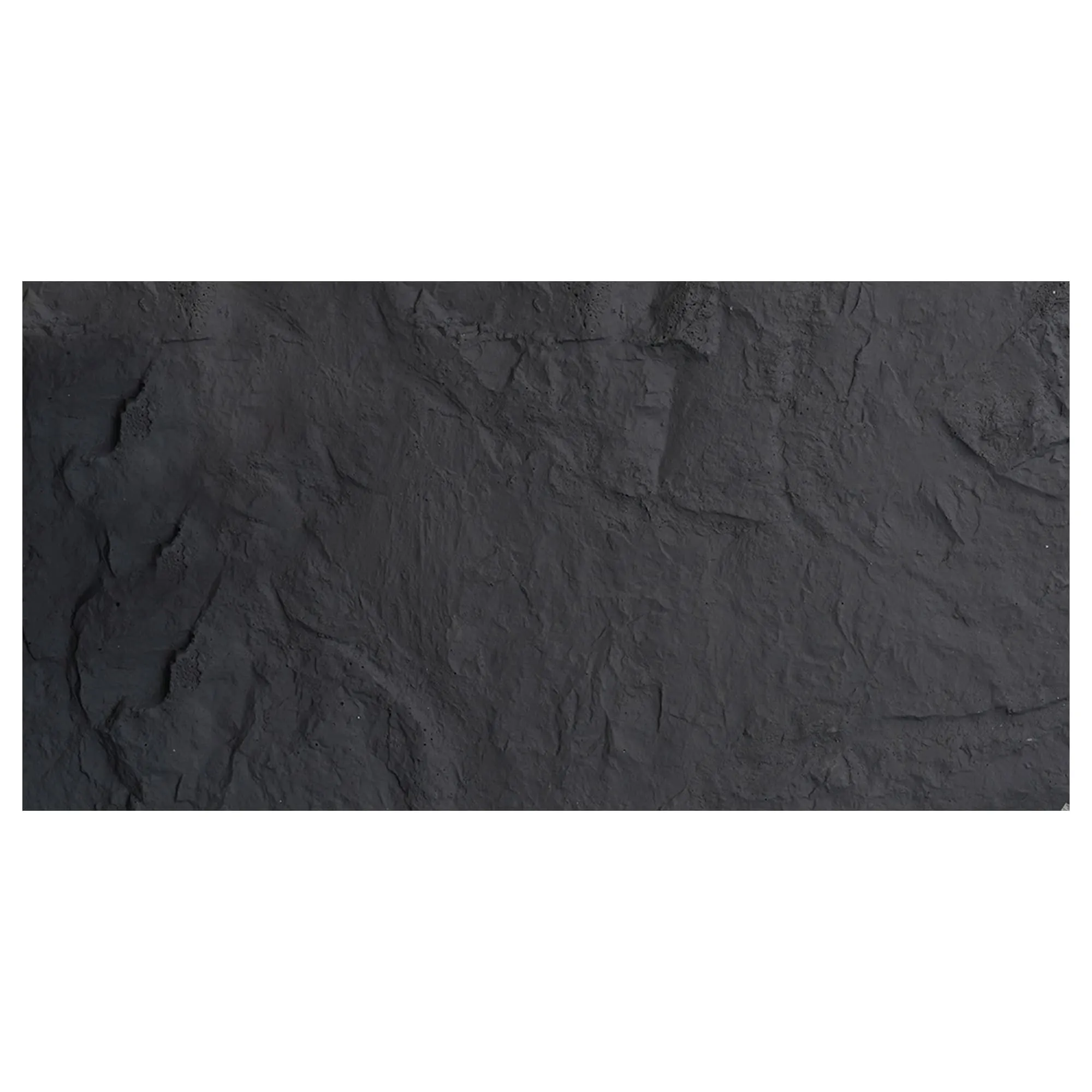
Now, let's scale up. Large boulder slabs—typically 24x48 inches and larger, with some custom cuts reaching 5x10 feet—are the "statement piece" of the material world. They don't just cover space; they transform it. A single large slab can turn a blank wall into a work of art, or a plain floor into a canvas for light and shadow.
Open-concept living spaces? Large slabs were born for this. Imagine a living room with floor-to-ceiling windows, where the back wall is clad in a single, sweeping large boulder slab in lunar peak silvery. The silvery surface reflects the sky outside, blurring the line between indoors and out, and the lack of grout lines creates a sense of continuity that makes the room feel twice as big. It's minimalism with soul—no frills, just the raw beauty of the stone itself.
Commercial spaces, too, lean into large slabs for impact. A hotel lobby with a reception desk wrapped in fair-faced concrete large slabs (their smooth, unpolished finish exuding industrial chic) immediately sets a tone of sophistication. Guests remember that lobby not for the furniture or the lighting, but for the quiet confidence of that slab. Similarly, a restaurant wall featuring a massive travertine (starry blue) slab, with its deep, night-sky-like veining, becomes a conversation starter—people don't just eat there; they experience it.
Practicality-wise, large slabs have a hidden superpower: fewer grout lines mean less maintenance. In a busy office kitchen or a restaurant dining area, where spills and foot traffic are constant, wiping down a large slab is a breeze compared to scrubbing dozens of grout lines. And let's talk about modern design: if your vibe is "clean lines" and "less clutter," large slabs deliver. A bathroom with a large, seamless countertop slab (no visible seams, no grout) feels spa-like and serene, as if the stone was carved from a single block just for that space.
Large slabs aren't for every project. For starters, they're heavy—really heavy. A 3x5 foot slab can weigh 300 pounds or more, which means installation isn't a weekend DIY job. You'll need professional installers with the right tools (think: suction cups, dollies, and maybe even a crane for extra-large pieces). That adds to the cost, both in labor and material—large slabs often come with a premium price tag, especially if they're rare or custom-cut.
They also demand space. In a tiny apartment kitchen, a large slab might feel like a giant standing in a closet—claustrophobic, not grand. And if you're after a cozy, eclectic look, large slabs can feel too "cold" or impersonal. A cabin in the woods, for example, might lose its charm with a massive, seamless floor slab; small, irregularly shaped slabs would better echo the handcrafted, welcoming feel of the space.
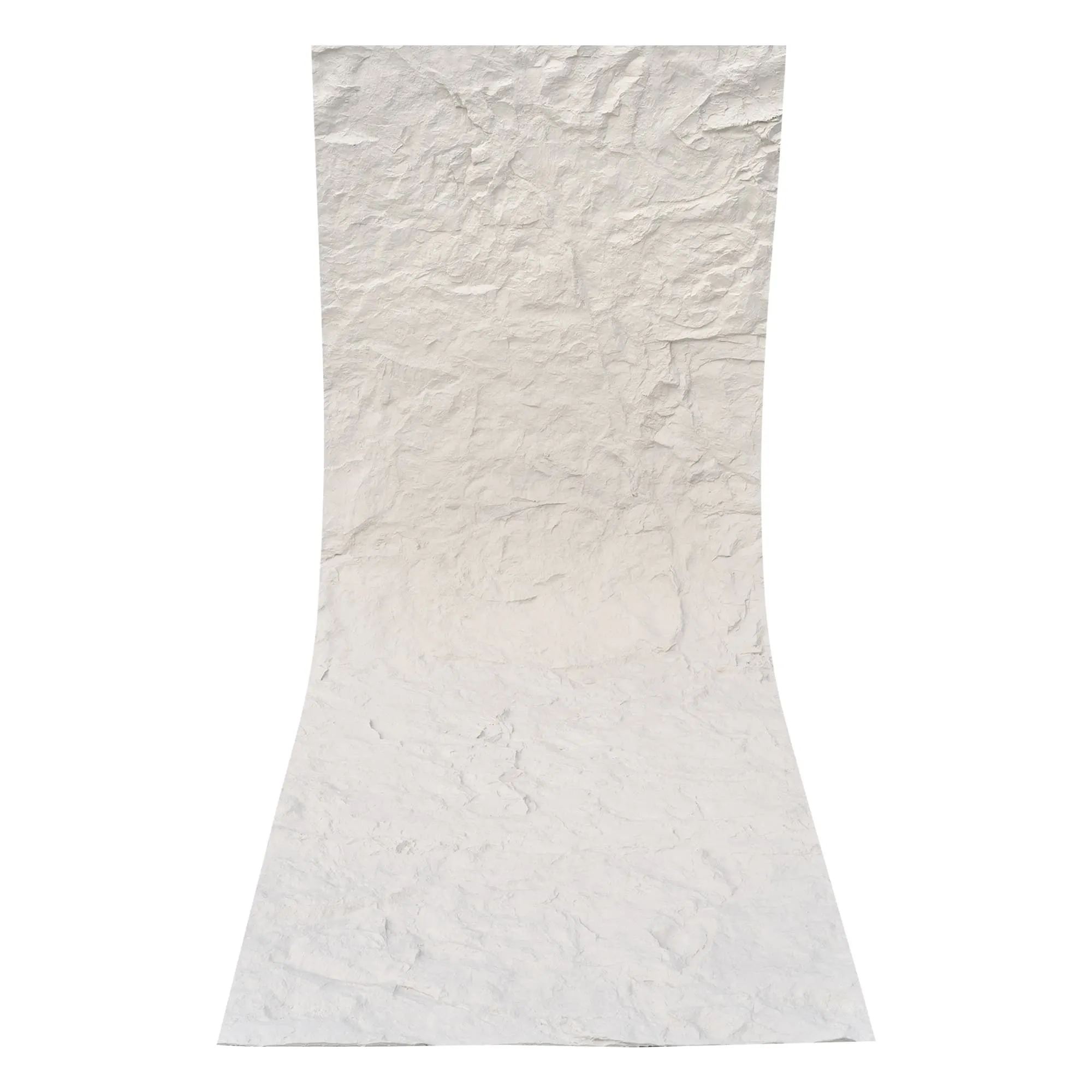
Still on the fence? Let's break it down with a quick comparison. Think of this as your cheat sheet for when to go small, when to go large, and why:
| Factor | Small Boulder Slabs (12x12" – 24x24") | Large Boulder Slabs (24x48" & Up) |
|---|---|---|
| Best For | Small spaces (bathrooms, backsplashes), vintage/rustic designs, intricate patterns (herringbone, mosaics), DIY projects. | Open-concept rooms, commercial lobbies, modern/minimalist designs, focal walls/countertops. |
| Aesthetic Vibe | Cozy, detailed, nostalgic, textured. Feels "handmade." | Grand, seamless, sleek, dramatic. Feels "architectural." |
| Installation | Easier to handle; DIY-friendly. More cuts needed for tight spaces. | Requires professionals; heavy lifting. Fewer cuts, but precision is key. |
| Cost | Lower material cost per sq ft; higher labor for more pieces. | Higher material cost; lower labor (fewer pieces to lay). |
| Maintenance | More grout lines = more sealing/cleaning. | Fewer grout lines = easier upkeep; harder to repair (one crack affects the whole slab). |
| Emotional Impact | Invites warmth and intimacy; feels "lived-in." | Commands attention; feels "aspirational" or "monumental." |
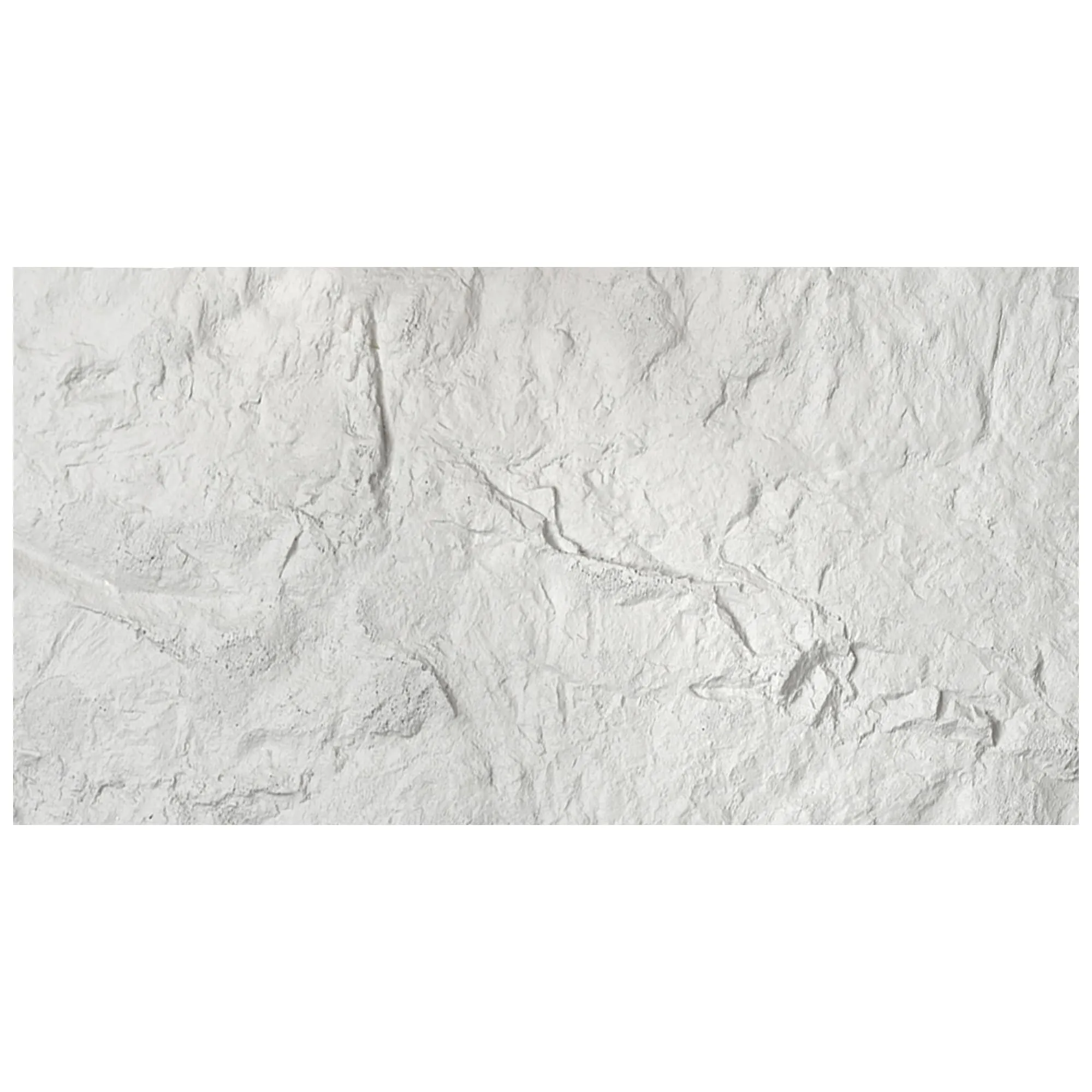
Still not sure? Let's get practical. Here are the questions to ask yourself before picking up the phone to order slabs:
It sounds obvious, but it's worth repeating: a 500-square-foot studio apartment will behave very differently than a 3,000-square-foot home. In small spaces, large slabs can make walls feel like they're closing in—imagine a 10x10 foot bathroom with a single 4x8 foot slab on the wall; it might feel more like a cave than a retreat. Small slabs, with their visual "breaks" from grout lines, can make a tiny bathroom feel larger by adding rhythm and texture.
Conversely, a sprawling living room with 20-foot ceilings would swallow small slabs whole. A large lunar peak silvery slab on the main wall, though? It anchors the space, giving the eye a place to rest and the room a sense of purpose.
Design is storytelling—what emotion do you want people to feel when they enter? If it's "nostalgia" (think: a family cabin passed down for generations), small slabs in warm, earthy tones like travertine (beige) or rust board granite will nod to tradition. If it's "innovation" (a tech startup office), large fair-faced concrete or foamed aluminium alloy board (vintage silver) slabs scream forward-thinking.
Pro tip: Walk into a space that feels "right" to you and ask, "What's the slab size here?" Chances are, it's not random. A cozy bookstore with small, mismatched stone slabs underfoot is sending a message: "Stay a while. This place is for you." A luxury hotel with floor-to-ceiling large slabs is saying: "You've arrived."
Let's talk numbers. Small slabs are often cheaper upfront—material costs per square foot are lower, and if you're handy, you might save on installation. But remember: more slabs mean more grout, more cuts, and more time (or labor) to lay them. Over time, those grout lines also mean more sealing and cleaning products, which adds up.
Large slabs have sticker shock at first—you're paying for a bigger piece of stone, and professional installation isn't cheap. But fewer slabs mean less labor, and fewer grout lines mean lower long-term maintenance costs. If you're in it for the long haul (say, a forever home), large slabs might actually save you money over time.
A family with three kids and a golden retriever has different needs than a single professional who hosts dinner parties once a month. For high-traffic, high-mess areas (kitchen floors, mudrooms), small slabs with darker grout can hide stains better than large slabs with light-colored grout (which shows every spill). But if you're designing a master bathroom that's more "spa" than "splash zone," a large, seamless slab will feel indulgent and easy to keep clean.
This is a practicality check: older homes or upper floors might not support the weight of large, heavy slabs. A second-story bathroom with large boulder slabs could require structural reinforcement, adding time and cost to your project. Small slabs, being lighter, are often the safer bet for older buildings or elevated spaces.
Not all slabs are created equal. Some materials, like travertine (beige) or sandstone, are softer and more porous—small slabs can be easier to replace if one gets damaged. Harder materials like granite or fair-faced concrete, though, are more durable in large slabs, as they're less likely to chip or crack under their own weight.
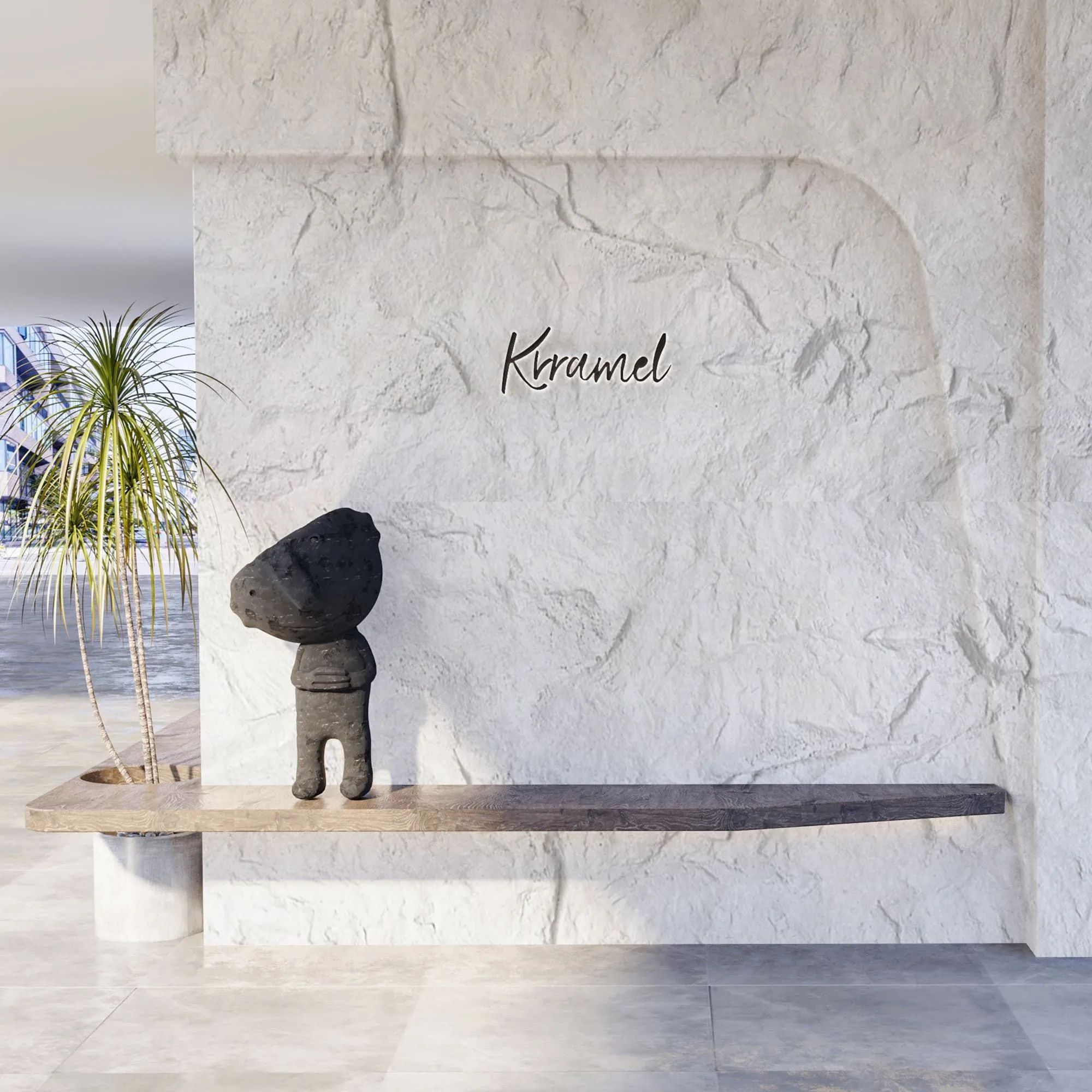
Still need inspiration? Let's look at two real-world examples—one small, one large—to see how the right slab size turned a house into a home (and a business into a destination).
Sarah, a baker in upstate New York, wanted her kitchen to feel like an extension of her personality: warm, welcoming, and full of character. Her space was modest—12x15 feet—with exposed wooden beams and a vintage stove. She opted for small travertine (beige) slabs for the backsplash, laid in a subway pattern with charcoal grout. The soft, creamy color of the travertine complemented the wood beams, and the grout lines added just enough contrast to make the pattern pop.
"I love that every slab has tiny holes and imperfections," Sarah says. "It feels like it has a history, just like the house. When I'm baking, I'll glance up at the backsplash and it makes me smile—it's not perfect, but neither am I, and that's the point." The small slabs were also a budget win: Sarah installed them herself over a long weekend, saving hundreds on labor. Today, the kitchen is the heart of her home, and guests often comment on how "homey" it feels—all thanks to those small, unassuming slabs.
When the owners of The Lunar Hotel in downtown Portland wanted to rebrand as a "modern luxury" destination, they knew the lobby needed a makeover. The space was grand—two stories high with floor-to-ceiling windows—but it felt cold and generic. Designer Mia Chen proposed a bold move: covering the entire main wall with a single, 10x8 foot lunar peak silvery boulder slab. "Lunar peak silvery has this incredible iridescence," Mia explains. "In the morning, it reflects the sunlight and feels warm; at night, it glows under the lobby lights, like moonlight on water."
The installation wasn't easy—it took a team of four installers and a crane to lift the slab into place—but the result was transformative. Today, guests walk into the lobby and immediately stop to take photos. "People don't just check in and head to their rooms anymore," says the hotel manager. "They linger. They sit on the couches and stare at that wall. It's become our 'Instagram moment,' but more than that, it sets the tone for their entire stay—luxurious, calm, and unforgettable." The large slab, paired with minimalist furniture and soft lighting, turned a generic lobby into a destination.
At the end of the day, choosing between small and large boulder slabs isn't about "better" or "worse." It's about what feels right for your space, your lifestyle, and the story you want to tell. A small slab can be just as impactful as a large one if it aligns with the emotion of the room, and vice versa.
So, take a step back. Close your eyes and imagine your space. Is it cozy and cluttered with love, or sleek and full of light? Does it need to work hard for a busy family, or does it get to be a showpiece for guests? The answers to those questions will guide you to the right slab size.
And remember: whether you choose small travertine (beige) slabs that feel like a hug or large lunar peak silvery slabs that feel like a statement, the best choice is the one that makes you think, "Yes—this is me ." Because in the end, great design isn't just about materials. It's about making a space feel like home.
Recommend Products












