
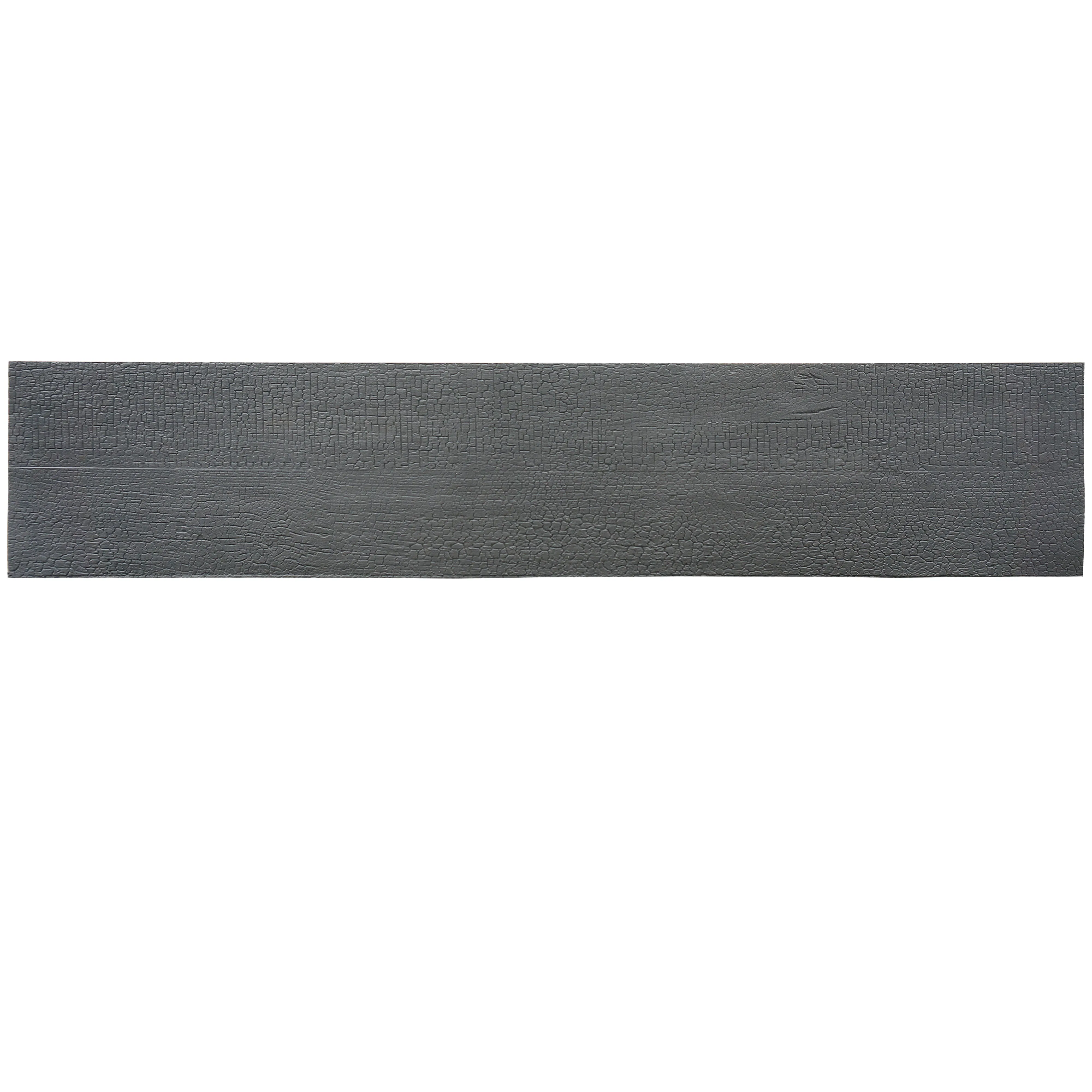
There's something inherently captivating about the look of charcoal burnt wood. Maybe it's the way the deep, charred tones tell a story of fire and transformation, or how the rough, textured surface feels like a bridge between nature and craftsmanship. Walk into a modern home or a trendy café, and you'll likely spot it—adorning accent walls, kitchen islands, or even ceiling panels. But as any designer, homeowner, or contractor who's worked with it knows, that beauty comes with a hidden challenge: maintaining its integrity over time, especially when it comes to something as yet critical as pH balance. That's where smart coating solutions step in, not just as protectors, but as silent guardians that keep your charcoal burnt wood board looking its best for years to come.
Before diving into the world of pH regulation and coatings, let's take a moment to appreciate what makes charcoal burnt wood board so special. Also known as shou sugi ban—a traditional Japanese technique where wood is burnt, scraped, and sealed—this material has surged in popularity for good reason. The burning process not only creates that striking blackened exterior but also chars the wood's surface, making it naturally resistant to pests, rot, and water. It's a marriage of aesthetics and durability, which is why it's become a go-to for both interior and exterior projects.
But here's the catch: while the charring process enhances some of wood's natural defenses, it also leaves the material vulnerable to shifts in pH levels. pH, which measures how acidic or alkaline a substance is, might not be the first thing on your mind when you're admiring a beautiful wood panel. But in the world of materials science, it's a silent player that can make or break longevity. Let's break it down.
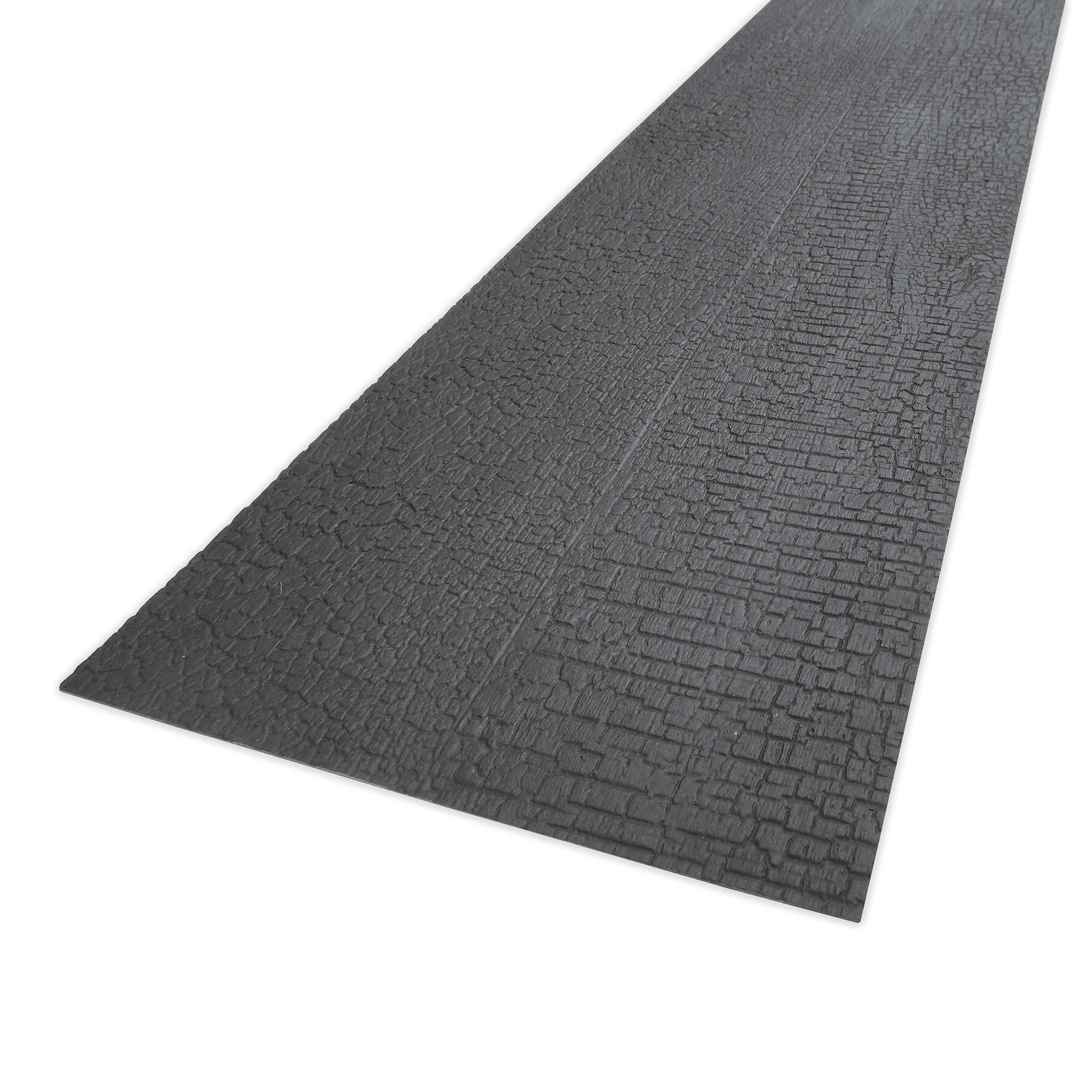
Wood, by nature, has a slightly acidic pH, typically ranging between 4.5 and 6.0. When we burn the wood to create charcoal burnt wood board, that pH can shift. The charring process introduces new chemical compounds, and over time, exposure to environmental factors like rain, humidity, and even cleaning products can throw that balance off. Too acidic, and the wood might start to degrade, with fibers breaking down and color fading. Too alkaline, and you could see discoloration, mold growth, or even delamination of the charred layer.
Think of it like a plant: a little acidity is good, but too much will kill it. Your charcoal burnt wood board is no different. Imagine installing a stunning accent wall in your living room, only to notice six months later that the edges are starting to turn a dull gray, or there are tiny cracks forming where the wood meets the wall. Chances are, pH imbalance is the culprit. And it's not just about looks—unregulated pH can compromise the structural integrity of the wood, making it less resistant to impact or moisture over time.
So, what's the solution? Enter smart coatings—innovative formulas designed not just to seal the wood, but to actively regulate its pH levels. These aren't your average sealants; they're like tiny chemical regulators that work behind the scenes to keep things in check.
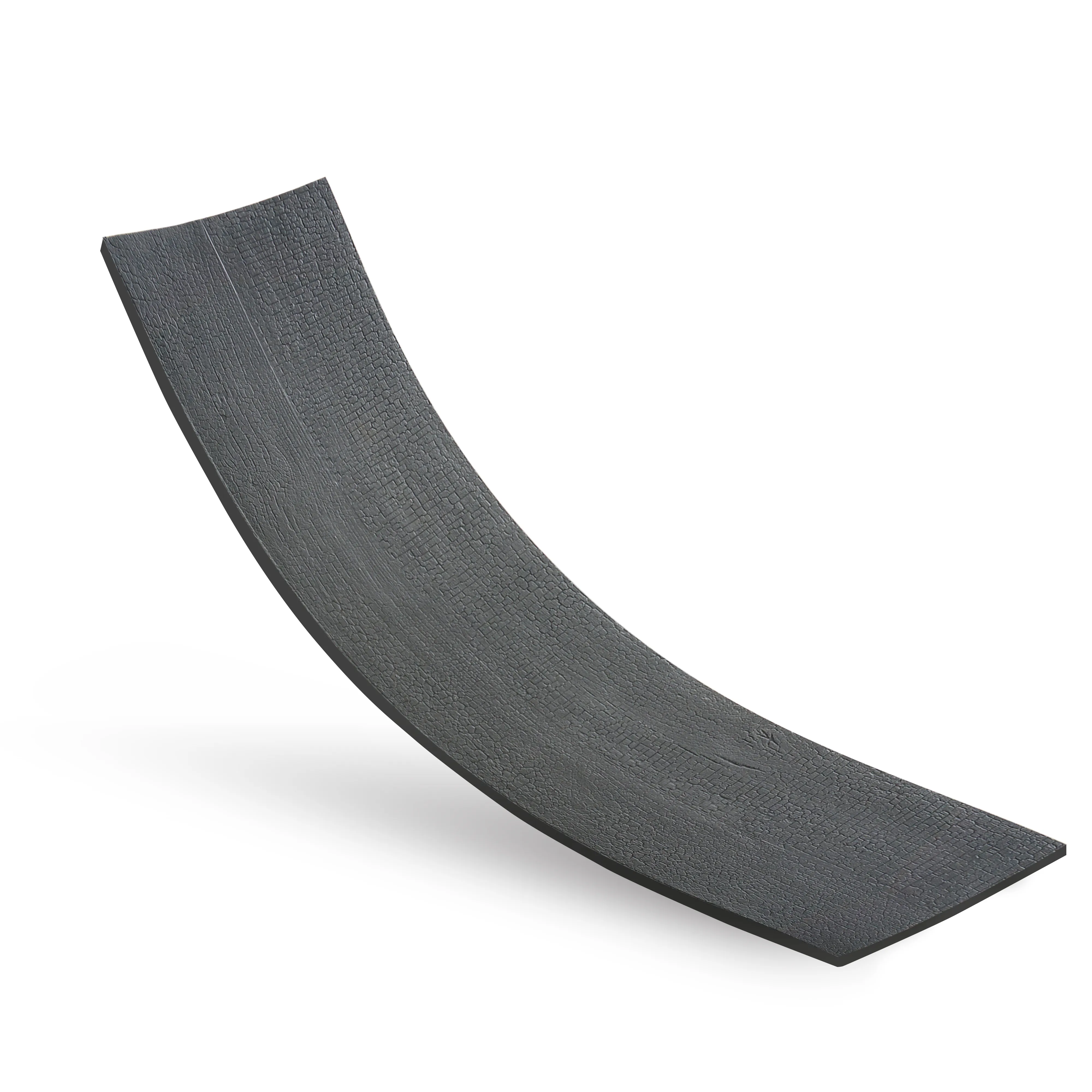
Smart coatings for charcoal burnt wood board are engineered with a dual purpose: to protect the surface from physical damage (scratches, stains) and to maintain optimal pH levels. But how exactly do they do that? Let's get into the science, but don't worry—I'll keep it simple.
Most smart coatings are water-based or solvent-based formulas infused with pH buffers. These buffers act like little sponges, absorbing excess acids or alkalis that might try to penetrate the wood. For example, if rainwater (which is slightly acidic, thanks to carbon dioxide in the air) hits your outdoor charcoal burnt wood patio, the coating's buffers will neutralize that acidity before it can seep into the wood fibers. Similarly, if you accidentally spill a alkaline cleaner on an indoor panel, the coating steps in to prevent that harsh pH from disrupting the wood's natural balance.
But not all coatings are created equal. Some are designed for heavy outdoor use, with stronger buffers and UV resistance, while others are tailored for indoor spaces, prioritizing breathability to prevent moisture buildup. To help you navigate the options, here's a breakdown of the most common types of smart coatings for charcoal burnt wood board, along with their pH regulation capabilities:
| Coating Type | pH Regulation Range | Durability (Indoor/Outdoor) | Application Method | Best For |
|---|---|---|---|---|
| Silane-Based Coatings | 4.0 – 8.0 | 5-7 years (Outdoor), 10+ years (Indoor) | Spray or Brush | High-moisture areas (decks, patios) |
| Acrylic Hybrid Coatings | 3.5 – 7.5 | 3-5 years (Outdoor), 7-9 years (Indoor) | Roller or Spray | Interior accent walls, furniture |
| Polyurethane-Enhanced Coatings | 4.5 – 8.5 | 7-10 years (Outdoor), 15+ years (Indoor) | Brush or Spray | High-traffic areas (commercial spaces, hallways) |
| Water-Based pH-Stabilizing Coatings | 5.0 – 7.0 | 2-4 years (Outdoor), 5-8 years (Indoor) | Roller | Eco-friendly projects, low-VOC requirements |
Each of these coatings brings something unique to the table. For example, silane-based coatings are great for outdoor use because they're highly water-repellent, while polyurethane-enhanced options offer extra toughness for busy commercial spaces. The key is to match the coating to your project's needs—indoor vs. outdoor, moisture levels, and how much foot traffic the area gets.
You might be thinking, "Okay, pH regulation sounds important, but what's in it for me?" The answer is simple: it's about preserving the beauty and functionality of your charcoal burnt wood board for the long haul. Let's break down the benefits:
The most obvious benefit is that your wood board stays looking like it did on day one. No more faded colors, grayish tints, or blotchy discoloration. The deep, rich black of the charred layer remains vibrant, and the texture stays intact—so that rustic, weathered charm you fell in love with doesn't fade over time.
pH imbalance doesn't just affect looks; it weakens the wood from the inside out. When pH is too high or too low, wood fibers break down, leading to cracks, warping, or even rot. By keeping pH in check, smart coatings ensure the wood retains its strength, so your panels, shelves, or floors can withstand daily wear and tear.
Let's talk about money. Replacing or repairing a damaged charcoal burnt wood board isn't cheap, especially if it's a custom piece or part of a larger design. Smart coatings act as a preventive measure, reducing the need for frequent touch-ups or replacements. A little investment in a quality coating now can save you hundreds (or thousands) down the line.
Whether it's rain, snow, humidity, or even the harsh UV rays of the sun, outdoor charcoal burnt wood boards face a lot. Smart coatings with pH regulation add an extra layer of defense, making the wood more resistant to these stressors. Indoor boards benefit too—think about kitchens with steam from cooking or bathrooms with high humidity. The coating keeps moisture and pH in balance, preventing mold and mildew growth.
Charcoal burnt wood board is stunning on its own, but it truly shines when paired with other materials that complement its rustic elegance. Let's explore how wood grain board, fair-faced concrete, and masonry stone can elevate your design while working in harmony with your pH-regulated wood panels.
Wood grain board is all about subtlety. With its soft, natural patterns that mimic real wood, it's the perfect counterpart to the bold, charred look of charcoal burnt wood. Imagine a kitchen where the lower cabinets are clad in charcoal burnt wood, and the upper cabinets feature wood grain board in a light oak finish. The contrast in texture—rough vs. smooth, dark vs. light—creates visual interest without overwhelming the space. And because wood grain board is often treated with similar pH-stabilizing coatings, you can rest easy knowing both materials will age gracefully together.
Fair-faced concrete, with its raw, unpolished surface and neutral gray tone, is a favorite in modern design. When paired with charcoal burnt wood, it's a match made in aesthetic heaven. Picture a restaurant interior where the walls are fair-faced concrete, and the bar top is a massive slab of charcoal burnt wood. The concrete's cool, industrial vibe balances the wood's warm, organic feel, creating a space that feels both edgy and inviting. And since fair-faced concrete has a naturally alkaline pH (around 8.0-9.0), the pH-regulated wood board won't react negatively to it—no chemical clashes here.
Masonry stone, with its rough-hewn edges and earthy tones, shares a similar rustic DNA with charcoal burnt wood. Whether it's a fireplace surround in masonry stone with a charcoal burnt wood mantel, or an outdoor patio with stone pavers and wood decking, these materials speak the same design language. Both are built to last, and when the wood is protected with smart coatings, they'll age together beautifully. The stone's natural pH stability (usually neutral to slightly alkaline) also means it won't disrupt the wood's pH balance, making them ideal companions for outdoor projects.
Smart coatings for charcoal burnt wood board aren't just for one type of project—they're versatile enough to shine in a variety of settings. Let's take a look at some real-world scenarios where pH regulation matters most.
In homes, charcoal burnt wood board is often used in high-visibility areas like living rooms, bedrooms, and kitchens. Take, for example, a master bedroom with a charcoal burnt wood accent wall behind the bed. It's a focal point, meant to create a serene, cabin-like atmosphere. Without proper pH regulation, humidity from showers (if the bedroom is near a bathroom) or even body oils from leaning against the wall could throw off the wood's pH. A water-based acrylic hybrid coating would be perfect here—breathable enough to prevent moisture buildup, yet effective at keeping pH balanced. The result? A wall that stays looking lush and inviting for years, no matter how many lazy Sunday mornings you spend leaning against it.
Restaurants, coffee shops, and offices see a lot of foot traffic, spills, and general wear. Imagine a trendy café with charcoal burnt wood tabletops. Every day, those tables are exposed to coffee spills (acidic), soda (acidic), and cleaning products (which can be either acidic or alkaline). A polyurethane-enhanced coating would be the way to go here, with its broad pH regulation range (4.5-8.5) and high durability. It can handle the daily abuse, keeping the tabletops looking fresh and preventing stains or discoloration—so customers can focus on their lattes, not the condition of the table.
Outdoor applications like decks, patios, and garden fences are where pH regulation is non-negotiable. Rain, snow, and fluctuating temperatures can wreak havoc on unprotected wood. A silane-based coating is ideal here, with its strong moisture resistance and ability to neutralize a wide range of pH levels. Picture a backyard deck made of charcoal burnt wood, surrounded by a garden. The deck is exposed to rain (acidic), soil runoff (alkaline), and even bird droppings (highly acidic). With a silane coating, the wood's pH stays balanced, preventing rot, warping, or color fading. You'll be able to host summer barbecues and winter bonfires without worrying about your deck deteriorating.
Smart coatings do the heavy lifting when it comes to pH regulation, but they still need a little TLC to perform at their best. Here are some simple maintenance tips to ensure your charcoal burnt wood board stays protected for years:
Charcoal burnt wood board is more than just a material—it's a design statement, a nod to tradition, and a celebration of nature's resilience. But like any masterpiece, it needs care to stay vibrant. Smart coating solutions, with their ability to regulate pH and protect against environmental stressors, are the unsung heroes that let us enjoy the beauty of this wood without worrying about its longevity.
Whether you're a homeowner looking to spruce up your living room, an architect designing a commercial space, or a contractor working on an outdoor project, investing in pH-regulating coatings is an investment in beauty and durability. Pair it with complementary materials like wood grain board, fair-faced concrete, or masonry stone, and you've got a design that's not just visually stunning, but built to last.
So the next time you admire a charcoal burnt wood board, take a moment to appreciate the science behind its beauty. Behind that rich, charred surface is a world of pH balance, smart coatings, and careful craftsmanship—all working together to ensure that this timeless material continues to tell its story for years to come.
Recommend Products












