

Exploring why modern construction is leaning toward flexible, lightweight solutions for stone cladding
Walk into any high-end hotel, luxury retail store, or upscale residential building, and you'll likely spot the warm, earthy tones of natural stone cladding. For decades, materials like red travertine have been the gold standard—valued for their unique veining, organic texture, and timeless appeal. But in an industry where time, cost, and sustainability are increasingly critical, a new contender has emerged: MCM panels. Short for Modified Composite Material, these panels (often part of the MCM flexible stone or MCM big slab board series ) are redefining how we think about stone cladding, particularly when it comes to the logistical headaches of transport and on-site handling.
Imagine a construction project in downtown Dubai, where an architect is tasked with cladding a 20-story tower in "natural stone." The client insists on the classic look of red travertine, but the project manager is sweating over the fine print: How do we get hundreds of heavy stone slabs from the quarry to the jobsite without delays, damage, or breaking the budget? This is where the battle between tradition and innovation begins—and where MCM panels are changing the game.
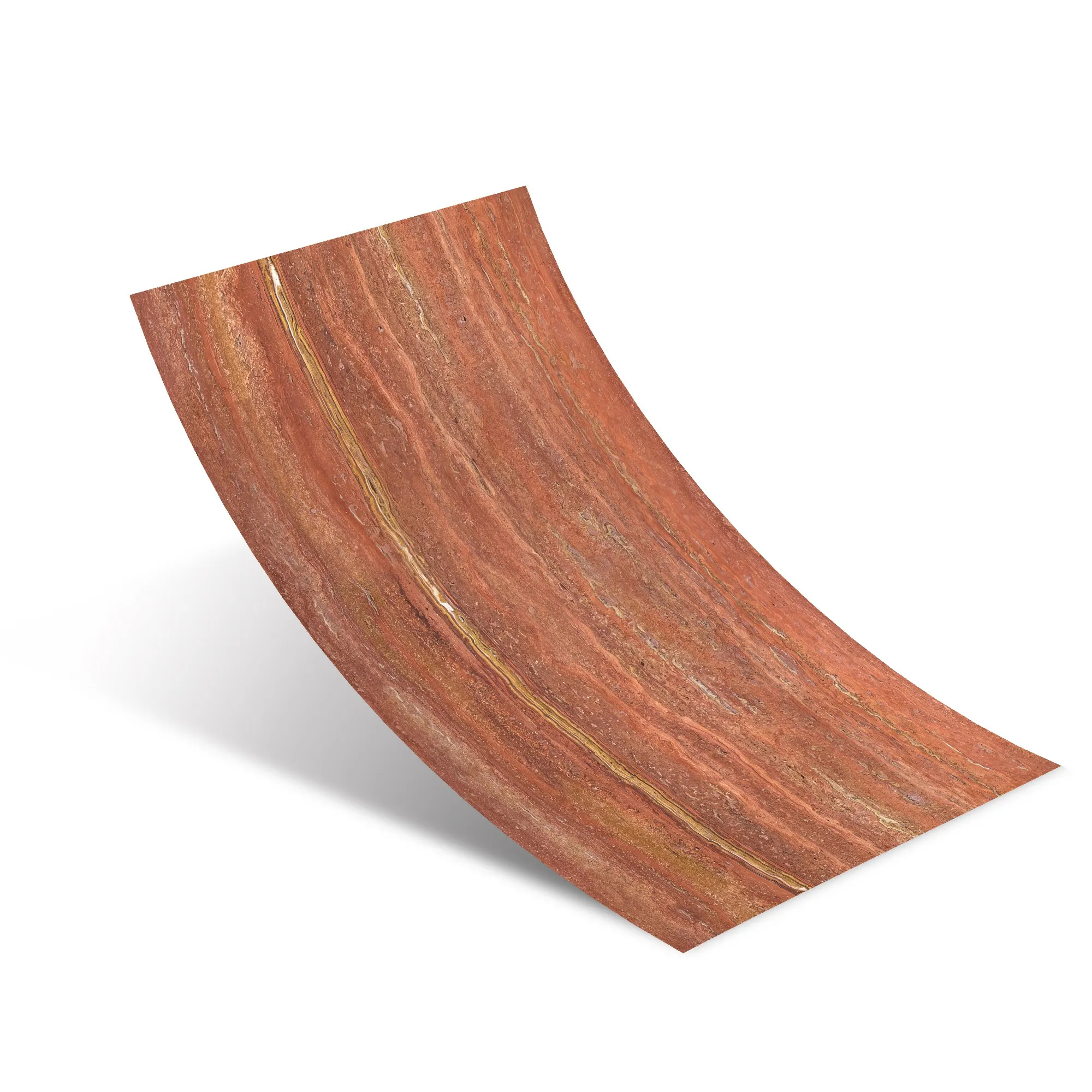
Red travertine, with its rich, rusty hues and porous surface, has been a favorite for centuries. Quarried from sites like Turkey, Italy, or Iran, each slab is a product of millions of years of geological formation—but that natural beauty comes with a logistical price tag. Let's break down the transport hurdles that make red travertine a headache for modern construction teams.
A standard red travertine slab measures around 1200x600mm (4x2 feet) and weighs between 50–80 kg (110–176 lbs). To put that in perspective: carrying one slab requires two strong workers, and a single truck can only fit 20–30 such slabs before hitting weight limits. For a project needing 1,000 sqm of cladding, that's roughly 140 slabs—meaning 5–7 truckloads, each burning fuel and contributing to carbon emissions. Compare that to a typical construction timeline, where delays of even a day can cost $10,000+ in labor and equipment standby fees, and suddenly those extra truck trips aren't just inconvenient—they're costly.
Natural stone is rigid and brittle. Even with careful handling, red travertine slabs are prone to chipping, cracking, or breaking during transit. Potholes, sudden stops, or minor collisions can send shockwaves through a truck's cargo, turning a $500 slab into a pile of rubble. To mitigate this, suppliers package each slab in wooden crates lined with foam—adding 10–15% to the total transport weight and cost. Yet even with this protection, industry data shows that 10–15% of red travertine slabs arrive damaged at jobsites, leading to reorders, project delays, and wasted material. For a 10,000 sqm project, that's 1,000–1,500 sqm of stone wasted—enough to clad an entire small building.
Red travertine slabs are inflexible, meaning they can't be bent, rolled, or stacked efficiently. Trucks must be loaded with precision, leaving gaps between crates to prevent slabs from shifting. This inefficiency reduces the number of slabs per truck, increasing the number of trips required. In urban areas with narrow streets or tight construction sites, maneuvering large trucks loaded with heavy stone crates becomes even more challenging—often requiring permits, off-hours deliveries, and additional labor to unload.
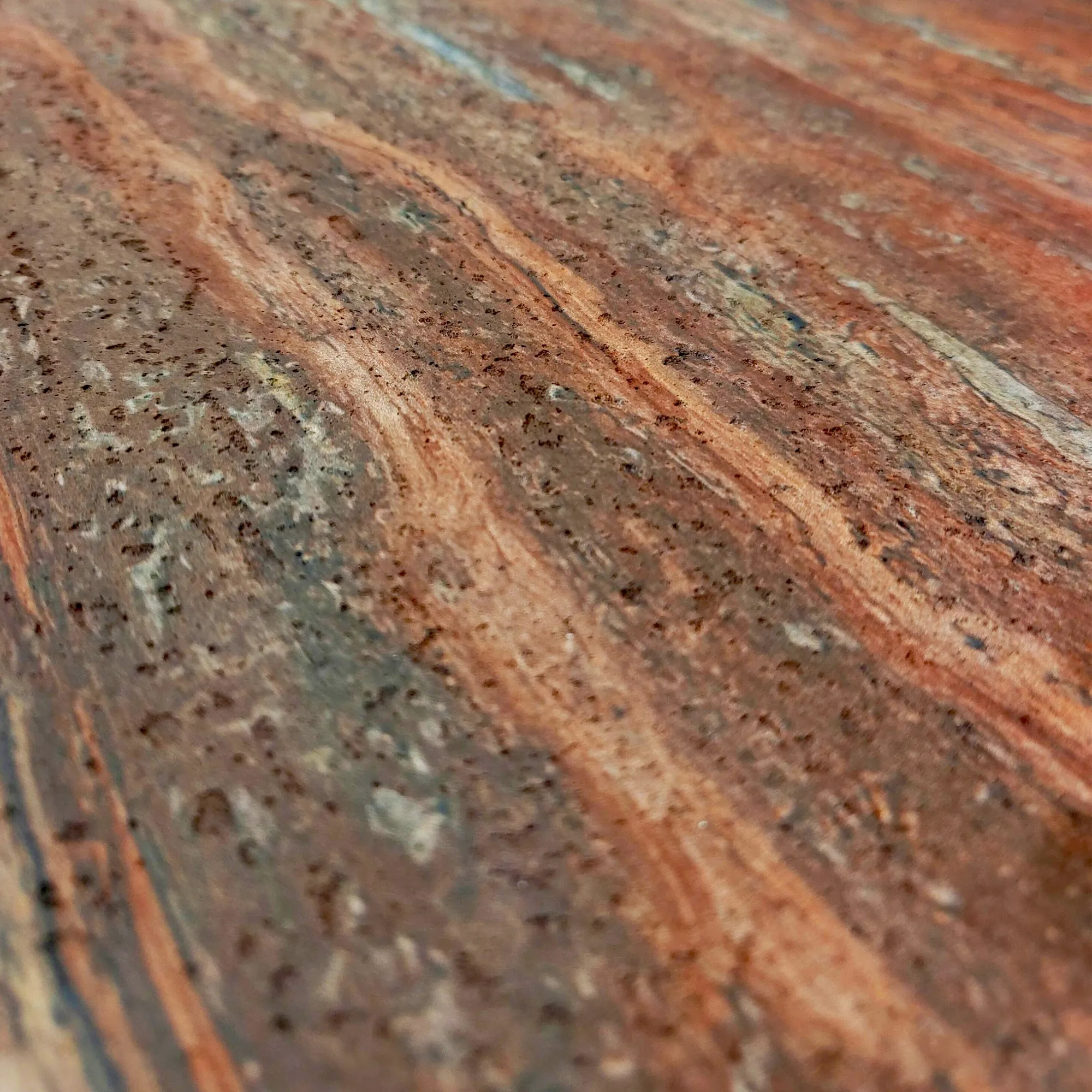
Enter MCM panels—specifically, products like MCM flexible stone and MCM big slab board series . These panels are engineered to mimic the look and feel of natural stone while addressing the transport and handling flaws of traditional materials. Made from a composite of natural stone particles, fiberglass mesh, and a polymer binder, MCM panels are a fraction of the weight and far more durable than red travertine. Let's dive into their transport advantages.
The biggest game-changer? Weight. MCM panels weigh just 5–8 kg per sqm (1.0–1.6 lbs per sq ft), compared to red travertine's 50–80 kg per sqm. A single 1200x2400mm MCM big slab weighs around 15–20 kg—light enough for one worker to carry. This means a standard truck can carry 10–15 times more MCM panels than red travertine slabs for the same weight. For that 1,000 sqm project, instead of 5–7 truckloads, you'd need just 1–2. Fewer trucks mean lower fuel costs, fewer emissions, and faster delivery times.
Unlike rigid red travertine, MCM flexible stone can bend up to 90 degrees without cracking. This flexibility allows panels to be rolled or stacked like sheets of plywood, maximizing truck space. Imagine loading a truck with rolls of MCM panels instead of bulky crates—no gaps, no wasted space, and no need for heavy wooden packaging. Some suppliers even ship MCM panels in protective rolls, reducing packaging waste by 80% compared to traditional stone. This not only cuts costs but also aligns with green building standards, a priority for many developers today.
MCM panels are engineered to withstand the rigors of transport. Their composite structure resists impact, and their flexibility absorbs shock from bumps or sudden stops. Industry studies show that damage rates for MCM panels during transport are less than 2% —a fraction of red travertine's 10–15%. For contractors, this means fewer reorders, no last-minute delays, and a more predictable supply chain. In one case study, a hotel project in Riyadh switched from red travertine to MCM big slab board series and reduced transport-related waste by 90%, saving $45,000 in material and labor costs.
| Transport Metric | Red Travertine | MCM Panels (MCM Flexible Stone) |
|---|---|---|
| Weight per sqm | 50–80 kg | 5–8 kg |
| Flexibility | Rigid (no bending) | Flexible (bends up to 90°) |
| Typical Damage Rate | 10–15% | Less than 2% |
| Trucks per 1,000 sqm | 5–7 trucks | 1–2 trucks |
| Transport Cost per sqm | $15–$25 | $3–$8 |
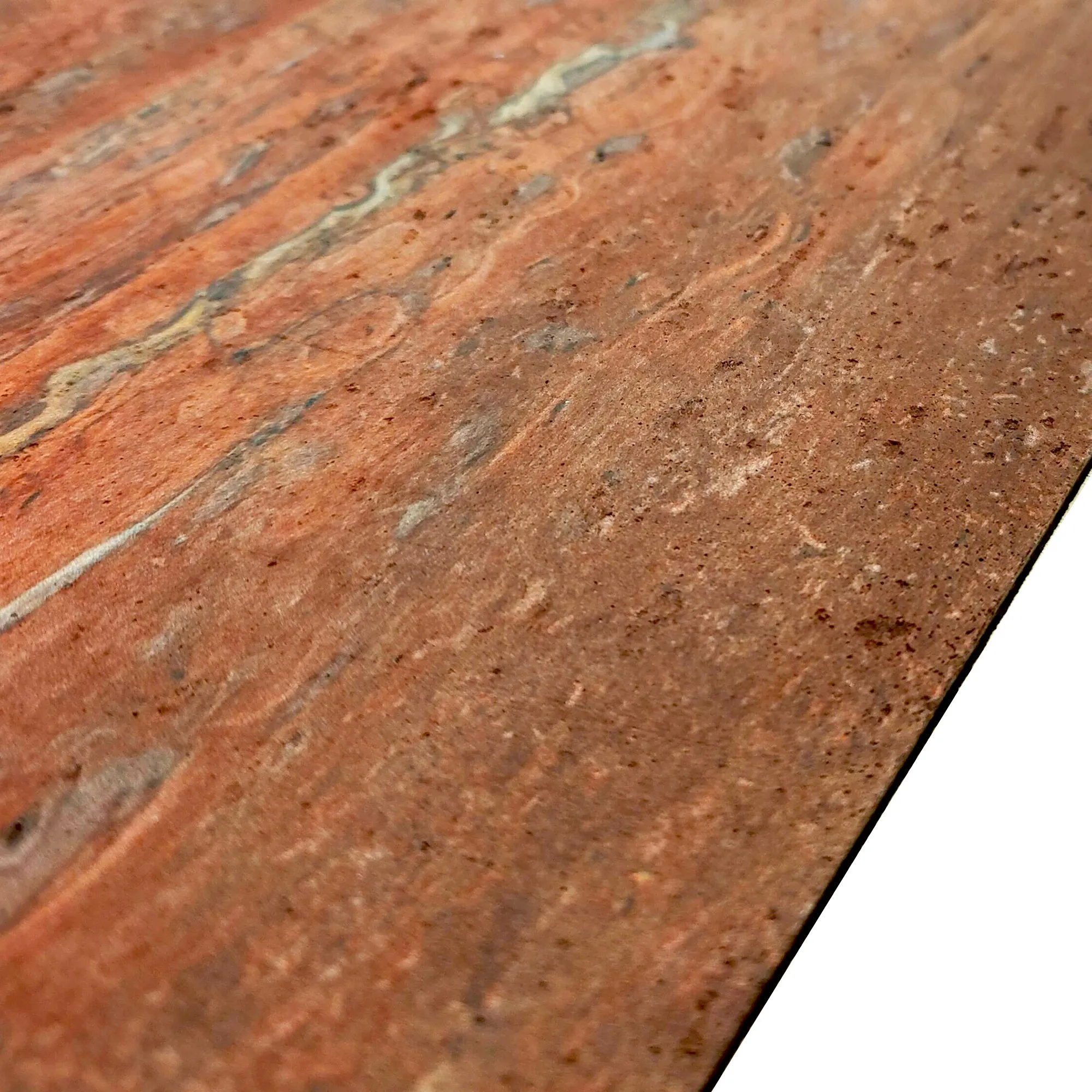
Transport is just the first hurdle. Once materials arrive on-site, the real work begins—and here, MCM panels again outshine red travertine. Let's compare how each material performs during handling and installation.
Installing red travertine is physically demanding. Each slab requires 2–3 workers to carry, position, and secure. Crews often rely on cranes, suction cups, or forklifts to move slabs into place—adding complexity and cost. Cutting red travertine to fit around windows or corners requires specialized wet saws to avoid dust and cracking, creating messy work areas and extending installation time. On average, a team of four workers can install 20–30 sqm of red travertine per day . For a 1,000 sqm project, that's 35–50 days of labor—time that could be better spent on other tasks.
MCM panels are designed with installers in mind. Their lightweight nature means one or two workers can carry and position panels with ease—no cranes or heavy machinery needed. Lightweight flexible stone sheets can be cut with standard tools (jigsaws, utility knives), eliminating the need for wet saws and reducing on-site dust. Because they're flexible, MCM panels also conform to curved surfaces, making them ideal for modern architectural designs with unique shapes. The result? A team of four workers can install 80–100 sqm of MCM panels per day —more than triple the speed of red travertine. For the same 1,000 sqm project, installation takes just 10–12 days, slashing labor costs and accelerating project timelines.
Heavy lifting is a leading cause of workplace injuries in construction. Red travertine slabs, with their weight and awkward size, put workers at risk of back strain, falls, or crushed fingers. MCM panels, by contrast, reduce physical stress—lowering the risk of injury and improving crew morale. In a survey of contractors using MCM flexible stone, 85% reported fewer on-site injuries related to material handling compared to traditional stone installation.
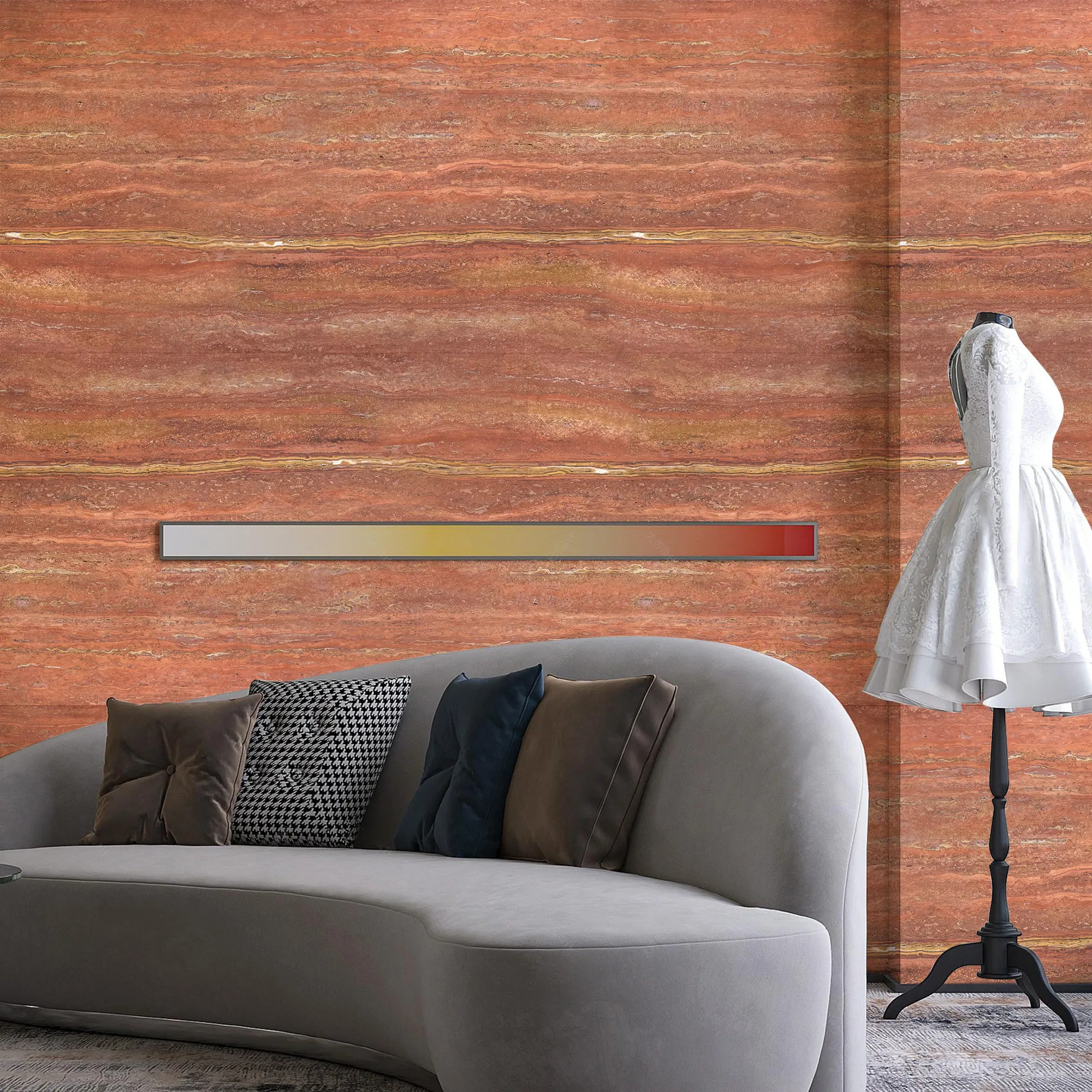
Critics might argue: "If MCM panels are so lightweight, are they as durable as natural stone?" The answer is a resounding yes. MCM panels are engineered to withstand harsh weather, UV radiation, and daily wear and tear. Their composite structure resists fading, chipping, and water absorption—outperforming red travertine in humid or coastal environments where natural stone is prone to staining or erosion. And when it comes to aesthetics, modern printing technology allows MCM panels to replicate the exact texture, color, and veining of red travertine—so you get the classic look without the logistical hassle.
Take the MCM big slab board series , for example. These panels come in large formats (up to 3000x1500mm), minimizing visible seams and creating a seamless, high-end finish—just like a single slab of red travertine, but without the weight. Architects and designers can choose from a range of textures, from rough-hewn to polished, ensuring the final result aligns with the project's vision.
In today's construction industry, sustainability is more than a buzzword—it's a requirement. MCM panels have a clear edge here, too. Traditional red travertine mining involves quarrying large blocks of stone, which are then cut into slabs, generating significant waste (up to 30% of the original block is lost as dust or offcuts). Transporting heavy slabs also increases carbon emissions, contributing to the project's carbon footprint.
MCM panels, by contrast, use recycled stone particles and require less energy to produce. Their lightweight design reduces transport emissions by up to 70% compared to red travertine. Additionally, MCM panels are 100% recyclable at the end of their lifespan, making them a circular solution for eco-conscious projects. For developers aiming for LEED or BREEAM certification, MCM flexible stone can help earn points in categories like "Materials and Resources" and "Energy and Atmosphere."
Don't just take our word for it—look at real projects. The "Azure Tower" in Doha, Qatar, a 35-story luxury residential building, was originally designed with red travertine cladding. After evaluating transport costs and installation timelines, the developer switched to MCM big slab board series. The result? Transport costs dropped by 65%, installation was completed 4 months ahead of schedule, and the building's facade received rave reviews for its "natural stone" appearance. Similarly, the "Green Horizon Hotel" in Dubai used MCM flexible stone for its curved exterior, achieving a sleek, modern look while reducing on-site labor by 40%.
Red travertine will always hold a special place in architectural history, but when it comes to transport, handling, and modern construction needs, MCM panels are the clear winner. Products like MCM flexible stone and MCM big slab board series offer the beauty of natural stone with the efficiency of modern engineering—lightweight, flexible, durable, and sustainable. They reduce transport costs, speed up installation, lower worker risk, and minimize environmental impact.
For architects, developers, and contractors, the choice is simple: stick with the heavy, slow, and costly traditional stone, or embrace the future with MCM panels. As the construction industry continues to prioritize speed, safety, and sustainability, MCM panels are not just an alternative—they're the new standard.
Recommend Products











