
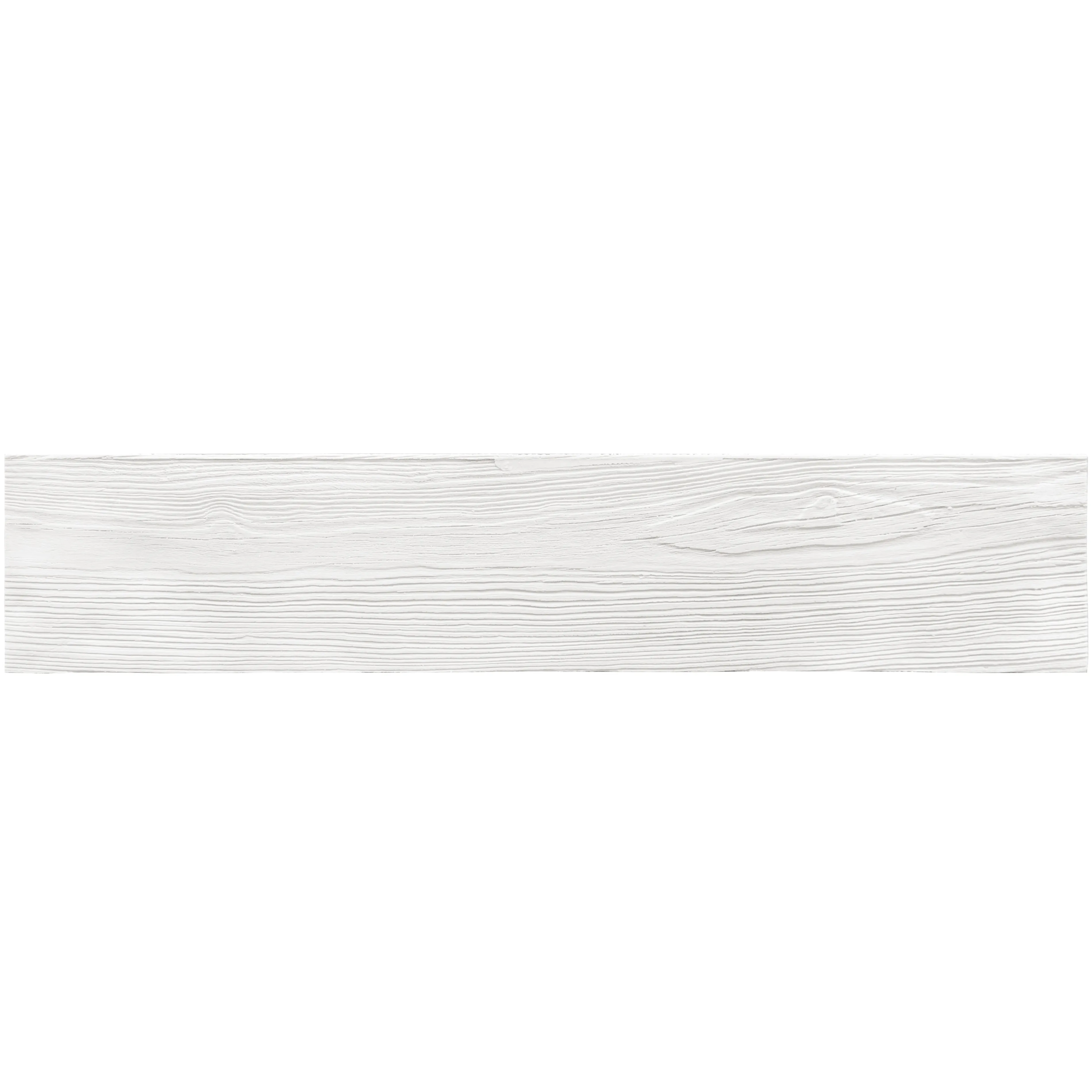
There's something deeply personal about choosing materials for your outdoor space. It's not just about walls or floors—it's about creating a place where morning coffee meets sunrise, where kids chase fireflies, where guests linger long after dinner. For decades, homeowners and designers have been torn between two paths: the warm, organic allure of solid wood, and the sleek, resilient promise of modern engineered materials. Today, we're putting two contenders head-to-head: the timeless white wood and the innovative engineered MCM products, including MCM flexible stone and MCM big slab board series . Which one truly stands the test of time outdoors?
Walk into any home improvement store, and you'll feel it—the pull of white wood. Its pale, honeyed grains twist like whispered stories; its surface warms under your palm, a stark contrast to the cold sterility of synthetic materials. For many, it's not just a building material; it's a statement. "I wanted my patio to feel like an extension of the forest behind my house," says Maria, a homeowner in Portland. "White wood felt like bringing a piece of that serenity home."
But here's the catch: nature's beauty often comes with nature's fragility. Solid white wood, for all its charm, is a living material—even after it's cut. Outdoors, it faces a daily onslaught: rain that seeps into pores, humidity that swells fibers, UV rays that bleach color, and pests that see it as an all-you-can-eat buffet. Without constant care, that "serenity" Maria craved can turn into a nightmare.
Ask any white wood owner about maintenance, and you'll get a weary smile. "I sealed my deck every spring," recalls Tom, who replaced his white wood deck after 8 years. "Scrubbed it for two weekends, applied two coats of sealant, and by the next winter, there were already cracks. By year seven, the boards near the grill were soft to the touch—rot had set in."
The reality? Solid white wood outdoors demands vigilance. Most experts recommend sealing or staining every 1–3 years, depending on climate. In rainy regions like the Pacific Northwest, that timeline shrinks to 12–18 months. Skip a year, and moisture creeps in. Leave it untreated, and you're looking at warping, splitting, or even termite infestations. The average lifespan of untreated white wood outdoors? A measly 3–5 years. With meticulous care? Maybe 10–15 years—if you're lucky.
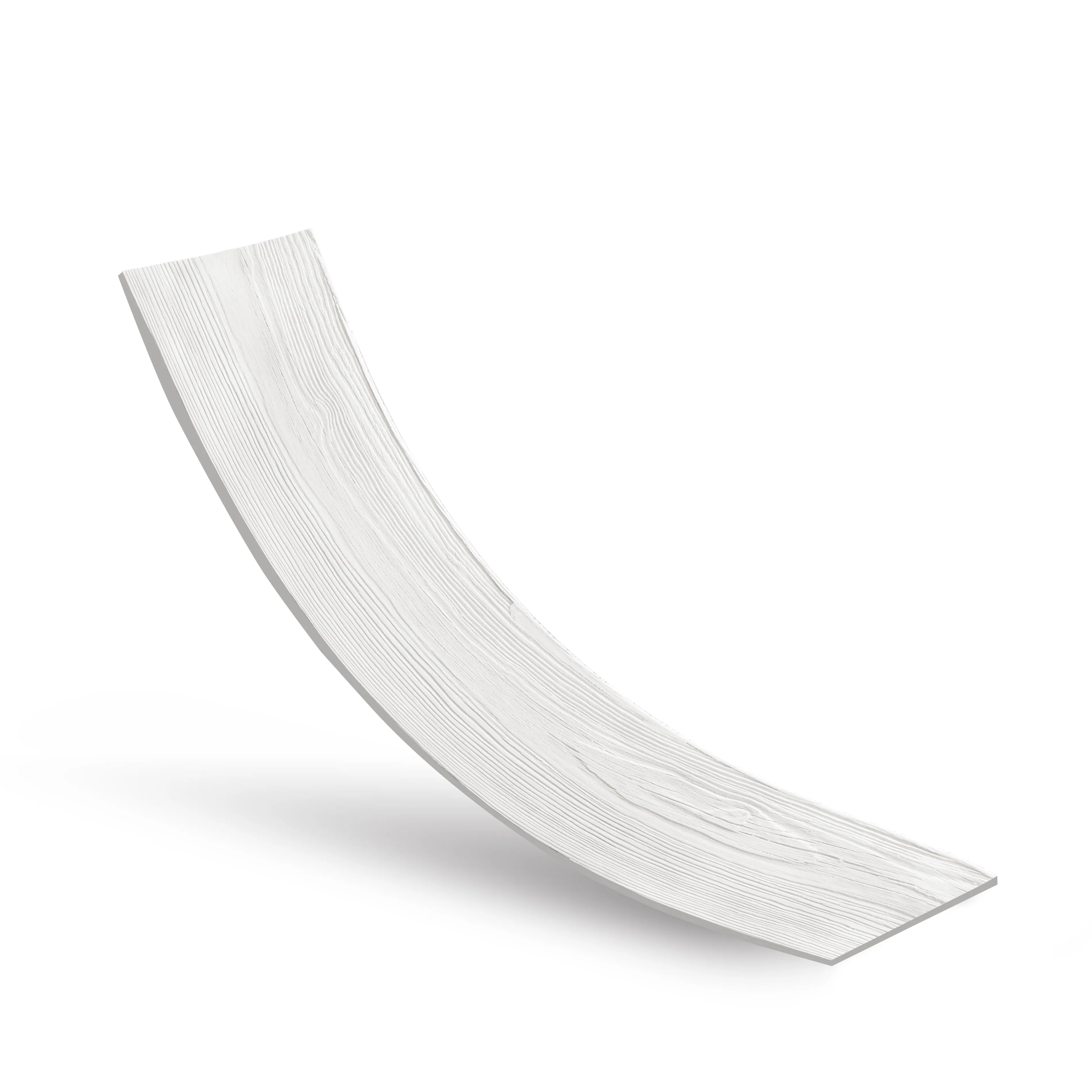
Enter MCM—Modified Composite Material—a category of engineered products designed to marry the best of nature and technology. At the forefront are MCM flexible stone and MCM big slab board series , two innovations that have architects and homeowners rethinking outdoor design. But what exactly is MCM, and why is it gaining ground?
Think of MCM as nature, reimagined. Manufacturers blend natural minerals (like stone dust, quartz, or marble fragments) with high-performance polymers, creating a material that's both flexible and fiercely strong. MCM flexible stone, for example, mimics the texture of travertine or slate but bends without breaking—ideal for curved surfaces or uneven walls. The MCM big slab board series, on the other hand, offers seamless, large-format panels (some up to 4x8 feet) that eliminate the need for unsightly grout lines, giving facades and patios a sleek, modern look.
What makes MCM a game-changer for outdoors? It's engineered to embrace harsh conditions, not just tolerate them. Take moisture: Unlike wood, MCM flexible stone is non-porous. Rain, snow, and humidity bead up and roll off, no sealer required. UV rays? MCM's pigments are locked into the material during production, so colors won't fade or chalk—even in desert sun. Pests? Termites and wood-boring insects see MCM as nothing more than an inedible obstacle.
Then there's the maintenance factor. "I hose down my MCM big slab board patio once a month," says Raj, a homeowner in Arizona. "That's it. No sanding, no staining, no worrying about cracks. It looks the same as the day it was installed—three years ago." For busy families or vacation homes, that low-effort upkeep is priceless.
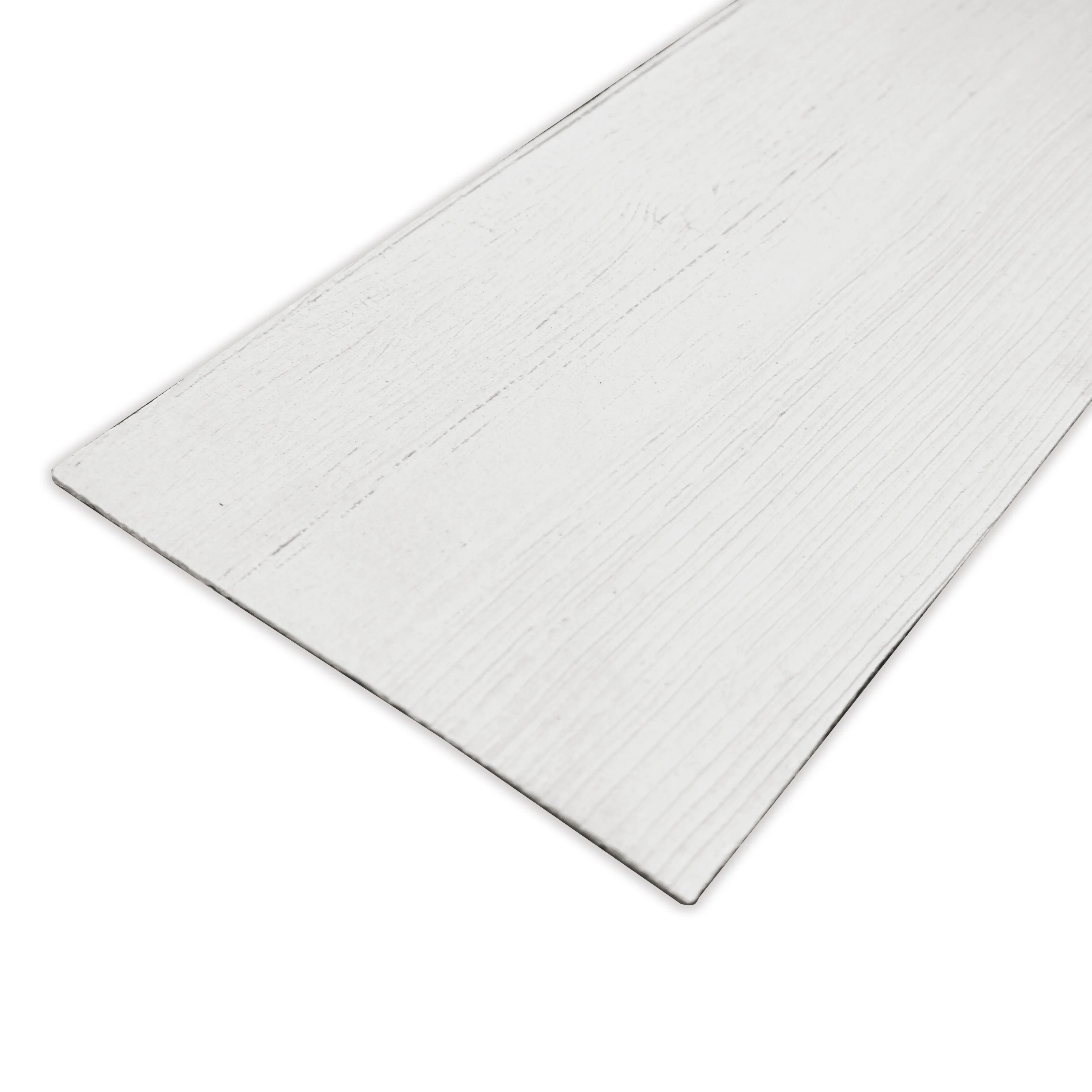
To truly understand which material lasts longer outdoors, we need to compare them where it counts: in the trenches of weather, time, and neglect. Let's break it down.
| Factor | Solid White Wood | Engineered MCM (Flexible Stone & Big Slab Board) |
|---|---|---|
| Moisture Resistance | Poor—absorbs water, leading to rot, warping, or mold. Requires annual sealing. | Excellent—non-porous, water-resistant core prevents rot or swelling. No sealing needed. |
| Pest Resistance | Vulnerable to termites, carpenter ants, and woodpeckers. May require chemical treatments. | Impervious to pests—no organic content to attract insects or rodents. |
| UV Stability | Fades, grays, or cracks within 2–3 years without staining. Sunlight breaks down fibers over time. | Color-locked pigments resist fading for 15+ years. UV inhibitors prevent brittleness. |
| Maintenance Needs | High—seal/stain every 1–3 years; sanding to remove splinters; replacement of damaged boards. | Low—occasional rinsing with water; mild soap for tough stains. No sanding or refinishing. |
| Expected Lifespan (Outdoors) | 5–15 years (with rigorous maintenance); 3–7 years (with minimal care). | 25–50 years (with standard care). Some manufacturers offer 20+ year warranties. |
| Cost (Long-Term) | Initial cost: $3–$8/sq ft. Lifetime cost: $15–$30/sq ft (including replacements/maintenance). | Initial cost: $5–$12/sq ft. Lifetime cost: $5–$15/sq ft (no replacements needed). |
| Aesthetic Versatility | Limited—natural grain varies; color options restricted to stains (white, gray, honey). | Extensive—mimics wood, stone, concrete, or metal. MCM flexible stone offers textures like travertine or slate; MCM big slab board series comes in 100+ colors/patterns. |
Numbers tell part of the story, but real-life experiences tell the rest. Let's look at two case studies—one where white wood fell short, and another where MCM shined.
In Charleston, South Carolina, David and Lisa built a white wood deck overlooking the marsh. "We wanted that 'beach house' vibe," Lisa explains. "The deck looked stunning—until hurricane season hit." Within two years, saltwater spray and humidity had turned the wood gray and spongy. "We sealed it twice a year, but it didn't matter," David says. "By year four, the joists were rotting. We had to tear it all down and start over." The total cost? $22,000 for installation and $8,000 for replacements in under a decade.
In Phoenix, Arizona, where summer temperatures hit 120°F, Mark chose MCM big slab boards for his outdoor kitchen facade and patio. "I was skeptical at first—would it look cheap?" he admits. "But the installer showed me samples of MCM flexible stone that looked exactly like the travertine I loved. Five years later, it's still flawless. The sun beats down, monsoons dump rain, and it never cracks or fades. I've saved thousands on maintenance alone."
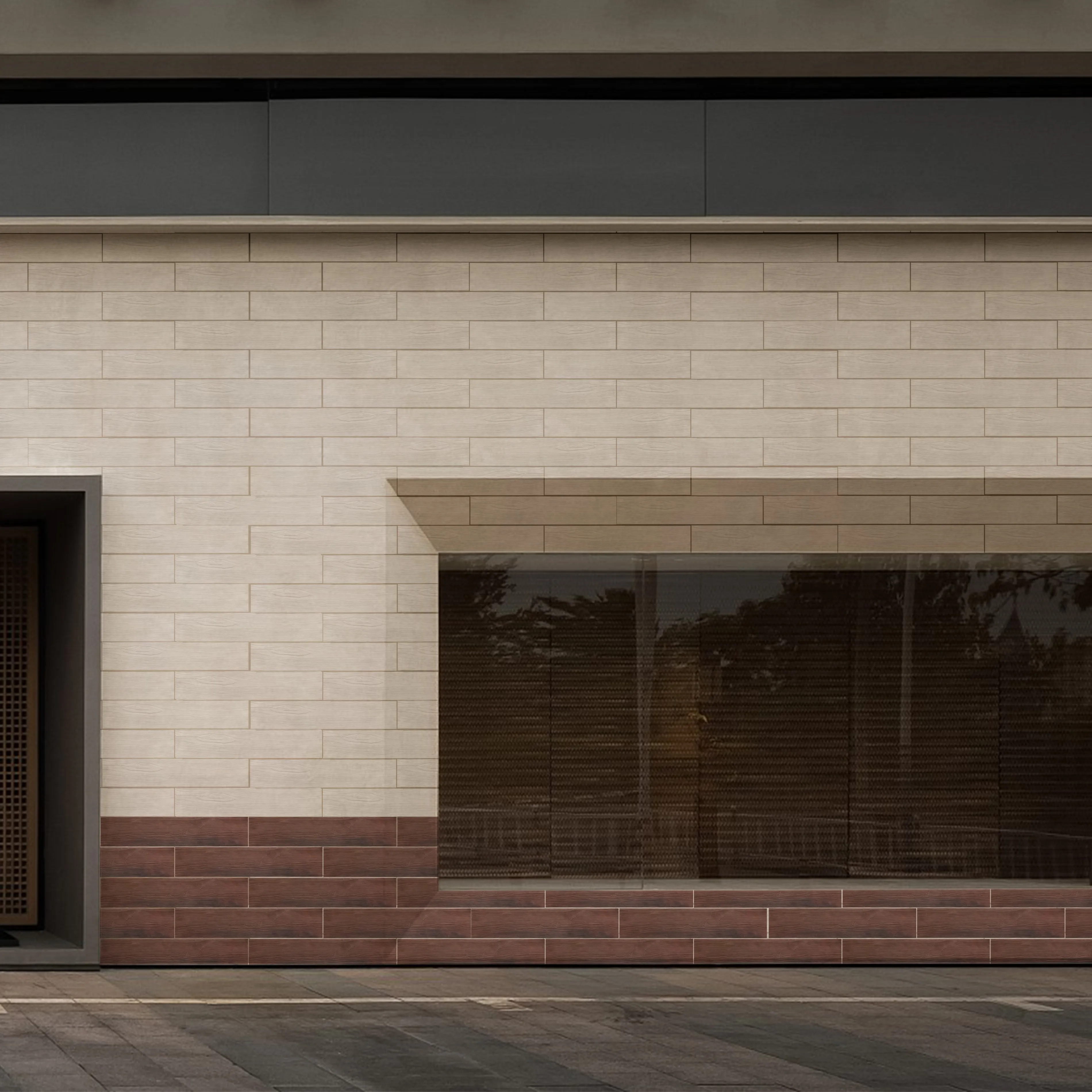
Critics of engineered materials often argue, "Sure, it's durable—but does it have soul?" For MCM, the answer is a resounding no. Modern MCM products, especially flexible stone and big slab boards, are designed to elevate aesthetics, not compromise them.
Take MCM flexible stone: it can replicate the pitted texture of travertine, the layered look of slate, or even the smoothness of marble—all with the added bonus of flexibility. Imagine a curved outdoor fireplace wrapped in stone-like MCM, or a patio with seamless, grout-free panels that mimic aged wood. The MCM big slab board series takes it further, offering large-format panels that create dramatic, uninterrupted surfaces—perfect for modern facades or minimalist patios.
"I wanted the warmth of wood without the hassle," says interior designer Mia. "The MCM wood-grain big slab boards I used on my client's deck look so real, guests run their hands over them to check. When I tell them it's MCM, they're shocked. It has all the beauty of wood, none of the upkeep."
Let's cut to the chase: When it comes to outdoor durability, engineered MCM—specifically MCM flexible stone and MCM big slab board series —outperforms solid white wood by a mile. It resists moisture, pests, and UV rays; demands minimal maintenance; and lasts 2–3 times longer, even in harsh climates. For homeowners who want their outdoor spaces to endure as long as their memories, MCM is the clear winner.
But that doesn't mean white wood has no place. If you crave the authentic feel of natural wood and are willing to invest time and money into annual maintenance—and accept that you'll need to replace it sooner rather than later—white wood can still work. Just go in with your eyes open: it's a beautiful, temporary romance, not a lifelong commitment.
For everyone else—those who want beauty and resilience, who value their weekends more than sanding decks, who want to pass down their outdoor space to the next generation—MCM is the future. It's not just a material; it's a promise that your outdoor haven will stand strong, season after season, year after year.
So, which will you choose? The wood that fades, or the MCM that endures?
Recommend Products












