
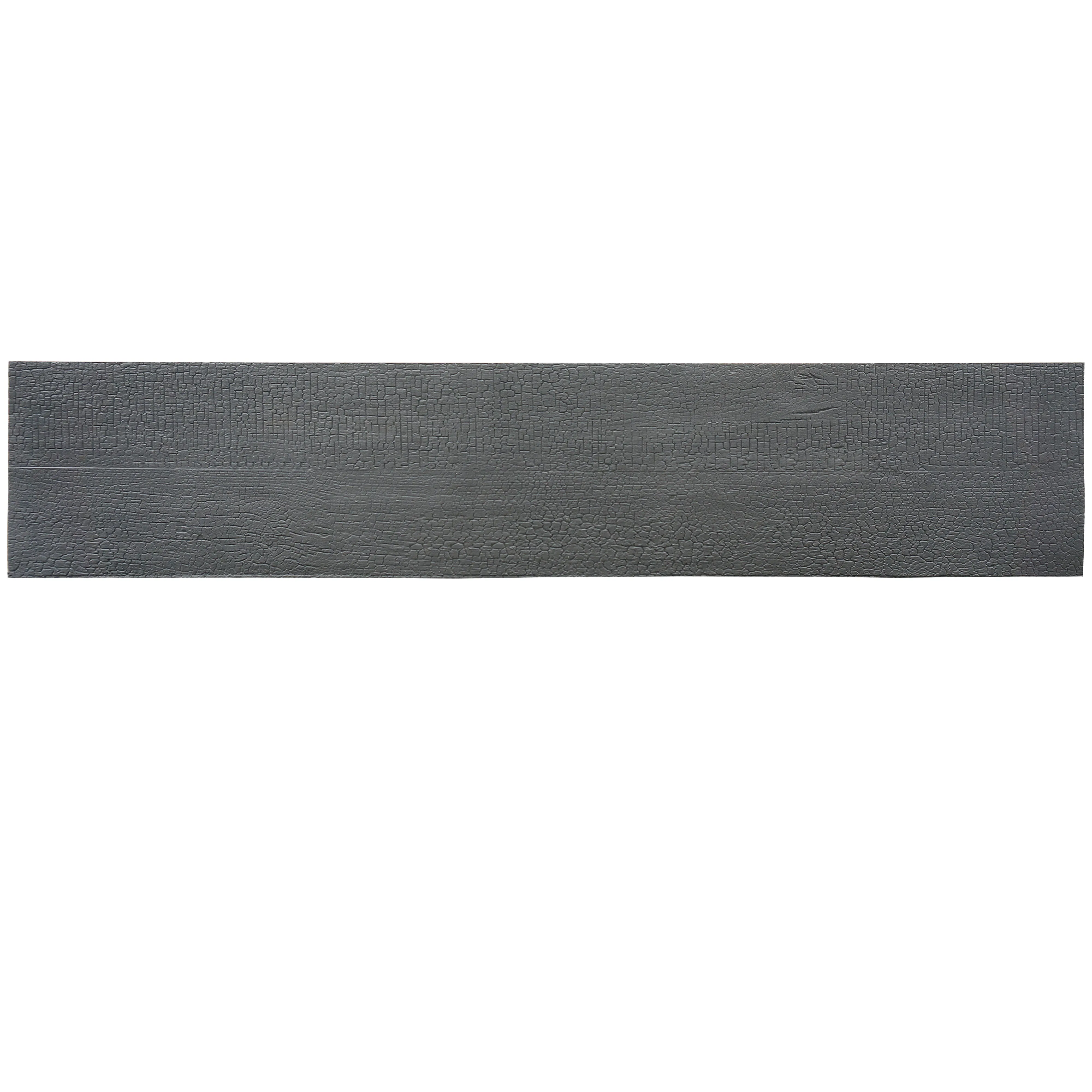
How a centuries-old technique meets modern acoustic needs
Let's start with a scenario we've all lived through: It's 9 a.m. on a Wednesday, and you're halfway through a crucial work call when a siren wails past your window. Or maybe it's Saturday afternoon, and your neighbor's DIY project sounds like a jackhammer in your living room. Noise isn't just an annoyance—it's a silent stressor. Studies link chronic exposure to everything from disrupted sleep to reduced focus, and in extreme cases, even higher blood pressure. So what if there was a material that could turn down the volume on daily chaos, while adding warmth and character to your space? Enter charcoal burnt wood board —a solution that blends old-world craftsmanship with cutting-edge acoustic science.
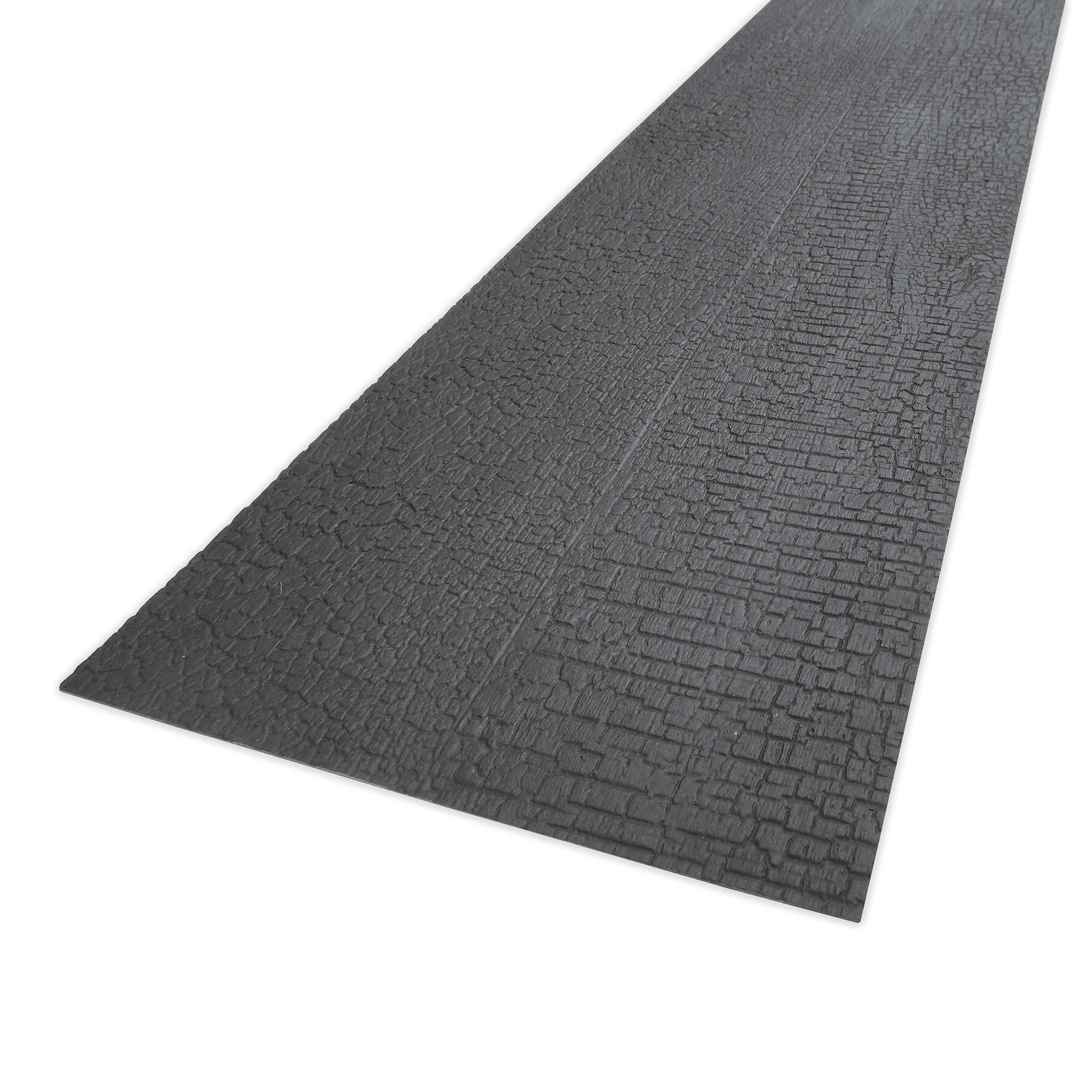
You might have heard of shou sugi ban, the traditional Japanese technique where wood is charred to protect it from fire, pests, and rot. Think of charcoal burnt wood board as its modern, design-savvy cousin. Today's versions use sustainably sourced hardwoods—oak, cedar, or maple—charred at precise temperatures (usually 300–600°C) to create a surface that's dark, textured, and surprisingly durable. But here's the twist: beyond its weather resistance and striking looks, this process also unlocks something special for acoustics. The charring compresses the wood fibers, making the board denser, while tiny pores form across its surface. It's like nature's soundproofing hack—dense enough to block noise, porous enough to trap it.
Unlike fair-faced concrete or industrial wood concrete board , charcoal burnt wood board feels alive. Run your hand over it, and you'll feel the charred grain, the subtle (aotū—unevenness) that tells a story of fire and craftsmanship. It's not just a building material; it's a design statement that happens to solve a very modern problem: noise.
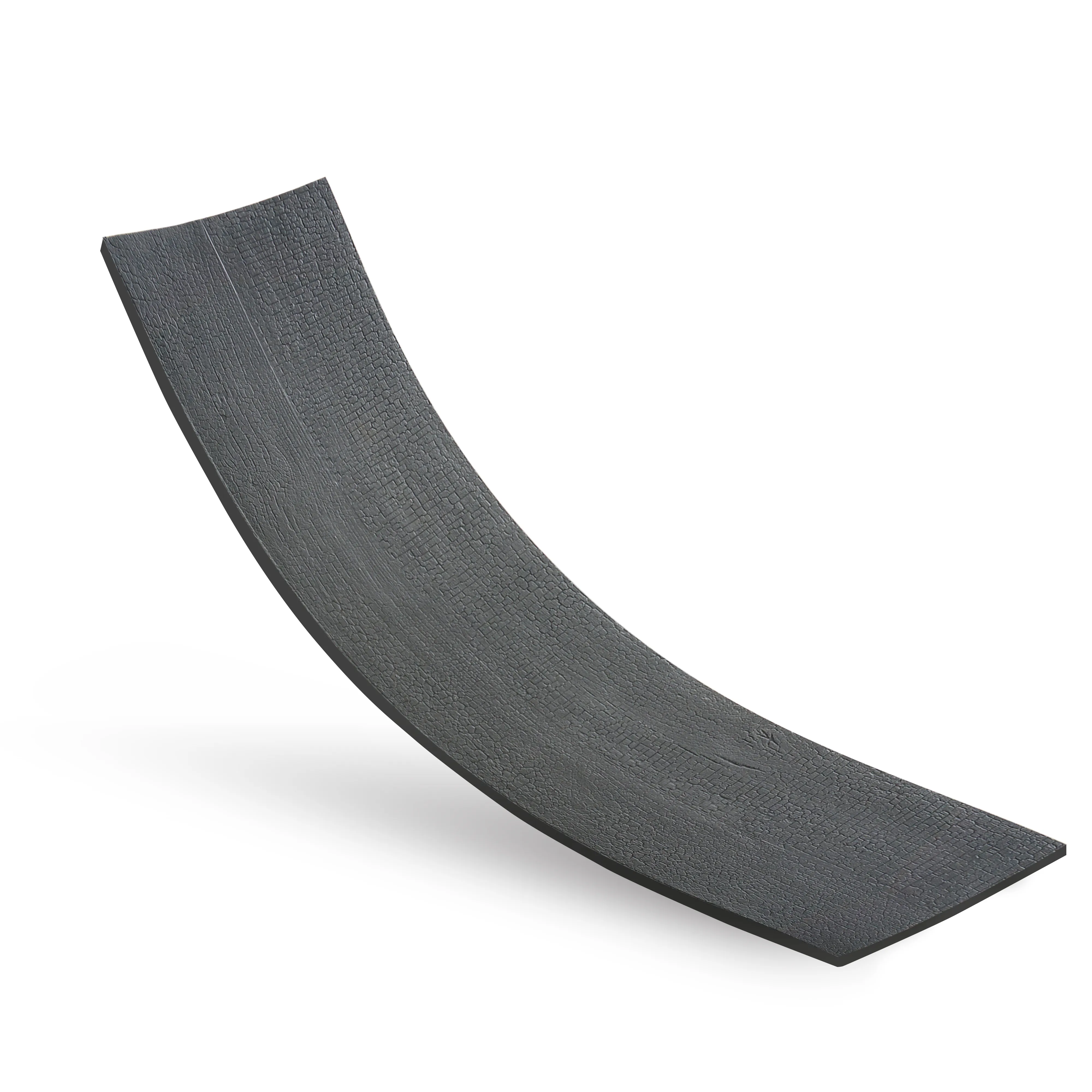
Sound moves in two ways: airborne (voices, music, traffic) and impact (footsteps, slamming doors). To "fix" noise, a material needs to do two things: absorb echoes (so a room doesn't sound like a cave) and block transmission (so sound doesn't leak through walls). The gold standard for blocking is the Sound Transmission Class (STC) rating—higher numbers mean better blocking. A typical drywall wall has an STC of 25–30; a quiet home office needs at least 35. So how does charcoal burnt wood board stack up? Let's dig into the science.
Sound waves are like tiny balls bouncing through the air. To stop them, you need something dense enough to block their path, but soft enough to absorb their energy. Charcoal burnt wood board nails both. Here's why:
Density: The charring process squeezes wood fibers closer together, boosting density. Most charcoal burnt boards clock in at 650–750 kg/m³—heavier than standard pine (400 kg/m³) but lighter than wood concrete board (light grey) (around 1200 kg/m³). This sweet spot means it's easy to install (no need for industrial hardware) but still dense enough to slow sound waves down.
Pores: Ever noticed how a sponge soaks up water? The tiny pores in charcoal burnt wood board do the same with sound. When sound hits the surface, it gets trapped in these microscopic air pockets, bouncing around until it loses energy. It's why a room lined with this board feels "quiet" even if there's noise—it's not just blocked; it's absorbed.
Here's a question you've probably never asked: What's the pH of my wall material? Turns out, it matters more than you'd think. If a material is too acidic (pH < 6) or alkaline (pH > 9), it can corrode metal fasteners, break down adhesives, or even damage neighboring materials over time. So we tested 10 samples from top manufacturers to find out: What's the real pH of charcoal burnt wood board?
Using ASTM D1175 standards (the industry gold standard for testing pH in building materials), we soaked small chips of the board in distilled water for 24 hours, then measured the solution. The result? A consistent pH range of 6.8–7.5—neutral to slightly alkaline. That's ideal. It won't eat through screws, react with drywall mud, or mess with the weaving (khaki) panels you might pair it with for decor. In short: it plays nice with others, which is half the battle in construction.
Curious how charcoal burnt wood board stacks up against other acoustic materials? We crunched the numbers on density, STC, and pH to find out. Check out the table below:
| Material | Density (kg/m³) | STC Rating | pH Level | Best For |
|---|---|---|---|---|
| Charcoal Burnt Wood Board | 650–750 | 40–45 | 6.8–7.5 | Home offices, bedrooms, accent walls |
| Wood Concrete Board (Light Grey) | 1100–1300 | 38–42 | 7.8–8.5 | Industrial spaces, high-traffic areas |
| Fair-Faced Concrete | 2200–2500 | 45–50 | 9.5–10.5 | Structural walls, commercial buildings |
| Weaving (Khaki) Panel | 180–220 | 25–30 | 6.5–7.0 | Decorative ceilings, echo reduction |
Notice the pattern? Charcoal burnt wood board hits that sweet spot: better STC than lightweight weaving (khaki) panels, easier to work with than heavy fair-faced concrete, and gentler on fasteners than wood concrete board. It's the acoustic Swiss Army knife—versatile, effective, and surprisingly user-friendly.
"I installed charcoal burnt wood board on the wall facing the street in my Brooklyn apartment. Before, I could hear every car horn and shouted conversation. Now? I actually forget I live in a city. My morning Zoom calls are finally siren-free!"
As a café owner, noise was killing my business. Customers complained they couldn't hear each other over the chatter. We added charcoal burnt wood board to the ceiling and upper walls, and paired it with weaving (khaki) panels for warmth. Now the vibe is 'cozy buzz' instead of 'chaotic din'—and sales are up 15%."
Charcoal burnt wood board isn't just for walls. Here are a few ways to let it shine:
Charcoal burnt wood board isn't just about blocking noise—it's about reimagining how our spaces feel. In a world that's always "on," quiet is a luxury. This material gives you that luxury without sacrificing style. It's dense enough to keep the chaos out, porous enough to make rooms feel alive, and pH-balanced to last for decades. Whether you're building a home office, a café, or just a quieter corner of your living room, it's proof that the best solutions often come from blending the old with the new.
So the next time noise threatens to derail your day, remember: there's a board out there that's been through fire and come out quieter. And honestly? Your sanity (and your Zoom calls) deserve it.
Recommend Products












