
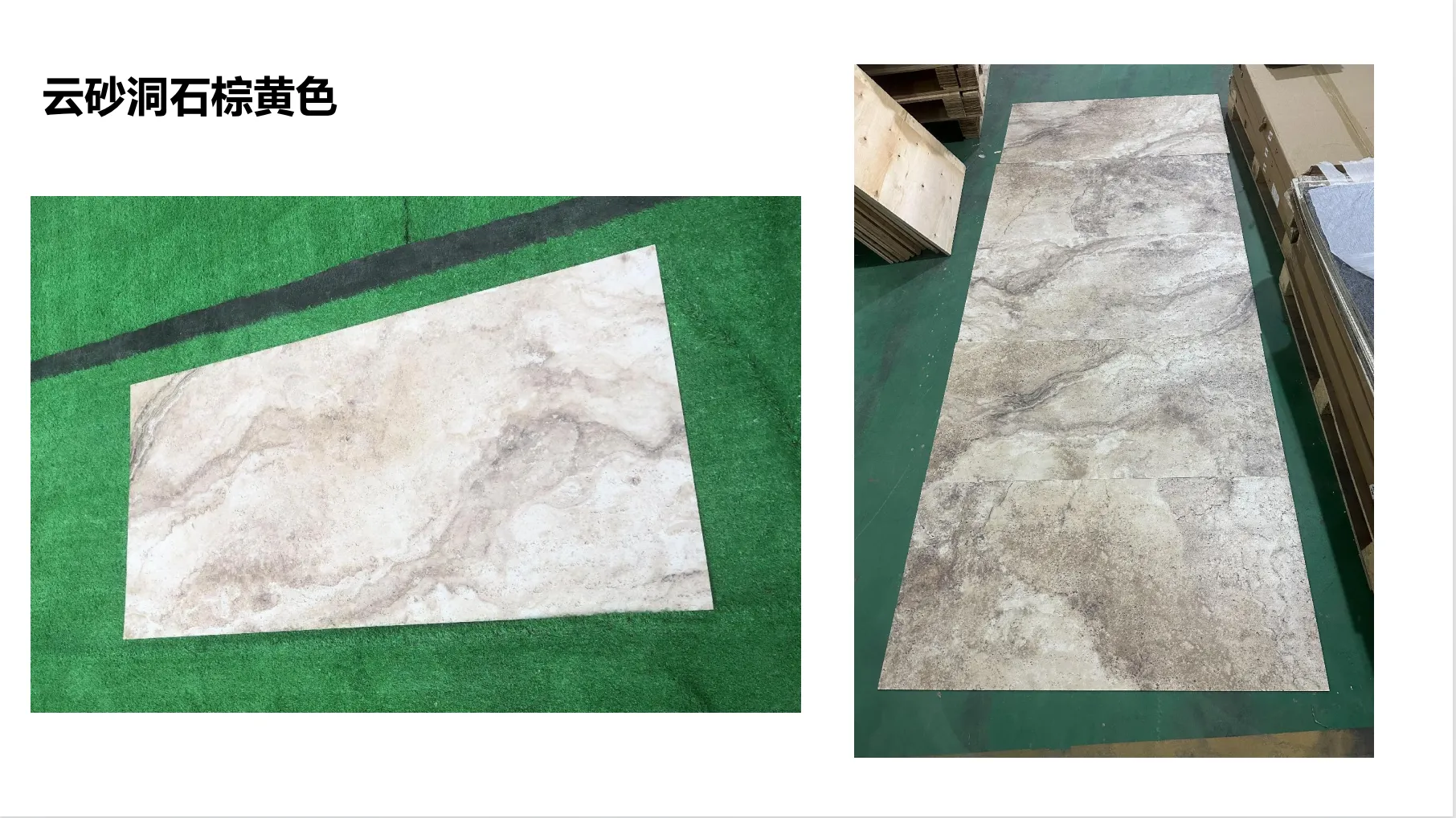
For architects, builders, and design enthusiasts, the choice of natural stone can make or break a project. It's not just about aesthetics—though that's certainly a big part of it. It's about durability, sustainability, and the story a material carries. Among the myriad options available, dark grey dolomitic travertine has emerged as a standout choice for modern exteriors and interiors alike. Its muted, sophisticated hue, unique veining, and inherent strength make it a favorite for everything from high-rise facades to boutique hotel lobbies. But here's the catch: sourcing this specific stone at scale, with consistent quality, and across global markets? That's where the real challenge begins. Enter COLORIA Group—a name synonymous with turning sourcing headaches into seamless success stories. As a global construction solutions provider, COLORIA has spent decades refining a supply chain that doesn't just deliver materials; it delivers confidence.
Before diving into the complexities of global sourcing, let's take a moment to appreciate why dark grey dolomitic travertine has become such a sought-after material. Unlike lighter travertines, which exude warmth and brightness, dark grey dolomitic travertine brings a sense of understated elegance and modernity. Its cool, neutral tone acts as a versatile backdrop, complementing both bold accent colors and minimalist designs. What truly sets it apart, though, is its texture. Formed over millennia by mineral-rich water flowing through limestone, dolomitic travertine features subtle pits, grooves, and veining that add depth and character—no two slabs are exactly alike.
But it's not just about looks. Dolomitic travertine is inherently durable, resistant to weathering, and easy to maintain, making it ideal for both interior and exterior applications. Architects love it for facades, flooring, and feature walls because it balances natural beauty with practicality. However, this popularity has led to a surge in demand, and with that comes the challenge of finding reliable sources that can meet specifications without compromising on quality or timelines.
Sourcing dark grey dolomitic travertine globally is a bit like searching for a specific constellation in the night sky—you know it's out there, but navigating the stars (or in this case, quarries, suppliers, and regulations) can be overwhelming. Here's why:
These challenges are why many builders and architects find themselves stuck—either settling for subpar materials or facing ballooning budgets and missed deadlines. But for COLORIA Group, these obstacles are just part of the journey.
COLORIA Group didn't become a leader in global stone sourcing by accident. It took years of building relationships, investing in technology, and prioritizing transparency. Here's how they've cracked the code for sourcing dark grey dolomitic travertine on a global scale.
At the heart of COLORIA's supply chain is its network of quarries and extraction partners across key stone-producing regions. Instead of relying on middlemen, COLORIA works directly with quarries in Italy, Turkey, Spain, and the Middle East—regions known for producing some of the finest dolomitic travertine in the world. This direct partnership model allows for better control over extraction practices, quality, and pricing.
Take Italy, for example. The country's Apennine Mountains are home to quarries that have been producing travertine for centuries. COLORIA has partnered with a family-run quarry in Tuscany that specializes in dark grey dolomitic travertine, known for its consistent color and minimal porosity. By collaborating closely with the quarry's geologists, COLORIA can forecast extraction schedules, reserve specific blocks, and even influence extraction methods to ensure the stone meets client specifications.
In Turkey, another key source, COLORIA works with quarries in the Denizli region, famous for its high-quality dolomitic travertine deposits. Here, the stone tends to have more pronounced veining, which some clients prefer for feature walls. COLORIA's local team conducts monthly site visits to monitor extraction, test samples, and address any issues before they escalate.
Quality isn't just checked at the end of the supply chain—it's baked into every step. COLORIA employs a team of geologists and stone experts who are stationed at partner quarries to oversee the extraction process. Before any stone is extracted, core samples are taken and tested for density, porosity, and compressive strength. Only blocks that meet COLORIA's strict standards (which often exceed industry benchmarks) move forward.
Once extracted, the blocks are transported to nearby processing facilities, where they're cut into slabs. Here, COLORIA's quality control team inspects each slab for color consistency, veining patterns, and structural integrity. Slabs that don't meet the client's specifications are either repurposed for smaller projects or rejected entirely. This attention to detail ensures that when the stone arrives at the construction site, it's exactly what the client ordered.
Shipping dark grey dolomitic travertine from a quarry in Turkey to a construction site in Australia isn't just about putting slabs on a boat. It requires a logistical dance that involves coordinating with freight forwarders, customs brokers, and local transporters. COLORIA's logistics team uses advanced tracking software to monitor shipments in real time, anticipating delays (like port congestion or weather issues) and adjusting routes as needed.
For example, when delivering to the Middle East—a region with strict import regulations—COLORIA pre-clears all documentation, including certificates of origin and material safety data sheets, to avoid hold-ups at customs. For projects with tight deadlines, they'll even charter dedicated cargo ships to ensure on-time delivery. It's this level of precision that has earned COLORIA a reputation for reliability, even in the most challenging markets.
In today's construction industry, sustainability isn't an afterthought—it's a priority. COLORIA recognizes that responsible sourcing is key to long-term success, which is why they work only with quarries that adhere to strict environmental standards. This includes practices like reforestation of quarry sites, water recycling during extraction, and reducing carbon emissions from transportation.
For instance, their partner quarry in Italy has implemented a water recycling system that reduces freshwater usage by 60%, while their Turkish quarries use solar-powered machinery to minimize reliance on fossil fuels. COLORIA also offsets the carbon footprint of transportation by investing in reforestation projects, ensuring that sourcing dark grey dolomitic travertine doesn't come at the expense of the planet.
To truly understand COLORIA's supply chain expertise, let's look at a few real-world examples of how they've successfully sourced dark grey dolomitic travertine for global projects.
The Azure Tower, a 45-story luxury residential complex in Dubai, required over 10,000 square meters of dark grey dolomitic travertine for its facade and lobby flooring. The client wanted a consistent dark grey tone with minimal veining to complement the building's sleek, modern design. The challenge? The project had a tight 12-month timeline, and Dubai's strict building codes required the stone to meet high fire-resistance and durability standards.
COLORIA's team sprang into action, identifying a quarry in Denizli, Turkey, that specialized in low-vein dark grey dolomitic travertine. They worked with the quarry to reserve a specific block of stone, ensuring color consistency across all slabs. To meet the fire-resistance requirements, COLORIA conducted additional testing on-site, treating the stone with a specialized sealant that enhanced its fire-retardant properties without altering its appearance.
Logistically, COLORIA chartered a cargo ship to transport the slabs directly from Turkey to Dubai, bypassing intermediate ports to save time. The shipment arrived three weeks ahead of schedule, allowing the construction team to stay on track. Today, the Azure Tower's facade stands as a testament to the beauty of dark grey dolomitic travertine—and COLORIA's ability to deliver under pressure.
For the Milan Innovation Hub, a cutting-edge tech campus in Italy, the client wanted to blend modern design with local materials. They selected dark grey dolomitic travertine for the campus's central courtyard and walkways, specifying that the stone should have visible veining to reflect the region's geological heritage. The challenge was sourcing enough stone from local quarries to meet the project's 15,000-square-meter requirement, while ensuring the veining patterns were varied but cohesive.
COLORIA turned to its partner quarry in Tuscany, which had a rich deposit of veined dark grey dolomitic travertine. Instead of extracting from a single section of the quarry, COLORIA's geologists identified three adjacent blocks with similar color but unique veining patterns. This allowed for a mix of slabs that created visual interest while maintaining overall consistency.
To support the client's sustainability goals, COLORIA used electric trucks for local transportation, reducing carbon emissions by 40%. They also worked with the quarry to repurpose waste stone from the extraction process into gravel for the campus's landscaping, minimizing landfill waste. The result? A campus that celebrates local craftsmanship and environmental responsibility, with dark grey dolomitic travertine as its centerpiece.
Not all dark grey dolomitic travertine is created equal, and the region it comes from can significantly impact its quality, appearance, and cost. Below is a breakdown of key sourcing regions, highlighting what makes each unique and how COLORIA navigates their specific challenges.
| Region | Extraction Method | Quality Features | Sustainability Practices | Typical Lead Time |
|---|---|---|---|---|
| Italy (Tuscany) | Traditional block cutting with modern machinery | Low porosity, consistent dark grey tone, minimal veining | Reforestation, water recycling, solar-powered processing | 8–10 weeks |
| Turkey (Denizli) | Hydraulic extraction, laser-guided cutting | High density, pronounced veining, excellent weather resistance | Carbon offset programs, waste repurposing | 6–8 weeks |
| Spain (Valencia) | Hand extraction for small batches, machine cutting for large orders | Unique blue-grey undertones, irregular veining (artisanal appeal) | Small-scale, eco-friendly quarries with limited impact | 10–12 weeks |
| Middle East (Oman) | Mechanical extraction, desert-adapted machinery | Deep charcoal grey color, high heat resistance | Water conservation, local community partnerships | 7–9 weeks |
What truly sets COLORIA apart isn't just its ability to source dark grey dolomitic travertine—it's their commitment to building long-term partnerships with clients. From the initial consultation to post-delivery support, COLORIA acts as a trusted advisor, helping clients navigate every step of the process. Whether it's recommending the best sourcing region based on a project's design goals, customizing slabs to fit unique dimensions, or troubleshooting unexpected delays, COLORIA's team is there every step of the way.
As a global construction solutions provider, COLORIA also offers a range of complementary services, including custom mcm exterior panels and architectural big slab solutions, allowing clients to source all their building materials from a single, reliable partner. This one-stop-shop approach saves time, reduces costs, and ensures consistency across materials.
Sourcing dark grey dolomitic travertine globally is no small feat. It requires a deep understanding of geology, logistics, and global regulations, not to mention a network of trusted partners and a commitment to quality. For COLORIA Group, these challenges are opportunities to showcase their expertise and deliver value to clients.
Whether you're building a luxury high-rise in Dubai, a tech campus in Milan, or a boutique hotel in New York, dark grey dolomitic travertine offers a timeless blend of beauty and durability. And with COLORIA's supply chain expertise, you can rest assured that your stone will arrive on time, on budget, and exactly as envisioned. After all, in the world of construction, the right material can transform a vision into reality—and the right partner can make that transformation seamless.
Recommend Products












