
Saudi Arabia's skyline is undergoing a revolution. From the futuristic landscapes of NEOM to the vertical city of The Line, and the cultural hubs rising in Riyadh, mega-projects here aren't just about—they're about redefining what's possible in architecture. At the heart of these ambitious builds lies a critical decision: choosing materials that balance durability, aesthetics, and sustainability. Enter dolomitic travertine (claybank), a natural stone that's quickly becoming a favorite among architects and developers. But sourcing and transporting this unique material to Saudi Arabia's most remote construction sites? That's where the real challenge—and opportunity—lies.
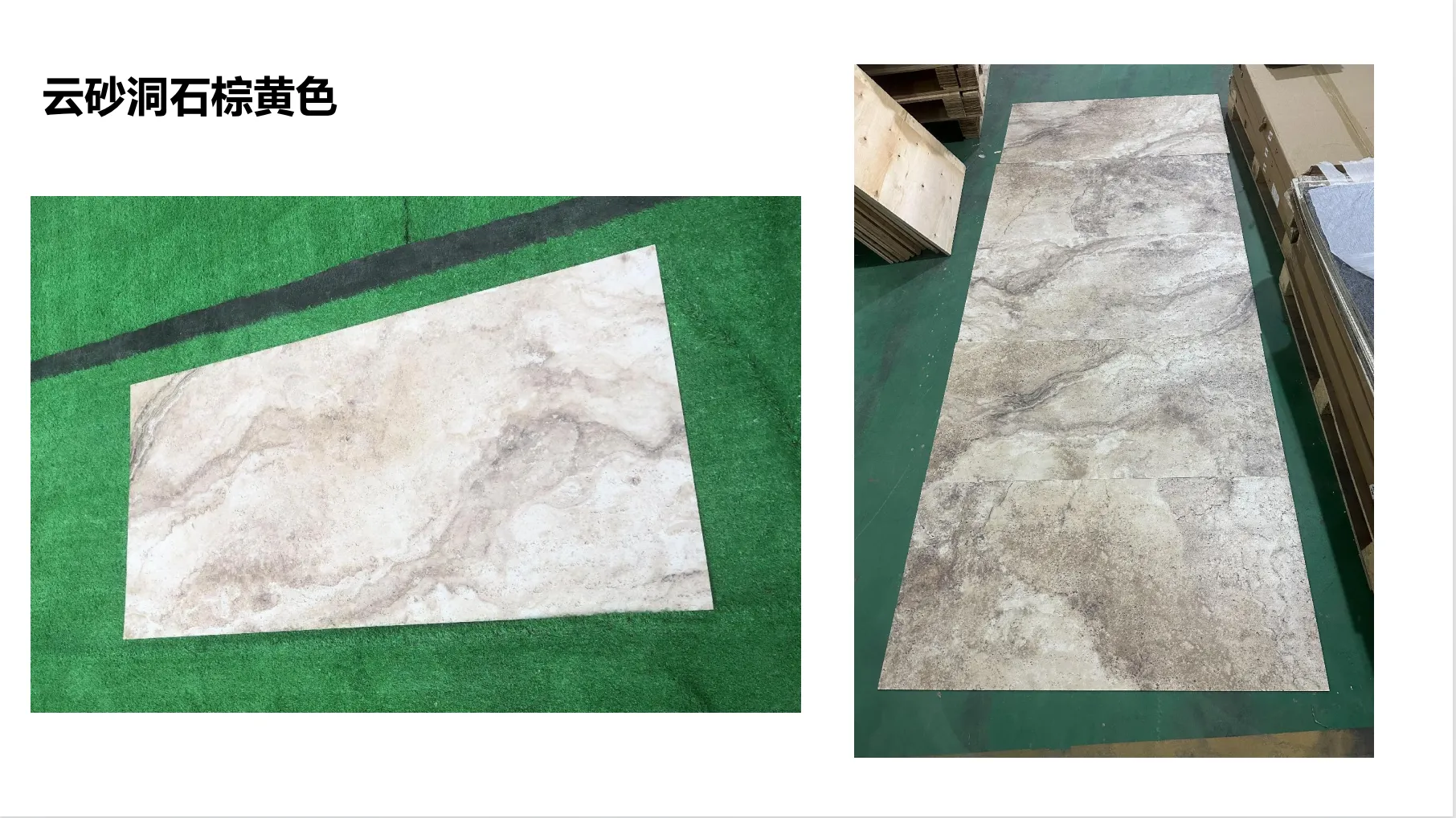
First, let's talk about the star of the show: dolomitic travertine (claybank). Unlike regular travertine, this variety gets its name from its high dolomite content, which gives it a denser, more resilient structure. The "claybank" hue? Think warm, earthy tones—soft terracottas and muted browns—that add a touch of organic warmth to even the most modern designs. It's not just pretty, though. This stone is built to withstand Saudi Arabia's harsh climate: scorching sun, sudden temperature drops, and the occasional sandstorm. Its low porosity means less water absorption, reducing the risk of cracking in dry conditions, while its natural texture provides grip, making it ideal for outdoor spaces like walkways and plazas.
But what really sets it apart is its versatility. Whether used as cladding for a sleek facade, flooring in a luxury hotel, or accent walls in a cultural center, dolomitic travertine (claybank) plays well with other materials. Pair it with fair-faced concrete for an industrial-modern vibe, or contrast it with MCM flexible stone for a dynamic, layered look—the possibilities are endless. No wonder developers are calling it "the chameleon of construction materials."
Saudi Arabia's mega-projects demand materials that can keep up with their grand visions. Take The Line, for example—a 170-kilometer vertical city with zero cars and a focus on sustainability. Here, every material choice is scrutinized for its environmental impact and long-term performance. Dolomitic travertine (claybank) checks both boxes. As a natural stone, it's inherently eco-friendly, and when sourced responsibly, it aligns with the green building materials initiatives that Saudi projects are increasingly prioritizing.
Architects also love its flexibility. Unlike rigid stone slabs, dolomitic travertine (claybank) can be cut into various sizes, including large formats that reduce installation time. This is a game-changer for projects on tight deadlines, like NEOM's tourism districts, where every day counts. Plus, its claybank color complements the region's desert landscapes, creating a sense of harmony between built and natural environments—a key design principle in Saudi's new urban developments.
So, where do you find top-quality dolomitic travertine (claybank)? The stone is quarried in select regions globally, with Italy, Turkey, and Iran leading production. Each source has its nuances: Italian quarries are known for premium, consistent quality, while Turkish suppliers often offer competitive pricing for large orders. Iranian dolomitic travertine, on the other hand, is prized for its unique veining patterns—perfect for projects aiming for a one-of-a-kind aesthetic.
But sourcing isn't just about picking a country. It's about building relationships with suppliers who understand Saudi standards. Look for certifications like ISO 9001 for quality management and ISO 14001 for environmental practices. A good supplier will also provide detailed geological reports, ensuring the stone's compressive strength (critical for high-rise facades) and color consistency (no one wants mismatched cladding panels). I once worked with a team that skipped this step and ended up with batches of dolomitic travertine that varied in hue—costing them weeks of rework. Lesson learned: due diligence pays off.
Getting dolomitic travertine (claybank) from a quarry in Italy to a construction site in NEOM is no small feat. Saudi Arabia's geography—vast deserts, remote project locations, and underdeveloped infrastructure in some areas—adds layers of complexity. Let's break down the main hurdles:
| Transport Mode | Typical Route | Cost | Transit Time | Best For | Key Challenges |
|---|---|---|---|---|---|
| Sea Freight | Quarry → European Port → Jeddah/Dammam → Truck to Site | Low | 4–6 weeks | Large bulk orders (e.g., MCM big slab board series) | Long lead times; risk of delays due to port congestion |
| Air Freight | Quarry → European Airport → Riyadh/Jeddah → Truck to Site | High | 3–5 days | Small, urgent shipments (e.g., custom-cut panels) | Cost-prohibitive for large orders; weight restrictions |
| Land Transport | Port → Project Site via Truck | Medium | 1–3 days (depending on distance) | Last-mile delivery to sites like NEOM or The Line | Sandstorms; road closures; weight limits for big slabs |
The good news? These challenges are manageable with the right strategy. Here's how to streamline your dolomitic travertine (claybank) logistics:
1. Partner with Local Logistics Experts: Saudi-based freight forwarders know the ins and outs of customs, road regulations, and weather patterns. They can arrange for bonded warehouses near ports, reducing storage costs, and coordinate with trusted trucking companies that have experience hauling heavy stone slabs. One expert I consulted mentioned, "We use GPS trackers on all our trucks heading to NEOM. If a sandstorm hits, we reroute immediately—no more guessing where your shipment is."
2. Optimize Packaging: To prevent breakage during transit, use reinforced wooden crates with foam padding. For MCM big slab board series (which are larger and more fragile), custom crates with shock-absorbing materials are worth the investment. Some suppliers even offer pre-loading services, where slabs are packed at the quarry to avoid damage during handling.
3. Plan for Seasonal Variations: Saudi's summer months (June–August) are tough for transport—avoid scheduling sea shipments that arrive during peak heat. Instead, aim for fall or spring, when temperatures are milder. For land transport, schedule deliveries during early mornings or evenings to avoid the worst heat.
4. Integrate with Other Materials: If your project uses multiple materials—say, dolomitic travertine (claybank) for facades and MCM flexible stone for accent walls—consolidate shipments. This reduces the number of deliveries and simplifies logistics. MCM flexible stone, for example, is lightweight and flexible, making it easier to stack and transport alongside heavier travertine slabs.
Saudi Arabia's Vision 2030 emphasizes sustainability, and mega-projects are racing to meet green building standards like LEED and Estidama. Dolomitic travertine (claybank) fits right in. As a natural material, it has a lower carbon footprint than synthetic alternatives like polished concrete. Plus, sourcing locally when possible (e.g., from Middle Eastern quarries) reduces transportation emissions.
But sustainability doesn't stop at the material itself. Look for logistics partners that use low-emission trucks or offer carbon offset programs. Some forwarders now use solar-powered warehouses, further reducing the environmental impact of storage. It's a small step, but when multiplied across thousands of projects, it adds up.
Sourcing dolomitic travertine (claybank) for Saudi mega-projects is a journey—one that requires patience, planning, and a willingness to adapt. But the rewards? A material that transforms buildings into works of art, withstands the test of time, and aligns with Saudi's vision for a sustainable future. Whether you're designing a luxury resort in Riyadh or a cultural center in NEOM, the right stone, sourced and transported with care, can turn a good project into a great one.
So, to all the architects, developers, and logistics pros out there: embrace the challenge. Dive into the details of quarries, certifications, and desert truck routes. Because when that first shipment of dolomitic travertine (claybank) arrives on site, and you see how its warm claybank hues catch the Saudi sun? You'll know it was worth every effort.
Recommend Products












