

Hey everyone! Let's talk about something super important in the world of construction and design: how well materials stand up to daily abuse, especially in places where people, well, really *go* a lot. Think bustling shopping malls, airport terminals, busy office lobbies, or even the pathways of our favorite public parks. These aren't just pretty spaces; they're workhorses that need to endure constant foot traffic, scuffs, scrapes, and the general wear and tear of life. That's where the concept of "Star Gravel" comes in – not just any gravel, but a metaphorical star performer in durability, designed specifically to shine under pressure. At COLORIA GROUP, we're all about making sure our materials don't just look good but also perform exceptionally, becoming that "Star Gravel" for any high-traffic area you can imagine. We're a true **one-stop solution provider** for all your architectural material needs, always pushing the boundaries of what's possible.
So, what exactly makes a material suitable for these demanding environments? It boils down to one critical characteristic: wear resistance. It's the material's ability to withstand erosion, abrasion, and friction without significant degradation. If a material can't handle the grind, literally, it'll quickly look shabby, need costly repairs, and ultimately fail to deliver on its promise. Our focus today is on understanding wear resistance, how we test for it, and why COLORIA GROUP's innovative MCM (Modified Cementitious Material) products are uniquely positioned to be the go-to choice for high-traffic applications.
Imagine a busy train station concourse. Hundreds, if not thousands, of people traverse it every hour. Each step, each dragging suitcase, each maintenance cleaning machine contributes to the slow but inevitable erosion of the flooring and wall surfaces. If the materials used aren't up to snuff, you'll see ugly scuff marks, worn-out patches, and an overall tired appearance way sooner than anyone wants. This isn't just an aesthetic problem; it can become a safety hazard with uneven surfaces, and it certainly adds up in terms of maintenance and replacement costs.
For architects, designers, and project managers, specifying materials with superior wear resistance isn't a luxury; it's a fundamental requirement. It directly impacts the longevity of the installation, the long-term operational costs, and the overall satisfaction of the building's occupants and owners. When we talk about high-traffic areas, we're really talking about places where functionality and durability are paramount, sometimes even more so than initial aesthetics, although with our products, you definitely get both! We provide **high-quality architectural materials** that stand the test of time, both visually and structurally.
Wear isn't just one thing; it's a complex phenomenon that can manifest in various forms. For building materials, especially those used for flooring and wall cladding, we primarily deal with abrasive wear and erosive wear.
To combat these, materials need to possess certain inherent properties. Hardness is often the first thing that comes to mind, and it's certainly crucial. A harder surface is generally more resistant to scratching and abrasion. However, it's not just about hardness. Other factors include:
This deep understanding of material science is precisely what drives our product development at COLORIA GROUP. We're not just making pretty panels; we're engineering solutions that address real-world challenges, especially in demanding environments.
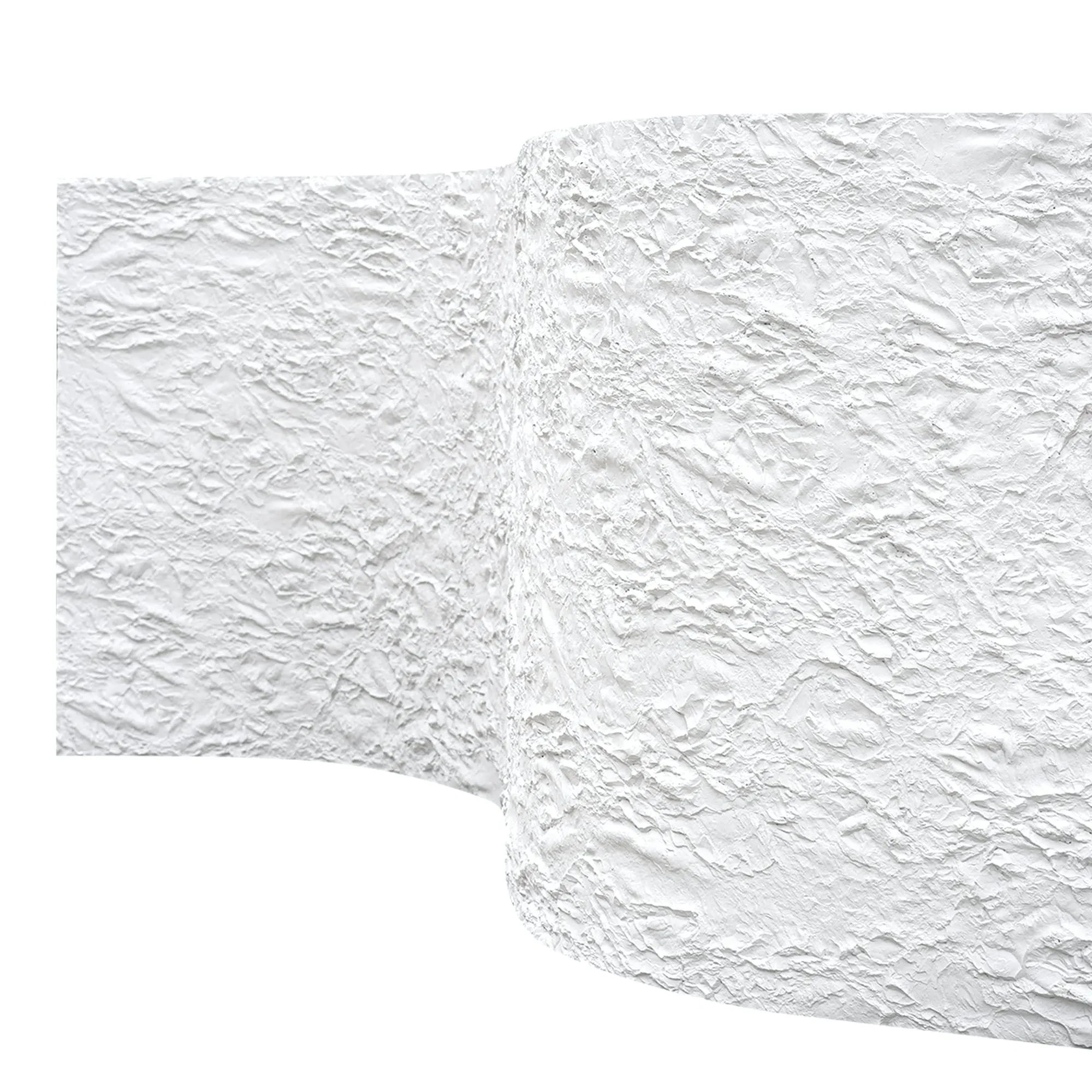
Alright, so how do we actually know if a material is tough enough to be a "Star Gravel" for those high-traffic areas? We don't just guess; we test it! Rigorous, standardized testing is absolutely crucial to quantify wear resistance and ensure that our products meet or exceed industry standards. These tests simulate the real-world conditions materials will face, but in a controlled and accelerated manner.
At COLORIA GROUP, we employ a range of testing methodologies to validate the durability of our **MCM (Modified Cementitious Material)** series. These tests are designed to mimic various types of wear and provide objective data on material performance.
| Test Method | Principle/Description | What It Measures | Relevance to High-Traffic Areas |
|---|---|---|---|
| Taber Abrasion Test (ASTM D4060 / ISO 9352) | A specimen is rotated on a turntable while being abraded by two abrasive wheels (e.g., Calibrase CS-10 or H-18) under a specified load. The weight loss after a certain number of cycles indicates wear. | Mass loss, number of cycles to reach a certain wear depth, or visual degradation. | Simulates general scuffing and rubbing from foot traffic, furniture movement, and cleaning equipment. |
| Falling Abrasive (Sand) Test (ASTM D968) | A controlled amount of abrasive (e.g., sand) falls from a specified height onto a coated or material surface, creating an abrasive jet. The amount of abrasive needed to expose the substrate or create a noticeable wear spot is measured. | Resistance to impact and abrasion from loose particles like sand or grit. | Excellent for evaluating resistance to gritty dirt tracked in from outside, especially in entrances. |
| Mar Resistance Test (e.g., Pencil Hardness Test, Erichsen) | Various methods to determine the material's resistance to superficial damage (marring) from sharp objects or pressure. Pencil hardness uses pencils of varying hardness to scratch the surface. | Surface scratch resistance, ability to maintain aesthetic integrity. | Important for maintaining the visual appeal of surfaces against accidental scratches from objects like keys, bags, or shoe buckles. |
| Water Abrasion Test (e.g., Wet Rub Abrasion) | A brushing or rubbing action is performed on the surface in the presence of water or a cleaning solution with an abrasive medium. | Resistance to wear during wet cleaning or in constantly damp environments with abrasive elements. | Crucial for areas like public restrooms, kitchens, or outdoor covered walkways where wet cleaning and traffic combine. |
| Impact Resistance Test (e.g., Falling Weight Test) | A specified weight is dropped from a certain height onto the material surface. The impact energy that causes visible damage or failure is recorded. | Resistance to sudden, concentrated force. | Relevant for protecting against accidental dropping of heavy objects, luggage impacts, or heavy cart traffic. |
By subjecting our products to these rigorous tests, we gather invaluable data. This data doesn't just sit in a lab; it directly informs our material composition, manufacturing processes, and quality control. It's how we confidently stand behind the durability claims for our MCM Big Slab Board Series and MCM Project Board Series, ensuring they perform as advertised, even in the most challenging applications. We believe that robust testing is the backbone of delivering truly **high-quality architectural materials**.
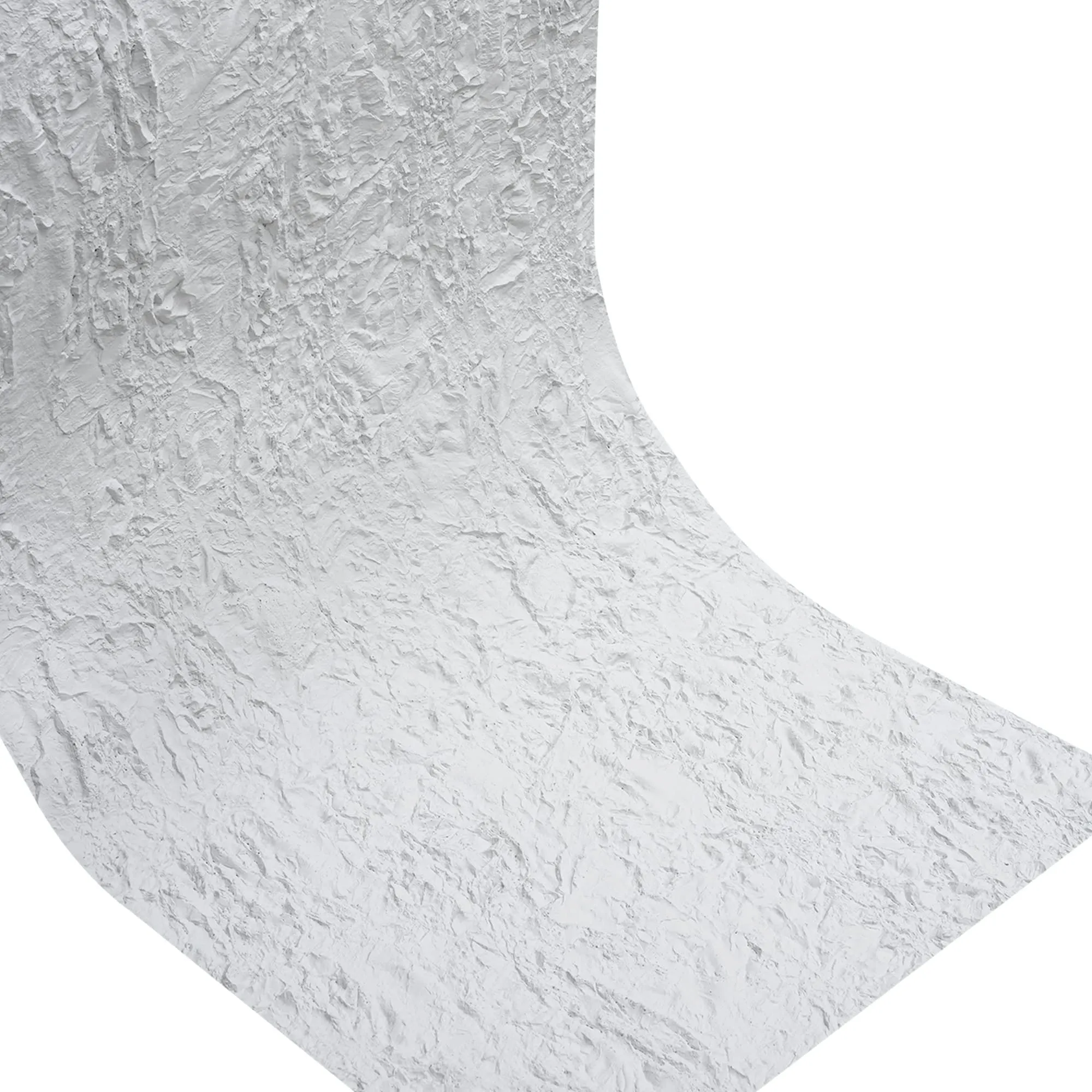
Now, let's get down to the real star of the show: our **MCM (Modified Cementitious Material)**. This isn't just another building material; it's a game-changer, especially when it comes to balancing aesthetics with unparalleled durability. We've poured decades of industry experience into developing this innovative series, making it ideal for both residential and commercial projects that demand resilience.
What makes MCM so special for high-traffic areas? It's all in the formulation and the unique properties it delivers. Essentially, MCM combines the best attributes of natural materials with advanced polymer science, creating a flexible, strong, and incredibly long-lasting product.
These properties make MCM an ideal candidate for virtually any high-traffic scenario, from the interiors of bustling commercial hubs to the exteriors of public buildings facing the elements.
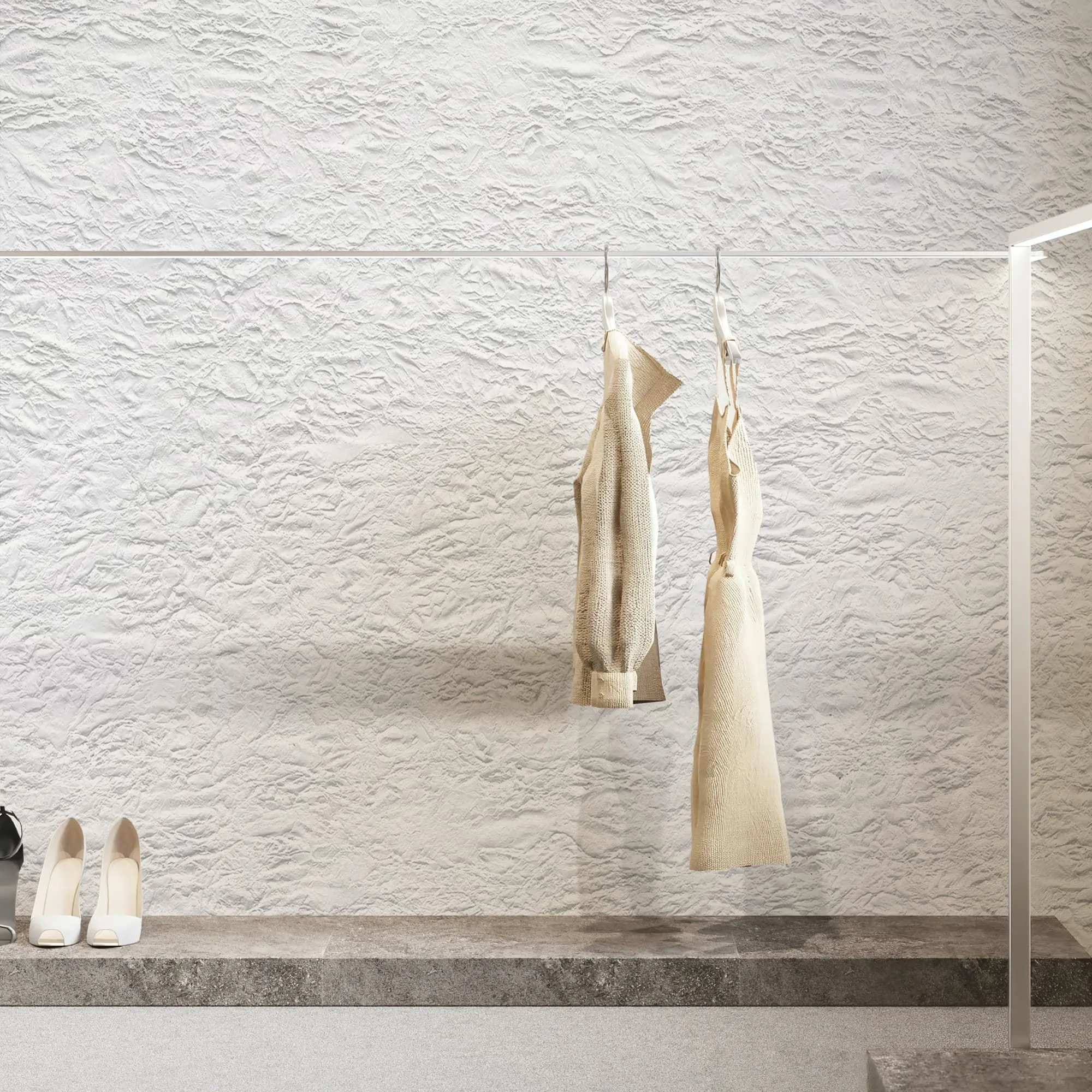
Let's dive into some practical examples where the wear resistance of our MCM products truly makes a difference. When you're looking for solutions for **interior and exterior decoration** that not only look fantastic but also perform under pressure, COLORIA GROUP has you covered.
Think about a premium retail store. The flooring needs to withstand thousands of footsteps, rolling carts, and display changes, all while looking immaculate. Our MCM Big Slab Board Series offers the aesthetic of natural stone or concrete but with far superior wear characteristics. Its large format minimizes grout lines, further enhancing durability and ease of cleaning. Similarly, in corporate lobbies, a durable yet elegant wall cladding is essential. Our MCM products provide that sophisticated look without the worry of scuffs and marks degrading the professional image.
Schools, hospitals, museums, and government buildings are designed for longevity and require materials that are not only durable but also safe, hygienic, and easy to maintain. Our MCM Project Board Series is specifically engineered for such large-scale applications, offering robust performance that withstands the rigors of public use while providing a cost-effective, long-term solution. The inherent properties of MCM mean less frequent replacement and lower cleaning costs, which is a huge win for public budgets.
"Choosing the right material for public spaces is about balancing initial investment with decades of performance. Our MCM products consistently deliver superior wear resistance, reducing lifecycle costs and ensuring a pristine environment for years."
It's not just interiors that see high traffic. Exterior facades, especially on ground levels in urban settings, are exposed to splashes, impacts, graffiti attempts, and environmental factors like sand and dust abrasion from wind. Our MCM products, particularly those like MCM Flexible Stone, are not only beautiful but also inherently tough. They are UV resistant, weather-proof, and their density helps them resist the physical wear from accidental impacts or even targeted vandalism attempts. Their flexibility also means they are less prone to cracking due to building movement or thermal expansion.
And let's not forget the environmental advantages. As a **green and eco-friendly** material, MCM is produced with a significantly lower carbon footprint compared to traditional ceramics or stone, requiring less energy and raw materials. This makes it an excellent choice for sustainable building projects that also need top-tier durability.
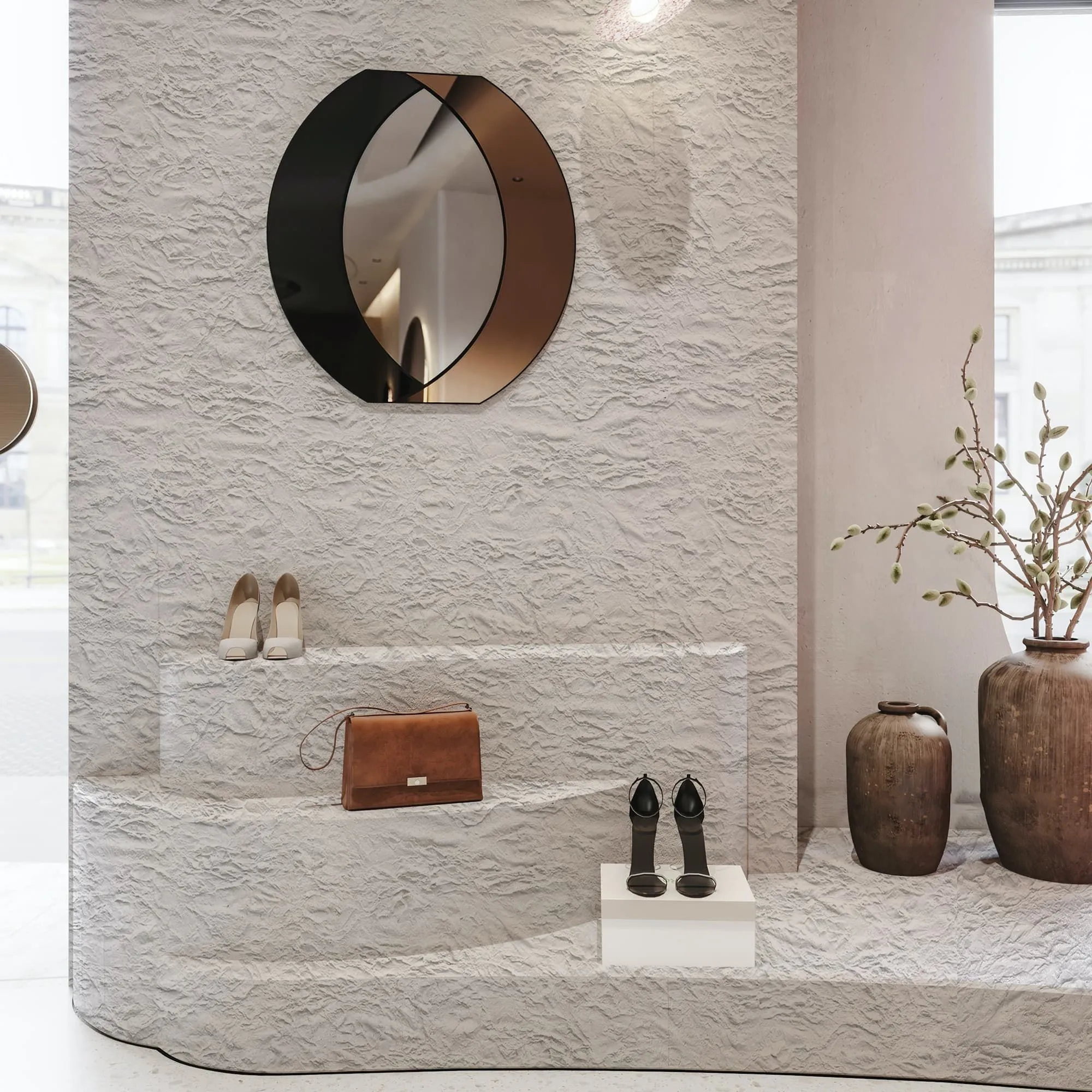
While wear resistance is our central theme, COLORIA GROUP knows that durability alone isn't enough. Modern architecture demands flexibility, aesthetic range, and the ability to realize unique visions. This is where our commitment to **customization** truly shines, allowing our clients to specify products that are not just tough, but also perfectly tailored to their project's aesthetic and functional needs.
Our MCM product lines, including the MCM 3D Printing Series, open up a world of possibilities. Imagine creating bespoke textures, intricate patterns, or even functional elements directly integrated into the material surface – all with the underlying strength of MCM. This means designers don't have to compromise on creativity for the sake of durability. They can have both, selecting from an extensive palette of colors, finishes, and textures that perfectly complement their design intent, all while resting assured that the material will hold up beautifully under high traffic.
Whether it's matching a specific brand color for a retail chain or developing a unique tactile surface for a museum, our ability to customize means we're not just selling off-the-shelf materials; we're partnering with you to bring your architectural dreams to life. This tailored approach is a cornerstone of being a comprehensive **one-stop solution provider**.
The world of architectural materials is constantly evolving. As demands for sustainable, high-performance, and aesthetically diverse solutions grow, so does our commitment to innovation. At COLORIA GROUP, we're not just keeping up with trends; we're actively shaping them. Our continuous research and development efforts are focused on enhancing the intrinsic properties of MCM, pushing the boundaries of wear resistance, aesthetic versatility, and environmental responsibility even further.
Our established global presence, particularly with our agency in Saudi Arabia, allows us to understand and respond to diverse market needs and environmental conditions. This global perspective fuels our innovation, ensuring that our "Star Gravel" solutions are not only locally relevant but also universally applicable and reliable.
The journey to finding the perfect material for high-traffic areas can be daunting. With so many options out there, how do you choose? Our answer is always rooted in proven performance, verifiable data, and a deep understanding of material science. By focusing on rigorous testing, innovative formulations like our **MCM (Modified Cementitious Material)**, and a dedication to quality, COLORIA GROUP aims to simplify that choice for you.
We invite you to explore the possibilities that our MCM series offers. Whether your project is residential or commercial, interior or exterior, demanding the highest levels of durability or the most intricate **customization**, we have a solution that will not just meet your expectations but exceed them. Let us help you build spaces that aren't just beautiful but also built to last, truly embodying the spirit of "Star Gravel" – enduring performance that shines brightly for years to come.
Choosing COLORIA GROUP means choosing a partner with decades of experience, a commitment to cutting-edge technology, and a passion for delivering **high-quality architectural materials** that truly perform. We're here to help you navigate the complexities of material selection, ensuring your projects are not only aesthetically pleasing but also exceptionally resilient against the relentless march of time and traffic. It's about building legacies, one durable, beautiful surface at a time.
Recommend Products











