

In today's fast-paced corporate world, a building is more than just a structure of bricks and mortar; it's a statement. It's the first impression you make on a client, a tangible representation of your brand's values, and the daily environment that shapes your team's culture and productivity. So, what happens when that statement starts to feel outdated, inefficient, and uninspiring? This was the exact dilemma faced by the management of the Star Gravel corporate headquarters, a prominent but aging office building in a bustling commercial district. Their story, however, isn't one of decline, but of a spectacular rebirth. It's a narrative about how visionary leadership, combined with cutting-edge material science, can transform a liability into a landmark.
This deep-dive case study explores the journey of the Star Gravel office building from a weathered relic of a past era to a gleaming icon of modern, sustainable architecture. We'll unpack the challenges they faced, the solutions they explored, and the pivotal role that COLORIA GROUP played as a one-stop solution provider. We will see how a strategic selection of innovative materials not only solved complex technical problems but also unlocked a new level of aesthetic excellence and corporate identity. This is the story of a transformation, powered by vision and enabled by the revolutionary potential of Modified Cementitious Material (MCM).
Before its transformation, the Star Gravel building was, to put it kindly, a product of its time. The facade, composed of precast concrete panels and small, inefficient windows, projected an image that was more imposing than inviting. Decades of exposure to sun, rain, and pollution had taken their toll. The once-uniform color had become a mottled patchwork of stains and discoloration. Hairline cracks were beginning to spiderweb across the surface, hinting at deeper issues and raising concerns about long-term water ingress and structural integrity.
"We looked at our building one day and realized it didn't reflect who we were anymore," a senior manager at Star Gravel recalled. "We're a forward-thinking, dynamic company, but our headquarters looked tired and static. It was impacting morale and, frankly, it was becoming an embarrassment during client visits."
The problems were not just skin-deep. The building's operational performance was a significant drain on resources. The old facade offered minimal thermal insulation, leading to skyrocketing energy bills as the HVAC system worked overtime to combat the heat in the summer and the cold in the winter. Maintenance was a constant, costly battle, involving cyclical high-pressure cleaning, patching, and repainting that provided only temporary relief. The building was "leaking" money, energy, and brand prestige.
The Star Gravel leadership team knew a simple paint job wouldn't suffice. They needed a comprehensive overhaul. After several strategic sessions, they defined a clear set of ambitious goals for the renovation project:
With their goals clearly defined, Star Gravel's project team began the daunting task of finding the right materials and the right partner. Their initial explorations led them down the conventional path. They considered massive natural stone panels, but the weight would require costly and disruptive structural reinforcement of the existing building. They looked at aluminum composite panels, but worried about achieving the natural, sophisticated texture they desired and had concerns about potential long-term delamination. Traditional stucco or exterior insulation and finish systems (EIFS) were also evaluated, but the team felt they lacked the premium feel and durability required for a flagship headquarters.
It was during this frustrating search that they were introduced to COLORIA GROUP. From the first meeting, it was clear this was a different kind of conversation. Instead of just selling a product, the COLORIA GROUP team engaged as consultants. They listened intently to the challenges and aspirations of the Star Gravel project. They didn't just present a catalog; they started a dialogue about possibilities. As a dedicated one-stop solution provider, COLORIA GROUP brought decades of global experience to the table, particularly with large-scale commercial projects requiring a blend of aesthetics, performance, and practicality.
The core of COLORIA GROUP's proposed solution was its revolutionary MCM (Modified Cementitious Material) product line. The Star Gravel team was initially unfamiliar with the technology, but quickly grasped its immense potential. MCM isn't just another building material; it's a paradigm shift.
At its heart, MCM is a technologically advanced composite material made from natural mineral powders (like soil, sand, and stone powder) and a water-soluble polymer, formed through a low-temperature baking process. The result is a material that is incredibly versatile. It can be made to look and feel like natural stone, wood, brick, or leather, but without the associated drawbacks. It's lightweight, thin, flexible, and breathable. Crucially for the Star Gravel project, it is also exceptionally durable, fire-resistant (Class A), and environmentally friendly, with a low-carbon footprint throughout its lifecycle. This was the "aha!" moment the project team had been searching for—a single material technology that could address all their core objectives.
Armed with the versatile power of MCM, the design phase became an exercise in creative problem-solving. COLORIA GROUP worked hand-in-hand with Star Gravel's architects to develop a multi-layered facade strategy, selecting specific products from the MCM family to suit different architectural and functional needs. This wasn't a one-size-fits-all approach; it was a bespoke solution.
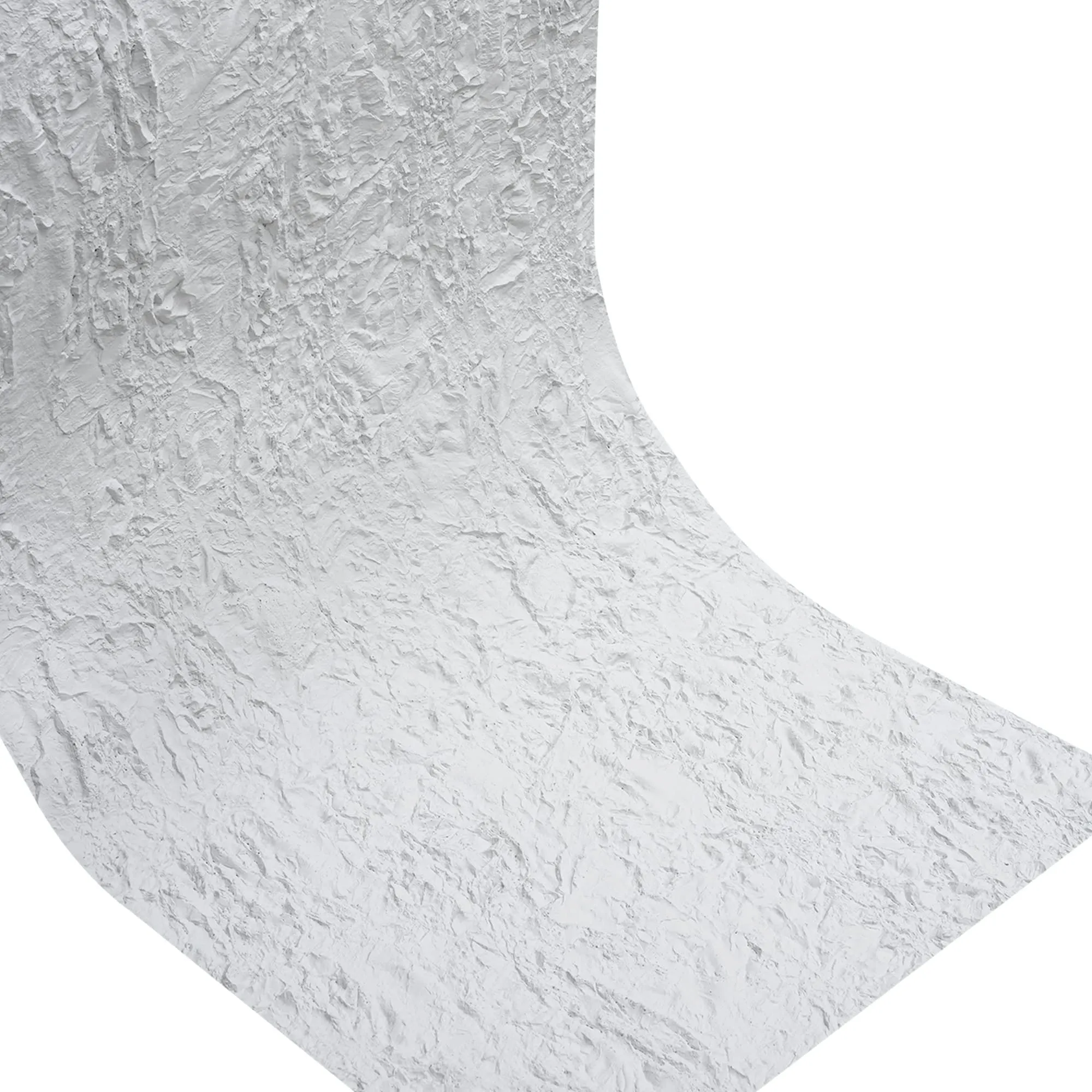
For the vast, primary surfaces of the building, the vision was one of seamless, monolithic elegance. The goal was to eliminate the busy, grid-like appearance of the old concrete panels and create a smooth, sophisticated canvas. The perfect solution was COLORIA GROUP's **MCM Big Slab Board Series**. These large-format panels, available in sizes up to 1200x2400mm, were a revelation. Their sheer scale dramatically reduces the number of joints, creating an expansive and visually uninterrupted surface that exudes modern luxury.
A custom "Star Gravel Gray" color was developed, with a subtle, sand-honed texture that beautifully catches the light throughout the day, shifting from a soft matte in the morning to a gentle sheen in the afternoon sun. The lightweight nature of the MCM Big Slab Board Series meant it could be installed directly over a new insulation layer on the existing structure without requiring any additional foundational work, saving immense time and money.
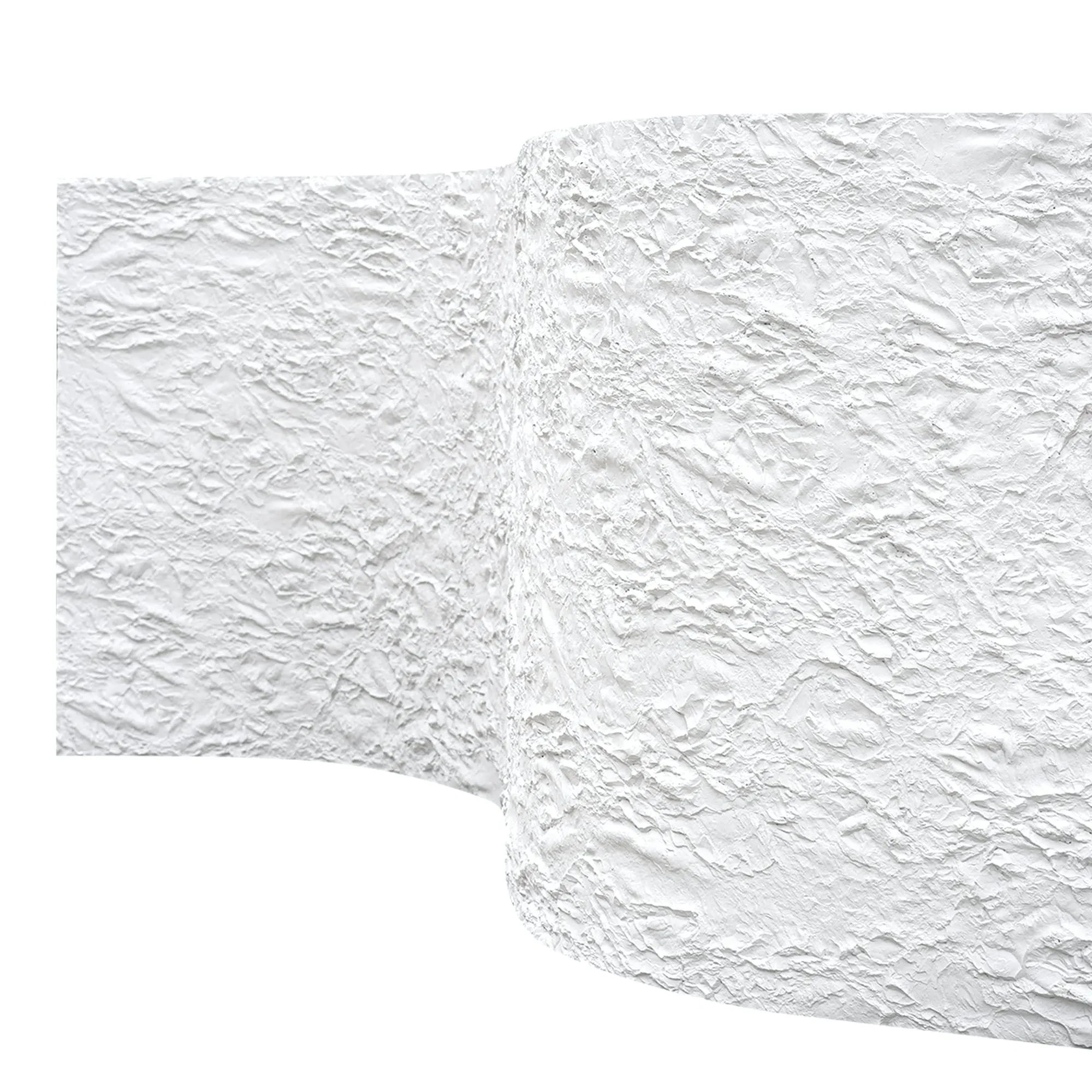
The building's design included several challenging features, such as large, curved entrance columns and intricate window returns, that would be a nightmare to clad with traditional rigid materials. This is where the unique properties of **MCM Flexible Stone** truly shone. This remarkable material has the authentic look and texture of split-face travertine or slate but is as flexible as a thick sheet of leather.
Workers could easily wrap the MCM Flexible Stone around the massive columns, achieving a perfect, seamless curve that would be impossible with natural stone. It was used to create detailed, textured accents around the window bays and entrance canopy, adding a layer of visual richness and tactile quality that contrasted beautifully with the smooth finish of the main slabs. The ability to cut it with a simple utility knife on-site meant that complex shapes and fits were handled with ease, dramatically reducing waste and installation time.
For the lower levels of the building, including the podium, loading bays, and areas with high pedestrian traffic, a more robust and cost-effective solution was required. The design team selected the **MCM Project Board Series**. This series is engineered for maximum durability and impact resistance while maintaining a consistent aesthetic with the rest of the building. It offers the same core benefits of MCM technology—lightweight, weather-resistant, and eco-friendly—but is value-engineered for large-scale applications where performance is the absolute top priority. This allowed the project to allocate more budget to the highly visible feature areas while ensuring that even the most utilitarian parts of the building were clad in a high-quality, long-lasting material.
To fully appreciate the decision, it's helpful to see a direct comparison of the materials considered for the project's curved columns.
| Attribute | MCM Flexible Stone (Chosen) | Natural Stone Panels | Glass Fiber Reinforced Concrete (GFRC) |
|---|---|---|---|
| Weight | Extremely Light (approx. 4-6 kg/m²) | Extremely Heavy (approx. 80-120 kg/m²) | Heavy (approx. 40-60 kg/m²) |
| Flexibility | Highly flexible, can wrap a 20cm radius | Zero flexibility, must be pre-cut | Custom molded, but no on-site flexibility |
| Installation Complexity | Low. Applied with special adhesive, easily cut on-site. | Very High. Requires heavy machinery, mechanical fixing, specialized labor. | High. Requires cranes and complex mounting systems. |
| Structural Impact | Minimal to none. Can be applied to existing structures. | Major. Often requires structural reinforcement. | Significant. Requires strong anchoring points. |
| Waste & On-site Work | Very low waste, minimal dust. | High risk of breakage, significant cutting dust. | Low on-site waste, but no modification possible. |
| Eco-Footprint | Low energy production, made from recycled materials. | High energy for quarrying and transport. | High energy consumption (cement production). |
The installation phase of the Star Gravel project was a testament to the efficiency promised by the MCM system and the expertise of COLORIA GROUP. Because the materials were so lightweight, the need for heavy cranes and large staging areas was drastically reduced. The facade was installed by smaller, more agile crews, minimizing noise, dust, and disruption to the building's occupants.
The process was systematic. First, a new layer of exterior insulation was attached to the old facade, immediately boosting the building's thermal performance. Then, the COLORIA GROUP-specified adhesive was troweled onto the insulation. The MCM panels and flexible sheets were then simply pressed into place, like applying a giant, high-tech tile. The process was significantly faster than traditional mechanical-fix systems. On-site adjustments were made with simple hand tools, eliminating the noise and silica dust associated with cutting stone or concrete.
"The speed and cleanliness of the installation were unbelievable," commented the project's construction manager. "We were covering hundreds of square meters a day. What would have taken six months with traditional stone, we completed in under three. The COLORIA GROUP technical team was on-site with us, ensuring everything went smoothly. It was a true partnership."
The day the final scaffolding came down was a milestone moment. The Star Gravel building was completely transformed. Gone was the tired, dated concrete box. In its place stood a sleek, modern, and sophisticated structure that commanded attention. The large, smooth planes of the MCM Big Slab Board Series gave it a commanding presence, while the textured details of the MCM Flexible Stone on the columns and entryways added depth and a touch of organic warmth. The building now looked like it belonged in the 21st century.
The success of the project can be measured against its initial goals, all of which were not just met, but exceeded.
| Project Goal | Before Transformation | After Transformation with COLORIA GROUP MCM |
|---|---|---|
| Aesthetic | Dated, stained, uninspiring | Modern, sleek, premium, and sophisticated |
| Energy Consumption | High due to poor insulation | Reduced by an estimated 35% annually |
| Maintenance Costs | High, requiring frequent cleaning and repairs | Drastically reduced; MCM is self-cleaning and highly durable |
| Brand Perception | Stagnant, old-fashioned | Innovative, forward-thinking, quality-focused |
| Property Value | Standard for its age | Significantly increased, now a landmark property |
The feedback from employees was overwhelmingly positive, with many expressing a renewed sense of pride in their workplace. Clients were visibly impressed, the new headquarters now serving as a powerful sales tool in its own right. The Star Gravel project has become a celebrated example of successful architectural rejuvenation in the city, a testament to the power of thoughtful design and material innovation.
The Star Gravel office building transformation is more than just a successful construction project; it is a powerful case study in the future of architecture. It demonstrates that you don't need to demolish and rebuild to create a modern, high-performance, and sustainable building. It proves that with the right partner and the right materials, the potential locked within our existing building stock can be unleashed.
COLORIA GROUP, with its one-stop solution approach and its innovative family of MCM products, was the catalyst for this change. By providing materials that are at once beautiful, durable, versatile, and environmentally responsible, we are empowering architects, developers, and building owners to rethink what's possible. The Star Gravel project stands as a proud testament to our mission: to provide the materials that shape a better, more beautiful, and more sustainable built environment for generations to come.
Recommend Products











