

In today's world, where energy efficiency and sustainable living are more than just buzzwords – they're necessities – the choice of building materials has never been more critical. Every decision, from the foundation to the finishing touches, contributes significantly to a building's long-term performance, comfort, and environmental footprint. Among the myriad of factors influencing this choice, thermal conductivity stands out as a paramount consideration. It dictates how effectively a material resists or allows heat transfer, directly impacting a building's heating and cooling demands.
For centuries, brick has been a cornerstone of construction, revered for its durability, classic aesthetic, and structural integrity. It's a material deeply ingrained in our architectural heritage, evoking a sense of permanence and tradition. However, as technology advances and our understanding of material science deepens, innovative alternatives are emerging that challenge the status quo, offering superior performance in crucial areas like thermal efficiency.
Enter Star Gravel. This isn't just another building material; it represents a leap forward, embodying the latest advancements in Modified Cementitious Material (MCM) technology. Developed by COLORIA GROUP, a leader in providing one-stop solutions for architectural materials, Star Gravel is designed not only to meet but to exceed modern construction demands, especially when it comes to energy performance. It leverages cutting-edge processes to create a material that is not only visually stunning but also boasts exceptional functional properties.
This comprehensive guide dives deep into a direct comparison: Star Gravel versus traditional brick, with a laser focus on their thermal conductivity. We'll explore why this property matters so much, dissect the thermal characteristics of each material, and ultimately, demonstrate why Star Gravel, with its foundation in advanced MCM technology, is paving the way for more energy-efficient and sustainable buildings. Whether you're an architect, a developer, a contractor, or a homeowner embarking on a new project, understanding these differences is crucial for making informed choices that benefit both your wallet and the planet.
Before we pit Star Gravel against brick, let's get cozy with the concept of thermal conductivity itself. In simple terms, thermal conductivity (often denoted by the symbol 'k' or 'λ') is a material's ability to conduct heat. Think of it as how easily heat can pass through something.
In the context of building envelopes (walls, roofs, floors), low thermal conductivity is generally a desirable trait. Why? Because it means your building can maintain a stable interior temperature more effectively. In winter, it keeps the expensive warmth inside; in summer, it keeps the scorching heat outside. This translates directly into:
While thermal conductivity (k-value) describes the material itself, in construction, we often talk about R-value and U-value, which describe the thermal performance of an entire assembly or component.
For our comparison, we'll primarily focus on the intrinsic thermal conductivity of the materials, understanding that this directly influences the overall R-value and U-value of any wall system they are part of.
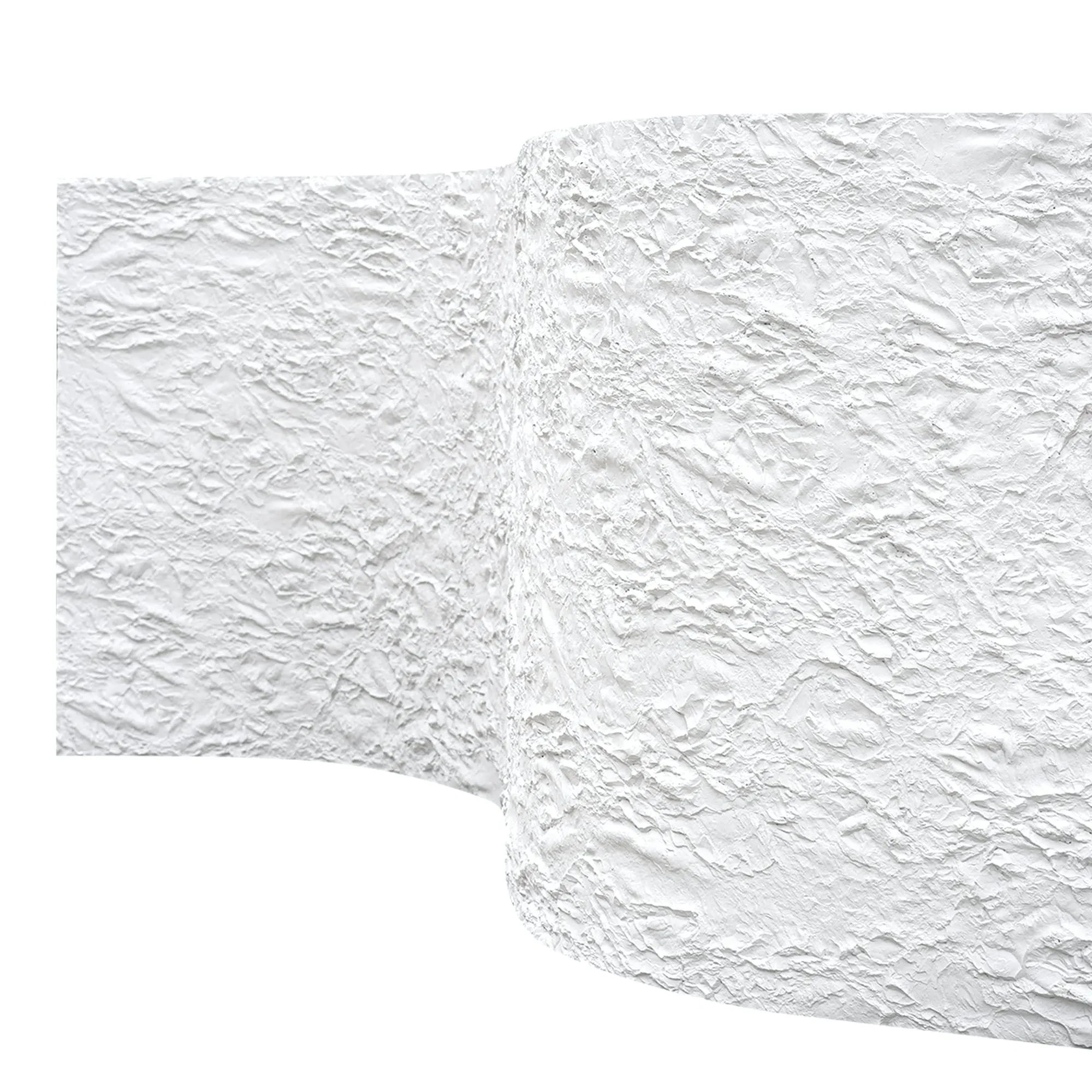
Brick, in its various forms (clay brick, concrete brick), has been a construction staple for millennia. It's admired for its robust nature, fire resistance, sound-dampening qualities, and a timeless aesthetic that can range from rustic charm to modern sophistication. But how does it fare in the thermal efficiency department?
Traditional solid clay brick typically has a thermal conductivity (k-value) ranging from 0.5 to 1.0 W/m·K , depending on its density, moisture content, and manufacturing process. To put this into perspective, remember that lower numbers are better for insulation.
While brick offers structural benefits and a classic look, its inherent thermal conductivity means that a solid brick wall, on its own, is not a stellar insulator.
In essence, while brick has its merits, its thermal properties, particularly its moderate to high thermal conductivity, often necessitate compensatory measures to meet contemporary energy performance benchmarks.
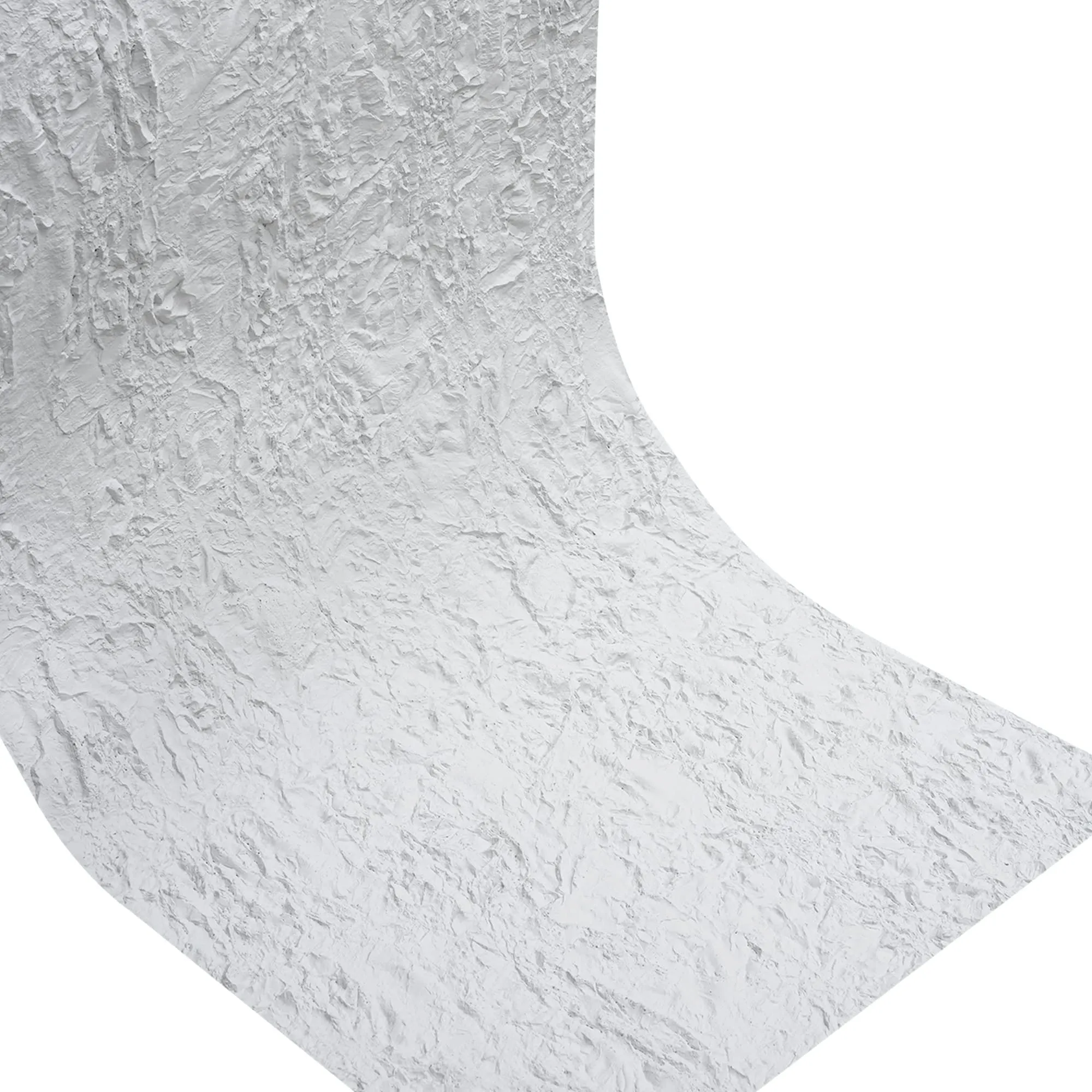
Now, let's turn our attention to Star Gravel, a revolutionary product born from COLORIA GROUP's expertise in MCM (Modified Cementitious Material) technology. Star Gravel isn't just an alternative; it's an evolution, designed to address the inherent limitations of traditional materials while offering unparalleled aesthetic versatility and performance.
MCM, or Modified Cementitious Material, is at the heart of Star Gravel. It's a groundbreaking material science innovation that redefines what building surfaces can be. Unlike traditional materials, MCM is not merely a mixture; it's a meticulously engineered composite that integrates natural aggregates, mineral powders, and polymer binders in a unique, low-temperature curing process. This process allows for the creation of incredibly thin, flexible, and durable sheets that can mimic the look and feel of a vast array of natural materials – from stone and wood to leather and fabric – without the environmental drawbacks or performance limitations.
COLORIA GROUP excels in this field, offering a range of MCM products like the MCM Big Slab Board Series , MCM Project Board Series , and even MCM 3D Printing Series . Star Gravel specifically draws inspiration from the beauty of natural stone and gravel, combined with the practicality and efficiency of MCM. Think of it as a flexible stone product, but with enhanced thermal properties.
Star Gravel's composition is key to its superior performance. It typically consists of:
The manufacturing process is also critical. It involves very low energy consumption compared to traditional high-temperature firing of bricks or quarrying of natural stone. This not only makes Star Gravel an eco-conscious choice but also allows for precise control over the material's internal structure, which directly impacts its thermal performance.
Here's where Star Gravel truly shines. Due to its engineered composition and manufacturing process, MCM materials generally exhibit significantly lower thermal conductivity compared to traditional brick. The k-value for MCM materials, including Star Gravel, can range from 0.1 to 0.4 W/m·K .
While thermal performance is a key differentiator, Star Gravel offers a host of other benefits that make it an attractive choice for modern construction:
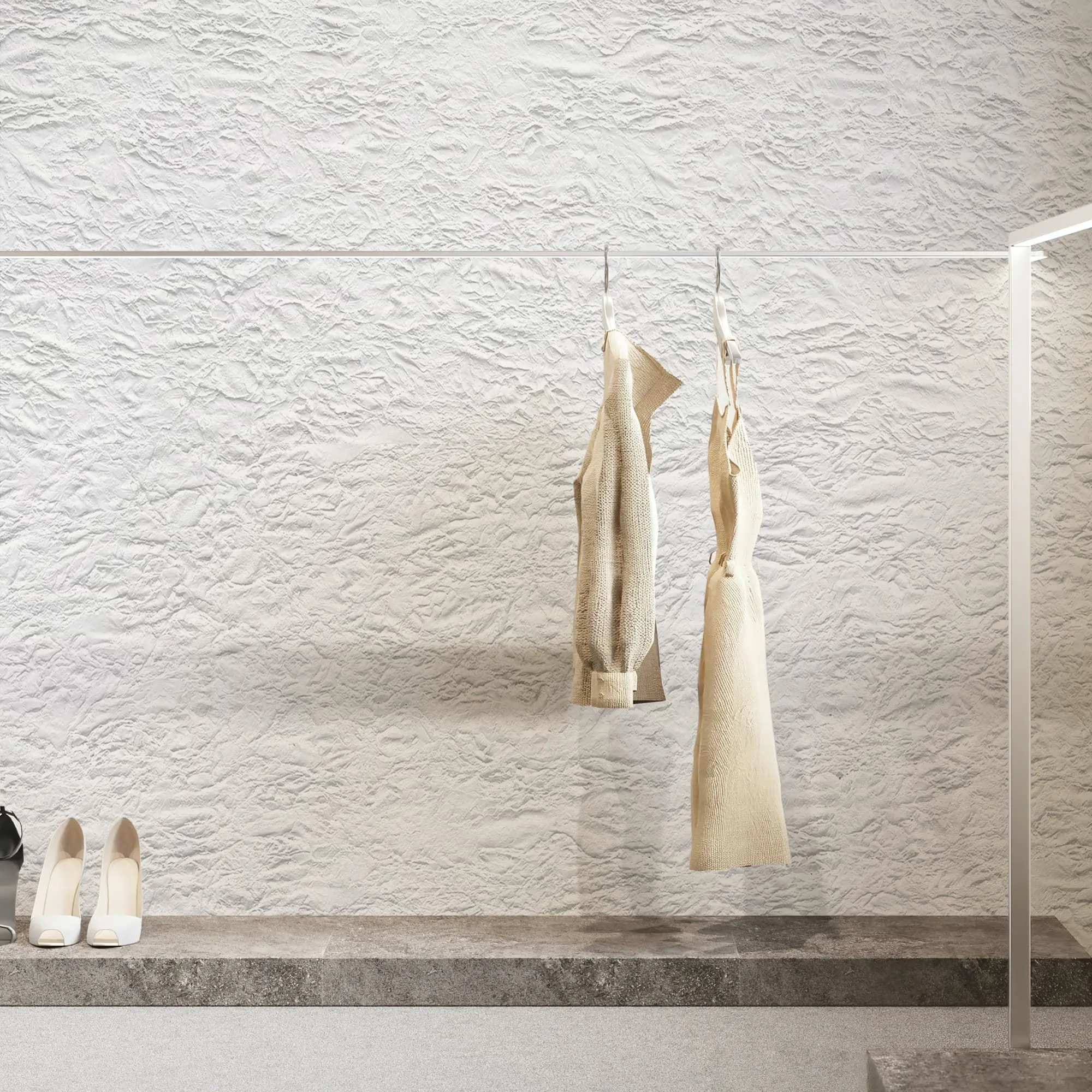
Let's consolidate our findings and directly compare Star Gravel and traditional brick, focusing on their thermal conductivity and its broader implications for building performance.
| Feature | Traditional Brick (Solid Clay) | Star Gravel (MCM) |
|---|---|---|
| Thermal Conductivity (k-value) | ~0.5 to 1.0 W/m·K (higher is less insulating) | ~0.1 to 0.4 W/m·K (lower is more insulating) |
| Insulating Capability | Moderate to poor; requires substantial supplementary insulation to meet modern standards. | Excellent inherent insulating properties due to engineered composition. |
| Thermal Mass Effect | High thermal mass can store and release heat slowly, beneficial in specific climates, but can also lead to delayed heat transfer. | Low thermal mass; allows insulation layers to work more efficiently without absorbing and reradiating heat. Primarily functions as a decorative and protective skin. |
| Weight | Very heavy, requiring robust structural support and increasing transportation costs. | Extremely lightweight (typically 1/6th the weight of brick), reducing structural load and transport expenses. |
| Installation | Labor-intensive, time-consuming masonry work. | Faster and simpler adhesive-based installation, significantly reducing labor and project timelines. |
| Aesthetic Versatility | Classic, traditional look; limited range of colors and textures. Customization often means special order bricks. | Vast range of finishes, textures (including flexible stone and various natural looks), and colors, with high potential for customization . Can mimic brick, stone, wood, and more. |
| Environmental Impact | Energy-intensive manufacturing (high-temperature firing), use of natural resources (clay). | Low-energy manufacturing, reduced raw material consumption, often using recycled or natural mineral content, minimal waste, highly environmental friendly . |
| Durability | Very durable, but susceptible to efflorescence, freeze-thaw cycles if poorly maintained, and impact damage. | Excellent resistance to UV, weathering, impact, and chemical corrosion; flexible and crack-resistant. |
| Overall Energy Efficiency | Requires significant supplementary insulation layers to meet modern energy standards. | Inherently contributes to a highly energy-efficient building envelope, potentially reducing the need for excessively thick insulation. |
The data clearly indicates that Star Gravel, with its superior thermal conductivity profile, offers a distinct advantage in creating energy-efficient buildings. This isn't just about a number on a specification sheet; it translates into tangible benefits over the lifetime of a building:
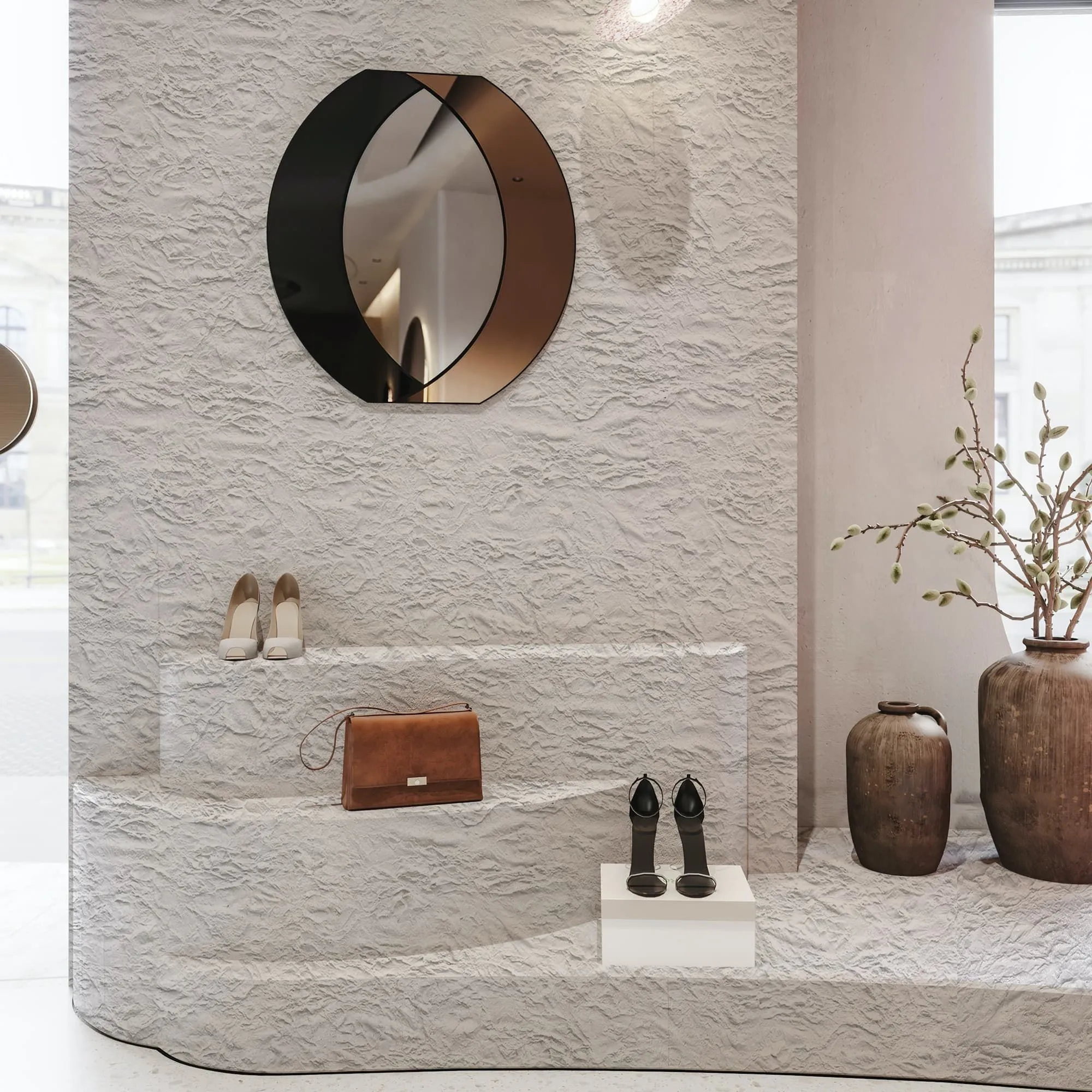
While thermal conductivity is our primary focus, it's essential to consider the broader context of material selection. A truly superior building material integrates seamlessly into the overall design and construction process, offering benefits across multiple fronts. Star Gravel, as a product of advanced MCM technology, excels here too.
One of the most exciting aspects of Star Gravel is its incredible design flexibility. Where traditional brick offers a relatively uniform appearance, Star Gravel can be customized to achieve virtually any aesthetic.
The efficiency gains offered by Star Gravel extend far beyond its thermal performance, impacting the entire construction lifecycle.
COLORIA GROUP is committed to providing environmental friendly solutions, and Star Gravel is a testament to this commitment. Its green credentials are a significant factor in its growing appeal.
By choosing Star Gravel, projects can contribute positively to LEED certifications and other green building standards, demonstrating a clear commitment to sustainability.
As a one-stop solution provider , COLORIA GROUP doesn't just offer innovative materials like Star Gravel; we provide a complete ecosystem of support for your residential and commercial projects. Our decades of experience in the architectural materials sector, coupled with a global reach and local presence (such as our agency in Saudi Arabia), mean we understand the unique challenges and opportunities of diverse markets.
Our commitment extends from the initial consultation and design phase, where our experts can help you leverage the full potential of customization with Star Gravel and other MCM products, through to logistics and technical support during installation. We ensure that our materials not only meet the highest quality standards but also integrate seamlessly into your project's workflow.
We believe that the future of construction lies in intelligent, high-performance materials that offer both aesthetic beauty and practical benefits. Star Gravel, rooted in our advanced MCM technology , is a prime example of this philosophy, setting new benchmarks for thermal efficiency, design versatility, and environmental friendliness .
The comparison between Star Gravel and traditional brick, particularly concerning thermal conductivity , reveals a clear trajectory in modern building material science. While brick holds a venerable place in history, Star Gravel, powered by COLORIA GROUP's cutting-edge MCM technology , represents the progressive choice for future-forward construction.
Star Gravel's significantly lower thermal conductivity translates directly into superior energy performance, leading to substantial reductions in heating and cooling demands. This, in turn, means lower operational costs, enhanced indoor comfort, and a dramatically reduced environmental footprint for any building.
But the advantages don't stop there. With its lightweight nature, ease of installation, vast customization options (mimicking everything from rich natural textures to sleek modern finishes, including the essence of flexible stone ), and unwavering commitment to being environmentally friendly , Star Gravel offers a holistic solution that benefits architects, developers, contractors, and building occupants alike.
Choosing building materials is no longer just about aesthetics or initial cost; it's about investing in long-term performance, sustainability, and the well-being of our planet. By selecting Star Gravel, you're not just choosing a facade material; you're choosing a smarter, more efficient, and more sustainable future for your project. Join us in building structures that are as responsible as they are beautiful.
For advanced architectural materials and one-stop solutions that truly make a difference, explore what COLORIA GROUP has to offer.
Recommend Products











