

Embarking on a new construction or renovation project is an exciting journey. Whether it's a sleek commercial facade, a cozy family home, or a sprawling residential complex, one of the most critical decisions you'll make revolves around materials. The surfaces you choose—your walls, your floors, your building's exterior—don't just define the aesthetic; they determine the durability, maintenance, and long-term value of your investment.
For decades, two major players have dominated the conversation: Ceramic Tiles and, more recently, what we'll refer to as "Star Gravel" finishes. On one hand, you have ceramic tiles—the tried-and-true workhorse of the industry. They're familiar, available everywhere, and promise a certain level of performance. On the other hand, you have aggregate finishes like Star Gravel, which offer a textured, seamless look that can feel more modern and organic.
The choice seems straightforward, a simple trade-off between tradition and texture. But is it really? What if both options come with significant, often overlooked, compromises? What if the perfect material isn't about choosing between the two, but about transcending them entirely? In this comprehensive guide, we'll dive deep into the pros and cons of ceramic tiles and star gravel. More importantly, we'll introduce a revolutionary third option that is changing the game for architects, builders, and homeowners worldwide.
You can't talk about building materials without giving ceramic tiles their due respect. From ancient Roman baths to modern subway stations, they have proven their worth time and time again. They are, for many, the default choice, and it's easy to see why.
While the benefits are clear, anyone who has ever lived with or installed tile knows that the story doesn't end there. There's a dark side to tile that we often ignore until it's too late.
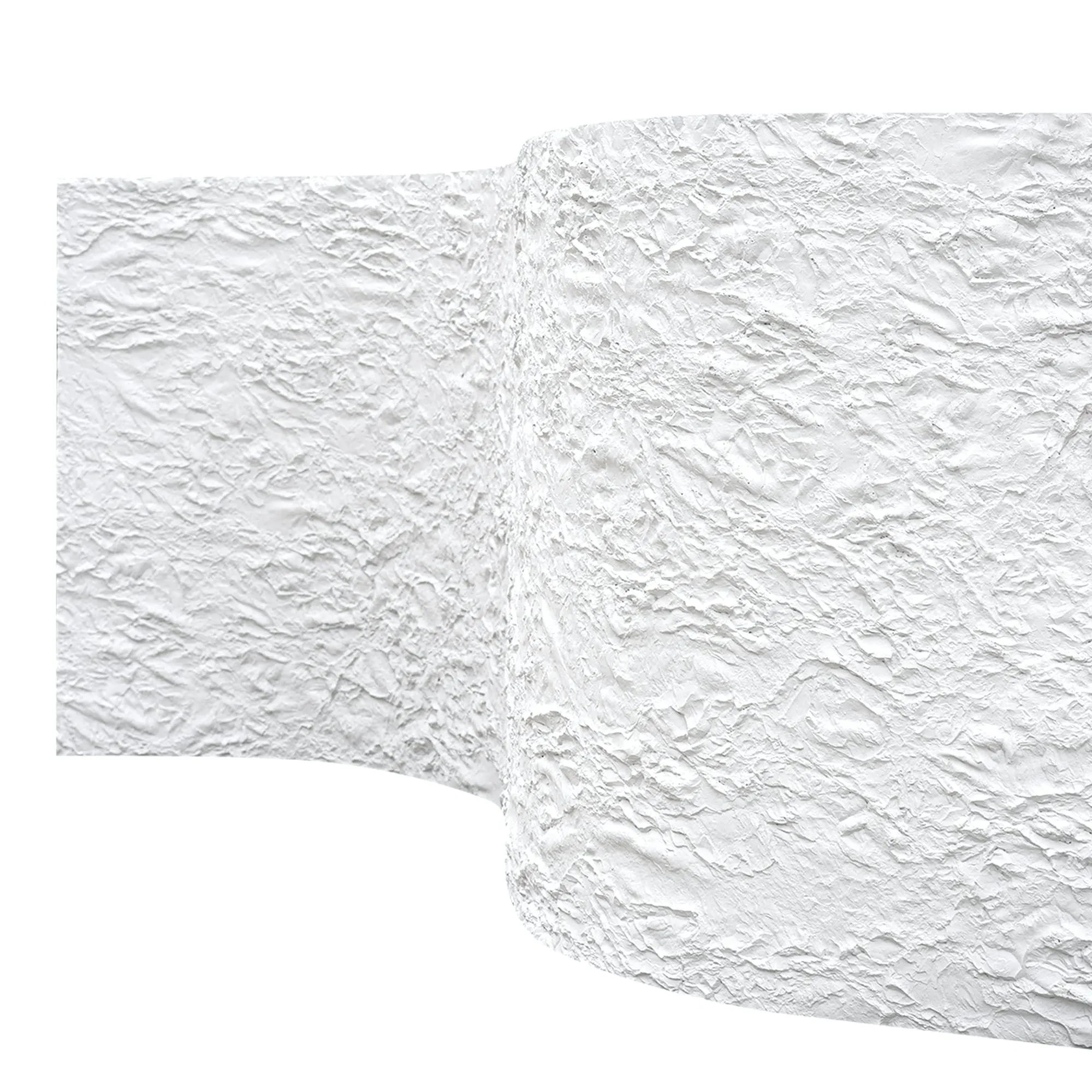
Frustration with the limitations of tile, especially the ever-present grout lines, led to the rise of alternative finishes. "Star Gravel" is a catch-all term for surfacing systems that use small, decorative stones (aggregates) bound in a matrix, typically a clear epoxy resin or a specialized cementitious binder. These are troweled onto a surface to create a seamless, textured finish.
While beautiful in theory, aggregate finishes come with their own set of significant, and often costly, practical challenges. The performance is highly variable and depends almost entirely on perfect application.
So, we're left with a difficult choice: the rigid, heavy, grout-plagued world of tiles, or the beautiful but often unreliable and hard-to-maintain world of aggregate finishes. But what if you didn't have to choose? What if there was a material that offered the durability of tile, the seamless aesthetic of custom finishes, and added benefits that neither can provide?
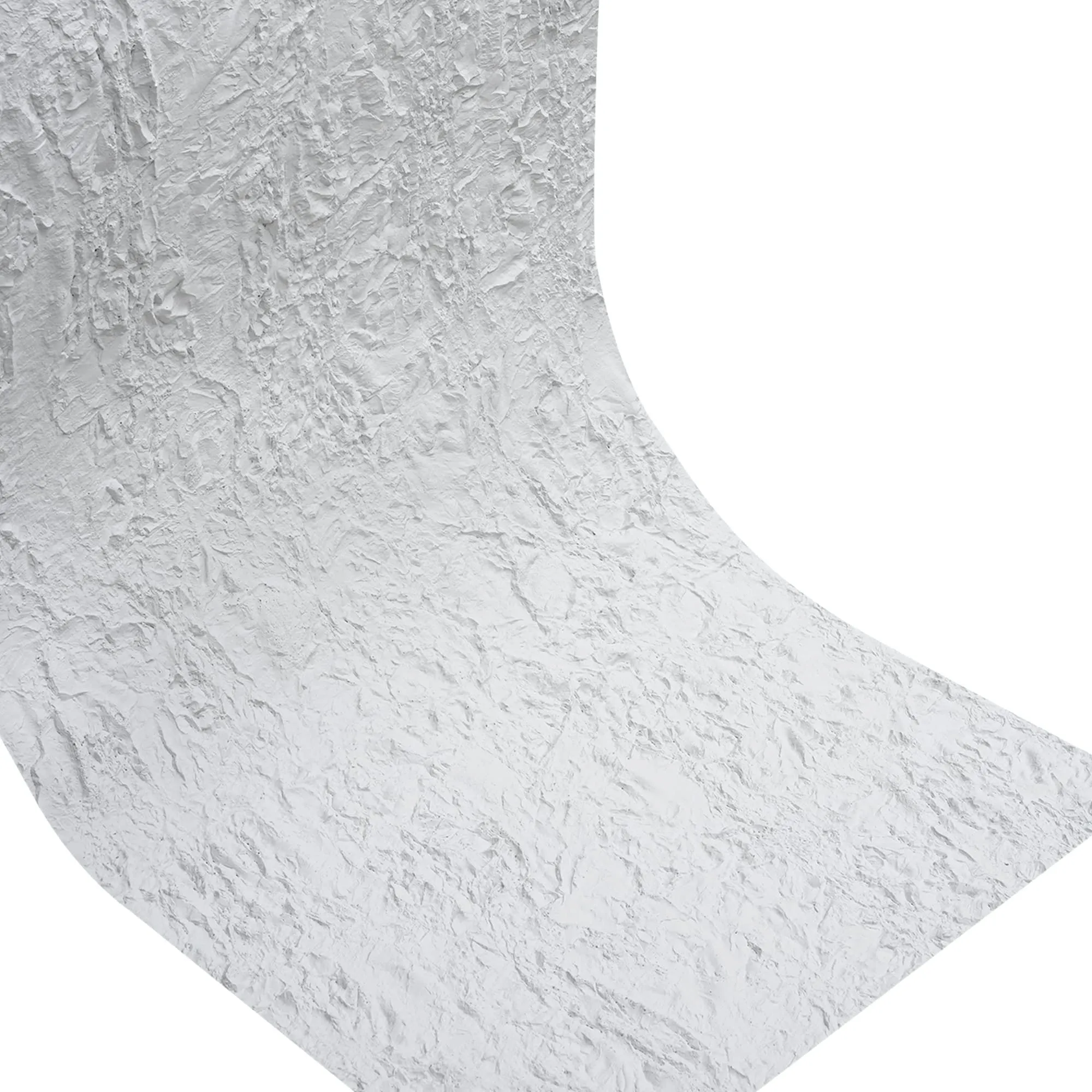
This is where the true innovation begins. At COLORIA GROUP, we believe that the future of building materials lies in solving these age-old problems. That's why we've dedicated ourselves to perfecting a groundbreaking material: Modified Cementitious Material, or MCM. It's not just a new product; it's a whole new category of surface material that offers the best of all worlds.
In simple terms, MCM is an advanced, flexible composite material made primarily from natural soil, cement powders and other raw minerals. Through a unique, low-temperature firing process, we transform these basic elements into a material that is incredibly versatile, durable, and lightweight. It's the ultimate problem-solver for architects and designers who are tired of compromise.
Let's break down how MCM, specifically product lines like our MCM Flexible Stone and MCM Big Slab Board Series , directly addresses the flaws of traditional materials.
Flexibility Where It Counts: Remember the problem of rigid tiles on curved surfaces? Our MCM Flexible Stone solves this completely. This material is thin, lightweight, and pliable enough to wrap smoothly around columns, convex and concave walls, and architectural arches. It allows for a continuous stone or textured finish where it was previously impossible, opening up a universe of design possibilities that rigid tiles could never accommodate.
Large Formats Without the Weight: Everyone loves the high-end, monolithic look of large slabs, but traditional large-format ceramic or stone is incredibly heavy, fragile to transport, and requires a team of specialists to install. Our MCM Big Slab Board Series delivers that same stunning, large-panel aesthetic with minimal seams, but at a fraction of the weight. This drastically reduces the structural load on the building, cuts down on shipping costs, and makes installation faster, safer, and more economical. One or two workers can easily handle a large panel that would be unthinkable with porcelain.
Consistent, Factory-Made Quality: Unlike on-site mixed aggregate finishes, MCM products are manufactured under strict factory-controlled conditions. This ensures absolute consistency in color, texture, and performance from one panel to the next. You get the reliable, predictable quality your project demands, eliminating the risks associated with on-site variables and installer error.
Durable, Breathable, and Easy to Maintain: The surface of MCM is non-porous and robust, resisting stains and impacts. It's far easier to clean than rough aggregate textures, often requiring just a simple wipe-down. Crucially, the material itself is "breathable," allowing water vapor to pass through. This prevents moisture from getting trapped within the wall structure, reducing the risk of mold, mildew, and long-term structural damage—a key advantage for both interior and exterior walls.
Truly Custom and Forward-Thinking Design: Beyond mimicking stone and wood, our technology allows for unparalleled customization. The MCM 3D Printing Series, for example, lets architects and designers create completely bespoke textures, patterns, and reliefs. We can replicate the look of leather, woven fabric, or abstract geometric designs, turning a simple wall into a work of art. This level of customization simply isn't available with traditional mass-produced materials.
A Commitment to Sustainability: In today's world, the environmental impact of building materials is a critical concern. This is where MCM truly shines. The production process uses significantly less energy than the high-temperature firing required for ceramics. It primarily uses natural, and often locally sourced, raw materials. This focus on green manufacturing makes MCM one of the most compelling **eco-friendly building materials** on the market, helping projects achieve sustainability goals without sacrificing performance or beauty.
| Feature | Ceramic Tiles | "Star Gravel" Finishes | COLORIA MCM Products |
|---|---|---|---|
| Flexibility | None. Rigid and flat. | Applied to curves, but can be difficult. | Excellent. Can wrap around columns and curves (e.g., MCM Flexible Stone ). |
| Weight | Very heavy. High structural load. | Moderate to heavy. | Extremely lightweight. Reduces structural load and transport costs. |
| Installation | Slow, messy, requires skilled labor and perfect subfloor. | Highly skill-dependent, sensitive to weather conditions. | Fast, clean, and simple. Adheres to various substrates. Less labor required. |
| Seams/Joints | Grout lines are required; a major point of failure and maintenance. | Seamless, but prone to cracking if substrate moves. | Large formats with minimal, easily concealed joints for a near-seamless look. |
| Maintenance | Tile surface is easy to clean, but grout is very difficult. | Very difficult to clean due to rough texture. Traps dirt. | Easy to clean, non-porous surface. Resists stains and mold. |
| Repairability | Difficult. Replacing a single tile is a major task. | Nearly impossible to patch without being noticeable. | Damaged panels or sections can be cut out and replaced easily. |
| Design Options | Vast array of colors and patterns, but limited by rigid form. | Custom aggregate blends, but limited to a granular texture. | Limitless textures (stone, wood, 3D prints), colors, and large formats. |
| Eco-Friendliness | High-energy production process. | Often uses petroleum-based resins. Variable. | Low-energy process, uses natural materials. A leading choice for **eco-friendly building materials**. |
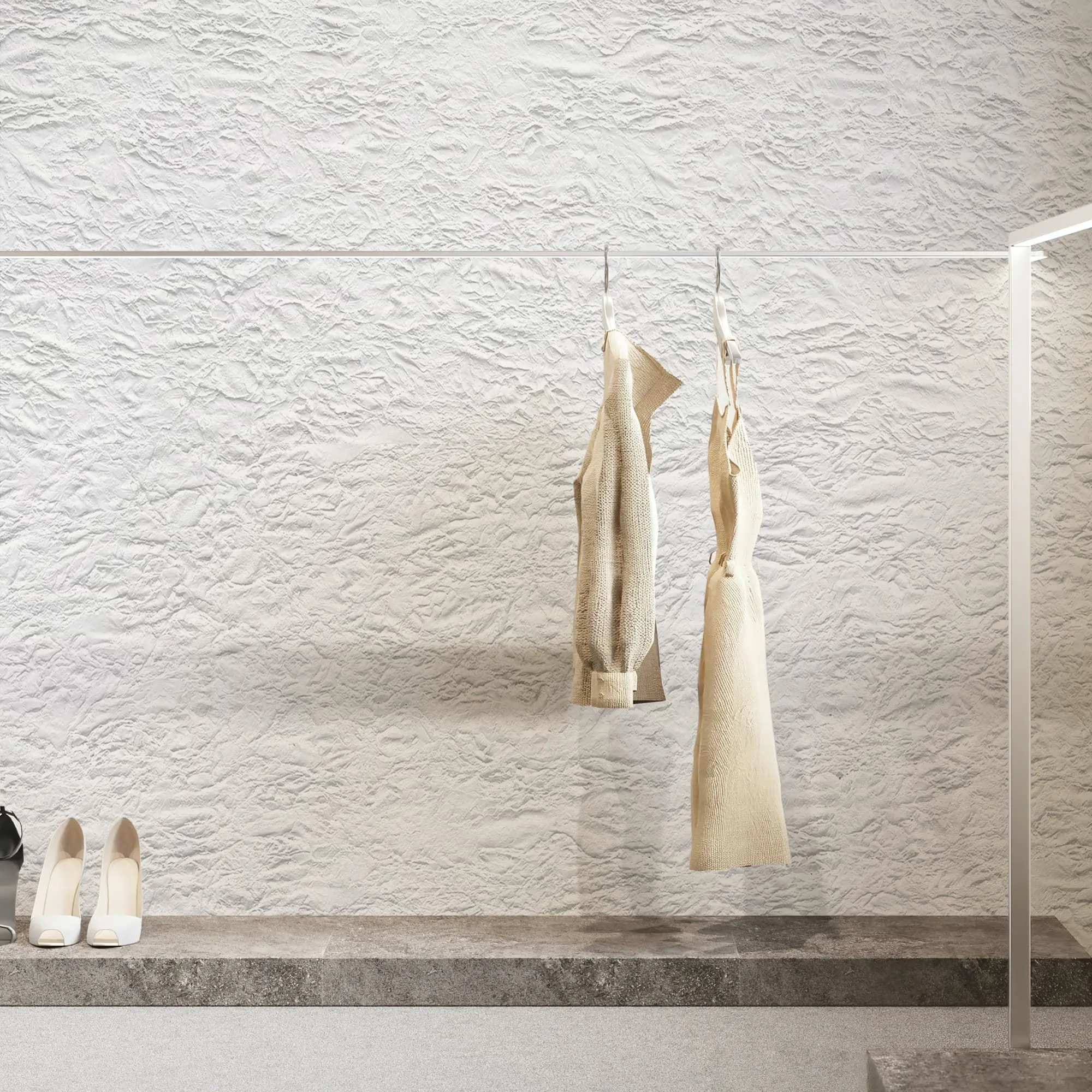
So, Star Gravel vs. Ceramic Tiles: which is better? As we've seen, the real answer is that both represent a dated approach to surface design, each with fundamental compromises that modern projects no longer need to accept. Ceramic tiles offer durability but at the cost of weight, rigidity, and the dreaded grout line. Aggregate finishes promise a seamless look but deliver a host of potential issues with installation, maintenance, and long-term durability.
The choice for the forward-thinking builder, architect, or designer is clear. It's time to move beyond the old debate and embrace a solution that syntesizes the best attributes of both, while adding a host of new benefits. COLORIA GROUP's MCM product lines—from the versatile MCM Flexible Stone to the grand MCM Big Slab Board Series —represent this evolution.
By choosing MCM, you're not just selecting a wall or floor covering. You are choosing design freedom, installation efficiency, long-term performance, and a genuine commitment to sustainability. You are choosing a material that is lighter, more flexible, more customizable, and smarter than anything that has come before. For your next project, don't settle for a compromise. Choose the future of building materials.
Recommend Products











