

In the dynamic world of architecture and construction, selecting the right material is paramount. It's not just about aesthetics; it's about performance, durability, ease of installation, and ultimately, the long-term value and sustainability of a project. Today, we're diving deep into a comparison that often sparks debate among specifiers and builders: the traditional yet robust "Star Gravel" versus the more modern and versatile "Composite Panels." While these two categories represent distinct approaches to building envelopes and structural elements, understanding their fundamental differences in strength and weight is crucial for making informed decisions. But as we explore these, we'll also introduce a revolutionary contender that's reshaping expectations in the industry: COLORIA GROUP's cutting-edge MCM materials (Modified Cementitious Material) series, offering unique advantages that often surpass conventional options.
When we talk about "Star Gravel," we're generally referring to a class of aggregates or engineered gravel systems known for their exceptional hardness, angularity, and interlocking capabilities. These materials are often derived from crushed igneous or metamorphic rocks like granite, basalt, or quartzite, meticulously processed to achieve specific sizes and shapes. Historically, such gravel has been a cornerstone in civil engineering and construction, forming the backbone of roads, foundations, and drainage systems. Its inherent properties lend themselves to applications where compressive strength, stability, and load-bearing capacity are critical.
The strength of Star Gravel largely comes from two main factors: the intrinsic hardness of the parent rock and the mechanical interlock created by its angular particles. When compacted, these angular fragments key into one another, distributing loads efficiently and resisting shear forces. This makes them incredibly stable under heavy pressure, preventing displacement and maintaining structural integrity over time. In terms of weight, gravel is inherently dense. Depending on the mineral composition, its bulk density can range significantly, but it's generally considered a heavy material, especially when used in large volumes. This weight contributes to its stability but also poses challenges in terms of transportation, handling, and the overall dead load imposed on a structure.
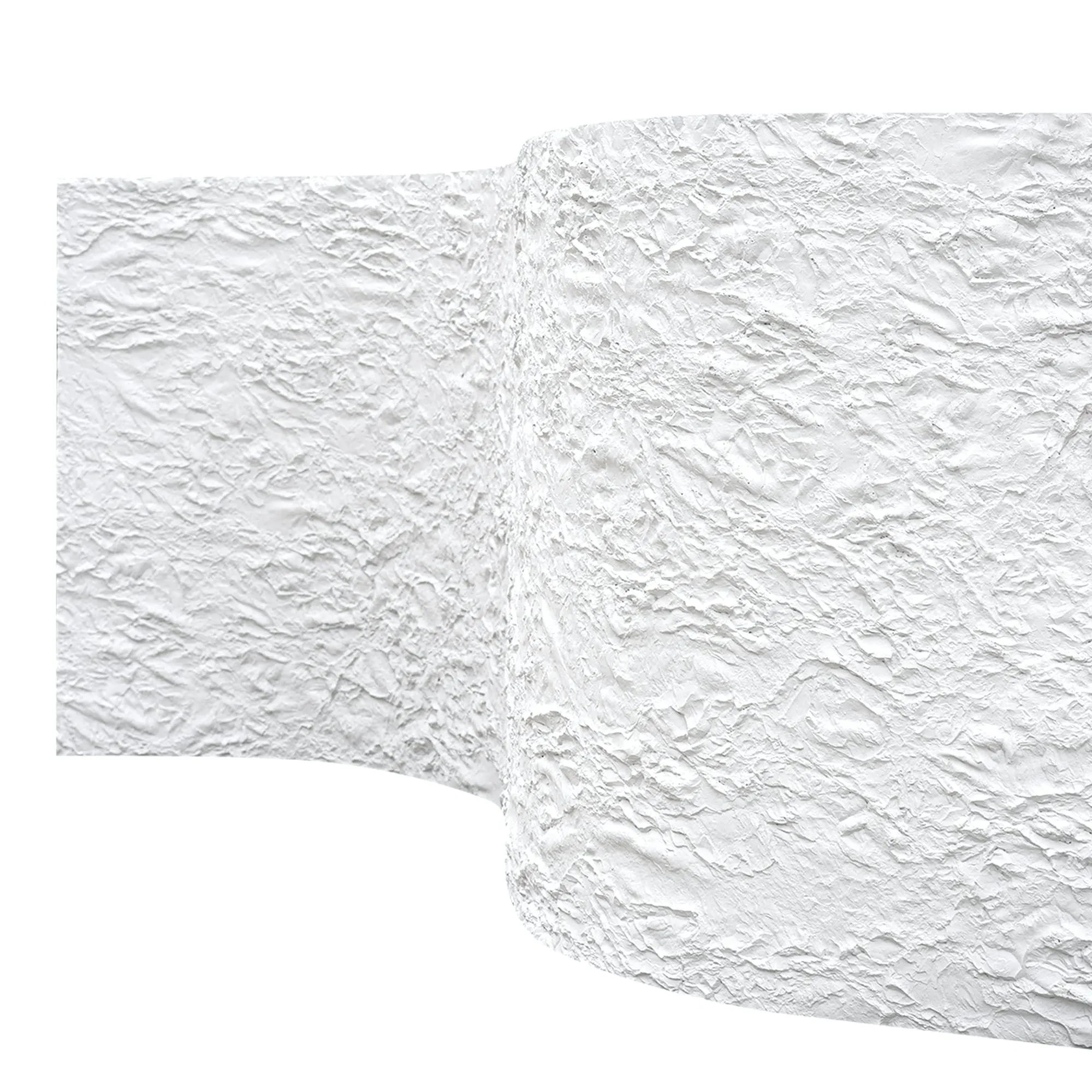
Moving to the other side of the spectrum, "Composite Panels" represent a broad category of engineered materials designed to optimize specific properties by combining different components. These panels typically consist of two thin, strong facings (e.g., aluminum, steel, fiberglass, or even specialized plastics) bonded to a lightweight core material (e.g., polyethylene, mineral filler, honeycomb structures, or foam). The magic of composite panels lies in this sandwich structure, where the strong skins resist bending and shear, while the core maintains the distance between the skins, providing stiffness and often thermal or acoustic insulation.
The strength of composite panels is remarkable for their weight. The principle is similar to an I-beam: material is concentrated at the surfaces where stresses are highest, while the core efficiently carries shear loads and prevents buckling of the skins. This design allows for high flexural rigidity and impact resistance at a fraction of the weight of a solid material offering similar performance. Weight is, in fact, one of their primary advantages. By using lightweight cores, composite panels can significantly reduce the overall dead load on a building, leading to savings in structural framing, foundations, and transportation. This lightweight nature also simplifies installation, often requiring less heavy machinery and fewer personnel.
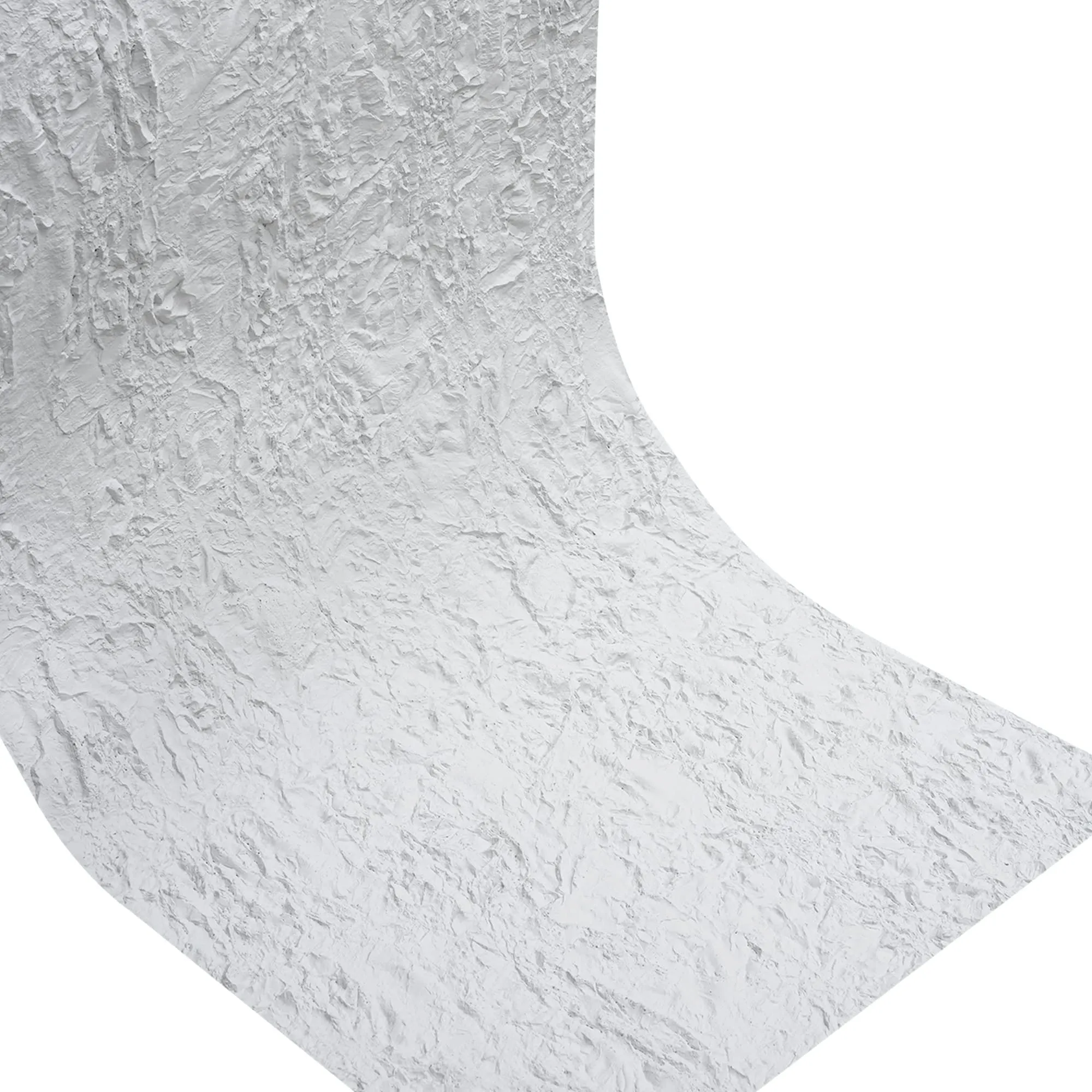
Let's pit these two material philosophies against each other directly on their strength and weight attributes. It's important to remember that they serve different primary purposes, so a direct "winner" is often application-dependent.
To provide a clearer picture, here's a comparative table:
| Feature | Star Gravel | Composite Panels |
|---|---|---|
| Primary Strength Type | High Compressive Strength | High Flexural Strength and Stiffness |
| Weight/Density | Very High (dense, heavy) | Very Low (lightweight, high strength-to-weight ratio) |
| Typical Applications | Foundations, road bases, drainage, concrete aggregate | Exterior cladding, interior walls, signage, decorative elements |
| Installation Complexity | Requires heavy machinery for moving/spreading; compaction critical | Easier handling due to light weight; requires skilled fabrication and fastening |
| Aesthetic Versatility | Limited (natural aggregate look) | Extremely high (vast range of colors, finishes, textures) |
| Thermal/Acoustic Properties | Minimal (primarily mass for sound dampening) | Often good (depending on core material) |
| Sustainability Concerns | Resource extraction, heavy transport footprint | Recyclability of components, energy in production (varies) |
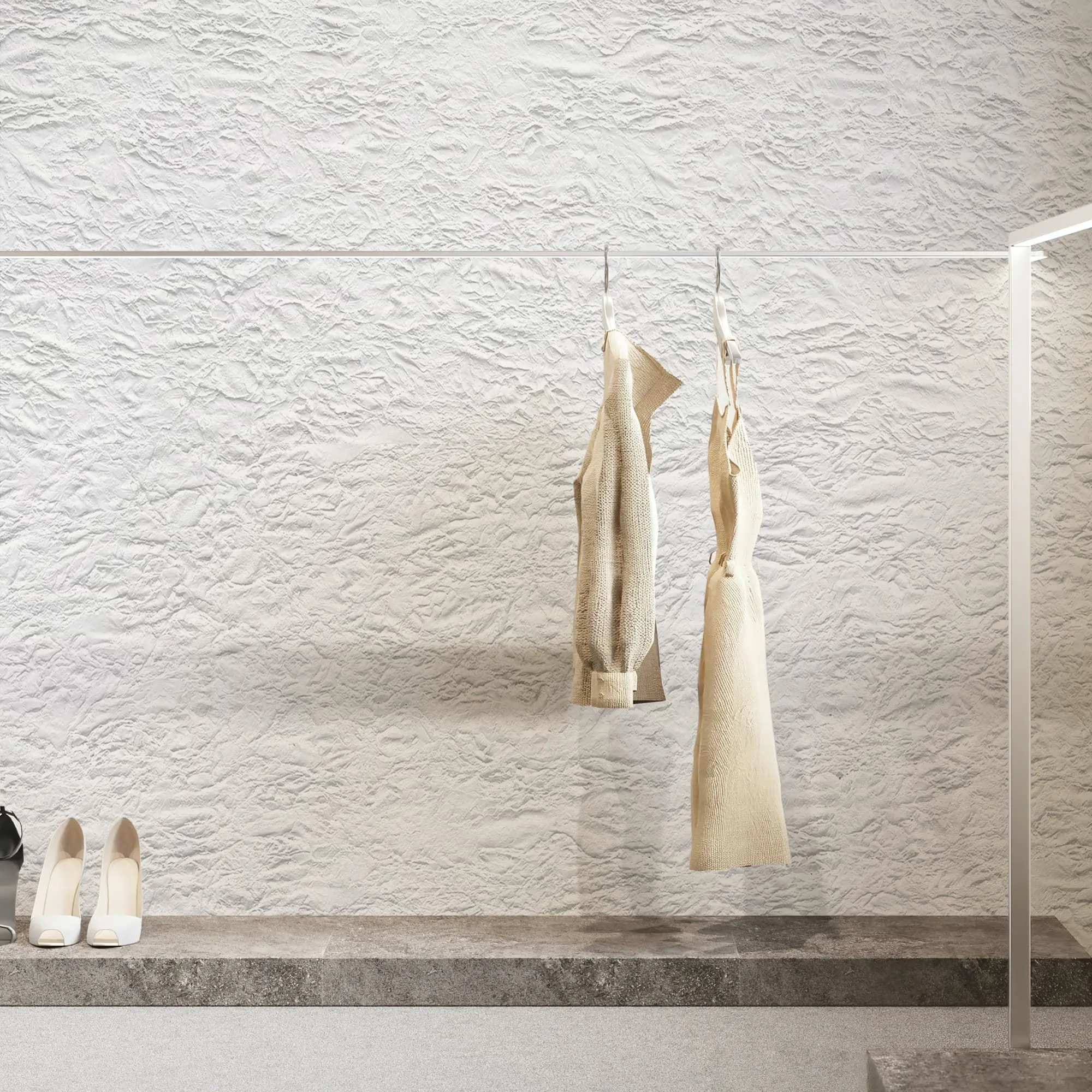
While Star Gravel and Composite Panels have their respective niches, modern architectural demands often call for materials that combine the best of both worlds – durability, aesthetic versatility, sustainability, and manageability. This is where COLORIA GROUP, as a one-stop solution provider in architectural materials, steps in with its innovative MCM materials (Modified Cementitious Material) series. Our MCM products are not just an alternative; they represent a leap forward, particularly for projects seeking advanced, lightweight construction materials that don't compromise on strength or design flexibility.
MCM materials are essentially a new generation of decorative and functional architectural finishes crafted from natural mineral powders, plant fibers, and other organic components, often bonded with a unique polymer system. What makes them stand out is their ability to mimic the appearance and texture of traditional materials like natural stone, wood, brick, or even metal, but with vastly superior performance characteristics, especially concerning strength and weight.
COLORIA GROUP's MCM products achieve impressive strength through their composite nature and proprietary manufacturing processes. Unlike Star Gravel, their strength isn't just compressive; it's a balanced resistance to flexural stress, impact, and wear. They are engineered to be resilient, maintaining their integrity even in demanding external environments. For example, our MCM Big Slab Board Series and MCM Project Board Series are designed for large-scale external and internal cladding, offering the robustness needed for structural stability while resisting cracking, fading, and degradation over time. They don't carry the inherent brittleness often associated with traditional cementitious products when made thin, thanks to the modification and reinforcement.
This is perhaps where MCM materials truly shine, outperforming both Star Gravel (due to its sheer bulk) and often rivaling or even surpassing composite panels in specific applications when considering weight-to-aesthetic performance. COLORIA GROUP's MCM panels are incredibly thin and lightweight. For instance, our flexible stone series, a flagship MCM product, can be as thin as 2-4mm, weighing only about 3-6 kg per square meter. Compare this to natural stone, which can be 20-30mm thick and weigh 50-80 kg/sqm, or even a robust composite panel at 5-8 kg/sqm that might not offer the same authentic stone texture. This significant weight reduction has profound implications:
While strength and weight are critical, COLORIA GROUP's MCM materials offer a spectrum of benefits that address contemporary architectural challenges:
Understanding the strengths and weaknesses helps in selecting the right material for the right job.
Star Gravel remains indispensable for foundational work and infrastructure where heavy compressive loads and drainage are primary concerns. Think of road construction, railway ballast, deep foundations, and certain landscaping features where mass and natural drainage are valued. It's a workhorse for the hidden, load-bearing parts of our built environment.
Composite panels excel in applications requiring large, flat, lightweight, and aesthetically uniform surfaces. They are a staple for modern building facades, corporate signage, retail displays, and cleanroom environments where flatness, precise detailing, and sometimes specific fire ratings are required. Their versatility in color and finish makes them a go-to for contemporary, sleek designs.
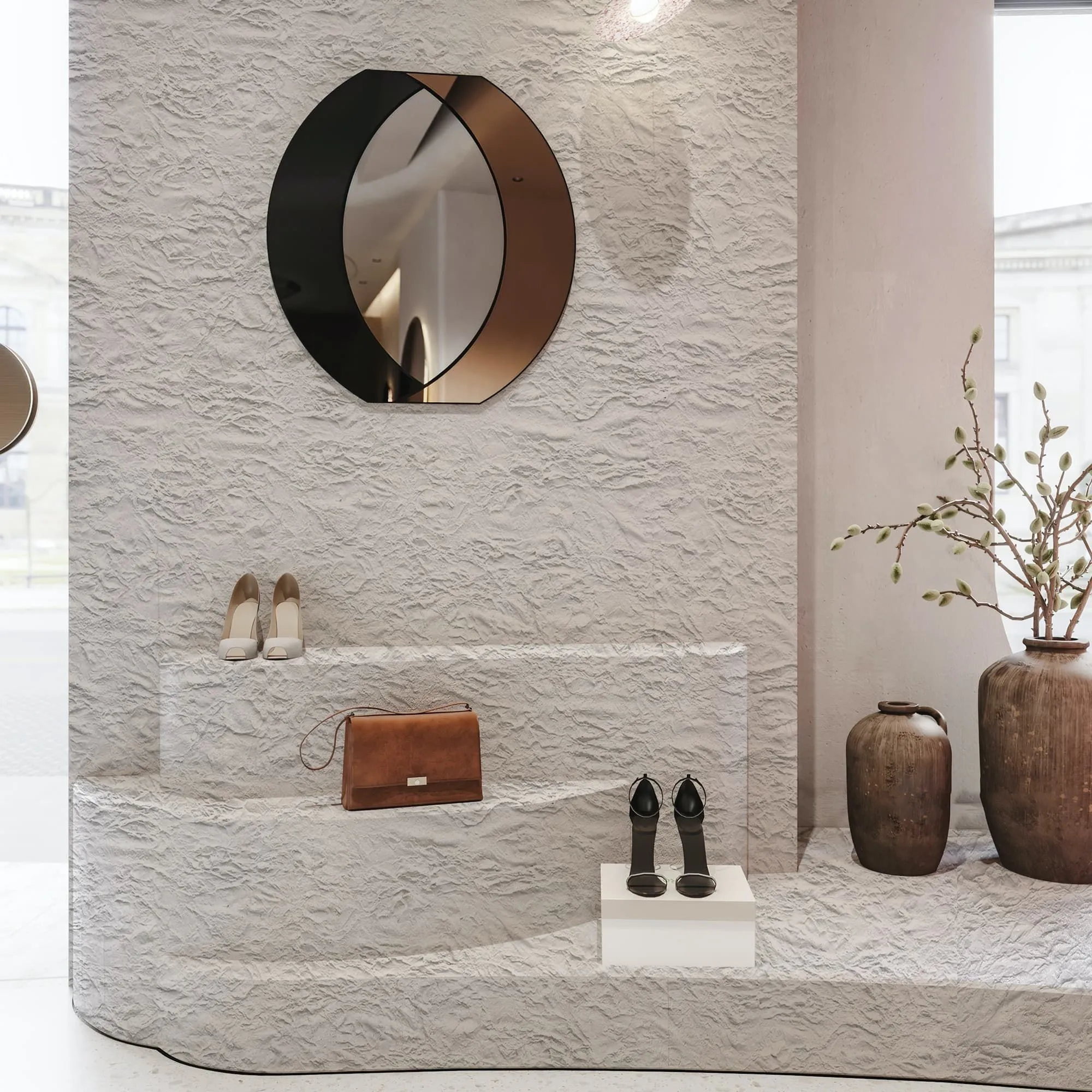
Our MCM materials are ideal when you need the authentic look and feel of natural materials (stone, wood, brick) but demand the performance benefits of advanced engineering:
The comparison between Star Gravel and Composite Panels highlights a fundamental shift in construction material science. From purely functional and heavy raw materials to highly engineered, performance-driven solutions, the industry is constantly evolving. COLORIA GROUP is at the forefront of this evolution, not just providing materials, but offering one-stop solution provider services that encompass design consultation, material selection, and global supply chain management. Our deep industry experience, spanning decades, allows us to understand the nuances of various markets, including the specific demands of Saudi Arabia, and deliver solutions that are not only innovative but also practical and reliable.
Our commitment to sustainable building solutions , combined with a focus on customizable aesthetics and superior performance, positions our MCM materials as a leading choice for architects and developers globally. As projects become more complex, sustainability more critical, and design aspirations bolder, the need for materials that offer a balance of strength, lightweight properties, and environmental responsibility grows. COLORIA GROUP's MCM series answers this call, providing a sophisticated alternative that enhances both the buildability and the enduring beauty of any residential or commercial project. We invite you to explore how our innovative MCM materials can transform your next vision into a tangible, high-performing reality.
Recommend Products











