

In the dynamic world of architecture and design, material selection is paramount. It's not just about aesthetics; the longevity, performance, and resilience of building materials directly impact a project's overall success and cost-effectiveness over its lifecycle. From grand commercial complexes to intimate residential dwellings, the demand for robust, reliable, and aesthetically pleasing surfaces is constant. Today, we delve into a critical comparison, pitting two prominent contenders – Star Gravel and Engineered Stone – against each other in a series of rigorous durability tests. Our goal is to provide a comprehensive understanding of their strengths and weaknesses, offering valuable insights for architects, developers, and homeowners alike. While these materials have their merits, this exploration also serves as an introduction to how innovative solutions like MCM (Modified Cementitious Material) are setting new benchmarks in the industry.
The market is saturated with options, each promising superior qualities. However, true performance is often revealed under stress. Our investigation focuses on key durability metrics that simulate real-world conditions, providing a practical basis for comparison. We recognize that every project demands specific characteristics, and a material that excels in one area might falter in another. This detailed analysis will equip you with the knowledge to make informed decisions, ensuring your investment stands the test of time, both visually and functionally.
Star Gravel, often referring to a specific type of natural aggregate or stone chips, is typically used in paving, landscaping, and sometimes as an exposed aggregate finish in concrete. Its appeal lies in its natural aesthetics, offering a rustic or organic feel to surfaces. Composed of crushed rock, pebbles, or other mineral fragments, its composition can vary significantly depending on its geographical origin. This variability can influence its physical properties, including hardness, porosity, and resistance to environmental factors.
Historically, natural aggregates have been a cornerstone of architectural materials , prized for their inherent beauty and cost-effectiveness in certain applications. However, their natural origins also mean they come with inherent limitations in consistency and controlled performance characteristics. Their durability is often tied to the geological properties of the source rock, which can range from highly resilient igneous rocks to softer sedimentary types.
Engineered stone, on the other hand, is a composite material made from crushed stone (often quartz or marble) bound together by a polymer resin, pigments, and sometimes other additives. This manufacturing process allows for greater control over the material's appearance, consistency, and performance. Popular for countertops, flooring, and wall cladding, engineered stone offers a wide array of colors and patterns, mimicking natural stone but with often enhanced properties.
The 'engineering' aspect means that specific characteristics, such as hardness, stain resistance, and non-porosity, can be optimized during production. This controlled environment contrasts sharply with the natural variability of materials like Star Gravel. Its rise in popularity stems from its ability to combine the aesthetic appeal of natural stone with improved functional performance, making it a strong contender for various indoor applications, and increasingly, outdoor ones with advancements in UV resistance.
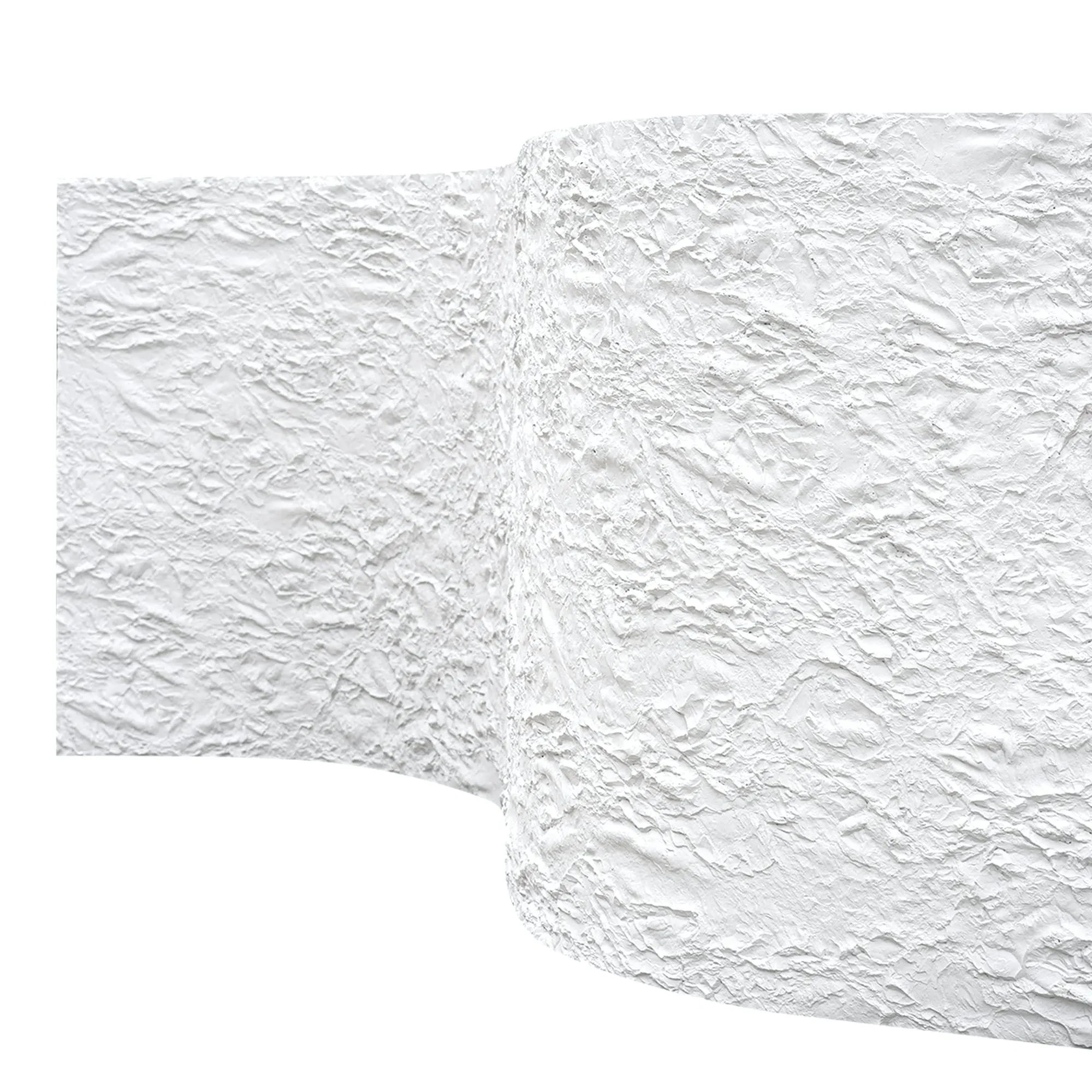
To ensure a fair and rigorous comparison, we subjected samples of both Star Gravel (specifically, a commonly available hard-wearing aggregate mix) and a high-quality Engineered Stone (quartz-based) to a series of standardized durability tests. Our protocol was designed to evaluate material performance under conditions that mimic typical wear and tear, as well as extreme environmental challenges.
Each test was conducted on multiple samples, with results averaged to ensure statistical reliability. The environmental conditions (temperature, humidity) were strictly controlled throughout the testing phases. This rigorous approach allows for a direct and unbiased comparison of material performance.
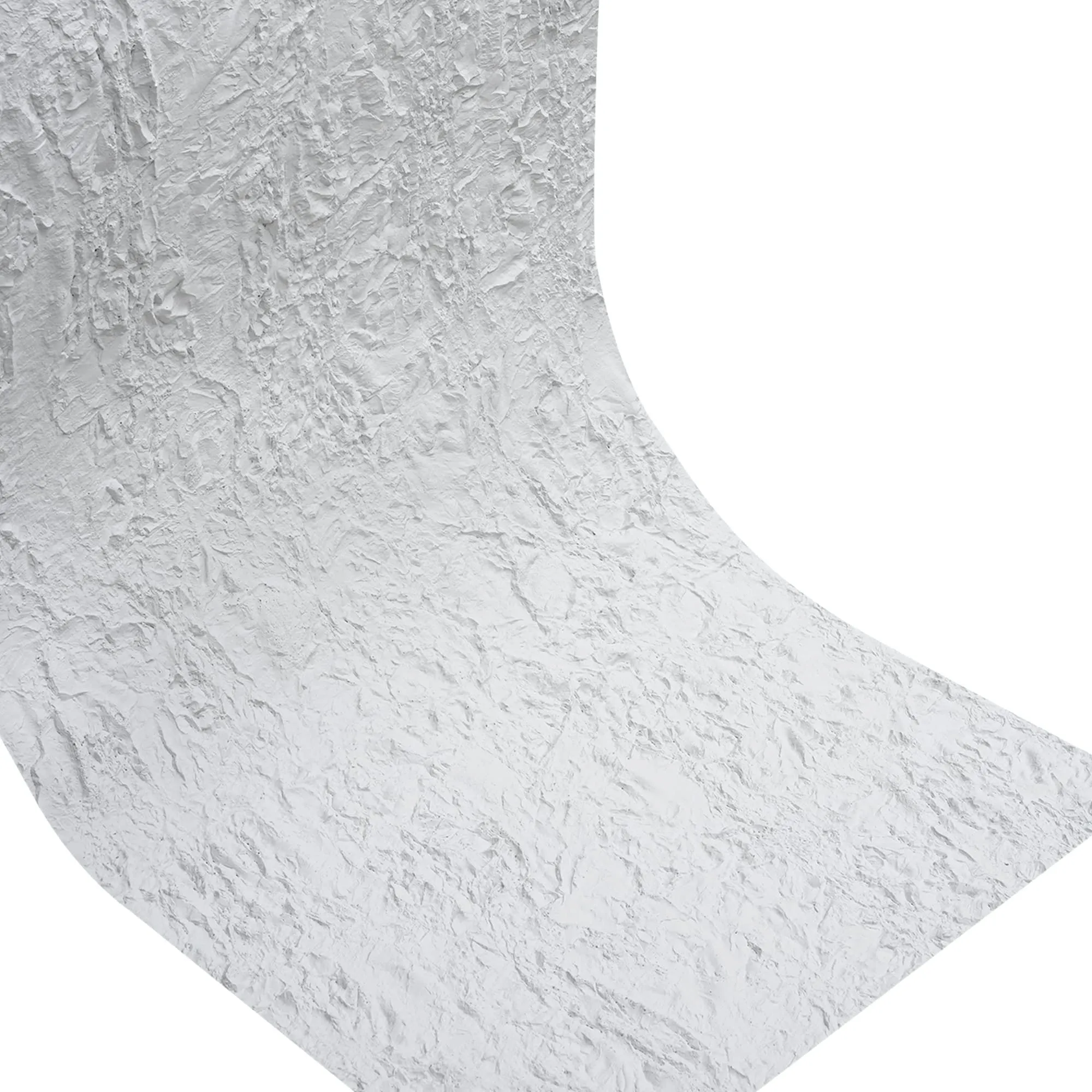
The results of our comprehensive durability tests reveal distinct performance profiles for Star Gravel and Engineered Stone. While both materials offer certain advantages, their suitability for different applications becomes clear through this data.
Engineered Stone: Consistently demonstrated superior abrasion resistance. The dense, resin-bound structure provides a hard, non-porous surface that resists scratches and wear effectively. Its uniform composition minimizes soft spots that could degrade quickly. This makes it an excellent choice for high-traffic areas where longevity of appearance is critical.
Star Gravel: Showed more variability. While individual hard gravel pieces themselves are durable, the overall surface's abrasion resistance depended heavily on the binding agent (if any) and the uniformity of the gravel size. In loose or minimally bound applications, gravel can shift, leading to uneven wear and displacement. In exposed aggregate concrete, the cement matrix is often the weakest link against abrasion, with individual stones eventually becoming exposed and potentially dislodged.
Engineered Stone: Exhibited good impact resistance. The resin binder provides a degree of elasticity, which helps to dissipate impact energy, reducing the likelihood of chipping or cracking compared to more brittle natural stones. However, extreme, focused impacts can still cause damage, especially at edges.
Star Gravel: Performance was highly dependent on its form. Loose gravel provides excellent cushioning and impact absorption but is not a rigid surface. When incorporated into concrete or resin-bound systems, its impact resistance is largely determined by the strength and flexibility of the binder. Harder, angular gravel can also chip or fracture under direct impact if not adequately supported.
Engineered Stone: Demonstrated significantly higher flexural strength. The polymer resin matrix evenly distributes stress across the material, allowing it to resist bending and breaking under load more effectively than natural stone or a conglomerate of gravel. This makes it suitable for larger slab applications where structural integrity under stress is important.
Star Gravel: In its aggregate form, flexural strength is not a relevant property. When used in concrete mixes, the flexural strength is that of the concrete itself, which is generally lower than engineered stone and prone to cracking under bending stress if not reinforced.
Engineered Stone: Performed exceptionally well against most common chemicals. Its non-porous surface, a key benefit of its manufacturing process, prevents liquids from penetrating and causing stains or chemical reactions within the material. Mild acids, alkalis, and oils generally had no lasting effect.
Star Gravel: As a natural material, its chemical resistance is entirely dependent on the specific rock type. Some gravels, especially those containing carbonates (like limestone), are highly susceptible to acid etching. Porosity also means it can absorb oils and other liquids, leading to stubborn staining if not sealed.
Engineered Stone: Showed extremely low water absorption. This inherent non-porosity makes it highly resistant to frost damage, as water cannot penetrate and expand when freezing. This characteristic broadens its application potential to outdoor environments, provided other factors like UV stability are addressed.
Star Gravel: Water absorption varies widely. Porous gravels can absorb significant amounts of water, making them vulnerable to freeze-thaw cycles, where absorbed water expands upon freezing, leading to cracking, spalling, and material disintegration. For outdoor applications, selecting non-porous aggregate is crucial, but even then, the binding agent (e.g., concrete) can be susceptible.
Engineered Stone: Traditionally, engineered stone (especially quartz) was known for being less UV stable than natural stone, with resins susceptible to yellowing or fading over prolonged outdoor exposure. However, modern advancements in resin technology have significantly improved UV resistance in many engineered stone products, making some suitable for outdoor use.
Star Gravel: As a natural mineral, individual gravel pieces are generally highly UV stable and resist fading. Any color change over time is typically due to surface weathering or accumulation of environmental pollutants rather than material degradation. However, synthetic binders used with gravel might be susceptible to UV degradation.
| Durability Metric | Star Gravel (Typical Performance) | Engineered Stone (Quartz-based) | MCM (Modified Cementitious Material) - For Comparison |
|---|---|---|---|
| Abrasion Resistance | Moderate to Good (variable by aggregate type/binder) | Excellent (Dense, non-porous surface) | Exceptional (High surface hardness, mineral composition) |
| Impact Resistance | Moderate (Depends on binder and aggregate hardness) | Good (Resin flexibility helps dissipate impacts) | Very Good (Flexible yet robust, anti-fracture properties) |
| Flexural Strength | Low (Aggregate itself; dependent on concrete/binder) | Very Good (Strong resin matrix) | Excellent (Engineered for flexibility and strength) |
| Chemical Resistance | Variable (Acid etching, staining if porous) | Excellent (Non-porous, resistant to most chemicals) | Outstanding (Inert mineral base, sealed surface) |
| Water Absorption | High to Low (Variable by aggregate/binder porosity) | Very Low (Near zero) | Extremely Low (Advanced hydrophobic formulation) |
| Frost Thaw Resistance | Variable (Risk of spalling if porous/saturated) | Excellent (Due to low water absorption) | Superior (Designed for extreme climate performance) |
| Color Fastness & UV Stability | Excellent (Natural stone resists fading, binders may vary) | Good to Very Good (Improved resin technology) | Excellent (Mineral pigments, UV-resistant binders) |
| Overall Maintenance | High (Sealing, cleaning, potential re-binding) | Low (Easy to clean, minimal sealing) | Very Low (Self-cleaning properties, minimal upkeep) |
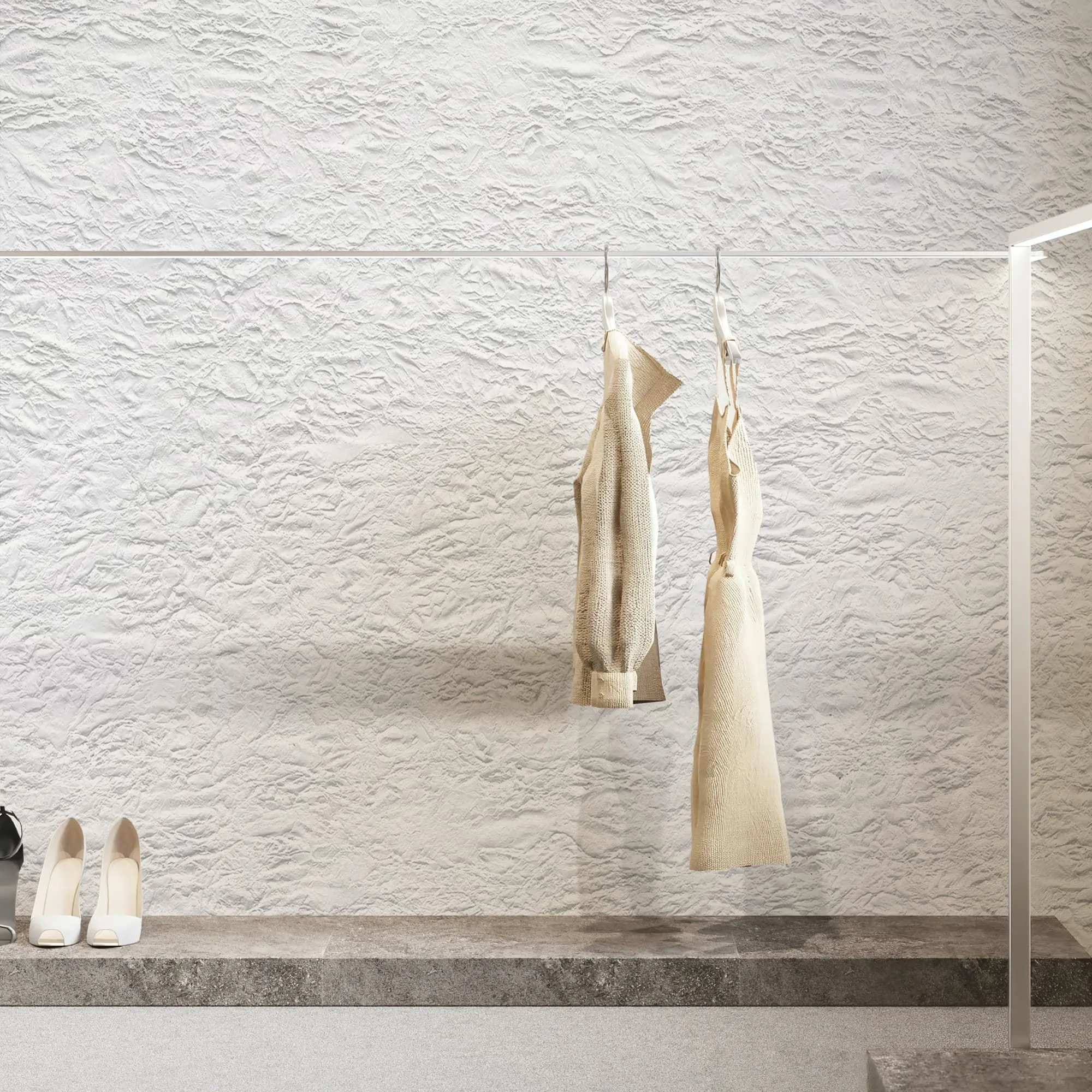
While Star Gravel and Engineered Stone have their place, the construction industry is constantly evolving, driven by demands for greater sustainability, versatility, and uncompromising performance. This is where innovations like MCM (Modified Cementitious Material) truly shine, presenting a compelling alternative that often surpasses traditional materials in multiple durability metrics. COLORIA GROUP, as a leading one-stop solution provider in architectural materials, has pioneered the development and application of advanced MCM products.
MCM is a revolutionary material crafted from modified inorganic mineral powders, combined with high-performance polymers and other additives, then subjected to controlled temperature and pressure during manufacturing. The result is a highly flexible, incredibly durable, and remarkably lightweight material that can mimic the look and feel of a vast array of natural and manufactured finishes – from stone and wood to leather and fabric – all while offering superior practical advantages.
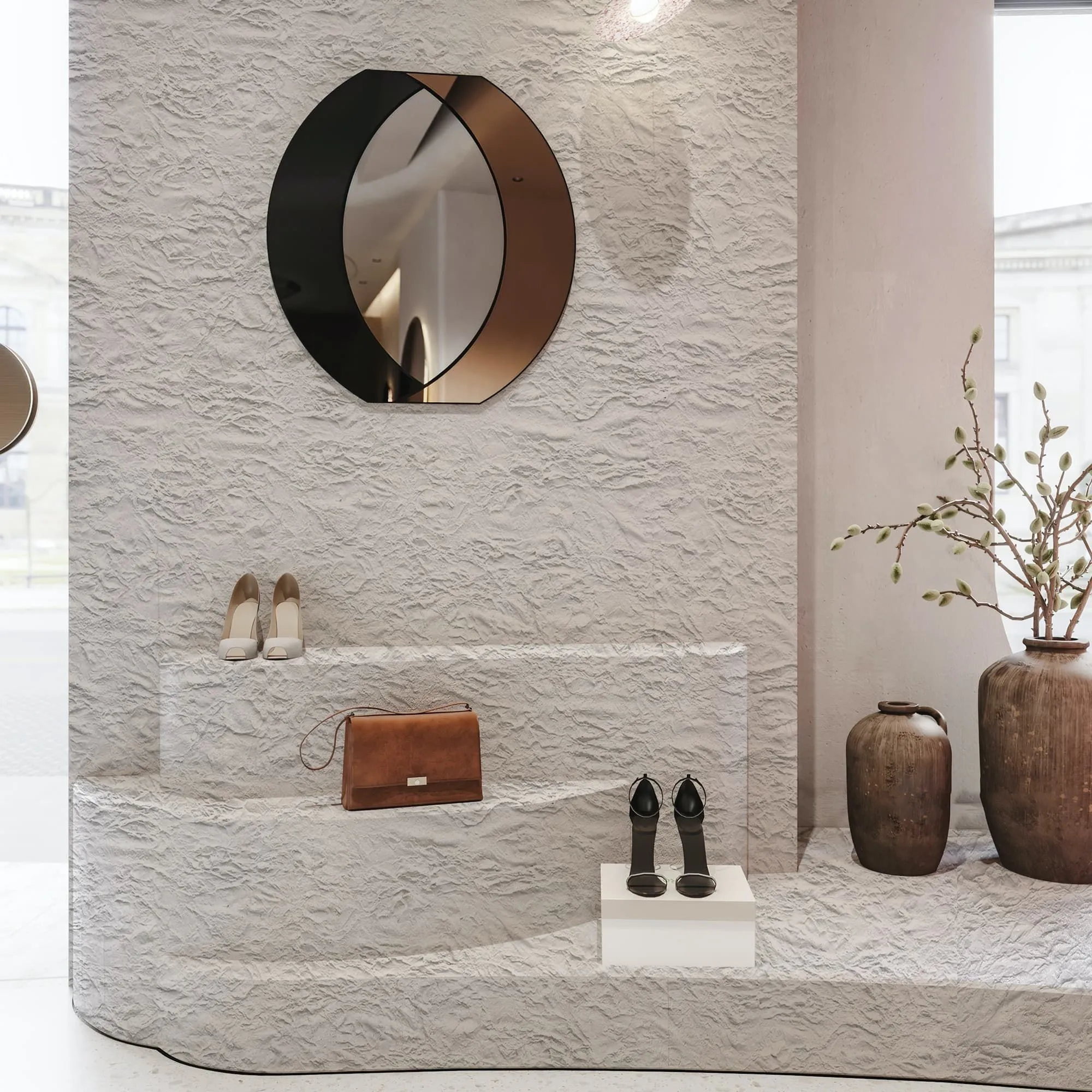
While durability is a cornerstone of material quality, modern projects demand more. MCM technology, as offered by COLORIA GROUP, extends its value proposition significantly beyond mere resilience.
One of MCM's most compelling features is its unparalleled aesthetic versatility. Through advanced manufacturing techniques, MCM can faithfully replicate an astonishing range of textures and patterns. Imagine the intricate veins of marble, the rustic appeal of weathered wood, the sleek finish of polished concrete, or even the subtle grain of leather – all achievable with MCM. This opens up boundless design possibilities, allowing architects and designers to bring their most ambitious visions to life without the limitations and costs associated with sourcing rare or difficult-to-install natural materials. Our MCM 3D Printing Series pushes the boundaries even further, enabling highly detailed, bespoke designs and textures that are simply impossible with conventional materials. This level of customization means that a project's unique identity can be expressed through its surfaces, making every space truly one-of-a-kind.
The lightweight and flexible nature of MCM directly translates into significant installation advantages. Less heavy lifting means reduced labor costs and faster project timelines. Its adaptability to various substrates and ease of cutting and shaping further streamline the construction process. For large-scale projects, the efficiency gains are substantial. Furthermore, while the initial cost might be comparable to high-end engineered stone, the long-term savings from minimal maintenance, reduced need for repairs, and extended lifespan make MCM a highly cost-effective choice over the life of a building. Our MCM Project Board Series is specifically designed to optimize these benefits for large commercial and residential developments.
In an era where sustainable building practices are no longer optional but essential, MCM stands out as an eco-conscious choice. COLORIA GROUP is committed to green environmental protection . MCM products are made from natural, non-toxic raw materials and are manufactured with significantly lower energy consumption compared to ceramic tiles or natural stone extraction and processing. They are also VOC-free, contributing to healthier indoor environments. Their durability and longevity also mean less frequent replacement, further reducing waste and resource depletion over time. By choosing MCM, you're investing not just in your project, but also in the planet's future.
The distinct characteristics of Star Gravel, Engineered Stone, and MCM dictate their optimal use cases.
Its natural variability and susceptibility to wear, staining, and freeze-thaw damage (especially in its looser forms or less protected concrete applications) limit its use as a primary decorative surface in high-wear or critical architectural applications without significant sealing and maintenance.
While advancements have improved its outdoor performance, prolonged direct UV exposure can still be a concern for certain formulations. Its weight and rigidity can also add to structural load and complexity for large-scale vertical applications compared to lighter alternatives.
COLORIA GROUP's architectural materials , particularly our MCM series, are engineered to provide comprehensive solutions across a vast spectrum of residential and commercial projects. As a one-stop solution provider , we not only deliver advanced products but also expertise in application, ensuring optimal results for every client. The global reach of COLORIA GROUP, with a significant presence and agency network, particularly in regions like Saudi Arabia, underscores our capability to support diverse and demanding projects worldwide.
The durability test results clearly illustrate that while Star Gravel and Engineered Stone hold their own in specific niches, the landscape of architectural materials is continually evolving. For projects demanding the utmost in resilience, aesthetic flexibility, and environmental responsibility, new materials like MCM are redefining what's possible.
COLORIA GROUP, as a committed one-stop solution provider , is at the forefront of this revolution. Our MCM (Modified Cementitious Material) series – encompassing the MCM Big Slab Board Series , MCM Project Board Series , MCM 3D Printing Series , and MCM Flexible Stone – offers an unparalleled combination of performance characteristics. From its exceptional resistance to abrasion, impact, and chemical exposure, to its superior flexibility, minimal water absorption, and robust UV stability, MCM is designed to outperform and outlast.
Moreover, our dedication to customization ensures that every project can achieve its unique design aspirations without compromise, while our unwavering commitment to green environmental protection means you're investing in a material that is as kind to the planet as it is to your building's lifespan. Whether for interior or exterior decorative applications, residential or commercial projects, choosing MCM from COLORIA GROUP means choosing innovation, sustainability, and enduring value. It's not just about building; it's about building better, smarter, and for the long term.
In the ultimate durability test, the choice of material makes all the difference. As demonstrated by these rigorous findings, investing in advanced materials like MCM is a strategic decision that promises performance, longevity, and a truly distinctive aesthetic for any visionary project.
Recommend Products











