

In the dynamic world of architecture and construction, selecting the right building materials isn't just about aesthetics or initial cost; it's profoundly about long-term performance, durability, and sustainability. Among the myriad of choices available, architects and developers constantly weigh the pros and cons of traditional materials against innovative alternatives. Today, we delve into a crucial aspect of material performance: corrosion resistance. We'll be comparing what we might generically term "Star Gravel" (representing natural aggregate-based or conventional stone finishes) and the ever-present Metal Panels, examining their characteristics against the backdrop of cutting-edge solutions, particularly those offered by COLORIA GROUP.
Corrosion, a pervasive and destructive process, slowly degrades materials through chemical or electrochemical reactions with their environment. In architectural applications, this degradation can manifest as rust on metals, spalling in concrete, or discoloration and erosion in natural stones. The implications are far-reaching, affecting structural integrity, visual appeal, safety, and ultimately, the financial viability of a project due to increased maintenance and replacement costs. As a leading one-stop solution provider in the building materials sector, COLORIA GROUP understands these challenges deeply and champions materials that stand the test of time.
"Star Gravel," or more broadly, natural aggregate-based finishes and traditional stone applications, has been a cornerstone of construction for millennia. Its appeal lies in its inherent natural beauty, unique textures, and often, a sense of timelessness. From polished granite to rough-hewn limestone, these materials offer unparalleled aesthetic versatility. However, their performance, especially concerning corrosion and environmental degradation, can be subject to significant variability.
While the aesthetic benefits of natural stone are undeniable, its long-term performance against environmental stressors, particularly in aggressive climates or polluted urban settings, often requires careful selection, extensive treatment, and ongoing maintenance. This can add significantly to the lifecycle cost of a project.
Metal panels have become ubiquitous in modern architecture, celebrated for their sleek aesthetics, structural strength, lightweight properties, and ease of installation. Materials like steel, aluminum, copper, and zinc are widely used for facades, roofing, and interior accents. Each metal possesses distinct properties, and critically, varying degrees of corrosion resistance.
While metal panels offer undeniable advantages in terms of design flexibility and sometimes lighter weight, their corrosion resistance is highly dependent on the specific metal, its surface treatment, and the environmental conditions. Long-term performance often hinges on rigorous maintenance schedules and meticulous installation practices to prevent breaches in protective coatings or galvanic reactions.
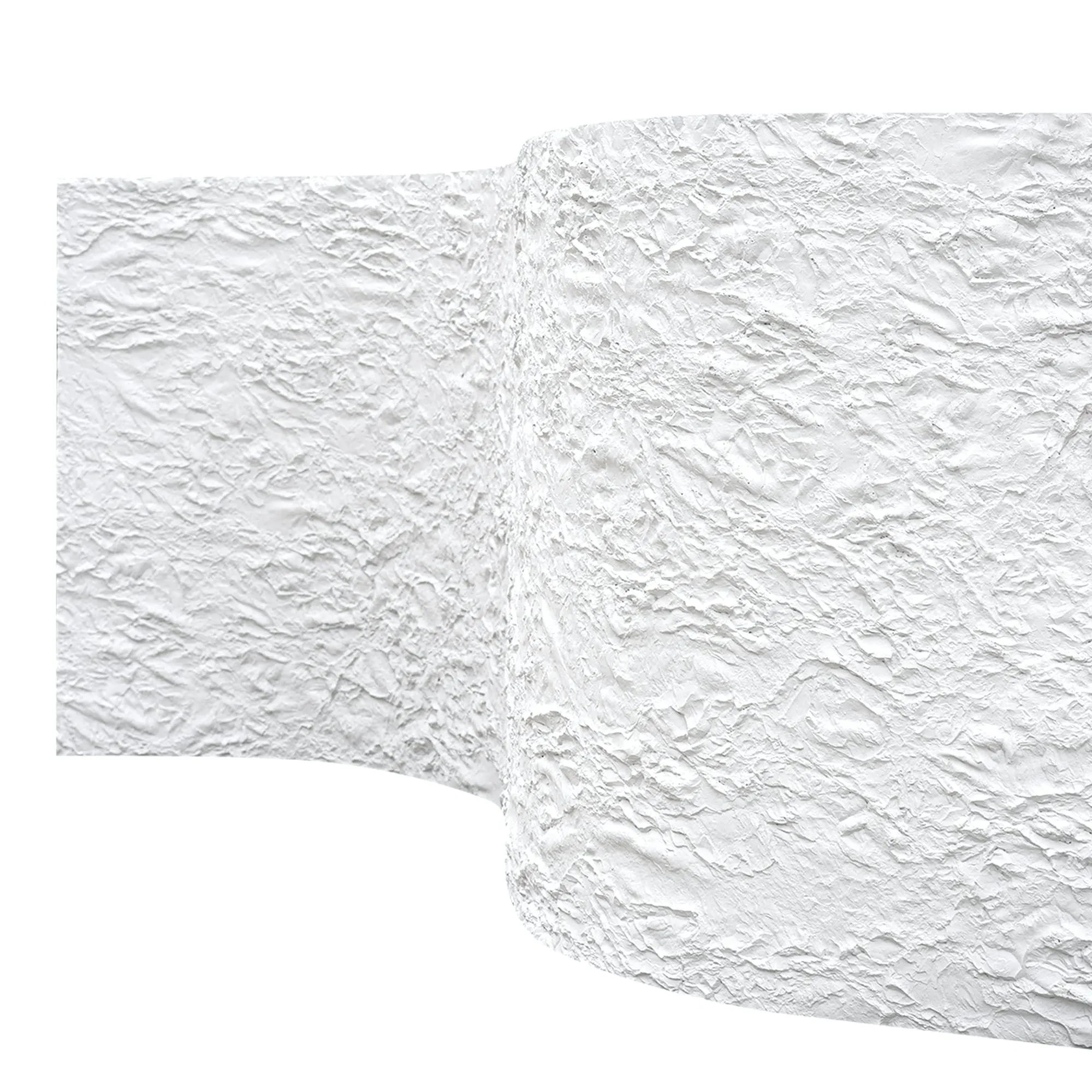
Against this backdrop of traditional choices and their inherent challenges, COLORIA GROUP introduces a truly innovative and superior alternative: the Modified Cementitious Material (MCM) series. As a leading figure in advanced building materials , COLORIA GROUP has leveraged decades of industry experience to develop a product line that not only meets but exceeds the demands of modern architecture for durability, sustainability, and aesthetic versatility. Our MCM products redefine expectations for interior/exterior wall decoration .
MCM is a revolutionary material composed primarily of inorganic minerals, clay, sand, and other natural aggregates, bound together with a polymer-modified cementitious binder. What sets it apart is a unique manufacturing process that transforms these natural elements into a flexible, lightweight, and incredibly durable material that mimics the appearance and texture of traditional stones, wood, bricks, and even leather, without their inherent drawbacks. This isn't just another synthetic material; it's a sophisticated engineered solution designed for performance and aesthetics.
When it comes to corrosion resistance, MCM stands in a league of its own, particularly when compared to the vulnerabilities of both "Star Gravel" and many metal panel applications. The inherent composition and manufacturing process endow MCM with exceptional properties:
The corrosion resistance of MCM isn't just a byproduct; it's a fundamental design principle that ensures longevity and reduces the need for constant maintenance, offering peace of mind to property owners and developers.
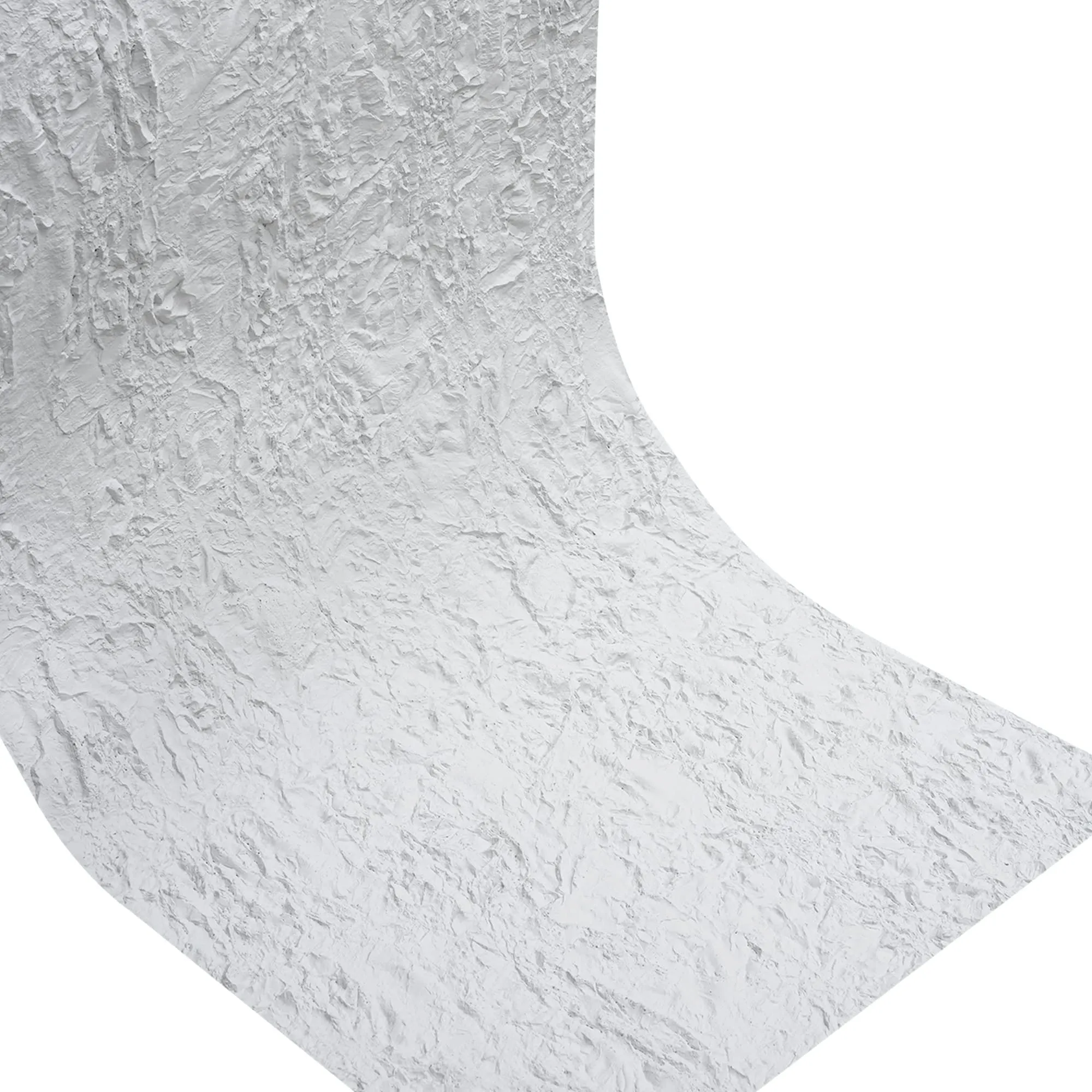
COLORIA GROUP's commitment to innovation is reflected in our diverse MCM product range, each designed to meet specific architectural needs while maintaining superior corrosion resistance and sustainability credentials.
These series represent the pinnacle of MCM technology for expansive architectural applications. Our Big Slab Boards offer large format panels that minimize joints, enhancing both aesthetics and weather integrity. The Project Board Series is specifically engineered for large-scale commercial and residential projects, providing consistent quality and performance.
The MCM Flexible Stone series is a marvel of material science, perfectly replicating the look and feel of natural stone with unparalleled flexibility. This product line offers extraordinary design freedom, allowing for application on curved surfaces and complex architectural forms where rigid natural stone or metal panels would be impractical or impossible.
Pushing the boundaries of customization and architectural expression, the MCM 3D Printing Series allows for the creation of intricate, bespoke textures and designs. This opens up entirely new possibilities for decorative elements, artistic facades, and complex patterns that are durable and corrosion-resistant.
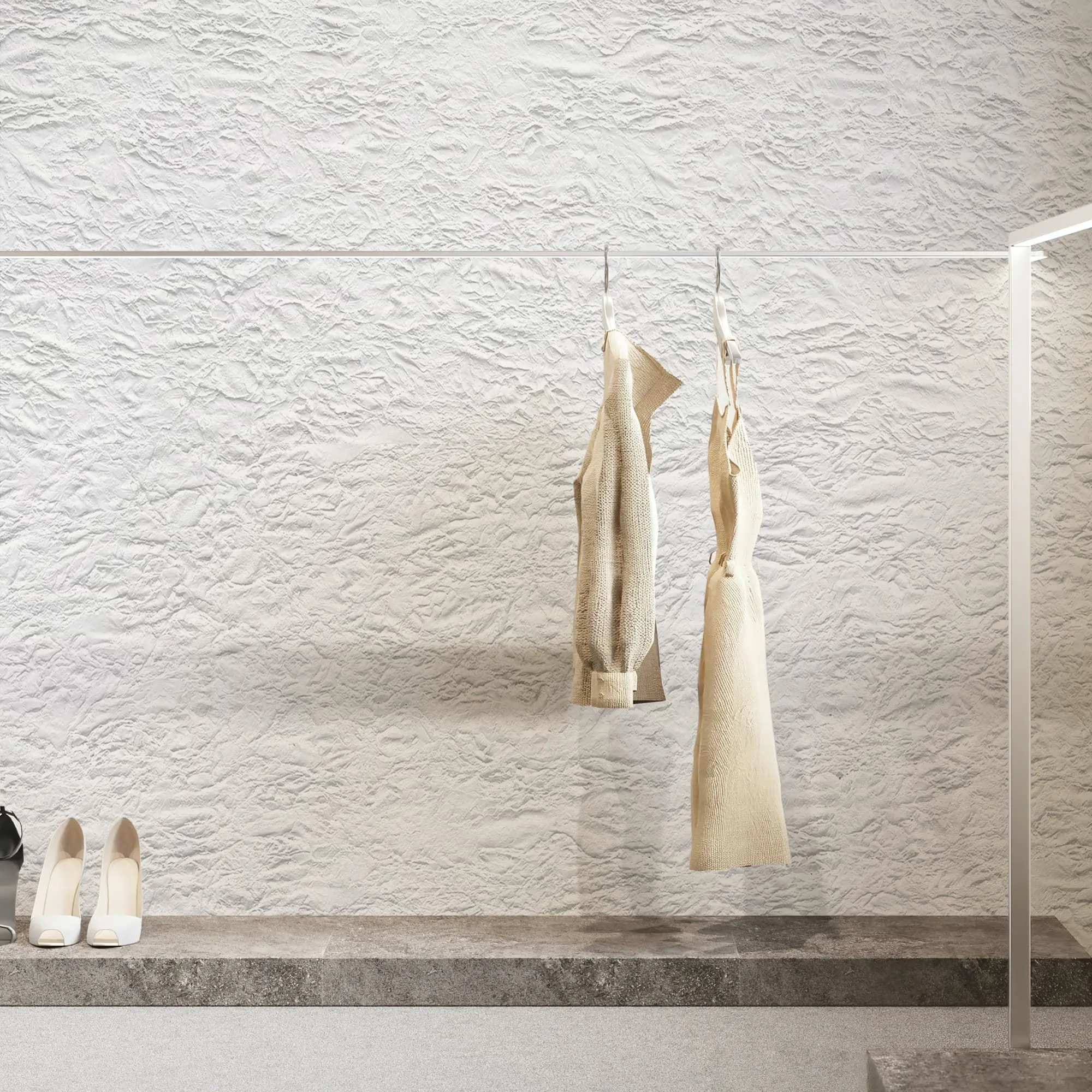
To truly appreciate the advantages of COLORIA GROUP's MCM products, let's consolidate the comparative aspects related to corrosion resistance in a direct manner.
| Feature/Challenge | Star Gravel (Natural Stone/Aggregate) | Metal Panels (General) | COLORIA GROUP MCM |
|---|---|---|---|
| **Primary Corrosion Type** | Chemical weathering, acid dissolution, freeze-thaw damage, mineral oxidation. | Oxidation (rust), galvanic corrosion, pitting, crevice corrosion. | None (Inorganic, stable composition). |
| **Vulnerability to Acids/Alkalis** | High (especially carbonate-rich stones), leading to dissolution and erosion. | Moderate to high, depending on metal and coating integrity; some metals are reactive. | Very Low (Chemically inert, high resistance to common pollutants). |
| **Water Absorption/Frost Damage** | High porosity in many types, leading to freeze-thaw cracking and spalling. | Minimal direct absorption, but moisture behind panels can lead to internal corrosion or degradation of fasteners/insulation. | Extremely Low (Dense structure prevents water ingress, highly frost-resistant). |
| **Oxidation/Rusting** | Iron inclusions can rust and stain. | Carbon steel rusts readily; aluminum forms stable oxide; copper/zinc patina. Coating failure is critical. | Does not rust or oxidize; entirely free from metallic corrosion. |
| **Galvanic Corrosion Risk** | Not applicable (non-metallic). | High risk when dissimilar metals are in contact, requiring careful design and isolation. | Not applicable (non-metallic). |
| **UV Degradation** | Generally stable, but prolonged exposure can exacerbate surface erosion or discoloration in some types. | Can cause fading, chalking, or delamination of painted/coated surfaces over time. | Excellent UV stability, maintaining color and structural integrity for decades. |
| **Maintenance for Durability** | Sealing, regular cleaning to prevent staining, biological growth, and acid attack. | Inspection for coating damage, re-coating, cleaning to prevent buildup that leads to localized corrosion. | Minimal maintenance required to maintain performance and aesthetics. |
| **Long-Term Aesthetic Integrity** | Can suffer from discoloration, staining, spalling, and erosion over time. | Dependent on coating integrity; can suffer from fading, chalking, or visible corrosion if coatings fail. | Highly stable, retaining original appearance with minimal degradation over extensive periods. |
This table succinctly illustrates why COLORIA GROUP's MCM series represents a significant leap forward in material science for architectural applications. It systematically addresses the vulnerabilities inherent in both natural stones and metal panels, providing a robust, long-lasting solution.
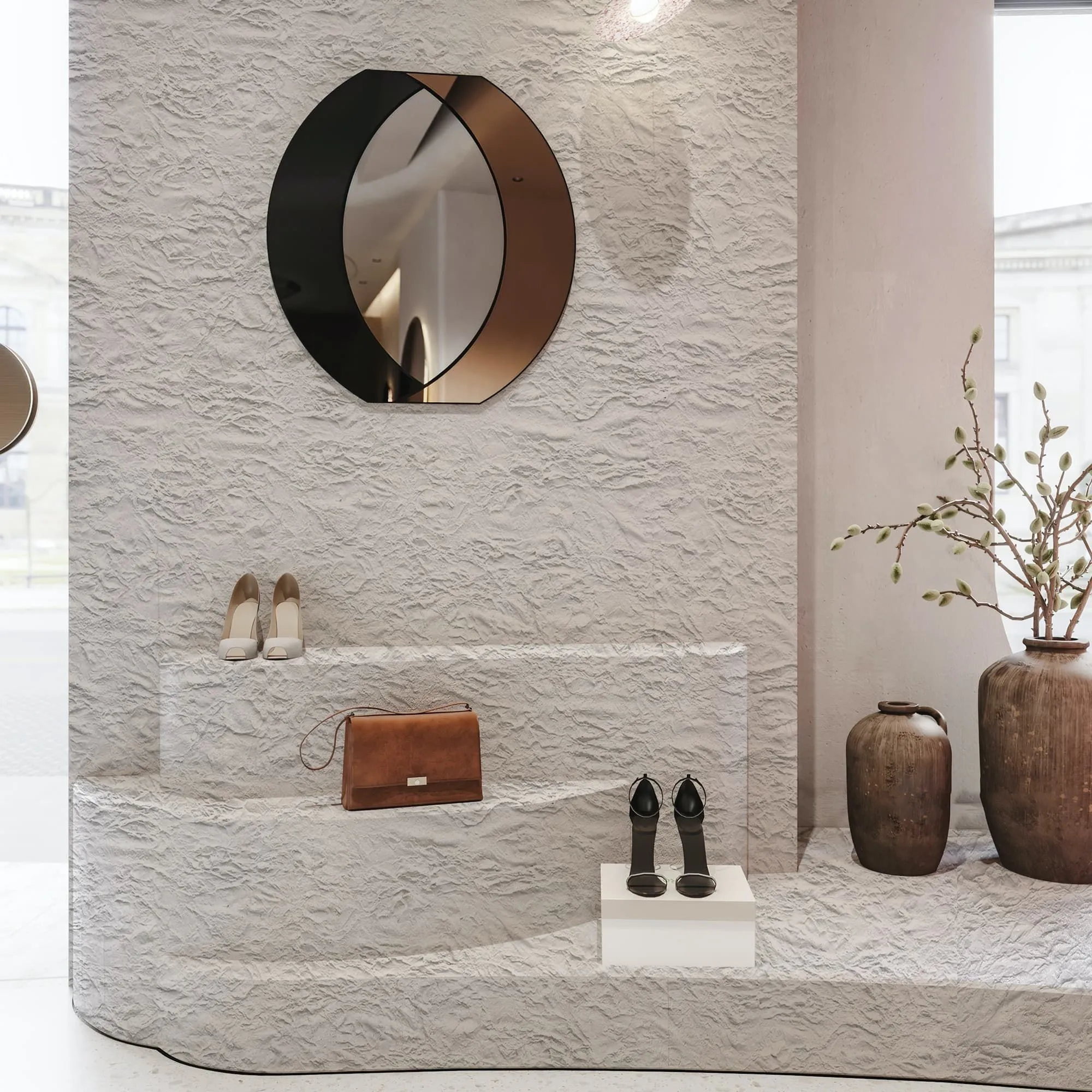
While superior corrosion resistance is a critical factor, COLORIA GROUP's MCM offers a comprehensive suite of benefits that align with contemporary architectural demands for sustainability, aesthetics, and economic efficiency.
COLORIA GROUP is deeply committed to green environmental protection . Our MCM products are a testament to this commitment:
One of the most compelling advantages of MCM is its extraordinary design versatility. COLORIA GROUP can reproduce virtually any natural texture, color, or pattern with astonishing fidelity. This means architects are no longer constrained by the inherent limitations of natural stone or the industrial appearance of metal.
While the initial cost is always a consideration, a truly informed decision focuses on the total lifecycle cost of a material. MCM consistently outperforms traditional alternatives in this regard.
At COLORIA GROUP, we pride ourselves on being more than just a supplier; we are a one-stop solution provider . Our extensive experience, particularly with a strong presence in global markets like Saudi Arabia, enables us to understand and cater to diverse architectural demands and environmental conditions. We offer comprehensive support, from material selection and customization to technical guidance and after-sales service, ensuring that your project benefits from the optimal solution.
Our vision extends beyond manufacturing high-quality materials. We aim to empower architects, designers, and developers to create structures that are not only visually stunning but also resilient, environmentally responsible, and economically sound for generations to come. The MCM series, with its unparalleled corrosion resistance and aesthetic versatility, is central to this mission.
"Choosing the right material today determines the legacy of tomorrow's architecture. Durability against environmental degradation, especially corrosion, is not a luxury but a fundamental necessity for sustainable and lasting design."
In the perennial debate between traditional and modern building materials, the focus increasingly shifts towards performance, lifecycle costs, and environmental impact. While "Star Gravel" (natural stone and aggregates) offers timeless beauty, and Metal Panels provide modern aesthetics and structural advantages, both come with inherent challenges related to corrosion and long-term degradation that demand ongoing attention and expense.
COLORIA GROUP's Modified Cementitious Material (MCM) series emerges as a clear leader, offering a superior solution for interior/exterior wall decoration . Its exceptional resistance to chemical agents, water, UV radiation, and biological growth positions it as a virtually corrosion-proof material in a broad range of architectural applications. This inherent durability, combined with its lightweight nature, aesthetic versatility (including the incredible flexible stone options), and green environmental protection credentials, makes MCM the intelligent choice for discerning architects and developers worldwide.
As cities grow and climates change, the demand for materials that can withstand the test of time and elements will only intensify. COLORIA GROUP stands ready to meet this demand, offering not just products, but complete, innovative, and sustainable solutions that build a better future. Experience the difference that true material innovation can make for your next project.
*This article provides a general comparison and highlights the benefits of Modified Cementitious Material (MCM). Specific performance characteristics of any building material may vary based on precise formulation, installation practices, and local environmental conditions. Always consult with material specialists and refer to product specifications for detailed application guidelines.*
Recommend Products











