

Rethinking Architectural Finishes for the Modern Age
When you're embarking on a construction project, whether it's a cozy home renovation or a sprawling commercial complex, one of the biggest decisions you'll face involves selecting the right materials. It's not just about aesthetics; it's about performance, durability, sustainability, and, crucially, cost-effectiveness. For decades, traditional materials have dominated the landscape, but with advancements in technology and a growing demand for more efficient and eco-friendly options, the market is evolving rapidly. Today, we're not just comparing apples to apples; we're looking at entirely new categories of materials that promise to redefine what's possible.
This article aims to delve into a fascinating comparison, pitting what we'll call "Star Gravel" against "Traditional Gravel." Now, before you start picturing literal gravel, let's clarify our terms. In this context, "Traditional Gravel" represents the conventional, often heavy, labor-intensive, and less versatile building materials that have been commonplace for years – think natural stone, traditional ceramics, heavy concrete panels, or basic plaster. "Star Gravel," on the other hand, is our metaphorical representation of the cutting-edge, high-performance, and sustainable solutions that are emerging, epitomized by advanced materials like MCM (Modified Cementitious Material) . Our focus today is to conduct a thorough cost-effectiveness analysis, examining not just the upfront price tag, but the true long-term value, installation efficiency, and environmental footprint of these differing approaches.
The world of building materials is undergoing a quiet revolution, and companies like COLORIA GROUP are at the forefront, offering innovative solutions that challenge the status quo. As a dedicated one-stop solution provider in the architectural materials domain, we've seen firsthand how the right material choice can dramatically impact a project's success. This discussion isn't just theoretical; it's grounded in real-world application, considering factors from procurement to maintenance, and ultimately, the overall return on investment for both residential and commercial endeavors. So, let's embark on this journey to uncover why innovative materials are not just a trend, but the future of sustainable and efficient construction.
Before we champion the new, it's essential to understand the old. "Traditional Gravel," in our analogy, encompasses a broad range of conventional building materials that have been staples in construction for decades. These often include:
Natural Stone (granite, marble, slate): Beautiful, durable, but often heavy, expensive to quarry, transport, and install.
Ceramic and Porcelain Tiles: Versatile, but can be brittle, require specialized installation, and produce considerable waste during cutting.
Heavy Concrete Panels: Strong and durable, but pose significant challenges in terms of weight, logistics, and carbon footprint.
Traditional Plaster/Stucco: Common for exterior finishes, but can be prone to cracking, water damage, and require frequent maintenance.
Brick Veneer: Classic aesthetic, but also heavy, labor-intensive to install, and can add significant structural load.
These materials have served their purpose well over time. They are familiar, their installation techniques are well-established, and their aesthetic appeal is often timeless. However, they come with a distinct set of challenges that impact project timelines, budgets, and long-term sustainability goals.
High Material Weight: The sheer weight of natural stone or concrete necessitates stronger structural foundations, increasing material costs for the building's skeleton. This also inflates transportation costs and requires heavier machinery for installation.
Labor Intensity: Many traditional materials require highly skilled labor for precise cutting, fitting, and installation. This drives up labor costs, extends project timelines, and can lead to inconsistencies if not executed perfectly.
Installation Complexity: Cutting natural stone or large ceramic tiles on-site generates dust and waste. Wet installations require curing times, adding to project duration and potential delays due to weather.
Limited Design Flexibility: While beautiful, natural stone comes in fixed patterns and colors. Achieving intricate designs or curves can be exceptionally difficult and expensive. Customization is often an uphill battle.
Environmental Impact: Quarrying natural stone is resource-intensive and creates significant ecological disruption. Manufacturing cement and ceramics are energy-intensive processes, contributing to carbon emissions. Waste generation on-site is also a concern.
Maintenance & Durability Issues: Some traditional plasters are susceptible to weathering and cracking. Grout lines in tiles can harbor mold and dirt. Repairing individual pieces of heavy stone can be a complex and costly endeavor.
When we talk about cost-effectiveness, it's crucial to look beyond the initial purchase price. These hidden costs, accumulated over the project lifecycle, can significantly inflate the total expenditure, making seemingly affordable options much more expensive in the long run.
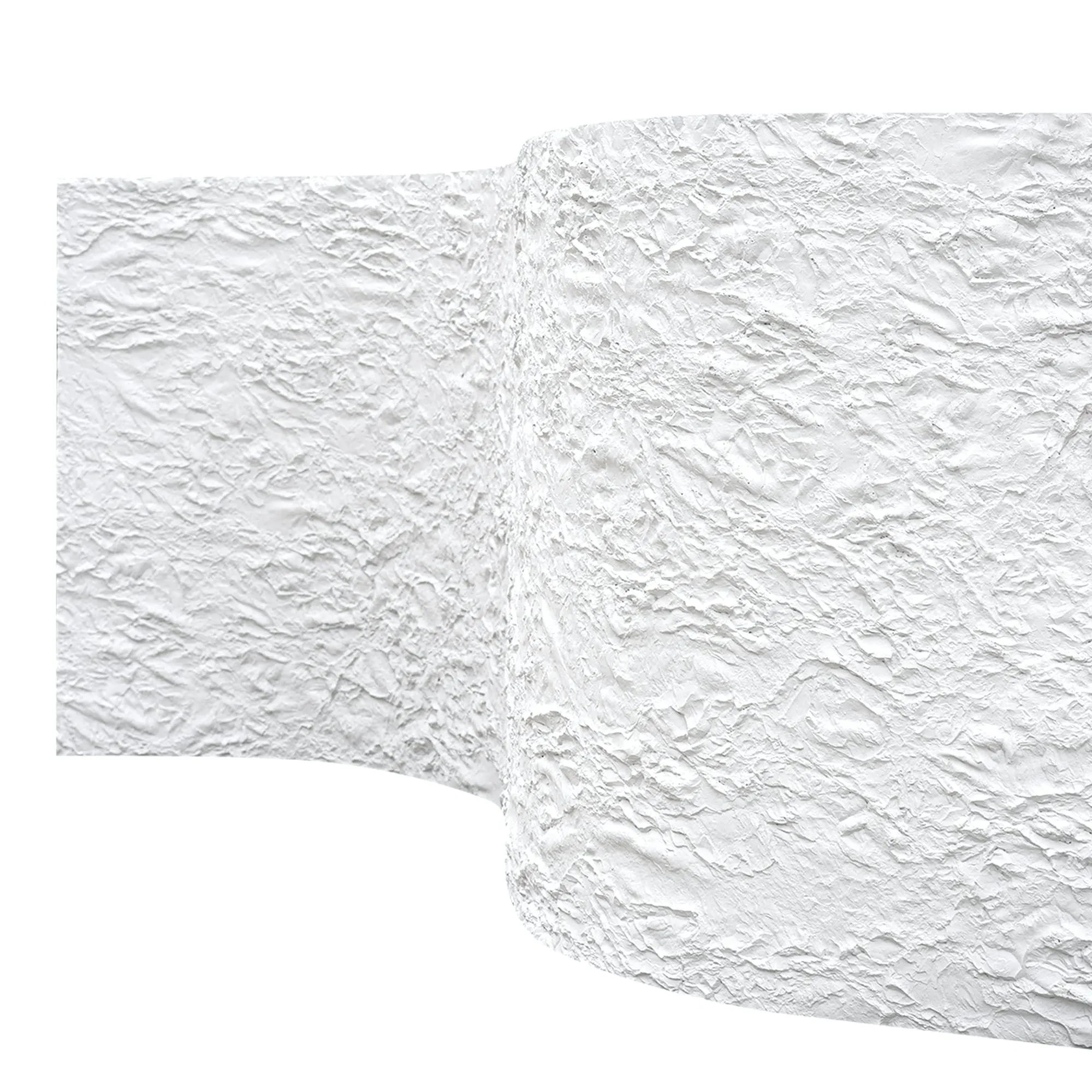
Now, let's pivot to "Star Gravel," our term for advanced, high-performance architectural materials that embody innovation, sustainability, and efficiency. At the core of this revolution, and a flagship offering from COLORIA GROUP , is MCM (Modified Cementitious Material) . This isn't just another synthetic material; it's a sophisticated composite that combines inorganic mineral powders, polymer emulsions, and other additives to create a material with incredible properties.
Unlike its traditional counterparts, MCM is incredibly versatile, lightweight, and engineered for superior performance. It mimics the look and feel of natural materials like stone, wood, and even leather, but without their inherent drawbacks. COLORIA GROUP offers a comprehensive range of MCM products, including:
MCM Big Slab Board Series: Large format panels for seamless, grand designs, perfect for modern architecture.
MCM Project Board Series: Tailored for specific engineering and large-scale commercial projects, offering robust performance and cost efficiency.
MCM 3D Printing Series: Pushing the boundaries of design with intricate, custom three-dimensional textures and patterns.
MCM Flexible Stone: A truly revolutionary product that offers the aesthetic of natural stone with unprecedented flexibility, making it ideal for curved surfaces and complex geometries.
These materials are primarily used for interior and exterior architectural finishes , offering a fresh perspective on how buildings are designed, constructed, and maintained.
Exceptional Lightweight Nature: MCM products are significantly lighter than traditional stone or concrete. This reduces the structural load on buildings, potentially allowing for lighter foundations and structural frames, which translates directly into lower material and construction costs. It also drastically cuts down on transportation expenses and makes handling on-site much easier and safer.
Flexible and Durable: The "Flexible Stone" variant is a testament to its adaptability. MCM can bend and curve, opening up new design possibilities that are impossible with rigid materials. Despite its flexibility, it boasts excellent durability, resistance to cracking, fading, and weathering, making it suitable for even harsh environments.
Rapid and Easy Installation: Being lightweight and often available in large formats or flexible sheets, MCM is much quicker and simpler to install. It can often be adhered directly to various substrates, reducing labor time and associated costs. Less cutting on-site means less waste and less dust.
Unmatched Customization Options: This is where MCM truly shines. The manufacturing process allows for incredible customization in terms of color, texture, pattern, and even 3D effects. Architects and designers are no longer constrained by the limitations of natural materials; they can bring unique visions to life, creating truly distinctive and personalized spaces. Whether you want the aged look of weathered brick, the sleekness of polished concrete, or the warmth of natural wood, MCM can replicate it with remarkable fidelity.
Green and Environmentally Friendly: Green and environmentally friendly practices are at the core of MCM production. It often utilizes recycled materials, reduces energy consumption in manufacturing compared to traditional methods, and is generally free from harmful VOCs (Volatile Organic Compounds). Its lightweight nature also reduces the carbon footprint associated with transport. For projects aiming for LEED certification or other green building standards, MCM is an ideal choice.
Superior Performance: MCM is typically waterproof, fire-retardant, anti-fouling, and resistant to UV radiation. This means less maintenance over its lifespan and a longer-lasting, beautiful finish, reducing long-term replacement or repair costs.
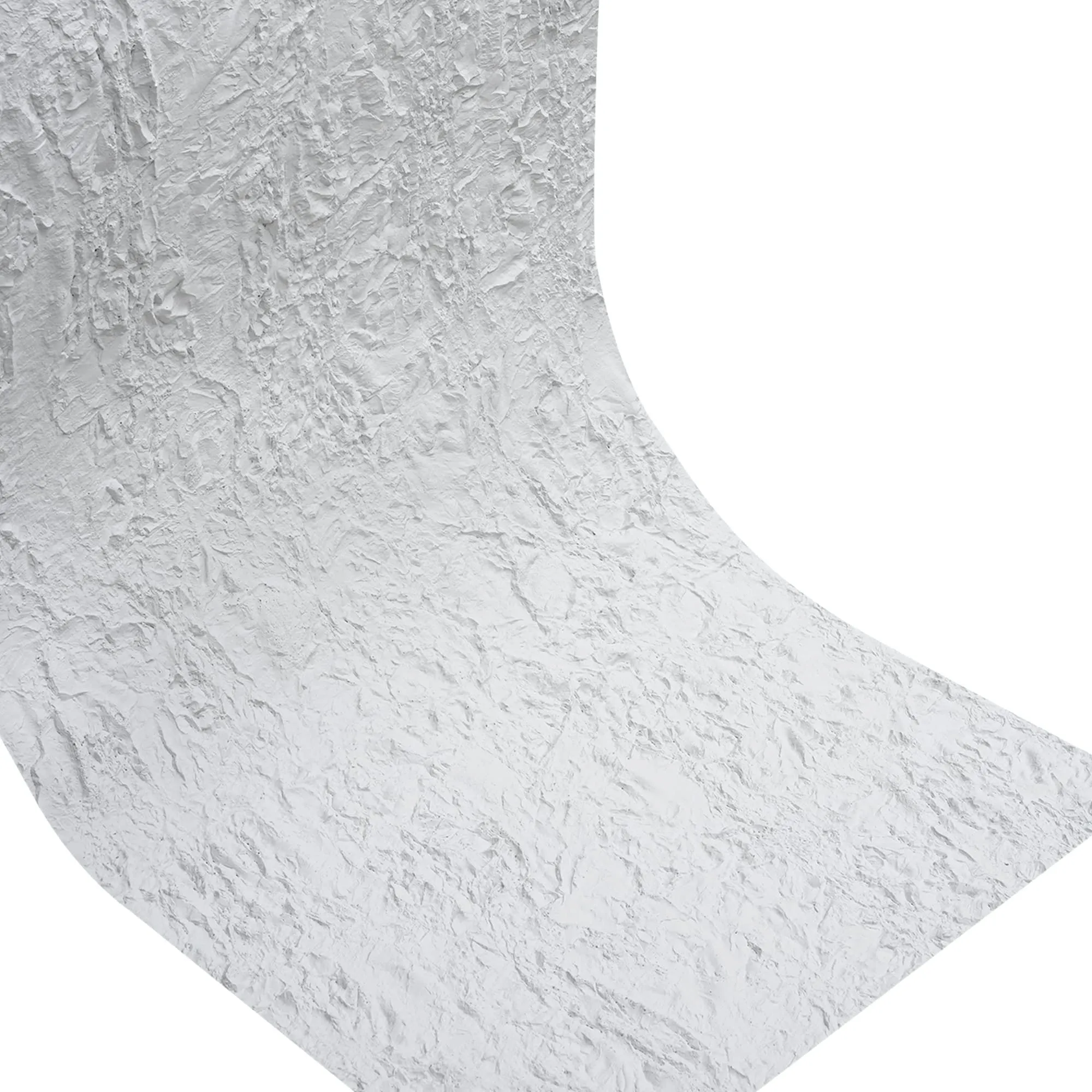
Now that we've laid the groundwork, let's dive into the core of our analysis: a direct comparison of the cost-effectiveness between these two approaches. We'll look at various stages of a project's life cycle.
Initially, some traditional materials like basic stucco or standard ceramic tiles might seem cheaper per square meter than a premium MCM product. However, this is rarely the full picture.
Traditional Gravel: Natural stone can be exceptionally expensive due to quarrying and processing. High-end ceramics also command significant prices. Cheaper options often come with compromises in durability or aesthetics.
Star Gravel (MCM): While not always the absolute cheapest per unit area on paper, MCM offers competitive pricing, especially when considering its performance and aesthetic versatility. Its ability to mimic premium materials at a fraction of their cost provides immense value.
The key takeaway here is that the initial material cost for MCM often aligns or even surpasses the value proposition of traditional materials when you consider its capabilities.
This is a significant factor often overlooked in preliminary budgeting.
Traditional Gravel: Heavy materials like stone, concrete, and large quantities of ceramic tiles require robust transportation infrastructure, increasing fuel consumption, shipping costs, and often requiring specialized handling equipment. This becomes particularly impactful for international projects or those in remote locations.
Star Gravel (MCM): The lightweight nature of MCM dramatically reduces transportation costs. More material can be shipped per load, requiring fewer trips and less fuel. This not only saves money but also contributes to a lower carbon footprint, aligning with green and environmentally friendly building practices.
Labor and time are two of the most expensive components of any construction project.
Traditional Gravel: Labor-intensive installation, precise cutting, wet applications, curing times, and the need for specialized skills all contribute to higher labor costs and longer project schedules. This can lead to increased overheads, delayed project completion penalties, and higher interest on construction loans.
Star Gravel (MCM): Simple, dry installation methods (often adhesive-based), lightweight panels, and larger formats significantly reduce labor hours. Faster installation means quicker project completion, allowing for earlier occupancy or revenue generation. The reduced complexity also means a broader pool of skilled workers can handle installation, further optimizing costs. As a one-stop solution provider , COLORIA GROUP often provides guidance and support to ensure efficient installation.
The weight of materials directly affects the structural design and cost of a building.
Traditional Gravel: Heavy cladding materials necessitate stronger foundations, thicker columns, and more robust beams. This means more concrete, more rebar, and greater excavation efforts, adding substantial costs to the building's core structure.
Star Gravel (MCM): By significantly reducing the dead load of the exterior and interior finishes, MCM can lead to savings in the structural design. Lighter framing, smaller foundations, and potentially fewer structural elements can be designed, translating into considerable cost reductions for the overall building structure.
A building's lifecycle cost is heavily influenced by how much it costs to maintain it.
Traditional Gravel: Some materials like stucco require periodic re-coating. Grout lines need cleaning and re-sealing. Natural stone may require specific cleaning agents or sealing to prevent staining. Repairs to individual damaged stone pieces can be costly and difficult to match.
Star Gravel (MCM): Engineered for durability, MCM is generally low-maintenance. Its resistance to fading, water, and fire, combined with its flexible and anti-fouling properties, means less frequent cleaning and fewer repairs. Its robust composition ensures a long lifespan, reducing the need for premature replacement and offering a superior long-term aesthetic and structural integrity for interior and exterior architectural finishes .
In an increasingly regulated world, the environmental impact of materials has financial implications.
Traditional Gravel: High energy consumption in manufacturing, quarrying impacts, and significant construction waste can make it harder and more expensive to meet modern green building certifications. Penalties for non-compliance with environmental standards can also be a concern.
Star Gravel (MCM): With its focus on sustainability, reduced waste, and lower carbon footprint during production and transport, MCM helps projects achieve green building certifications like LEED, BREEAM, or other regional standards. This can lead to incentives, grants, and enhanced marketability for the property, contributing to long-term value.
| Cost Factor | "Traditional Gravel" (Conventional Materials) | "Star Gravel" (MCM by COLORIA GROUP) | Cost-Effectiveness Advantage (MCM) |
|---|---|---|---|
| Material Weight | High (e.g., natural stone, concrete) | Very Low (e.g., MCM flexible stone, panels) | Reduced structural costs, lower transport fees. |
| Transportation Costs | High due to weight & volume. | Significantly lower due to lightness & efficiency. | Substantial savings in logistics. |
| Labor Intensity | High; skilled labor, precise cuts, curing. | Low; easy, dry installation, fewer specialists needed. | Faster project completion, reduced labor bills. |
| Installation Time | Longer due to complexity, drying times. | Shorter; quick application, less site disruption. | Earlier project handover, reduced overhead. |
| Structural Impact | Requires heavier foundations & structural frame. | Allows for lighter structures, material savings. | Reduced costs for foundational elements. |
| Design Flexibility / Customization | Limited by natural patterns, rigid forms. | Extensive customization in color, texture, 3D. | Unique aesthetics without bespoke costs. |
| Environmental Footprint | Higher energy consumption, quarrying impact. | Green and environmentally friendly ; less waste, lower emissions. | Better for certifications, long-term sustainability. |
| Maintenance Requirements | Varies; some require sealing, repainting, grout care. | Low; durable, resistant to weathering & fading. | Lower long-term operational expenses. |
| Longevity & Durability | Good for many, but issues like cracking, fading possible. | Excellent; resistant to UV, fire, water, impact. | Extended lifespan, reduced replacement costs. |
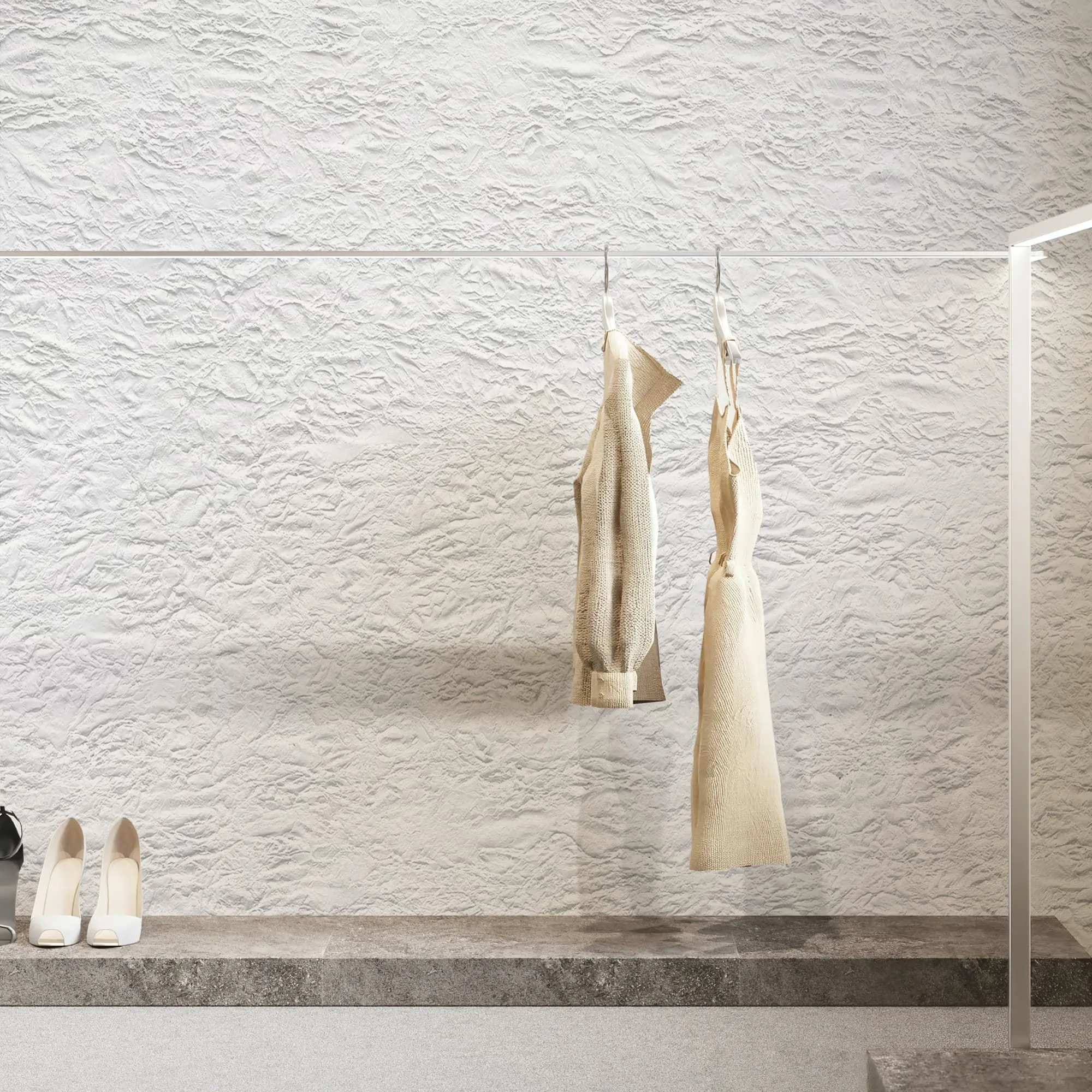
Understanding the inherent advantages of "Star Gravel" materials like MCM is one thing; accessing them and integrating them seamlessly into your project is another. This is where COLORIA GROUP steps in as your trusted partner. As a dedicated one-stop solution provider in the architectural materials sector, we don't just sell products; we offer comprehensive support from concept to completion.
With decades of industry experience, particularly with a strong presence and agency in Saudi Arabia, COLORIA GROUP has cultivated an unparalleled understanding of global architectural trends and specific regional demands. Our expertise allows us to guide you through the selection process, ensuring you choose the most suitable MCM products for your specific needs, whether it's for a residential facade or a large-scale commercial interior.
Our services extend beyond just providing high-quality MCM (Modified Cementitious Material) products. We offer:
Consultation and Design Support: Our team works closely with architects, designers, and developers to bring their creative visions to life, leveraging the incredible customization capabilities of MCM.
Technical Assistance: We provide detailed technical specifications, installation guides, and on-site support to ensure flawless execution.
Global Reach, Local Expertise: Our international network combined with local presence (like in Saudi Arabia) ensures efficient logistics and responsive customer service, tailored to your market.
Commitment to Sustainability: We align with your green and environmentally friendly goals, offering materials that contribute positively to building certifications and ecological responsibility.
By choosing COLORIA GROUP , you're not just purchasing materials; you're investing in a partnership that guarantees quality, efficiency, and innovation, ultimately leading to a more cost-effective and successful project.
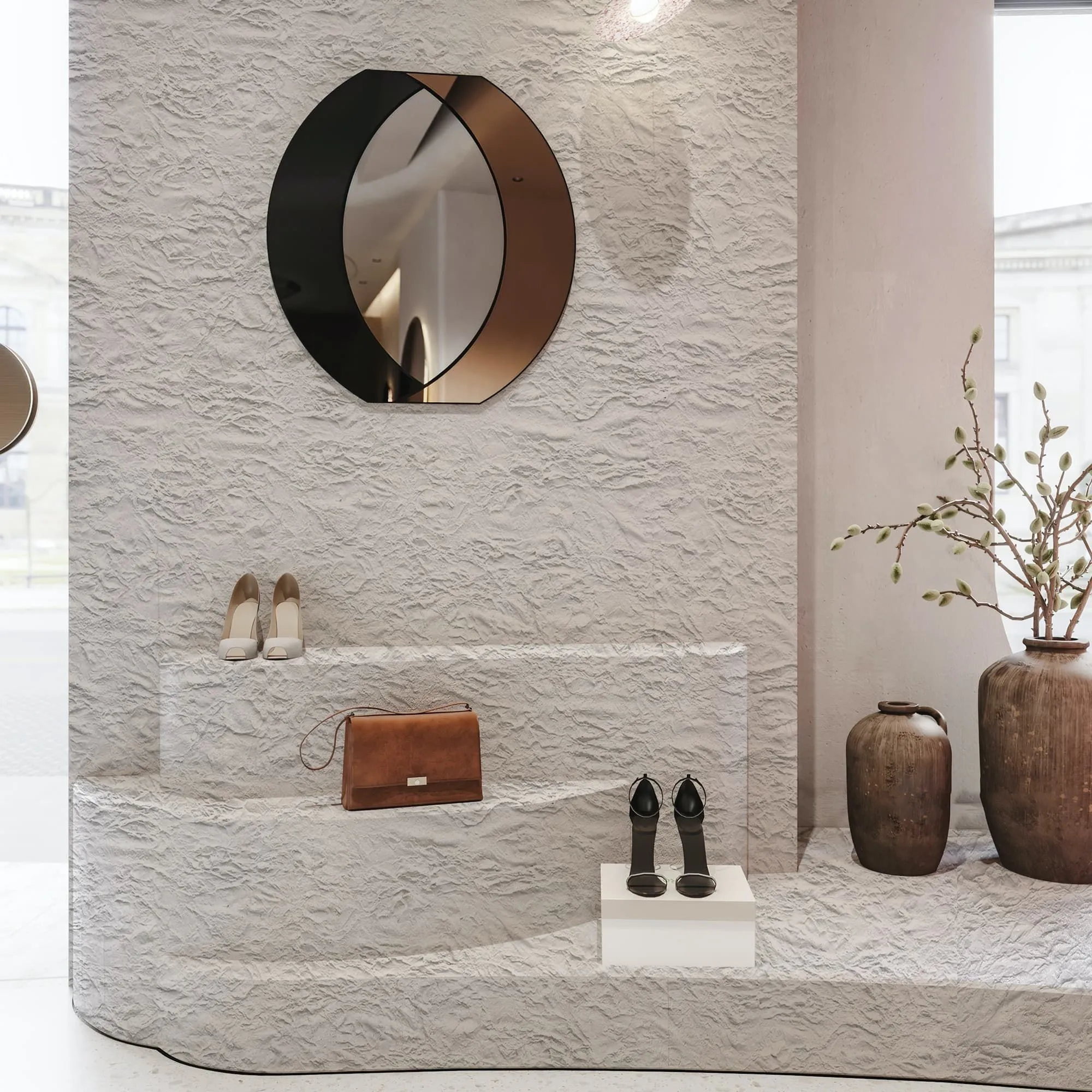
The theoretical advantages of MCM translate into tangible benefits in real-world projects. Consider a large commercial building where exterior cladding is a major component. By opting for MCM Big Slab Boards instead of heavy natural stone, the project could see:
Reduced Foundation Costs: A lighter facade means less structural steel and concrete required for the building's skeleton, saving potentially millions on large-scale projects.
Accelerated Construction Timeline: Faster installation of lightweight panels reduces labor hours by weeks or even months, allowing the building to open sooner and start generating revenue.
Lower Logistics Expenses: Fewer truckloads needed to transport materials to the site, cutting down on fuel, transportation fees, and on-site storage requirements.
Enhanced Aesthetic Options: The ability to custom-design textures and colors allows the building to stand out, achieving a unique identity without the prohibitive costs of bespoke natural materials.
Improved Sustainability Profile: Achieving green building certifications becomes easier, attracting environmentally conscious tenants or buyers and potentially qualifying for tax incentives.
Similarly, for an interior renovation, using MCM Flexible Stone on curved walls or intricate architectural features eliminates the need for expensive, custom-cut natural stone, offering the same luxurious feel with greater ease of installation and significant cost savings. The versatility of MCM in interior and exterior architectural finishes makes it an ideal choice for diverse applications.
The comparison between "Star Gravel" (MCM) and "Traditional Gravel" (conventional materials) isn't just an academic exercise; it's a look into the future of construction. As urban environments become denser, resources become scarcer, and demands for sustainable, high-performance buildings increase, the shift towards innovative materials like MCM (Modified Cementitious Material) is not merely an option but a necessity.
COLORIA GROUP is committed to leading this transformation, providing the tools and expertise required to build a more beautiful, efficient, and sustainable world. Our dedication to being a one-stop solution provider means that our clients receive not just products, but a partnership focused on delivering excellence and maximizing value at every stage. We empower architects and builders to push the boundaries of design, enabling unprecedented levels of customization while adhering to the strictest green and environmentally friendly standards.
The decision to choose your building materials is pivotal. It impacts your budget, timeline, project quality, and environmental footprint. By thoughtfully analyzing the true cost-effectiveness, it becomes clear that investing in advanced materials like MCM offers superior returns in the long run, both financially and environmentally. We encourage you to explore the possibilities that MCM brings to your next project and discover why it truly represents the "Star Gravel" of modern architectural finishes.
Recommend Products











