If Riyadh's hub is about modern collaboration, Jeddah's Red Sea Cultural Pavilion is a love letter to Saudi heritage. Perched along the city's waterfront, the pavilion celebrates the region's history through art, exhibitions, and public spaces. For lead designer Amina Faraj, the challenge was clear: "We needed materials that honored our past but didn't feel stuck in it.
Starmoon Stone, with its ability to mimic ancient stone textures while offering modern performance, was the bridge we needed."
The pavilion's interior courtyard is its crown jewel—a serene, open-air space where visitors gather to escape the bustle of Jeddah's streets. Here,
Starmoon Stone takes center stage, used to clad the courtyard walls in a warm, earthy palette. "We paired it with
fair-faced concrete for contrast," Faraj explains. "The concrete adds a raw, industrial edge, while the
Starmoon Stone brings in the warmth of traditional Najdi architecture. It's a dialogue between old and new."
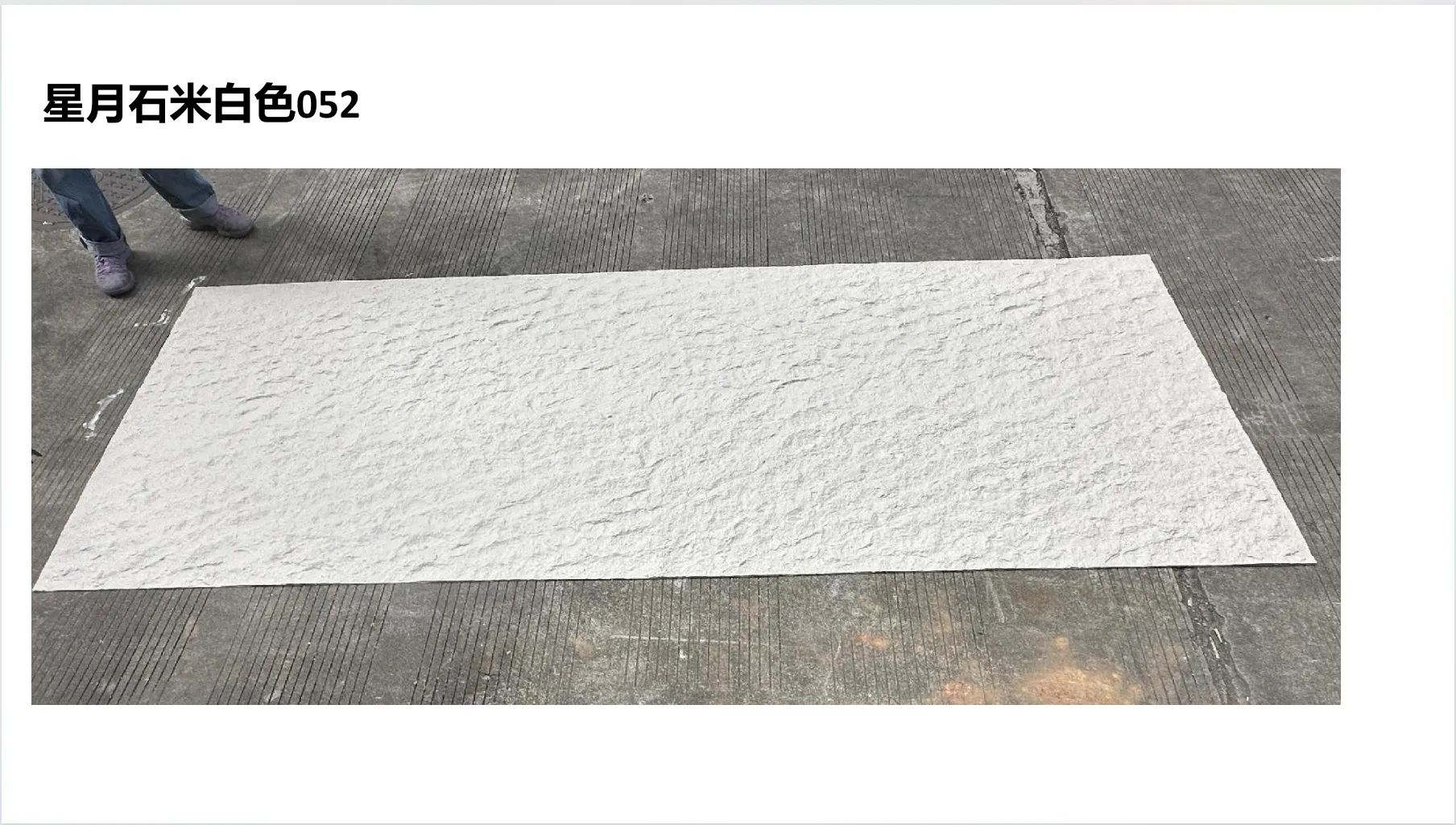
A closer look reveals why the choice was so intentional. The stone's surface, textured to resemble weathered desert rock, invites touch—children run their hands over it, elders trace its grooves, as if connecting with generations past. "That tactile quality was crucial," Faraj says. "Cultural spaces should engage all senses, not just sight.
Starmoon Stone doesn't just look like ancient stone; it feels like it, too."
The pavilion also showcases
Starmoon Stone's versatility in color and finish. In the exhibition halls,
travertine (starry green) panels line the walls, their subtle shimmer complementing the soft glow of display lights. In the outdoor amphitheater, darker Starmoon variants ground the space, creating a backdrop that makes performers and audiences feel intimate, even under the open sky.
For local artist Saleh Al-Mansoori, who exhibited his work at the pavilion's opening, the stone has become part of his art. "My pieces explore the relationship between nature and urbanization," he says. "The Starmoon walls don't just display my paintings—they (duìhuà, 'dialogue') with them. The starry green flecks echo the stars in my desert landscapes. It's like the building itself is collaborating with the art."
Coastal durability was a concern, of course. Jeddah's salty air can corrode even the sturdiest materials, but
Starmoon Stone's MCM base proved resistant. "We've had zero issues with rust or discoloration," reports facility manager Layla Ahmed. "The stone repels moisture, and the color stays vibrant. It's low-maintenance, which is a relief—we want to focus on curating experiences, not constant upkeep."