
Let's face it—schools are some of the busiest places on the planet. From the first bell to the last, hallways buzz with students rushing to class, cafeterias echo with laughter during lunch, and gymnasiums thrum with the energy of basketball games and assemblies. Every inch of these spaces, especially high-traffic areas, takes a daily beating. Scuffed walls, stained surfaces, and chipped corners aren't just eyesores; they can make a school feel run-down, affecting everything from student pride to teacher morale. That's where the right cladding material comes in. It's not just about covering walls—it's about creating a space that can keep up with the chaos, stay safe, and still look inviting year after year. Enter Starmoon Stone, a cladding solution that's quietly revolutionizing how educational institutions think about durability and design.
Think about a typical school day. Hundreds of students pile into hallways between classes, backpacks swinging and shoes scuffing the floors (and walls, let's be honest). Cafeteria walls endure spills—ketchup, milk, the occasional mystery sauce—while gymnasium surfaces take hits from balls, benches, and the enthusiastic energy of PE class. Even outdoor areas like playgrounds and walkways face rain, snow, and the constant stomping of little feet. Traditional cladding materials, like plain concrete or standard tiles, often aren't up to the task. They scratch easily, absorb stains, and fade under UV light, leaving schools stuck in an endless cycle of repairs and repaints. And let's not forget safety: cracked or uneven surfaces can trip students, while porous materials might harbor mold or bacteria. For schools, the goal isn't just to "survive" these spaces—it's to thrive in them.
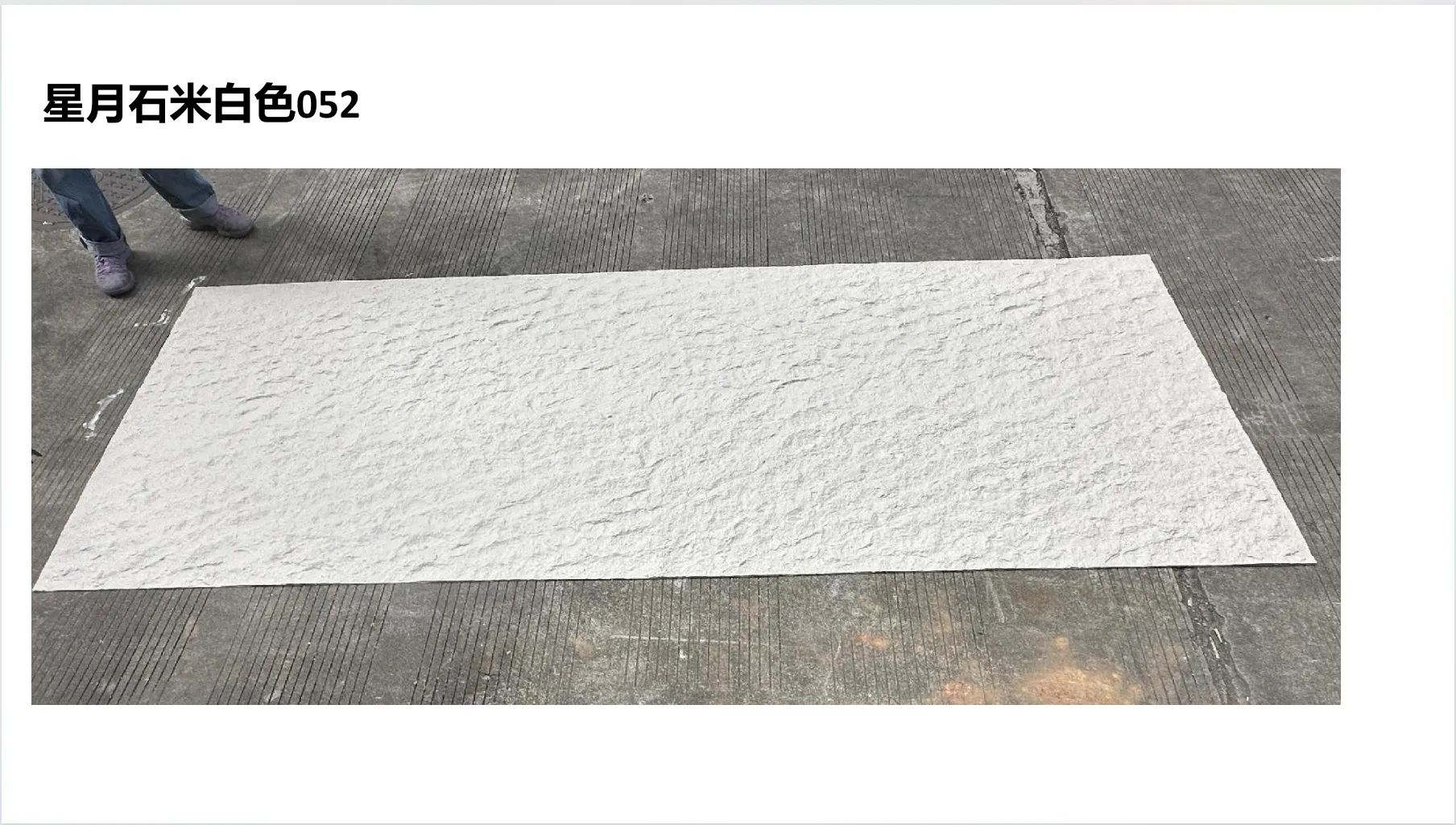
So, what makes Starmoon Stone different? Let's start with the basics. Part of the broader family of MCM flexible stone, Starmoon Stone is engineered to be both tough and adaptable. Unlike rigid materials that crack under pressure, its flexible composition allows it to bend slightly without breaking—perfect for areas where movement (like the subtle shifting of a building's structure) might otherwise damage cladding. But don't let "flexible" fool you: this stuff is strong . Classified as a high-strength construction board, it resists scratches, dents, and impacts, even from the rowdiest of hallway traffic. And because it's made from modified composite materials, it's lightweight, making installation easier and safer—no heavy machinery cluttering up school grounds during upgrades.
But Starmoon Stone isn't just about brawn; it has brains, too. Its surface is non-porous, which means spills bead up instead of soaking in—no more permanent coffee stains from teacher break rooms or soda marks in the cafeteria. It's also fire-resistant, a critical feature for any educational space, and its texture is designed to be slip-resistant, even when wet (goodbye, slippery hallway floors after a rainstorm). And let's talk aesthetics: Starmoon Stone comes in a range of natural-inspired textures and colors, from warm beiges that mimic travertine to deeper grays that evoke polished granite. It adds warmth and character to spaces that might otherwise feel cold or institutional—because a school should feel like a place where creativity grows, not just a concrete box.
Curious how Starmoon Stone compares to other popular cladding options in schools? Let's break it down. We've pitted it against two common choices: fair-faced concrete (a staple in many modern schools) and Lunar Peak silvery (a sleek, metallic option from the Lunar Peak series). Here's how they measure up in key areas that matter most to educators and facility managers:
| Feature | Starmoon Stone | Fair-Faced Concrete | Lunar Peak Silvery |
|---|---|---|---|
| Durability (Scratch/Impact Resistance) | Excellent—resists dents even from heavy backpacks | Good, but prone to chipping at edges | Moderate—metallic finish scratches easily |
| Stain Resistance | High—non-porous surface repels spills | Low—porous; absorbs oils and dyes | Medium—resists light stains but shows fingerprints |
| Maintenance Needs | Low—wipe clean with soap and water | High—requires sealing every 1-2 years | Medium—needs occasional polishing to retain shine |
| Safety (Slip Resistance) | High—textured surface prevents slips | Medium—can be slippery when wet | Low—smooth metallic surface is slippery when damp |
| Aesthetic Versatility | High—mimics natural stone; multiple colors/textures | Low—limited to gray; can look dull over time | Medium—modern metallic look, but limited color range |
The verdict? While fair-faced concrete is budget-friendly upfront, its high maintenance costs add up over time. Lunar Peak silvery looks sleek but struggles with durability in rough-and-tumble school settings. Starmoon Stone, on the other hand, balances durability, low maintenance, and design flexibility—making it a smart long-term investment for schools.
Let's take a trip to Riverside Elementary, a mid-sized school in suburban Ohio that installed Starmoon Stone in three key areas two years ago: their main hallway, cafeteria walls, and outdoor playground perimeter. Principal Sarah Martinez recalls the decision vividly: "We were tired of repainting the hallway walls every summer—they looked great in August, but by October, the scuffs and stains were already showing. And the cafeteria walls? Tomato sauce was our worst enemy." After researching options, they chose Starmoon Stone in a warm beige tone that complemented the school's existing brick exterior.
"Two years later, those walls still look brand new," says Martinez. "The kids run down the hallway, backpacks bouncing, and there's not a scratch. The cafeteria staff loves it—spills wipe right off with a damp cloth. Even the playground walls, which get rained on and snowed on, haven't faded or cracked. It's been a game-changer for our budget, too. We used to spend $5,000 a year on repainting and repairs; now, we just do a quick power wash once a season. That money goes straight back into classroom supplies."
Janitorial staff member Mike Torres agrees: "I used to spend hours scrubbing stains out of the old cafeteria tiles. Now, I spray them with a little cleaner and wipe—done. And the kids? They notice. One of the fourth graders told me, 'Ms. Torres, the walls look like the rocks we found on our field trip!' It makes the school feel more like a 'real place,' not just a building."
Riverside isn't alone. Schools across the country are catching on, installing Starmoon Stone in gymnasiums (where it stands up to basketballs and dodgeballs), art rooms (resisting paint splatters), and even outdoor amphitheaters (withstanding rain, sun, and graduation ceremonies). It's not just about durability—it's about creating spaces that students and staff notice in a good way.
These days, schools aren't just focused on what works now—they're thinking about the planet, too. Starmoon Stone checks that box, too. Its production process uses recycled materials where possible, and because it's so durable, it reduces the need for frequent replacements (less waste in landfills). Its lightweight design also cuts down on transportation emissions during delivery, and since it requires minimal maintenance, it uses fewer harsh cleaning chemicals over its lifetime. For schools aiming for LEED certification or green building status, Starmoon Stone is a natural fit. As Principal Martinez puts it: "We teach our students to be responsible stewards of the environment. It only makes sense that our building materials reflect those values."
At the end of the day, choosing cladding for a school is about more than picking a material—it's about investing in the community. A school with well-maintained, beautiful spaces sends a message: "We care about you." It boosts student pride, makes teachers feel valued, and even encourages parents to get more involved. Starmoon Stone offers that rare combination of durability, beauty, and sustainability, all wrapped into a package that works as hard as the students and staff who use it every day.
So, the next time you walk through a school hallway, take a look at the walls. Are they covered in scuffs and stains, or do they shine with resilience? For schools ready to stop fighting their high-traffic areas and start thriving in them, Starmoon Stone isn't just a choice—it's the future.
Recommend Products












