


Walk into any healthcare facility, and you'll immediately sense the weight of its purpose. The air feels different—charged with urgency, yet softened by the quiet hope of recovery. For patients, families, and staff, these spaces are more than just buildings; they're backdrops to some of life's most vulnerable moments. That's why healthcare design has evolved far beyond functionality alone. Today, it's about creating environments that heal.
Cladding, in particular, is a silent workhorse in this mission. It's the first thing you touch when you lean against a wall, the surface that catches your eye during a restless night in a hospital bed, and the barrier that protects against the daily wear and tear of wheelchairs, stretchers, and countless footsteps. But its impact goes deeper. Studies show that environments with natural textures and calming colors can lower heart rates, reduce anxiety, and even speed up recovery times. Conversely, cold, sterile surfaces can heighten stress, making an already difficult experience feel more overwhelming.
Hygiene, too, is non-negotiable. In spaces where infection control is a matter of life and death, cladding must resist bacteria, stand up to harsh cleaning chemicals, and remain easy to sanitize. And let's not forget durability: healthcare facilities are high-traffic zones, where walls take a beating from equipment, carts, and the constant movement of people. A material that chips, stains, or fades quickly isn't just a maintenance headache—it's a distraction from the real work of caring for others.
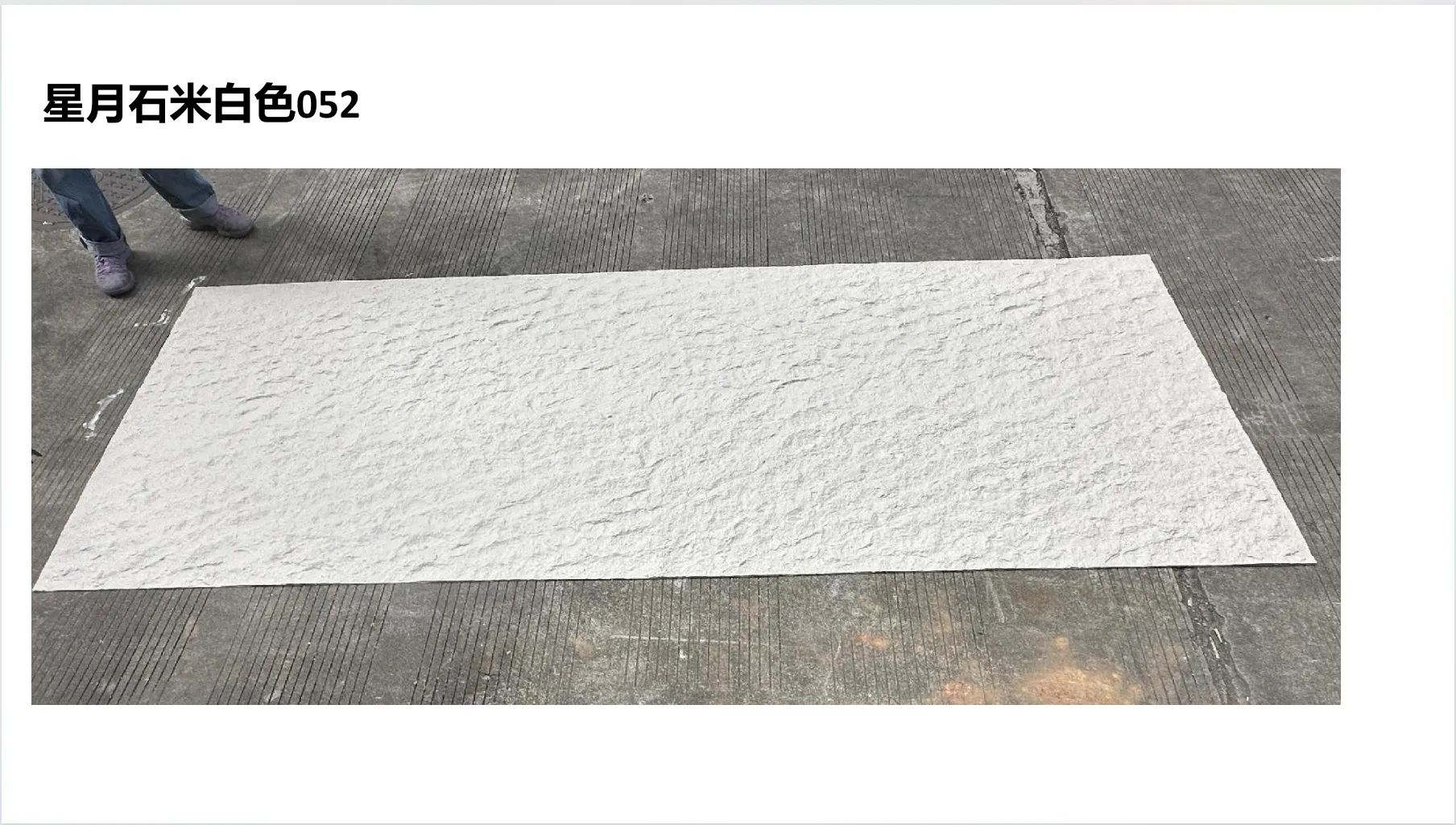
So, what does it take for cladding to rise to these challenges? It needs to be a jack-of-all-trades: hygienic, durable, aesthetically pleasing, and sustainable. And in a market flooded with options—from traditional tiles to sleek marbles—finding a material that checks all these boxes is no small feat. That's where Starmoon Stone enters the picture.










