
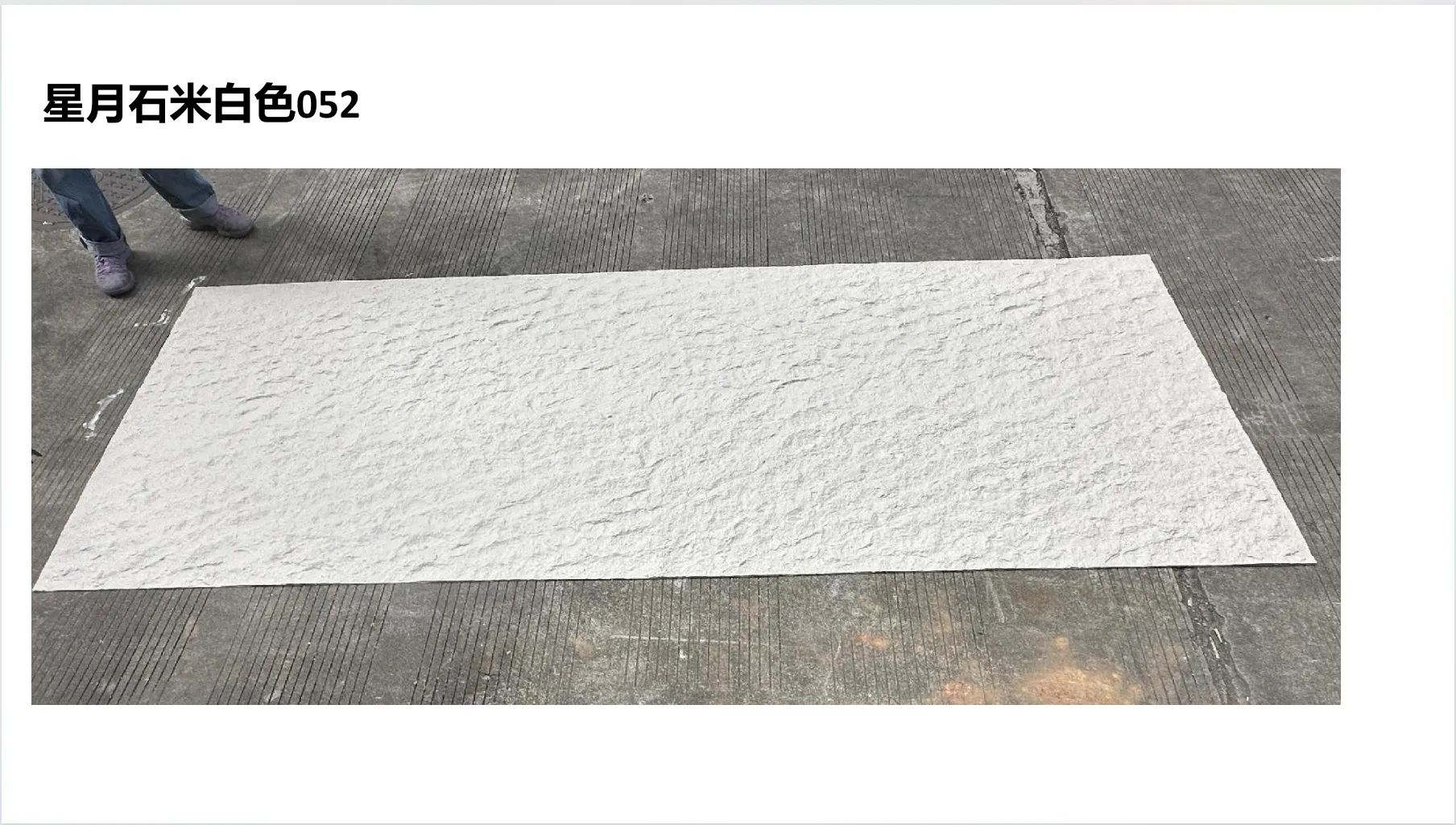
There's a quiet pride in owning a space adorned with Starmoon Stone cladding. Its surface, with its subtle shimmer and organic texture, doesn't just decorate walls—it tells a story. Whether it's the starry flecks of travertine (starry green) catching the light or the smooth, earthy feel of flexible stone cladding panels under your fingertips, these materials transform houses into homes and commercial spaces into memorable destinations. But here's the thing about beauty this timeless: it needs care. Not the fussy, high-maintenance kind, but the kind that comes from understanding what makes these stones tick. With the right habits, your Starmoon Stone won't just age— it'll mature, growing more characterful without losing its luster. Let's dive into how to keep that magic alive, decade after decade.
Starmoon Stone isn't just a pretty face. It's a blend of durability and artistry, often falling into the family of materials like travertine (starry green) —a type of limestone with natural voids and crystalline patterns that mimic a starry night sky. What sets it apart? Its porosity. Those tiny holes that give it such depth also mean it's thirsty: spills, oils, and even dust can seep in if left unchecked. Compare that to something like rough granite stone (medium grey) , which is denser and more resistant to stains, and you'll see why Starmoon Stone needs a little extra attention. But don't let that intimidate you. Think of it like caring for a vintage leather jacket: a little effort keeps it looking better than new.
And let's not forget its cousins in the cladding world, like flexible stone cladding panels . These innovative materials bend to fit curved surfaces, adding versatility to design—but their flexibility means they're also prone to scratches if you drag heavy objects across them. Understanding these quirks is half the battle. Now, let's turn that knowledge into action.
You don't need a fancy toolkit for daily maintenance—just consistency. Start with dusting. Use a microfiber cloth or a soft-bristled brush (avoid anything abrasive, like steel wool) to wipe down surfaces once a day. Why microfiber? It traps dust instead of pushing it around, preventing tiny particles from scratching the stone over time. For vertical cladding, work from top to bottom to catch falling dust—simple, but effective.
Next, spills. Act fast—like, "drop everything and grab a cloth" fast. Acidic substances (coffee, citrus, wine) are the worst offenders here. They can etch the stone, leaving dull spots that are tough to fix. Blot the spill with a clean, dry cloth (don't rub—you'll spread it!). If it's something oily (like cooking grease), sprinkle a little baking soda on the area first to absorb the oil, then wipe. For water spills? Just dry immediately to avoid mineral deposits, especially if you live in an area with hard water.
And when it comes to cleaning products? Stick to mild, pH-neutral soap. Think dish soap diluted in warm water—nothing with bleach, ammonia, or vinegar. Those harsh chemicals can strip the stone's natural sealant and discolor the surface. A good rule of thumb: if it smells like a cleaning product (strong, chemical), skip it. Your stone prefers gentle, like a baby shampoo for sensitive skin.
Even with the best intentions, stains happen. Red wine at a dinner party, a stray crayon from the kids, or that time you forgot your potted plant was leaking—we've all been there. The key is to treat them based on what they are. Here's a cheat sheet:
Remember: travertine (starry green) is more porous than, say, fair-faced concrete , so the sooner you act, the better. If a stain has been sitting for weeks, it might need professional help—but don't panic. Most stains can be lifted with a little patience.
Maintenance isn't just about cleaning—it's about prevention. Think of it as setting up boundaries to protect your stone. Here are a few easy wins:
Use coasters and trivets. Hot pans, icy drinks, and even wet glasses can leave marks. A simple coaster (opt for felt-backed ones to avoid scratches) goes a long way. For dining areas with Starmoon Stone tabletops, placemats are your friend—especially under dishes with sharp edges that might chip the surface.
Watch the furniture. If you have chairs or shelves near flexible stone cladding panels , attach felt pads to the legs. Dragging furniture across the panels is a surefire way to scratch them, and once a scratch sets in, it's hard to hide. Same goes for hanging art: use picture hangers with soft tips, not nails that might chip the stone around the hole.
Seal it up. Sealing is like giving your stone a raincoat. For Starmoon Stone, aim to seal it every 1–2 years (more often if it's in a high-traffic area like a kitchen or bathroom). Choose a penetrating sealer (not a topical one, which can make the stone look glossy and unnatural). How do you know it's time to reseal? Sprinkle a few drops of water on the surface. If they bead up, you're good. If they soak in, grab the sealer.
Shield from the sun. Direct sunlight can fade stone over time, especially lighter shades. If your cladding is near a window, use sheer curtains or UV-blocking film to filter the light. Your stone will thank you for the shade—and so will your energy bill.
Stone, like us, reacts to the weather. Summer humidity can bring mold and mildew, while winter dryness can make it brittle. Here's how to adapt:
Summer: Keep rooms well-ventilated with fans or open windows to reduce moisture. If you notice mildew (look for black or green spots), mix equal parts water and hydrogen peroxide, spray lightly, and wipe with a cloth. Avoid pressure washers on outdoor flexible stone cladding panels —the force can dislodge the stone from its backing.
Winter: Indoor heating dries out the air, which can make stone more prone to cracking. Use a humidifier to keep humidity levels between 40–60%. For outdoor cladding (like fair-faced concrete ), skip salt or de-icers—they can eat away at the stone. Instead, use sand for traction or calcium magnesium acetate (a pet-safe, stone-friendly alternative).
| Material | Key Maintenance Needs | Common Risks | Best Cleaner |
|---|---|---|---|
| Starmoon Stone (e.g., travertine starry green) | Seal every 1–2 years; wipe spills immediately; avoid acidic cleaners | Staining, etching from acids, dust buildup in pores | pH-neutral soap + water; hydrogen peroxide for organic stains |
| Rough Granite Stone (medium grey) | Seal every 3–5 years; daily dusting; avoid harsh chemicals | Etching (from strong acids), scratches from heavy objects | Mild dish soap + water; baking soda paste for oil stains |
| Fair-Faced Concrete | Seal yearly; avoid standing water; clean with soft brushes | Cracking from freeze-thaw cycles, staining from oil/grease | Concrete-specific cleaner (pH-neutral); pressure wash on low setting |
We talked to interior designers and stone specialists to get their best-kept secrets. Here's what they swear by:
Caring for your Starmoon Stone isn't just about keeping it clean—it's about honoring the space it creates. Every time you wipe a spill, dust a surface, or seal the stone, you're preserving more than a material. You're preserving the memories made there: the morning coffee by the travertine (starry green) wall, the laughter of friends around the rough granite stone (medium grey) counter, the quiet moments that make a house a home. These stones aren't just part of your decor—they're part of your story.
So grab that microfiber cloth, stock up on pH-neutral soap, and make maintenance a ritual. Your future self (and your future guests) will thank you. After all, the best things in life—whether a stone wall or a memory—are worth caring for.
Recommend Products












