
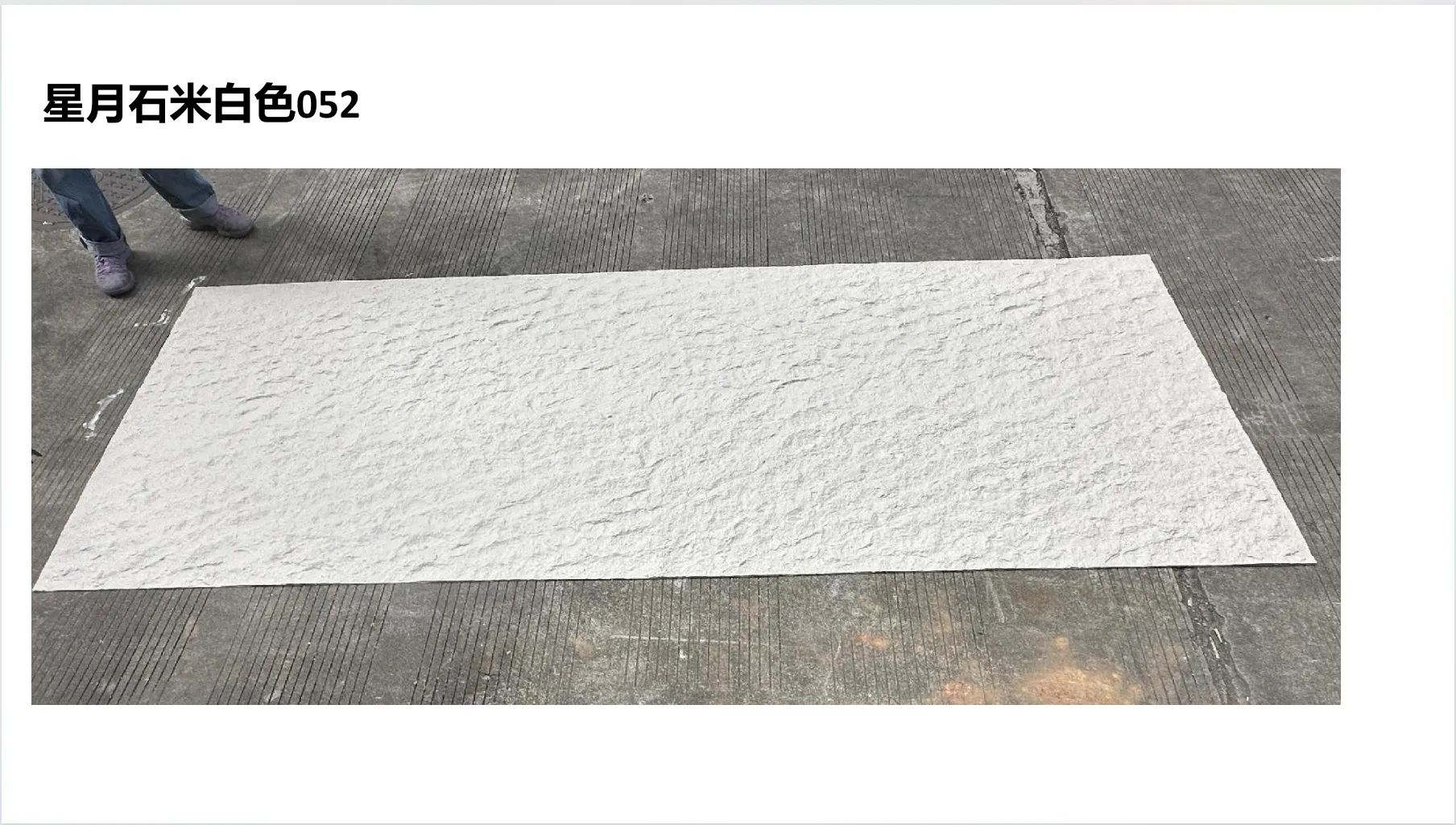
In the world of architecture and design, few elements carry the power to transform a space like natural stone. It's more than just a building material—it's a storyteller, a bridge between functionality and artistry, and a testament to the earth's timeless beauty. Among the many stone collections that have captured the imagination of designers and homeowners alike, Starmoon Stone stands out for its unique blend of innovation, durability, and aesthetic versatility. But here's the thing about stone: its impact isn't just in the color or pattern. The thickness of the slab plays a quiet yet crucial role in how it performs, feels, and integrates into your vision. Whether you're crafting a cozy home interior, a sleek corporate lobby, or an outdoor oasis, choosing the right Starmoon Stone thickness is like selecting the perfect brushstroke for a masterpiece—it shapes everything from durability to design character.
At first glance, thickness might seem like a simple number: 6mm, 10mm, 15mm, 20mm. But dig deeper, and you'll find it's a decision that weaves together practicality and poetry. A thinner slab might dance with light, creating a delicate, ethereal effect on a feature wall. A thicker slab, on the other hand, exudes strength, grounding a space with its substantial presence. And in between? A world of possibilities where functionality meets creativity. In this guide, we'll explore the nuances of Starmoon Stone thickness options, why they matter, and how to match them to your project's unique needs. From the shimmering veils of Travertine (starry green) to the industrial chic of Lunar Peak series, and the flexible ingenuity of MCM flexible stone, we'll uncover how thickness elevates each stone's natural beauty while ensuring it stands the test of time.
Let's start with the basics: Why does thickness even matter? Imagine, for a moment, two slabs of the same Travertine (starry blue)—one 6mm thin, the other 20mm thick. To the untrained eye, they might seem similar, but in reality, they're engineered for entirely different roles. The thin slab, lightweight and flexible, could curve gently around a staircase wall, turning a utilitarian space into a work of art. The thick slab, dense and robust, might anchor an outdoor patio, standing up to rain, snow, and the weight of furniture without a scratch. Thickness isn't just about how "strong" a stone is; it's about balance—matching the stone's inherent properties to the demands of its environment.
Durability is, of course, a key player here. Thicker stones generally offer greater resistance to chipping, cracking, and wear, making them ideal for high-traffic areas or outdoor use where exposure to the elements is a concern. But thickness also affects weight, which impacts installation. A 6mm slab might be easy to transport and mount on a wall, while a 20mm slab could require specialized support structures. Then there's aesthetics: a thin slab can feel airy and modern, perfect for minimalist designs, while a thick slab adds depth and texture, ideal for rustic or industrial themes. Even the stone's natural patterns—like the starry flecks in Travertine (starry green) or the metallic sheen of Lunar Peak golden—can appear more vivid or subtle depending on thickness. Thicker slabs, with their added mass, often enhance the stone's color saturation and veining depth, turning a beautiful pattern into a focal point.
Starmoon Stone offers a range of thicknesses to suit every project, from delicate accent pieces to heavy-duty structural elements. Let's break down the most common options, exploring their ideal uses, benefits, and the Starmoon collections that shine in each category.
At just 6mm thick, this is Starmoon Stone's thinnest offering—and don't let its slim profile fool you. Designed with flexibility and versatility in mind, 6mm slabs are a favorite among designers looking to push the boundaries of traditional stone applications. Weighing significantly less than thicker options (typically around 12-15 kg per square meter), they're easy to handle, transport, and install, making them perfect for projects where weight is a concern or where creativity calls for unconventional mounting.
Ideal applications for 6mm Starmoon Stone include accent walls, backsplashes, ceiling panels, and even furniture surfaces like cabinet doors or table tops. Their thinness allows them to be bent or curved (within reason, depending on the stone type), opening up possibilities for rounded edges, archways, or custom-shaped feature pieces. Imagine a bedroom wall clad in 6mm Lunar Peak silvery stone—its metallic finish catches the light, and the thin profile keeps the space feeling open and airy, rather than heavy. Or a kitchen backsplash in Travertine (starry orange), where the 6mm thickness ensures it sits flush against the wall, creating a seamless transition between countertop and tile.
MCM flexible stone, a standout in Starmoon's lineup, is particularly well-suited for 6mm applications. Engineered to combine the look of natural stone with enhanced flexibility, MCM (Modified Composite Material) slabs in 6mm can be applied to curved surfaces, uneven walls, or even used as a decorative overlay on existing furniture. For example, a retail store might use 6mm MCM flexible stone in a bold rusty red finish to line the interior of a circular display stand, turning a simple structure into a visual statement. The key here is that 6mm stone prioritizes design freedom over heavy-duty durability—while it's resistant to scratches and stains, it's best suited for low-traffic, indoor spaces where its beauty can take center stage.
If 6mm is for creativity, 10mm is for balance. At 10mm thick (weighing approximately 20-25 kg per square meter), this option strikes a harmonious chord between durability, versatility, and aesthetics, making it the most popular choice for residential projects and light commercial spaces. It's thick enough to withstand daily wear and tear—think kitchen countertops, bathroom vanities, living room floors, or hallway walls—yet not so heavy that it requires specialized structural support.
Residential homeowners often gravitate toward 10mm Starmoon Stone for its ability to elevate everyday spaces without overwhelming them. A 10mm travertine (beige) floor in a dining room, for instance, adds warmth and texture, standing up to spills and foot traffic while maintaining a soft, inviting feel. In a bathroom, 10mm marble veil white slabs on the shower walls offer a luxurious, spa-like vibe, with enough thickness to resist water absorption and mold growth. For light commercial settings—like boutique hotels, small offices, or cafes—10mm stone is a workhorse. A café might use 10mm wood grain board slabs for tabletops, combining the look of natural wood with the durability of stone, ensuring the surfaces hold up to mugs, plates, and daily cleaning.
Starmoon's Travertine series shines in 10mm thickness, particularly varieties like Travertine (starry green) and Travertine (starry blue). The 10mm profile enhances the depth of their starry patterns, making the flecks of color appear more pronounced and dynamic. For example, a home office with 10mm Travertine (starry green) walls would feel both calming and energizing—the stone's earthy base paired with the subtle sparkle of starry inclusions, all amplified by the slab's thickness. Similarly, Lunar Peak black in 10mm adds a touch of modern sophistication to a bedroom floor, its dark hue grounding the space while the 10mm thickness ensures it won't chip under the weight of furniture.
Stepping up to 15mm (weighing around 30-35 kg per square meter), we enter the realm of heavy-duty elegance. 15mm Starmoon Stone is built to handle more demanding environments, making it ideal for high-traffic commercial spaces, busy retail stores, or residential areas that see a lot of activity (like a family room with kids and pets). Its increased thickness translates to greater impact resistance, making it less prone to cracking under heavy furniture, dropped objects, or constant foot traffic.
Commercial applications for 15mm stone include hotel lobbies, restaurant dining areas, office reception desks, or retail store floors. A luxury hotel might use 15mm lunar peak golden slabs for its lobby floor, where the stone's metallic finish makes a grand first impression, and the 10mm thickness ensures it stands up to suitcases, rolling carts, and hundreds of guests daily. In a busy restaurant, 15mm rough granite stone (medium grey) countertops offer both durability and a rustic charm, resisting scratches from knives and heat from hot pots. Even in residential settings, 15mm stone is a smart choice for spaces that work hard—like a mudroom floor, a home gym, or a kitchen island that doubles as a homework station and dinner prep area.
Starmoon's boulder slab series is a standout in 15mm thickness, particularly options like boulder slab (vintage silver) and boulder slab (vintage gold). These slabs mimic the rugged texture of natural boulders, and the 15mm thickness amplifies their bold, organic look. Imagine a corporate office's reception area with a 15mm boulder slab (vintage black) accent wall—it's dramatic, modern, and built to last, setting the tone for a brand that values strength and innovation. Another standout is Starmoon's epoch stone, a durable composite stone designed for high-traffic areas. In 15mm, epoch stone in a rich charcoal color becomes a statement piece for a retail store's checkout counter, combining industrial edge with everyday practicality.
At 20mm thick (weighing approximately 35-40 kg per square meter), Starmoon Stone's thickest option is all about rugged durability and outdoor resilience. Built to withstand the elements—rain, snow, UV rays, and temperature fluctuations—20mm slabs are the go-to choice for outdoor applications, industrial settings, or any project that demands maximum strength. Their heft also makes them ideal for structural uses, like outdoor countertops, patio flooring, garden pathways, or retaining walls.
Outdoor projects thrive with 20mm Starmoon Stone. A homeowner might use 20mm gobi panel slabs for a backyard patio, creating a desert-inspired oasis that stands up to rain, sun, and winter freezes. A commercial property could line its outdoor walkways with 20mm historical pathfinders stone, blending durability with a weathered, antique look that complements the landscape. For industrial spaces—like warehouses, workshops, or factory floors—20mm fair-faced concrete slabs offer unmatched strength, resisting heavy machinery, oil spills, and constant impact. Even in coastal areas, 20mm foamed aluminium alloy board (vintage silver) is a smart pick, as its corrosion-resistant properties and thickness make it ideal for outdoor cladding exposed to salt air.
Starmoon's rammed earth board series shines in 20mm thickness, with options like rammed earth board (matcha green) and rammed earth board (gradient) adding earthy texture to outdoor spaces. The 20mm profile not only withstands weather but also enhances the depth of the rammed earth's natural color variations, creating a rich, layered look that evolves with time. For example, a botanical garden might use 20mm rammed earth board (khaki) for its outdoor pavilions, blending seamlessly with the greenery while standing up to wind, rain, and curious visitors. Another standout is Starmoon's boulder slab (vintage black) in 20mm—its dark, rugged surface is perfect for a modern outdoor fireplace, adding both warmth and a bold focal point to a backyard gathering space.
| Thickness | Ideal Applications | Durability Level | Weight (per sqm) | Example Starmoon Products |
|---|---|---|---|---|
| 6mm | Accent walls, backsplashes, curved surfaces, furniture overlays | Low to medium (indoor, low traffic) | 12-15 kg | MCM flexible stone (rusty red), Lunar Peak silvery, Travertine (starry orange) |
| 10mm | Residential floors, countertops, bathroom walls, light commercial tabletops | Medium (indoor, moderate traffic) | 20-25 kg | Travertine (starry green), Wood grain board, Marble veil white |
| 15mm | Hotel lobbies, restaurant floors, office reception desks, high-traffic residential areas | High (indoor, heavy traffic) | 30-35 kg | Boulder slab (vintage gold), Epoch stone (charcoal), Rough granite stone (dark grey) |
| 20mm | Outdoor patios, garden pathways, industrial floors, retaining walls | Very high (outdoor/industrial, extreme conditions) | 35-40 kg | Gobi panel, Rammed earth board (matcha green), Foamed aluminium alloy board (vintage silver) |
Selecting the perfect Starmoon Stone thickness isn't a one-size-fits-all decision—it depends on your project's unique needs, goals, and constraints. Here are the key factors to keep in mind as you decide:
Indoor spaces generally have fewer environmental stressors than outdoor ones, so you might opt for thinner stone (6mm or 10mm) to prioritize aesthetics. Outdoor spaces, however, need to withstand rain, snow, UV rays, and temperature swings, making thicker stone (15mm or 20mm) a safer bet. For example, a kitchen backsplash (indoor, low moisture) could use 6mm MCM flexible stone, while a poolside patio (outdoor, wet conditions) would benefit from 20mm gobi panel stone.
How much use will the stone get? A bedroom wall (low traffic) can handle 6mm stone, but a busy hallway (high traffic) needs the durability of 10mm or 15mm. Commercial spaces like airports or shopping malls, with thousands of daily visitors, often require 15mm or 20mm stone to avoid cracks or chips over time.
Thicker stone is heavier, so you'll need to ensure your walls, floors, or furniture can support the weight. A second-story bathroom floor, for instance, might require 10mm stone instead of 15mm to avoid overloading the structure. If you're unsure, consult a structural engineer—they can help determine the maximum weight your space can handle.
Thickness impacts the stone's visual weight. Thin stone (6mm) creates a sleek, modern look, perfect for minimalist or contemporary designs. Thicker stone (15mm or 20mm) adds depth and texture, ideal for rustic, industrial, or traditional styles. For example, a modern living room with clean lines might use 6mm lunar peak black stone, while a cabin in the woods could opt for 20mm rock cut stone (beige) for a cozy, earthy feel.
Thicker stone generally costs more due to the additional material and transportation costs. If budget is a concern, 6mm or 10mm stone might be more affordable, though it's important to balance cost with long-term durability—investing in thicker stone now could save you from costly replacements later.
To bring these concepts to life, let's explore a few hypothetical projects and how Starmoon Stone thickness choices elevate their design and functionality.
Design Vision: A bright, open living room with a focus on natural light and minimalist decor. Key elements include a feature wall, a fireplace surround, and a coffee table.
Thickness Choices: - Feature Wall: 6mm Travertine (starry green). The thin, lightweight slabs are mounted on a curved wall, showcasing the stone's starry pattern without overwhelming the space. The 6mm thickness allows the wall to feel airy, complementing the room's brightness. - Fireplace Surround: 10mm marble stream stone. The 10mm thickness provides enough heat resistance for the fireplace while adding a touch of luxury. The marble's flowing veining mimics the movement of fire, creating a cohesive focal point. - Coffee Table: 15mm boulder slab (vintage silver). The table needs to withstand daily use (cups, books, remote controls), so 15mm thickness ensures durability. The boulder slab's rugged texture adds contrast to the room's sleek furniture.
Design Vision: A sophisticated lobby that blends modern elegance with industrial edge, featuring a reception desk, floor tiles, and a statement ceiling.
Thickness Choices: - Floor Tiles: 15mm lunar peak golden. With hundreds of guests daily, the floor needs to resist scratches and heavy foot traffic. The 15mm thickness delivers durability, while the golden finish adds warmth and luxury. - Reception Desk: 20mm fair-faced concrete. The desk is a central focal point, and its 20mm thickness gives it a bold, substantial presence. The raw concrete look aligns with the industrial theme, adding texture and character. - Ceiling Panels: 6mm foamed aluminium alloy board (vintage gold). The lightweight 6mm panels are suspended from the ceiling, reducing structural load. The metallic gold finish reflects light, making the lobby feel more spacious and opulent.
Design Vision: A cozy, al fresco dining area that withstands rain, sun, and frequent use. Key elements include patio flooring, outdoor bar countertops, and decorative wall panels.
Thickness Choices: - Patio Flooring: 20mm gobi panel. The 20mm thickness resists weathering and heavy furniture (tables, chairs), while the stone's earthy tones blend with the outdoor environment. - Bar Countertops: 15mm rough granite stone (dark grey). The 15mm thickness stands up to spills, heat, and daily cleaning, and the rough texture adds a rustic charm that complements outdoor dining. - Decorative Wall Panels: 10mm weaving (khaki). The 10mm panels are mounted on the patio's perimeter walls, adding texture without the weight of thicker stone. The woven pattern softens the space, creating an inviting atmosphere for diners.
Choosing the right Starmoon Stone thickness is about more than numbers—it's about understanding your project's unique needs, balancing practicality with design vision, and trusting in the stone's ability to tell your space's story. Whether you opt for the delicate elegance of 6mm, the balanced versatility of 10mm, the rugged durability of 15mm, or the heavy-duty resilience of 20mm, Starmoon Stone's range of thicknesses ensures there's a perfect fit for every vision.
Remember, the best thickness is the one that aligns with where the stone will live, how it will be used, and the feeling you want to evoke. A 6mm Travertine (starry green) accent wall might bring joy to a home office, while 20mm boulder slab (vintage black) could turn a backyard into a retreat. Whatever you choose, Starmoon Stone's commitment to quality ensures that your slab—no matter its thickness—will stand the test of time, blending beauty and function for years to come.
Recommend Products












