
Luxury interior design has always been about making a statement—one that blends opulence, craftsmanship, and personality. But lately, there's a new player in the game: sustainability. Homeowners and designers alike are asking, "Can we have beauty without costing the Earth?" It's a question that's reshaping how we think about materials, especially when it comes to two heavyweights in the luxury space: Starmoon Stone and traditional marble. Let's dive into their world, breaking down which one truly shines when sustainability meets sophistication.
Before we pit them against each other, let's get clear on what Starmoon Stone and marble really are. Marble, of course, is the OG luxury material—quarried from the Earth, with centuries of history in palaces, temples, and high-end homes. Its veiny, organic patterns are iconic, but as we'll see, that natural beauty comes with a hidden cost. Starmoon Stone, on the other hand, is part of a newer wave of MCM flexible stone —a modified composite material designed to mimic the look of natural stone while cutting down on environmental impact. Think of it as nature's beauty, reimagined with modern sustainability in mind.
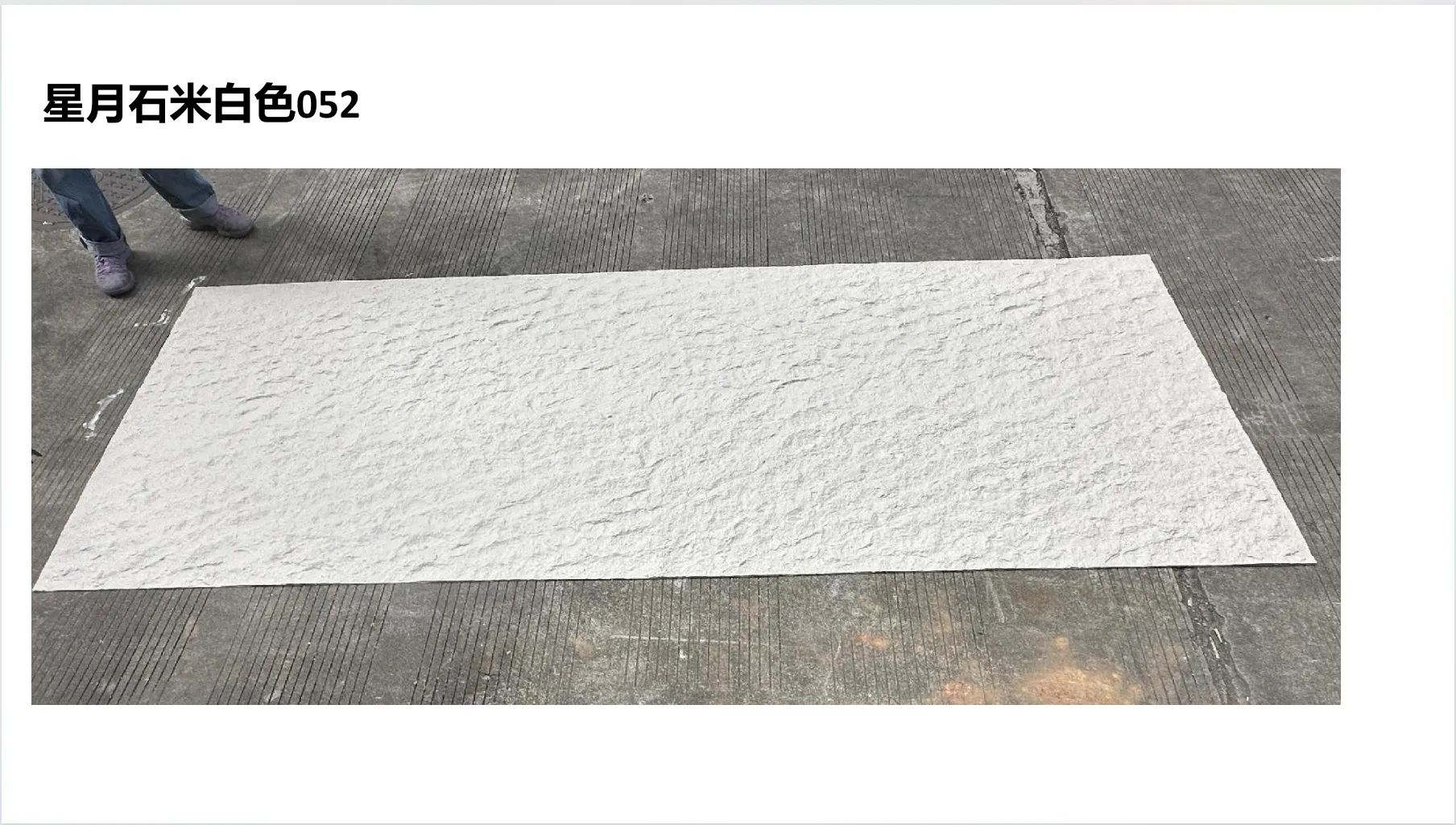
Starmoon Stone isn't your average countertop or wall panel. As part of the MCM (modified composite material) family, it's crafted by blending natural minerals, recycled aggregates, and eco-friendly binders. The result? A material that's lightweight, flexible (hence "flexible stone"), and surprisingly durable. What makes it stand out, though, is its texture—think starry, galaxy-like patterns that catch the light, similar to the travertine (starry green) or travertine (starry blue) you might have seen, but with a unique luminosity all its own. And because it's man-made, it avoids the inconsistencies (and waste) of natural stone quarrying.
Take the Lunar Peak series , for example—silvery, golden, and black variants that offer the sleekness of metal with the warmth of stone. These aren't just pretty; they're designed to be low-maintenance and long-lasting, two key pillars of sustainability. When you choose Starmoon, you're not just picking a color or texture—you're opting for a material that starts with eco-conscious production.
Marble has been the gold standard for luxury for millennia, and it's easy to see why. Its creamy base with swirled veins—think marble veil white or marble interstellar gray —exudes elegance. But here's the thing about traditional marble: getting it from the ground to your living room is resource-intensive. Quarrying marble involves massive machinery, rock faces, and disrupting ecosystems. In places like Carrara, Italy, centuries of quarrying have left scars on the landscape, with deforestation and soil erosion as unwelcome side effects. Then there's the water usage—processing marble requires gallons of water to cut, polish, and transport, not to mention the carbon emissions from shipping heavy slabs across the globe.
And let's not forget waste. Natural stone is unpredictable; up to 30% of a quarried marble block can go to waste because of cracks, uneven coloring, or imperfections. That's a lot of stone ending up in landfills before it even has a chance to be used.
Sustainability isn't just about "being green"—it's about the entire lifecycle of a material. Let's break down how Starmoon Stone and marble stack up in key areas:
| Factor | Starmoon Stone | Traditional Marble |
|---|---|---|
| Extraction & Production | Uses recycled materials; low water/energy consumption; minimal waste in production. | Quarrying disrupts ecosystems; high water/energy use; up to 30% waste from imperfect blocks. |
| Durability & Lifespan | Flexible, crack-resistant; lasts 20+ years with minimal wear. | Porous, prone to staining/etching; may need replacement in 10–15 years without careful maintenance. |
| Maintenance Impact | No sealing required; resists stains/scratching; easy to clean with mild soap. | Needs annual sealing; sensitive to acidic substances (wine, citrus); professional cleaning often required. |
| End-of-Life | Recyclable into new composite materials; low landfill impact. | Heavy slabs hard to recycle; often ends up in landfills; limited repurposing options. |
Let's start with how these materials are made. Marble extraction is a rough business. Quarries carve into mountainsides, displacing wildlife and altering waterways. In contrast, Starmoon Stone's production is a closed-loop process. Many manufacturers use recycled stone dust from marble or granite quarries (otherwise destined for landfills) as part of their aggregate mix. This not only reduces waste but also cuts down on the need for new mining. Plus, MCM production facilities typically use 50% less energy than traditional stone processing plants—no need for high-heat kilns or water-intensive polishing.
Sustainability isn't just about what's in the material—it's about how long it lasts. A marble countertop might look stunning on day one, but spill a glass of red wine or leave a lemon wedge on it, and you could be looking at permanent stains. Its porous nature means it needs yearly sealing, and even then, it's prone to chips and scratches. All that maintenance adds up, and eventually, you'll need to replace it—creating more waste.
Starmoon Stone, thanks to its composite structure, is a different story. It's non-porous, so stains bead up instead of soaking in. Its flexibility also means it can handle minor impacts without cracking—no need to panic if a pot slips. Designers report clients using Starmoon in high-traffic areas like kitchens and entryways for over a decade with barely any visible wear. That longevity means fewer replacements, lower lifecycle emissions, and less strain on resources.
Here's the million-dollar question: Can a sustainable material like Starmoon Stone really compete with marble's timeless beauty? Let's be honest—marble's veining is one-of-a-kind. No two slabs are the same, which is part of its allure. But Starmoon offers something marble can't: customization. Want a starry night effect in your home theater? Starmoon's starry textures (think travertine (starry red) or starry orange , but amplified) deliver that wow factor. Prefer a sleek, modern look? The Lunar Peak series' silvery or golden finishes pair perfectly with minimalist design.
And let's talk color consistency. With marble, you might order a "white" slab and get one with more gray veining than expected. Starmoon, being factory-made, offers uniform color and texture across batches—no unpleasant surprises when your materials arrive. For designers juggling large projects, that predictability is a game-changer.
Luxury doesn't come cheap, but sustainability can actually save you money in the long run. Marble's upfront cost is steep—$80–$200 per square foot, depending on rarity. Then there's the maintenance: sealing ($200–$500 per year), professional cleaning, and potential repairs. Over 10 years, that adds up to thousands.
Starmoon Stone, on the other hand, starts at around $50–$100 per square foot. No sealing, no special cleaners—just a damp cloth and mild soap. Its 20+ year lifespan means you're not replacing it every decade. When you crunch the numbers, Starmoon often comes out cheaper over time, all while being gentler on the planet.
If your heart is set on the classic, organic look of marble and you're willing to invest in meticulous maintenance (and accept its environmental footprint), go for it. But if you want luxury that aligns with modern sustainability values—without sacrificing style, durability, or your budget—Starmoon Stone is the clear winner. It's a material that proves you don't have to choose between beauty and responsibility.
And let's not forget the bigger picture. Every time we choose a sustainable material, we're voting for a future where luxury design works with the planet, not against it. Starmoon Stone, and innovations like the Lunar Peak series or MCM flexible stone, are leading that charge—one starry slab at a time.
Sustainability isn't a trend; it's the future of design. Starmoon Stone and marble both have their place, but when it comes to balancing luxury with eco-consciousness, Starmoon shines brighter. It's a reminder that the most beautiful spaces aren't just pleasing to the eye—they're kind to the Earth, too. So whether you're designing a penthouse, a boutique hotel, or your dream home, ask yourself: What kind of legacy do you want your space to leave?
Recommend Products












