
In the world of architecture and design, a building's facade is more than just a protective shell—it's a first impression, a storyteller, and a reflection of the vision behind the structure. For decades, luxury facades have been synonymous with rare natural stones, intricate masonry, and sky-high budgets. But as the industry evolves, so does the demand for materials that blend opulence with practicality. Today, we're diving into two standout options that are redefining "affordable luxury": starmoon stone and travertine. We'll also explore other hidden gems like lunar peak silvery and foamed aluminium alloy board (vintage silver) that prove luxury doesn't have to come with a price tag.
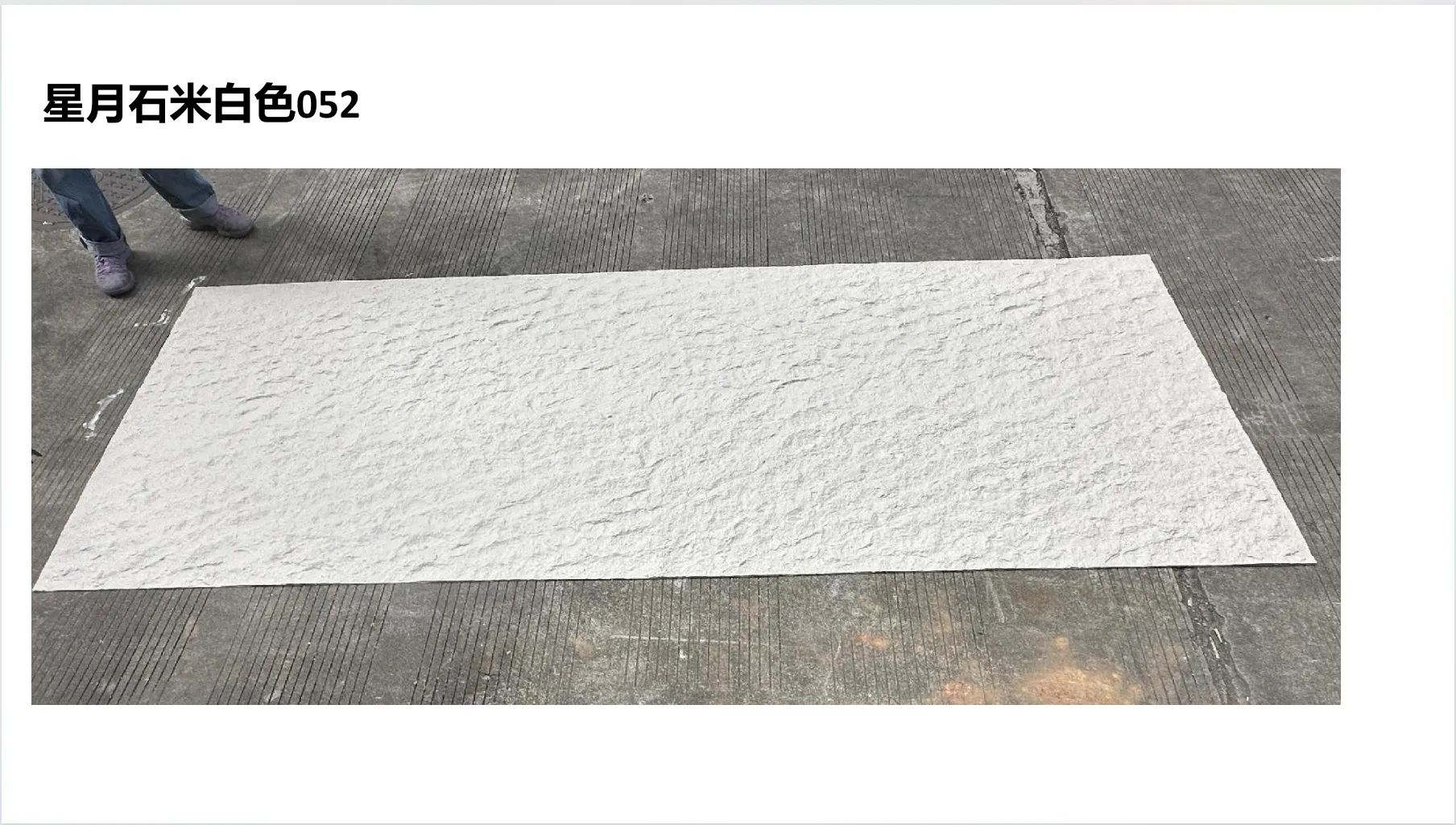
If you've ever wished for a material that marries the elegance of natural stone with the flexibility of modern composites, starmoon stone might just be your answer. Part of the broader category of mcm flexible stone (Modified Composite Material), this innovative cladding solution is engineered to mimic the depth and texture of natural stone while offering unmatched durability and ease of installation.
What sets starmoon stone apart is its aesthetic versatility. Imagine a facade that shimmers subtly under sunlight, with tiny mineral-like flecks that catch the light like distant stars—hence the "starmoon" name. Unlike some rigid natural stones, it's lightweight, making it ideal for both new constructions and retrofits. This flexibility also translates to design freedom: it can be curved around arches, cut into custom shapes, or layered to create dynamic, three-dimensional textures.
Durability is another feather in its cap. Thanks to its composite core, starmoon stone resists chipping, fading, and moisture damage—common pitfalls of traditional stone. It's also fire-resistant and low-maintenance, requiring only occasional cleaning to keep its luster. For architects working on projects where weight is a concern (think high-rises or historic buildings with structural limitations), this material is a game-changer. It reduces structural load without sacrificing visual impact, making it a favorite for boutique hotels, upscale retail spaces, and modern homes alike.
Travertine has been gracing buildings since ancient Rome—think the Colosseum's iconic columns or the lavish baths of Emperor Hadrian. This natural limestone, formed by mineral-rich hot springs, carries with it a sense of history and grandeur that's hard to replicate. But don't let its age fool you: modern travertine is anything but outdated. Today's varieties, like travertine (starry green) and travertine (starry red) , feature stunning colorations and mineral deposits that look like constellations frozen in stone.
What makes travertine so enduring? Its porous surface, which gives it a unique, tactile quality. When sealed properly, those tiny holes become part of its charm, adding depth and character to facades. Travertine comes in a spectrum of earthy tones—from soft beiges to bold rusts—and can be honed, polished, or left in its natural state for a more rustic vibe. It's also surprisingly eco-friendly: as a natural stone, it's biodegradable and requires minimal processing compared to synthetic materials.
Of course, no material is perfect. Travertine's porosity means it needs regular sealing to prevent stains, and its weight can make installation more labor-intensive than lighter alternatives. But for projects where authenticity and historical resonance matter—like heritage renovations or boutique resorts aiming for a "timeless escape" aesthetic—travertine's warmth and character are irreplaceable.
To help you decide which material suits your project, let's break down their key differences:
| Factor | Starmoon Stone | Travertine |
|---|---|---|
| Cost | More budget-friendly upfront; ~30-40% cheaper than natural travertine | Higher initial cost; premium for rare colors like starry green/red |
| Durability | Resistant to chipping, fading, and moisture; ideal for harsh climates | Durable but porous; prone to staining without regular sealing |
| Installation | Lightweight (5-8kg/m²); can be installed with basic tools; reduces labor time | Heavy (15-20kg/m²); requires professional masonry; longer installation |
| Aesthetic Versatility | Customizable colors, textures, and shapes; perfect for modern/experimental designs | Natural variation adds uniqueness; best for classic, earthy, or historic styles |
| Maintenance | Low; occasional wiping with water; no sealing needed | High; annual sealing required; sensitive to acidic cleaners |
Starmoon stone and travertine are just the tip of the iceberg. Let's explore three more materials that are making waves in the world of affordable luxury facades:
Let's take a look at how these materials perform in the real world:
The Starlight Boutique Hotel : A 50-room boutique hotel in coastal California wanted a facade that would glow like the night sky. The design team chose starmoon stone in a deep blue hue with silver flecks, paired with lunar peak silvery accents for the entrance canopy. The result? A building that shimmers under the sun by day and twinkles like a constellation by night—all for 25% less than the budget for natural stone cladding.
Heritage Row Residences : A developer restoring a row of 1920s townhouses in Chicago needed a material that matched the original travertine's warmth but was lighter and easier to install. They opted for travertine (starry green) for the main facades and foamed aluminium alloy board (vintage silver) for modern rooftop extensions. The combination of historic texture and contemporary metal created a seamless blend of old and new, while reducing structural load on the century-old buildings.
Still undecided? Here are a few questions to guide your choice:
Gone are the days when luxury facades meant choosing between beauty and budget. Starmoon stone and travertine each bring unique strengths to the table—one offering cutting-edge flexibility, the other timeless authenticity. And with alternatives like lunar peak silvery and foamed aluminium alloy board (vintage silver) in the mix, the possibilities are endless.
At the end of the day, the "best" material depends on your project's story. Whether you're building a coastal retreat that shimmers like the stars, a heritage renovation that honors the past, or a modern commercial space that screams "understated luxury," these materials prove that opulence is about creativity—not cost. So go ahead: dream big, design bold, and let your facade tell a story that's as unique as your vision.
Recommend Products












