Aesthetic Appeal: Where Art Meets Nature
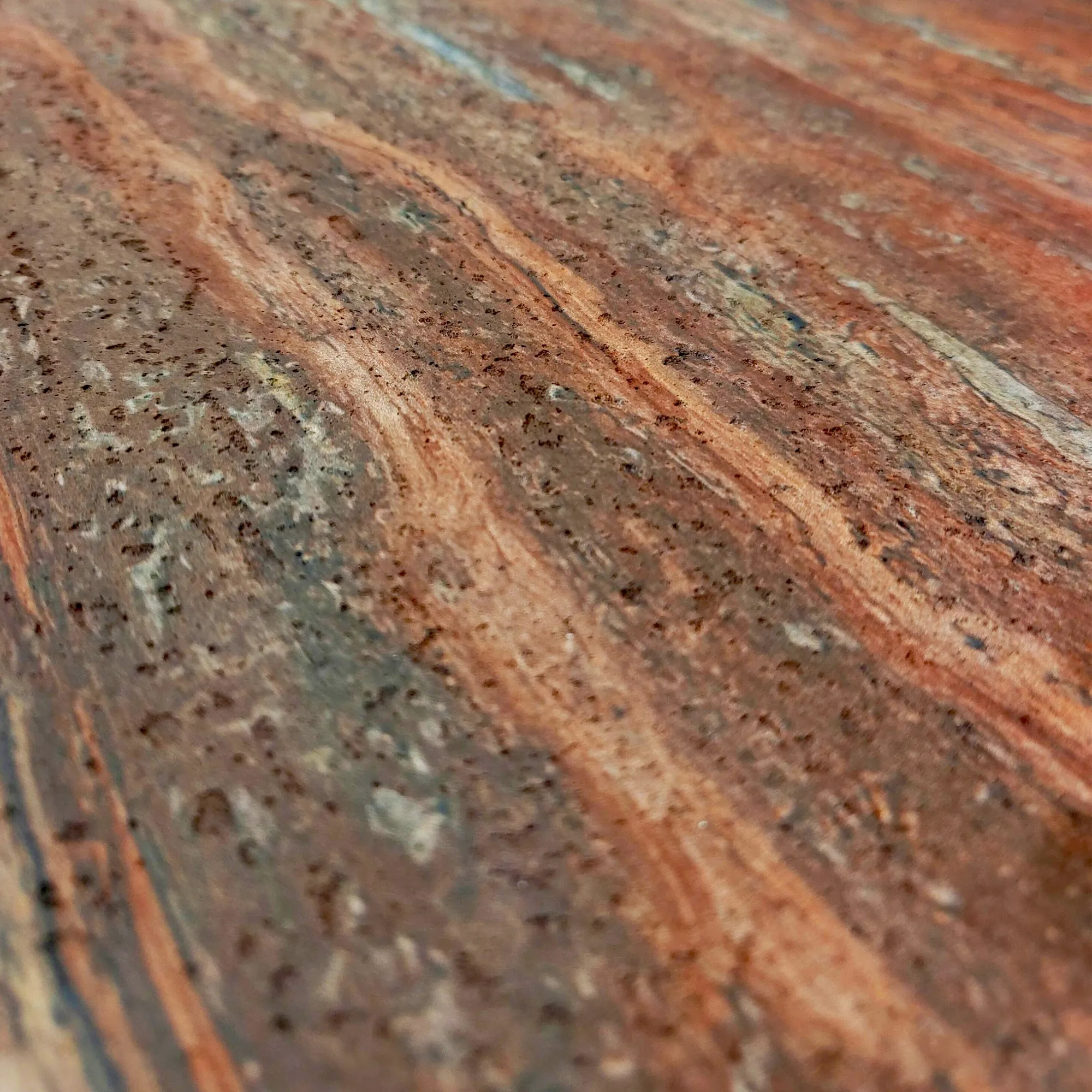
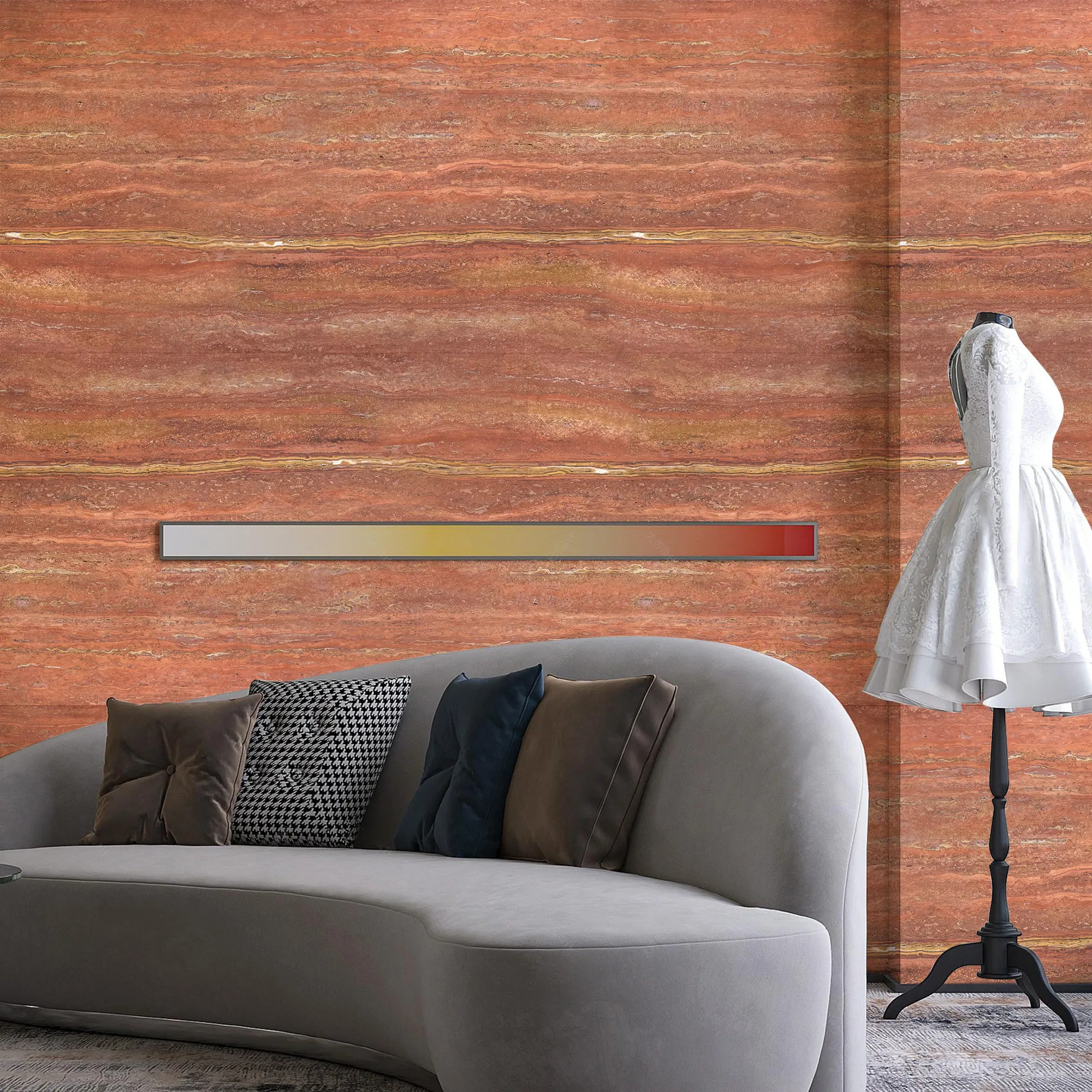
Starry Red Travertine MCM isn't just a building material—it's a statement piece. The "starry" effect comes from carefully selected red pigments that are infused into the stone matrix, creating a dynamic, almost iridescent finish. In daylight, it glows with warm, earthy tones; under artificial light, the reds deepen, evoking the drama of a desert sunset. It's versatile enough to complement both modern minimalism and rustic charm, making it a favorite for feature walls, accent panels, and even furniture surfaces.
Take, for example, a boutique hotel in Barcelona that recently used Starry Red Travertine MCM for its lobby. The designers wanted a focal point that would welcome guests with warmth and intrigue. By installing large-format Starry Red panels behind the reception desk, they created a backdrop that feels both luxurious and approachable—no heavy structural reinforcement needed, thanks to MCM's lightweight nature.
Practical Perks: Lightweight, Flexible, and Built to Last
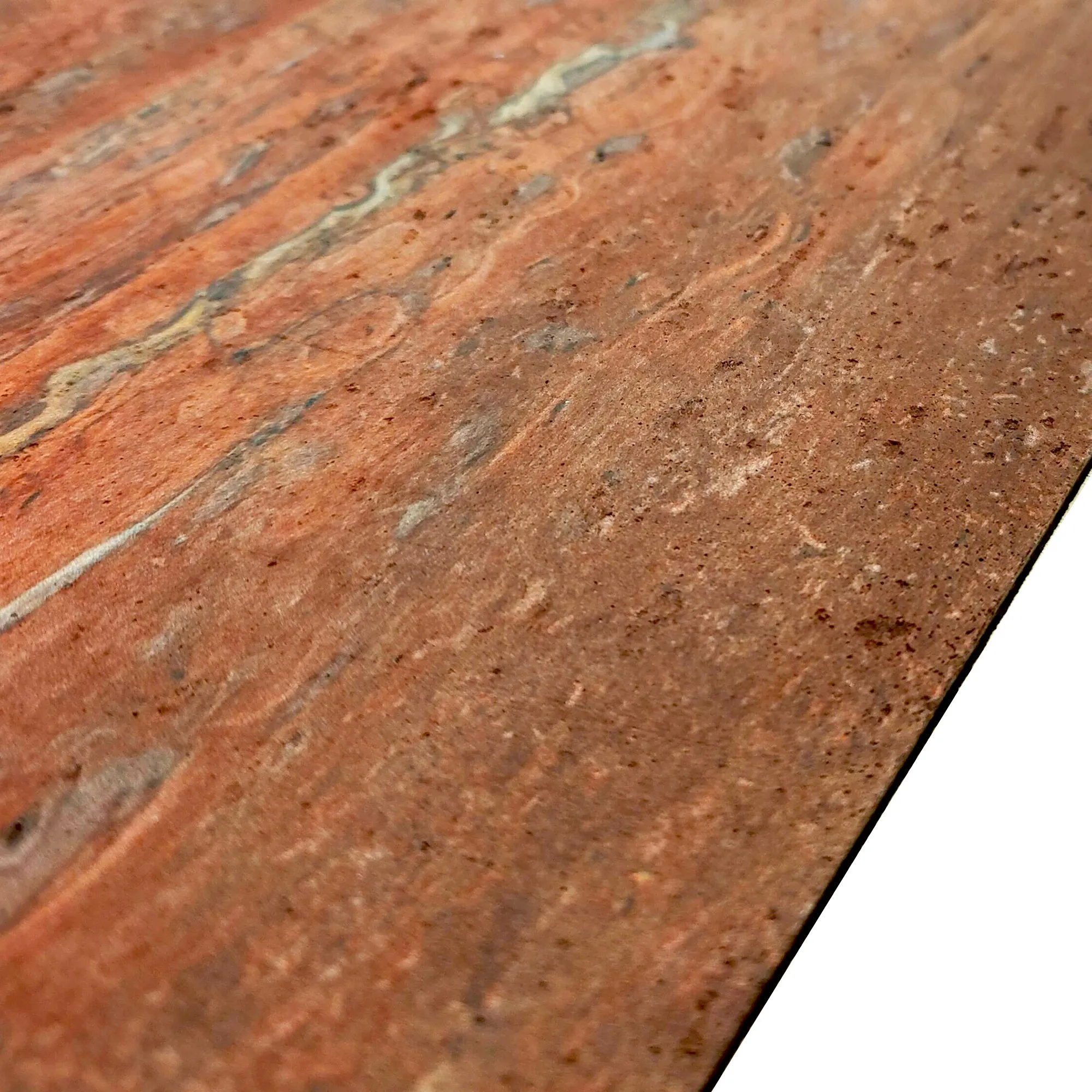
At just 3-5mm thick and weighing a mere 4-6kg per square meter, Starry Red Travertine MCM is a fraction of the weight of natural travertine (which can weigh 20-30kg per square meter). This makes installation a breeze: a two-person team can cover a 50-square-meter wall in a day, compared to the days (or weeks) required for traditional stone. No need for cranes, no risk of structural damage, and significantly lower labor costs.
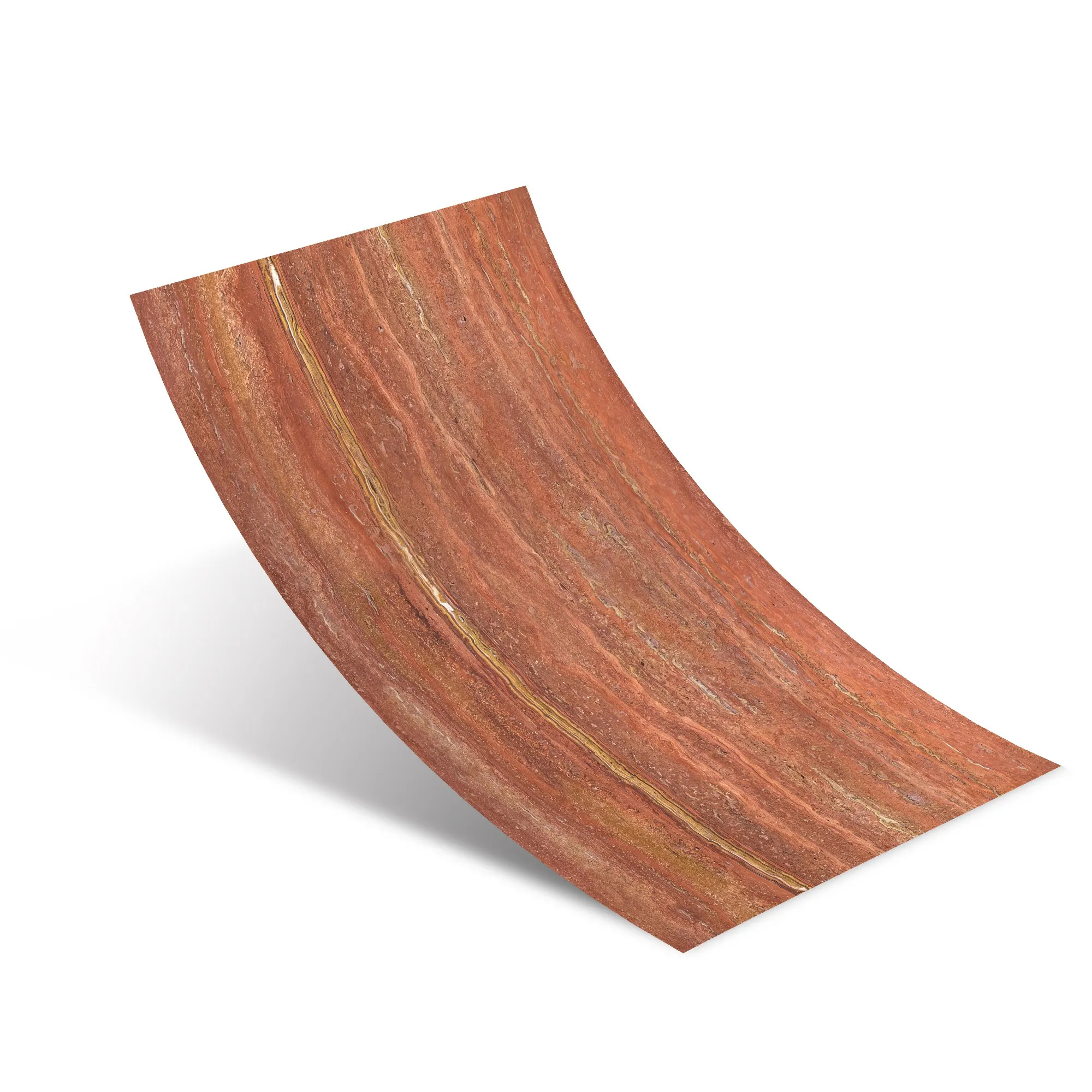
But don't let its lightness fool you—this material is tough. MCM flexible stone is resistant to water, fire, and UV rays, ensuring that the starry red color won't fade even in harsh sunlight. It's also flexible, meaning it can be curved around corners or applied to uneven surfaces without cracking—a feature that's impossible with rigid natural stone.
Sustainability: Kind to the Planet, Kind to Your Conscience
Perhaps the most compelling aspect of Starry Red Travertine MCM is its eco-friendly credentials. Unlike natural stone, which requires extensive quarrying, COLORIA's MCM is made using up to 80% recycled stone particles and non-toxic adhesives. The production process emits 60% less CO2 than traditional stone manufacturing, and since it's lightweight, transportation emissions are drastically reduced. For designers and homeowners who want to reduce their carbon footprint without compromising on style, this is a game-changer.