

A story of durability, beauty, and the relief of choosing a material that stands the test of time
Picture this: You've just finished designing your dream space. The walls are painted a rich, warm red that makes the room feel alive; the outdoor patio features a bold accent wall that catches the sunlight just right. You step back, smile, and think, "This is perfect." But fast-forward two years. That vibrant red has faded to a dull pink. The patio wall, once a statement piece, now looks tired, its color washed out by rain and sun. You're left with a sinking feeling—not just about the money spent repainting, but the loss of that initial joy, that sense of pride in your space.
If this scenario sounds familiar, you're not alone. Painted surfaces, for all their versatility, have a fatal flaw: they don't keep their color . Sunlight, moisture, temperature swings, and even everyday wear and tear chip away at that fresh coat, leaving behind a shadow of what once was. For homeowners, designers, and architects, this isn't just an aesthetic problem—it's a cycle of disappointment. We invest in beauty, only to watch it fade. We vow to "just repaint next year," but next year becomes next decade, and the cycle repeats.
But what if there was a way to break that cycle? What if there was a material that didn't just look stunning on day one, but kept that same vibrancy for years—even decades—without fading, chipping, or peeling? Enter Starry Red Travertine MCM : a game-changer in the world of building materials, and a solution to the heartache of fading color.
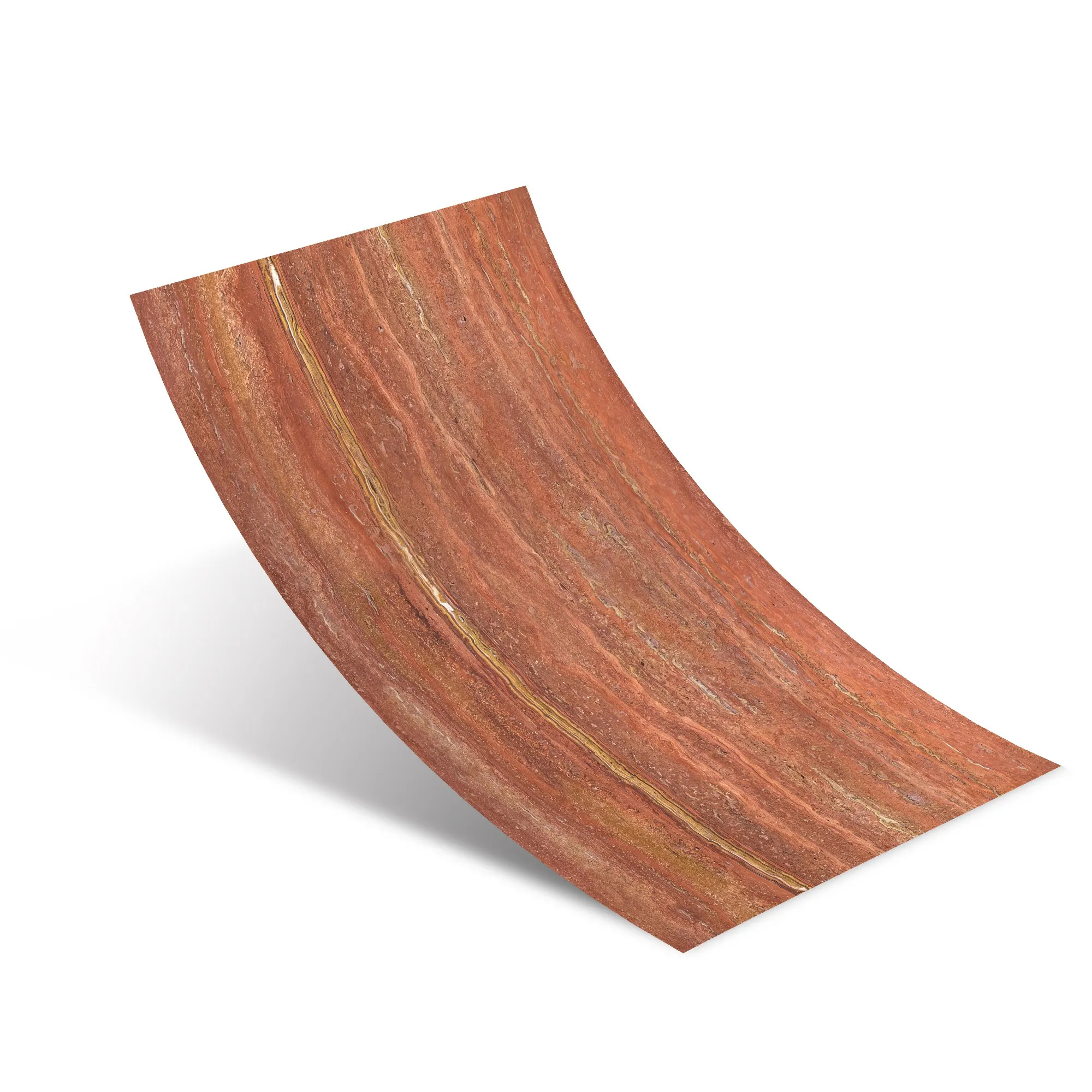
First, let's get to know the star of the show: Starry Red Travertine MCM . Part of the broader MCM Project Board Series , this material isn't your average stone or tile. MCM, short for Modified Composite Material, is an innovative blend of natural minerals (like travertine) and advanced polymers, engineered to combine the beauty of natural stone with the durability of modern technology. And Starry Red Travertine? It's a standout in this lineup—its deep, rich red hue is flecked with subtle "starry" veining, mimicking the look of natural travertine but with a color that refuses to quit.
But what makes Starry Red Travertine MCM different from, say, a painted wall or even traditional natural stone? Let's start with the obvious: its color runs deep . Unlike paint, which sits on the surface of a material, the color in MCM is integrated throughout the panel. Think of it like a fruit with natural pigment—cut into it, and the color stays consistent, not just a thin outer layer. This isn't just a manufacturing trick; it's the secret to its legendary color retention.
To truly appreciate this, let's compare it to painted surfaces. When you paint a wall, you're applying a thin film of pigment and binder. Over time, UV rays from the sun break down that binder, causing the pigment to fade. Rain washes away loose particles, and scrubbing (to clean dirt) wears away even more. With Starry Red Travertine MCM, there's no "surface layer" to fade or wash off. The color is part of the material itself, so even if the panel is scratched or exposed to harsh weather, the hue remains intact. It's like comparing a temporary tattoo to permanent ink—one is meant to last, the other to fade.
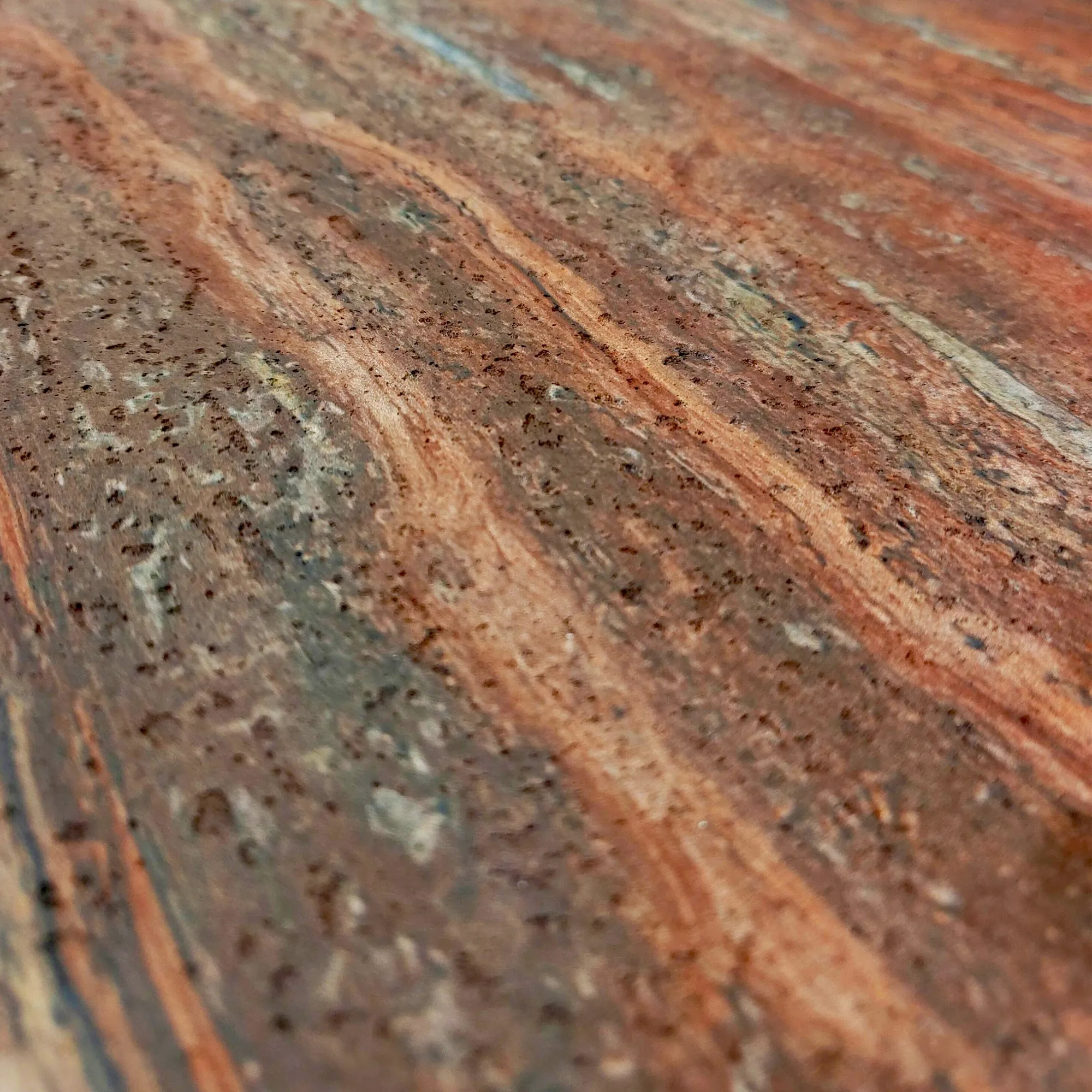
Color retention isn't just about looks—it's about science. Let's break down why Starry Red Travertine MCM outlasts painted surfaces, step by step.
The sun is public enemy number one for color. Its UV rays break down chemical bonds in pigments, turning bright reds into pale pinks and bold blues into washed-out grays. Painted surfaces are particularly vulnerable because their pigments are often organic and not designed to withstand prolonged UV exposure. MCM, however, is formulated with inorganic pigments —minerals that are naturally resistant to UV radiation. These pigments are mixed into the composite material during manufacturing, so every layer of the panel is shielded from the sun's damaging rays.
Take, for example, Lunar Peak Silvery , another popular MCM option. Its silvery hue, inspired by moonlit mountain peaks, remains just as luminous after years in direct sunlight as it was on installation day. Why? Because the silver pigment is fused into the composite, not sprayed on top. The same logic applies to Starry Red Travertine—its red pigment is a mineral-based colorant that laughs in the face of UV rays.
Rain, humidity, and even cleaning chemicals can wreak havoc on painted surfaces. Water seeps into tiny cracks in the paint, causing it to bubble and peel, while harsh cleaners strip away the top layer of pigment. Starry Red Travertine MCM, on the other hand, is inherently moisture-resistant. Its polymer matrix creates a tight, non-porous surface that repels water, preventing it from seeping in and causing damage. Even if you hose down an outdoor MCM wall or wipe it with a strong cleaner, the color stays put—no streaks, no fading, no peeling.
Everyday life is rough on surfaces. Kids scratch walls with toys, pets rub against corners, and furniture bumps leave marks. With paint, a single scratch can expose the underlayer, creating a noticeable blemish. With Starry Red Travertine MCM, scratches are far less visible because the color is uniform throughout. A small scratch might mar the surface texture, but the color remains the same—so it blends in, rather than sticking out like a sore thumb. This isn't just about durability; it's about maintaining that "new" look, even when life gets messy.
From scorching summer days to freezing winter nights, temperature extremes cause materials to expand and contract. Painted surfaces often crack or flake under this stress, exposing fresh layers that then fade faster. MCM panels, including Starry Red Travertine, are engineered to flex with temperature changes, thanks to their composite structure. They expand and contract uniformly, avoiding cracks and keeping their color-locked integrity intact.
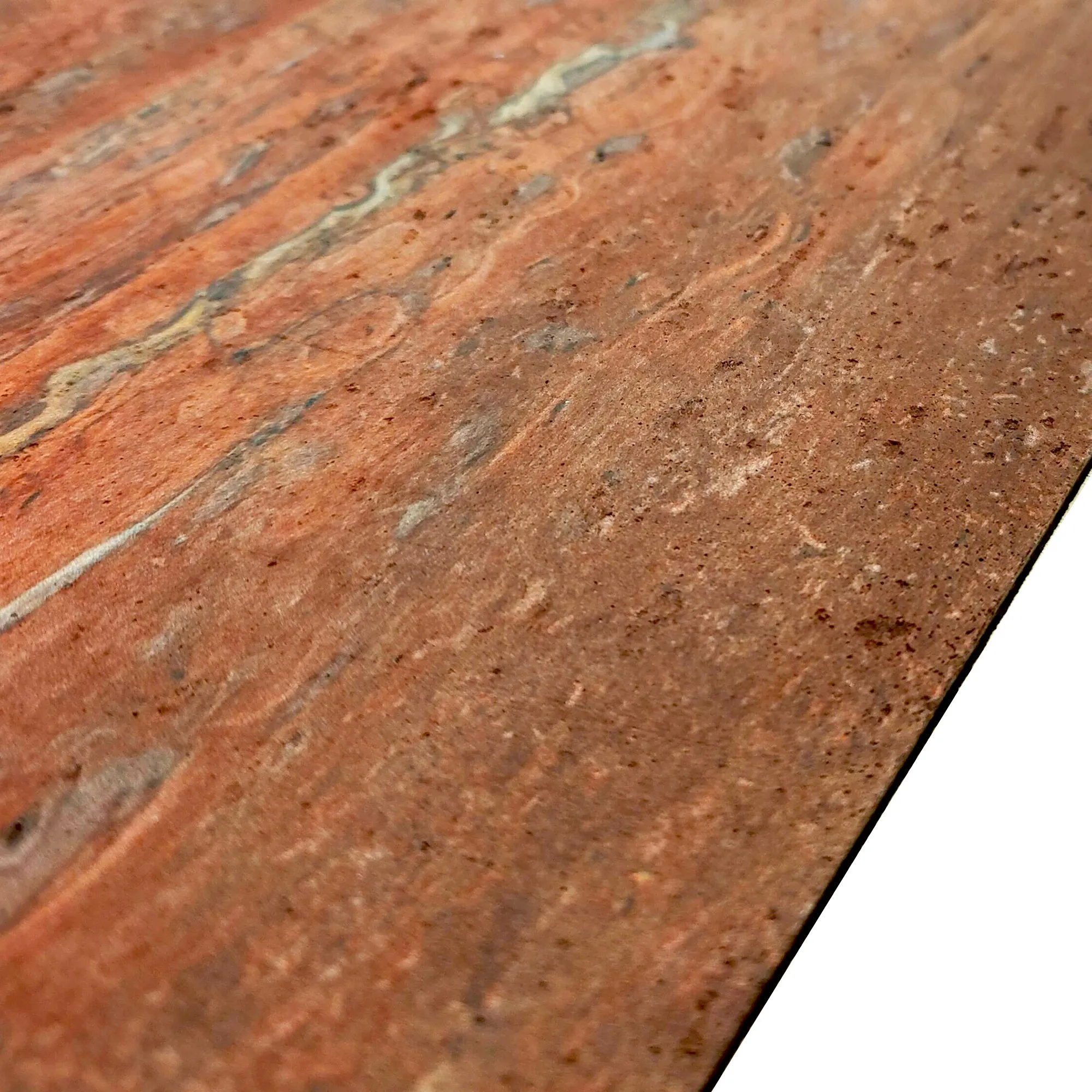
Still skeptical? Let's put the data where our words are. Below is a comparison of Starry Red Travertine MCM and traditional painted surfaces across key factors that matter most to homeowners and designers:
| Factor | Starry Red Travertine MCM | Traditional Painted Surfaces |
|---|---|---|
| Color Retention | Maintains 90%+ of original color after 10+ years of outdoor exposure | Fades 30-50% within 2-3 years; requires repainting every 3-5 years |
| UV Resistance | Inorganic pigments + composite structure = highly UV-resistant | Organic pigments break down quickly under UV rays |
| Moisture Resistance | Non-porous surface repels water; no bubbling or peeling | Water seeps into cracks, causing paint to bubble and peel |
| Maintenance | Minimal: occasional cleaning with soap and water | Frequent touch-ups; full repainting every few years |
| Cost Over 10 Years* | Higher upfront cost, but ~50% lower total cost (no repainting) | Lower upfront cost, but ~100% higher total cost (3-4 repaints) |
*Estimate based on average costs for a 100 sq. ft. outdoor wall; includes material and labor.
The numbers speak for themselves: Starry Red Travertine MCM isn't just a better-looking option—it's a smarter, more cost-effective one in the long run. But beyond the data, there's an emotional payoff too. Imagine walking into your home or business five years from now and feeling the same pride you did on day one. No sighing at faded walls, no budgeting for repaints, no settling for "good enough." That's the gift of MCM: it lets beauty be enduring .
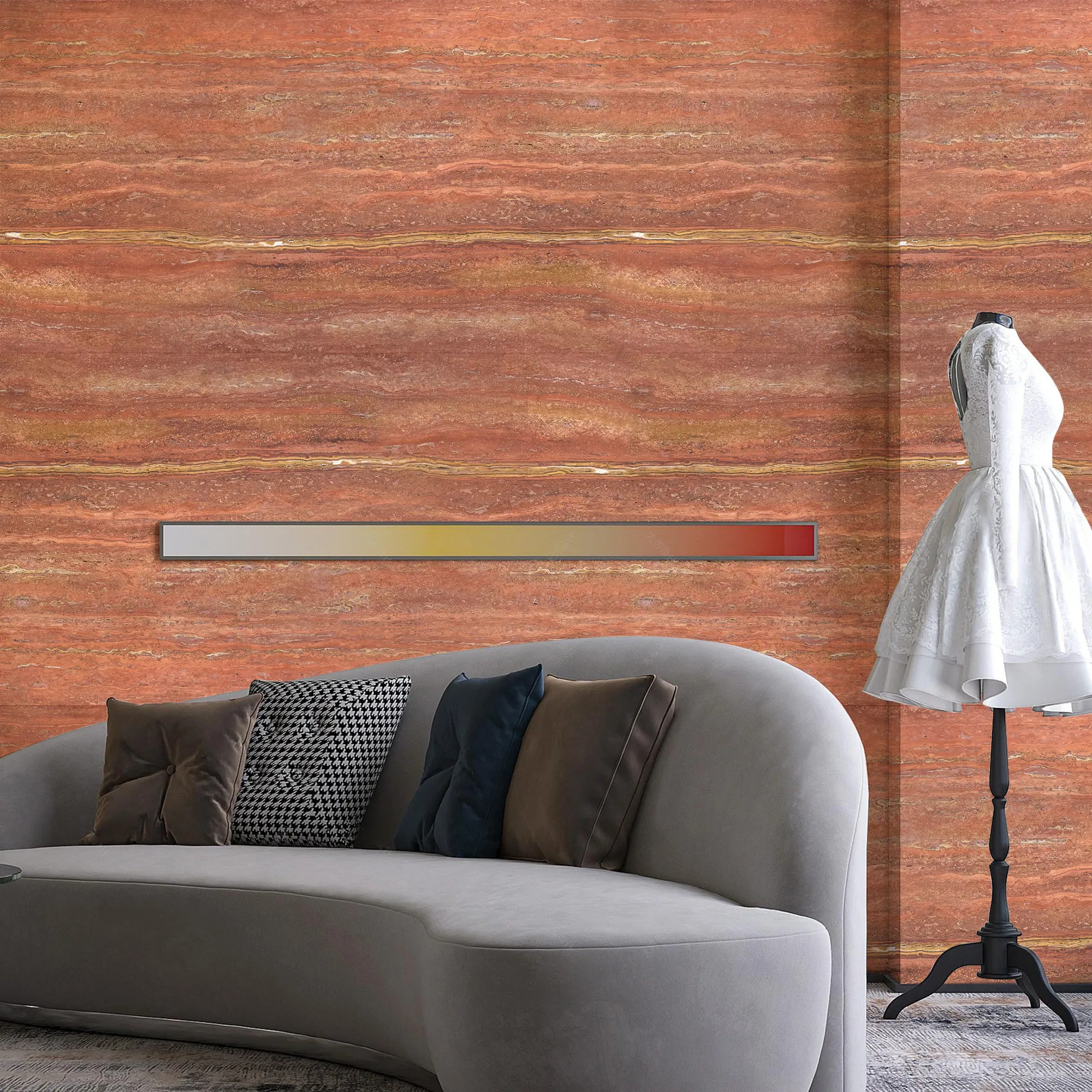
It's one thing to talk about color retention in theory; it's another to see it in action. Let's look at a real-world example of Starry Red Travertine MCM holding its own against the elements.
In 2018, a small café in Miami, Florida, decided to revamp its outdoor patio. The owner, Maria, wanted a bold, inviting space that would stand out against the city's vibrant backdrop. She'd tried painted wood panels before, but the harsh coastal sun and salt air had faded them to a pale pink within two years. "I was tired of throwing money at repainting," she recalls. "I wanted something that could handle Miami's weather and still look good for my customers."
After researching options, Maria chose Starry Red Travertine MCM panels for her patio walls. "I loved the color—deep, rich, with those little star-like flecks that catch the light," she says. "But honestly, I was skeptical. Nothing had lasted before." Fast forward to 2024, and Maria's skepticism has turned to loyalty. "That red is just as bright as the day we installed it," she laughs. "We've had hurricanes, scorching summers, even a few stray beach chairs bumping into the walls—and it still looks brand new. My regulars comment on it all the time: 'How do you keep that color so vibrant?' I tell them it's magic… but really, it's MCM."
Maria's story isn't unique. From residential exteriors in Arizona (where temperatures top 110°F) to commercial buildings in Seattle (known for relentless rain), Starry Red Travertine MCM has proven its mettle. It's not just a material—it's a promise: your space will look as good tomorrow as it does today .
While Starry Red Travertine is a showstopper, it's just one member of the MCM family. The MCM Flexible Stone and MCM Big Slab Board Series offer a spectrum of colors and textures, each with the same unbeatable color retention. Take Travertine (Starry Blue) , with its deep blue hue and celestial veining, perfect for modern interiors. Or Lunar Peak Golden , which shimmers like sunlight on mountain snow, adding warmth to any space. Even bold options like Rusty Red or Cloud-Dragon (a striking mix of grays and whites) maintain their intensity year after year.
This versatility is key for designers. Whether you're aiming for a rustic cabin vibe with Ancient Wood MCM or a sleek, industrial look with Fair-Faced Concrete , you can trust that the color won't fade. It's freedom—to choose bold hues, to design for the long term, to create spaces that feel alive, not just for a season, but for a lifetime.
At the end of the day, choosing building materials isn't just about aesthetics—it's about how they make us feel. Painted surfaces, for all their initial charm, leave us with a quiet anxiety: when will it fade? When will I have to spend time, money, and energy fixing it? Starry Red Travertine MCM erases that anxiety. It lets us stop worrying about maintenance and start enjoying our spaces.
Think about it: Your home or business isn't just a structure. It's where memories are made—birthday parties, family dinners, client meetings, quiet mornings with coffee. When the walls around those moments stay vibrant, the moments themselves feel more vivid, too. There's a comfort in knowing that the space you love won't let you down, that it will grow with you, not against you.
For designers, this is a game-changer. You can confidently recommend bold colors without warning clients, "It'll look great… for a year or two." You can create signature looks that become timeless, not temporary. And for homeowners, it's the freedom to express yourself without limits—to choose the red that makes your heart race, the blue that calms your soul, and know it will stay that way.
We've all been there: falling in love with a color, only to watch it fade. It's a small heartbreak, but it adds up. Starry Red Travertine MCM isn't just a solution to that problem—it's a revolution. By integrating color into its core, resisting UV rays and moisture, and standing up to the chaos of daily life, it turns "temporary beauty" into "enduring joy."
So, the next time you're designing a space—whether it's a cozy home office, a bustling café, or a grand commercial building—ask yourself: Do I want something that looks good today, or something that looks good forever? If the answer is "forever," then Starry Red Travertine MCM (and its MCM siblings) is your answer.
Because beauty shouldn't be fleeting. It should be a constant—a backdrop to the life you build, the memories you make, and the joy you share. With Starry Red Travertine MCM, that's not just a dream. It's a promise, written in color that refuses to fade.
Recommend Products











