

Architecture is never just about walls and roofs—it's about crafting spaces that breathe, tell stories, and stir emotion. As we step into 2025, the materials shaping our built environment are evolving beyond function to become narrative tools. Among them, Starry Red Travertine has emerged as a quiet revolutionary, leading a wave of MCM (Modified Composite Material) innovations that blend earthy warmth with futuristic flair. For architects, this isn't just about choosing cladding or flooring; it's about selecting materials that turn buildings into experiences. Let's dive into the trends, materials, and ideas set to define architectural design in 2025.
Gone are the days of one-size-fits-all materials. Today's architects crave options that honor tradition while embracing modernity—and MCM's product lines are answering that call. From the weathered charm of Historical Pathfinders Stone to the sleek versatility of Foamed Aluminium Alloy Board (Vintage Gold) , the focus is on materials that feel both timeless and fresh. What ties them all together? A commitment to texture, color, and storytelling. In 2025, we're moving beyond "neutral palettes" and toward materials that make a statement—without overshadowing the human experience of space.
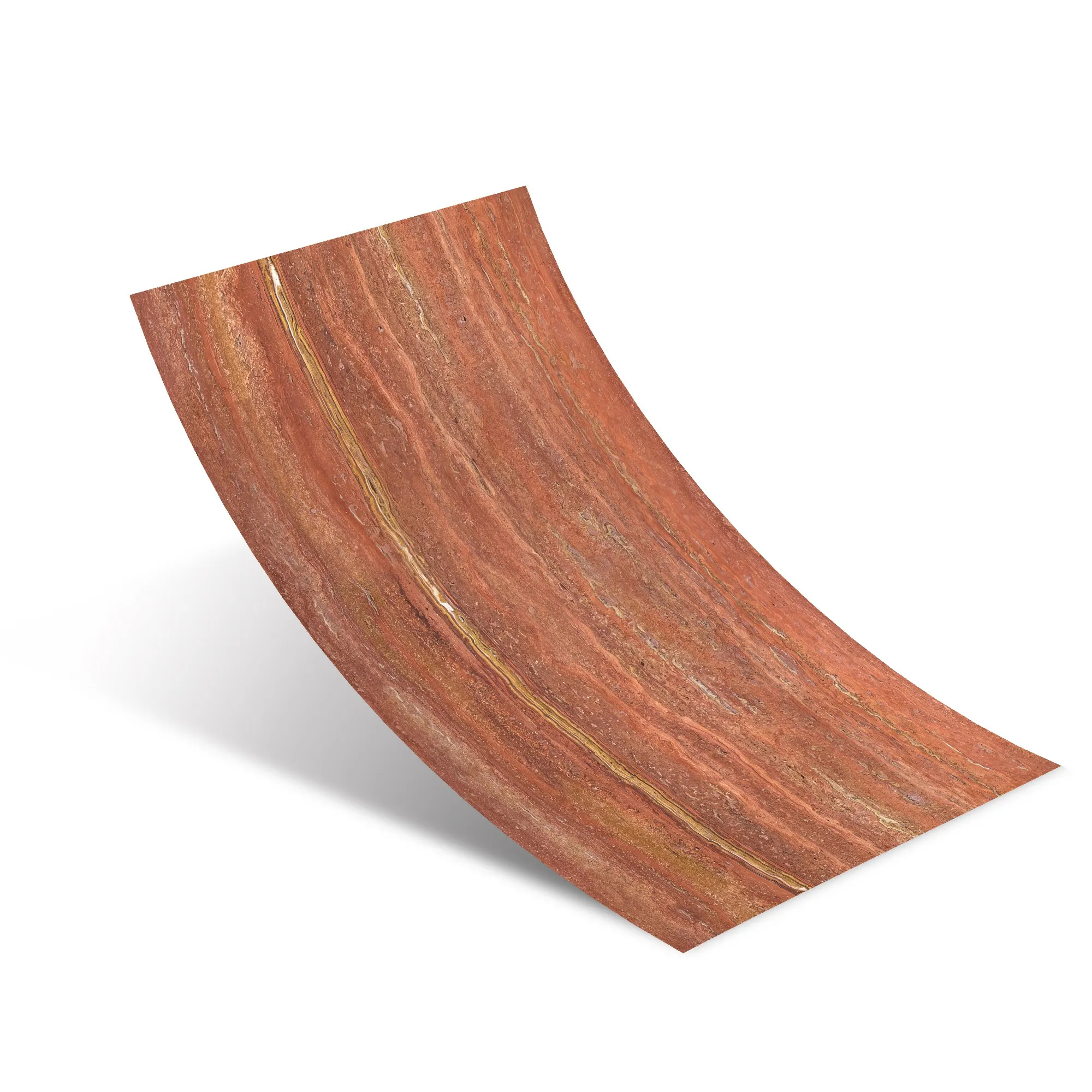
Biophilic design isn't new, but 2025 is seeing it evolve from a buzzword to a core principle. Architects are prioritizing materials that mimic natural patterns, calm, and blur the line between indoors and out. Starry Red Travertine leads here: its deep crimson base, dotted with mineral deposits that glint like distant stars, brings the drama of a desert sunset into built spaces. Pair it with Lunar Peak Silvery —a stone with a cool, moonlit texture—and suddenly walls feel like they're alive, shifting with light throughout the day. Even man-made materials are getting in on the act: Stream Limestone (Claybank) mimics the smooth, water-worn edges of riverbeds, while Bamboo Mat Board adds organic, tactile warmth to ceilings and accent walls.
Gone are flat, monochromatic facades. 2025 is all about layering—combining materials with contrasting textures to create depth and movement. Imagine a restaurant exterior where rough-hewn Rust Square Line Stone forms the base, giving way to the soft veining of Starry Red Travertine above, capped with the metallic shimmer of Foamed Aluminium Alloy Board (Vintage Gold) . The effect? A building that feels like a journey—grounded, warm, and elevated. Architects are also experimenting with transparency: pairing semi-porous Travertine (Starry Blue) with backlighting to turn walls into glowing canvases, or using Fair-Faced Concrete alongside Thread (a delicate, woven MCM material) for a balance of industrial edge and softness.
Nostalgia is having a moment, but not in the way you might think. 2025's "vintage" isn't about replication—it's about reimagining classic materials for contemporary spaces. Travertine (Vintage Black) is a perfect example: it retains the stone's natural pitting and veining but is treated with a modern sealant that boosts durability, making it ideal for high-traffic lobbies. Foamed Aluminium Alloy Board (Vintage Gold) takes this further: its matte, aged finish evokes the glamour of mid-century design, but its lightweight, weather-resistant core makes it suitable for everything from facade cladding to furniture. Even Ancient Wood —a reclaimed-look MCM board—fits here, offering the charm of weathered timber without the maintenance headaches.
Thanks to advances in MCM 3D Printing Series , 2025 is the year architects get to play. No longer limited to standard sizes or finishes, they can now design custom textures, patterns, and even color gradients. Want a Wave Panel with a ripple pattern inspired by a specific coastline? Or Starry Red Travertine cut into geometric shapes that spell out a building's logo? It's possible. This trend is especially visible in cultural projects, where materials become part of the narrative. For example, a museum honoring local history might use Historical Pathfinders Stone with 3D-printed inlays that tell stories of the community—turning walls into interactive exhibits.
With so many options, narrowing down the "must-use" materials can be tough. Here's a curated look at five MCM products that are already making waves among forward-thinking architects:
| Material | Aesthetic Traits | Best For |
|---|---|---|
| Starry Red Travertine | Deep red base with star-like mineral deposits; warm, earthy texture | Feature walls, hotel lobbies, cultural center facades |
| Lunar Peak Silvery | Cool silvery-gray tone; smooth, moonlit surface with subtle crater-like indentations | Interior accent walls, outdoor patios, minimalist homes |
| Foamed Aluminium Alloy Board (Vintage Gold) | Matte gold finish with aged patina; lightweight and weather-resistant | Facade cladding, restaurant exteriors, furniture accents |
| MCM Flexible Stone | Thin, bendable sheets with the look of natural stone; available in 20+ finishes | Curved walls, column wraps, custom-shaped installations |
| Stream Limestone (Dark Grey) | Charcoal base with soft, water-worn texture; mimics riverbed stone | Bathroom walls, outdoor fireplaces, commercial corridors |
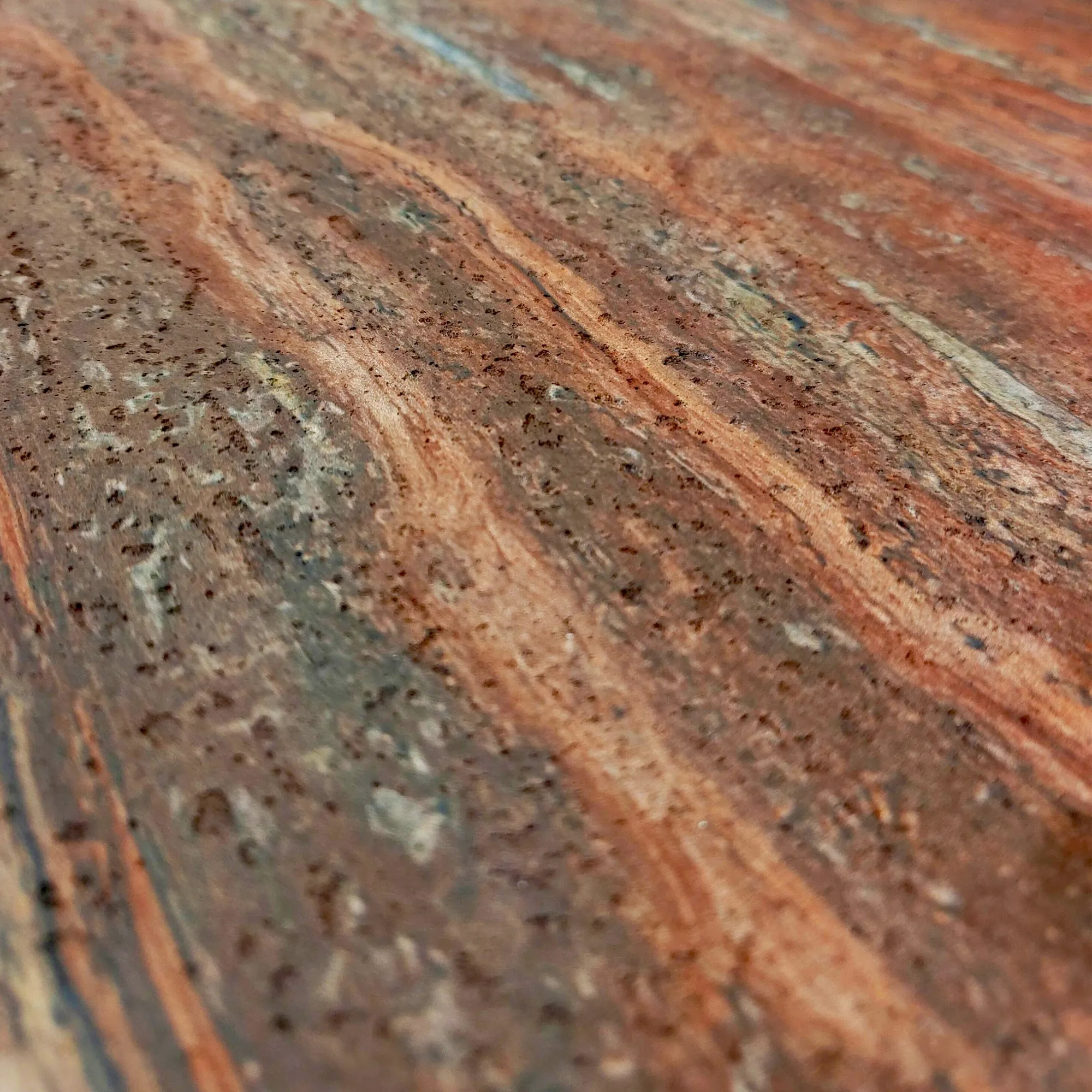
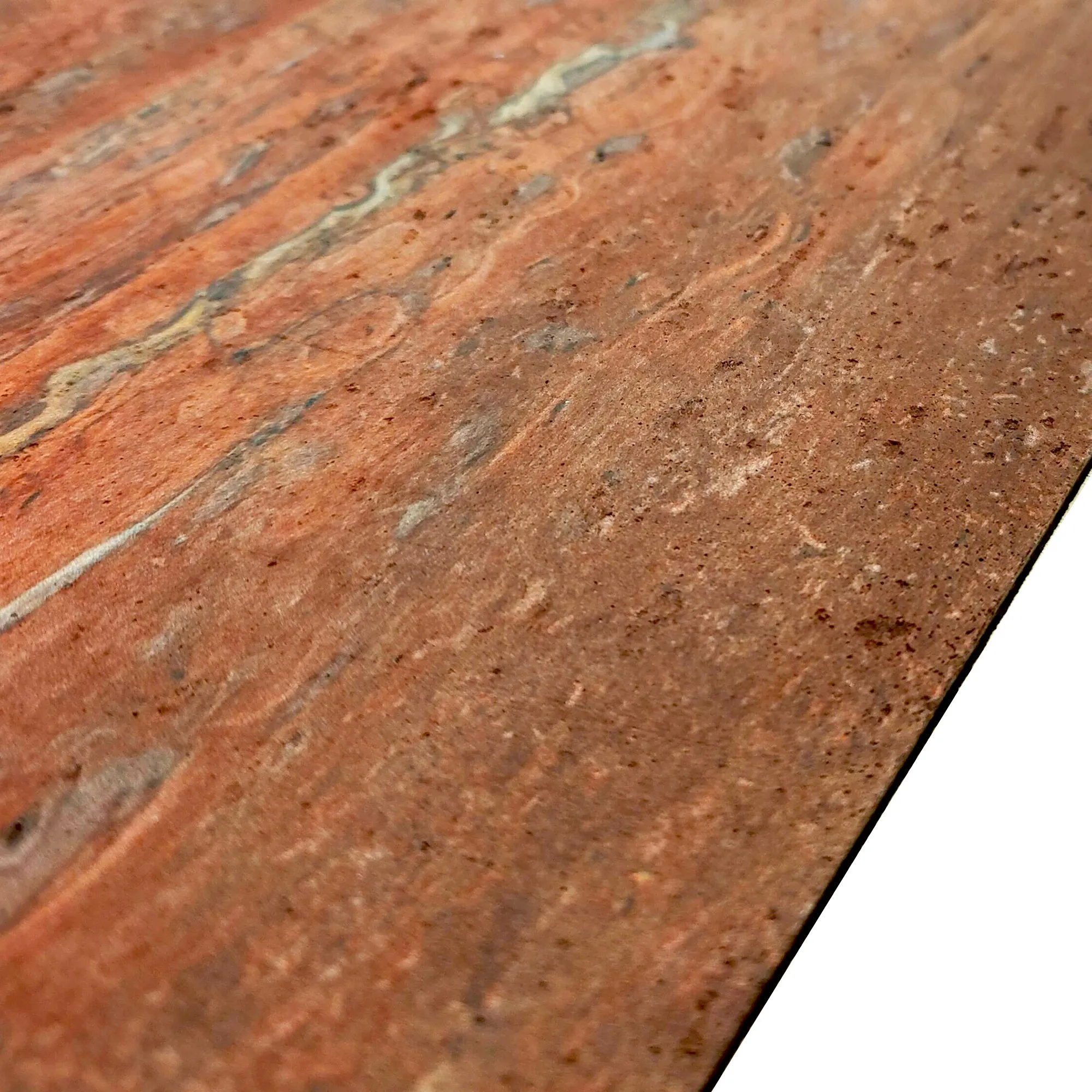
It's hard to talk about 2025 trends without focusing on Starry Red Travertine . What makes it so special? For starters, its color: a rich, terracotta-red that feels both bold and grounding. Unlike brighter reds, it won't overpower a space—instead, it adds warmth, making large rooms feel intimate. Then there are the "stars": tiny, iridescent mineral deposits that catch light, creating a subtle sparkle that shifts with the sun. Architects love it for its versatility, too. Use it polished for a sleek lobby, or honed for a more rustic outdoor patio. Pair it with Fair-Faced Concrete for an industrial-modern vibe, or with Weaving (Beige) for a bohemian, organic feel. It's not just a material—it's a mood.
If Starry Red Travertine is the sun, Lunar Peak Silvery is the moon. Its pale, silvery-gray surface has a gentle, undulating texture that mimics the moon's craters and ridges. It's surprisingly versatile: in a minimalist home, it adds calm, almost meditative energy; in a tech startup office, it feels futuristic, like something from a sci-fi film. What architects appreciate most, though, is its ability to reflect light. Install it near windows, and it will bounce natural light deeper into a room, making spaces feel larger and brighter. It pairs beautifully with Starry Red Travertine —the cool silver balancing the warm red—creating a dynamic, balanced palette.
Imagine a boutique hotel in a historic district, where the exterior needs to honor the neighborhood's heritage while feeling fresh. The solution? A facade layered with Historical Pathfinders Stone (for that old-world charm) and Starry Red Travertine accents (to add modern drama). The lobby features a sweeping Wave Panel backdrop in Lunar Peak Silvery , with Foamed Aluminium Alloy Board (Vintage Gold) used for reception desk cladding. Guest rooms lean into comfort, with Bamboo Mat Board ceilings and Stream Limestone (Claybank) bathroom walls—creating a space that feels both luxurious and connected to nature.
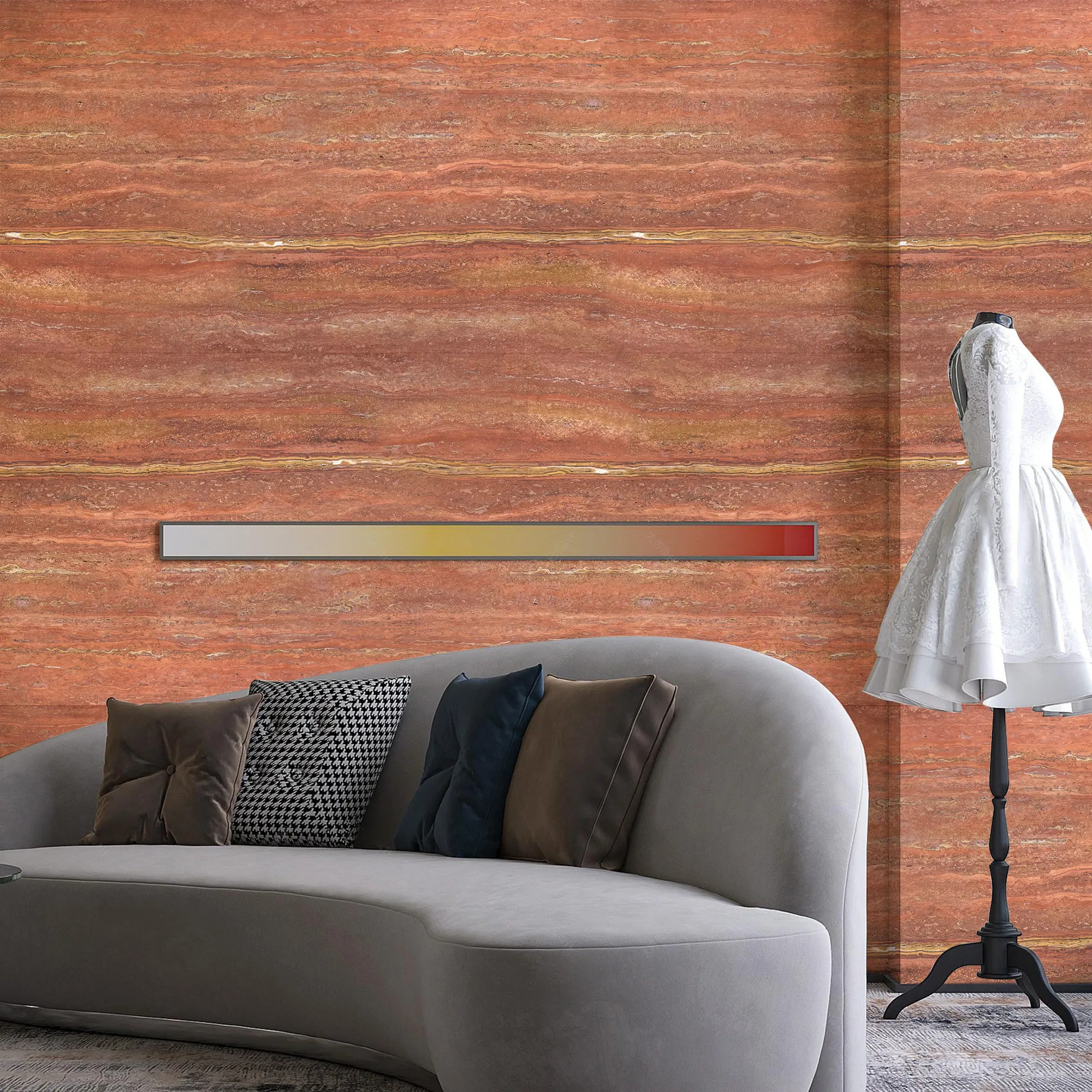
For a modern home in a suburban setting, the goal is to stand out without feeling imposing. Here, Starry Red Travertine takes center stage as the main facade material, cut into large, horizontal slabs that emphasize the home's clean lines. To soften the look, the entryway features a Rammed Earth Board (Matcha Green) accent wall, adding a pop of organic color. The garage door? Clad in Foamed Aluminium Alloy Board (Vintage Silver) —its matte finish complements the travertine while adding a touch of industrial edge. Landscaping ties it all together, with plants chosen to echo the reds and greens of the materials.
Co-working spaces thrive on energy, and materials play a big role in fostering that. For a 2025 co-working hub, the design team might use Starry Red Travertine for the feature wall in the main lounge—its bold color sparking creativity—paired with Thread partitions in soft gray, which add texture without blocking light. Meeting rooms could opt for MCM Flexible Stone in Dolomitic Travertine (Dark Grey) , curved to create intimate, cocoon-like spaces. The breakout areas? Poly Wood Board floors and Weaving (Khaki) furniture—materials that feel casual and inviting, encouraging collaboration.
As we move beyond 2025, MCM shows no signs of slowing down. The focus will only grow on sustainability—materials like Foamed Aluminium Alloy Board are already 100% recyclable, and MCM Flexible Stone uses 30% less raw material than traditional stone cladding. The MCM 3D Printing Series will expand, allowing for even more customization, while new finishes (think Starry Travertine in vibrant blues or purples) will give architects even more tools to tell stories. Ultimately, the future of architecture isn't just about buildings—it's about materials that help us connect, feel, and belong. And with MCM leading the charge, that future looks bright.
2025 is shaping up to be a year of bold choices and creative freedom for architects. With materials like Starry Red Travertine , Lunar Peak Silvery , and Foamed Aluminium Alloy Board (Vintage Gold) leading the way, the focus is clear: architecture should be as much about emotion as it is about function. These aren't just "products"—they're partners in storytelling, helping to craft spaces that inspire, comfort, and endure. So whether you're designing a skyscraper or a small home, remember: the right material can turn a good building into an unforgettable one.
Recommend Products











