

Schools, universities, and educational campuses are more than just buildings—they are living, breathing spaces where curiosity takes root, ideas spark, and futures are shaped. The materials that clothe these spaces play a quiet but powerful role: they set the tone for learning, withstand the chaos of bustling hallways, and even influence how students and educators feel on a daily basis. In a world where educational environments are expected to inspire and endure, finding the right balance of style and resilience is key. Enter Starry Red Travertine MCM—a material that doesn't just meet the demands of busy school life, but elevates it.
Imagine a high school hallway at 8:15 a.m.: students laughing as they rush to class, backpacks slung over shoulders; a teacher pausing to pin a student's artwork to a bulletin board; sunlight streaming through floor-to-ceiling windows, casting warm pools on the floor. Now, picture the walls and floors of that hallway clad in a material that feels both lively and grounded—a rich, deep red surface dotted with tiny, iridescent flecks that catch the light like scattered stars. That's Starry Red Travertine MCM in action: a surface that doesn't just exist in the background, but contributes to the energy of the space.
Educational institutions face unique challenges when it comes to building materials. They need to stand up to heavy foot traffic (think hundreds of students trekking between classes daily), resist stains from spilled coffee, marker scuffs, and the occasional science experiment mishap, and remain visually appealing for decades—all while staying within budget. But durability alone isn't enough. Schools are also places of creativity and growth; cold, sterile surfaces can dampen that spirit. What if a material could check both boxes: tough enough for a middle school cafeteria, but beautiful enough to make a lecture hall feel inspiring?
Starry Red Travertine MCM, part of the broader MCM flexible stone family, was designed with this duality in mind. It's a product of modern engineering—lightweight, flexible, and built to last—but it draws inspiration from natural stone, with a warmth and texture that synthetic materials often lack. For schools, this means a surface that can handle the chaos of daily life and contribute to a space where students feel motivated to learn.
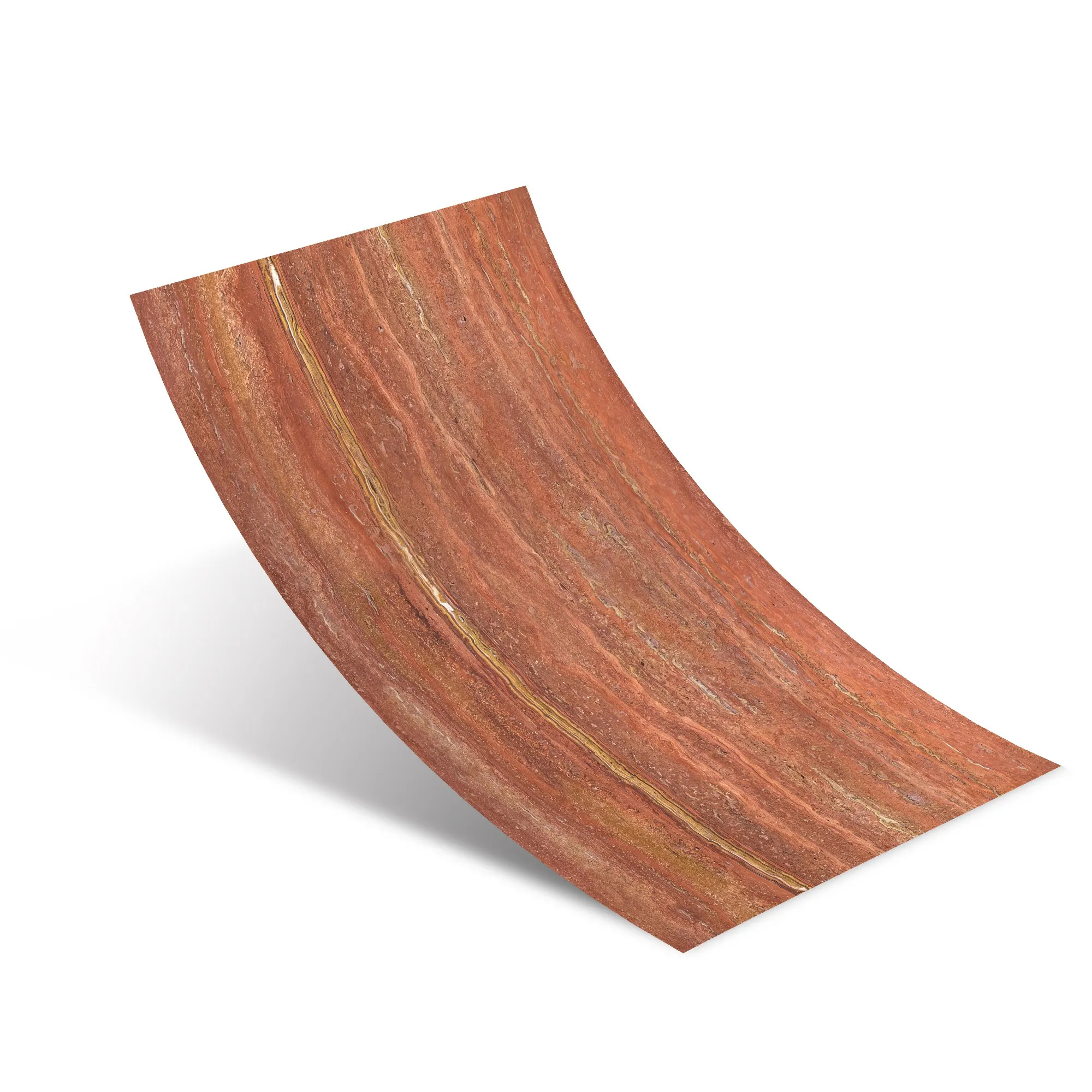
Let's start with the "starry" in the name. Starry Red Travertine MCM isn't just a solid red slab; its surface is embedded with microscopic crystalline particles that reflect light, creating a subtle, twinkling effect—like a night sky condensed into a wall panel or floor tile. This isn't just for show: in educational spaces, that play of light can transform a dull corridor into a place that feels dynamic and alive. Imagine a student pausing to stare at the wall, momentarily distracted by the way sunlight makes those "stars" dance—that's a moment of wonder, and wonder has no place in a boring classroom.
The red hue itself is intentional, too. Red is a color associated with energy, passion, and creativity—qualities educators strive to nurture in their students. But this isn't a harsh, overwhelming red; it's a warm, earthy tone, like the rust of autumn leaves or the glow of a campfire. It feels inviting, not jarring, making it suitable for large surfaces without overwhelming the space. Pair it with neutral accents—think white walls or light wood trim—and it becomes a statement piece that ties the room together.
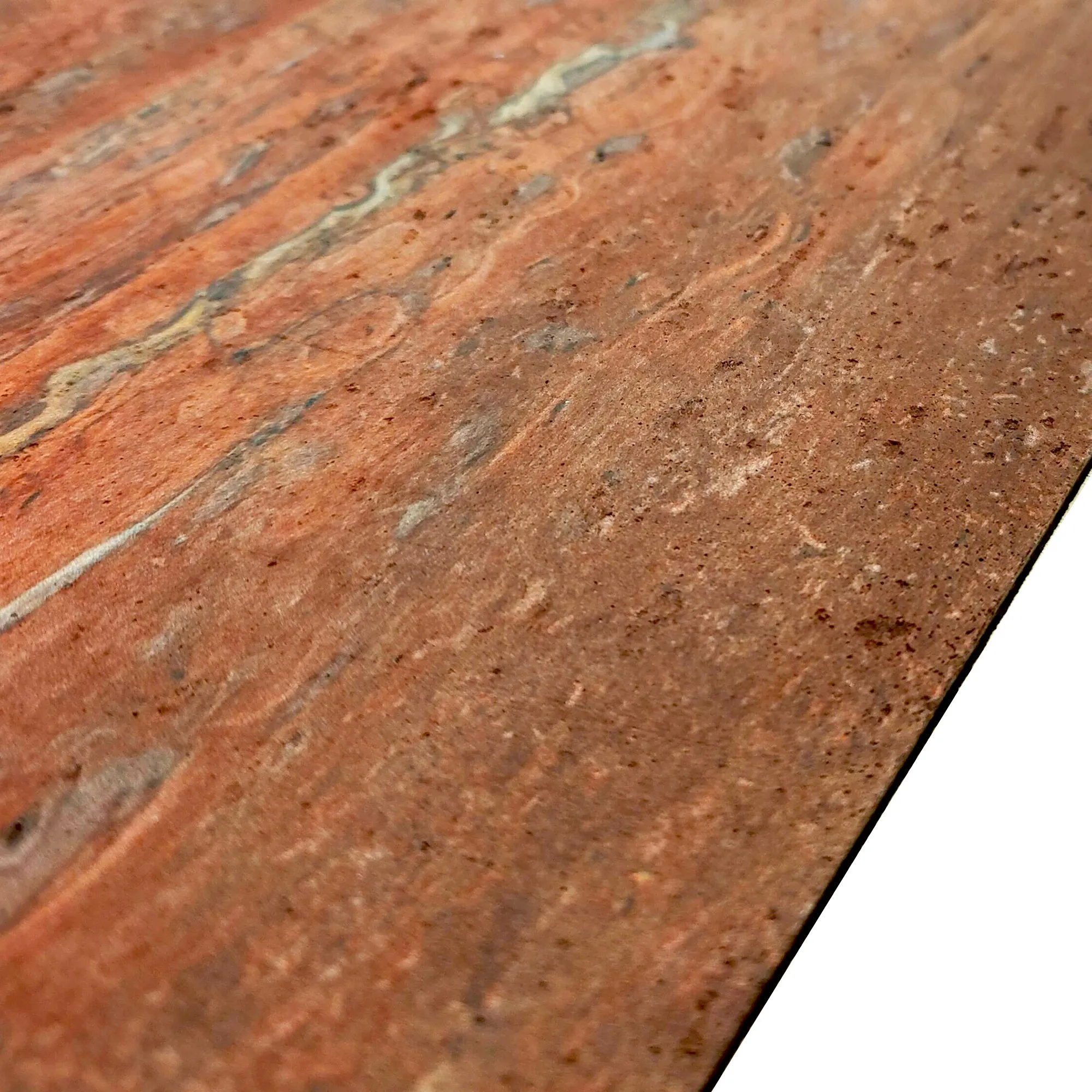
Underneath that striking appearance lies MCM technology: a modified composite material that's both lightweight and incredibly strong. Unlike traditional stone, which is heavy and brittle, MCM flexible stone is thin (often just 3-5mm thick) and bendable, making it easy to install on curved surfaces, walls, or even ceilings. For schools with unique architectural features—say, a circular auditorium or a curved entrance canopy—this flexibility is a game-changer. It also reduces installation time and cost, a bonus for budget-conscious educational projects.
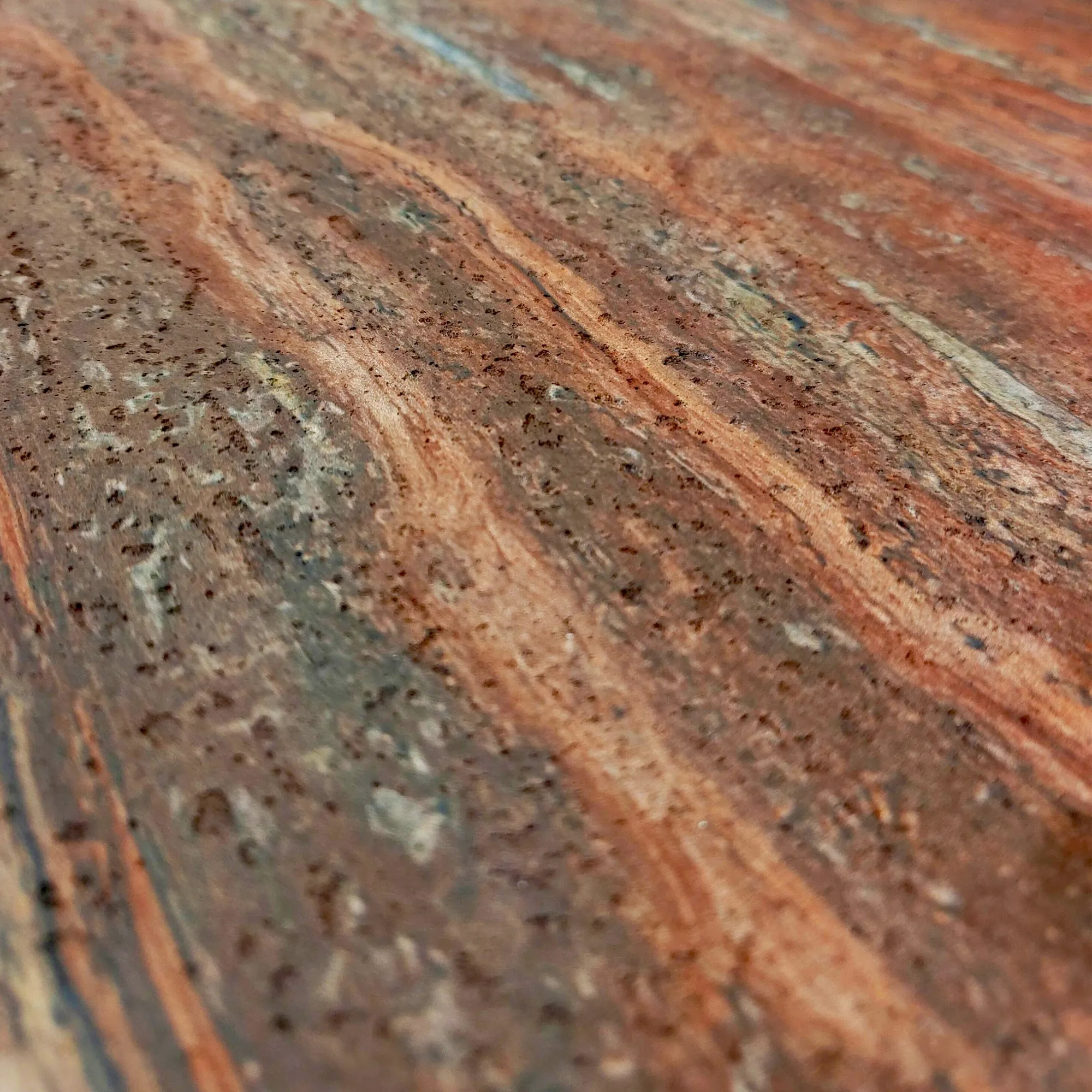
Let's talk about the "boring" but crucial stuff: durability. In a school, a wall panel isn't just a wall panel—it's a target for stray backpacks, a canvas for accidental pencil marks, and a landing pad for the occasional flying eraser. Starry Red Travertine MCM is engineered to handle all of this. Its surface is scratch-resistant, so even years of student traffic won't leave it looking worn. It's also stain-resistant: spill a bottle of juice? Wipe it up with a damp cloth, and no trace remains. Unlike porous natural stone, it doesn't require sealing or special treatments, which means less maintenance work for busy school facilities teams.
Another win? It's fire-retardant. Safety is non-negotiable in schools, and knowing that your wall cladding meets strict fire safety standards adds an extra layer of peace of mind. And because it's lightweight, it reduces the load on building structures—a small detail that can make a big difference in renovation projects or when adding new wings to existing schools.
Starry Red Travertine MCM doesn't have to stand alone. Educational spaces often benefit from a mix of materials, creating visual interest and functional zones. Here are a few complementary options from the MCM lineup that pair beautifully with Starry Red, along with how they enhance school environments:
| Material | Aesthetic Appeal | Best For | Why It Works in Schools |
|---|---|---|---|
| Starry Red Travertine MCM | Warm red with iridescent "star" flecks | Accent walls, auditorium panels, entrance features | Boosts energy and creativity; durable for high-traffic areas |
| Fair-Faced Concrete | Raw, minimalist gray with subtle texture | Science labs, workshop spaces, | Industrial-chic look; resistant to chemicals and heavy use |
| Lunar Peak Silvery | Soft silver with a matte, moon-like finish | Classroom walls, library interiors | Calming, neutral tone; reflects light to brighten spaces |
| Historical Pathfinders Stone | Weathered, stone-like texture with earthy tones | Heritage building restorations, entrance lobbies | Evokes tradition and continuity; pairs with modern materials for contrast |
For example, imagine a school with a modern wing and a historic building. The new wing could feature Starry Red Travertine MCM on the walls, paired with fair-faced concrete floors for a sleek, contemporary look. The historic section, meanwhile, might use Historical Pathfinders Stone—with its weathered, almost ancient texture—to honor the school's legacy. Together, they tell a story: where we've been, and where we're going. That's the kind of narrative a school should communicate.
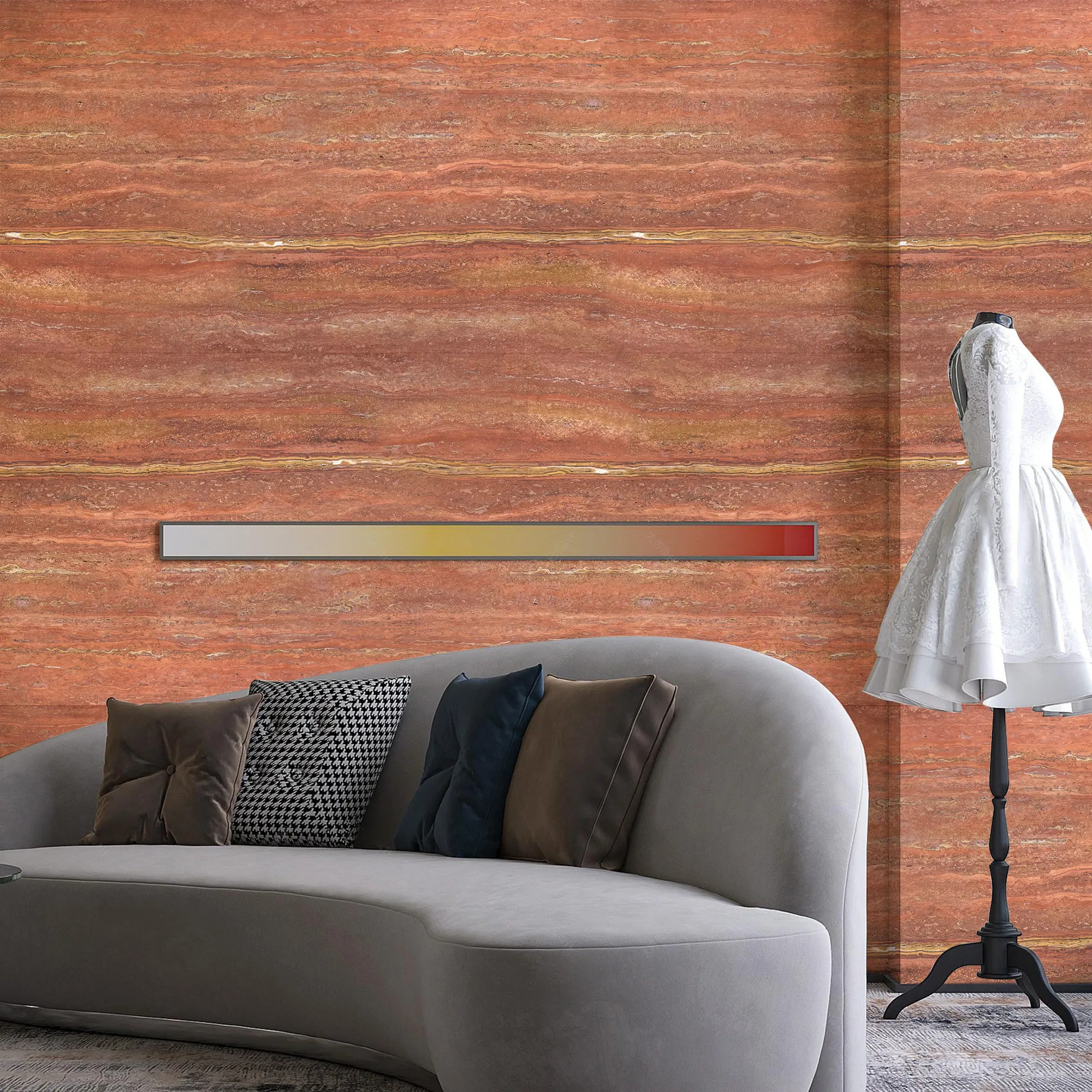
One of the best things about MCM flexible stone is its versatility. Starry Red Travertine MCM can be cut into custom sizes and shapes, making it suitable for almost any part of a school:
Take, for instance, a university cafeteria. By using Starry Red Travertine MCM on the serving counters and pairing it with Lunar Peak Silvery walls, the space feels modern and inviting. Students are more likely to linger, collaborate, and build connections—all while the materials stand up to spills, dropped trays, and daily wear and tear.
Today's students are more environmentally conscious than ever, and schools are under pressure to lead by example. Starry Red Travertine MCM aligns with this mission: it's made from recycled materials where possible, and its lightweight nature reduces transportation emissions during installation. Unlike natural stone, which requires heavy mining and processing, MCM production has a lower carbon footprint—making it a choice that schools can feel good about, both for their students and the planet.
Additionally, MCM's longevity means less frequent replacement, reducing waste over time. A school that installs Starry Red Travertine MCM today won't need to replace it for decades, minimizing the environmental impact of constant renovations.
Let's ground this in a hypothetical (but realistic) example: Lincoln High School, a mid-sized public school in a suburban area, was due for a renovation. The administration wanted to update the aging building but also wanted the new materials to reflect the school's values: resilience, creativity, and community. After considering options like traditional brick, vinyl siding, and even plain drywall, they chose Starry Red Travertine MCM for the main entrance lobby and auditorium walls, paired with fair-faced concrete floors and Lunar Peak Silvery accents in the hallways.
Six months later, the feedback was clear: students reported feeling "more excited" to come to school, noting that the lobby felt "less like a boring office and more like a place where cool things happen." Teachers appreciated how the auditorium's Starry Red walls made performances and assemblies feel more engaging, with the "star" flecks adding a touch of magic to graduation ceremonies. And the facilities team? They loved how easy the surfaces were to clean—no more scrubbing marker stains or worrying about water damage from leaky umbrellas.
Lincoln High's story isn't unique. When schools invest in materials that balance durability and design, they're not just upgrading a building—they're investing in the student experience. After all, a school that looks and feels inspiring sends a message: "You matter, and your environment matters too."
Educational institutions are tasked with nurturing the next generation, and the spaces they occupy play a vital role in that mission. Starry Red Travertine MCM isn't just a building material—it's a tool for creating environments that inspire, endure, and adapt. Its rich color, twinkling texture, and rugged durability make it ideal for the chaos and creativity of school life, while its flexibility and sustainability ensure it will serve students for years to come.
In the end, schools are about more than textbooks and tests. They're about the moments: the student who pauses to admire a "starry" wall, the teacher who feels energized by their classroom's warm, the community that gathers in a lobby that feels like home. With Starry Red Travertine MCM, those moments become possible. And isn't that what education is all about?
Recommend Products











