

In the world of property investment, numbers often take center stage—rental yields, square footage, location metrics. But there's a quieter, more transformative player in the mix: the materials that clothe a building. They don't just fill space; they shape experiences, evoke emotions, and yes, quietly boost a property's worth. Today, we're diving into one such material that's turning heads (and balance sheets) in the industry: Starry Red Travertine MCM. It's not just stone. It's a storyteller, a value multiplier, and for forward-thinking investors, a ticket to higher returns.
First, let's demystify the name. Starry Red Travertine MCM isn't your average stone cladding. MCM, or Modified Composite Material, is a modern innovation that blends natural minerals with advanced polymers, creating a material that's lighter, more flexible, and more durable than traditional stone. And the "starry" part? Picture tiny, iridescent particles embedded within the rich red base—like someone sprinkled stardust into the stone. When light hits it, those particles catch and shimmer, turning walls, facades, and floors into dynamic, almost living surfaces.
But this isn't just about aesthetics. For investors, materials that look good are nice, but materials that perform are non-negotiable. Starry Red Travertine MCM checks both boxes. Let's break down why that matters.
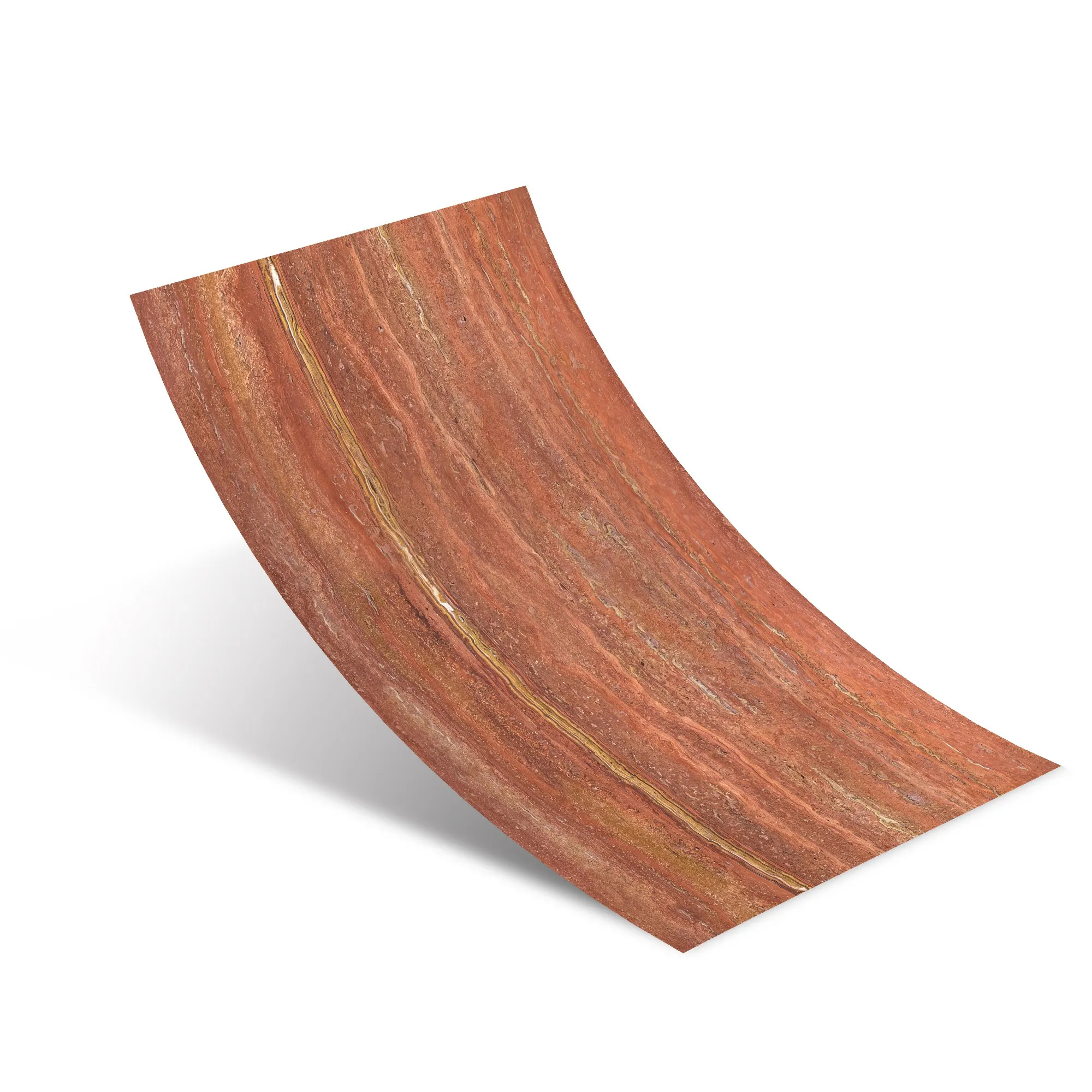
Traditional stone cladding—think marble, granite, or even standard travertine—has long been a go-to for luxury properties. But it comes with trade-offs: heavy weight that strains building structures, brittleness that leads to cracks, and installation costs that can eat into profit margins. Enter MCM, and specifically, the MCM Flexible Stone line that Starry Red Travertine belongs to. Here's how it solves those pain points:
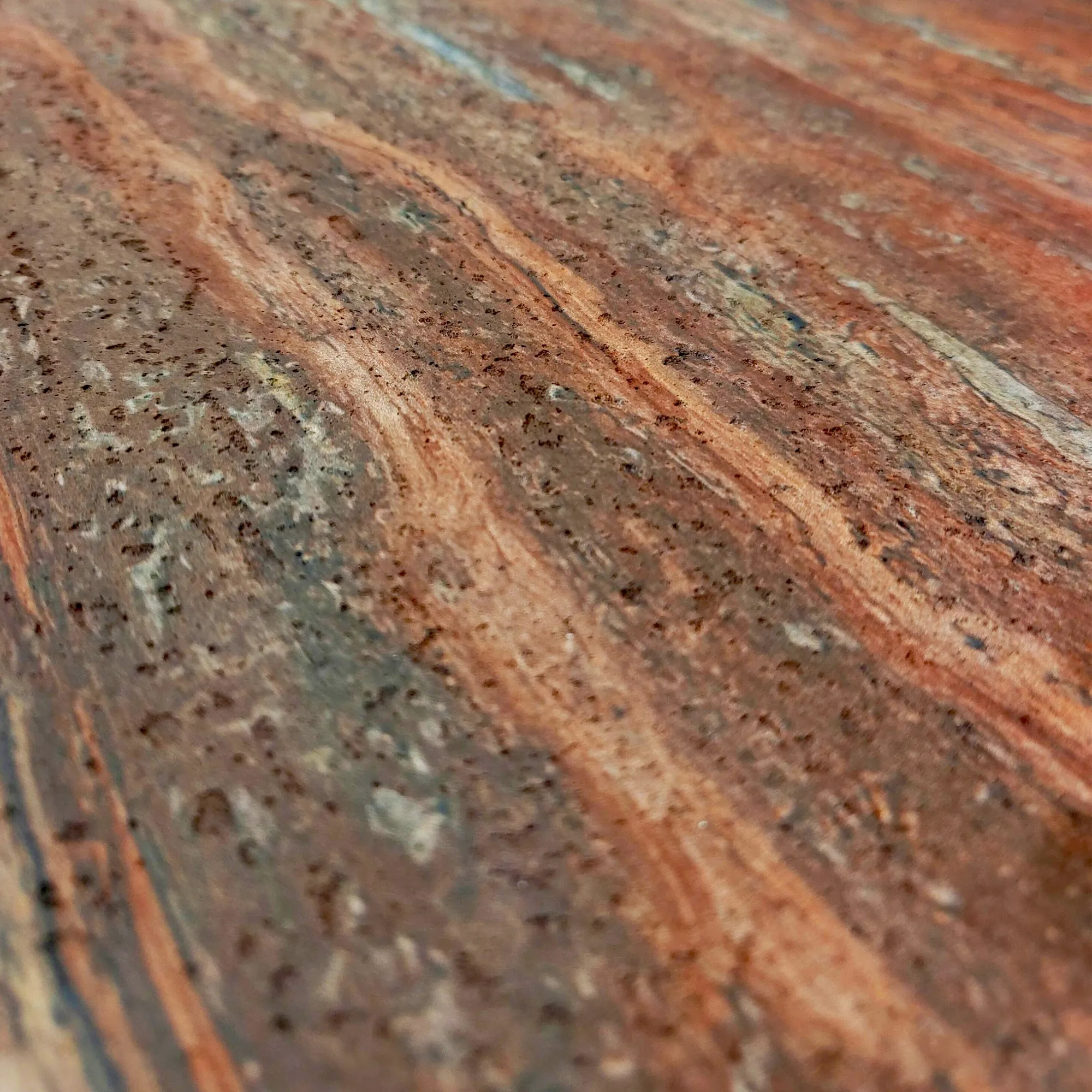
Let's talk about the elephant in the room: curb appeal. In a market where renters and buyers have endless options, a property that stands out wins. Starry Red Travertine MCM doesn't just stand out—it creates a "wow" factor that lingers in memories (and Instagram feeds).
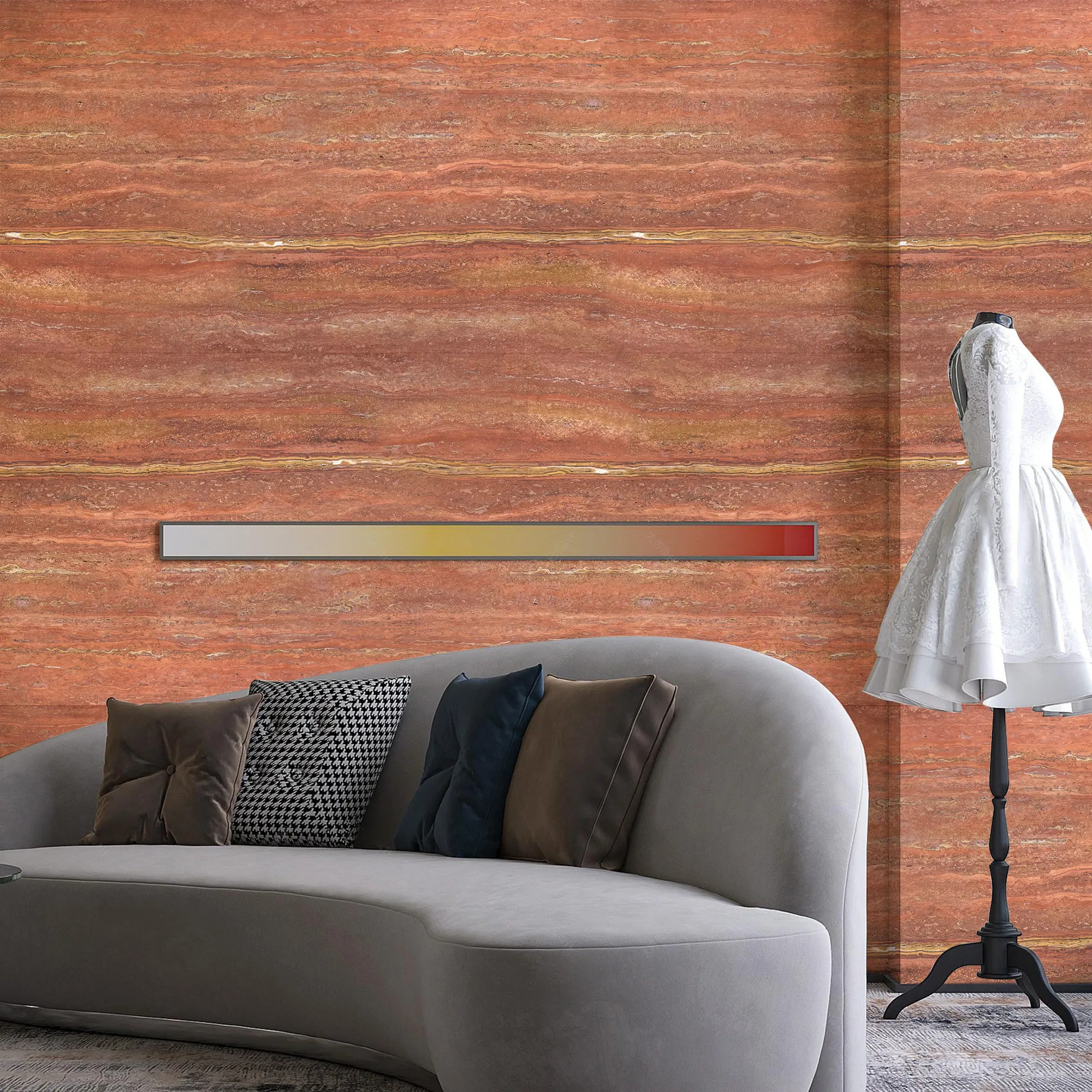
Consider a boutique office building in downtown Seattle. Its previous facade was a drab gray concrete—functional, but forgettable. After switching to Starry Red Travertine MCM, the transformation was dramatic. The red hue, warm and inviting, contrasts with the city's rainy skies, while the starry particles catch the overcast light, making the building glow softly. "Tenants started asking for tours just to see the facade," says the building's owner, Maya. "We increased rents by 18% post-renovation, and occupancy jumped from 75% to 98% in three months."
Residential properties benefit too. Imagine a luxury condo complex where the lobby walls are clad in Starry Red Travertine. It's not just a waiting area anymore; it's a statement. Prospective buyers don't just see square footage—they see a lifestyle. "People pay for feeling," says real estate agent Lila, who specializes in high-end condos. "A lobby with Starry Red MCM feels exclusive, almost cinematic. I've had clients choose a unit here over a similar one down the street, solely because of that first impression."
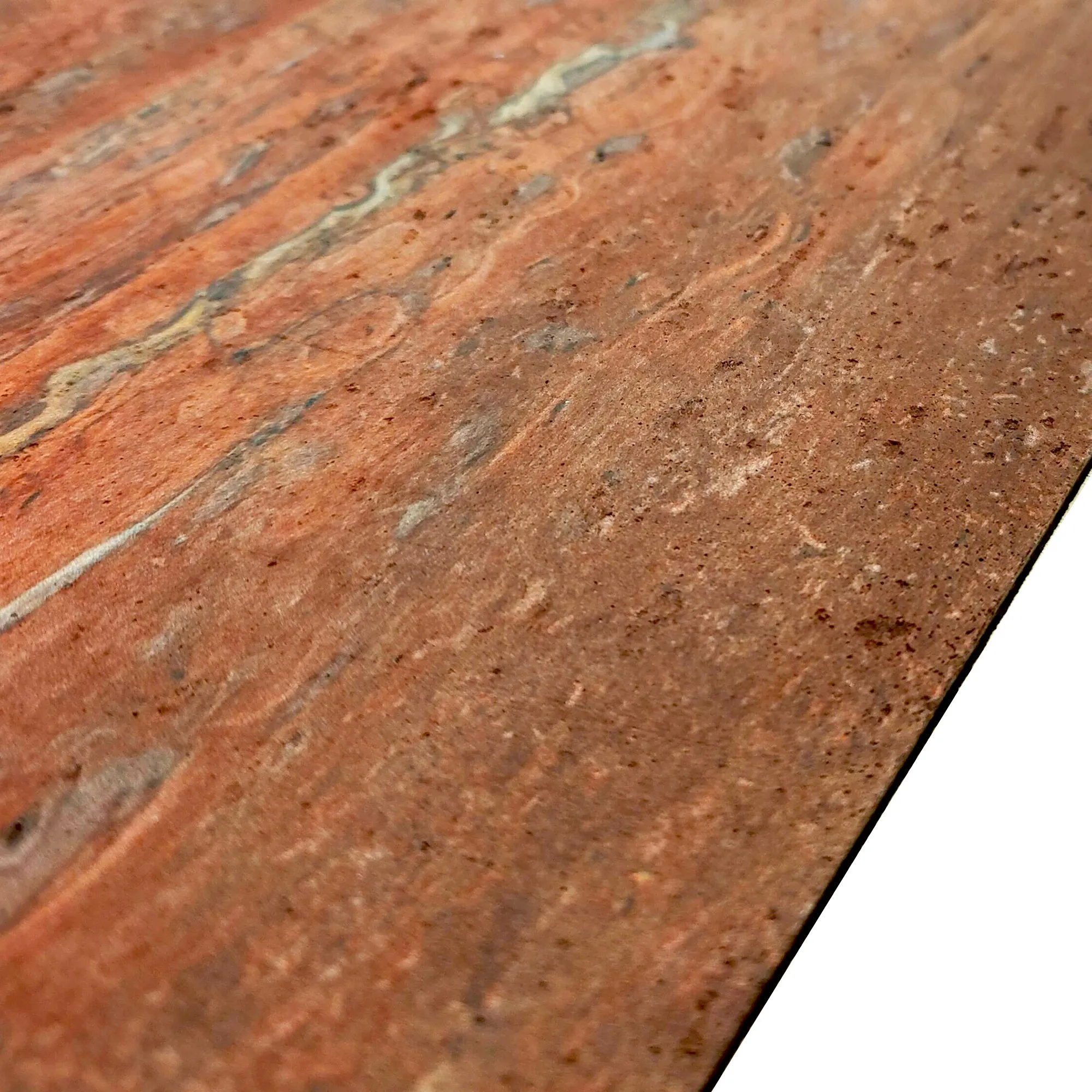
Today's investors aren't just chasing profits—they're chasing responsible profits. Green building materials are no longer a niche trend; they're a requirement for tenants, buyers, and even regulators. Starry Red Travertine MCM aligns with that shift, making it part of the Green Building Materials movement that's reshaping real estate.
How? For starters, MCM production uses 70% less natural stone than traditional cladding, reducing quarrying impact. Its lightweight nature also cuts transportation emissions—fewer trucks needed to haul materials to the site. And because it's so durable, it rarely needs replacement, keeping waste out of landfills. "LEED certification was a priority for my mixed-use development," explains investor Tom. "Starry Red Travertine MCM helped us score points for material efficiency and indoor air quality (no toxic sealants needed). That certification alone increased our property value by 12%."
Still on the fence? Let's put Starry Red Travertine MCM head-to-head with other common cladding options. The table below breaks down key factors investors care about:
| Material | Weight (kg/m²) | Installation Time | Annual Maintenance Cost | Aesthetic Appeal | Sustainability Rating |
|---|---|---|---|---|---|
| Traditional Red Travertine | 25-30 | 3-4 days/100m² | $8-10/m² | High (but static) | Low (high quarrying, heavy transport) |
| Vinyl Siding | 2-3 | 1-2 days/100m² | $3-5/m² | Low (plastic appearance) | Low (non-recyclable, short lifespan) |
| Starry Red Travertine MCM | 4-6 | 1-2 days/100m² | $1-2/m² | Very High (dynamic, starry effect) | High (70% less stone, low transport emissions) |
| Fair-Faced Concrete | 20-25 | 2-3 days/100m² | $5-7/m² | Medium (industrial, limited color options) | Medium (high carbon footprint in production) |
The numbers speak for themselves. Starry Red Travertine MCM offers the best of both worlds: the luxury look of natural stone, the practicality of modern composites, and the sustainability investors (and tenants) demand.
In 2023, investor Priya purchased a struggling suburban mall in Denver. Vacancy rates hovered at 40%, and foot traffic was dwindling. Her plan? Revitalize the facade and common areas to attract trendy retailers and food concepts. After researching options, she chose Starry Red Travertine MCM for the main entrance facade and indoor dining court walls.
The results? Within six months of completion, the mall's occupancy rate hit 90%. A local coffee chain cited the "vibrant, Instagrammable entrance" as a key reason for signing a lease. Average retail rents increased by $15/sq ft, and the mall's appraised value rose by $2.3 million—nearly double Priya's initial investment in the renovation. "It wasn't just about making it look nice," she says. "It was about creating a space people wanted to be in. Starry Red MCM did that."
Real estate is always evolving, and today's hot trend can be tomorrow's relic. But Starry Red Travertine MCM aligns with two megatrends that aren't going anywhere: experiential design and sustainable luxury .
Experiential design is all about creating spaces that engage the senses—think textures, colors, and yes, shimmering "starry" effects that make visitors stop and take notice. In an era where social media drives foot traffic, buildings that are "shareable" become marketing tools. Starry Red Travertine MCM delivers that shareability.
Sustainable luxury, meanwhile, is the sweet spot where eco-consciousness meets high-end aesthetics. Buyers and tenants are willing to pay premium rates for properties that look good and do good. As regulations around green building tighten (hello, EU's new sustainability mandates for commercial real estate), materials like Starry Red Travertine MCM will only become more valuable.
At the end of the day, property is about more than bricks and mortar. It's about the stories spaces tell—the memories made, the businesses grown, the lives lived within their walls. Starry Red Travertine MCM isn't just a building material; it's a storyteller. It turns a plain facade into a landmark, a lobby into a conversation starter, and a property into an asset that appreciates not just in value, but in meaning.
For investors ready to move beyond the basics, this material isn't a cost—it's an investment. An investment in durability, in beauty, in sustainability, and ultimately, in higher returns. Because when a property stands out for all the right reasons, everyone wins: investors, tenants, and the communities those properties serve.
So, the next time you're crunching numbers on a property deal, remember: the right material can turn a good investment into a great one. And Starry Red Travertine MCM? It's that material.
Recommend Products











