

Saudi Arabia's skyline is undergoing a breathtaking transformation. From the futuristic spires of Riyadh to the cultural hubs of Jeddah, the kingdom is redefining modern architecture while honoring its rich heritage. At the heart of this evolution lies a quest for materials that blend durability, aesthetics, and sustainability—qualities that have made COLORIA, a leading innovator in building materials, a trusted partner for architects and developers across the region. Among its standout offerings, the travertine (starry red) from the MCM series has emerged as a favorite, capturing the essence of Saudi's vibrant spirit in stone. Today, we explore how this striking material, alongside other COLORIA classics like MCM flexible stone and fair-faced concrete , is shaping some of Saudi Arabia's most iconic projects.
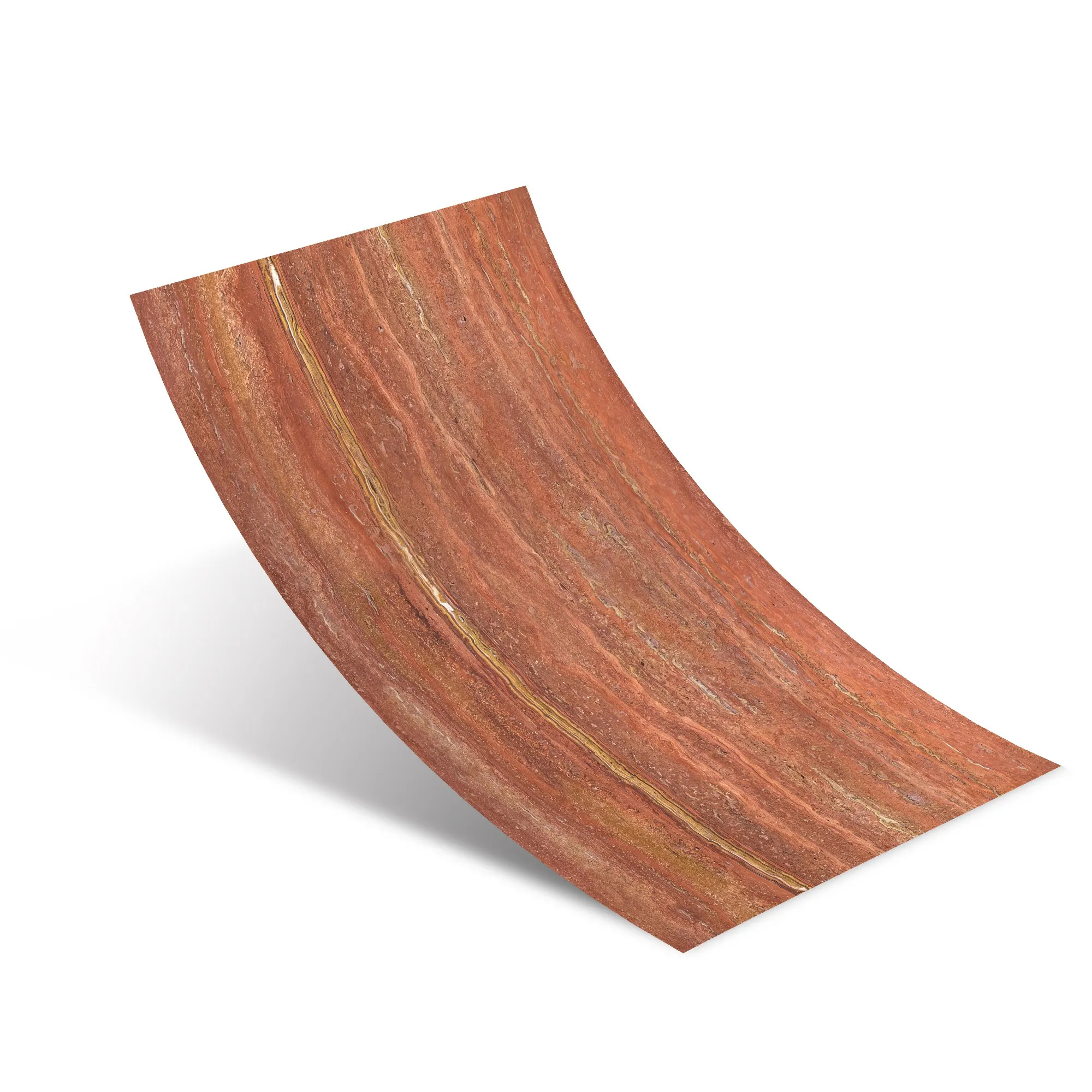
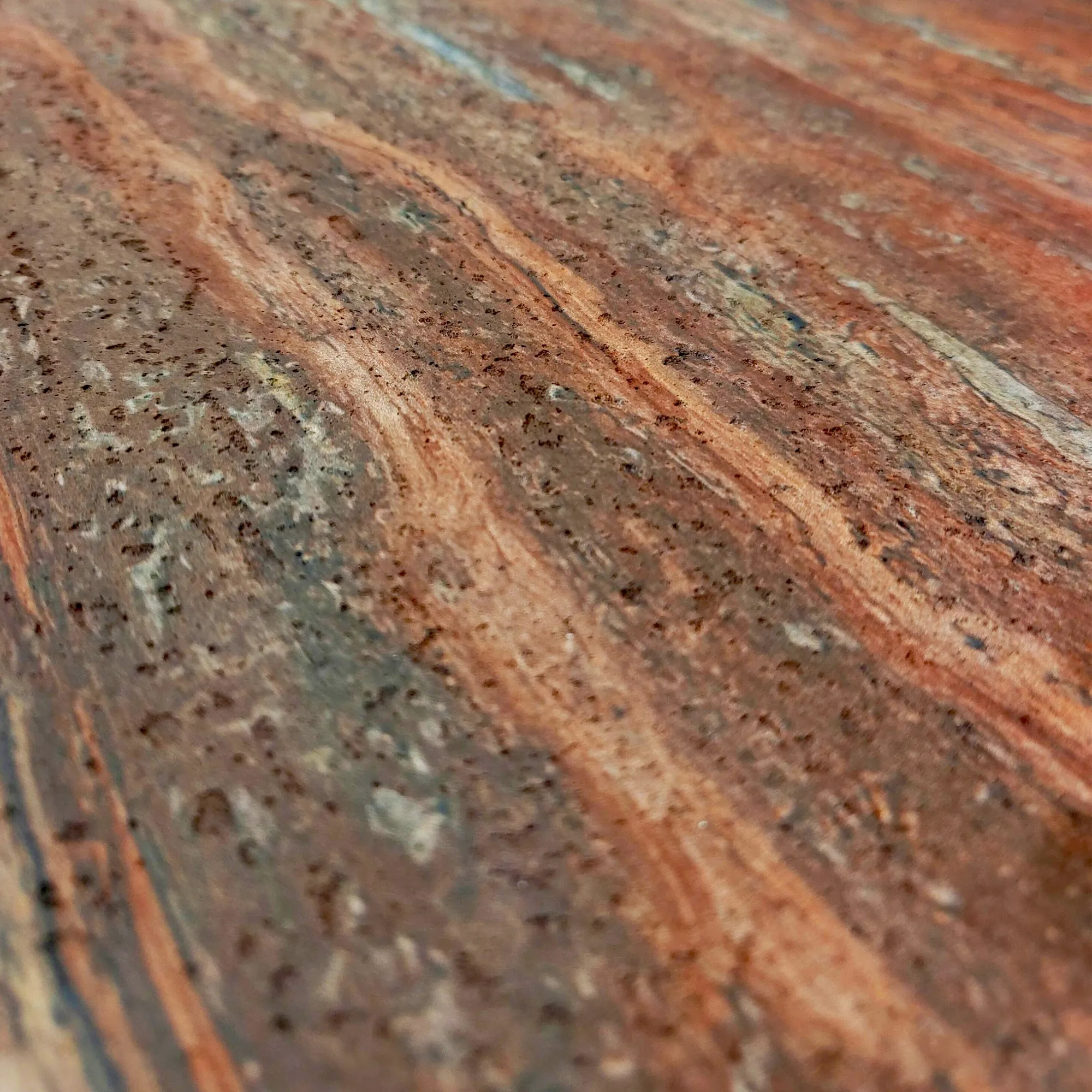
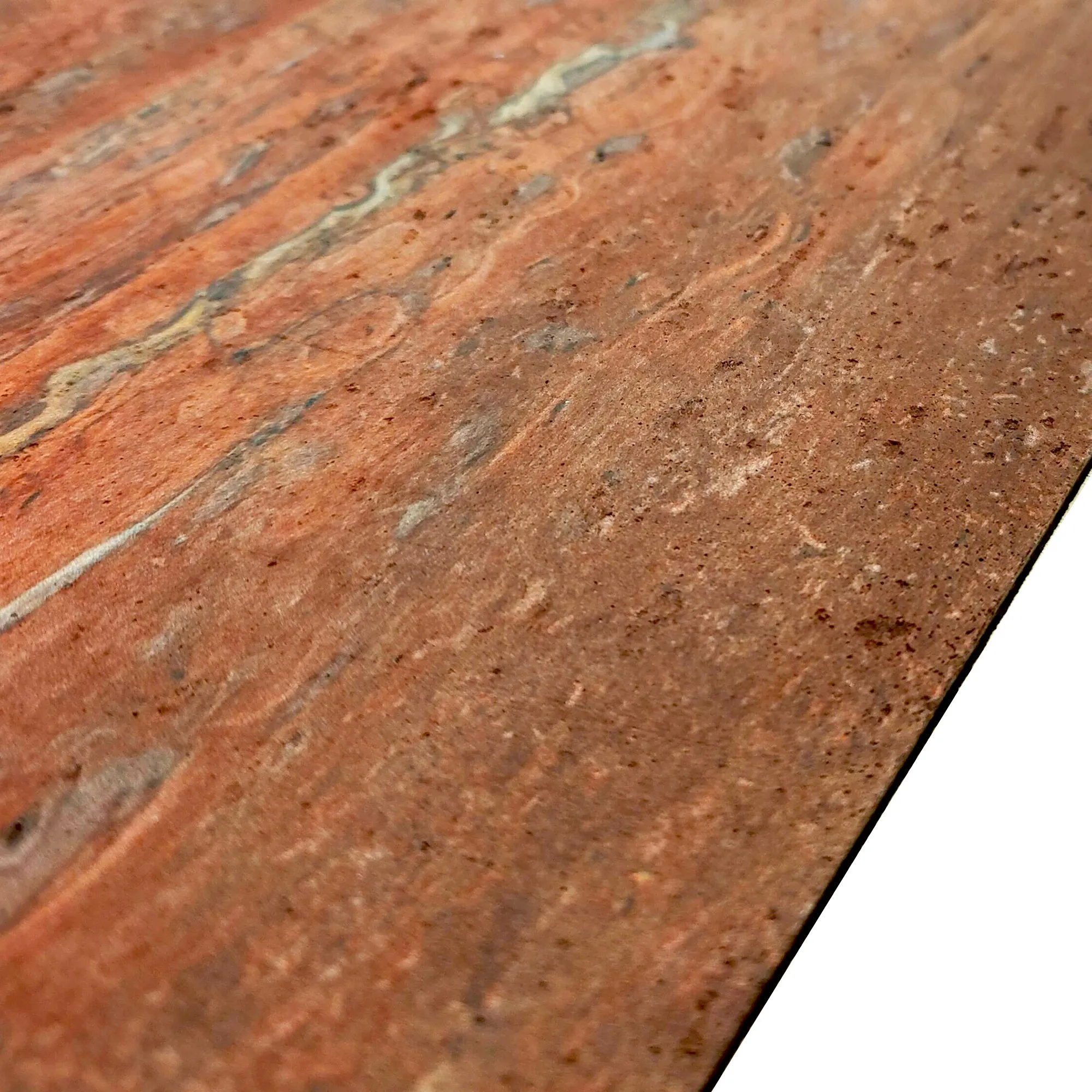
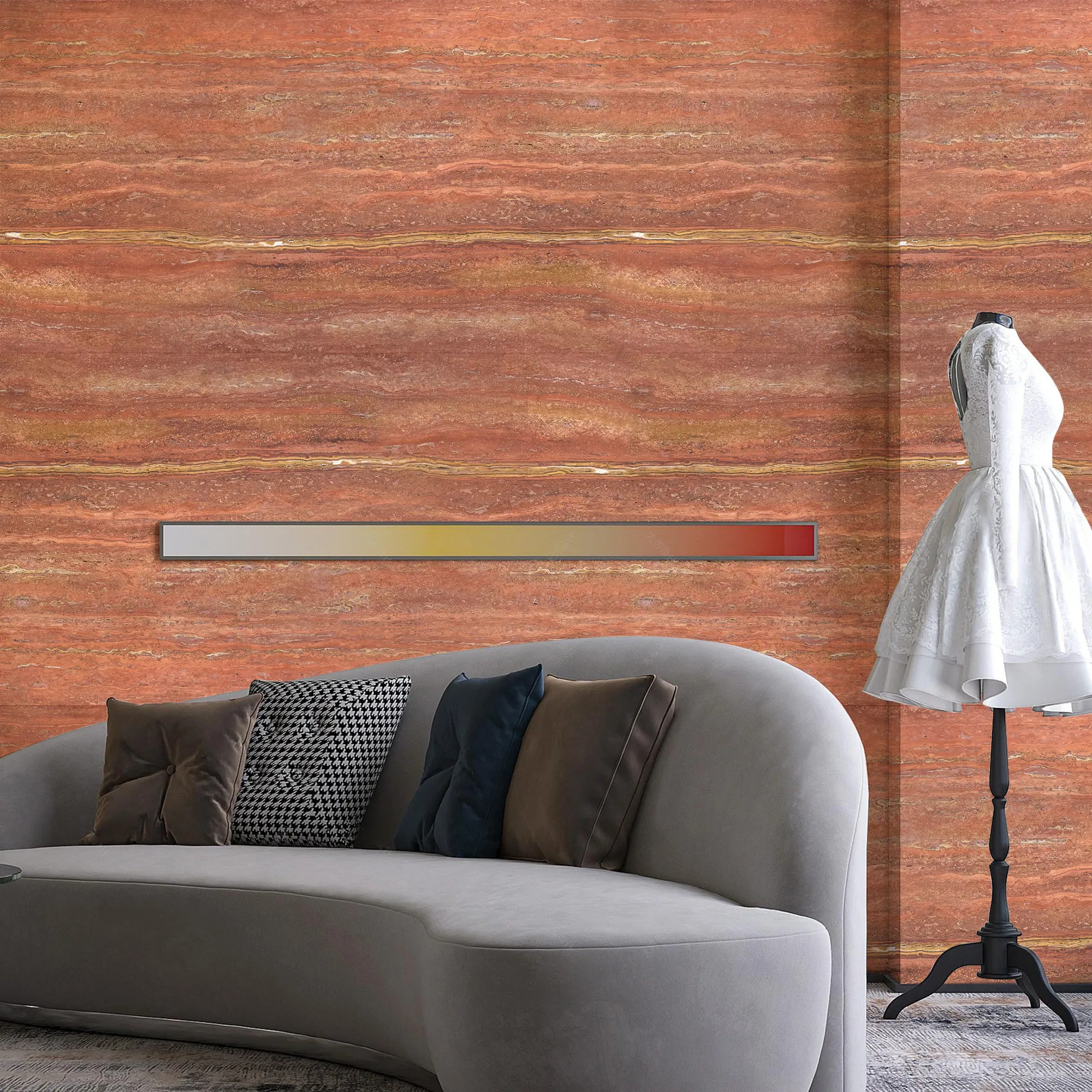
Travertine has long been cherished for its timeless elegance, but COLORIA's travertine (starry red) takes this legacy to new heights. Part of the MCM (Modified Composite Material) family, this material marries the natural beauty of travertine with cutting-edge technology, resulting in a product that's lightweight, flexible, and remarkably durable—ideal for Saudi Arabia's harsh climate, where scorching sun and occasional sandstorms demand resilience. What truly sets it apart, though, is its appearance: a deep, warm red base interspersed with tiny, glittering flecks that mimic a starry night sky. Run your hand over its surface, and you'll feel the subtle texture of natural stone, yet it's engineered to be easier to install and maintain than traditional travertine.
"Starry Red Travertine isn't just a cladding material—it's a storyteller," says Lina Hassan, a Riyadh-based architect who recently used it in a cultural center project. "In Saudi Arabia, red symbolizes strength, passion, and heritage. The starry flecks? They evoke the vast desert sky, connecting the building to the land. Clients love how it makes a bold statement without feeling overwhelming."
But what makes it practical? Unlike natural stone slabs, which are heavy and prone to cracking, MCM flexible stone is composed of a mineral composite layered onto a flexible backing, allowing it to bend around curves and adhere to various surfaces. This flexibility opens up design possibilities—think undulating facades or intricate geometric patterns—that were once impossible with traditional materials. Plus, it's fire-resistant and UV-stable, ensuring that its vibrant red hue won't fade under the Saudi sun for decades.
From cultural landmarks to luxury resorts, Starry Red Travertine MCM is leaving its mark across Saudi Arabia. Let's dive into four standout projects that showcase its versatility and beauty.
Nestled along Jeddah's corniche, the Al-Murjan Cultural Center is a celebration of Saudi Arabia's artistic heritage. Designed to host exhibitions, workshops, and performances, the building needed a facade that would draw visitors in while reflecting the center's mission of "honoring the past, inspiring the future." The architects turned to travertine (starry red) for the main exterior cladding, pairing it with fair-faced concrete for contrast.
"We wanted the building to feel both grounded and aspirational," explains lead architect Omar Khalid. "The Starry Red Travertine's rich color echoes the traditional red sandstone used in historic Najdi architecture, while the raw, industrial look of fair-faced concrete adds a modern edge. When the sun sets, the red stone glows, and the starry flecks catch the light—visitors often stop to take photos, saying it looks like the building is 'on fire with stars.'"
Inside, the lobby features Starry Red Travertine on the walls, complemented by bamboo mat board ceilings for a warm, organic touch. The combination of red, natural wood, and exposed concrete creates a space that feels both grand and intimate—a perfect backdrop for art and cultural events.
Al Ula, known for its ancient rock formations and desert landscapes, is fast becoming a luxury tourism destination. The Royal Oasis Resort, set against the backdrop of the Hijaz Mountains, aims to blend luxury with nature—and travertine (starry red) was the obvious choice for its villas and main lodge.
"Our goal was to create a resort that feels like it belongs in the desert, not imposed on it," says resort designer Amina Ali. "Starry Red Travertine was a game-changer. Its red tone mirrors the iron-rich desert soil, and the starry flecks mimic the night sky over Al Ula. We used it for the villa exteriors and the main lodge's facade, and paired it with lunar peak golden accents—another COLORIA material—for a touch of luxury."
The result? Villas that look like they've been carved from the desert itself, with Starry Red cladding that shifts in appearance throughout the day: deep crimson at noon, soft rose at sunset, and twinkling with starlight after dark. Guests often comment on how the material makes them feel "connected to the land," a sentiment that aligns with the resort's eco-tourism ethos.
In the heart of Riyadh's bustling financial district, the Riyadh Tech Hub stands as a symbol of Saudi Arabia's push toward innovation. A sleek, modern structure housing startups and tech giants, it needed a facade that would stand out among glass skyscrapers. The solution? A striking combination of travertine (starry red) and foamed aluminium alloy board (vintage silver) .
"We wanted to break the monotony of glass and steel," says tech hub architect Karim Al-Zahrani. "Starry Red Travertine adds warmth and personality, while the vintage silver aluminium brings a futuristic edge. The contrast is bold but balanced—like blending tradition with innovation, which is what the tech hub is all about."
The facade features alternating panels of Starry Red Travertine and silver aluminium, creating a dynamic pattern that catches the light. Inside, the lobby uses Starry Red as a focal wall behind the reception desk, paired with polish concrete floors for a minimalist, industrial vibe. "It's become a talking point," Al-Zahrani laughs. "People come in just to take pictures of the red wall—it's like the hub's unofficial logo."
Najran, in southern Saudi Arabia, is known for its historic mud-brick forts and lush oases. The Najran Heritage Village, a new development celebrating the region's culture, needed materials that would honor local traditions while meeting modern standards. Enter travertine (starry red) and bamboo mat board .
"Najran's traditional architecture uses earthy tones and natural materials," explains project manager Fatima Al-Yami. "Starry Red Travertine's red hue matches the local soil, and its texture echoes the rough-hewn walls of old forts. We paired it with bamboo mat board for the roofs and interiors—another COLORIA product that brings the warmth of natural bamboo without the maintenance issues of real wood."
The village's main features a Starry Red Travertine pathway that leads visitors through replicas of historic homes and markets. The bamboo mat board roofs, with their woven texture, filter sunlight gently, creating dappled shadows that mimic the shade of date palms. "It's like stepping into the past, but with modern comforts," says Al-Yami. "Locals tell us it feels like 'home,' which is the highest compliment."
| Project Name | Location | Primary Material | Complementary Materials | Design Concept |
|---|---|---|---|---|
| Al-Murjan Cultural Center | Jeddah | Travertine (Starry Red) MCM | Fair-faced concrete, Bamboo mat board | Heritage + modernity; warm, inviting cultural space |
| Royal Oasis Resort | Al Ula | Travertine (Starry Red) MCM | Lunar peak golden | Eco-luxury; blending with desert landscapes |
| Riyadh Tech Hub | Riyadh | Travertine (Starry Red) MCM | Foamed aluminium alloy (vintage silver), Polish concrete | Innovation + tradition; bold, dynamic facade |
| Najran Heritage Village | Najran | Travertine (Starry Red) MCM | Bamboo mat board | Honoring local heritage; earthy, traditional vibe |
While Starry Red Travertine shines on its own, it truly comes alive when paired with other COLORIA materials. Here are a few favorites among Saudi architects:
A warm, metallic gold material with a subtle texture, lunar peak golden adds luxury and contrast to Starry Red. Use it for accents, trim, or feature walls to create a sense of opulence—perfect for hotels and high-end residences.
Bamboo mat board brings natural texture and warmth, softening Starry Red's boldness. Its woven pattern adds depth, making it ideal for ceilings, partitions, or furniture surfaces in cultural and heritage projects.
Raw, industrial, and minimalist, fair-faced concrete balances Starry Red's richness with its neutral, understated look. It's a favorite for modern spaces like art galleries and tech hubs, where simplicity lets the red stone take center stage.
Sleek and futuristic, foamed aluminium alloy board (vintage silver) adds a contemporary edge to Starry Red. Its lightweight, durable nature makes it perfect for facades and cladding in commercial projects.
COLORIA's success in Saudi Arabia isn't just due to its stunning materials—it's about understanding the local context. The company's commitment to sustainability resonates in a country increasingly focused on green building practices; MCM materials, for example, use recycled minerals and require less energy to produce than traditional stone. Its focus on durability addresses the practical needs of Saudi developers, who want materials that can withstand the elements. And its design flexibility empowers architects to push boundaries, creating buildings that reflect Saudi Arabia's ambition and creativity.
"COLORIA doesn't just sell materials—they partner with you," says architect Lina Hassan. "When we were designing the cultural center, their team provided samples, technical support, and even custom color adjustments. They understood our vision and helped us make it a reality."
Recommend Products











