

So, you've fallen for the allure of Starry Red Travertine—its deep, rich base swirling with flecks of gold and crimson, like a summer sunset trapped in stone. Maybe you're envisioning it gracing your kitchen backsplash, adding drama to a commercial lobby, or transforming your outdoor patio into a statement space. But before you dive into swatches and samples, there's one question lingering: How much will this actually cost? Let's break it down, from material prices to labor fees, so you can budget with confidence and turn that vision into reality.
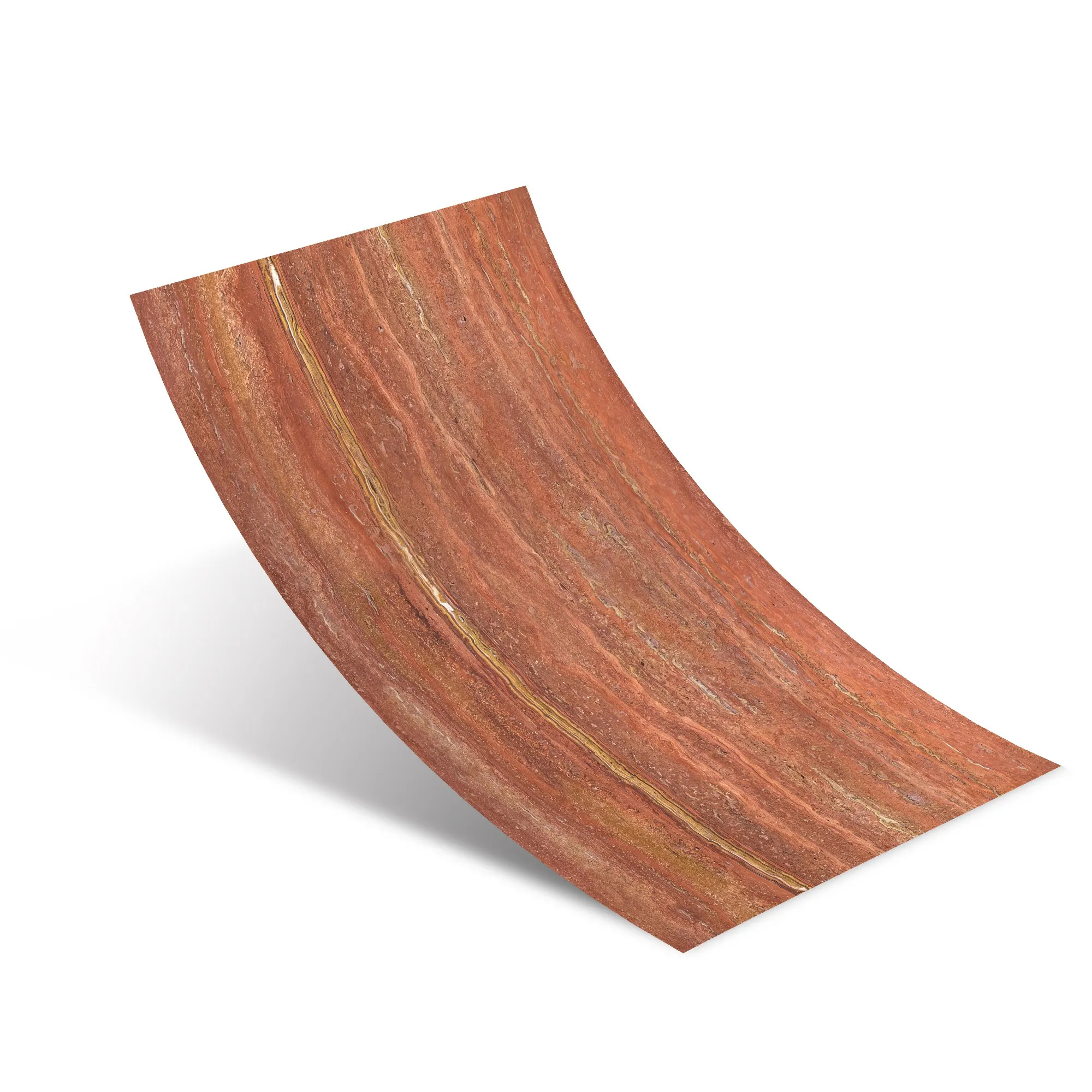
Starry Red Travertine isn't just any stone—it's part of the innovative MCM (Modified Composite Material) family, designed to blend the beauty of natural stone with the practicality of modern engineering. Unlike traditional travertine, which can be heavy and brittle, MCM flexible stone is lightweight, bendable, and surprisingly durable. Its "starry" pattern comes from tiny mineral deposits that catch the light, giving it a dynamic, almost celestial quality—hence the name. Pair that with the flexibility of MCM, and you've got a material that works everywhere: walls, floors, exteriors, even curved surfaces.
And if you're considering larger projects, you'll want to know about the MCM big slab board series —oversized panels that minimize seams, speed up installation, and create a sleek, seamless look. Think of it as the "less is more" approach to stone design: fewer grout lines, more impact.
Installation costs aren't one-size-fits-all. They hinge on factors like project size, location, and how "fancy" you get with design. Let's unpack the key players:
Starry Red Travertine MCM isn't your run-of-the-mill tile, and its price reflects that. On average, you'll pay $12–$20 per square foot for the material alone. Why the range? It depends on the thickness (thicker panels for high-traffic areas cost more), finish (polished vs. honed), and whether you opt for custom cuts. For example, the MCM big slab board series —which includes 4x8 ft panels—might edge toward the higher end ($18–$20/sq ft) but saves on labor later by reducing the number of pieces to install.
Pro tip: If you're working with a tight budget, ask about "seconds" or offcuts—slabs with minor imperfections that are still stunning for smaller projects like accent walls. You could save 10–15%!
Labor typically makes up 40–60% of your total cost, and it varies wildly by region and expertise. A seasoned installer familiar with MCM flexible stone will charge more than a general handyman, but trust us—this isn't the place to cut corners. MCM requires precision: proper adhesion, seamless alignment, and sealing to protect that starry finish.
Expect to pay $8–$15 per square foot for labor. In high-cost areas (think New York, Los Angeles), that could jump to $20/sq ft for intricate designs. For reference: A small bathroom backsplash (30 sq ft) might cost $240–$450 in labor, while a 500-sq-ft commercial facade could hit $4,000–$7,500.
Unsurprisingly, bigger projects cost more—but they also often come with economies of scale. Installers may lower their per-square-foot rate for large jobs, and buying materials in bulk can trim 5–10% off your material costs. Let's put this in perspective:
| Project Type | Size (Sq Ft) | Material Cost | Labor Cost | Total Estimate |
|---|---|---|---|---|
| Kitchen Backsplash | 30–50 | $360–$1,000 | $240–$750 | $600–$1,750 |
| Living Room Accent Wall | 100–150 | $1,200–$3,000 | $800–$2,250 | $2,000–$5,250 |
| Commercial Facade (MCM Big Slab) | 500–1,000 | $9,000–$20,000 | $4,000–$15,000 | $13,000–$35,000 |
Ever heard the phrase, "A house is only as strong as its foundation"? The same goes for stone installation. If your substrate (the surface you're installing on) is uneven, cracked, or covered in old tile, you'll need prep work—and that adds cost. For example:
Skipping prep work is tempting, but it'll lead to cracks, loose panels, or water damage down the line. Think of it as insurance for your beautiful new stone.
Want a herringbone pattern? Intricate borders with Historical Pathfinders Stone (a weathered, earthy complement to Starry Red)? Or maybe a mix of Starry Red and Lunar Peak Golden for a cosmic contrast? These design choices boost labor time—and cost. Custom cuts, for example, can add $2–$5 per linear foot, while inlays or mosaics might push labor costs up by 30%.
But here's the upside: These details are what make your space yours . A simple grid layout is classic, but a little creativity can turn Starry Red Travertine into a work of art.
Even the most detailed budget can miss a few things. Here are the sneaky expenses to flag:
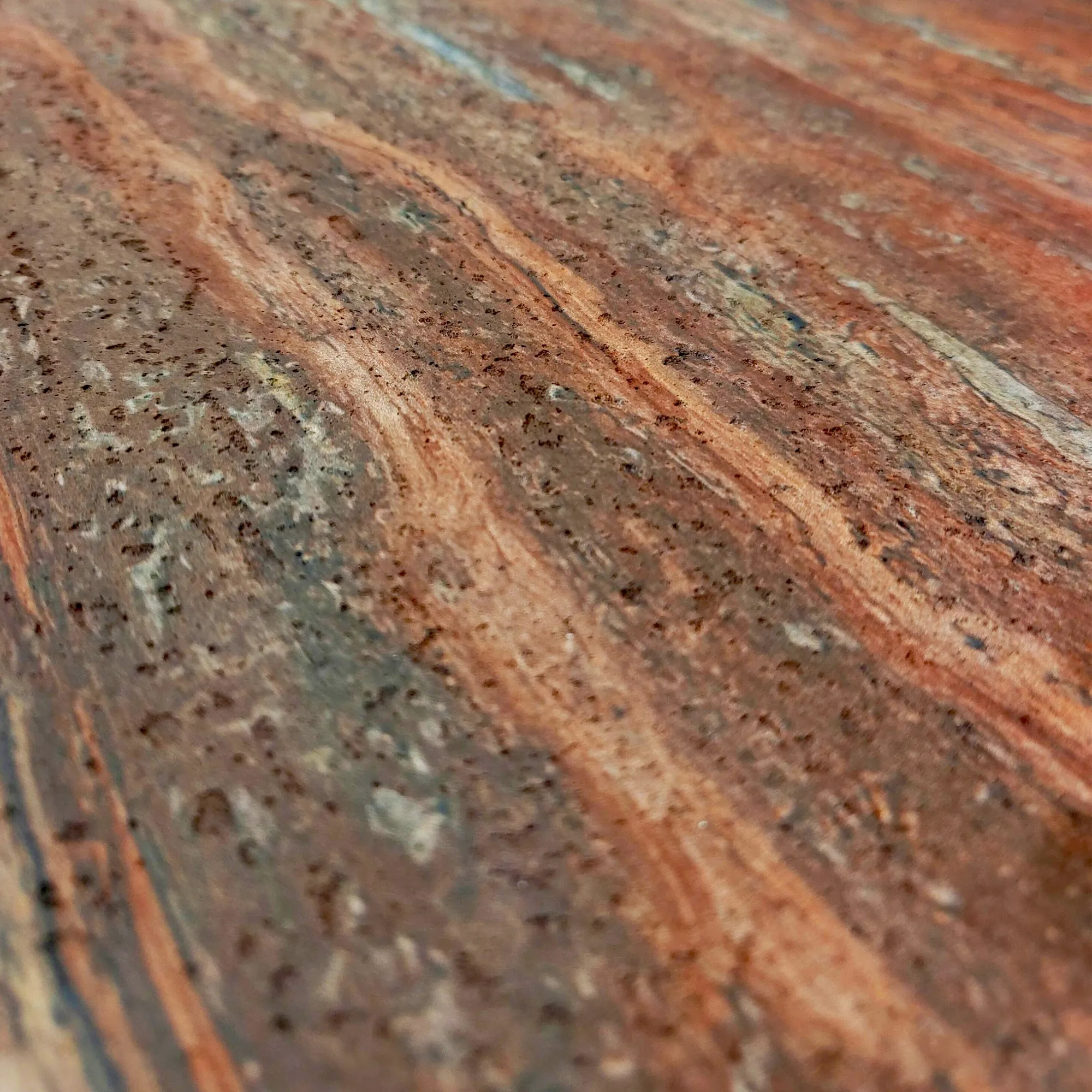
At first glance, MCM might seem pricier than traditional stone or tile. But let's talk long-term value: MCM flexible stone is lighter than natural travertine, so it puts less stress on walls and foundations—meaning fewer structural repairs down the line. It's also resistant to chipping, fading, and moisture, so you won't be replacing cracked tiles in 5 years. And because it's easy to install (thanks to its flexibility), labor times are shorter than with rigid stone, trimming those hourly costs.
For example, a traditional travertine backsplash might cost $10/sq ft in material (cheaper upfront), but if it cracks in 3 years and needs replacing, you're looking at $10/sq ft again—plus labor. MCM? It could last 20+ years with minimal upkeep. Suddenly, that initial investment feels like a steal.
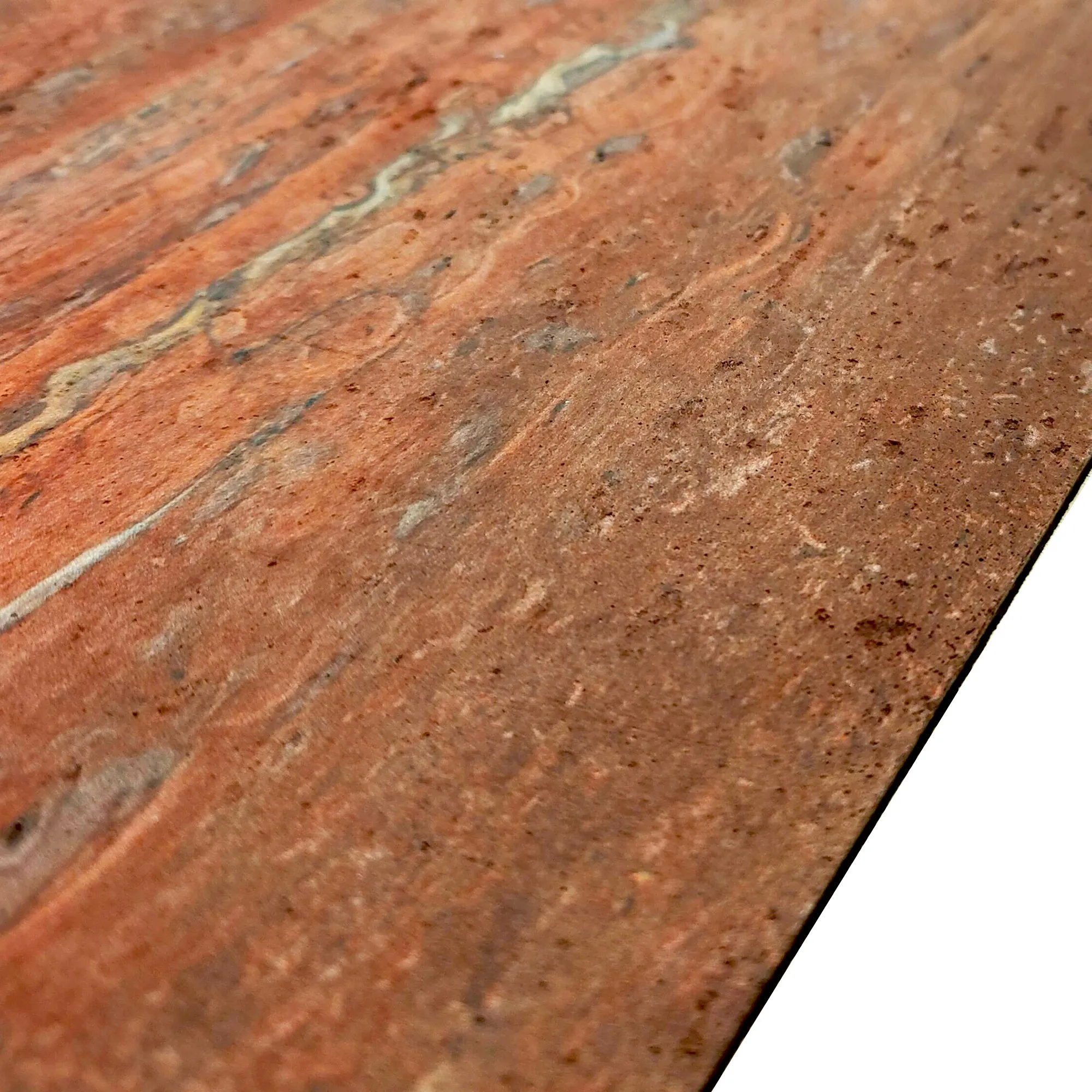
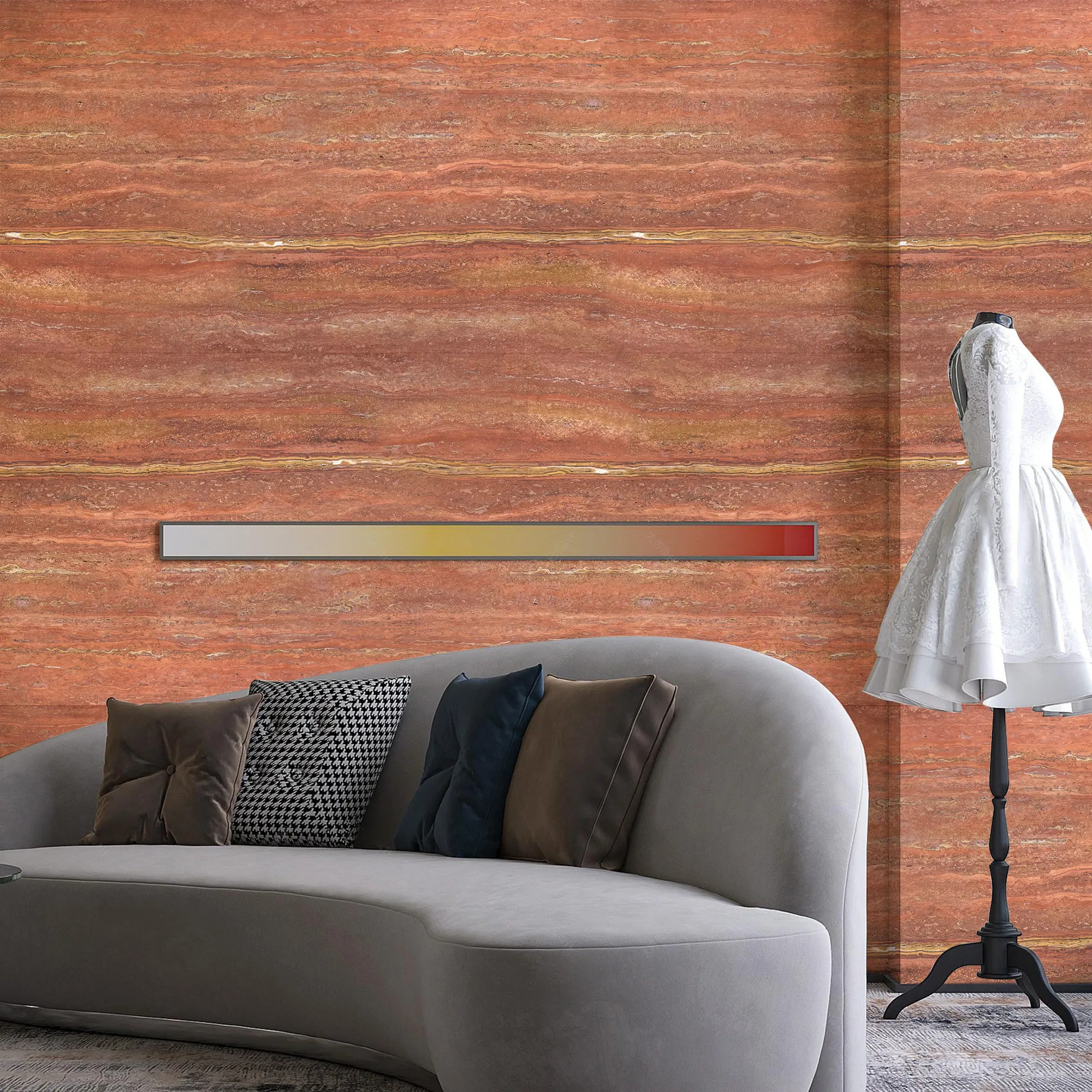
Want to stretch your budget while adding depth? Mix Starry Red Travertine with complementary MCM materials. For a rustic vibe, pair it with Historical Pathfinders Stone —its weathered, earthy tones balance Starry Red's boldness. For a modern twist, try Lunar Peak Golden as an accent—its metallic sheen plays off the "starry" flecks in the travertine. Or, for a seamless look, use the same MCM big slab board series in a neutral shade (like Lunar Peak Silvery ) for larger areas, then let Starry Red steal the spotlight in focal points.
Starry Red Travertine MCM isn't just a material—it's a statement. Yes, it comes with a price tag, but when you factor in its durability, versatility, and timeless appeal, it's an investment that pays off in daily joy and long-term value. Whether you're tackling a small backsplash or a grand commercial project, understanding the costs upfront means no surprises—and a space that makes you smile every time you walk in.
So go ahead—dream big. With a little planning, that starry-red vision is closer than you think.
Recommend Products











