

Construction sites hum with a unique energy—tools clinking, voices calling, the steady rhythm of progress. But beneath that buzz, there's often a quiet frustration: the weight of ambition, quite literally, in the form of heavy building materials. Architects dream of bold facades that tell stories; contractors strain to move stone slabs that feel like they're anchored to the earth. For years, the tension between aesthetic vision and practicality—especially when it comes to transportation—has been a silent roadblock. That is, until materials like MCM (Modified Composite Material) stepped onto the scene, starting with standout stars like the Starry Red Travertine MCM. Let's walk through how this innovation is lifting the weight off construction projects, one lightweight panel at a time.
Think of a mid-sized commercial project—a boutique hotel aiming for a warm, earthy vibe. The architect specifies natural travertine for the exterior, drawn to its organic texture and soft color variations. But when the first shipment arrives, the team realizes each slab weighs over 80 kg per square meter. The crane can only lift two at a time. The delivery truck, originally scheduled for a single trip, needs three. Laborers spend extra hours maneuvering slabs, risking strain or damage. What should have been a smooth phase turns into a logistical headache, eating into budgets and deadlines. This isn't just a hypothetical; it's a reality for countless projects stuck between the allure of natural materials and the practicalities of moving them.
Heavy materials don't just slow down transport—they limit creativity. A mountain lodge might crave a sweeping stone facade, but the narrow mountain roads can't handle oversized, weighty loads. A historic district renovation, where preserving the area's character means using materials that blend in, often struggles with modern trucks damaging cobblestone streets while hauling traditional stone. These are the stories that architects and contractors share over coffee, shaking their heads at the "what-ifs" of design.
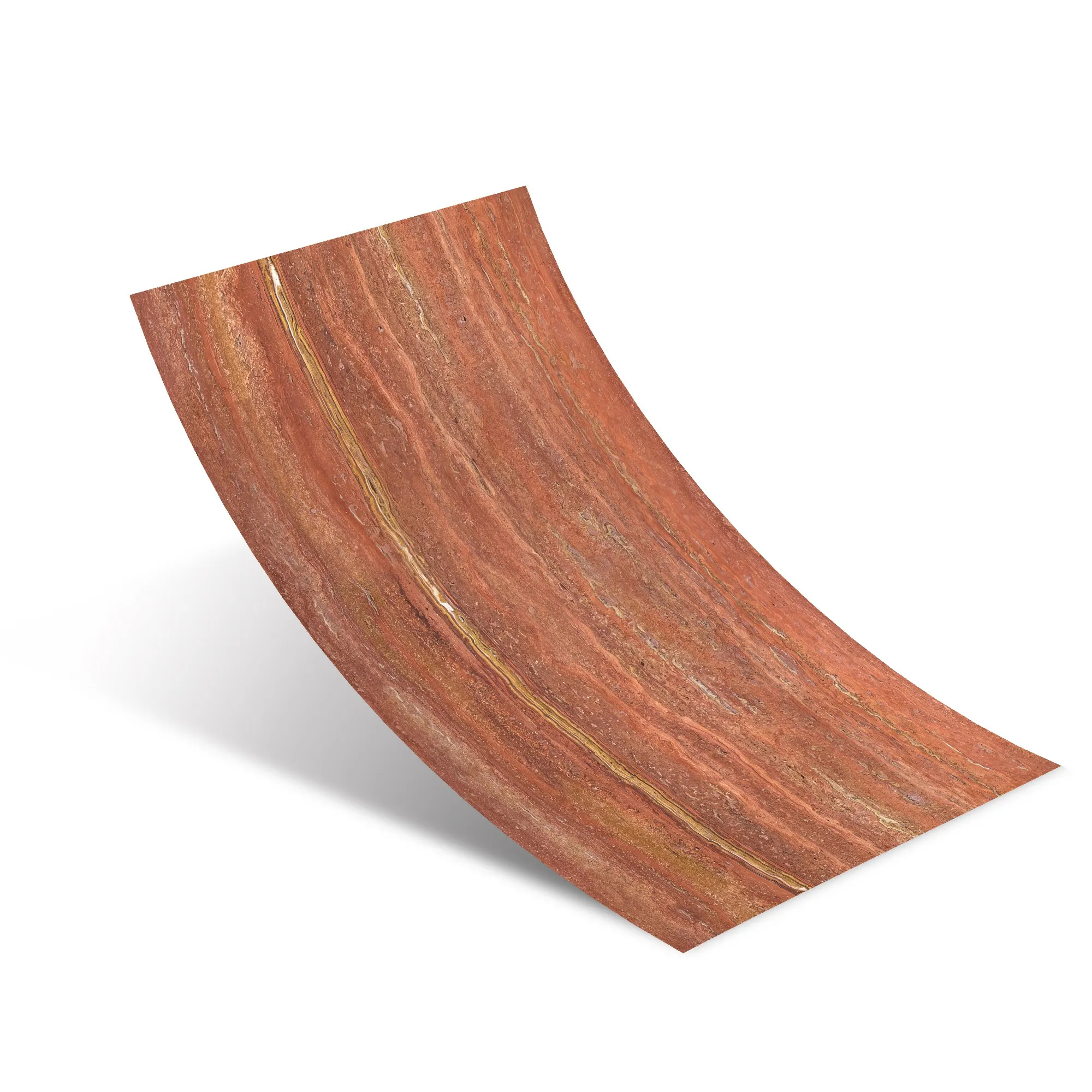
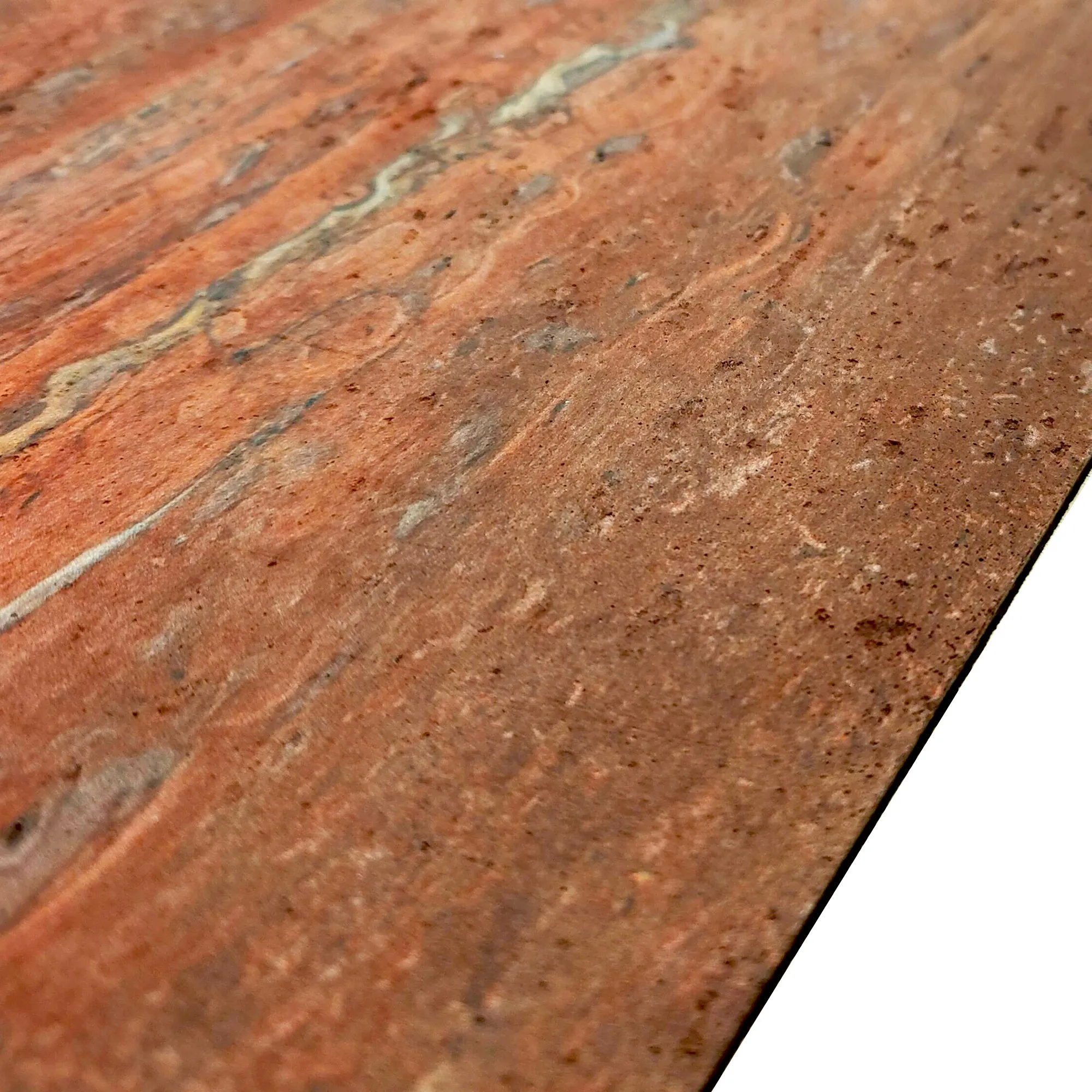
Enter Starry Red Travertine MCM, and suddenly, those "what-ifs" start sounding like "why nots." At first glance, it's easy to mistake this material for its natural counterpart. The warm, terracotta base is flecked with subtle, star-like specks of deeper red and gold, mimicking the way sunlight catches iron deposits in real travertine. Run a hand over it, and you'll feel the same gentle, slightly porous texture that makes natural stone so inviting. But here's the twist: where a natural travertine slab might weigh 60–80 kg per square meter, Starry Red Travertine MCM clocks in at just 8–12 kg. That's a weight reduction of over 80%.
Let that sink in. A material that looks and feels like premium stone, but light enough that two workers can carry a full-sized panel without breaking a sweat. A delivery truck that once carried 10 slabs can now carry 80. A crane that strained under heavy loads can now handle twice the work in half the time. For the boutique hotel team we imagined earlier, that means the travertine facade arrives on schedule, laborers move panels with ease, and the budget stays intact. For the mountain lodge? Those narrow roads are no longer a barrier—trucks glide up, loaded with lightweight panels that capture the rugged beauty of the landscape without the rugged hassle.
Starry Red Travertine isn't just about solving logistical problems—it's about evoking emotion. The "starry" in its name isn't just a marketing term; it's a deliberate design choice. Those tiny, shimmering flecks are meant to mirror the night sky over a desert, where the air is clear and stars feel close enough to touch. Imagine standing in front of a building clad in this material at dusk: as the sun sets, the red deepens, and the gold specks catch the last light, turning the facade into a canvas of warmth. It's the kind of detail that makes a space feel alive, like it has a story to tell.
Contractors and architects often talk about how materials "age" over time. Natural stone can fade or erode, but MCM's durability means that Starry Red Travertine will keep that starry sparkle for decades. A school built with this material today will still feel welcoming to students 20 years from now, its color as rich as the day it was installed. That longevity adds another layer of value: it's not just easy to transport—it's an investment in lasting beauty.
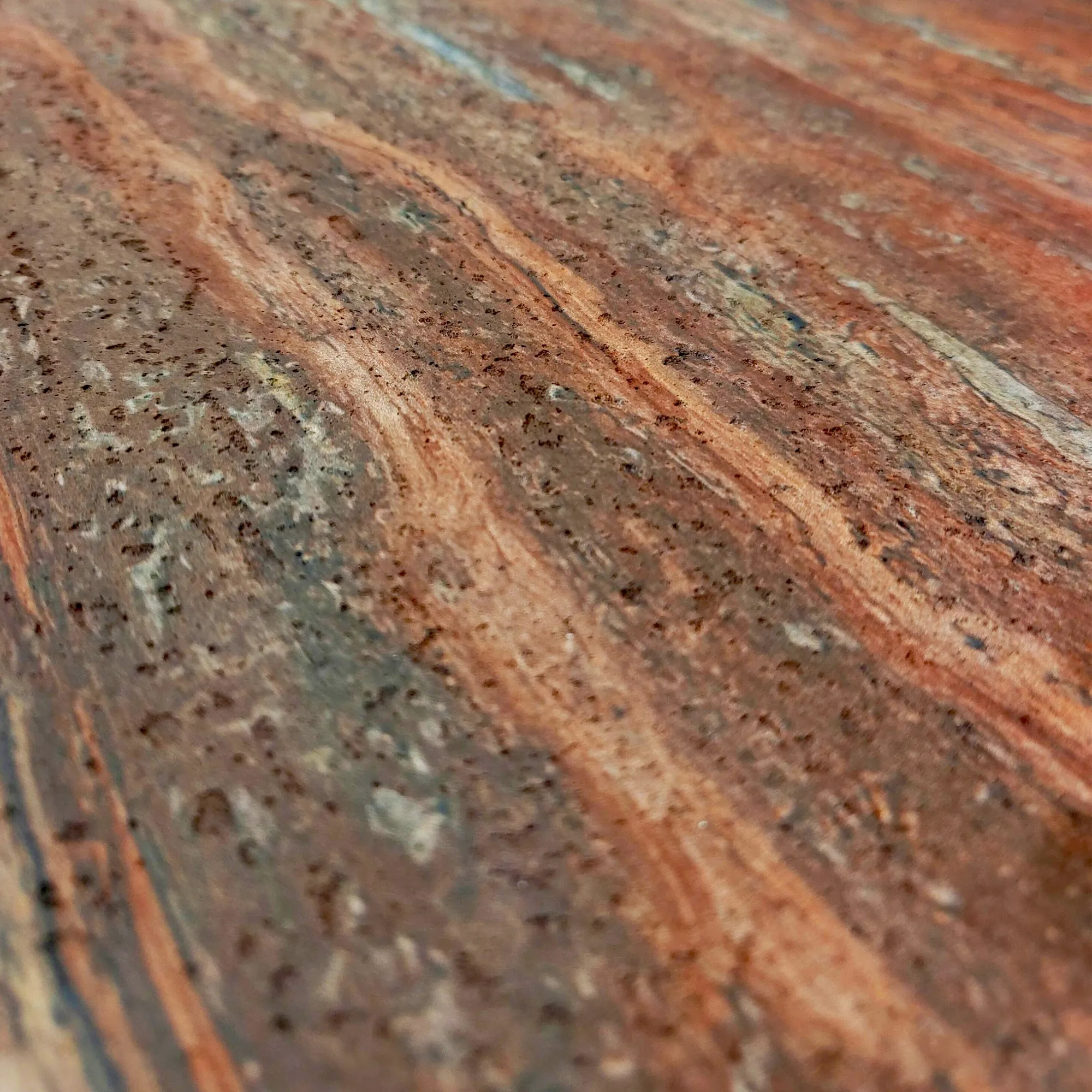
Starry Red Travertine is just one member of the MCM family, and its lightweight magic extends to siblings like MCM Flexible Stone and the MCM Big Slab Board Series. Let's start with Flexible Stone—a material that bends. Yes, bends. Traditional stone is rigid; you can't curve it without specialized (and expensive) cutting tools. MCM Flexible Stone, though, is pliable enough to wrap around columns, archways, or curved walls. Imagine a museum with a sweeping, organic facade that flows like a wave—once impossible with heavy stone, now achievable with lightweight, flexible panels. For historic renovations, where buildings often have uneven or curved surfaces, this flexibility is a game-changer. No more forcing rigid slabs to fit; instead, the material adapts, preserving the building's character while adding modern durability.
Then there's the MCM Big Slab Board Series, designed for seamless, grand-scale designs. Traditional big slabs are notoriously heavy and prone to cracking during transport. MCM Big Slabs, though, are lightweight and strong, meaning architects can create expansive, uninterrupted surfaces—think a corporate lobby with a 10-meter-long feature wall that looks like a single slab of stone, but is actually multiple lightweight panels joined flawlessly. No visible seams, no transport nightmares, just pure, striking design.
| Material | Weight (per sqm) | Transport Ease (1=Hard, 5=Easy) | Durability |
|---|---|---|---|
| Natural Travertine | 60–80 kg | 2/5 | Prone to chipping/erosion |
| Starry Red Travertine MCM | 8–12 kg | 5/5 | Weather-resistant, fade-proof |
| Traditional Big Slab Stone | 70–90 kg | 1/5 | High, but fragile in transport |
| MCM Big Slab Board | 10–15 kg | 5/5 | High, with transport resilience |
| Foamed Aluminium Alloy (Vintage Gold) | 5–7 kg | 5/5 | Corrosion-resistant, lightweight |
Starry Red Travertine MCM shines on its own, but when paired with materials like Foamed Aluminium Alloy (Vintage Gold), the design possibilities multiply. Imagine a restaurant exterior: the warm, earthy tones of Starry Red Travertine form the main facade, while sleek panels of Vintage Gold Foamed Aluminium frame the windows and doorways. The contrast is striking—rustic meets modern, warmth meets shine—yet both materials share that crucial lightweight quality. Contractors love this pairing because it means even mixed-material designs don't bring back the transport headaches of old.
Foamed Aluminium Alloy, with its metallic sheen and durability, is a favorite for adding accents or creating focal points. And at just 5–7 kg per square meter, it's light enough to be installed alongside MCM panels without complicating logistics. For a boutique store aiming for a high-end look, combining Starry Red Travertine's organic texture with Vintage Gold Aluminium's sleekness creates a space that feels both luxurious and approachable—all while staying easy to build.
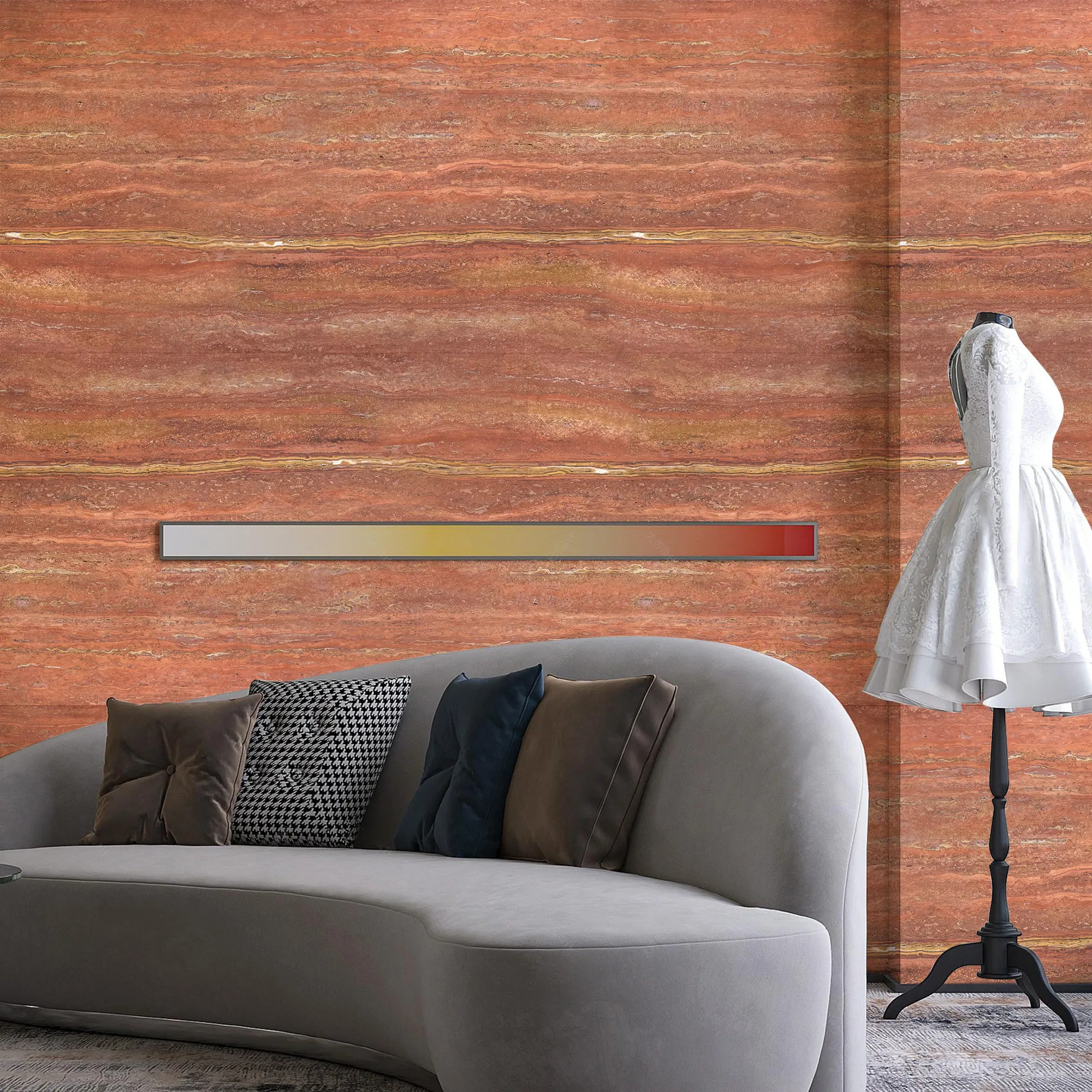
The lightweight advantage of MCM materials ripples outward, touching every part of a project. Safety improves: fewer accidents from heavy lifting, less strain on workers' bodies. Costs drop: fewer delivery trips, less fuel, reduced labor hours. Sustainability gets a boost too—lighter loads mean trucks emit less CO2, and MCM's durability reduces the need for frequent replacements. It's a win-win-win that goes beyond the construction site, making communities safer, budgets healthier, and the planet happier.
Architects, too, are finding new freedom. A designer who once had to scale back a vision because of transport limits can now dream bigger. Maybe it's a community center with a sweeping, curved wall of MCM Flexible Stone, creating a space that feels open and welcoming. Or a coastal home with a facade of Starry Red Travertine that withstands salt air and storms, all while being light enough to install without heavy machinery. These aren't just buildings—they're expressions of creativity, unshackled by the weight of the past.
Starry Red Travertine MCM and its MCM siblings aren't just materials—they're a shift in how we think about building. For too long, construction has been dominated by trade-offs: beauty vs. practicality, strength vs. ease. MCM erases those trade-offs, proving that materials can be both stunning and sensible, durable and lightweight. It's a reminder that the best innovations aren't just about solving problems—they're about empowering people to create spaces that matter.
So the next time you walk past a building with a facade that makes you pause—a wall that shimmers like starlight, or a curve that feels impossibly organic—take a moment to wonder about the materials behind it. Chances are, it's not just stone or metal; it's MCM, quietly lifting the weight of tradition and letting beauty take flight. And in that flight, we find something even more valuable: the freedom to build a world that's as light, bright, and full of possibility as we dare to imagine.
Recommend Products











