

Walk down any modern city street, and your eyes are drawn to the skyline—tall buildings reaching for the clouds, each vying to make a statement. But behind that beauty lies a critical challenge: how to create a facade that's not just stunning, but also durable, lightweight, and easy to maintain. High-rises aren't just structures; they're landmarks, reflections of a city's identity, and spaces where people live, work, and connect. The facade, then, is more than skin deep—it's the first impression, the shield against the elements, and a silent storyteller of design philosophy. In this quest for the perfect balance of form and function, one material has been turning heads among architects and developers alike: Starry Red Travertine MCM Panels. Let's dive into why this innovative cladding solution is redefining what high-rise facades can be.
Before we zoom in on the star of the show—Starry Red Travertine—let's talk about the technology that makes it possible: MCM, or Modified Composite Material. MCM panels are a marvel of modern engineering, combining the best of natural aesthetics with the practicality of advanced composites. At their core, they're made by bonding a thin layer of natural stone (like travertine) or other decorative materials to a lightweight, flexible substrate. This design solves a age-old problem for high-rises: how to get the look of heavy, luxurious stone without the structural strain of its weight.
Traditional stone cladding, while beautiful, can weigh 50-80 kg per square meter—enough to add significant load to a building's frame, limiting design flexibility and driving up construction costs. MCM panels, by contrast, tip the scales at a mere 8-12 kg per square meter. That's a game-changer. Suddenly, architects aren't confined to bulky, load-bearing designs; they can experiment with cantilevers, curved surfaces, and intricate patterns that would be impossible with heavier materials. And when it comes to installation? Lighter panels mean faster, safer construction, reducing labor time and on-site risks. It's no wonder MCM has become a go-to for forward-thinking projects.
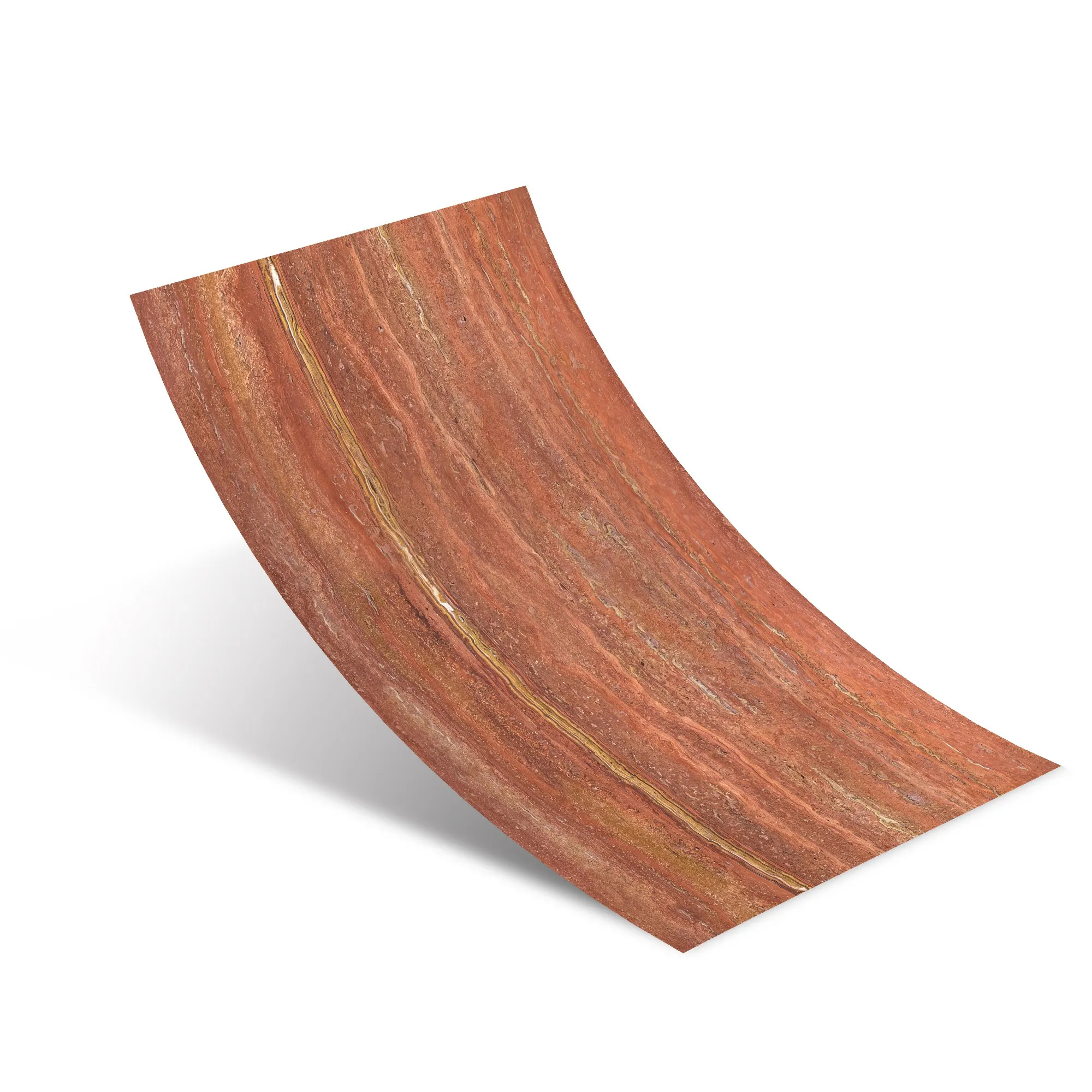
Now, let's talk about the star itself: Starry Red Travertine. What sets this variant apart? Imagine the warm, earthy tones of natural travertine—those soft, honeyed layers formed over millennia by mineral-rich hot springs—but with a twist. Starry Red Travertine is infused with tiny, iridescent particles that catch the light, creating a "starry" effect that shifts with the sun's position. At dawn, it glows with a soft pink hue; at midday, the red deepens, almost fiery; and as dusk falls, it takes on a velvety, starlit finish. It's not just a cladding material—it's a dynamic work of art that evolves with the day.
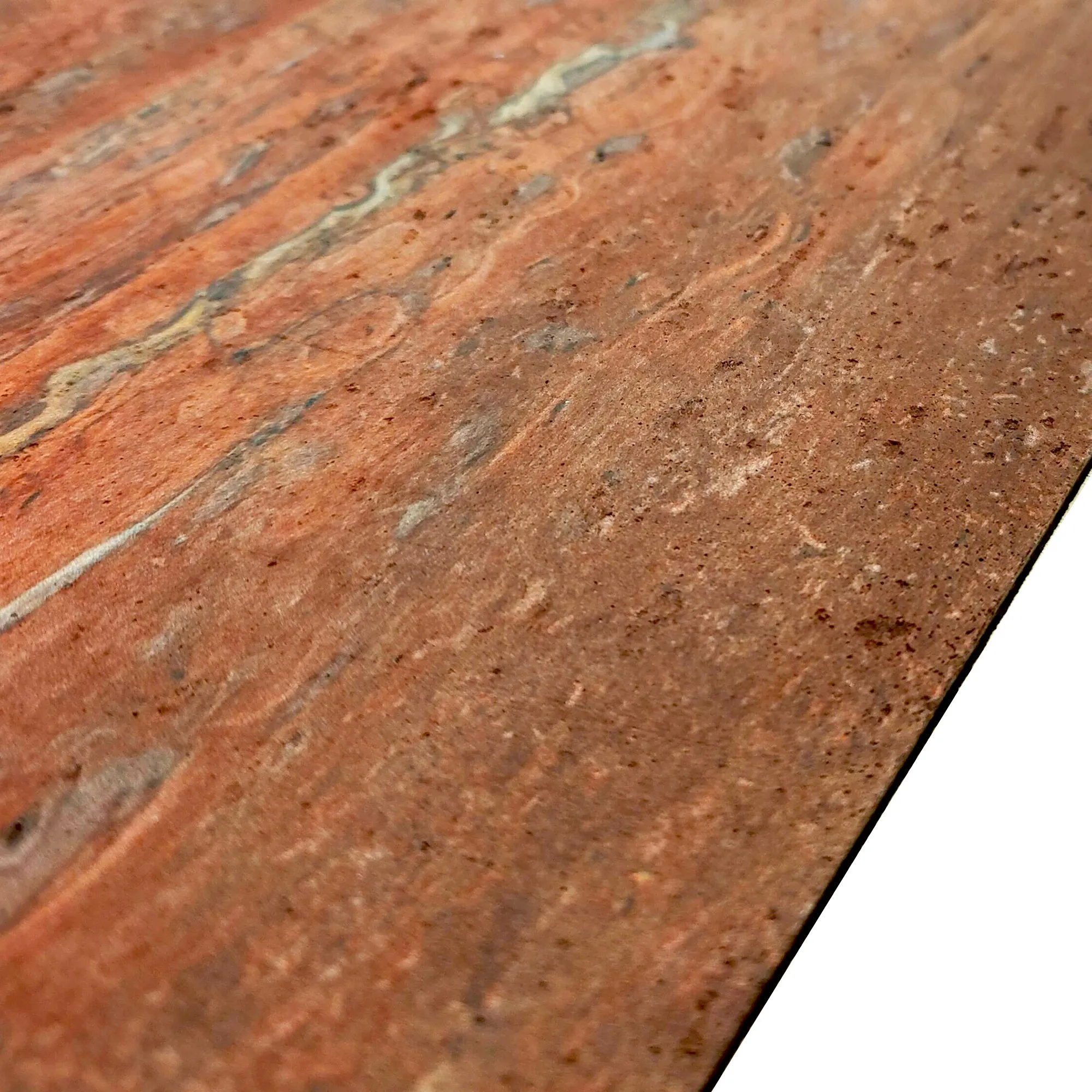
But beauty isn't its only strength. Travertine, by nature, is porous yet surprisingly durable, resistant to weathering and temperature fluctuations—key traits for high-rises exposed to rain, wind, and UV rays. MCM technology amplifies this: the composite backing adds flexibility, so the panels can bend slightly without cracking (perfect for areas prone to minor seismic activity), while a protective sealant locks in the color and prevents staining. Unlike some synthetic materials that fade or peel over time, Starry Red Travertine MCM Panels retain their vibrancy for decades, ensuring your building looks as striking in 20 years as it did on day one.
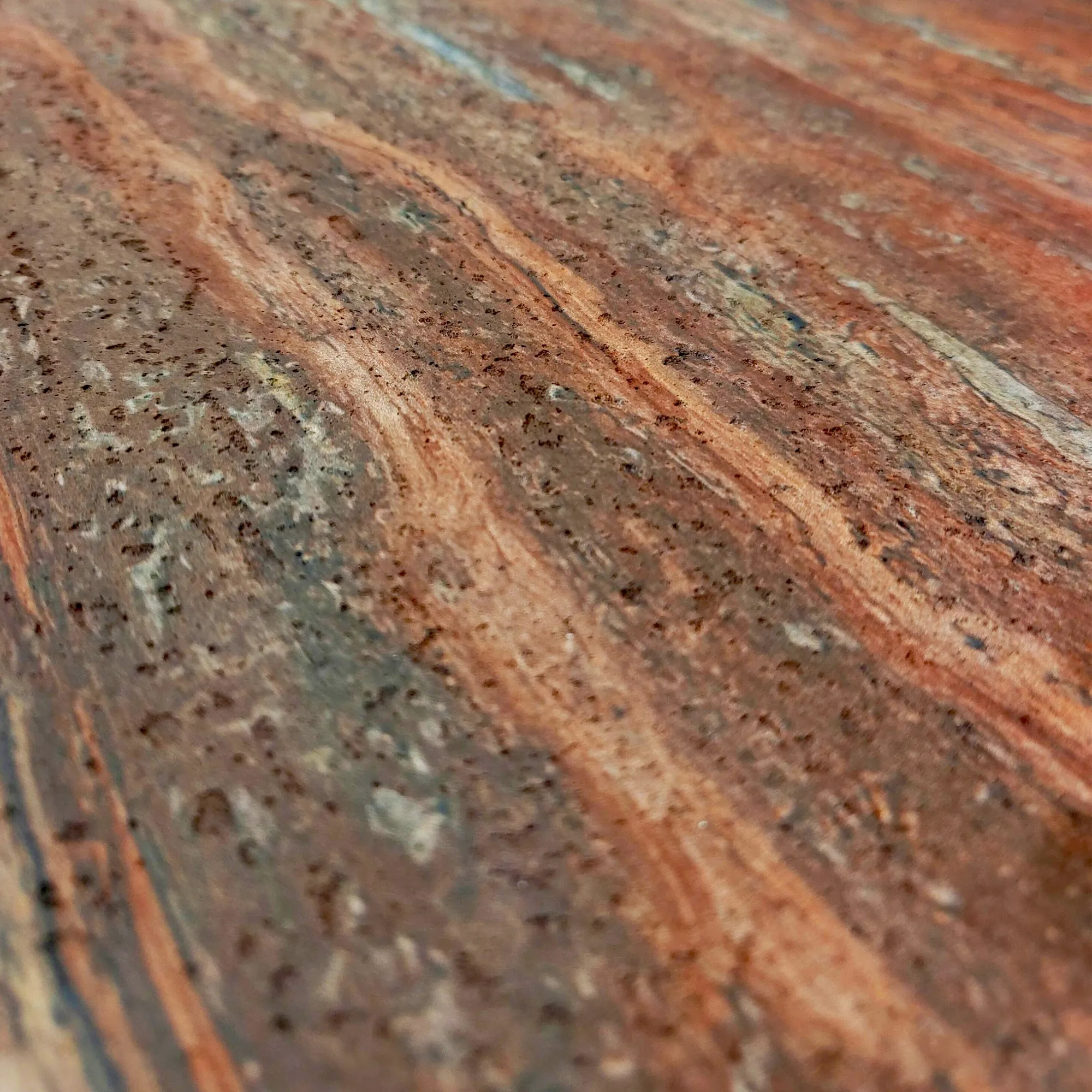
To truly appreciate Starry Red Travertine MCM Panels, let's compare them to other popular facade materials. Take boulder slab , for example—a rugged, natural stone option loved for its raw, organic texture. Boulder slabs are stunning, but their weight (often 40-60 kg/m²) and rigidity can limit their use in high-rises, requiring beefed-up structural support. Then there's foamed aluminium alloy board (vintage silver) , a sleek, modern choice with a metallic sheen. It's lightweight and corrosion-resistant, but lacks the warmth and natural depth of travertine. And let's not forget fair-faced concrete , the minimalist's favorite. It's durable and cost-effective, but its monochromatic, industrial look can feel cold in urban settings.
Starry Red Travertine MCM Panels bridge these gaps. They offer the natural beauty of stone (without the weight), the durability of metal (without the coldness), and the versatility of concrete (without the monotony). Let's break it down in a comparison table:
| Material | Aesthetic Appeal | Weight (kg/m²) | Durability | Sustainability |
|---|---|---|---|---|
| Starry Red Travertine MCM | Dynamic red with starry iridescence; natural travertine texture | 8-12 | Weather-resistant, UV-stable, flexible | Recyclable substrate; low carbon footprint in production |
| Boulder Slab (vintage black) | Rugged, organic texture; deep black tone | 45-55 | Highly durable but rigid (prone to cracking under stress) | Natural stone, but extraction has higher environmental impact |
| Foamed Aluminium Alloy Board (vintage silver) | Sleek, metallic sheen; modern, industrial look | 6-10 | Corrosion-resistant but prone to scratching | Recyclable, but production requires energy-intensive smelting |
| Fair-faced Concrete | Minimalist, uniform gray; industrial aesthetic | 20-25 | Durable but prone to staining; color fades over time | High carbon footprint due to cement production |
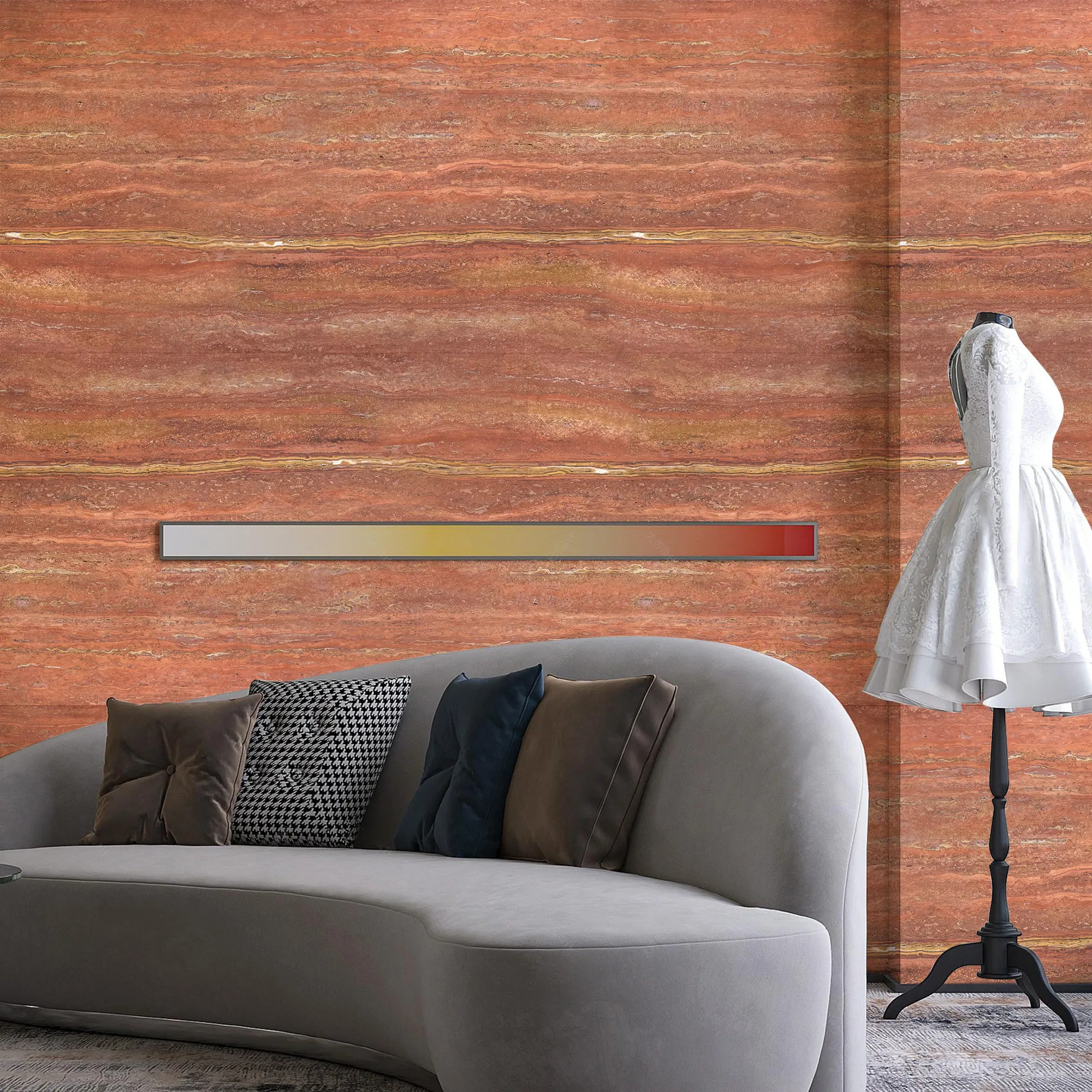
One of the biggest perks of Starry Red Travertine MCM Panels is their versatility. They don't just fit one architectural style—they elevate them all. Let's say you're designing a sleek, modern high-rise in the heart of a tech district. Pair Starry Red panels with floor-to-ceiling glass and foamed aluminium alloy board (vintage silver) accents: the red adds warmth to the cool metal, creating a striking contrast that feels both cutting-edge and inviting. Or maybe you're working on a boutique residential tower with a classical twist. Use Starry Red Travertine in a herringbone pattern, mimicking the grandeur of old-world stone masonry but with a lightweight, modern edge. The starry effect adds a subtle luxury that sets it apart from traditional brick or stucco.
Even sustainable, eco-conscious projects benefit. MCM panels are often made with recycled materials in their backing, and their lightweight nature reduces the need for heavy steel support, cutting down on a building's overall carbon footprint. Plus, the natural travertine layer connects the building to the earth, creating a biophilic design that studies show can boost occupants' mental wellbeing. Imagine a healthcare high-rise where patients look out at a facade that feels like a piece of nature, not a cold concrete wall—that's the power of materials like Starry Red Travertine.
For architects and developers, beauty is only half the battle. The other half? Practicality. Let's talk about installation: MCM panels are lightweight and come in large, uniform sheets (up to 1.2m x 2.4m), which means fewer seams and faster installation. Unlike traditional stone, which requires careful cutting and fitting on-site, these panels can be pre-cut to precise measurements, reducing waste and labor time. They're also easy to handle—no need for heavy cranes or specialized equipment beyond standard facade installation tools. This translates to lower construction costs and shorter project timelines.
Maintenance? A breeze. Unlike wood or some metals that require regular painting or sealing, Starry Red Travertine MCM Panels just need an occasional rinse with water to remove dust. The protective sealant keeps stains at bay, so even in cities with high pollution or heavy rain, the panels stay looking fresh. And if a panel does get damaged (say, from a wayward storm debris), it's easy to replace individually—no need to redo the entire facade. That's a huge win for building owners looking to keep long-term maintenance costs low.
As cities grow taller and more crowded, the demand for facade materials that balance beauty, durability, and sustainability will only rise. Starry Red Travertine MCM Panels check all these boxes—and then some. They offer the kind of visual interest that makes a building memorable (think of how many high-rises blend into the skyline; you want yours to be the one people stop to photograph). They're practical, solving the weight and installation headaches that plague traditional materials. And they're forward-thinking, aligning with the global push for greener, more sustainable construction.
Whether you're designing a luxury residential tower, a cutting-edge office complex, or a cultural institution, Starry Red Travertine MCM Panels offer something rare: a material that doesn't force you to choose between form and function. It's a reminder that high-rise facades don't have to be either "all beauty" or "all brawn"—they can be both. So the next time you look up at a city skyline, imagine the possibilities: a world where buildings don't just reach for the stars—they wear them, in the form of Starry Red Travertine.
In the end, a building's facade is more than just its outer layer. It's a statement about what the building stands for—innovation, beauty, resilience. With Starry Red Travertine MCM Panels, that statement is clear: this is a structure built to last, designed to inspire, and rooted in a deep respect for both nature and technology. And in a world where first impressions matter, that's the kind of statement that makes all the difference.
Recommend Products











