

Walk down any city street today, and you'll notice a quiet revolution happening on the faces of buildings. Gone are the days when facades were just blank walls—now, they're canvases for innovation, sustainability, and storytelling. Architects and developers are no longer just asking, "Will this material last?" but also, "What story does it tell? How does it honor the planet?" In this shift toward conscious construction, one material has emerged as a front-runner: Starry Red Travertine MCM . More than just a pretty face, it's a symbol of where architecture is headed—greener, more flexible, and infinitely more expressive.
Let's rewind a decade. Traditional facade materials like solid stone, brick, or even early composites came with a laundry list of headaches. Heavy as boulders, they forced engineers to overbuild structural supports, driving up costs and carbon footprints. Many were porous, soaking up rainwater and cracking in freeze-thaw cycles, leading to costly repairs. And sustainability? Often an afterthought. Quarrying natural stone strips landscapes; firing bricks belches CO2; paints and sealants leached toxic chemicals into the air. It was a system built for durability, not for the planet—or for the creative freedom architects craved.
Take marble, for example. Stunning, yes, but fragile. A single hailstorm could chip its surface, and its weight meant it was off-limits for mid-rise or retrofitted buildings. Granite, while tough, is mined in massive blocks, leaving scars on the earth. Even concrete, the "workhorse" of construction, has a dirty secret: its production is responsible for 8% of global CO2 emissions. As cities grew denser and climate concerns loomed larger, the industry began whispering: There must be a better way.
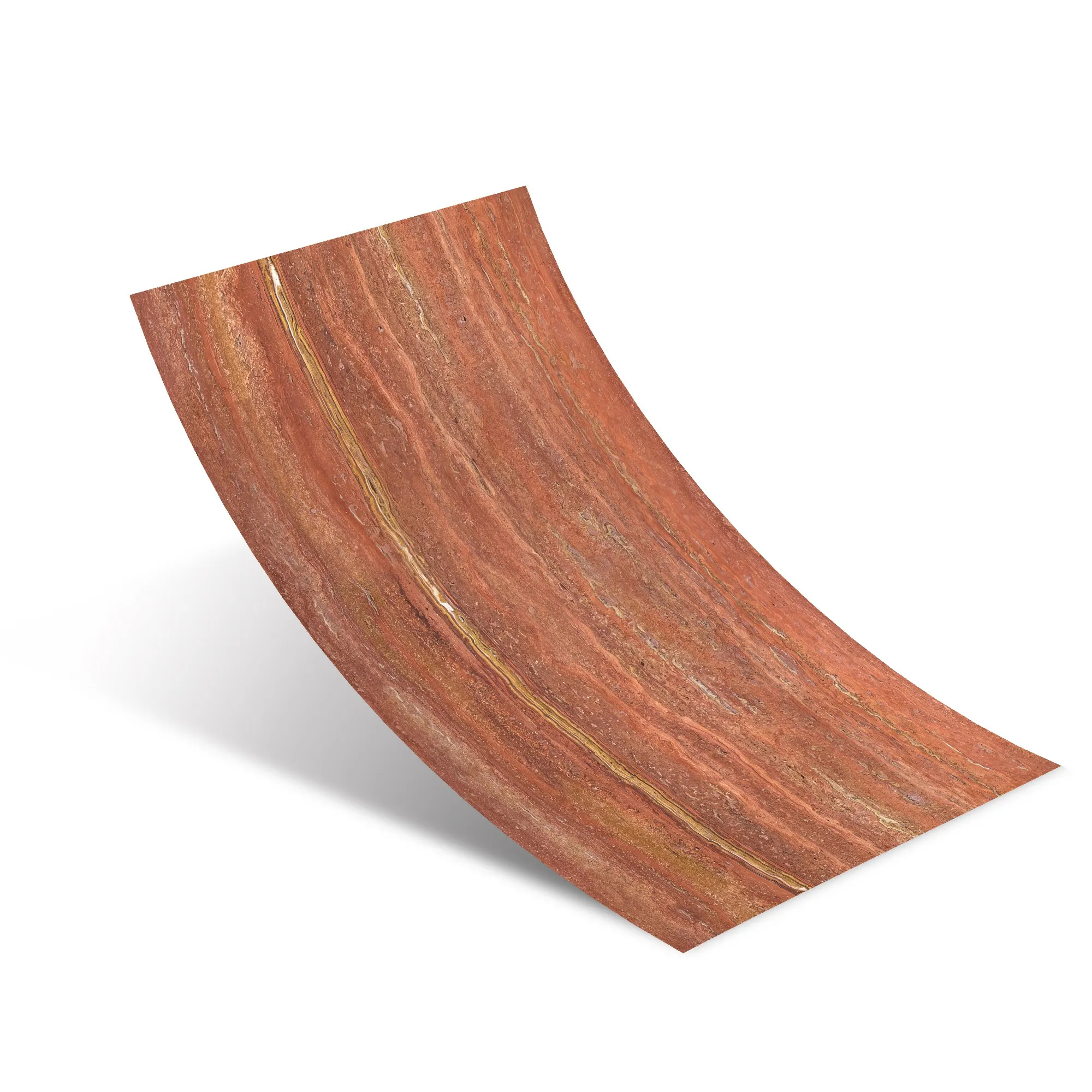
That "better way" arrived in the form of Modified Composite Material (MCM) —a category of lightweight, high-performance cladding that marries the best of nature and technology. MCM panels are engineered by bonding a thin layer of natural stone, metal, or mineral aggregate to a flexible, ultra-strong backing (often fiberglass or aluminum). The result? A material that weighs up to 80% less than solid stone, resists scratches and weathering, and can be molded into curves, waves, or even 3D textures. Suddenly, architects weren't just limited to flat, heavy walls—they could design facades that moved , that reacted to light, that felt alive.
But MCM's real superpower? Sustainability. Most MCM panels use recycled or reclaimed materials—think post-industrial stone dust, recycled aluminum, or plant-based resins. Their lightweight nature cuts down on transportation emissions (fewer trucks needed to haul them). And because they're so durable, they last decades without needing replacement, reducing waste. It's no wonder the green building materials movement has embraced MCM as a cornerstone. LEED, BREEAM, and WELL certifications now often highlight MCM facades as key contributors to a building's eco-credentials.
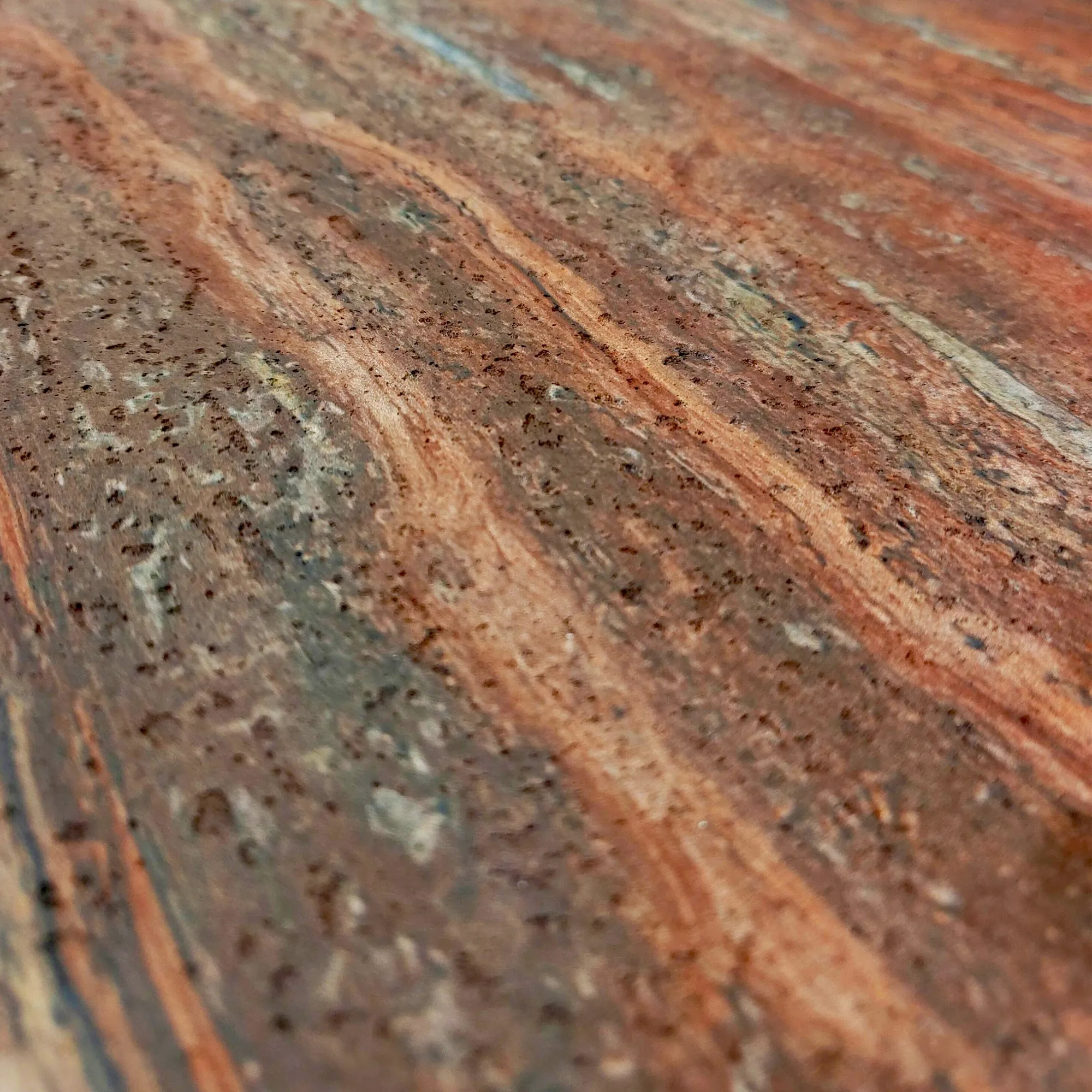
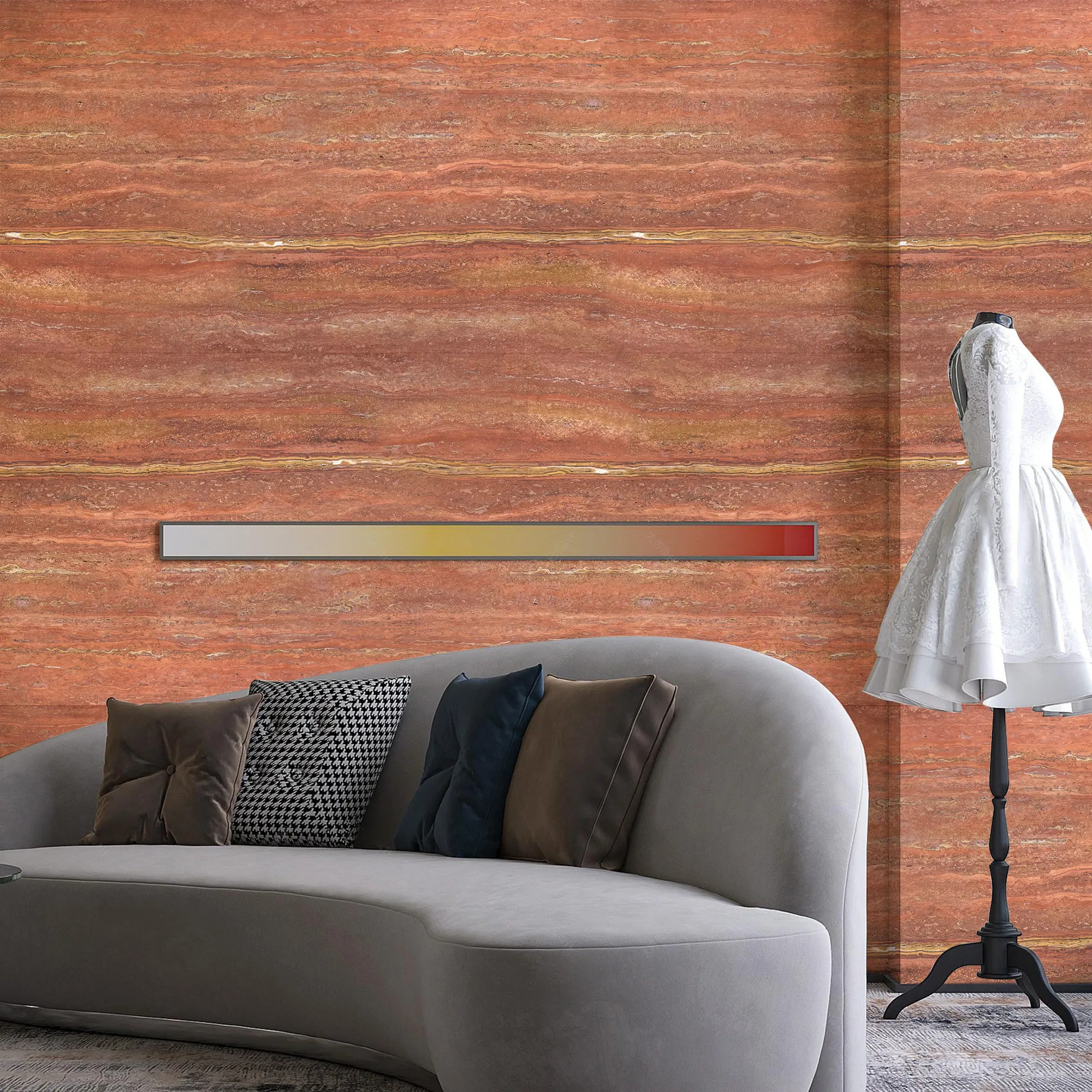
If MCM is the revolution, then Starry Red Travertine MCM is its rockstar. Picture this: a facade that shimmers like a desert sky at dusk, with deep red tones swirled with flecks of gold and silver, mimicking the look of travertine but with a twist—the "starry" effect, created by embedding tiny, iridescent particles into the surface. It's not just a material; it's a mood. Walk past a building clad in Starry Red Travertine at sunrise, and the reds warm up, almost glowing. At sunset, the gold flecks catch the light, turning the facade into a canvas of amber and crimson. It's dynamic, ever-changing, and utterly unforgettable.
But its beauty is more than skin-deep. Travertine itself is a natural stone, formed by mineral-rich hot springs, but traditional travertine slabs are heavy and prone to etching. Starry Red Travertine MCM solves that by taking a thin veneer of travertine (just 3-5mm thick) and bonding it to a lightweight, flexible core. The result? All the texture and depth of natural travertine, but with the durability of a composite. It's scratch-resistant, UV-stable (so that vibrant red won't fade in the sun), and water-repellent—no more unsightly water stains after rain.
Architects are raving about its versatility. In Dubai, a boutique hotel used Starry Red Travertine MCM on its lobby exterior, pairing it with warm wood accents to create a "desert oasis" vibe. In New York, a residential tower chose it for its penthouse level, using the material's depth to make the upper floors feel like they're floating above the city. Even heritage buildings are getting in on the action—recently, a 1920s theater in Paris retrofitted its facade with Starry Red Travertine MCM, matching the original stonework's color while cutting the structural load by 60%. "It's like giving an old building a new lease on life without sacrificing its soul," said the project's lead architect.
And let's talk sustainability again. The travertine used in Starry Red Travertine MCM is sourced from reclaimed or waste stone from traditional quarrying—so instead of letting offcuts end up in landfills, they're transformed into something extraordinary. The bonding process uses low-VOC adhesives, and the panels are 100% recyclable at the end of their life. It's a closed-loop system that makes even the most eco-conscious developers nod in approval.
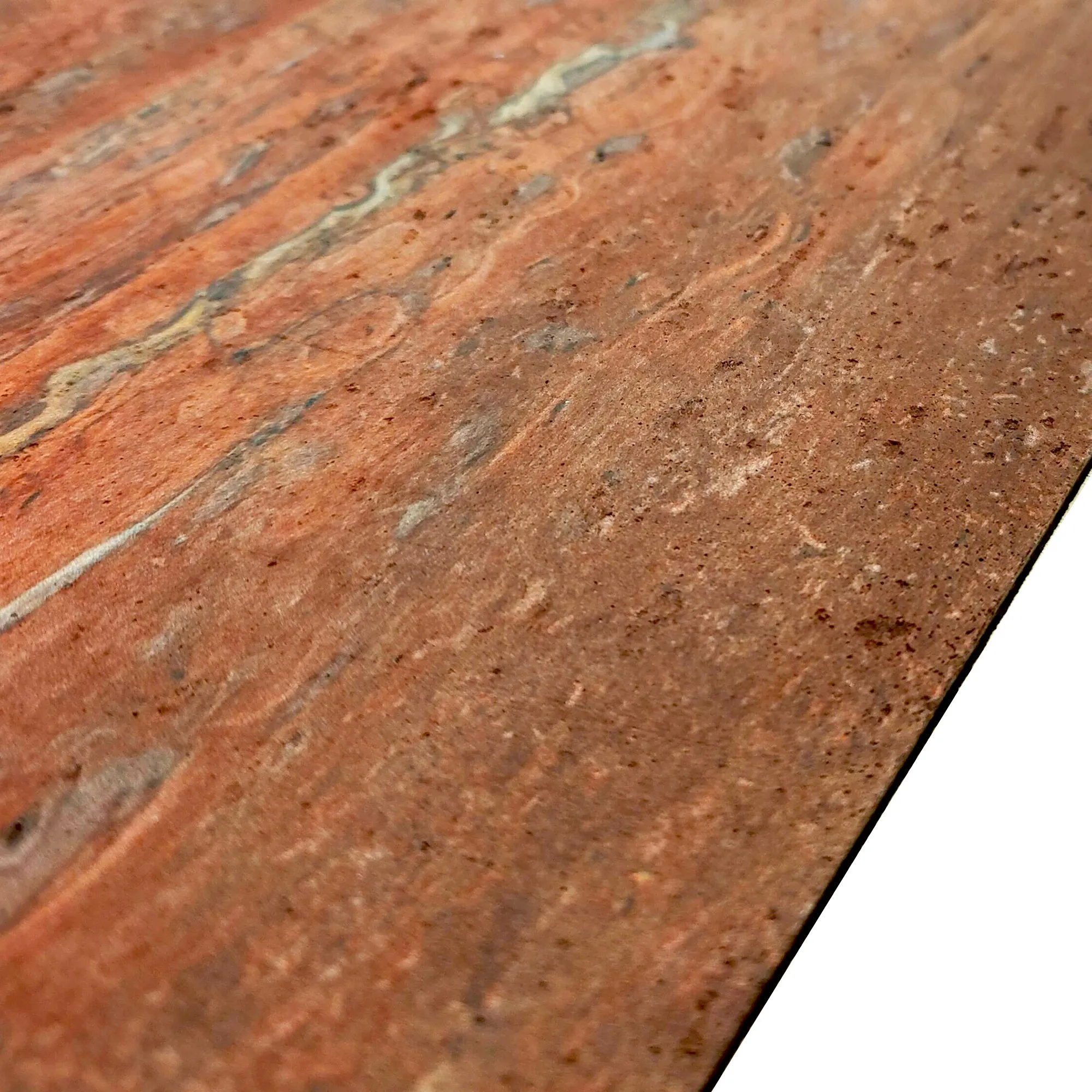
Starry Red Travertine MCM might be the headline act, but the MCM family is full of standout performers. Let's meet a few that are redefining facades around the world:
If Starry Red is the desert sky, Lunar Peak Golden is the sun itself. This MCM variant mimics the look of weathered gold stone, with soft, buttery hues that shift from pale champagne to deep amber depending on the light. Unlike metallic claddings that can feel cold, Lunar Peak Golden has a matte, earthy finish—think "ancient temple gold," not "shiny new penny." It's warm, inviting, and surprisingly versatile.
A recent project in Singapore illustrates its magic: a community center wrapped in Lunar Peak Golden MCM. The material reflects the city's tropical sunlight, making the building glow softly during the day, while at night, under LED lighting, it takes on a cozy, lantern-like quality. Local residents have nicknamed it "The Sun House," and it's become a neighborhood hub—proof that a material can shape how people interact with a space.
Durability-wise, Lunar Peak Golden is a workhorse. It's resistant to salt spray (perfect for coastal areas), doesn't fade in harsh sunlight, and can handle temperature swings from -20°C to 60°C. For developers in regions with extreme weather, that's a game-changer.
For projects that lean into industrial or minimalist design, Foamed Aluminium Alloy Board (Vintage Silver) is a revelation. Imagine the look of aged silver—think antique teapots or vintage machinery—with a slightly textured surface that catches light in all the right ways. It's sleek without being sterile, modern without feeling cold. And because it's made from foamed aluminium, it's incredibly lightweight—about 70% lighter than solid aluminum—making it ideal for high-rise buildings where every pound counts.
But the real win here is sustainability. Foamed aluminium is produced using a closed-cell foam structure, which means it's not just lightweight but also an excellent insulator. Buildings clad in this material require less energy for heating and cooling—a big plus for LEED points. Plus, aluminium is 100% recyclable, and the vintage silver finish is achieved without toxic coatings; instead, it's created through anodization, a process that uses electricity and natural acids to create a protective, colored layer. No harmful fumes, no VOCs—just pure, eco-friendly style.
In Berlin, a tech startup headquarters chose Foamed Aluminium Alloy (Vintage Silver) for its facade, pairing it with large glass windows to create a "bridge between old and new." The vintage silver panels echo the city's industrial past, while the glass and open floor plans speak to its innovative future. "It's a material that tells our story," said the company's CEO. "We care about the planet, and we care about design—this board lets us do both."
If there's one material that proves MCM isn't just about flat walls, it's MCM flexible stone . As the name suggests, this stuff bends—and not just a little. We're talking curves, arches, undulating waves, even spiral staircases. Traditional stone is rigid; you can carve it, but you can't bend it. MCM flexible stone changes that by using a thin layer of natural stone particles mixed with a polymer resin, creating a sheet that can flex up to 90 degrees without cracking. It's like stone with the pliability of fabric.
Take the example of a museum in Tokyo, which wanted its facade to mimic the flow of a river. Architects initially struggled to find a material that could create the smooth, curved surfaces they envisioned—until they discovered MCM flexible stone. Using a light gray limestone variant, they clad the building in sweeping, wave-like panels that seem to ripple as you walk around them. "It's alive," said a visitor. "You almost expect to hear water."
Beyond aesthetics, flexibility means fewer seams. Traditional stone facades require grout lines between panels, which can trap dirt and weaken over time. MCM flexible stone can be installed in larger, continuous sheets, reducing the number of seams by up to half. That means less maintenance, fewer leaks, and a cleaner, more cohesive look. For hospitals, schools, or busy commercial spaces, that's a huge advantage.
| Product Name | Key Features | Best For | Sustainability Highlights |
|---|---|---|---|
| Starry Red Travertine MCM | Deep red with iridescent "starry" flecks; 3-5mm travertine veneer; lightweight (8-10kg/m²) | Statement facades, boutique hotels, cultural centers | Uses reclaimed travertine offcuts; 100% recyclable; low-VOC bonding |
| Lunar Peak Golden | Warm champagne-amber hues; matte finish; UV-resistant | Community spaces, residential towers, coastal buildings | Salt-spray resistant; made with recycled pigments; energy-efficient (reduces cooling needs) |
| Foamed Aluminium Alloy Board (Vintage Silver) | Lightweight (4-6kg/m²); vintage silver anodized finish; insulating properties | Industrial-chic offices, high-rises, tech hubs | 100% recyclable aluminium; foam structure reduces material use; no toxic coatings |
| MCM Flexible Stone | Bends up to 90°; thin stone-resin composite; minimal seams | Curved facades, arches, heritage building retrofits | Reduces waste (fewer cuts needed); low-maintenance (fewer seams = less grout) |
| Green Building Materials (MCM Category) | All MCM: fire-resistant, impact-resistant, customizable colors/textures | LEED/BREEAM-certified projects, eco-friendly developments | Lightweight (lower transport emissions); long lifespan (50+ years); recycled content |
At this point, you might be thinking, "Okay, MCM is sustainable and pretty—but why does that matter for people ?" The answer is simple: buildings shape how we feel. A sterile, gray concrete facade can make a street feel cold and unwelcoming. A vibrant, textured MCM facade? It can turn that same street into a place where people want to linger—where kids stop to point at the "starry" stones, where neighbors chat under the warm glow of Lunar Peak Golden, where workers feel proud to walk into an office that prioritizes the planet.
Research backs this up. Studies by the World Green Building Council show that buildings with biophilic (nature-inspired) materials—like the natural textures of Starry Red Travertine or MCM flexible stone—reduce stress levels by up to 15% and boost productivity by 8%. Green facades also improve air quality by absorbing pollutants and reducing the urban heat island effect, making cities cooler and healthier. It's not just about "going green" for the planet; it's about creating spaces that nurture the people in them.
Developers are catching on, too. In 2024, 72% of new commercial projects in Europe included at least one green facade material, up from 45% in 2019. Investors are prioritizing LEED Platinum and BREEAM Outstanding certifications, knowing they attract higher tenant retention and premium rents. "Sustainability isn't a checkbox anymore," said a senior developer at a global construction firm. "It's a selling point. And MCM materials like Starry Red Travertine? They let us check that box and create buildings people love."
So, what makes Starry Red Travertine MCM the "future" of green facades, and not just a passing trend? It's the perfect storm of beauty, performance, and purpose. It solves the problems of traditional materials without sacrificing aesthetics. It meets the demands of sustainability without asking architects to compromise on creativity. And it connects with people on an emotional level—something that's becoming increasingly important in a world where we're all craving meaning in the spaces we inhabit.
Looking ahead, the possibilities are endless. Imagine Starry Red Travertine MCM paired with solar panels, where the material's texture helps diffuse light to boost panel efficiency. Or 3D-printed MCM panels (part of the MCM 3D printing series ) that create even more intricate patterns, like constellations or geometric art. The technology is evolving, but the core promise remains the same: materials that work with the planet, not against it.
As we stand at the crossroads of climate urgency and design innovation, Starry Red Travertine MCM isn't just a material—it's a movement. It's proof that we can build better, live better, and leave the planet better than we found it. So the next time you look up at a building and think, "Wow, that's beautiful," take a closer look. Chances are, it's not just beauty you're seeing—it's the future.
"The best buildings don't just stand—they breathe . Starry Red Travertine MCM gives them lungs." — Leading Sustainable Architect, 2025
Recommend Products











