

Walk down any historic street, and you'll likely be greeted by the warm, familiar glow of brick facades. For centuries, brick has been the backbone of architecture—symbolizing durability, tradition, and the quiet strength of human craftsmanship. But as cities evolve and design tastes shift, a new question emerges: Can a material rooted in the past keep up with the demands of modern construction? Enter Starry Red Travertine MCM —a contemporary alternative that blends artistic flair, technological innovation, and sustainable design. In this exploration, we'll dive into the clash (and harmony) between brick's timeless legacy and MCM's cutting-edge potential, revealing why today's architects and designers are increasingly reaching for materials that don't just build structures, but tell stories.
Brick isn't just a building material—it's a cultural touchstone. From the red-brick row houses of Boston to the weathered facades of European villages, brick carries the weight of history in every mortar line. Its appeal lies in its simplicity: clay, water, and fire, transformed into blocks that stand against rain, wind, and time. For homeowners and developers, brick feels "safe"—a choice that signals permanence and respect for tradition. There's a tactile warmth to it, too; run a hand over a brick wall, and you'll feel the indentations of decades of weathering, a texture that feels lived-in and authentic.
But brick isn't without its limitations. Traditional clay bricks are heavy—each one weighs around 4.5 pounds—and that weight adds up. For modern buildings, especially high-rises or structures with limited structural support, this can mean higher construction costs, more labor, and stricter engineering requirements. Then there's maintenance: brick facades need regular repointing to replace eroding mortar, and over time, moisture can seep in, leading to mold, cracking, or discoloration. And while brick comes in shades of red, brown, and gray, its design versatility is constrained by its uniform shape and texture. In a world where architects crave uniqueness, brick can sometimes feel like a one-note melody.
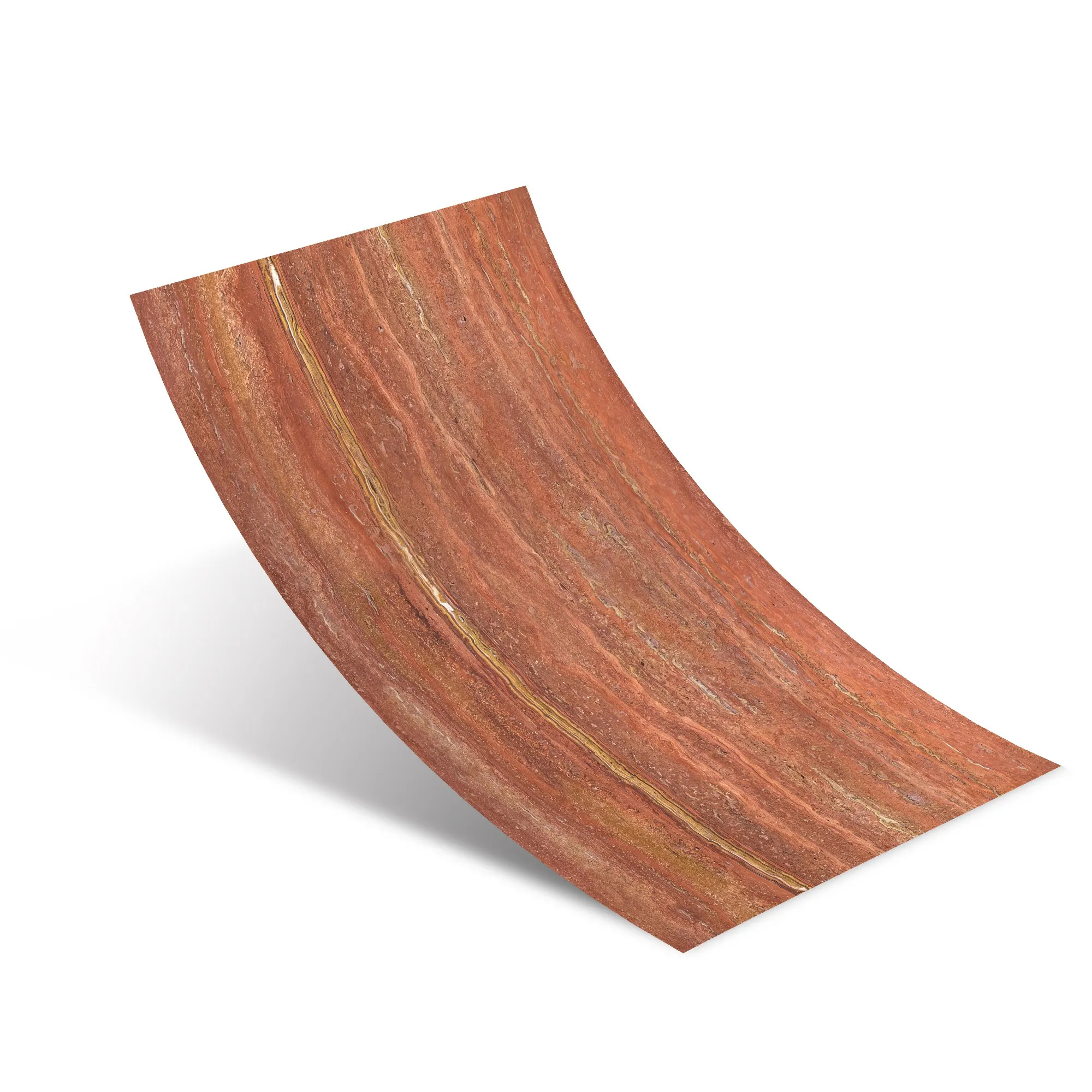
If brick is the reliable old friend, MCM (Modified Composite Material) is the innovative newcomer—engineered to address the very challenges that brick struggles with. Developed in response to the need for lightweight, durable, and design-forward building materials, MCM has revolutionized exterior cladding. At its core, MCM is a composite of natural minerals, polymers, and fibers, layered to create a material that's both strong and surprisingly lightweight. And within the MCM family, two series stand out for their versatility: the MCM flexible stone and MCM big slab board series . These lines push the boundaries of what's possible, offering everything from ultra-thin, bendable panels to large-format slabs that minimize seams and maximize visual impact.
But MCM isn't just about solving practical problems—it's about unlocking creativity. Unlike brick, which is bound by its rectangular shape, MCM can be molded, printed, and finished to mimic natural stones, woods, metals, or even abstract textures. This flexibility has made it a favorite among designers who want to make a statement without sacrificing performance. And when it comes to making a statement, few MCM products do it quite like Starry Red Travertine MCM.
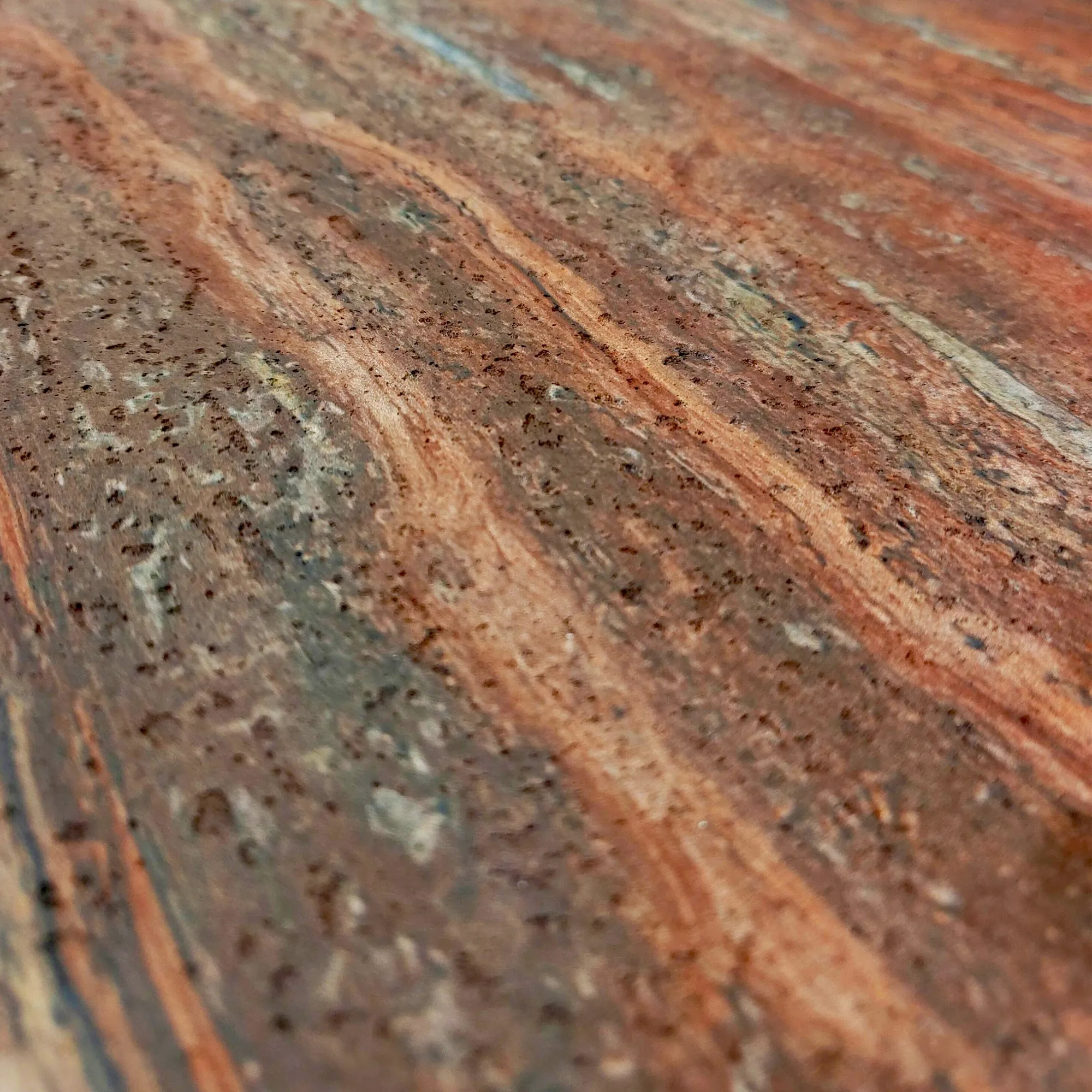
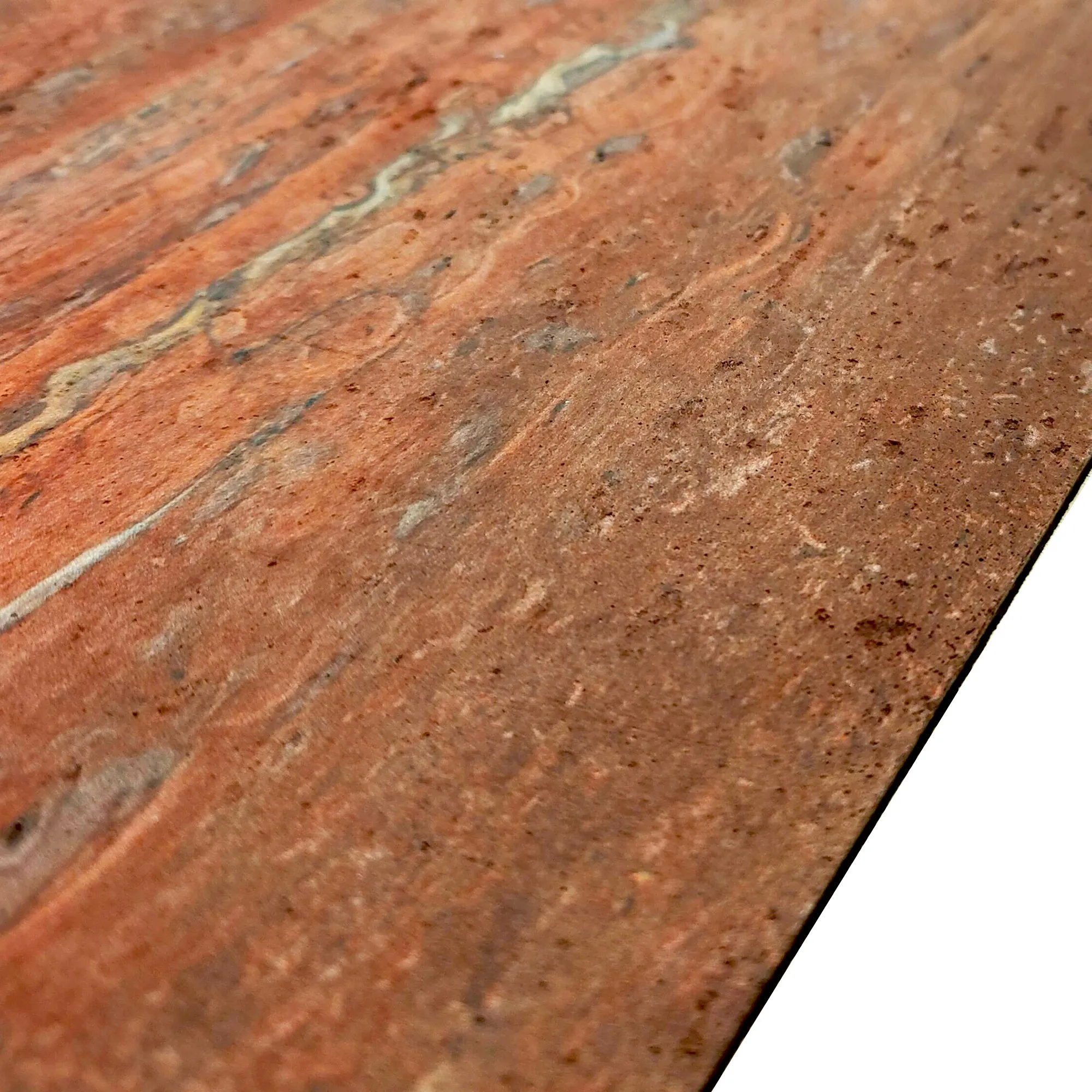
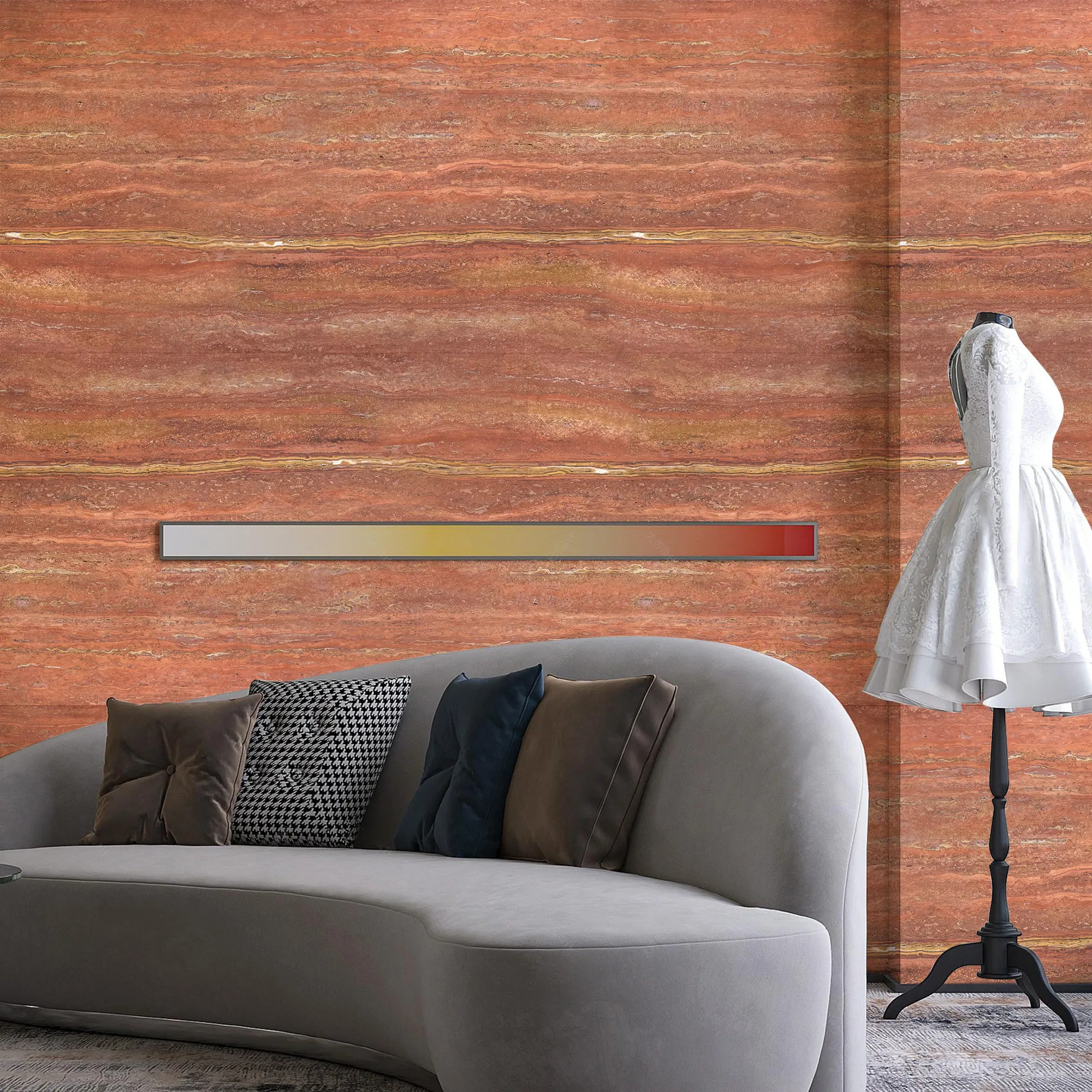
Imagine a facade that catches the light and seems to shimmer from within—that's the magic of Starry Red Travertine MCM. Inspired by the natural beauty of travertine, a sedimentary rock known for its unique veining and porous texture, this material takes things a step further with its "starry" finish. Tiny mineral inclusions are embedded into the surface, creating the illusion of a starry night sky trapped in stone. The base color is a rich, deep red, with hints of terracotta and burnt sienna that shift with the sun—warm and inviting at dawn, dramatic and bold at sunset. It's a material that doesn't just cover a building; it transforms it into a canvas.
But the beauty of Starry Red Travertine MCM isn't skin-deep. Thanks to MCM technology, it's engineered to outperform traditional stone and brick in almost every category. Let's break it down:
One of the biggest advantages of MCM is its weight. A standard Starry Red Travertine MCM panel weighs just 3-4 pounds per square foot, compared to brick's 30-40 pounds per square foot. This lightness reduces the load on a building's structure, making it ideal for retrofits, high-rises, or structures with limited support. Installation is faster, too—panels can be cut on-site, adhered directly to substrates, or hung on a rainscreen system, cutting labor time by up to 50% compared to bricklaying. For contractors and developers, this translates to lower costs and tighter project timelines.
Starry Red Travertine MCM isn't just pretty—it's tough. The composite structure resists fading, even under harsh UV rays, so that vibrant red hue stays bold for decades. It's also water-resistant, mold-resistant, and impervious to freeze-thaw cycles, which can crack brick and natural stone. And unlike porous travertine, which requires regular sealing, Starry Red Travertine MCM has a protective topcoat that repels dirt and moisture, keeping maintenance to a minimum. A quick rinse with water is usually all it takes to keep the facade looking fresh.
In an era where sustainability is non-negotiable, MCM shines. The production process uses recycled materials where possible, and the lightweight panels reduce transportation emissions. Because MCM requires less structural support, buildings can use fewer resources in their foundations and framing. Plus, unlike brick, which is fired in kilns at high temperatures (a process that releases significant CO2), MCM manufacturing has a lower carbon footprint. For green building projects aiming for LEED or BREEAM certification, Starry Red Travertine MCM is more than a design choice—it's a sustainability statement.
To truly understand how Starry Red Travertine MCM stacks up against brick, let's put them side by side. The table below breaks down key factors from cost to design flexibility, helping you see why modern projects are increasingly leaning toward MCM:
| Feature | Starry Red Travertine MCM | Traditional Brick |
|---|---|---|
| Weight (per sq ft) | 3-4 lbs | 30-40 lbs |
| Installation Time | Fast (up to 50% quicker than brick) | Slow (requires skilled bricklayers and mortar curing time) |
| Design Versatility | High—custom colors, textures, sizes, and shapes (including curves) | Low—limited to rectangular bricks and standard colors |
| Durability | Excellent—resistant to fading, moisture, and impact; 50+ year lifespan | Good but requires maintenance; prone to cracking and mortar erosion over time |
| Maintenance | Minimal—occasional rinsing; no sealing or repointing | High—regular repointing, cleaning, and potential repairs |
| Sustainability | High—recycled materials, low carbon footprint, lightweight (reduces transport emissions) | Moderate—natural materials but energy-intensive manufacturing |
| Cost (Initial) | Higher than basic brick, but competitive with premium brick or natural stone | Lower upfront cost, but higher labor and long-term maintenance costs |
| Aesthetic Appeal | Unique—starry texture, rich color variation, and seamless large-format slabs | Classic—warm, traditional, but uniform in appearance |
Starry Red Travertine MCM is just one star in the MCM galaxy. The MCM lineup includes a range of materials that cater to every design vision. For example, the Lunar Peak series —with silvery, golden, and black finishes—offers a sleek, metallic look that's perfect for modern commercial buildings. The foamed aluminium alloy board (vintage gold) adds a touch of luxury, mimicking aged metal with a lightweight, corrosion-resistant panel. And for those who love the look of natural stone but want something more durable, there's the travertine series, which includes not just starry red, but also starry green, blue, and orange variations, each with its own unique "starry" pattern.
The MCM big slab board series is another game-changer. These large-format panels (up to 5x10 feet) create a seamless, monolithic look that's impossible to achieve with brick. Imagine a residential facade wrapped in a single slab of Starry Red Travertine MCM, with no visible seams—clean, modern, and utterly striking. Or a commercial lobby featuring the Lunar Peak silvery panels, their metallic sheen reflecting the sky and surrounding landscape. With MCM, the only limit is the designer's imagination.
It's one thing to talk about MCM's benefits; it's another to see them in action. Take the case of a boutique hotel in downtown Portland, Oregon. The owners wanted a facade that would stand out in a city filled with historic brick buildings but still pay homage to the area's industrial past. They chose Starry Red Travertine MCM for the main facade, pairing it with the Lunar Peak black panels for accents. The result? A building that feels both contemporary and rooted in place—the warm red of the travertine echoing the brick of neighboring structures, while the starry texture and sleek black accents add a modern twist. Guests often comment on how the facade "glows" at night, with the starry inclusions catching the light from streetlamps. And for the hotel, the reduced maintenance costs have been a boon—no repointing, no sealing, just a quick wash a few times a year to keep it looking brand new.
Another example is a mixed-use development in Austin, Texas, where the architects used the MCM flexible stone series to create a curved, organic facade that wraps around the building like a ribbon. Traditional brick would have been impossible here—the curves would have required custom-cut bricks and extensive labor. But with MCM's flexibility, the panels were bent on-site to follow the design's flowing lines, resulting in a structure that looks more like a sculpture than a commercial building. The developers report that the unique design has helped attract tenants and visitors, proving that good design is good business.
Does this mean brick is obsolete? Hardly. Brick will always have a place in architecture, especially in historic preservation or projects where its traditional charm is part of the design narrative. But what MCM—and Starry Red Travertine MCM, in particular—offers is a new tool for the modern designer. It's a material that respects the past while embracing the future, combining the warmth and texture of natural materials with the performance and versatility of cutting-edge technology.
As we build for a world that demands more from our buildings—sustainability, durability, and beauty—materials like MCM will play an increasingly important role. They allow us to create structures that are not just functional, but emotional—spaces that inspire, connect, and endure. And in Starry Red Travertine MCM, we have a perfect example of this: a material that shimmers with artistry, stands strong against the elements, and helps us build a future where design and responsibility go hand in hand.
So the next time you walk down that historic street, take a moment to appreciate the brick buildings—but also keep an eye out for the new structures rising beside them. Chances are, some of them are wrapped in MCM, quietly redefining what a building can be. And among those, you might just spot a facade glowing red, dotted with stars—a reminder that the most exciting architecture happens when we honor tradition while daring to innovate.
Recommend Products











