

Choosing materials that tell your space's story—beyond just function, but feeling
Walk into any home, office, or public space, and the walls and floors whisper more than just design choices—they speak to intention. A material isn't just a surface; it's a backdrop for memories, a silent narrator of style, and a bridge between practicality and beauty. For homeowners, architects, and designers alike, the dilemma often boils down to this: stick with the familiar reliability of ceramic tiles, or reach for something newer, more dynamic—like MCM's Starry Red Travertine. Today, we're diving into this choice not with cold specs alone, but with the warmth of real-world use, so you can pick a material that doesn't just *work* for your space, but *feels* like it belongs.
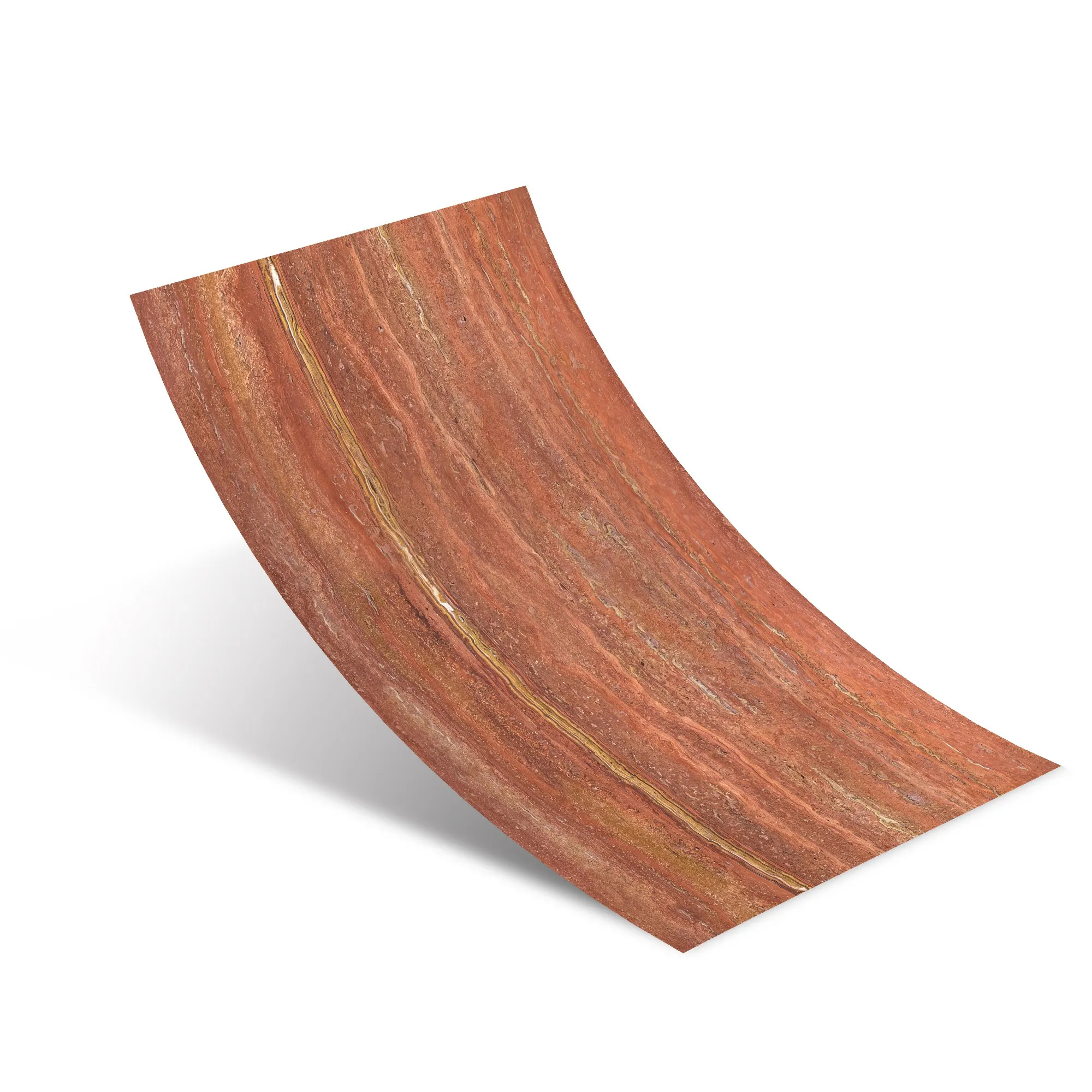
Let's start with the underdog—though "underdog" might not be fair. Starry Red Travertine is part of MCM's project board series , a line of modified composite materials (MCM) designed to reimagine what building materials can be. At its core, MCM (Modified Composite Material) is a blend of natural minerals and high-performance polymers, engineered to mimic the look and texture of natural stone—travertine, in this case—while shedding the heaviness, brittleness, and cost of quarried stone.
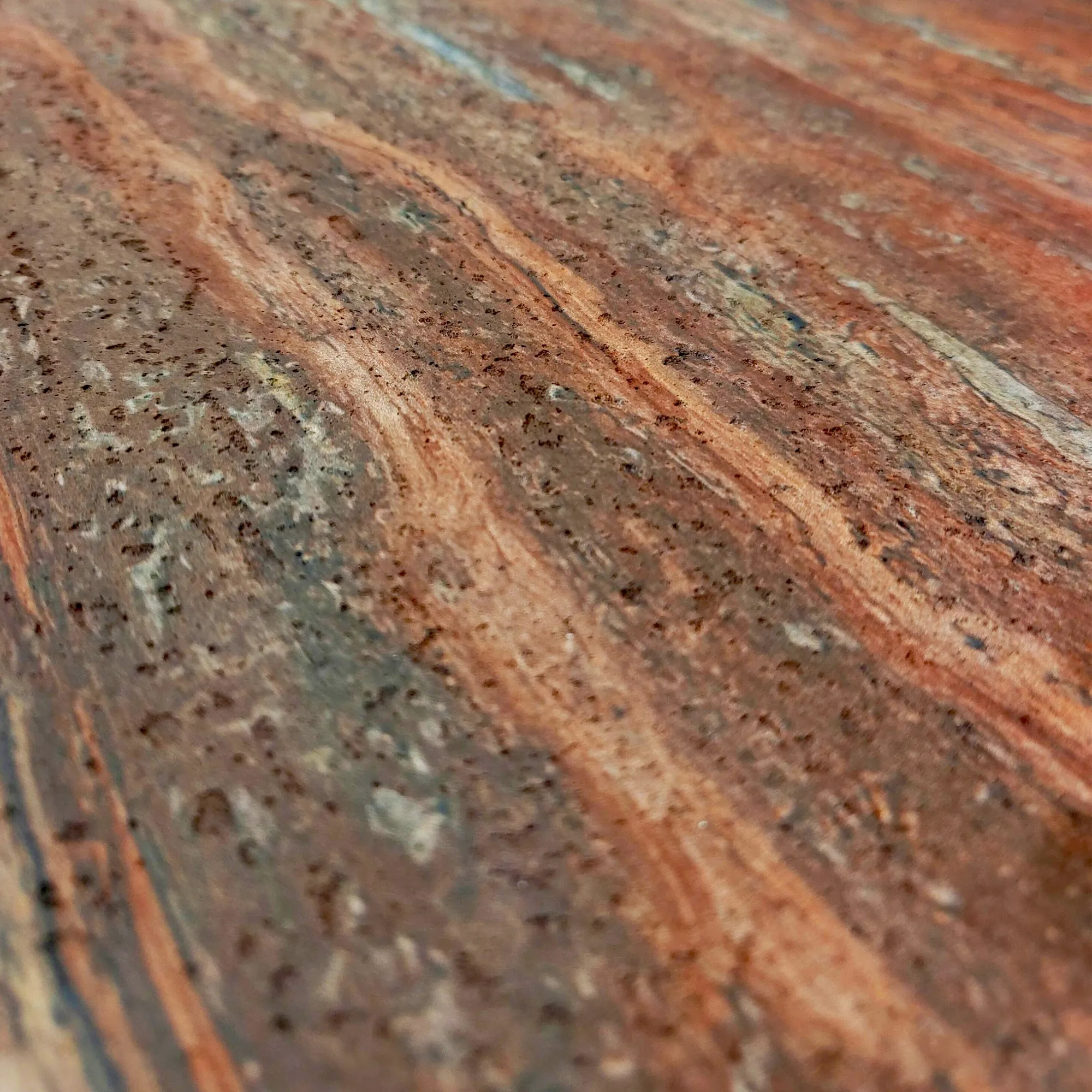
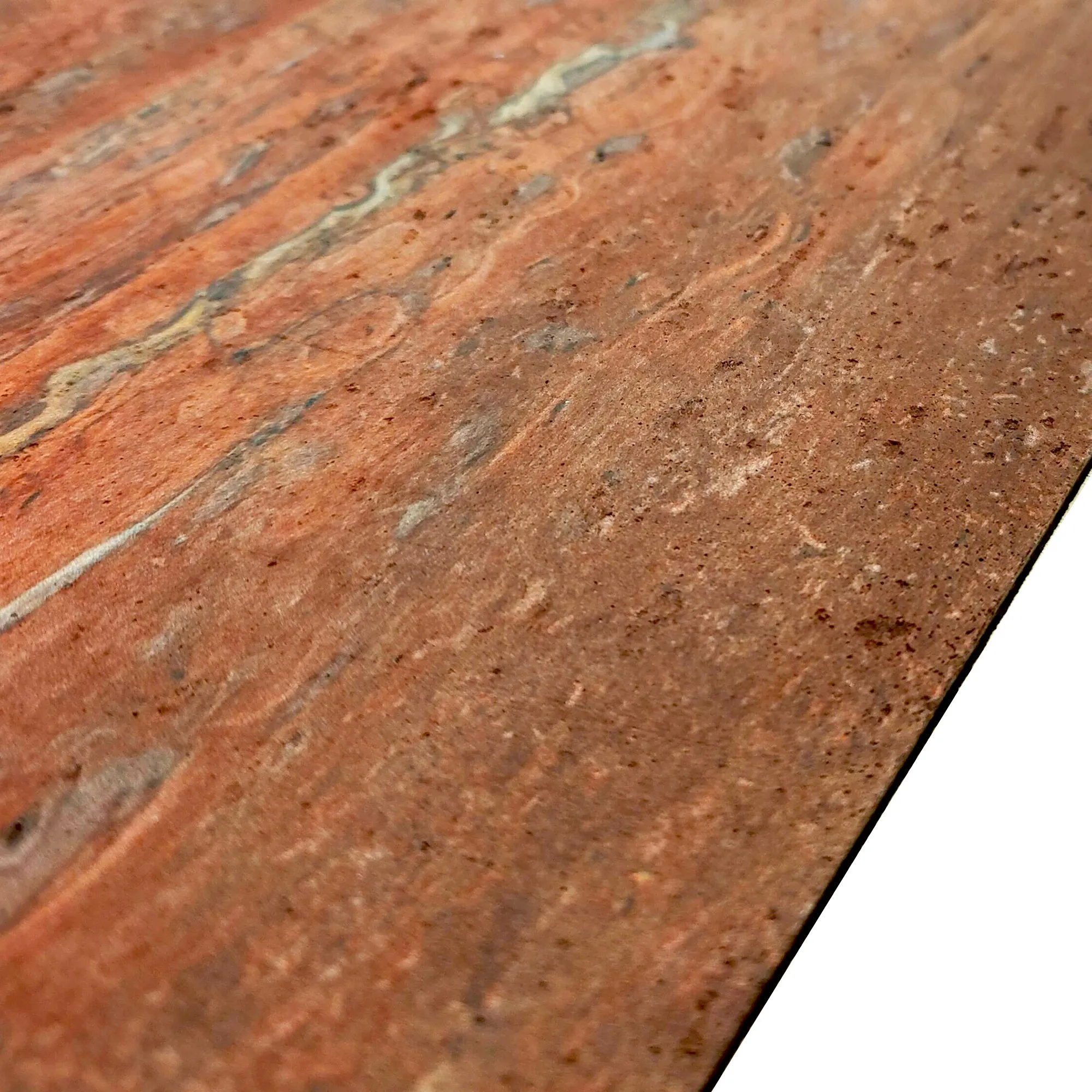
What makes travertine (starry red) stand out? Close your eyes (no "imagine," just *feel* it)—picture a deep, earthy red base, swirled with subtle veins of cream and gold, and dotted with tiny, iridescent flecks that catch the light like distant stars. It's travertine, but elevated. Unlike raw travertine, which can be porous and high-maintenance, this MCM version is sealed, dense, and flexible. "Flexible" here isn't just a buzzword: a sheet of Starry Red Travertine MCM bends slightly, making it ideal for curved walls, accent niches, or even ceiling installations where rigid materials would crack. It's lightweight too—about 1/5 the weight of natural stone—so it eases stress on structures, from modern high-rises to historic renovations.
Think of it as nature's beauty, reimagined for the demands of today. It's part of MCM's flexible stone family, a category built for adaptability: indoors or outdoors, vertical walls or horizontal floors, commercial lobbies or cozy home fireplaces. It doesn't just *cover* a space—it transforms it into something that feels alive, with depth you can almost reach out and touch.
Ceramic tiles, on the other hand, are the old reliable. We've grown up with them—in kitchens, bathrooms, entryways—their cool, smooth surfaces a staple of practical design. Made from clay, sand, and water, they're shaped, fired at high temperatures, and often glazed to add color, pattern, or a protective layer. They're the "safe" choice, and for good reason: they're affordable, widely available, and come in endless colors and prints, from classic subway tiles to bold geometric patterns.
But here's the thing about "familiar": it can feel limiting. Traditional ceramic tiles are rigid—no bending around corners or curved surfaces. They're also heavier than you might think, especially large-format tiles, which can add stress to floors or walls if not installed with precision. And while glazes protect against stains, chips and cracks are common—drop a heavy pot on a ceramic tile floor, and you'll likely see a spiderweb of damage. They're practical, yes, but they rarely evoke the same "wow" as a material with texture, depth, or a story to tell.
Let's talk money—the part that often makes or breaks a decision. At first glance, ceramic tiles seem like the budget-friendly option. Basic ceramic tiles start at around $2–$5 per square foot, while high-end designer versions might hit $15–$20. Starry Red Travertine MCM, being a specialized composite, starts higher—typically $8–$12 per square foot. But here's where the story shifts: cost isn't just about the sticker price; it's about what you pay *after* the material leaves the store.
Installation Labor: Ceramic tiles are heavy and rigid, requiring skilled installers to cut, align, and grout them perfectly. Mistakes mean wasted material and extra time, driving up labor costs—often $5–$10 per square foot. MCM panels, being lightweight and flexible, are easier to handle: one person can carry a 4x8 ft sheet, and cutting them requires only basic tools (no diamond blades needed). Labor for MCM averages $3–$6 per square foot, trimming the total project cost significantly, especially for large spaces.
Long-Term Value: Ceramic tiles may chip, crack, or fade over time, requiring repairs or full replacements every 10–15 years. Starry Red Travertine MCM, with its polymer reinforcement, resists cracks, UV damage, and moisture—manufacturers often back it with 15–20 year warranties. Less maintenance, fewer replacements, and a timeless look that retains value? Suddenly, that higher upfront cost feels like an investment, not an expense.
| Factor | Starry Red Travertine MCM | Traditional Ceramic Tiles |
|---|---|---|
| Initial Material Cost | $8–$12/sq ft | $2–$20/sq ft (avg $5–$8) |
| Installation Labor | $3–$6/sq ft | $5–$10/sq ft |
| Durability | Resists cracks, UV damage, moisture; 15–20 year lifespan | Prone to chipping/cracking; 10–15 year lifespan (with care) |
| Aesthetics | Textured, depth-rich "starry red" finish; flexible for curves/unique designs | Smooth, glazed surface; limited texture; rigid (no curves) |
| Maintenance | Wipe clean with mild soap; no sealing required | Grout needs sealing; prone to staining; chips require professional repair |
Let's get real: life is messy. Spills, scratches, humidity, sun exposure—your walls and floors take a beating. Starry Red Travertine MCM laughs off most of it. Its composite core resists moisture, so it's perfect for bathrooms or outdoor patios where ceramic tiles might warp or grow mold. UV rays won't fade its rich red hue, even if installed on a sun-drenched balcony. And because it's flexible, it bends instead of breaking under stress—think of it as the "shock absorber" of building materials. I once visited a café with Starry Red Travertine walls that had survived a minor earthquake; the tiles stayed intact, while the ceramic floor tiles nearby had cracked.
Ceramic tiles? They're tough, but not invincible. A stray soccer ball in the hallway, a sliding chair leg in the kitchen—these can leave permanent chips. And while glazed tiles resist stains, the grout lines between them are porous, trapping dirt and mildew. Ever tried scrubbing grout in a shower? It's a chore that feels never-ending. MCM panels, on the other hand, install with minimal grout (or even seamlessly for large sheets), cutting down on cleaning time and frustration.
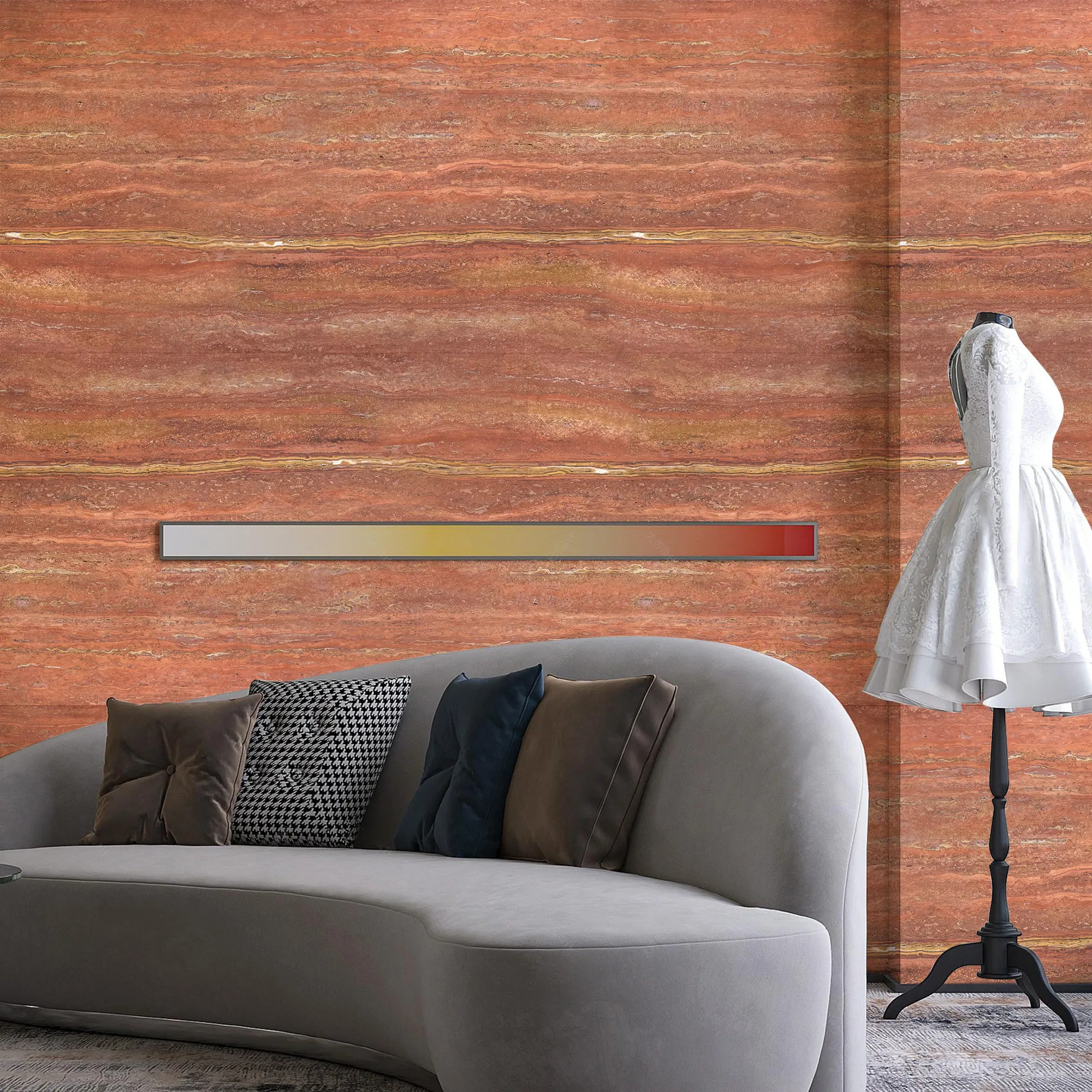
Here's where Starry Red Travertine MCM truly shines (pun intended). Its "starry" finish isn't just a color—it's an experience. In natural light, the tiny metallic flecks catch and dance, turning a plain wall into a canvas of subtle movement. Run your hand over it, and you'll feel texture—warm, organic, like touching a polished stone from a riverbed. It's not just a surface; it's a sensory detail that makes a space feel intentional, unique. Designers love it for accent walls, fireplace surrounds, or restaurant facades—places where first impressions matter.
Ceramic tiles can be beautiful, but they often feel flat by comparison. Even textured ceramic tiles lack the depth of MCM's natural-mineral blend. And while you can find ceramic tiles in red, none have that "starry" quality—the interplay of light and texture that makes Starry Red Travertine feel like it has a soul. It's the difference between a poster and an oil painting: both are images, but one evokes emotion.
Remember that curved accent wall you've been dreaming of? Ceramic tiles would require custom cutting, special adhesives, and a lot of patience (and money). Starry Red Travertine MCM? It bends. A contractor friend once told me he installed MCM panels on a circular staircase wall in a fraction of the time it would have taken with ceramic tiles. No need for expensive tools or extra labor—just a utility knife to trim, and standard adhesive to secure. For DIYers or small projects, this flexibility is a game-changer. Even large commercial jobs benefit: faster installation means less downtime, whether you're opening a store or renovating a hotel.
At the end of the day, the choice between Starry Red Travertine MCM and ceramic tiles isn't just about cost or performance—it's about what you want your space to *say*. If you value practicality, upfront savings, and don't mind a more predictable look, ceramic tiles will serve you well. They're the reliable workhorses, and there's honor in that.
But if you crave something more—texture that tells a story, durability that grows with your space, and the freedom to design beyond straight lines—Starry Red Travertine MCM is worth the investment. It's not just a material; it's a choice to make your space feel intentional, alive, and uniquely *yours*. In a world of cookie-cutter design, that's a rare and precious thing.
So, as you stand in that hardware store aisle, or scroll through material samples online, ask yourself: Do I want a surface, or a story? For me, the answer is clear. Starry Red Travertine MCM doesn't just cover walls—it creates moments.
Recommend Products











