

Choosing the right material for your space—whether it's a home renovation, commercial build, or design project—feels a lot like picking the perfect finishing touch to a masterpiece. It's not just about durability or cost; it's about how the material makes you feel, how it interacts with light, and how it ages over time. Today, we're putting two heavyweights head-to-head: Starry Red Travertine MCM (a standout from the MCM flexible stone family) and Granite (a classic natural stone, with a spotlight on the luxurious Granite Portoro). Let's break down their strengths, quirks, and ideal uses to help you decide which one deserves a spot in your next project.
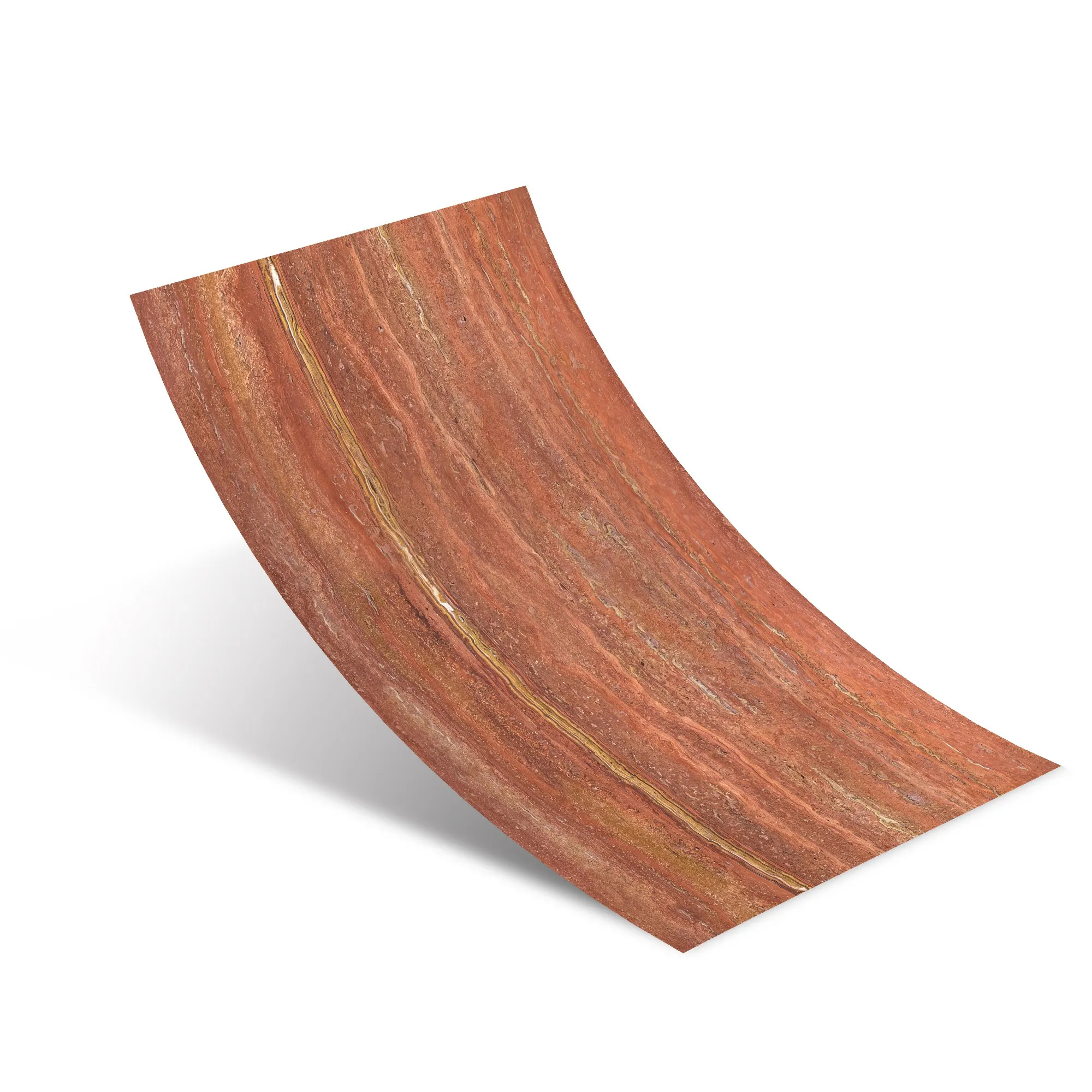
Let's start with the underdog that's been turning heads lately: Starry Red Travertine MCM. First off, MCM stands for Modified Composite Material—a game-changer in the world of building materials. Think of it as nature meets innovation: MCM flexible stone blends real stone particles (in this case, travertine) with high-performance polymers, creating a material that's thin, lightweight, and surprisingly flexible.
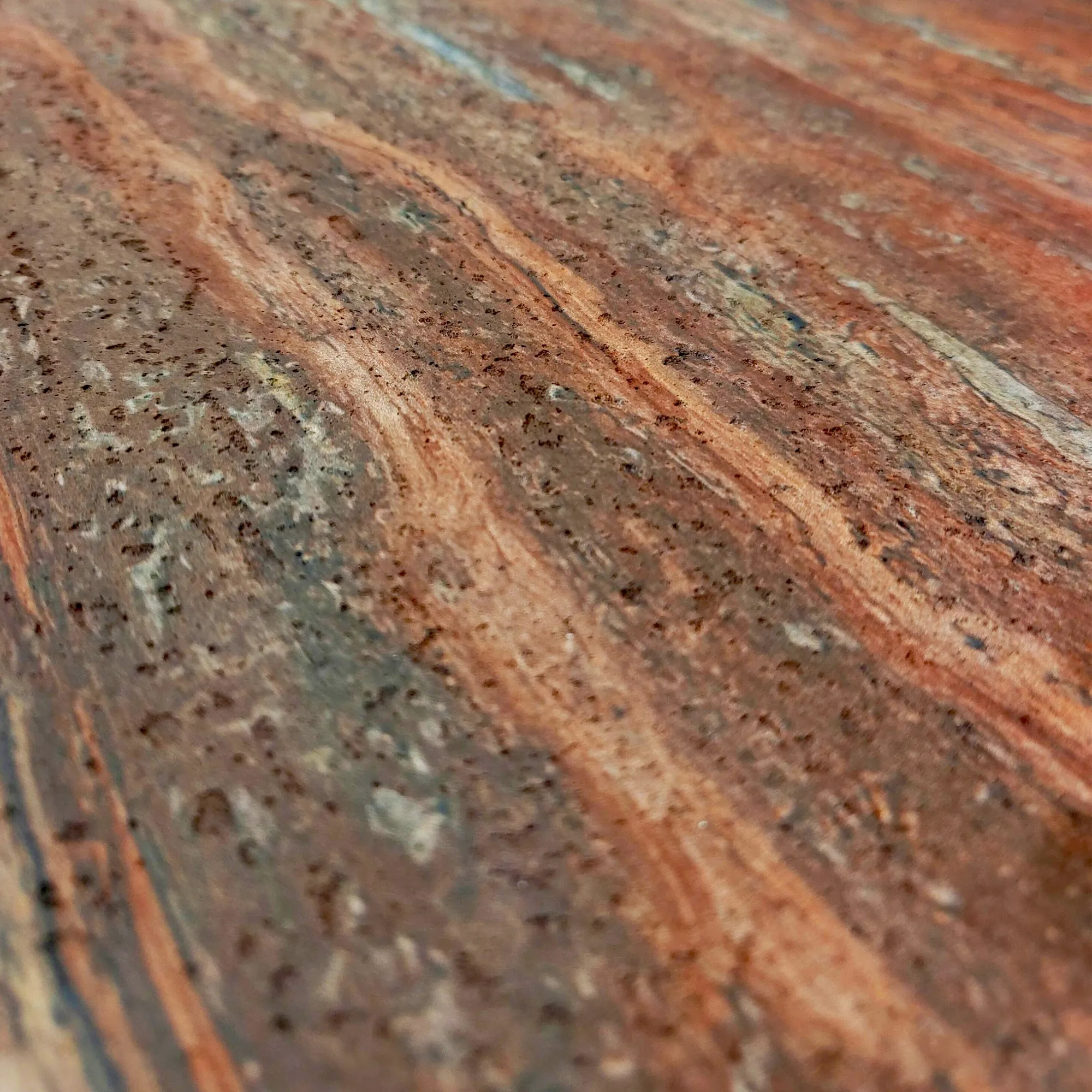
The "Starry Red" name isn't just for show. This variant features a warm, earthy red base dotted with tiny, shimmering flecks that mimic a starry night sky—hence the "starry" moniker. It's part of a broader family of starry travertines, including Travertine (Starry Blue) and Travertine (Starry Orange), each with its own celestial-inspired hue. But Starry Red? It's the showstopper, adding warmth and personality without feeling overwhelming.
What really sets MCM flexible stone apart is its versatility. Unlike traditional stone slabs, which are heavy and rigid, Starry Red Travertine MCM is thin (often 3-5mm thick) and can bend to fit curved surfaces—think archways, rounded walls, or custom furniture. It's also lightweight, making installation a breeze compared to hauling 200-pound granite slabs. And because it's made with advanced manufacturing (some even use 3D printing techniques from the MCM 3D Printing Series), the patterns are consistent yet unique enough to feel organic.
Now, let's talk about the veteran: granite. A natural igneous rock formed from molten magma cooling deep within the Earth, granite is beloved for its toughness and timeless beauty. It's made mostly of quartz and feldspar, giving it a granular texture and a Mohs hardness rating of 6-7 (meaning it's scratch-resistant enough to handle daily wear and tear).
To make this comparison concrete, let's zoom in on Granite Portoro —a premium variety that's become synonymous with luxury. Originating from Italy, Portoro granite is instantly recognizable: a deep, inky black background sliced through with bold, gold veins that look like liquid sunlight frozen in stone. No two slabs are identical; the veins twist and turn in unique patterns, making each piece a one-of-a-kind work of art. It's the kind of material that makes a statement—think grand hotel lobbies, high-end kitchen countertops, or opulent fireplace surrounds.
But granite's appeal isn't just skin-deep. It's heat-resistant (you can set a hot pan directly on it without worrying about damage), water-resistant, and if sealed properly, highly stain-resistant. It's a material built to last decades, which is why it's a go-to for homeowners and designers who want something "forever."
| Feature | Starry Red Travertine MCM | Granite Portoro |
|---|---|---|
| Material Type | Modified Composite Material (MCM) | Natural Igneous Rock |
| Composition | Travertine particles + polymer resins | Quartz, feldspar, mica, and other minerals |
| Weight | Light (5-8 kg/m²) | Heavy (20-25 kg/m² for 2cm slab) |
| Flexibility | Highly flexible (can bend around curves) | Rigid (no flexibility; prone to cracking if bent) |
| Durability | Good (scratch-resistant; moderate heat resistance) | Excellent (highly scratch/heat-resistant; Mohs 6-7) |
| Installation | Easy (lightweight; can be cut with standard tools) | Challenging (requires professionals; heavy lifting) |
| Cost Range | Mid-range ($30-$60 per sq. ft.) | High-end ($80-$150+ per sq. ft.) |
| Aesthetic | Warm red base with starry gold flecks; consistent pattern | Deep black with bold gold veins; unique, natural variations |
| Maintenance | Low (wipe with water; occasional sealing) | Moderate (annual sealing; avoid acidic cleaners) |
| Environmental Impact | Lower (uses less natural stone; lightweight = lower transport emissions) | Higher (quarrying impacts ecosystems; heavy transport) |
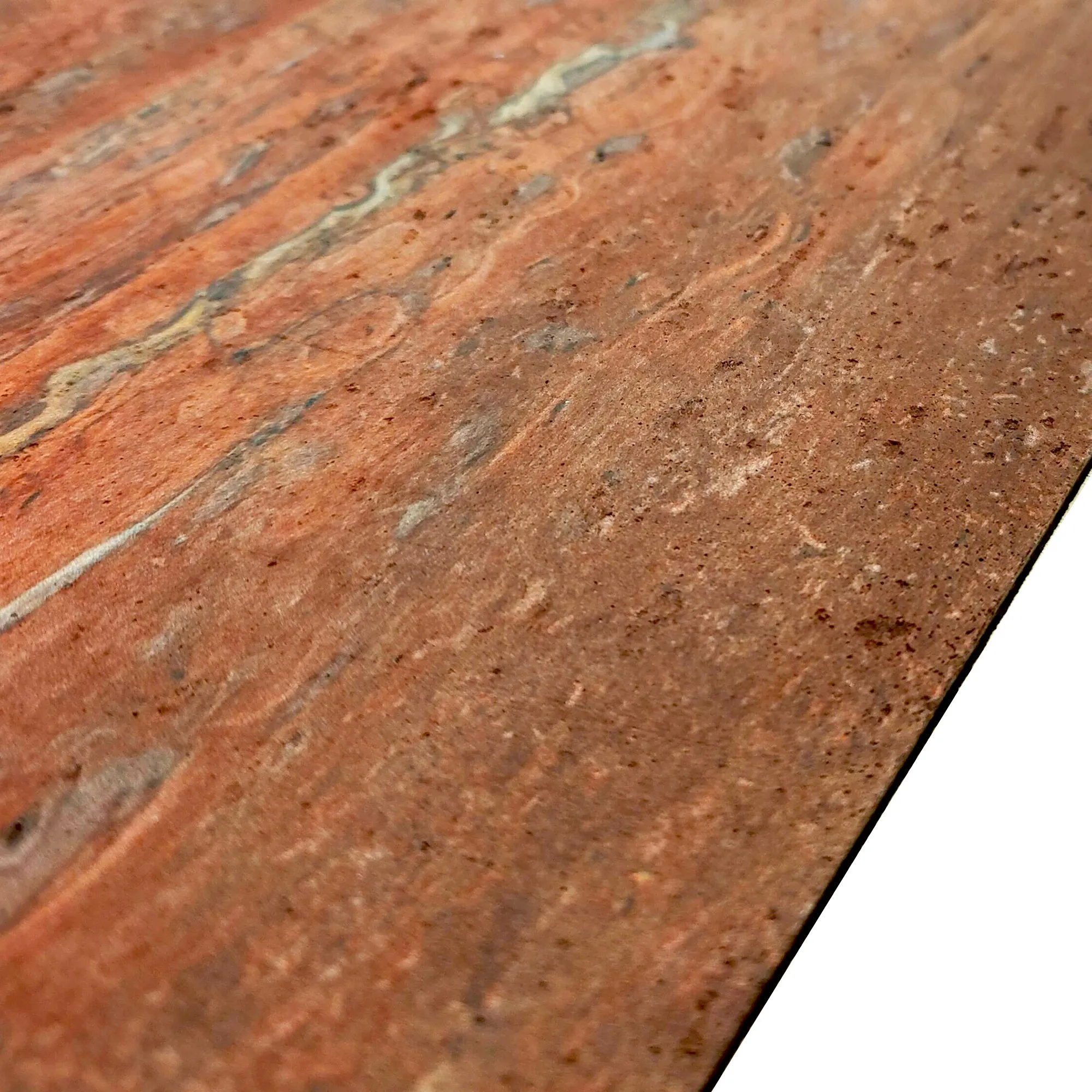
If you're after a material that can keep up with creative designs, Starry Red Travertine MCM is your match. Here are its sweet spots:
Granite Portoro is for spaces that demand grandeur and durability. Here's where it thrives:
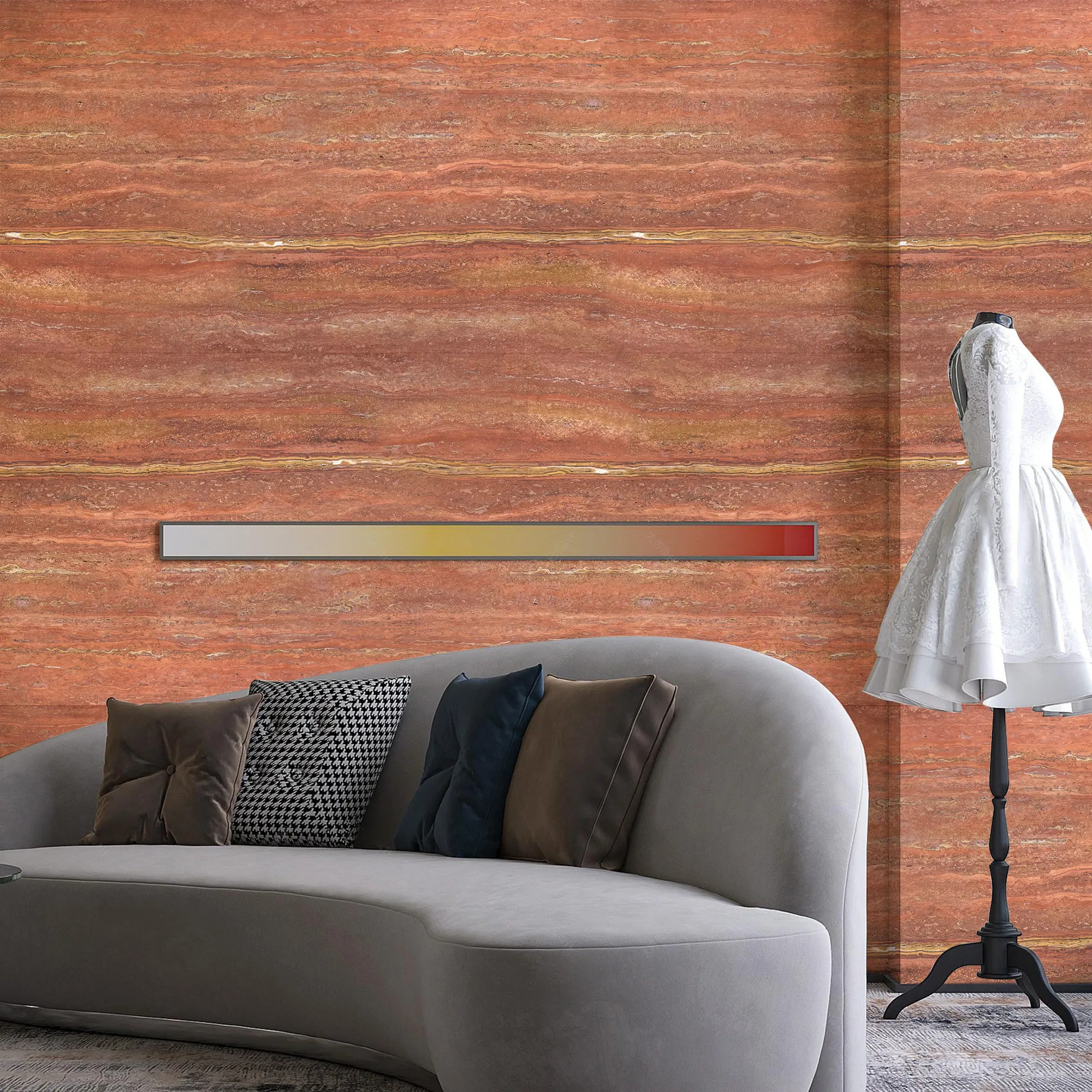
At the end of the day, much of this choice comes down to style. Starry Red Travertine MCM leans into warmth and approachability. Its starry pattern is playful but refined—think a cozy mountain cabin meets modern design. It pairs beautifully with soft neutrals (beige, cream, light gray) or even other earthy tones (olive green, terracotta) to create a space that feels inviting and lived-in.
Granite Portoro, on the other hand, is all drama and elegance. Its black-and-gold palette is bold and unapologetic, perfect for spaces where you want to make a statement. It works wonders with metallic accents (brass, gold) and crisp whites, but it can also hold its own in darker, moodier rooms (think black leather furniture and dim lighting for a sleek, sophisticated vibe).
Pro tip: If you love both but can't choose, mix them! Use Starry Red Travertine MCM for an accent wall and Granite Portoro for a countertop or fireplace. The contrast between warm red and bold black-gold will create a dynamic, layered look.
Let's cut to the chase: There's no "better" material—only the right one for your project. Here's a quick cheat sheet to help you decide:
Go with Starry Red Travertine MCM if: You want flexibility (curved surfaces, unique shapes), mid-range pricing, easy installation, and a warm, trendy aesthetic. It's ideal for residential spaces, accent walls, and projects where weight or budget is a concern.
Go with Granite Portoro if: You prioritize durability, luxury, and a timeless look. It's worth the investment for high-traffic areas, countertops, or spaces where you want to convey opulence and permanence.
And remember, the MCM family has more to offer than just Starry Red Travertine. If red isn't your vibe, check out Travertine (Starry Blue) for a calming, oceanic feel or Lunar Peak Black for a sleek, modern look. Similarly, granite comes in hundreds of varieties—from the subtle flecks of Granite Nero Margiua to the bold patterns of Granite Portoro.
At the end of the day, the best material is the one that aligns with your vision, budget, and how you'll use the space. Whether you fall for the starry charm of MCM or the enduring luxury of granite, both choices will bring beauty and character to your project for years to come.
Recommend Products











