

Navigating the Balance Between Modern Innovation and Timeless Tradition in Building Materials
Every architect, designer, or homeowner embarking on a construction or renovation project faces a pivotal question: which material will bring the vision to life without compromising on quality, budget, or beauty? In the realm of natural stone and modern composites, two contenders often rise to the top: the striking travertine (starry red) from the MCM flexible stone lineup and classic natural travertine . Both promise to elevate spaces with unique textures and colors, but their costs—from extraction to installation to long-term upkeep—tell vastly different stories. Let's dive into a detailed exploration of these materials, breaking down their cost per square meter and uncovering what truly drives the numbers behind the price tags.
First, let's demystify MCM flexible stone . Short for "Modified Composite Material," MCM is a revolutionary building material born from the fusion of natural minerals, polymers, and cutting-edge manufacturing techniques—often leveraging technologies from the MCM 3D printing series . Unlike traditional stone, MCM isn't quarried; it's engineered. This means every panel is crafted with precision, allowing for consistent textures, colors, and even custom designs that mimic the look of natural stone but with enhanced performance.
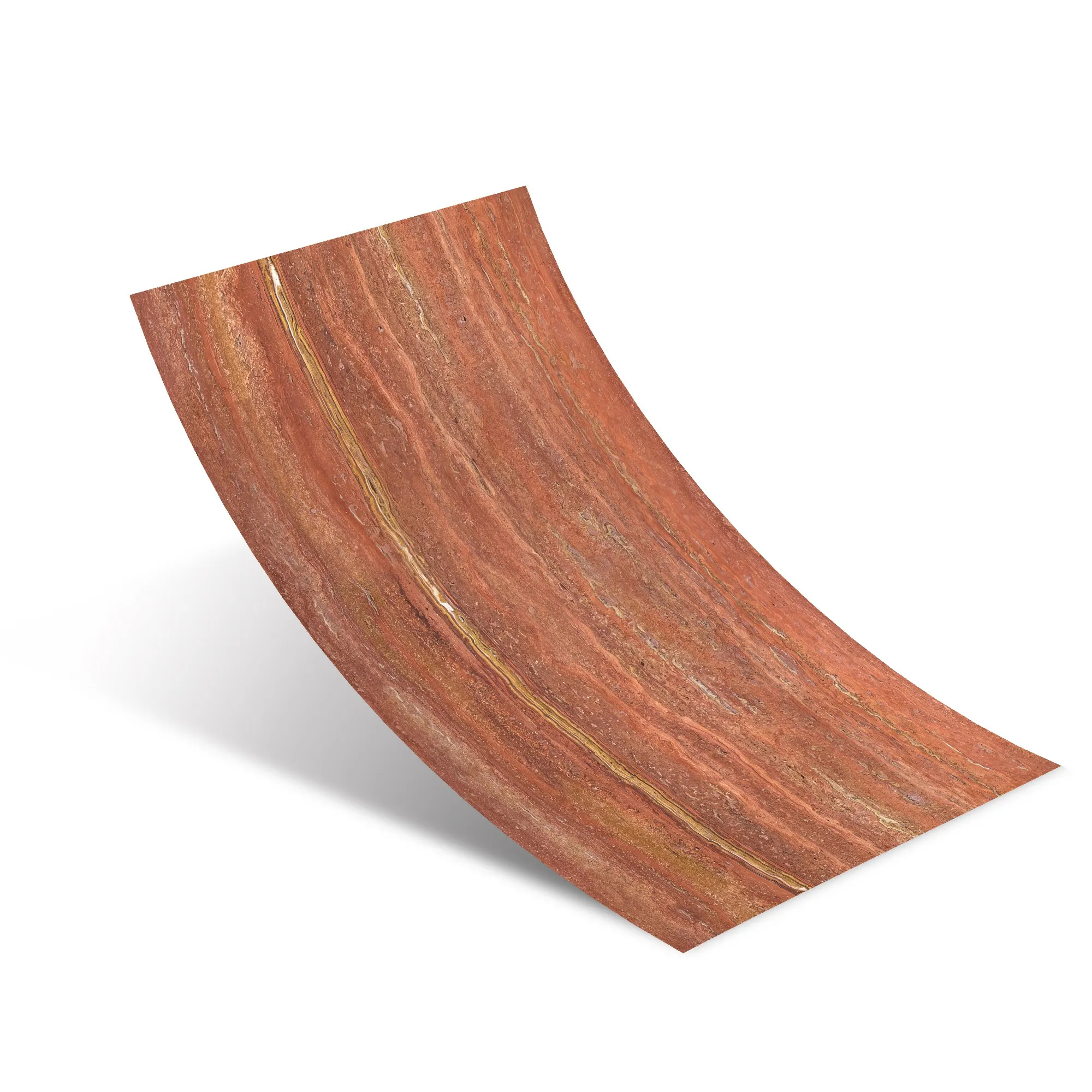
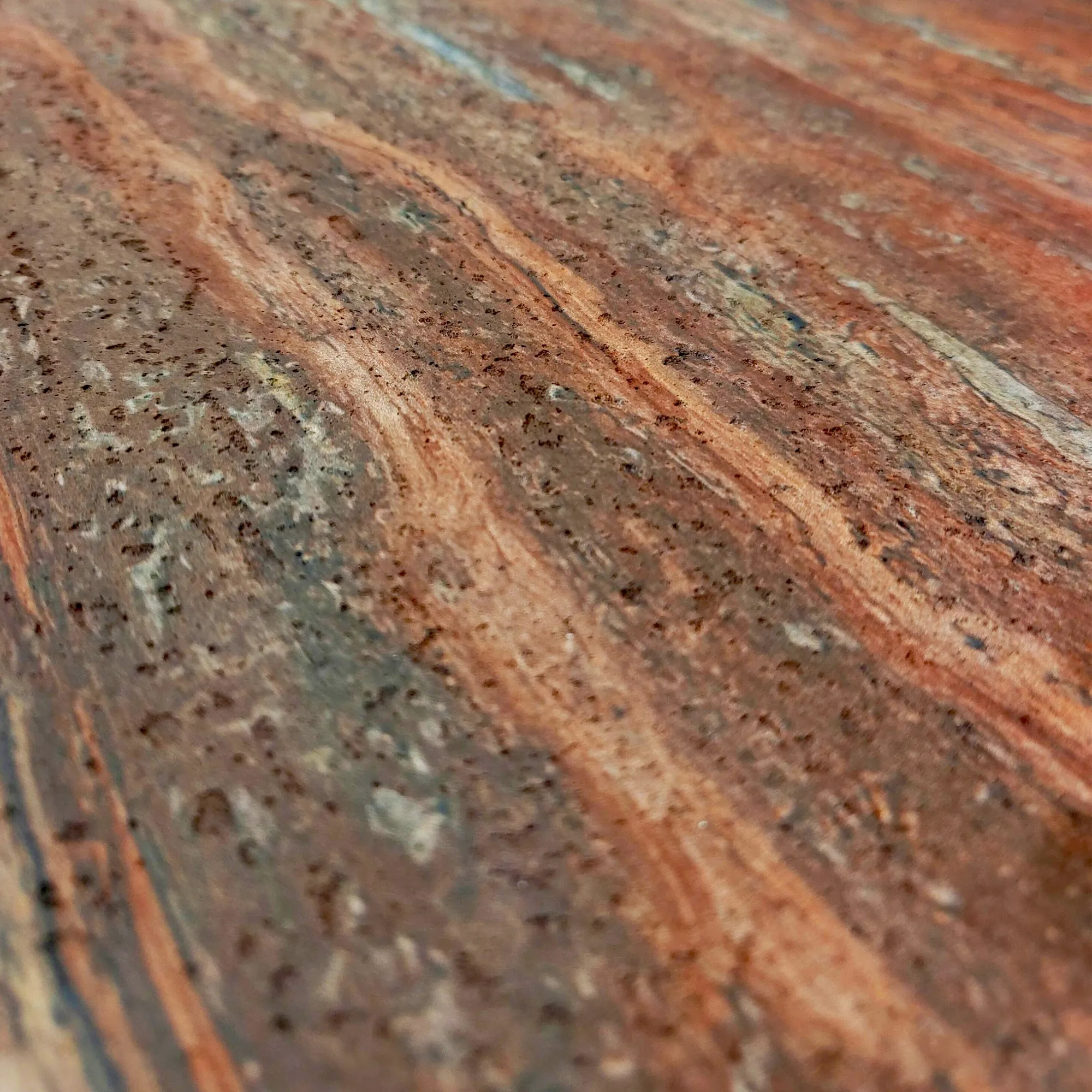
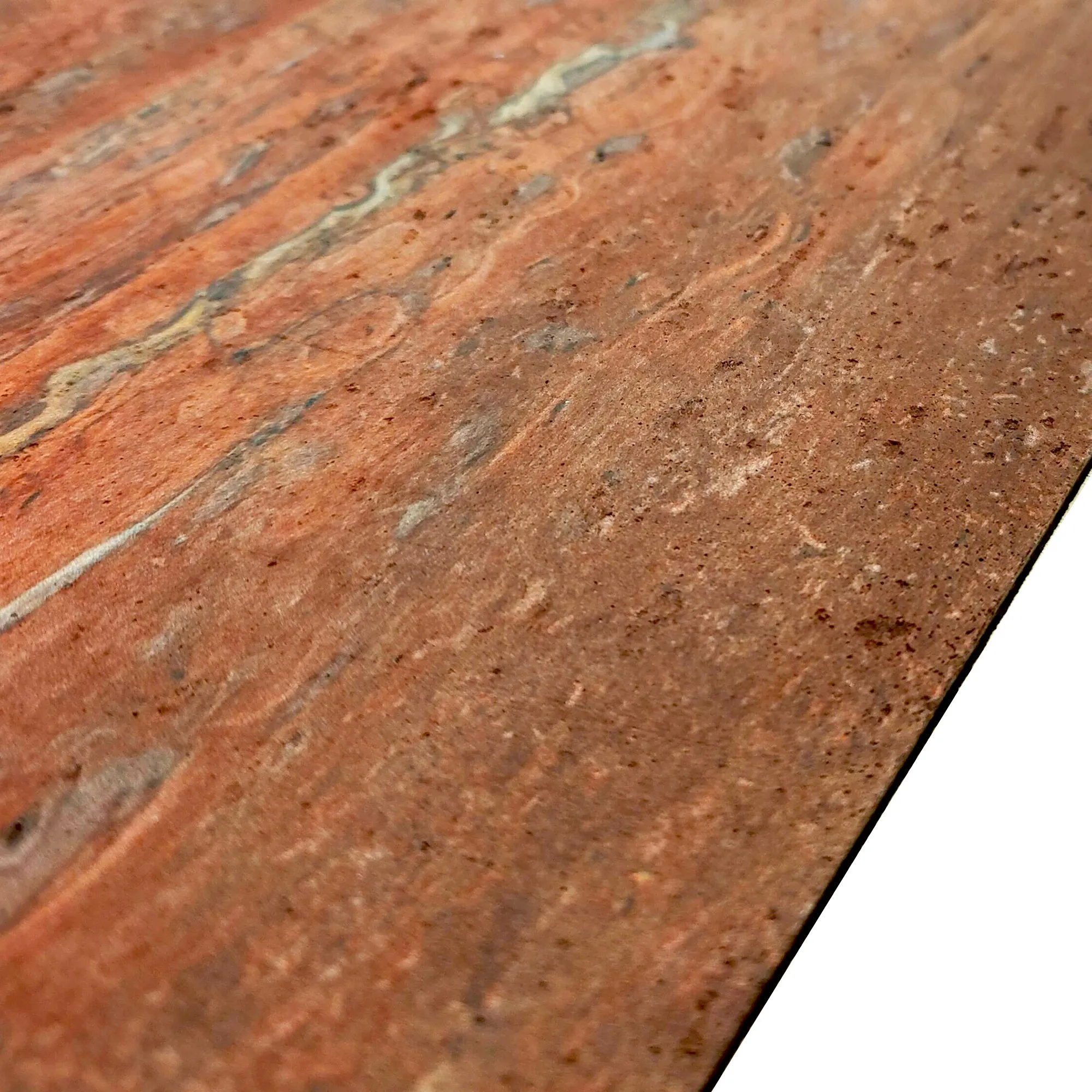
The travertine (starry red) variant is a standout in this category. Imagine a surface that captures the warm, earthy tones of natural travertine but with a twist: tiny, iridescent flecks embedded throughout, resembling a starry night sky. This "starry" effect isn't just aesthetic; it's a result of advanced 3D printing and mineral blending, making each panel a work of art. And because MCM is flexible—think thin, lightweight sheets—it bends to curved surfaces, clings to uneven walls, and reduces the need for heavy structural support. For designers craving both creativity and practicality, this material is a game-changer.
Natural travertine, by contrast, is a product of nature's patience. Formed over millennia by mineral-rich hot springs, this sedimentary rock is quarried from sites like Italy's Tivoli or Turkey's Denizli region—locations where ancient waters once deposited layers of calcium carbonate, creating the stone's signature porous texture and warm hues. Quarrying natural travertine is a labor-intensive process: massive blocks are extracted using diamond-tipped saws, then cut into slabs, polished (or left rough), and shipped worldwide. Each slab is one-of-a-kind, with unique veining, pit patterns, and color variations that tell the story of its geological formation.
For centuries, natural travertine has adorned iconic structures, from the Colosseum in Rome to modern luxury homes. Its appeal lies in its authenticity—the way light plays off its pitted surface, the subtle variations in tone, and the sense of history it brings to a space. But this "naturalness" comes with trade-offs, especially when it comes to cost. Let's unpack why.
To truly understand the difference between travertine (starry red) MCM and natural travertine, we need to look beyond the upfront price tag. Costs accrue at every stage: material sourcing, manufacturing/extraction, transportation, installation, and maintenance. Below is a detailed breakdown, followed by an interactive table to visualize the numbers.
| Cost Factor | Starry Red Travertine MCM | Natural Travertine | Key Difference |
|---|---|---|---|
| Material Cost (Raw + Manufacturing/Extraction) | $35–$55/m² | $60–$120/m² | MCM's composite manufacturing reduces raw material waste; natural travertine's quarrying and cutting drive up extraction costs. |
| Transportation | $5–$10/m² | $15–$30/m² | MCM's lightweight design (3–5kg/m² vs. 20–30kg/m² for natural stone) lowers fuel and handling costs. |
| Installation Labor | $20–$35/m² | $40–$70/m² | MCM's flexibility and ease of cutting reduce installation time by 40–50% compared to heavy natural stone slabs. |
| Maintenance (10-Year Estimate) | $10–$15/m² | $30–$50/m² | Natural travertine requires annual sealing and occasional repairs; MCM's non-porous surface resists stains and moisture. |
| Total 10-Year Cost (Estimated) | $70–$115/m² | $145–$270/m² | MCM offers up to 60% lower long-term costs due to reduced labor, transportation, and maintenance expenses. |
*Cost ranges are approximate and vary by region, supplier, and project scale. Prices reflect mid-2025 market data for commercial-grade materials.
The numbers above aren't arbitrary—they're shaped by the inherent nature of each material. Let's break down the key factors widening the cost gap between MCM and natural travertine.
Natural travertine begins in a quarry. Extracting massive blocks of stone requires heavy machinery, skilled labor, and strict safety protocols. Once quarried, the stone must be transported to processing facilities, where it's cut into slabs, polished, and finished—each step adding labor and energy costs. Worse, up to 30% of quarried stone is wasted during cutting and shaping, driving up the price of the remaining usable material.
MCM flexible stone, by contrast, is born in a factory. Using MCM 3D printing series technology, manufacturers blend natural minerals (like limestone dust) with polymer resins to create a slurry, which is then molded into thin, flexible panels. This process is highly efficient: 3D printing minimizes waste, and the use of recycled minerals further reduces raw material expenses. For example, a single 3D printer can produce 500+ m² of MCM panels daily, scaling production and lowering per-unit costs.
Imagine loading a truck with 100 m² of material. Natural travertine, at 25kg/m², would weigh 2,500kg—requiring a heavy-duty truck and specialized lifting equipment. MCM, at 4kg/m², would weigh just 400kg, fitting into a standard van. This difference translates to lower fuel costs, fewer trips, and reduced risk of transportation damage (natural stone often cracks during transit, adding replacement costs).
On the job site, the weight disparity becomes even more critical. Installing natural travertine requires a team of 3–4 workers per slab, plus cranes for high-rise projects. MCM panels can be carried by one person and installed with basic tools, cutting labor hours by half. For a 1,000 m² commercial project, that's a savings of $15,000–$35,000 in labor alone.
Natural travertine is porous—its tiny pits and veins absorb liquids, making it prone to staining from coffee, oil, or rainwater. To protect it, homeowners and businesses must seal the stone every 1–2 years, at a cost of $5–$10/m² per application. Over a decade, that adds up to $50–$100/m². Cracks or chips (common in high-traffic areas) require professional repair, costing $20–$50 per patch.
MCM flexible stone, however, is engineered to resist moisture, stains, and impact. Its polymer coating acts as a barrier, eliminating the need for sealing. Even in humid environments or commercial spaces with heavy foot traffic, MCM panels hold up with minimal upkeep—usually just a wipe-down with soap and water. For busy restaurant owners or rental property managers, this translates to fewer maintenance headaches and long-term savings.
Cost is never the only factor—aesthetic, functional, and project-specific needs also play a role. Let's explore how these materials perform in common scenarios.
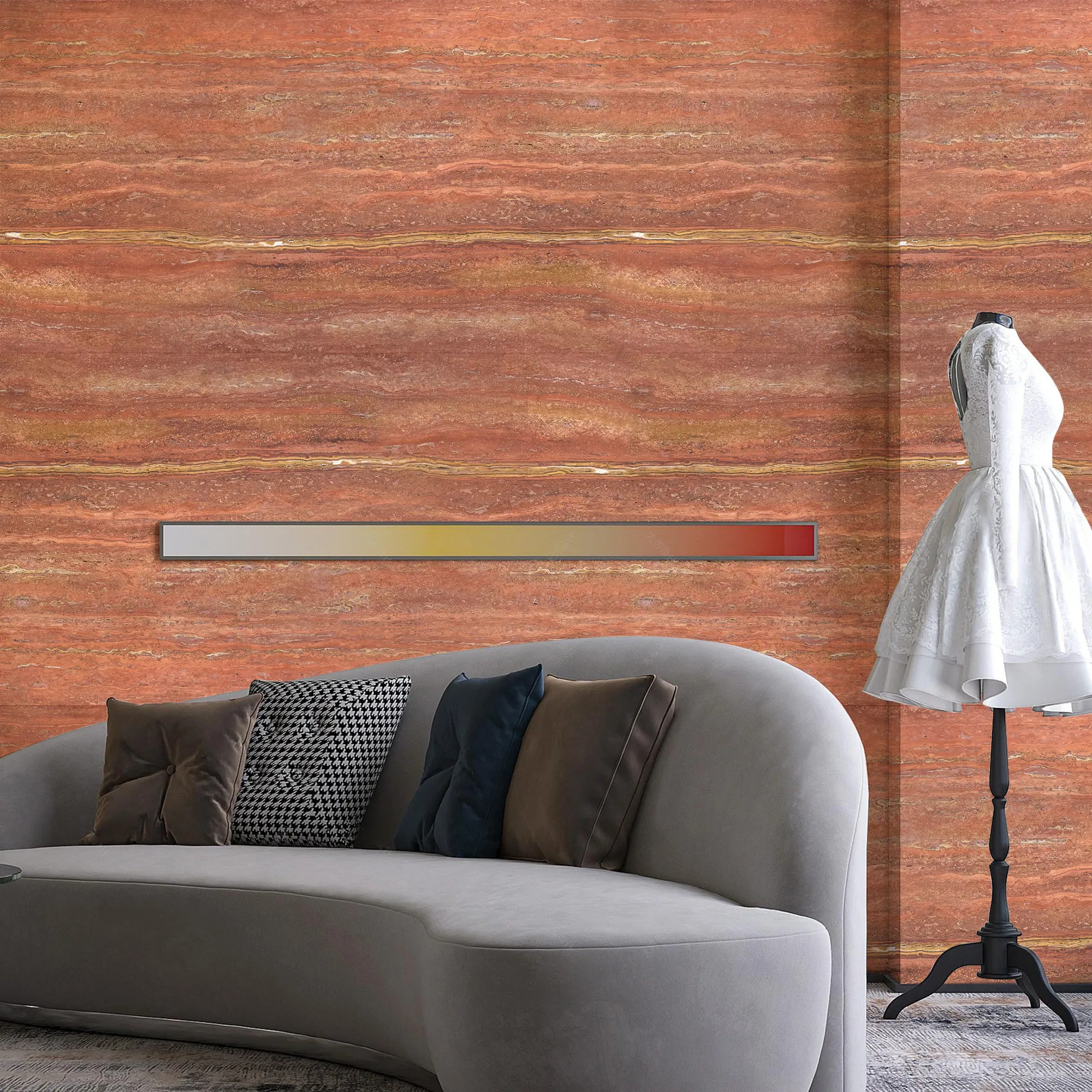
The design brief calls for a statement wall with a "cosmic" vibe. The travertine (starry red) MCM 's iridescent flecks and curved-panel flexibility make it perfect for creating a 3D starry sky effect. At $70–$115/m² total cost, the 200 m² wall would budget to $14,000–$23,000. Natural travertine, with its earthy tones, could achieve a classic look but would cost $29,000–$54,000—plus sealing every year. For a boutique aiming to balance luxury and profitability, MCM is the clear choice.
A homeowner restoring a 1920s villa wants to preserve its traditional charm. Natural travertine, with its organic veining and timeless appeal, aligns with the home's heritage. Here, the higher cost ($60–$120/m²) is justified by the material's ability to blend with the original architecture. However, the homeowner could compromise by using MCM for less visible areas (like a backyard patio) and natural travertine for the foyer, splitting costs and maintaining aesthetic consistency.
A tech company prioritizing LEED certification needs eco-friendly cladding. MCM flexible stone shines here: its 3D printing process reduces CO2 emissions by 40% compared to natural stone quarrying, and its lightweight design lowers a building's structural load (reducing concrete use). The travertine (starry red) color adds brand personality, while the $70–$115/m² total cost keeps the project under budget. Natural travertine, with its high quarrying carbon footprint, would clash with the company's sustainability goals.
In today's building industry, cost isn't just monetary—it's environmental, too. Let's weigh the eco-footprint of each material.
MCM Flexible Stone: By using recycled minerals and 3D printing, MCM manufacturers reduce waste to less than 5% (compared to 30% for natural stone quarrying). Many brands, like those in the MCM big slab board series , also use low-VOC resins, making panels safe for indoor air quality. Additionally, MCM's lightweight nature reduces a building's energy consumption over time—lighter structures require less heating and cooling, lowering carbon emissions.
Natural Travertine: Quarrying natural stone disrupts ecosystems, removing topsoil and vegetation. A single quarry can produce 10,000+ tons of waste rock annually, and water used in cutting and polishing often ends up polluted with stone dust. While natural travertine is biodegradable (unlike MCM's polymer components), its extraction leaves a lasting mark on landscapes. Some quarries now practice reclamation (planting trees post-extraction), but this adds to the stone's cost.
For projects aiming for green certifications (LEED, BREEAM), MCM flexible stone is often the better choice. Its low environmental impact aligns with sustainability goals, while its cost savings free up budget for other eco-friendly features like solar panels or rainwater harvesting.
The building materials market is evolving, driven by demand for affordability, sustainability, and design flexibility. Here's how these two materials are poised to compete:
MCM's Ascent: With advancements in MCM 3D printing series technology, we'll see even more customization—think panels that mimic rare stones (like lunar peak silvery or gobi panel textures) at a fraction of the cost. Brands are also experimenting with "smart" MCM panels embedded with sensors for temperature or moisture monitoring, adding functionality to aesthetics.
Natural Travertine's Niche: As luxury markets grow, natural travertine will retain its appeal for high-end residential and heritage projects. However, we'll likely see stricter regulations on quarrying, driving up prices further. To stay competitive, quarries may adopt more sustainable practices, like carbon offsetting or waste recycling, but this will make natural stone an even more premium product.
Ultimately, the choice between travertine (starry red) MCM and natural travertine will hinge on a project's priorities: budget, sustainability, design flexibility, or tradition. For most commercial and residential builds, MCM offers an unbeatable balance of cost, performance, and creativity—proving that modern innovation doesn't have to sacrifice beauty.
At the end of the day, the cost per square meter is more than just a number. It's a reflection of what you value: the efficiency of modern engineering, the authenticity of natural stone, or the harmony between budget and beauty. Travertine (starry red) MCM emerges as a champion for those who want to push design boundaries without overspending, while natural travertine remains a timeless investment for those who cherish tradition.
Whether you're designing a cozy home, a bustling office, or a landmark building, remember: the best material is the one that aligns with your project's goals, values, and story. And with MCM's rapid innovation and natural travertine's enduring allure, the future of building materials is bright—for both the wallet and the eye.
Recommend Products











