

When it comes to building materials, we often focus on aesthetics first—how a wall will look, the texture under our hands, the way light plays on its surface. But behind every beautiful facade lies a critical question: how long will it last? Durability isn't just about avoiding cracks or chips; it's about a material's ability to stand up to time, weather, and wear while maintaining its functionality and appeal. In recent years, the construction industry has seen a shift toward innovative materials that blend beauty with resilience, and one such standout is the Starry Red Travertine MCM. Today, we're putting it head-to-head with a longstanding classic: traditional plaster. Let's dive into their durability, performance, and what makes each a contender for your next project.
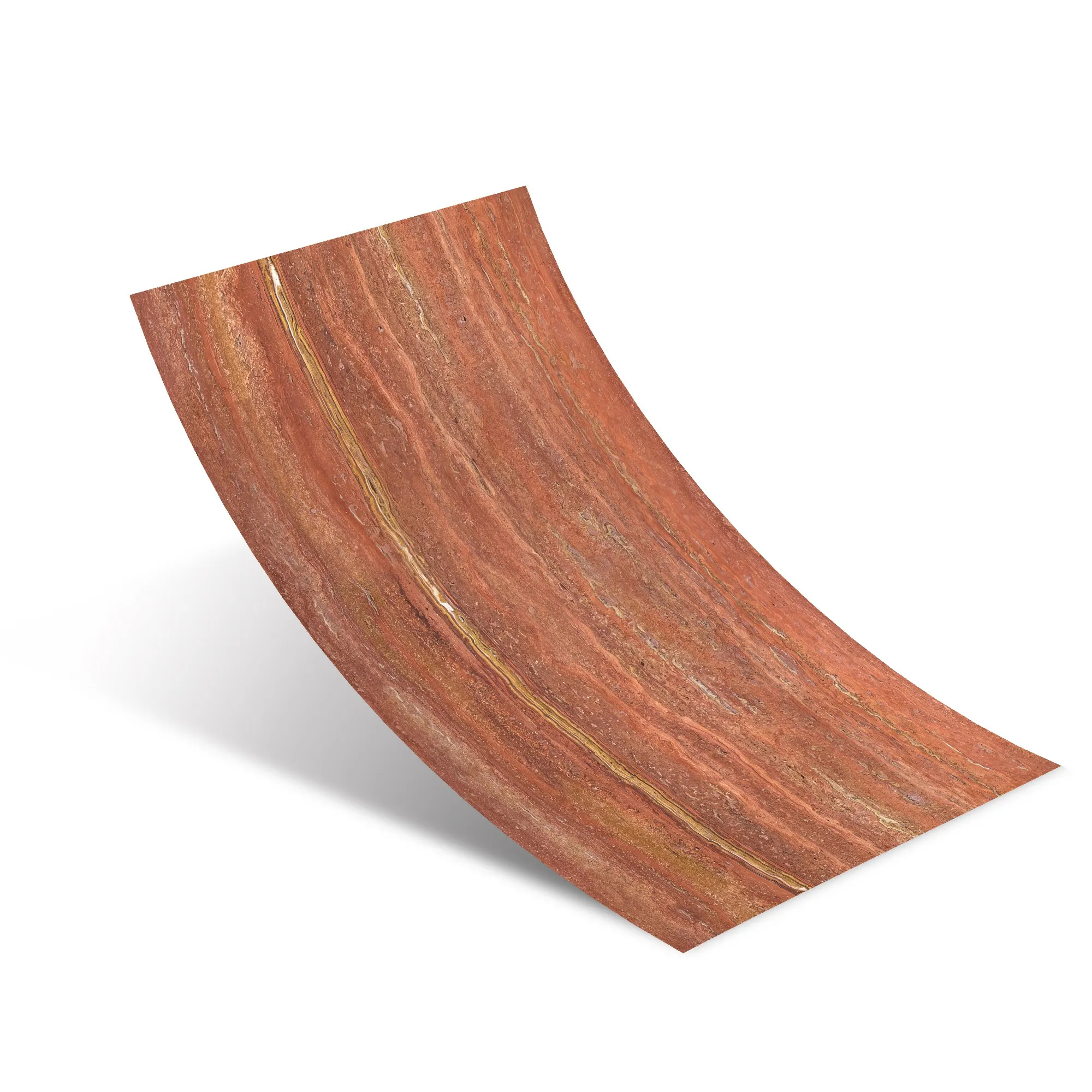
First, let's get to know the newer player in the ring: Starry Red Travertine MCM. MCM, short for Modified Composite Material, is a revolutionary category of building materials designed to mimic the look of natural stone, wood, or concrete—without the drawbacks of their natural counterparts. Starry Red Travertine MCM is part of the MCM flexible stone series, a line celebrated for its lightweight composition, flexibility, and exceptional durability.
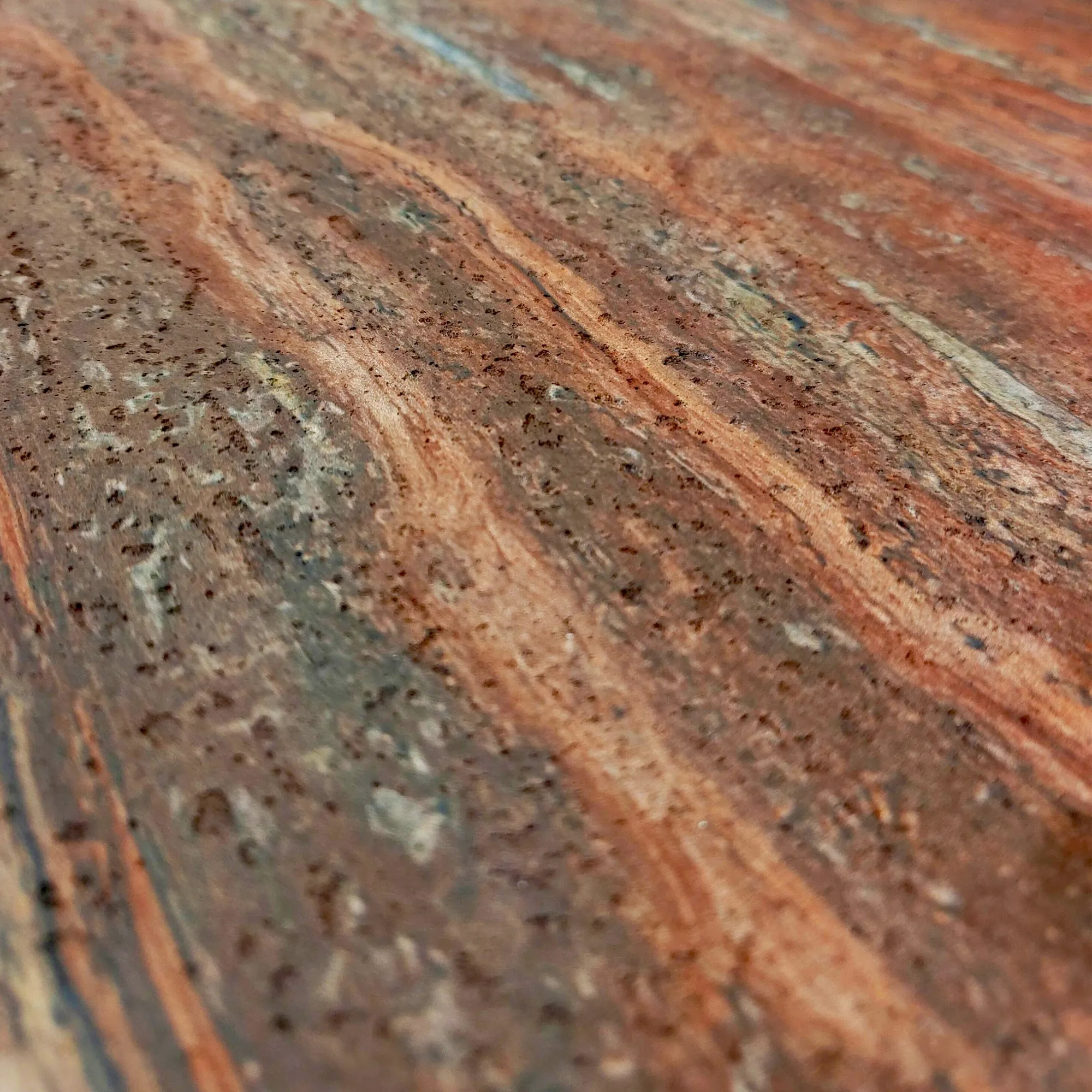
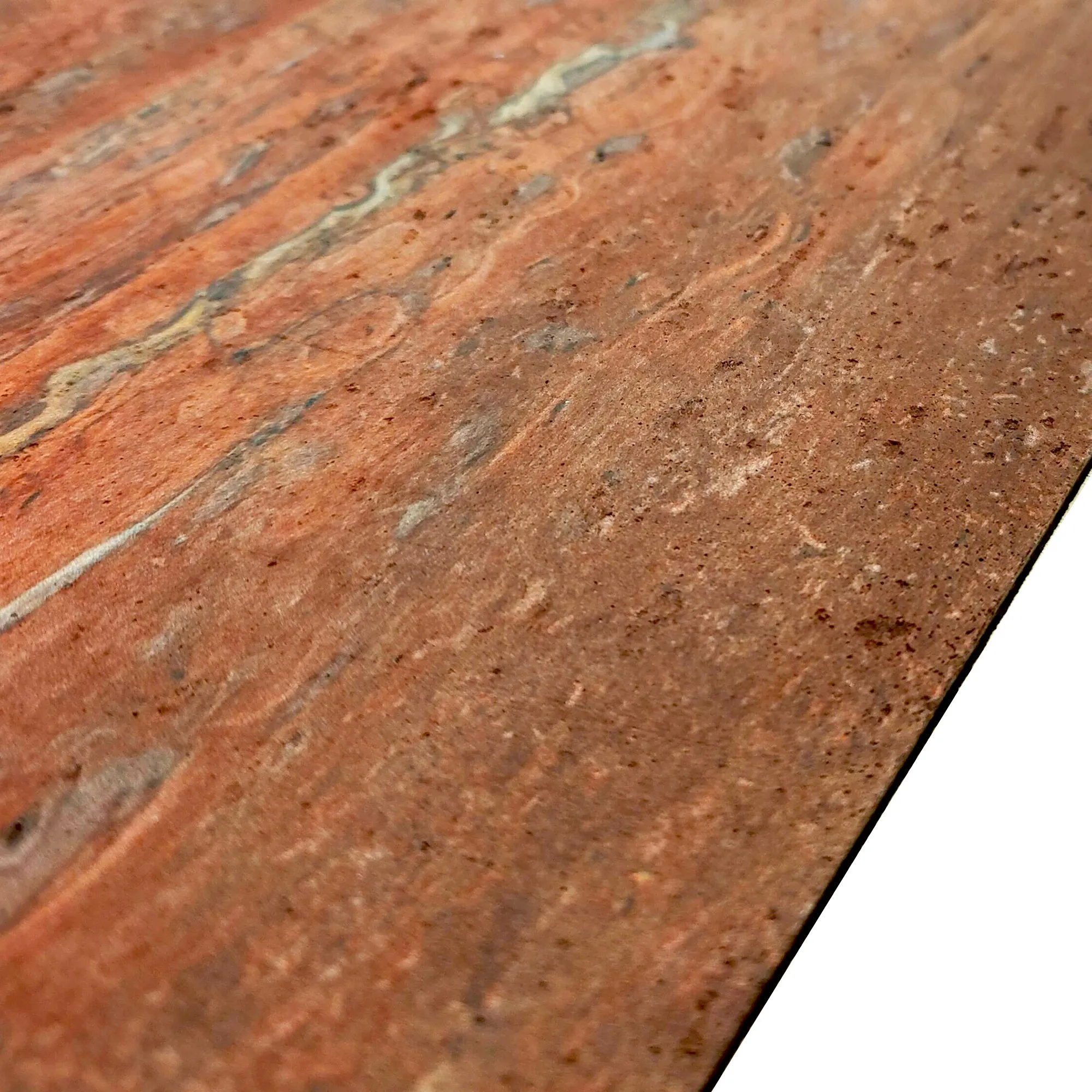
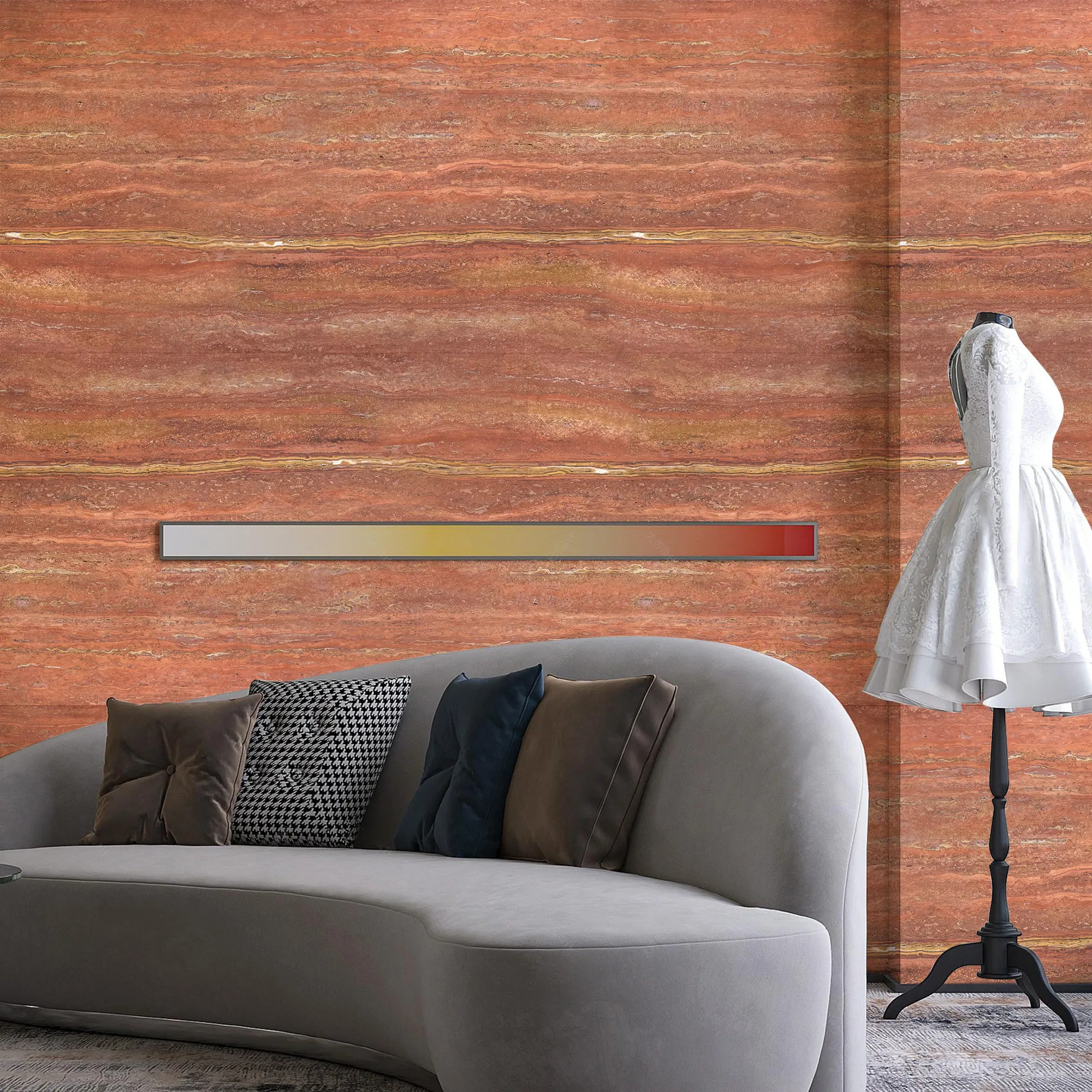
At first glance, you might mistake it for natural travertine. Its surface boasts the same organic veining and depth, with a rich "starry red" pattern that shimmers like scattered embers—hence the name. But beneath that natural stone aesthetic lies a high-tech core: a blend of mineral aggregates, polymers, and reinforcing fibers. This combination gives it two key advantages over natural stone: flexibility and lightness. Unlike heavy natural travertine slabs, which can strain building structures, Starry Red Travertine MCM weighs in at just 3-5 kg per square meter, making installation easier and reducing structural load. And that flexibility? It allows the material to bend slightly without breaking, a game-changer for withstanding impacts and temperature shifts.
But what truly sets MCM flexible stone apart is its engineered durability. Manufacturers design it to resist moisture, UV rays, and daily wear, making it suitable for both interior and exterior use. Whether it's cladding a high-rise facade, accenting a kitchen backsplash, or wrapping a commercial lobby, Starry Red Travertine MCM aims to deliver the beauty of natural stone with the reliability of modern technology.
Now, let's turn to the veteran: traditional plaster. For centuries, plaster has been a staple in construction, valued for its versatility, affordability, and ease of application. Made from a simple mix of lime, sand, water, and sometimes cement (for added strength), it's applied as a wet paste that dries to form a hard, smooth surface. Plaster has graced the walls of ancient temples, medieval castles, and suburban homes alike, and its soft, matte finish has a timeless charm that many still adore.
Traditional plaster comes in two main types: interior and exterior. Interior plaster is often thinner and smoother, used to create seamless walls and ceilings, while exterior plaster (sometimes called stucco) is thicker and more robust, designed to protect against the elements. Its appeal lies in its simplicity—you can apply it directly to brick, wood, or metal lath, and it adheres well to most surfaces. It's also highly customizable: you can texture it, paint it, or even add pigments for color. For decades, it's been the go-to for homeowners and builders looking for a cost-effective, classic finish.
But for all its history, traditional plaster has limitations. Its Achilles' heel? Vulnerability to moisture, impact, and time. Let's break down how these weaknesses play out in real-world scenarios.
To truly understand which material stands the test of time, we need to compare them across key durability metrics. Let's evaluate how Starry Red Travertine MCM and traditional plaster perform in the conditions they'll face daily—from rain and sun to bumps and temperature swings.
Exterior walls take the brunt of Mother Nature's mood swings: driving rain, heavy snow, and humid air. How do our two materials hold up?
Traditional plaster, especially older lime-based formulas, is porous by nature. It absorbs water like a sponge, which sounds harmless until that moisture seeps in. Over time, trapped water can freeze in cold climates, expanding and cracking the plaster from the inside out. In humid regions, that moisture can also breed mold or mildew, leaving unsightly stains and compromising indoor air quality. Even modern cement-based stucco, which is more water-resistant, can develop hairline cracks over time, creating pathways for water to penetrate. Once water gets behind the plaster, it can damage the underlying structure—wood rot, metal corrosion, or insulation degradation—turning a small crack into a costly repair.
Starry Red Travertine MCM, on the other hand, is engineered to repel water. Its polymer matrix creates a barrier that resists moisture absorption, preventing water from seeping into the material or behind it. Even in heavy rain or high humidity, the surface stays dry, reducing the risk of mold, mildew, or structural damage. This water resistance also makes it ideal for coastal areas, where salt spray can eat away at traditional plaster, or regions with frequent rainfall, where plaster might require annual sealing to stay protected.
Walls don't just face weather—they face daily life. A stray soccer ball, a moving dolly, a careless elbow—these small impacts can leave big marks. Let's see how each material reacts.
Traditional plaster is brittle. Once it dries, it hardens into a rigid layer that doesn't bend. A moderate impact—a child's toy hitting the wall, for example—can chip off a chunk or create a deep crack. Even minor bumps can leave dents, especially in thinner interior plaster. Repairing these damages isn't always easy: you'll need to patch the area, sand it smooth, and repaint, which can disrupt the wall's uniform look if not done carefully.
Starry Red Travertine MCM, thanks to its flexible core, is far more forgiving. Its polymer fibers allow it to absorb minor impacts without cracking or chipping. Imagine a ladder leaning against an MCM-clad wall—instead of leaving a dent, the material might flex slightly and spring back. For high-traffic areas like hallways, commercial lobbies, or kids' rooms, this resilience is a huge advantage. It means fewer repairs, less maintenance, and a surface that stays looking fresh even after years of use.
Sunlight is a silent enemy of building materials. Over time, UV rays break down pigments and weaken chemical bonds, leading to fading, discoloration, or chalking (a powdery residue that rubs off). How do our two contenders fare?
Traditional plaster, especially when painted, is prone to UV damage. Exterior plaster walls often fade within 5-7 years, turning vibrant reds into pinks or deep blues into pastels. Lighter colors fare slightly better, but even they can lose their brightness. To combat this, homeowners and builders repaint plaster every 3-5 years—a costly and time-consuming process. Unpainted lime plaster fares even worse, as UV rays break down its surface, leading to a chalky texture that erodes over time.
Starry Red Travertine MCM is formulated with UV inhibitors that lock in color. Its pigments are integrated into the material during manufacturing, not just applied as a topcoat, so fading is minimal even after decades of sun exposure. That "starry red" hue? It stays bold and vivid, without the need for repainting. This is a huge plus for exterior applications, where sunlight exposure is constant, and for homeowners who want a low-maintenance facade that retains its curb appeal year after year.
Every material expands in heat and contracts in cold—it's basic physics. The problem arises when a material can't handle these shifts, leading to cracks, warping, or delamination. Let's see how plaster and MCM stack up.
Traditional plaster is rigid, which makes it vulnerable to thermal stress. On a hot summer day, a plaster wall absorbs heat and expands; on a cold night, it cools and contracts. Over time, this repeated cycle creates stress at the edges and seams, leading to hairline cracks (and eventually larger ones). In regions with extreme temperature swings—think deserts or northern climates—this process accelerates. Even interior plaster can crack if a room's temperature fluctuates drastically, such as near a fireplace or air vent.
Starry Red Travertine MCM's flexibility is its secret weapon here. Its composite structure allows it to expand and contract with temperature changes without cracking. Imagine a rubber band stretching and returning to shape—that's essentially what MCM does on a micro level. This flexibility makes it ideal for climates with extreme weather, from scorching deserts to freezing winters. It also reduces the risk of delamination (where the material peels away from the wall), a common issue with rigid materials that can't adapt to thermal shifts.
Durability isn't just about resisting damage—it's about how little effort you need to put in to keep a material looking good. Let's compare lifespans and maintenance needs.
Traditional plaster has a lifespan that varies widely depending on climate and maintenance. Exterior plaster, exposed to the elements, typically lasts 10-15 years before needing major repairs or replacement. Interior plaster can last longer—20-30 years—but it still requires regular upkeep: patching cracks, repainting, and sealing. In humid areas, you might also need to treat mold or mildew. Over time, these maintenance costs add up, making plaster a more expensive choice in the long run than its low upfront cost suggests.
Starry Red Travertine MCM, by contrast, is designed for the long haul. Most manufacturers warranty it for 20-30 years, and in real-world conditions, it often lasts even longer. Its low-maintenance nature is a key selling point: a simple wash with soap and water is usually enough to keep it clean. It resists stains, so spills wipe away easily, and it doesn't require painting, sealing, or patching. For busy homeowners or commercial property managers, this translates to lower long-term costs and less time spent on upkeep.
| Durability Factor | Starry Red Travertine MCM | Traditional Plaster |
|---|---|---|
| Weather Resistance | Highly water-resistant; resists mold, mildew, and freeze-thaw damage | Porous; absorbs moisture, leading to cracking, peeling, or efflorescence |
| Impact Resistance | Flexible core absorbs minor impacts without cracking or chipping | Brittle; prone to chips, dents, and cracks from moderate impacts |
| UV Stability | UV inhibitors prevent fading; retains color for 20+ years | Fades within 5-7 years; requires repainting every 3-5 years |
| Thermal Expansion/Contraction | Flexible; adapts to temperature shifts without cracking | Rigid; prone to cracking from repeated expansion/contraction |
| Longevity | 20-30+ years with minimal maintenance | 10-15 years (exterior); 20-30 years (interior) with regular upkeep |
| Maintenance Needs | Low; occasional cleaning with soap and water | High; patching cracks, repainting, sealing, and mold treatment |
Numbers and specs tell part of the story, but real-world examples bring durability to life. Let's look at two projects—one using Starry Red Travertine MCM and one using traditional plaster—to see how they've held up over time.
In 2018, a 10-story office building in Phoenix, Arizona—a city known for scorching summers (temperatures up to 120°F) and monsoon rains—clad its exterior with Starry Red Travertine MCM. Six years later, a follow-up inspection showed remarkable results: the panels showed no signs of fading, cracking, or water damage. Even on the south-facing facade, which gets the most sun, the "starry red" color remained vibrant. A few minor scratches from maintenance equipment were barely visible, and there was no evidence of mold or mildew, despite the humid monsoon season. The building manager reported zero maintenance costs related to the cladding, aside from annual pressure washing.
A 2,500 sq. ft. home in Portland, Oregon—known for rainy, humid winters and mild summers—was built in 2018 with traditional exterior plaster. By 2021, the homeowners noticed peeling paint and small cracks on the north-facing wall, which stays damp for much of the year. By 2023, the cracks had widened, and mold had started to grow in the corners. The homeowners repainted the exterior in 2022 (costing $4,500) and again in 2024 (another $5,000), and they're now considering re-stuccoing the north wall at an estimated cost of $12,000. Inside, the living room plaster developed hairline cracks near the windows due to temperature fluctuations, requiring patching and repainting.
These examples highlight a clear trend: while traditional plaster may start with a lower upfront cost, its long-term maintenance and repair expenses can quickly surpass the investment in a durable material like Starry Red Travertine MCM.
To be fair, traditional plaster isn't obsolete. There are scenarios where it still shines. For historic restorations, where authenticity is paramount, plaster may be required to maintain a building's architectural integrity. Its soft, hand-applied texture can't be replicated by modern materials, and in such cases, the trade-off for durability is worth preserving heritage. Plaster is also a good fit for interior walls in low-traffic areas—think bedrooms or formal dining rooms—where impacts and moisture are minimal. And for homeowners on a tight budget, plaster's low upfront cost (around $3-5 per square foot, vs. $8-12 per square foot for MCM) may be appealing, even if it means higher maintenance later.
When it comes to durability, Starry Red Travertine MCM and traditional plaster occupy two different worlds. Traditional plaster, with its centuries of history, offers charm and affordability but falls short in the face of weather, impacts, and time. It requires constant care to stay looking its best, and its lifespan is limited compared to modern alternatives.
Starry Red Travertine MCM, by contrast, represents the future of building materials: beauty without sacrifice. Its engineered composition delivers the look of natural stone with the flexibility, lightness, and durability that modern construction demands. From resisting rain and UV rays to absorbing impacts and adapting to temperature shifts, it's designed to last—reducing maintenance, lowering long-term costs, and keeping your space looking stunning for decades.
At the end of the day, the choice between them depends on your priorities. If you value tradition and upfront savings over long-term performance, plaster may still work. But if you want a material that stands up to the elements, handles daily life, and requires minimal upkeep, Starry Red Travertine MCM is the clear winner. After all, a building isn't just a structure—it's an investment. And when it comes to durability, investing in quality today means enjoying peace of mind tomorrow.
Recommend Products











