

When it comes to building or renovating a space, the exterior material you choose does more than just protect walls—it tells a story. It's the first impression visitors get, the backdrop to daily life, and a reflection of the care (or compromise) put into the project. Today, we're diving into two popular contenders in the world of exterior cladding: travertine (starry red) from the MCM project board series, and the ever-common vinyl siding. One is a modern take on natural luxury, the other a budget-friendly staple. Let's break down how they stack up, not just on paper, but in how they make us feel—and perform—over time.
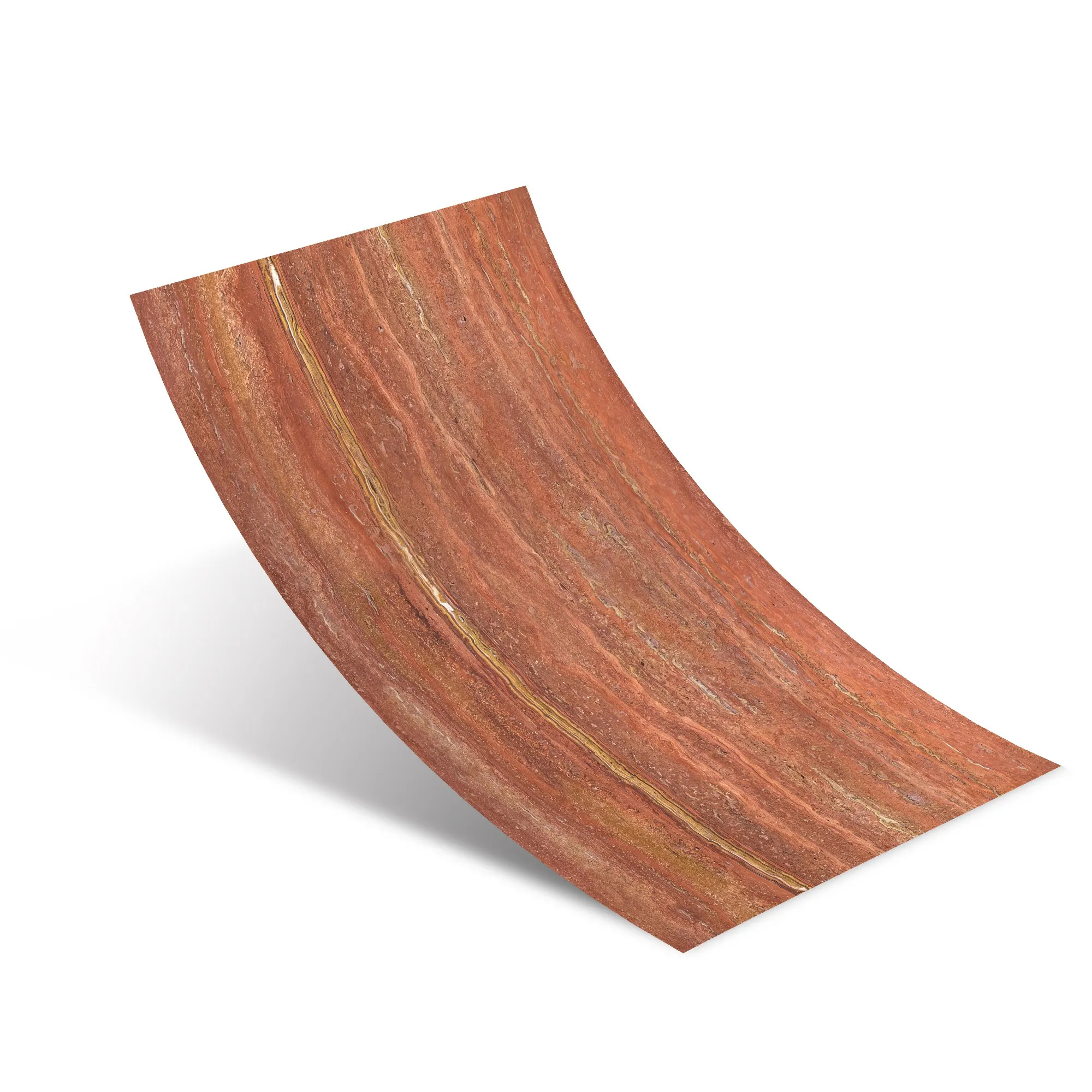
If you've ever walked through a historic European village and paused to run your hand over sun-warmed stone walls, you know the magic of natural travertine. Its porous surface, soft veining, and earthy hues feel alive, like the stone itself has a memory. Now, imagine that same warmth and texture, but reimagined for the demands of modern architecture—that's travertine (starry red) MCM.
Part of the broader MCM project board series , this material isn't just a slab of stone. MCM, or Metal Composite Material, sandwiches a thin layer of real travertine (in this case, infused with a "starry" pattern of subtle metallic flecks that catch the light) between durable aluminum panels. The result? A cladding option that's lightweight, flexible, and built to last—without sacrificing the depth and character of natural stone.
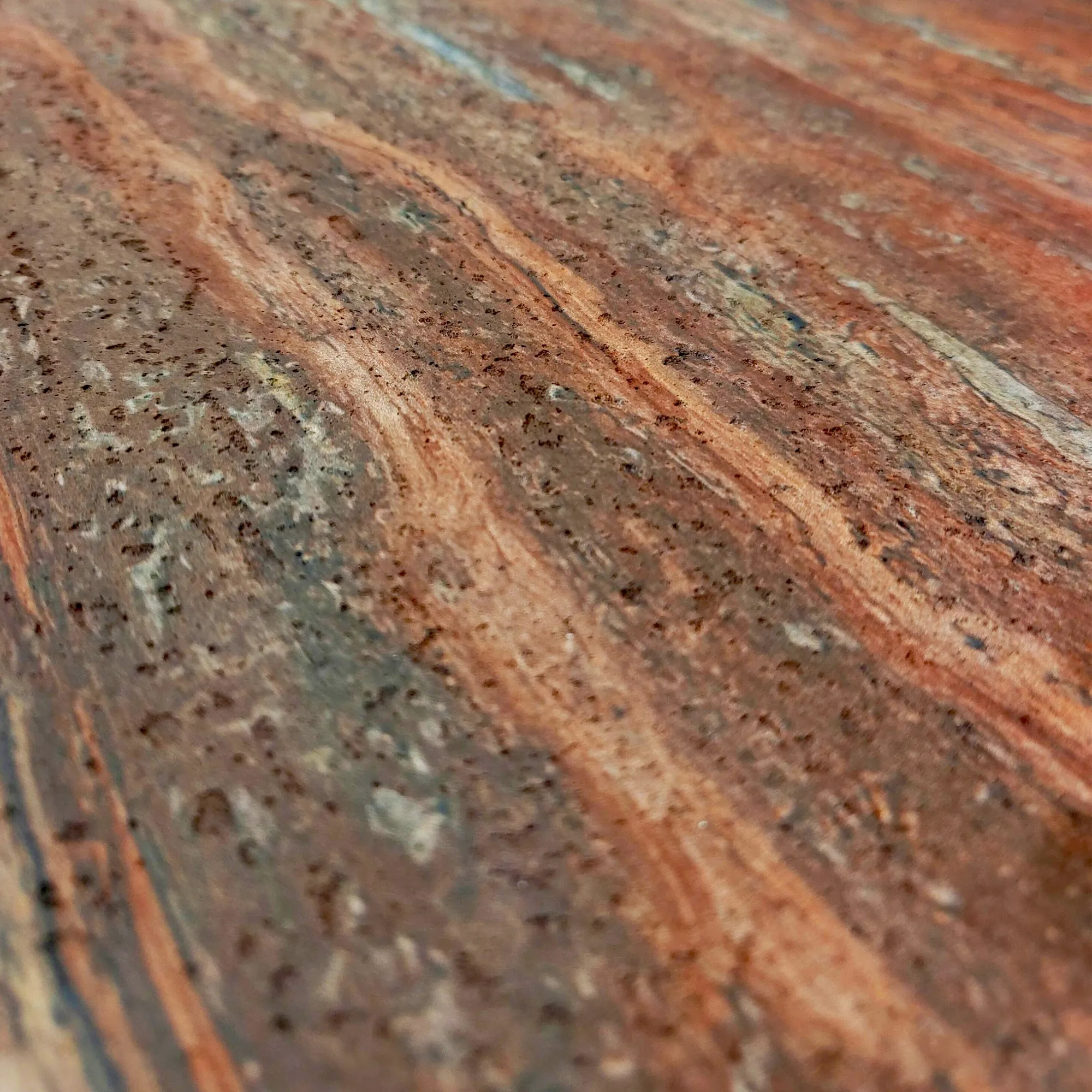
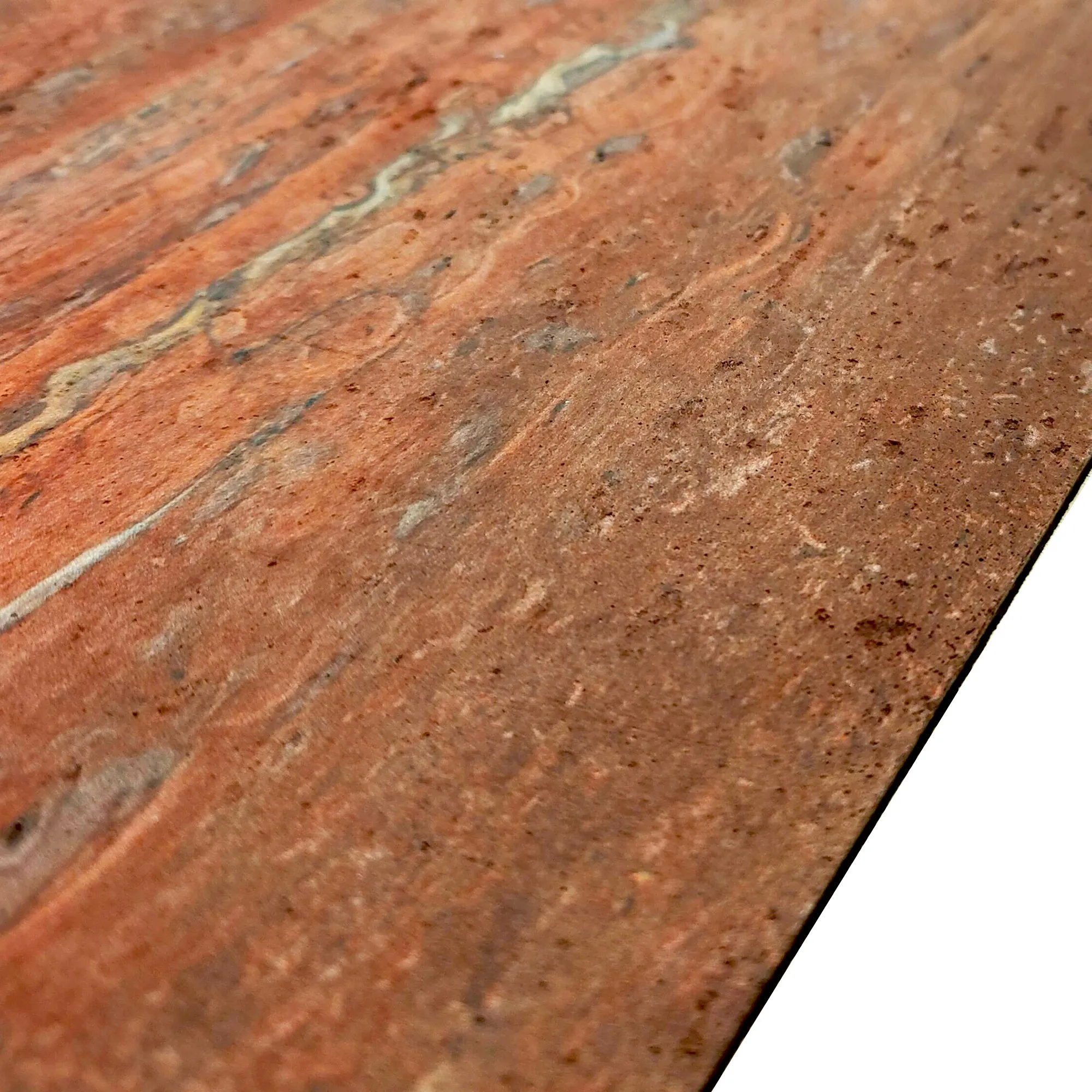
Starry Red Travertine MCM isn't just red, either. The base color is a rich, terracotta-inspired hue, reminiscent of desert sunsets or aged brick, but the "starry" element adds dimension: tiny, iridescent particles that shift from gold to copper depending on the light. Run your hand over it, and you'll feel the slight roughness of the travertine's natural pores, a tactile contrast to the smoothness of synthetic materials. It's the kind of detail that makes a building feel less like a structure and more like a piece of art.
Vinyl siding, on the other hand, needs no introduction. Walk through most suburban neighborhoods in North America, and you'll see it everywhere: crisp, uniform panels in shades of beige, gray, or white, stretching across homes like a second skin. It's the poster child for "no-fuss" exterior design—affordable, easy to install, and available in a rainbow of colors (though, let's be honest, most stick to neutrals).
Made from polyvinyl chloride (PVC) resin, vinyl siding is designed to be low-maintenance. It resists rot, doesn't need painting, and comes in styles that mimic wood, stone, or even brick—at a fraction of the cost. For homeowners on a tight budget or builders prioritizing speed, it's a go-to. But here's the catch: that "mimicry" often stops at the surface. Up close, vinyl lacks the depth of real materials; its colors can feel flat, and its textures (like "wood grain" or "stone") often read as plastic-y, more like a sticker than a substance with history.
Let's start with the obvious: how do these materials make a building look? After all, the exterior is the first thing people notice, and beauty isn't just skin-deep—it's about emotion.
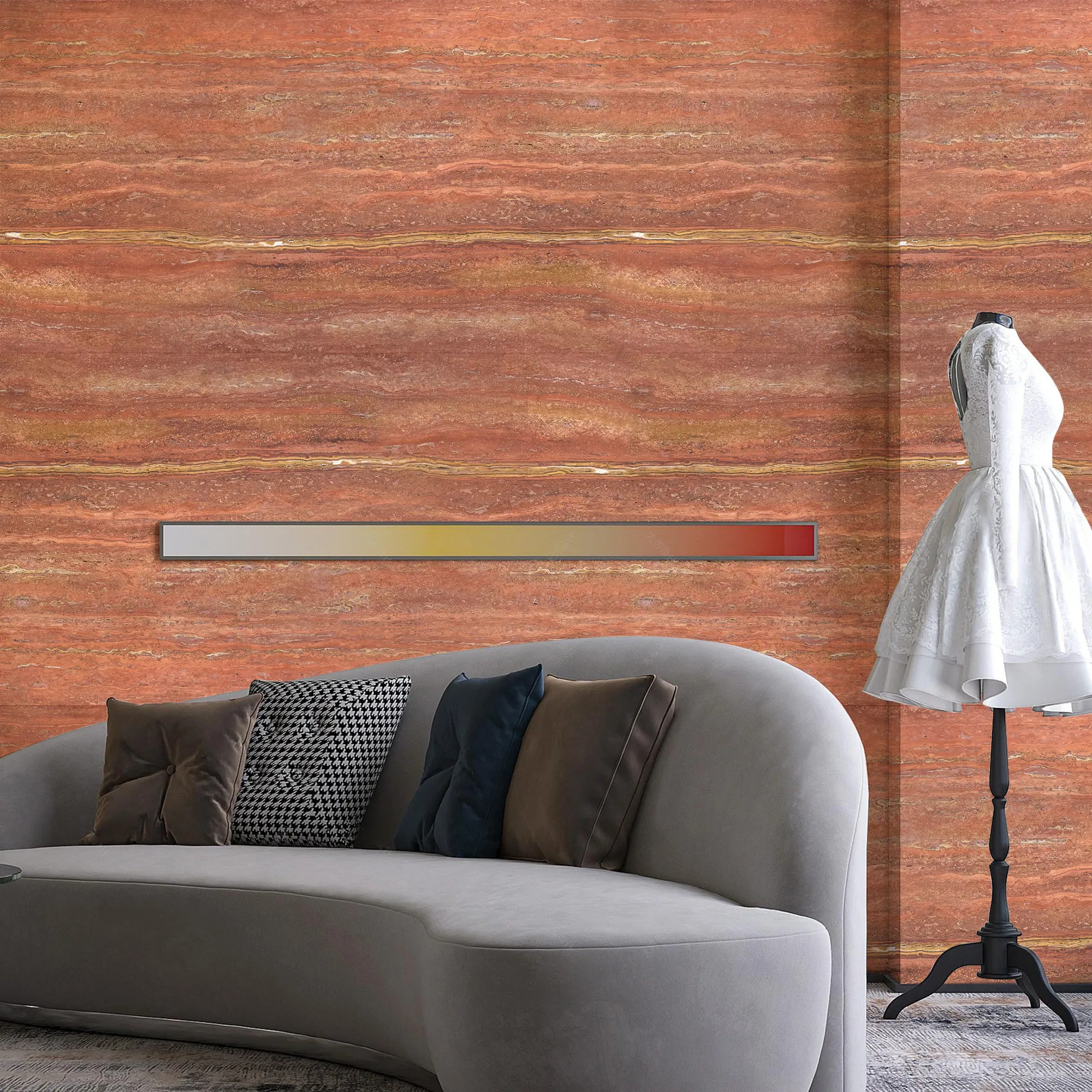
Starry Red Travertine MCM is a head-turner, but not in a flashy way. Its beauty is quiet and intentional. The red base color is warm, not harsh—think of terracotta roof tiles in Tuscany or the soft glow of a campfire. The "starry" flecks add a touch of whimsy: on overcast days, they're subtle, like distant stars peeking through clouds; in direct sunlight, they shimmer, making the facade feel dynamic, like it's breathing with the day.
What really sets it apart, though, is its texture. Unlike smooth vinyl, Starry Red Travertine MCM has variation—no two panels are exactly alike. The natural travertine layer retains the stone's organic veining, tiny pits, and uneven edges, so the facade feels lived-in, like it's been there for decades (even if it's brand new). Compare that to vinyl, which often looks… perfect. Too perfect. Its uniform panels and repeating patterns can feel sterile, like the building is wearing a mask instead of showing its true face.
And let's talk versatility. While Starry Red is a standout, the MCM project board series includes other travertine variants— travertine (starry orange) , travertine (starry blue) —and even options like rust board granite or wood grain board , proving MCM can mimic almost any natural texture with authenticity. Vinyl, by contrast, is limited to printed or embossed patterns that rarely capture the complexity of real materials.
Vinyl siding's biggest aesthetic "pro" is its consistency. If you want every inch of your home to look exactly the same, with no surprises, vinyl delivers. It comes in solid colors (from "almond cream" to "slate gray") and can mimic basic textures, like horizontal wood planks or smooth stone. For modern, minimalist designs where simplicity is key, this can work—think a sleek, all-white home in a city setting.
But here's the downside: that consistency often translates to monotony. Vinyl lacks depth. Its colors are flat, without the subtle undertones you get in natural materials. A "wood grain" vinyl panel might have the shape of wood, but it doesn't have the warmth of real wood's knots or the way light plays on its grain. Similarly, "stone-look" vinyl often looks more like a child's sticker sheet than actual stone—no pits, no variation, just a printed pattern that fades over time.
And let's not forget about fading. Vinyl is prone to color loss, especially in direct sunlight. A "cherry red" vinyl siding might look vibrant on day one, but after a few years, it can turn pink or even orange, making the whole facade look tired. Starry Red Travertine MCM, with its natural stone layer and protective aluminum backing, holds its color better—those starry flecks and warm reds stay vivid, year after year.
Beauty is important, but a facade needs to do more than look good—it needs to protect. Let's pit these two against the worst Mother Nature can throw at them: rain, snow, UV rays, and time.
Starry Red Travertine MCM is built like a tank, but lightweight. The aluminum core makes it resistant to dents, cracks, and rust—even in coastal areas with salt spray. The travertine layer is sealed to prevent water absorption, so you don't have to worry about mold, mildew, or freeze-thaw damage (a common issue with natural stone that isn't properly treated). In fact, MCM panels are often warrantied for 20+ years, and many last longer with minimal upkeep.
Vinyl siding, on the other hand, is a mixed bag. It's resistant to rot and insects (a plus), but it's not impervious. Extreme heat can cause it to warp or melt (think of vinyl siding near a grill or in a heatwave). Cold temperatures can make it brittle, so a stray baseball or hailstorm might crack a panel. And while modern vinyl is more fade-resistant than older versions, it still can't match MCM's longevity—most vinyl siding needs to be replaced every 10–15 years, especially in harsh climates.
Let's talk about upkeep. Vinyl siding is often marketed as "maintenance-free," but that's a stretch. It needs to be washed annually (more if you live in a dusty or humid area) to remove dirt and mildew, which can cling to its textured surface. And if a panel cracks or fades, replacing it can be a hassle—vinyl colors fade over time, so a new panel might not match the old ones, leaving a noticeable "patch."
Starry Red Travertine MCM, by contrast, is low-maintenance. A quick rinse with a hose once a year is usually enough to keep it looking fresh. The aluminum core and sealed travertine layer mean no painting, no sealing, no worrying about cracks or warping. And because the color is inherent to the stone (not a surface coating), it won't fade unevenly. Even if a panel is damaged (a rare occurrence), MCM's lightweight design makes replacement easy—and since the travertine layer is natural, the new panel will blend seamlessly with the old ones.
Starry Red Travertine MCM thrives in extreme conditions. In hot, sunny climates (like the American Southwest), its aluminum core reflects heat, helping to keep interiors cool (a bonus for energy efficiency). In cold, snowy areas, it resists ice dams and freeze-thaw cycles, thanks to its low water absorption. Even in hurricane-prone regions, MCM panels are wind-resistant—their interlocking design and lightweight nature mean they're less likely to tear off in high winds than heavy stone or brittle vinyl.
Vinyl siding can struggle in extremes. In hot weather, it can warp or buckle if not properly installed (or if it's low-quality). In cold weather, as mentioned, it becomes brittle. And while it's water-resistant, it's not waterproof—if water gets behind the panels (through a loose seam or crack), it can rot the sheathing underneath, leading to costly repairs. Vinyl also doesn't insulate as well as MCM, which can drive up heating and cooling bills over time.
These days, "green" building isn't just a trend—it's a responsibility. How do our contenders stack up when it comes to the environment?
MCM has a sustainability edge, and here's why: the travertine layer is thin (often less than 1/8 inch), so it uses far less natural stone than traditional stone cladding. That means less quarrying, less energy spent on mining and transportation, and a smaller carbon footprint. The aluminum core is also recyclable, so at the end of the panel's life, it can be repurposed—no waste ending up in landfills.
Plus, MCM's durability means less frequent replacement. If you install Starry Red Travertine MCM, you might never need to replace it in your lifetime, whereas vinyl siding typically needs to be replaced every 10–15 years. Fewer replacements mean less material consumption, less manufacturing energy, and less waste overall.
Vinyl is made from PVC, a type of plastic derived from petroleum—a non-renewable resource. Its manufacturing process releases toxic chemicals (like dioxins), and once it's installed, it doesn't biodegrade. When vinyl siding reaches the end of its life, most of it ends up in landfills, where it can take centuries to break down (and even then, it releases microplastics). While some vinyl is recyclable, the reality is that most isn't—recycling facilities often don't accept it, or it's cheaper to produce new vinyl than to recycle old.
There's also the energy factor. Vinyl siding's poor insulation means homes often need more heating and cooling, driving up carbon emissions. Starry Red Travertine MCM, with its aluminum core and natural stone layer, provides better thermal mass, helping to regulate indoor temperatures and reduce energy use.
Let's talk numbers. Vinyl siding is cheaper upfront—no question. Materials cost $2–$7 per square foot, and installation is quick (so labor costs are lower). For a 2,000-square-foot home, you might pay $4,000–$14,000 total. Starry Red Travertine MCM, by contrast, costs more upfront: materials are $8–$15 per square foot, and installation is more specialized (so labor is pricier). Total cost could be $16,000–$30,000 for the same home.
But here's the thing: cost isn't just about the initial price tag. It's about value over time. Vinyl siding needs replacement every 10–15 years, so over 30 years, you might pay for two or three installations. MCM, with a 50+ year lifespan, might only need one. Factor in maintenance (vinyl's annual washing, occasional repairs; MCM's "set it and forget it" approach) and energy savings (MCM's better insulation), and the long-term cost gap narrows—even flips in MCM's favor.
And let's not forget resale value. Homes with high-quality exteriors (like Starry Red Travertine MCM) often sell for more than those with vinyl siding. Buyers notice the difference—they're drawn to the warmth and uniqueness of natural materials, and they're willing to pay for durability. Vinyl, while functional, rarely adds "wow" factor to a home's resale price.
| Feature | Starry Red Travertine MCM | Vinyl Siding |
|---|---|---|
| Aesthetics | Warm, unique red with starry metallic flecks; natural travertine texture; variation between panels. | Flat, uniform colors; printed/textured patterns (often look artificial); consistent, repetitive panels. |
| Durability | 50+ year lifespan; resistant to dents, rust, UV fade, and extreme weather. | 10–15 year lifespan; prone to warping (heat), brittleness (cold), and color fade. |
| Maintenance | Low: annual hose rinse; no painting, sealing, or repairs needed. | Moderate: annual washing; occasional panel replacement (hard to match faded colors). |
| Sustainability | Recyclable aluminum core; minimal stone usage; long lifespan reduces waste. | PVC-based (non-renewable); non-biodegradable; frequent replacement increases waste. |
| Cost (2,000 sq ft home) | $16,000–$30,000 upfront; minimal long-term costs. | $4,000–$14,000 upfront; replacement every 10–15 years adds long-term costs. |
| Best For | Luxury homes, boutique commercial spaces, historic renovations, or anyone wanting a unique, durable facade. | Budget-friendly projects, quick flips, or modern minimalist designs where cost and speed are priorities. |
It depends on what matters most to you. If you're on a tight budget and need a quick, no-frills solution, vinyl siding works. It's functional, and with careful color choice, it can look decent. But if you want a facade that makes people stop and say, "Wow, that's beautiful," that ages gracefully, and that you can feel proud of for decades—Starry Red Travertine MCM is worth the investment.
Think of it this way: your home or building is more than just a structure. It's a legacy. It's where memories are made, where businesses thrive, where communities gather. Why cover it in something that's "good enough" when you can clothe it in something that's extraordinary ?
Starry Red Travertine MCM isn't just a material—it's a story. It's the warmth of natural stone, the innovation of modern engineering, and the promise of a sustainable future, all wrapped into one. Vinyl siding? It's a chapter, but it's not the whole book.
At the end of the day, the choice between Starry Red Travertine MCM and vinyl siding is about more than aesthetics or cost—it's about value. Value in how your space makes you feel every time you come home. Value in knowing you've chosen a material that respects the planet. Value in a facade that will still look stunning 50 years from now, telling new stories to new generations.
Vinyl siding is a tool; Starry Red Travertine MCM is a treasure. And treasures, as they say, are worth the wait—and the investment.
*Note: The MCM project board series includes a wide range of other materials, from fair-faced concrete to wood grain board , ensuring there's an option for every design vision.*
Recommend Products











