
In a world where "sustainability" has shifted from a buzzword to a critical necessity, the construction industry is undergoing a quiet revolution. Builders, architects, and homeowners alike are no longer just chasing aesthetics or cost—they're asking: What impact does this material have on our planet? Enter bamboo mat board, a material that's been turning heads not just for its warm, natural appeal, but for its ability to align with the goals of green construction. If you're curious about how this humble material is making waves in sustainable building, let's dive in. We'll explore its eco-friendly benefits, how it stacks up against other popular materials, and why it might just be the future of responsible building.
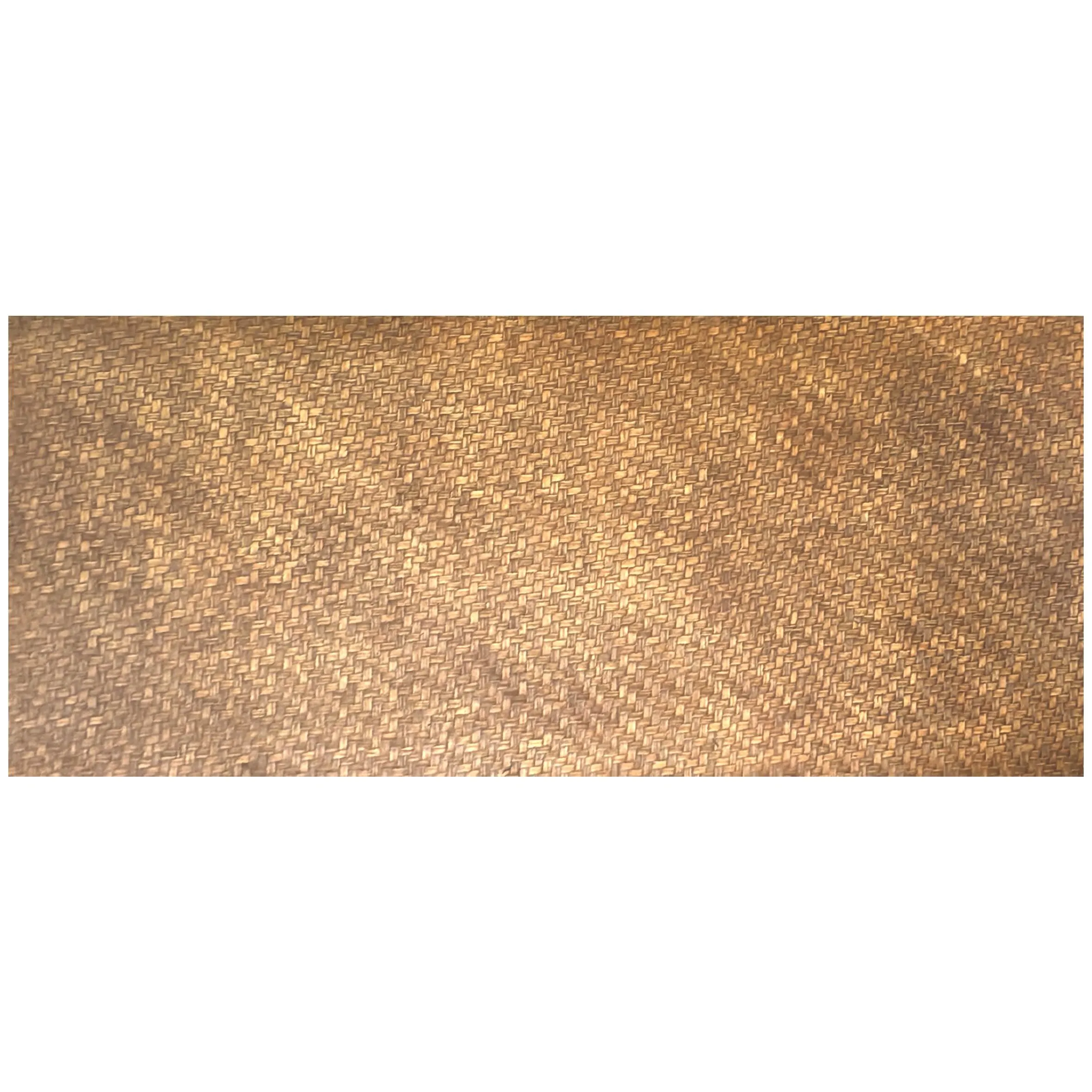
First things first: Let's clear up any confusion. Bamboo mat board isn't your average plywood or particleboard. It's a engineered material made from bamboo strips, which are woven into mats and bonded together with eco-friendly adhesives. Think of it as nature's version of a composite board—strong, flexible, and rooted in sustainability. Bamboo, as a resource, is already a rockstar: it grows up to 3 feet per day, requires no pesticides, and regenerates from its roots after harvesting, meaning no need to replant. When transformed into mat board, it retains that natural strength while becoming a versatile building material that can mimic the look of wood (hello, warm textures!) or stand out with its unique woven pattern.
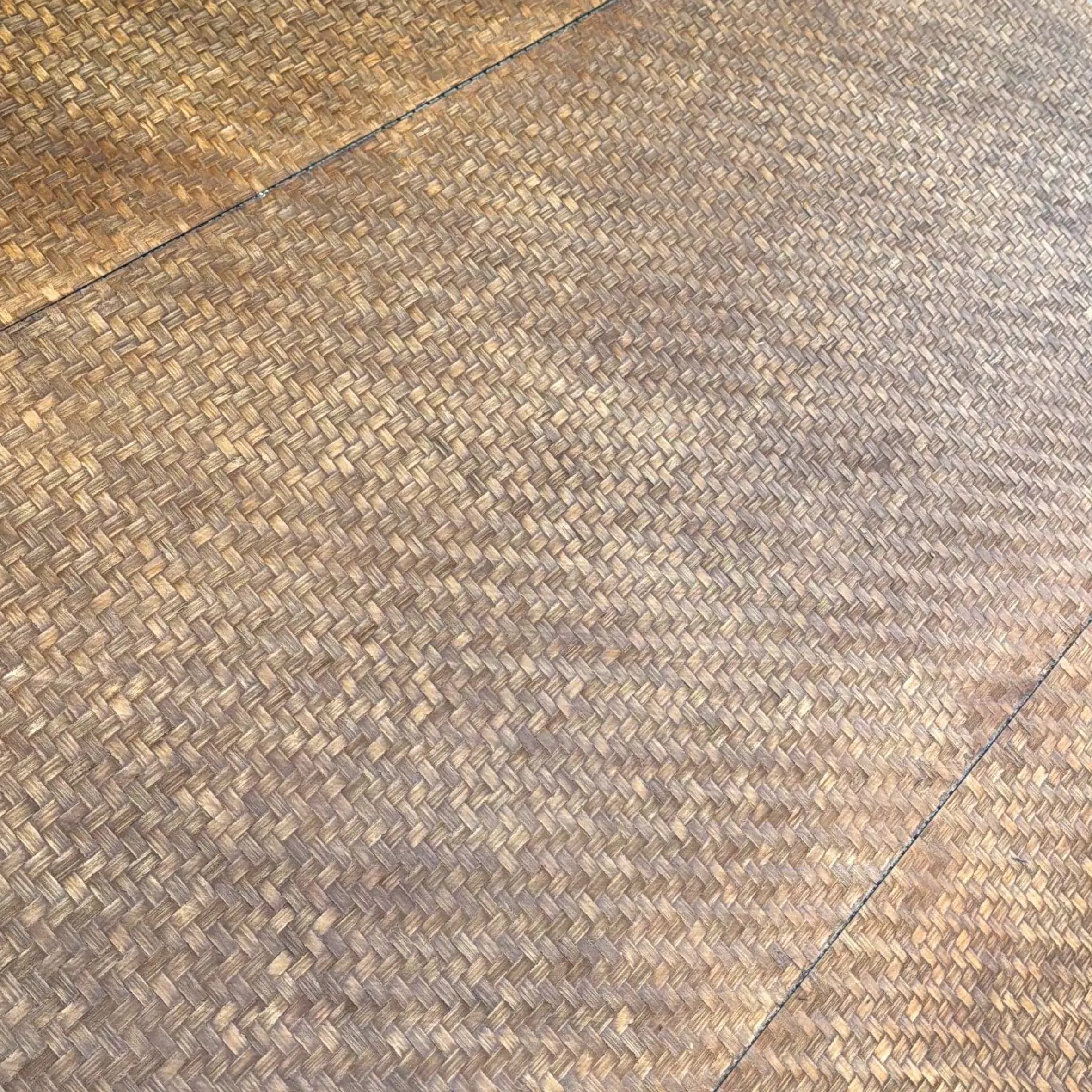
Let's break down the eco-credentials that make bamboo mat board a favorite among green builders. For starters, bamboo is one of the fastest-renewable resources on the planet. Unlike hardwood trees, which take 20–30 years to mature, bamboo reaches harvestable size in just 3–5 years. That rapid growth means it can be harvested sustainably without depleting forests. But it's not just about speed—bamboo also acts as a carbon sink. A single bamboo plant absorbs up to 12 tons of CO2 over its lifetime and releases 35% more oxygen than an equivalent stand of trees. When you choose bamboo mat board, you're essentially supporting a material that helps fight climate change, not contribute to it.
Then there's the manufacturing process. Traditional wood-based boards often rely on formaldehyde-based adhesives, which off-gas harmful chemicals (hello, VOCs) into indoor air. Bamboo mat board, however, is typically bonded with water-based or plant-derived adhesives, making it a low-VOC option. This isn't just better for the planet—it's better for your health, too. Imagine walking into a home or office built with materials that don't make you sneeze or trigger allergies. That's the promise of bamboo mat board.
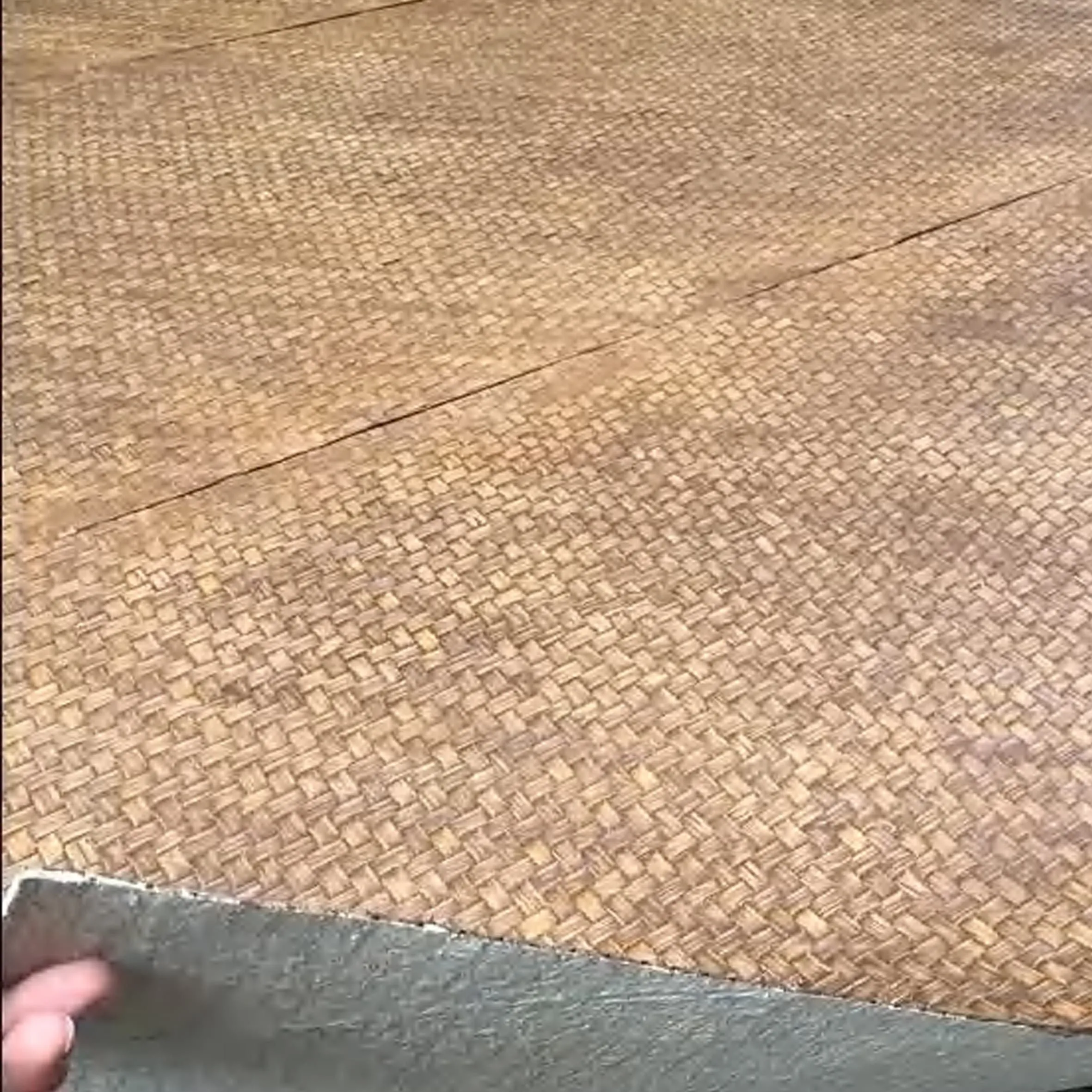
You might be thinking: Okay, it's sustainable, but is it tough enough? Great question. Sustainability means nothing if a material falls apart after a few years., bamboo mat board is surprisingly durable. Bamboo itself has a tensile strength higher than many hardwoods (yes, even oak!), thanks to its dense fiber structure. When woven into mats and pressed, the board becomes resistant to warping, cracking, and moisture—common issues with solid wood or even wood grain board. This durability translates to longevity: a bamboo mat board installation can last decades with minimal maintenance, reducing the need for frequent replacements (and thus, less waste over time).
Think about high-traffic areas like commercial lobbies or busy family homes. Scratches, spills, and daily wear are inevitable. Bamboo mat board holds up to all of that, and because it's naturally resistant to pests (bamboo contains a substance called "bamboo kun" that repels insects), you won't need to douse it in toxic pesticides. It's a win-win: tough enough for real life, gentle enough for the planet.
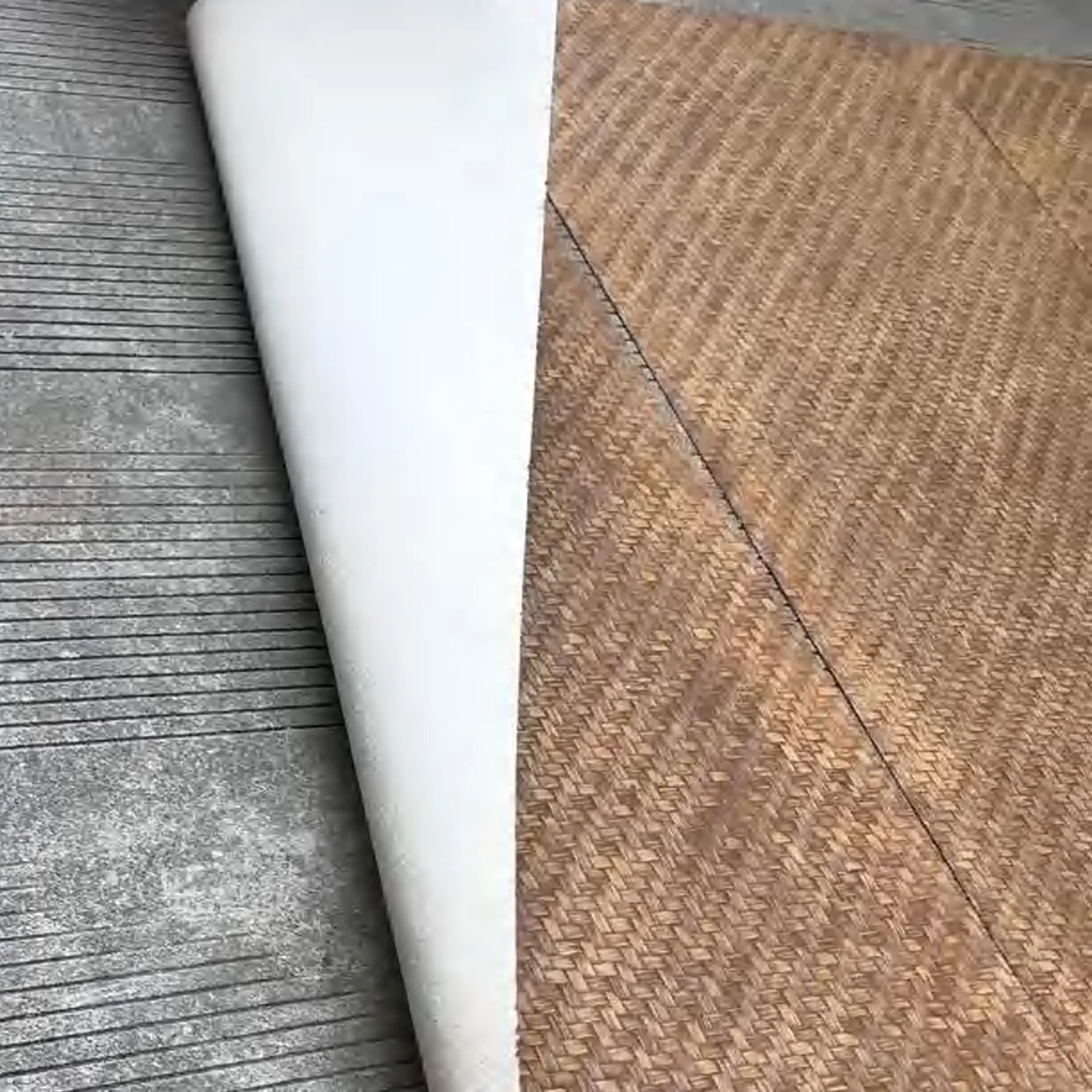
Bamboo mat board isn't a one-trick pony. Its versatility makes it suitable for a range of applications in green building. Let's start with walls—both interior and exterior. Its natural texture adds warmth to living rooms or offices, while its moisture resistance makes it a solid choice for bathrooms or kitchens. Flooring is another big one: imagine a hardwood-like finish without the guilt of cutting down slow-growing trees. Bamboo mat board floors are soft underfoot, easy to clean, and can even be refinished if they start to show wear, extending their lifespan further.
But it doesn't stop there. Architects are using it for ceilings, cabinetry, and even furniture. Some forward-thinking builders are pairing it with other green materials like mcm flexible stone (a lightweight, eco-friendly cladding option) to create facades that are both striking and sustainable. Picture a modern home with a bamboo mat board accent wall and mcm flexible stone exterior—proof that green building can be beautiful, too.
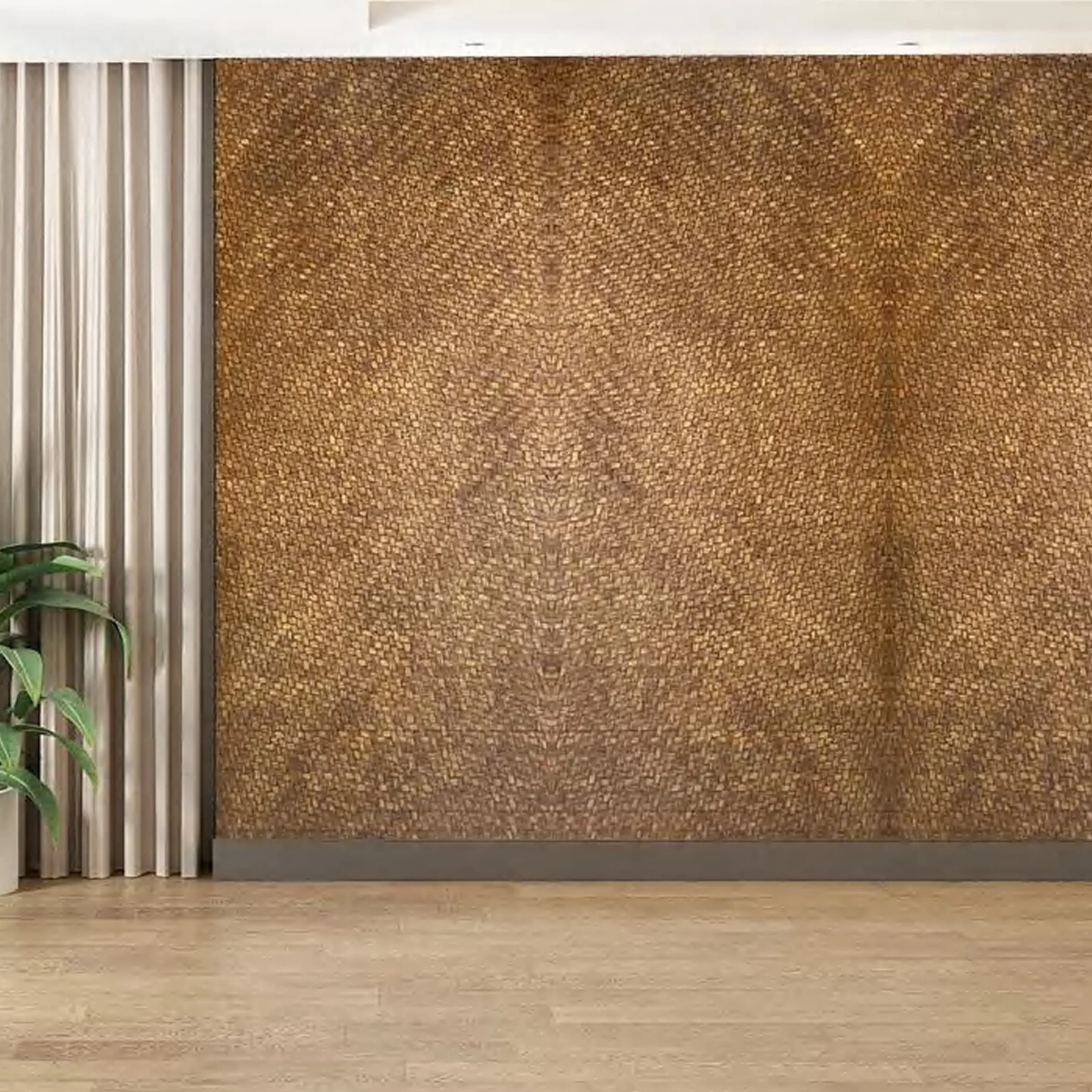
Talk is cheap—let's see how bamboo mat board stacks up against other common building materials. We'll focus on sustainability, durability, and practicality, because at the end of the day, you need a material that works for you , not just the planet.
| Material | Sustainability Score (1-5) | Durability | Installation Ease | Best For |
|---|---|---|---|---|
| Bamboo Mat Board | 5/5 – Fast-renewable, low-VOC, carbon-negative | High – Resists moisture, pests, and warping | Easy – Lightweight, cuts with standard tools | Floors, walls, furniture, eco-homes |
| Wood Grain Board | 3/5 – Made from trees (slower growth), may use VOC adhesives | Medium – Prone to warping in humidity | Moderate – Heavier, may splinter | Budget-friendly interior decor |
| Fair-Faced Concrete | 2/5 – High carbon footprint in production | Very High – Extremely durable but inflexible | Challenging – Requires skilled labor, heavy | Industrial aesthetics, structural elements |
| MCM Flexible Stone | 4/5 – Lightweight (reduces transport emissions), recyclable | High – Resistant to weathering | Easy – Flexible, can conform to curves | Exterior cladding, accent walls |
As you can see, bamboo mat board leads the pack in sustainability, while holding its own in durability and ease of installation. It's not that materials like fair-faced concrete or mcm flexible stone aren't useful—they have their place—but if sustainability is your top priority, bamboo mat board is hard to beat.
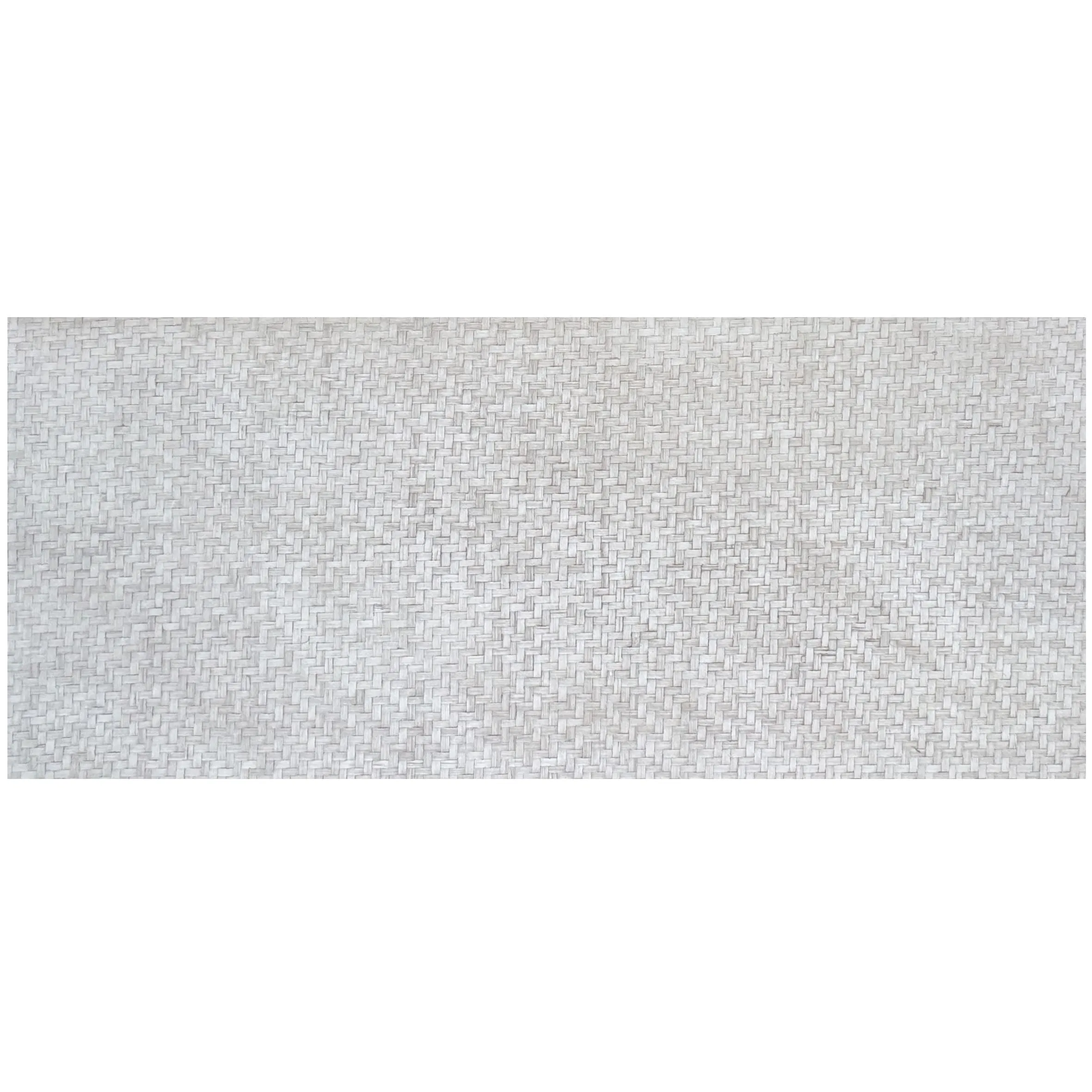
So, is bamboo mat board just a passing fad, or is it here to stay? Let's look at the trends. Governments worldwide are tightening regulations on carbon emissions, and green building certifications like LEED and BREEAM are becoming the norm, not the exception. Bamboo mat board checks boxes for these certifications, thanks to its low environmental impact and health benefits. As demand for sustainable materials grows, manufacturers are investing in innovations: think thinner boards for more flexibility, fire-retardant treatments using natural minerals, and even bamboo mat board panels with integrated insulation.
There's also the consumer angle. Today's homeowners and businesses are more informed than ever. They're asking for transparency in supply chains, and they're willing to pay a slight premium for materials that align with their values. Bamboo mat board, with its story of renewable growth and eco-friendly production, resonates with this mindset. It's not just a material—it's a statement: I care about the planet, and my space reflects that.
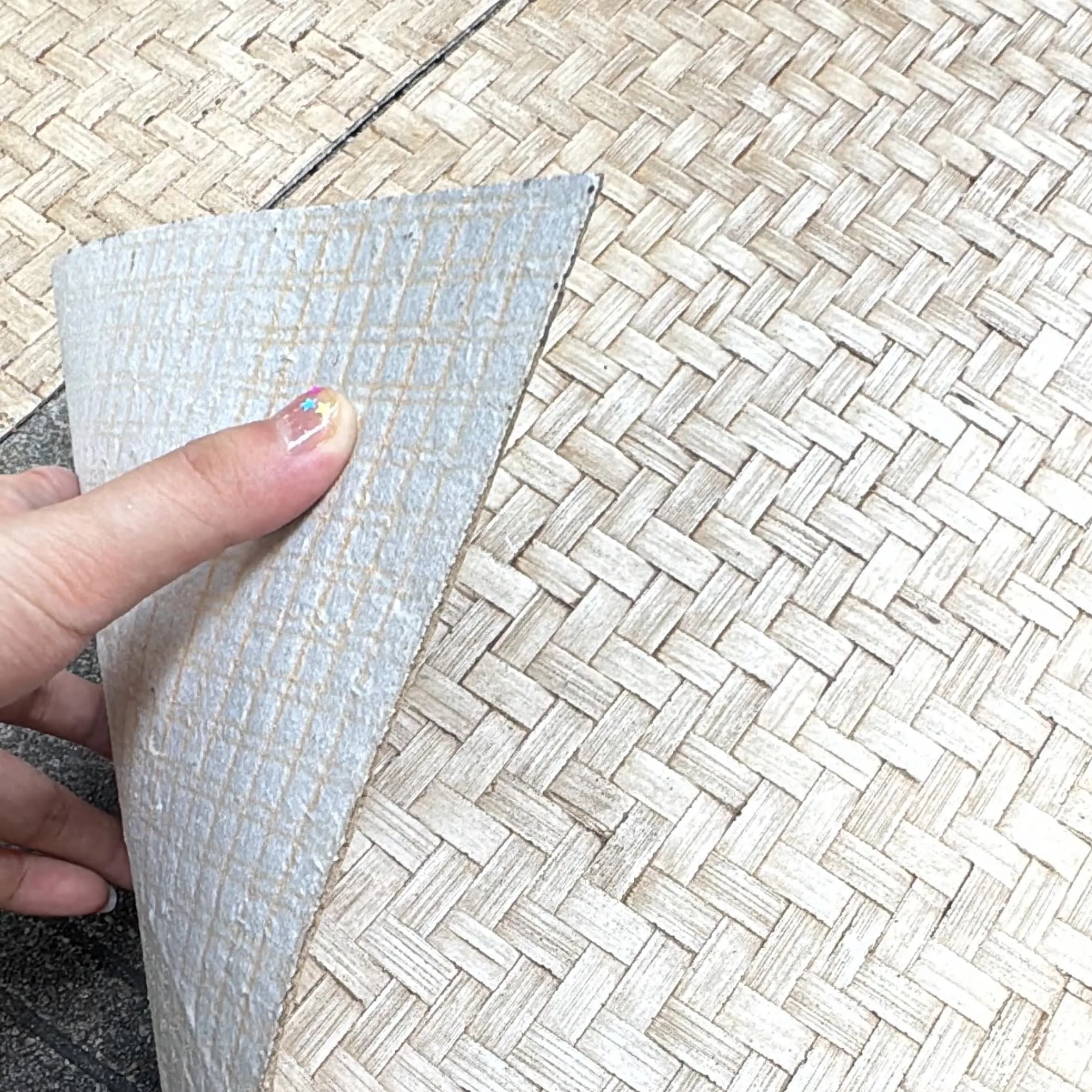
At the end of the day, bamboo mat board isn't just about building better—it's about building smarter. It's a reminder that sustainability and functionality don't have to be enemies. Whether you're building a tiny home, a commercial complex, or just renovating your kitchen, the choices you make in materials ripple outward. Bamboo mat board offers a path forward: one where your space feels like you , and your impact on the planet feels like a step in the right direction.
So, the next time you're planning a project, ask yourself: What story does my material tell? If the answer is one of renewal, responsibility, and resilience, bamboo mat board might just be the chapter you've been looking for. Here's to building a world where our homes are as kind to the Earth as they are to the people who live in them.
Recommend Products












